

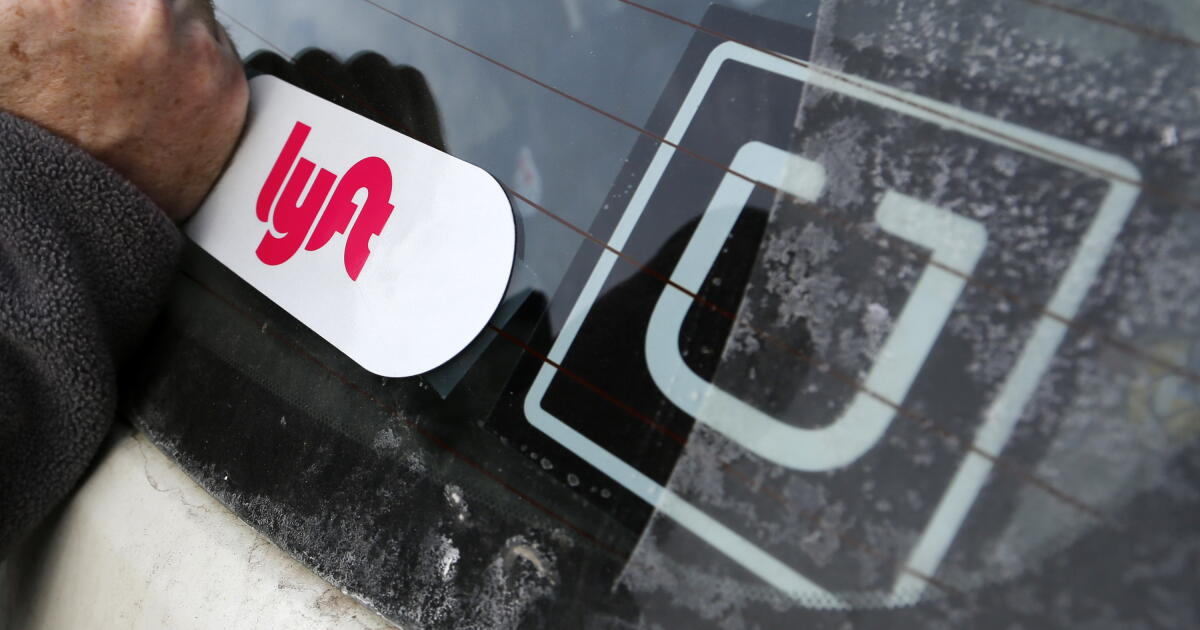

California regulators certified a union representing Uber and Lyft drivers, marking a milestone in a years-long fight by gig workers in the state.
The California Gig Workers Union will give drivers a seat at the table to negotiate pay, working conditions and benefits, union organizers said. California is the third state to allow ride-hailing drivers to unionize, following Washington in 2022 and Massachusetts in 2024.
The California Public Employment Relations Board officially recognized the union Wednesday after it secured support from 30% of active drivers in the state in August.
“Getting a union is having a collective voice,” said Harvin Melendez, an Uber driver in Los Angeles, in an interview. “It means finally we have a way to address all the issues, like payment and the poor benefits that I have.”
The next step for the union is to negotiate a contract with Uber and Lyft that meets drivers’ demands, including health insurance, support for high gas prices and more transparency around pay.
Tens of thousands of gig drivers have signed cards in support of the union, but the union did not say whether the cards signify official membership. The union couldn’t say how many members have joined.
The California Gig Workers Union was formed with the support of the Service Employees International Union. The passage of Assembly Bill 1340 last year gave gig ride-hailing drivers the right to unionize and collectively bargain.
“For years, rideshare companies have fallen short of giving drivers a meaningful say over their working conditions,” Assemblymember Buffy Wicks, who co-authored the bill, said in a statement. “AB 1340 provided the right to organize and today I’m proud to see drivers putting that right to work.”
Uber originally opposed AB 1340 but dropped its opposition late last year after another bill passed that brought major insurance requirement reforms.
California drivers suffered a loss in 2020 when the state passed Proposition 22, which allowed app-based ride-hailing and delivery companies to continue to classify their drivers as independent contractors rather than traditional employees.
Their classification as independent contractors exempted gig workers from state employee regulations around health insurance and minimum wage.
Drivers’ take-home pay is dropping, Melendez said, and the companies keep most of the fees paid by customers. Uber and Lyft drivers also face new competition from a rising wave of robotaxis, including autonomous vehicles deployed by Waymo and Zoox.
“Gig drivers shouldn’t have to face the future alone,” said SEIU 521 official Riko Mendez in a statement. “As autonomous vehicles rapidly expand, having a union gives the drivers the power to negotiate for fair pay and meaningful say in how new technology shapes their work and our communities’ futures.”
California is home to about 350,000 ride-hailing drivers, according to SEIU. Uber and Lyft have said they are committed to working with the newly formed union and bargaining in good faith.

California regulators certified a union representing Uber and Lyft drivers, marking a milestone in a years-long fight by gig workers in the state.
The California Gig Workers Union will give drivers a seat at the table to negotiate pay, working conditions and benefits, union organizers said. California is the third state to allow ride-hailing drivers to unionize, following Washington in 2022 and Massachusetts in 2024.
The California Public Employment Relations Board officially recognized the union Wednesday after it secured support from 30% of active drivers in the state in August.
“Getting a union is having a collective voice,” said Harvin Melendez, an Uber driver in Los Angeles, in an interview. “It means finally we have a way to address all the issues, like payment and the poor benefits that I have.”
The next step for the union is to negotiate a contract with Uber and Lyft that meets drivers’ demands, including health insurance, support for high gas prices and more transparency around pay.
Tens of thousands of gig drivers have signed cards in support of the union, but the union did not say whether the cards signify official membership. The union couldn’t say how many members have joined.
The California Gig Workers Union was formed with the support of the Service Employees International Union. The passage of Assembly Bill 1340 last year gave gig ride-hailing drivers the right to unionize and collectively bargain.
“For years, rideshare companies have fallen short of giving drivers a meaningful say over their working conditions,” Assemblymember Buffy Wicks, who co-authored the bill, said in a statement. “AB 1340 provided the right to organize and today I’m proud to see drivers putting that right to work.”
Uber originally opposed AB 1340 but dropped its opposition late last year after another bill passed that brought major insurance requirement reforms.
California drivers suffered a loss in 2020 when the state passed Proposition 22, which allowed app-based ride-hailing and delivery companies to continue to classify their drivers as independent contractors rather than traditional employees.
Their classification as independent contractors exempted gig workers from state employee regulations around health insurance and minimum wage.
Drivers’ take-home pay is dropping, Melendez said, and the companies keep most of the fees paid by customers. Uber and Lyft drivers also face new competition from a rising wave of robotaxis, including autonomous vehicles deployed by Waymo and Zoox.
“Gig drivers shouldn’t have to face the future alone,” said SEIU 521 official Riko Mendez in a statement. “As autonomous vehicles rapidly expand, having a union gives the drivers the power to negotiate for fair pay and meaningful say in how new technology shapes their work and our communities’ futures.”
California is home to about 350,000 ride-hailing drivers, according to SEIU. Uber and Lyft have said they are committed to working with the newly formed union and bargaining in good faith.

California regulators certified a union representing Uber and Lyft drivers, marking a milestone in a years-long fight by gig workers in the state.
The California Gig Workers Union will give drivers a seat at the table to negotiate pay, working conditions and benefits, union organizers said. California is the third state to allow ride-hailing drivers to unionize, following Washington in 2022 and Massachusetts in 2024.
The California Public Employment Relations Board officially recognized the union Wednesday after it secured support from 30% of active drivers in the state in August.
“Getting a union is having a collective voice,” said Harvin Melendez, an Uber driver in Los Angeles, in an interview. “It means finally we have a way to address all the issues, like payment and the poor benefits that I have.”
The next step for the union is to negotiate a contract with Uber and Lyft that meets drivers’ demands, including health insurance, support for high gas prices and more transparency around pay.
Tens of thousands of gig drivers have signed cards in support of the union, but the union did not say whether the cards signify official membership. The union couldn’t say how many members have joined.
The California Gig Workers Union was formed with the support of the Service Employees International Union. The passage of Assembly Bill 1340 last year gave gig ride-hailing drivers the right to unionize and collectively bargain.
“For years, rideshare companies have fallen short of giving drivers a meaningful say over their working conditions,” Assemblymember Buffy Wicks, who co-authored the bill, said in a statement. “AB 1340 provided the right to organize and today I’m proud to see drivers putting that right to work.”
Uber originally opposed AB 1340 but dropped its opposition late last year after another bill passed that brought major insurance requirement reforms.
California drivers suffered a loss in 2020 when the state passed Proposition 22, which allowed app-based ride-hailing and delivery companies to continue to classify their drivers as independent contractors rather than traditional employees.
Their classification as independent contractors exempted gig workers from state employee regulations around health insurance and minimum wage.
Drivers’ take-home pay is dropping, Melendez said, and the companies keep most of the fees paid by customers. Uber and Lyft drivers also face new competition from a rising wave of robotaxis, including autonomous vehicles deployed by Waymo and Zoox.
“Gig drivers shouldn’t have to face the future alone,” said SEIU 521 official Riko Mendez in a statement. “As autonomous vehicles rapidly expand, having a union gives the drivers the power to negotiate for fair pay and meaningful say in how new technology shapes their work and our communities’ futures.”
California is home to about 350,000 ride-hailing drivers, according to SEIU. Uber and Lyft have said they are committed to working with the newly formed union and bargaining in good faith.
California regulators certified a union representing Uber and Lyft drivers, marking a milestone in a years-long fight by gig workers in the state.
The California Gig Workers Union will give drivers a seat at the table to negotiate pay, working conditions and benefits, union organizers said. California is the third state to allow ride-hailing drivers to unionize, following Washington in 2022 and Massachusetts in 2024.
The California Public Employment Relations Board officially recognized the union Wednesday after it secured support from 30% of active drivers in the state in August.
“Getting a union is having a collective voice,” said Harvin Melendez, an Uber driver in Los Angeles, in an interview. “It means finally we have a way to address all the issues, like payment and the poor benefits that I have.”
The next step for the union is to negotiate a contract with Uber and Lyft that meets drivers’ demands, including health insurance, support for high gas prices and more transparency around pay.
Tens of thousands of gig drivers have signed cards in support of the union, but the union did not say whether the cards signify official membership. The union couldn’t say how many members have joined.
The California Gig Workers Union was formed with the support of the Service Employees International Union. The passage of Assembly Bill 1340 last year gave gig ride-hailing drivers the right to unionize and collectively bargain.
“For years, rideshare companies have fallen short of giving drivers a meaningful say over their working conditions,” Assemblymember Buffy Wicks, who co-authored the bill, said in a statement. “AB 1340 provided the right to organize and today I’m proud to see drivers putting that right to work.”
Uber originally opposed AB 1340 but dropped its opposition late last year after another bill passed that brought major insurance requirement reforms.
California drivers suffered a loss in 2020 when the state passed Proposition 22, which allowed app-based ride-hailing and delivery companies to continue to classify their drivers as independent contractors rather than traditional employees.
Their classification as independent contractors exempted gig workers from state employee regulations around health insurance and minimum wage.
Drivers’ take-home pay is dropping, Melendez said, and the companies keep most of the fees paid by customers. Uber and Lyft drivers also face new competition from a rising wave of robotaxis, including autonomous vehicles deployed by Waymo and Zoox.
“Gig drivers shouldn’t have to face the future alone,” said SEIU 521 official Riko Mendez in a statement. “As autonomous vehicles rapidly expand, having a union gives the drivers the power to negotiate for fair pay and meaningful say in how new technology shapes their work and our communities’ futures.”
California is home to about 350,000 ride-hailing drivers, according to SEIU. Uber and Lyft have said they are committed to working with the newly formed union and bargaining in good faith.

California regulators certified a union representing Uber and Lyft drivers, marking a milestone in a years-long fight by gig workers in the state.
The California Gig Workers Union will give drivers a seat at the table to negotiate pay, working conditions and benefits, union organizers said. California is the third state to allow ride-hailing drivers to unionize, following Washington in 2022 and Massachusetts in 2024.
The California Public Employment Relations Board officially recognized the union Wednesday after it secured support from 30% of active drivers in the state in August.
“Getting a union is having a collective voice,” said Harvin Melendez, an Uber driver in Los Angeles, in an interview. “It means finally we have a way to address all the issues, like payment and the poor benefits that I have.”
The next step for the union is to negotiate a contract with Uber and Lyft that meets drivers’ demands, including health insurance, support for high gas prices and more transparency around pay.
Tens of thousands of gig drivers have signed cards in support of the union, but the union did not say whether the cards signify official membership. The union couldn’t say how many members have joined.
The California Gig Workers Union was formed with the support of the Service Employees International Union. The passage of Assembly Bill 1340 last year gave gig ride-hailing drivers the right to unionize and collectively bargain.
“For years, rideshare companies have fallen short of giving drivers a meaningful say over their working conditions,” Assemblymember Buffy Wicks, who co-authored the bill, said in a statement. “AB 1340 provided the right to organize and today I’m proud to see drivers putting that right to work.”
Uber originally opposed AB 1340 but dropped its opposition late last year after another bill passed that brought major insurance requirement reforms.
California drivers suffered a loss in 2020 when the state passed Proposition 22, which allowed app-based ride-hailing and delivery companies to continue to classify their drivers as independent contractors rather than traditional employees.
Their classification as independent contractors exempted gig workers from state employee regulations around health insurance and minimum wage.
Drivers’ take-home pay is dropping, Melendez said, and the companies keep most of the fees paid by customers. Uber and Lyft drivers also face new competition from a rising wave of robotaxis, including autonomous vehicles deployed by Waymo and Zoox.
“Gig drivers shouldn’t have to face the future alone,” said SEIU 521 official Riko Mendez in a statement. “As autonomous vehicles rapidly expand, having a union gives the drivers the power to negotiate for fair pay and meaningful say in how new technology shapes their work and our communities’ futures.”
California is home to about 350,000 ride-hailing drivers, according to SEIU. Uber and Lyft have said they are committed to working with the newly formed union and bargaining in good faith.
California regulators certified a union representing Uber and Lyft drivers, marking a milestone in a years-long fight by gig workers in the state.
The California Gig Workers Union will give drivers a seat at the table to negotiate pay, working conditions and benefits, union organizers said. California is the third state to allow ride-hailing drivers to unionize, following Washington in 2022 and Massachusetts in 2024.
The California Public Employment Relations Board officially recognized the union Wednesday after it secured support from 30% of active drivers in the state in August.
“Getting a union is having a collective voice,” said Harvin Melendez, an Uber driver in Los Angeles, in an interview. “It means finally we have a way to address all the issues, like payment and the poor benefits that I have.”
The next step for the union is to negotiate a contract with Uber and Lyft that meets drivers’ demands, including health insurance, support for high gas prices and more transparency around pay.
Tens of thousands of gig drivers have signed cards in support of the union, but the union did not say whether the cards signify official membership. The union couldn’t say how many members have joined.
The California Gig Workers Union was formed with the support of the Service Employees International Union. The passage of Assembly Bill 1340 last year gave gig ride-hailing drivers the right to unionize and collectively bargain.
“For years, rideshare companies have fallen short of giving drivers a meaningful say over their working conditions,” Assemblymember Buffy Wicks, who co-authored the bill, said in a statement. “AB 1340 provided the right to organize and today I’m proud to see drivers putting that right to work.”
Uber originally opposed AB 1340 but dropped its opposition late last year after another bill passed that brought major insurance requirement reforms.
California drivers suffered a loss in 2020 when the state passed Proposition 22, which allowed app-based ride-hailing and delivery companies to continue to classify their drivers as independent contractors rather than traditional employees.
Their classification as independent contractors exempted gig workers from state employee regulations around health insurance and minimum wage.
Drivers’ take-home pay is dropping, Melendez said, and the companies keep most of the fees paid by customers. Uber and Lyft drivers also face new competition from a rising wave of robotaxis, including autonomous vehicles deployed by Waymo and Zoox.
“Gig drivers shouldn’t have to face the future alone,” said SEIU 521 official Riko Mendez in a statement. “As autonomous vehicles rapidly expand, having a union gives the drivers the power to negotiate for fair pay and meaningful say in how new technology shapes their work and our communities’ futures.”
California is home to about 350,000 ride-hailing drivers, according to SEIU. Uber and Lyft have said they are committed to working with the newly formed union and bargaining in good faith.
California regulators certified a union representing Uber and Lyft drivers, marking a milestone in a years-long fight by gig workers in the state.
The California Gig Workers Union will give drivers a seat at the table to negotiate pay, working conditions and benefits, union organizers said. California is the third state to allow ride-hailing drivers to unionize, following Washington in 2022 and Massachusetts in 2024.
The California Public Employment Relations Board officially recognized the union Wednesday after it secured support from 30% of active drivers in the state in August.
“Getting a union is having a collective voice,” said Harvin Melendez, an Uber driver in Los Angeles, in an interview. “It means finally we have a way to address all the issues, like payment and the poor benefits that I have.”
The next step for the union is to negotiate a contract with Uber and Lyft that meets drivers’ demands, including health insurance, support for high gas prices and more transparency around pay.
Tens of thousands of gig drivers have signed cards in support of the union, but the union did not say whether the cards signify official membership. The union couldn’t say how many members have joined.
The California Gig Workers Union was formed with the support of the Service Employees International Union. The passage of Assembly Bill 1340 last year gave gig ride-hailing drivers the right to unionize and collectively bargain.
“For years, rideshare companies have fallen short of giving drivers a meaningful say over their working conditions,” Assemblymember Buffy Wicks, who co-authored the bill, said in a statement. “AB 1340 provided the right to organize and today I’m proud to see drivers putting that right to work.”
Uber originally opposed AB 1340 but dropped its opposition late last year after another bill passed that brought major insurance requirement reforms.
California drivers suffered a loss in 2020 when the state passed Proposition 22, which allowed app-based ride-hailing and delivery companies to continue to classify their drivers as independent contractors rather than traditional employees.
Their classification as independent contractors exempted gig workers from state employee regulations around health insurance and minimum wage.
Drivers’ take-home pay is dropping, Melendez said, and the companies keep most of the fees paid by customers. Uber and Lyft drivers also face new competition from a rising wave of robotaxis, including autonomous vehicles deployed by Waymo and Zoox.
“Gig drivers shouldn’t have to face the future alone,” said SEIU 521 official Riko Mendez in a statement. “As autonomous vehicles rapidly expand, having a union gives the drivers the power to negotiate for fair pay and meaningful say in how new technology shapes their work and our communities’ futures.”
California is home to about 350,000 ride-hailing drivers, according to SEIU. Uber and Lyft have said they are committed to working with the newly formed union and bargaining in good faith.
California regulators certified a union representing Uber and Lyft drivers, marking a milestone in a years-long fight by gig workers in the state.
The California Gig Workers Union will give drivers a seat at the table to negotiate pay, working conditions and benefits, union organizers said. California is the third state to allow ride-hailing drivers to unionize, following Washington in 2022 and Massachusetts in 2024.
The California Public Employment Relations Board officially recognized the union Wednesday after it secured support from 30% of active drivers in the state in August.
“Getting a union is having a collective voice,” said Harvin Melendez, an Uber driver in Los Angeles, in an interview. “It means finally we have a way to address all the issues, like payment and the poor benefits that I have.”
The next step for the union is to negotiate a contract with Uber and Lyft that meets drivers’ demands, including health insurance, support for high gas prices and more transparency around pay.
Tens of thousands of gig drivers have signed cards in support of the union, but the union did not say whether the cards signify official membership. The union couldn’t say how many members have joined.
The California Gig Workers Union was formed with the support of the Service Employees International Union. The passage of Assembly Bill 1340 last year gave gig ride-hailing drivers the right to unionize and collectively bargain.
“For years, rideshare companies have fallen short of giving drivers a meaningful say over their working conditions,” Assemblymember Buffy Wicks, who co-authored the bill, said in a statement. “AB 1340 provided the right to organize and today I’m proud to see drivers putting that right to work.”
Uber originally opposed AB 1340 but dropped its opposition late last year after another bill passed that brought major insurance requirement reforms.
California drivers suffered a loss in 2020 when the state passed Proposition 22, which allowed app-based ride-hailing and delivery companies to continue to classify their drivers as independent contractors rather than traditional employees.
Their classification as independent contractors exempted gig workers from state employee regulations around health insurance and minimum wage.
Drivers’ take-home pay is dropping, Melendez said, and the companies keep most of the fees paid by customers. Uber and Lyft drivers also face new competition from a rising wave of robotaxis, including autonomous vehicles deployed by Waymo and Zoox.
“Gig drivers shouldn’t have to face the future alone,” said SEIU 521 official Riko Mendez in a statement. “As autonomous vehicles rapidly expand, having a union gives the drivers the power to negotiate for fair pay and meaningful say in how new technology shapes their work and our communities’ futures.”
California is home to about 350,000 ride-hailing drivers, according to SEIU. Uber and Lyft have said they are committed to working with the newly formed union and bargaining in good faith.

