


Zoox, the Amazon-owed autonomous taxi company founded in 2014, will launch its first paid rides in Las Vegas on Monday.
Zoox, the Amazon-owed autonomous taxi company founded in 2014, will launch its first paid rides in Las Vegas on Monday.
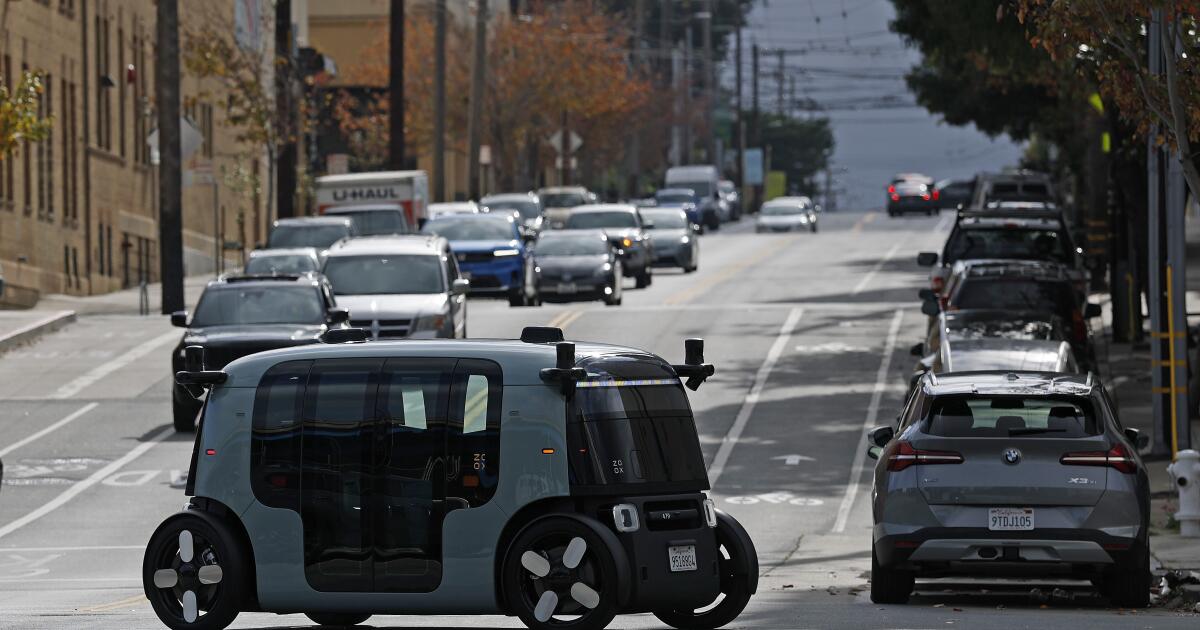
The company’s robotaxis differ from others already on the road because they do not have driver’s controls such as a steering wheel or gas pedal. The pill-shaped vehicles can drive in either direction and include interior seats facing each other.
Zoox received a first-of-its-kind exemption from the National Highway Traffic Safety Administration last month, allowing them to operate purpose-built robotaxis and charge for it.
“We have strongly believed that a purpose-built robotaxi is the best way to solve the challenges of autonomy,” Zoox said in a blog post on July 30. “Because we’re developing a vehicle unlike any on the road today, designed and assembled in the US, our journey has required thoughtful engagement with NHTSA on outdated Federal Motor Vehicle Safety Standards requirements.”
Rides in Zoox vehicles will remain free in San Francisco until further notice, the company said. In Las Vegas, fares will be calculated using a base fee plus distance and time traveled.
The company said it’s aiming to offer pricing competitive with other ride-hail services’ comfort level pricing. Destination fees for airports or special events may be added, and the full fare will be visible before booking.
The NHTSA exemption permits the commercial deployment of 2,500 Zoox vehicles each year for two years. Operations will be subject to enhanced oversight, according to a release from NHTSA.
NHTSA is also gathering public feedback on its updated autonomous vehicle regulations.
Alphabet-owned Waymo is at the front of the robotaxi race, with paid rides available in more than 10 major cities. Earlier this spring, Waymo launched a new robotaxi dubbed the Ojai that is larger and cheaper to produce.
Waymo’s taxis are retrofitted existing vehicles with autonomous technology added including cameras and sensors. Zoox’s vehicles are built from the ground up and can’t be directly driven by a human.
Tesla’s robotaxis have been lagging behind after they launched in Austin in 2025 and were met with several reports of glitches and safety concerns.
Zoox is only available in Las Vegas and San Francisco, but is coming soon to Austin, Texas, and Miami, according to its website. The company has served more than half a million riders and has another half million signed up for its waitlist.
“As Zoox continues to be a part of our riders’ daily lives, it is clearer than ever that a purpose-built direction is the future, both from a safety and rider experience perspective,” the blog post said.

Zoox, the Amazon-owed autonomous taxi company founded in 2014, will launch its first paid rides in Las Vegas on Monday.
Zoox, the Amazon-owed autonomous taxi company founded in 2014, will launch its first paid rides in Las Vegas on Monday.
The company’s robotaxis differ from others already on the road because they do not have driver’s controls such as a steering wheel or gas pedal. The pill-shaped vehicles can drive in either direction and include interior seats facing each other.
Zoox received a first-of-its-kind exemption from the National Highway Traffic Safety Administration last month, allowing them to operate purpose-built robotaxis and charge for it.
“We have strongly believed that a purpose-built robotaxi is the best way to solve the challenges of autonomy,” Zoox said in a blog post on July 30. “Because we’re developing a vehicle unlike any on the road today, designed and assembled in the US, our journey has required thoughtful engagement with NHTSA on outdated Federal Motor Vehicle Safety Standards requirements.”
Rides in Zoox vehicles will remain free in San Francisco until further notice, the company said. In Las Vegas, fares will be calculated using a base fee plus distance and time traveled.
The company said it’s aiming to offer pricing competitive with other ride-hail services’ comfort level pricing. Destination fees for airports or special events may be added, and the full fare will be visible before booking.
The NHTSA exemption permits the commercial deployment of 2,500 Zoox vehicles each year for two years. Operations will be subject to enhanced oversight, according to a release from NHTSA.
NHTSA is also gathering public feedback on its updated autonomous vehicle regulations.
Alphabet-owned Waymo is at the front of the robotaxi race, with paid rides available in more than 10 major cities. Earlier this spring, Waymo launched a new robotaxi dubbed the Ojai that is larger and cheaper to produce.
Waymo’s taxis are retrofitted existing vehicles with autonomous technology added including cameras and sensors. Zoox’s vehicles are built from the ground up and can’t be directly driven by a human.
Tesla’s robotaxis have been lagging behind after they launched in Austin in 2025 and were met with several reports of glitches and safety concerns.
Zoox is only available in Las Vegas and San Francisco, but is coming soon to Austin, Texas, and Miami, according to its website. The company has served more than half a million riders and has another half million signed up for its waitlist.
“As Zoox continues to be a part of our riders’ daily lives, it is clearer than ever that a purpose-built direction is the future, both from a safety and rider experience perspective,” the blog post said.

Zoox, the Amazon-owed autonomous taxi company founded in 2014, will launch its first paid rides in Las Vegas on Monday.
Zoox, the Amazon-owed autonomous taxi company founded in 2014, will launch its first paid rides in Las Vegas on Monday.
The company’s robotaxis differ from others already on the road because they do not have driver’s controls such as a steering wheel or gas pedal. The pill-shaped vehicles can drive in either direction and include interior seats facing each other.
Zoox received a first-of-its-kind exemption from the National Highway Traffic Safety Administration last month, allowing them to operate purpose-built robotaxis and charge for it.
“We have strongly believed that a purpose-built robotaxi is the best way to solve the challenges of autonomy,” Zoox said in a blog post on July 30. “Because we’re developing a vehicle unlike any on the road today, designed and assembled in the US, our journey has required thoughtful engagement with NHTSA on outdated Federal Motor Vehicle Safety Standards requirements.”
Rides in Zoox vehicles will remain free in San Francisco until further notice, the company said. In Las Vegas, fares will be calculated using a base fee plus distance and time traveled.
The company said it’s aiming to offer pricing competitive with other ride-hail services’ comfort level pricing. Destination fees for airports or special events may be added, and the full fare will be visible before booking.
The NHTSA exemption permits the commercial deployment of 2,500 Zoox vehicles each year for two years. Operations will be subject to enhanced oversight, according to a release from NHTSA.
NHTSA is also gathering public feedback on its updated autonomous vehicle regulations.
Alphabet-owned Waymo is at the front of the robotaxi race, with paid rides available in more than 10 major cities. Earlier this spring, Waymo launched a new robotaxi dubbed the Ojai that is larger and cheaper to produce.
Waymo’s taxis are retrofitted existing vehicles with autonomous technology added including cameras and sensors. Zoox’s vehicles are built from the ground up and can’t be directly driven by a human.
Tesla’s robotaxis have been lagging behind after they launched in Austin in 2025 and were met with several reports of glitches and safety concerns.
Zoox is only available in Las Vegas and San Francisco, but is coming soon to Austin, Texas, and Miami, according to its website. The company has served more than half a million riders and has another half million signed up for its waitlist.
“As Zoox continues to be a part of our riders’ daily lives, it is clearer than ever that a purpose-built direction is the future, both from a safety and rider experience perspective,” the blog post said.
Zoox, the Amazon-owed autonomous taxi company founded in 2014, will launch its first paid rides in Las Vegas on Monday.
Zoox, the Amazon-owed autonomous taxi company founded in 2014, will launch its first paid rides in Las Vegas on Monday.
The company’s robotaxis differ from others already on the road because they do not have driver’s controls such as a steering wheel or gas pedal. The pill-shaped vehicles can drive in either direction and include interior seats facing each other.
Zoox received a first-of-its-kind exemption from the National Highway Traffic Safety Administration last month, allowing them to operate purpose-built robotaxis and charge for it.
“We have strongly believed that a purpose-built robotaxi is the best way to solve the challenges of autonomy,” Zoox said in a blog post on July 30. “Because we’re developing a vehicle unlike any on the road today, designed and assembled in the US, our journey has required thoughtful engagement with NHTSA on outdated Federal Motor Vehicle Safety Standards requirements.”
Rides in Zoox vehicles will remain free in San Francisco until further notice, the company said. In Las Vegas, fares will be calculated using a base fee plus distance and time traveled.
The company said it’s aiming to offer pricing competitive with other ride-hail services’ comfort level pricing. Destination fees for airports or special events may be added, and the full fare will be visible before booking.
The NHTSA exemption permits the commercial deployment of 2,500 Zoox vehicles each year for two years. Operations will be subject to enhanced oversight, according to a release from NHTSA.
NHTSA is also gathering public feedback on its updated autonomous vehicle regulations.
Alphabet-owned Waymo is at the front of the robotaxi race, with paid rides available in more than 10 major cities. Earlier this spring, Waymo launched a new robotaxi dubbed the Ojai that is larger and cheaper to produce.
Waymo’s taxis are retrofitted existing vehicles with autonomous technology added including cameras and sensors. Zoox’s vehicles are built from the ground up and can’t be directly driven by a human.
Tesla’s robotaxis have been lagging behind after they launched in Austin in 2025 and were met with several reports of glitches and safety concerns.
Zoox is only available in Las Vegas and San Francisco, but is coming soon to Austin, Texas, and Miami, according to its website. The company has served more than half a million riders and has another half million signed up for its waitlist.
“As Zoox continues to be a part of our riders’ daily lives, it is clearer than ever that a purpose-built direction is the future, both from a safety and rider experience perspective,” the blog post said.

Zoox, the Amazon-owed autonomous taxi company founded in 2014, will launch its first paid rides in Las Vegas on Monday.
Zoox, the Amazon-owed autonomous taxi company founded in 2014, will launch its first paid rides in Las Vegas on Monday.
The company’s robotaxis differ from others already on the road because they do not have driver’s controls such as a steering wheel or gas pedal. The pill-shaped vehicles can drive in either direction and include interior seats facing each other.
Zoox received a first-of-its-kind exemption from the National Highway Traffic Safety Administration last month, allowing them to operate purpose-built robotaxis and charge for it.
“We have strongly believed that a purpose-built robotaxi is the best way to solve the challenges of autonomy,” Zoox said in a blog post on July 30. “Because we’re developing a vehicle unlike any on the road today, designed and assembled in the US, our journey has required thoughtful engagement with NHTSA on outdated Federal Motor Vehicle Safety Standards requirements.”
Rides in Zoox vehicles will remain free in San Francisco until further notice, the company said. In Las Vegas, fares will be calculated using a base fee plus distance and time traveled.
The company said it’s aiming to offer pricing competitive with other ride-hail services’ comfort level pricing. Destination fees for airports or special events may be added, and the full fare will be visible before booking.
The NHTSA exemption permits the commercial deployment of 2,500 Zoox vehicles each year for two years. Operations will be subject to enhanced oversight, according to a release from NHTSA.
NHTSA is also gathering public feedback on its updated autonomous vehicle regulations.
Alphabet-owned Waymo is at the front of the robotaxi race, with paid rides available in more than 10 major cities. Earlier this spring, Waymo launched a new robotaxi dubbed the Ojai that is larger and cheaper to produce.
Waymo’s taxis are retrofitted existing vehicles with autonomous technology added including cameras and sensors. Zoox’s vehicles are built from the ground up and can’t be directly driven by a human.
Tesla’s robotaxis have been lagging behind after they launched in Austin in 2025 and were met with several reports of glitches and safety concerns.
Zoox is only available in Las Vegas and San Francisco, but is coming soon to Austin, Texas, and Miami, according to its website. The company has served more than half a million riders and has another half million signed up for its waitlist.
“As Zoox continues to be a part of our riders’ daily lives, it is clearer than ever that a purpose-built direction is the future, both from a safety and rider experience perspective,” the blog post said.
Zoox, the Amazon-owed autonomous taxi company founded in 2014, will launch its first paid rides in Las Vegas on Monday.
Zoox, the Amazon-owed autonomous taxi company founded in 2014, will launch its first paid rides in Las Vegas on Monday.
The company’s robotaxis differ from others already on the road because they do not have driver’s controls such as a steering wheel or gas pedal. The pill-shaped vehicles can drive in either direction and include interior seats facing each other.
Zoox received a first-of-its-kind exemption from the National Highway Traffic Safety Administration last month, allowing them to operate purpose-built robotaxis and charge for it.
“We have strongly believed that a purpose-built robotaxi is the best way to solve the challenges of autonomy,” Zoox said in a blog post on July 30. “Because we’re developing a vehicle unlike any on the road today, designed and assembled in the US, our journey has required thoughtful engagement with NHTSA on outdated Federal Motor Vehicle Safety Standards requirements.”
Rides in Zoox vehicles will remain free in San Francisco until further notice, the company said. In Las Vegas, fares will be calculated using a base fee plus distance and time traveled.
The company said it’s aiming to offer pricing competitive with other ride-hail services’ comfort level pricing. Destination fees for airports or special events may be added, and the full fare will be visible before booking.
The NHTSA exemption permits the commercial deployment of 2,500 Zoox vehicles each year for two years. Operations will be subject to enhanced oversight, according to a release from NHTSA.
NHTSA is also gathering public feedback on its updated autonomous vehicle regulations.
Alphabet-owned Waymo is at the front of the robotaxi race, with paid rides available in more than 10 major cities. Earlier this spring, Waymo launched a new robotaxi dubbed the Ojai that is larger and cheaper to produce.
Waymo’s taxis are retrofitted existing vehicles with autonomous technology added including cameras and sensors. Zoox’s vehicles are built from the ground up and can’t be directly driven by a human.
Tesla’s robotaxis have been lagging behind after they launched in Austin in 2025 and were met with several reports of glitches and safety concerns.
Zoox is only available in Las Vegas and San Francisco, but is coming soon to Austin, Texas, and Miami, according to its website. The company has served more than half a million riders and has another half million signed up for its waitlist.
“As Zoox continues to be a part of our riders’ daily lives, it is clearer than ever that a purpose-built direction is the future, both from a safety and rider experience perspective,” the blog post said.
Zoox, the Amazon-owed autonomous taxi company founded in 2014, will launch its first paid rides in Las Vegas on Monday.
Zoox, the Amazon-owed autonomous taxi company founded in 2014, will launch its first paid rides in Las Vegas on Monday.
The company’s robotaxis differ from others already on the road because they do not have driver’s controls such as a steering wheel or gas pedal. The pill-shaped vehicles can drive in either direction and include interior seats facing each other.
Zoox received a first-of-its-kind exemption from the National Highway Traffic Safety Administration last month, allowing them to operate purpose-built robotaxis and charge for it.
“We have strongly believed that a purpose-built robotaxi is the best way to solve the challenges of autonomy,” Zoox said in a blog post on July 30. “Because we’re developing a vehicle unlike any on the road today, designed and assembled in the US, our journey has required thoughtful engagement with NHTSA on outdated Federal Motor Vehicle Safety Standards requirements.”
Rides in Zoox vehicles will remain free in San Francisco until further notice, the company said. In Las Vegas, fares will be calculated using a base fee plus distance and time traveled.
The company said it’s aiming to offer pricing competitive with other ride-hail services’ comfort level pricing. Destination fees for airports or special events may be added, and the full fare will be visible before booking.
The NHTSA exemption permits the commercial deployment of 2,500 Zoox vehicles each year for two years. Operations will be subject to enhanced oversight, according to a release from NHTSA.
NHTSA is also gathering public feedback on its updated autonomous vehicle regulations.
Alphabet-owned Waymo is at the front of the robotaxi race, with paid rides available in more than 10 major cities. Earlier this spring, Waymo launched a new robotaxi dubbed the Ojai that is larger and cheaper to produce.
Waymo’s taxis are retrofitted existing vehicles with autonomous technology added including cameras and sensors. Zoox’s vehicles are built from the ground up and can’t be directly driven by a human.
Tesla’s robotaxis have been lagging behind after they launched in Austin in 2025 and were met with several reports of glitches and safety concerns.
Zoox is only available in Las Vegas and San Francisco, but is coming soon to Austin, Texas, and Miami, according to its website. The company has served more than half a million riders and has another half million signed up for its waitlist.
“As Zoox continues to be a part of our riders’ daily lives, it is clearer than ever that a purpose-built direction is the future, both from a safety and rider experience perspective,” the blog post said.
Zoox, the Amazon-owed autonomous taxi company founded in 2014, will launch its first paid rides in Las Vegas on Monday.
Zoox, the Amazon-owed autonomous taxi company founded in 2014, will launch its first paid rides in Las Vegas on Monday.
The company’s robotaxis differ from others already on the road because they do not have driver’s controls such as a steering wheel or gas pedal. The pill-shaped vehicles can drive in either direction and include interior seats facing each other.
Zoox received a first-of-its-kind exemption from the National Highway Traffic Safety Administration last month, allowing them to operate purpose-built robotaxis and charge for it.
“We have strongly believed that a purpose-built robotaxi is the best way to solve the challenges of autonomy,” Zoox said in a blog post on July 30. “Because we’re developing a vehicle unlike any on the road today, designed and assembled in the US, our journey has required thoughtful engagement with NHTSA on outdated Federal Motor Vehicle Safety Standards requirements.”
Rides in Zoox vehicles will remain free in San Francisco until further notice, the company said. In Las Vegas, fares will be calculated using a base fee plus distance and time traveled.
The company said it’s aiming to offer pricing competitive with other ride-hail services’ comfort level pricing. Destination fees for airports or special events may be added, and the full fare will be visible before booking.
The NHTSA exemption permits the commercial deployment of 2,500 Zoox vehicles each year for two years. Operations will be subject to enhanced oversight, according to a release from NHTSA.
NHTSA is also gathering public feedback on its updated autonomous vehicle regulations.
Alphabet-owned Waymo is at the front of the robotaxi race, with paid rides available in more than 10 major cities. Earlier this spring, Waymo launched a new robotaxi dubbed the Ojai that is larger and cheaper to produce.
Waymo’s taxis are retrofitted existing vehicles with autonomous technology added including cameras and sensors. Zoox’s vehicles are built from the ground up and can’t be directly driven by a human.
Tesla’s robotaxis have been lagging behind after they launched in Austin in 2025 and were met with several reports of glitches and safety concerns.
Zoox is only available in Las Vegas and San Francisco, but is coming soon to Austin, Texas, and Miami, according to its website. The company has served more than half a million riders and has another half million signed up for its waitlist.
“As Zoox continues to be a part of our riders’ daily lives, it is clearer than ever that a purpose-built direction is the future, both from a safety and rider experience perspective,” the blog post said.

