

A hot button measure on the ballot is Proposition 39, which would require voters to present government-issued identification, such as a state driver’s license, every time they vote in person. The initiative would require election officials to verify that all registered voters are U.S. citizens.
Voters who use mail-in ballots — the most popular method of voting in California — would be required to write a four-digit number, or a PIN, on their ballot envelopes. The PIN would come from ID such as a driver’s license or could be provided by the county.
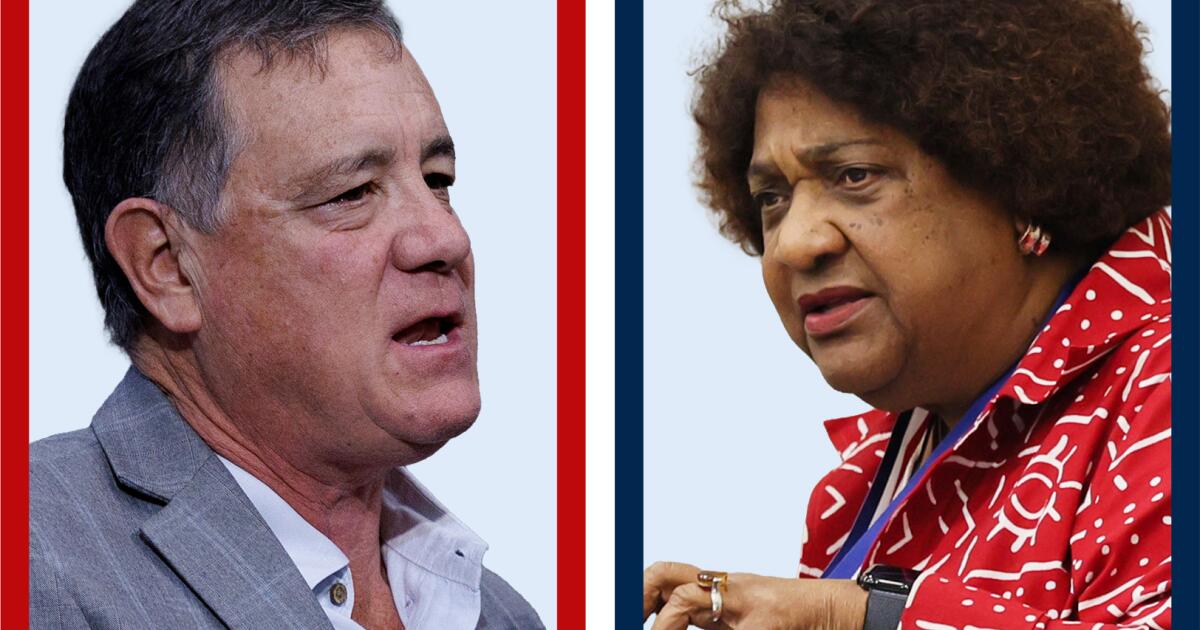
Wagner supports Proposition 39 and believes that the legislature should “fix” ballot harvesting, which refers to collecting completed absentee ballots from voters and delivering them to polling places.
“We ought to do a more thorough job of cleaning ghost voters who don’t belong on the rolls any longer. Either they passed away or they moved away,” he said. “Things can be done when the office of the secretary of state is willing to do them. I’m willing to do it and the incumbent isn’t.”
According to a September poll from the UC Berkeley Institute of Governmental Studies, 52% of likely California voters oppose voter ID at the polls, while 39% support it and 9% are undecided.
“It’s patronizing, the idea that people have a difficult time getting a driver’s license,” Wagner said. “Even the Democratic Party when it had its convention, all of the delegates had to show identification. The idea that IDs are hard to come by is silly and patronizing and the initiative would give you one for free so that shouldn’t hold anyone up.”
Proposition 39 would require the state to provide a voter identification card for free to voters who request one. Supporters of the measure say that it would prevent election fraud while critics say that the requirements would reduce voter participation.
Under California law, voters aren’t required to show or provide identification when casting a ballot in person or by mail. The state requires ID when registering to vote, and residents must swear under penalty of perjury that they are a U.S. citizen and are eligible to vote.
Weber opposes Proposition 39 and compared it to the literacy voting laws in the South, which largely denied the vote to Black, Latino and indigenous populations and eventually were overturned by the Voting Rights Act of 1965.
“When my parents were in the South, no one really was opposed to people having literacy as a standard for you to be able to vote, but it was how literacy standards were implemented in a very discriminatory fashion,” she added. “That gave those in charge the ability to pick and choose who would vote and who would not vote based on their perception of standards.”
Weber pointed out that voter fraud is minuscule in U.S. elections and that voter ID laws could be used to deny certain Californians the ability to vote.
“These things are put out there just to get everybody frenzied and concerned and focused away from the real issues, which is they’re trying to take away your vote,” she added. “It’s like a sleight of hand. We have voter ID and if the voter ID law passes, it would take a tremendous amount of time and people would be very frustrated when they discover what may happen as a result of this law.”

A hot button measure on the ballot is Proposition 39, which would require voters to present government-issued identification, such as a state driver’s license, every time they vote in person. The initiative would require election officials to verify that all registered voters are U.S. citizens.
Voters who use mail-in ballots — the most popular method of voting in California — would be required to write a four-digit number, or a PIN, on their ballot envelopes. The PIN would come from ID such as a driver’s license or could be provided by the county.
Wagner supports Proposition 39 and believes that the legislature should “fix” ballot harvesting, which refers to collecting completed absentee ballots from voters and delivering them to polling places.
“We ought to do a more thorough job of cleaning ghost voters who don’t belong on the rolls any longer. Either they passed away or they moved away,” he said. “Things can be done when the office of the secretary of state is willing to do them. I’m willing to do it and the incumbent isn’t.”
According to a September poll from the UC Berkeley Institute of Governmental Studies, 52% of likely California voters oppose voter ID at the polls, while 39% support it and 9% are undecided.
“It’s patronizing, the idea that people have a difficult time getting a driver’s license,” Wagner said. “Even the Democratic Party when it had its convention, all of the delegates had to show identification. The idea that IDs are hard to come by is silly and patronizing and the initiative would give you one for free so that shouldn’t hold anyone up.”
Proposition 39 would require the state to provide a voter identification card for free to voters who request one. Supporters of the measure say that it would prevent election fraud while critics say that the requirements would reduce voter participation.
Under California law, voters aren’t required to show or provide identification when casting a ballot in person or by mail. The state requires ID when registering to vote, and residents must swear under penalty of perjury that they are a U.S. citizen and are eligible to vote.
Weber opposes Proposition 39 and compared it to the literacy voting laws in the South, which largely denied the vote to Black, Latino and indigenous populations and eventually were overturned by the Voting Rights Act of 1965.
“When my parents were in the South, no one really was opposed to people having literacy as a standard for you to be able to vote, but it was how literacy standards were implemented in a very discriminatory fashion,” she added. “That gave those in charge the ability to pick and choose who would vote and who would not vote based on their perception of standards.”
Weber pointed out that voter fraud is minuscule in U.S. elections and that voter ID laws could be used to deny certain Californians the ability to vote.
“These things are put out there just to get everybody frenzied and concerned and focused away from the real issues, which is they’re trying to take away your vote,” she added. “It’s like a sleight of hand. We have voter ID and if the voter ID law passes, it would take a tremendous amount of time and people would be very frustrated when they discover what may happen as a result of this law.”

A hot button measure on the ballot is Proposition 39, which would require voters to present government-issued identification, such as a state driver’s license, every time they vote in person. The initiative would require election officials to verify that all registered voters are U.S. citizens.
Voters who use mail-in ballots — the most popular method of voting in California — would be required to write a four-digit number, or a PIN, on their ballot envelopes. The PIN would come from ID such as a driver’s license or could be provided by the county.
Wagner supports Proposition 39 and believes that the legislature should “fix” ballot harvesting, which refers to collecting completed absentee ballots from voters and delivering them to polling places.
“We ought to do a more thorough job of cleaning ghost voters who don’t belong on the rolls any longer. Either they passed away or they moved away,” he said. “Things can be done when the office of the secretary of state is willing to do them. I’m willing to do it and the incumbent isn’t.”
According to a September poll from the UC Berkeley Institute of Governmental Studies, 52% of likely California voters oppose voter ID at the polls, while 39% support it and 9% are undecided.
“It’s patronizing, the idea that people have a difficult time getting a driver’s license,” Wagner said. “Even the Democratic Party when it had its convention, all of the delegates had to show identification. The idea that IDs are hard to come by is silly and patronizing and the initiative would give you one for free so that shouldn’t hold anyone up.”
Proposition 39 would require the state to provide a voter identification card for free to voters who request one. Supporters of the measure say that it would prevent election fraud while critics say that the requirements would reduce voter participation.
Under California law, voters aren’t required to show or provide identification when casting a ballot in person or by mail. The state requires ID when registering to vote, and residents must swear under penalty of perjury that they are a U.S. citizen and are eligible to vote.
Weber opposes Proposition 39 and compared it to the literacy voting laws in the South, which largely denied the vote to Black, Latino and indigenous populations and eventually were overturned by the Voting Rights Act of 1965.
“When my parents were in the South, no one really was opposed to people having literacy as a standard for you to be able to vote, but it was how literacy standards were implemented in a very discriminatory fashion,” she added. “That gave those in charge the ability to pick and choose who would vote and who would not vote based on their perception of standards.”
Weber pointed out that voter fraud is minuscule in U.S. elections and that voter ID laws could be used to deny certain Californians the ability to vote.
“These things are put out there just to get everybody frenzied and concerned and focused away from the real issues, which is they’re trying to take away your vote,” she added. “It’s like a sleight of hand. We have voter ID and if the voter ID law passes, it would take a tremendous amount of time and people would be very frustrated when they discover what may happen as a result of this law.”
A hot button measure on the ballot is Proposition 39, which would require voters to present government-issued identification, such as a state driver’s license, every time they vote in person. The initiative would require election officials to verify that all registered voters are U.S. citizens.
Voters who use mail-in ballots — the most popular method of voting in California — would be required to write a four-digit number, or a PIN, on their ballot envelopes. The PIN would come from ID such as a driver’s license or could be provided by the county.
Wagner supports Proposition 39 and believes that the legislature should “fix” ballot harvesting, which refers to collecting completed absentee ballots from voters and delivering them to polling places.
“We ought to do a more thorough job of cleaning ghost voters who don’t belong on the rolls any longer. Either they passed away or they moved away,” he said. “Things can be done when the office of the secretary of state is willing to do them. I’m willing to do it and the incumbent isn’t.”
According to a September poll from the UC Berkeley Institute of Governmental Studies, 52% of likely California voters oppose voter ID at the polls, while 39% support it and 9% are undecided.
“It’s patronizing, the idea that people have a difficult time getting a driver’s license,” Wagner said. “Even the Democratic Party when it had its convention, all of the delegates had to show identification. The idea that IDs are hard to come by is silly and patronizing and the initiative would give you one for free so that shouldn’t hold anyone up.”
Proposition 39 would require the state to provide a voter identification card for free to voters who request one. Supporters of the measure say that it would prevent election fraud while critics say that the requirements would reduce voter participation.
Under California law, voters aren’t required to show or provide identification when casting a ballot in person or by mail. The state requires ID when registering to vote, and residents must swear under penalty of perjury that they are a U.S. citizen and are eligible to vote.
Weber opposes Proposition 39 and compared it to the literacy voting laws in the South, which largely denied the vote to Black, Latino and indigenous populations and eventually were overturned by the Voting Rights Act of 1965.
“When my parents were in the South, no one really was opposed to people having literacy as a standard for you to be able to vote, but it was how literacy standards were implemented in a very discriminatory fashion,” she added. “That gave those in charge the ability to pick and choose who would vote and who would not vote based on their perception of standards.”
Weber pointed out that voter fraud is minuscule in U.S. elections and that voter ID laws could be used to deny certain Californians the ability to vote.
“These things are put out there just to get everybody frenzied and concerned and focused away from the real issues, which is they’re trying to take away your vote,” she added. “It’s like a sleight of hand. We have voter ID and if the voter ID law passes, it would take a tremendous amount of time and people would be very frustrated when they discover what may happen as a result of this law.”

A hot button measure on the ballot is Proposition 39, which would require voters to present government-issued identification, such as a state driver’s license, every time they vote in person. The initiative would require election officials to verify that all registered voters are U.S. citizens.
Voters who use mail-in ballots — the most popular method of voting in California — would be required to write a four-digit number, or a PIN, on their ballot envelopes. The PIN would come from ID such as a driver’s license or could be provided by the county.
Wagner supports Proposition 39 and believes that the legislature should “fix” ballot harvesting, which refers to collecting completed absentee ballots from voters and delivering them to polling places.
“We ought to do a more thorough job of cleaning ghost voters who don’t belong on the rolls any longer. Either they passed away or they moved away,” he said. “Things can be done when the office of the secretary of state is willing to do them. I’m willing to do it and the incumbent isn’t.”
According to a September poll from the UC Berkeley Institute of Governmental Studies, 52% of likely California voters oppose voter ID at the polls, while 39% support it and 9% are undecided.
“It’s patronizing, the idea that people have a difficult time getting a driver’s license,” Wagner said. “Even the Democratic Party when it had its convention, all of the delegates had to show identification. The idea that IDs are hard to come by is silly and patronizing and the initiative would give you one for free so that shouldn’t hold anyone up.”
Proposition 39 would require the state to provide a voter identification card for free to voters who request one. Supporters of the measure say that it would prevent election fraud while critics say that the requirements would reduce voter participation.
Under California law, voters aren’t required to show or provide identification when casting a ballot in person or by mail. The state requires ID when registering to vote, and residents must swear under penalty of perjury that they are a U.S. citizen and are eligible to vote.
Weber opposes Proposition 39 and compared it to the literacy voting laws in the South, which largely denied the vote to Black, Latino and indigenous populations and eventually were overturned by the Voting Rights Act of 1965.
“When my parents were in the South, no one really was opposed to people having literacy as a standard for you to be able to vote, but it was how literacy standards were implemented in a very discriminatory fashion,” she added. “That gave those in charge the ability to pick and choose who would vote and who would not vote based on their perception of standards.”
Weber pointed out that voter fraud is minuscule in U.S. elections and that voter ID laws could be used to deny certain Californians the ability to vote.
“These things are put out there just to get everybody frenzied and concerned and focused away from the real issues, which is they’re trying to take away your vote,” she added. “It’s like a sleight of hand. We have voter ID and if the voter ID law passes, it would take a tremendous amount of time and people would be very frustrated when they discover what may happen as a result of this law.”
A hot button measure on the ballot is Proposition 39, which would require voters to present government-issued identification, such as a state driver’s license, every time they vote in person. The initiative would require election officials to verify that all registered voters are U.S. citizens.
Voters who use mail-in ballots — the most popular method of voting in California — would be required to write a four-digit number, or a PIN, on their ballot envelopes. The PIN would come from ID such as a driver’s license or could be provided by the county.
Wagner supports Proposition 39 and believes that the legislature should “fix” ballot harvesting, which refers to collecting completed absentee ballots from voters and delivering them to polling places.
“We ought to do a more thorough job of cleaning ghost voters who don’t belong on the rolls any longer. Either they passed away or they moved away,” he said. “Things can be done when the office of the secretary of state is willing to do them. I’m willing to do it and the incumbent isn’t.”
According to a September poll from the UC Berkeley Institute of Governmental Studies, 52% of likely California voters oppose voter ID at the polls, while 39% support it and 9% are undecided.
“It’s patronizing, the idea that people have a difficult time getting a driver’s license,” Wagner said. “Even the Democratic Party when it had its convention, all of the delegates had to show identification. The idea that IDs are hard to come by is silly and patronizing and the initiative would give you one for free so that shouldn’t hold anyone up.”
Proposition 39 would require the state to provide a voter identification card for free to voters who request one. Supporters of the measure say that it would prevent election fraud while critics say that the requirements would reduce voter participation.
Under California law, voters aren’t required to show or provide identification when casting a ballot in person or by mail. The state requires ID when registering to vote, and residents must swear under penalty of perjury that they are a U.S. citizen and are eligible to vote.
Weber opposes Proposition 39 and compared it to the literacy voting laws in the South, which largely denied the vote to Black, Latino and indigenous populations and eventually were overturned by the Voting Rights Act of 1965.
“When my parents were in the South, no one really was opposed to people having literacy as a standard for you to be able to vote, but it was how literacy standards were implemented in a very discriminatory fashion,” she added. “That gave those in charge the ability to pick and choose who would vote and who would not vote based on their perception of standards.”
Weber pointed out that voter fraud is minuscule in U.S. elections and that voter ID laws could be used to deny certain Californians the ability to vote.
“These things are put out there just to get everybody frenzied and concerned and focused away from the real issues, which is they’re trying to take away your vote,” she added. “It’s like a sleight of hand. We have voter ID and if the voter ID law passes, it would take a tremendous amount of time and people would be very frustrated when they discover what may happen as a result of this law.”
A hot button measure on the ballot is Proposition 39, which would require voters to present government-issued identification, such as a state driver’s license, every time they vote in person. The initiative would require election officials to verify that all registered voters are U.S. citizens.
Voters who use mail-in ballots — the most popular method of voting in California — would be required to write a four-digit number, or a PIN, on their ballot envelopes. The PIN would come from ID such as a driver’s license or could be provided by the county.
Wagner supports Proposition 39 and believes that the legislature should “fix” ballot harvesting, which refers to collecting completed absentee ballots from voters and delivering them to polling places.
“We ought to do a more thorough job of cleaning ghost voters who don’t belong on the rolls any longer. Either they passed away or they moved away,” he said. “Things can be done when the office of the secretary of state is willing to do them. I’m willing to do it and the incumbent isn’t.”
According to a September poll from the UC Berkeley Institute of Governmental Studies, 52% of likely California voters oppose voter ID at the polls, while 39% support it and 9% are undecided.
“It’s patronizing, the idea that people have a difficult time getting a driver’s license,” Wagner said. “Even the Democratic Party when it had its convention, all of the delegates had to show identification. The idea that IDs are hard to come by is silly and patronizing and the initiative would give you one for free so that shouldn’t hold anyone up.”
Proposition 39 would require the state to provide a voter identification card for free to voters who request one. Supporters of the measure say that it would prevent election fraud while critics say that the requirements would reduce voter participation.
Under California law, voters aren’t required to show or provide identification when casting a ballot in person or by mail. The state requires ID when registering to vote, and residents must swear under penalty of perjury that they are a U.S. citizen and are eligible to vote.
Weber opposes Proposition 39 and compared it to the literacy voting laws in the South, which largely denied the vote to Black, Latino and indigenous populations and eventually were overturned by the Voting Rights Act of 1965.
“When my parents were in the South, no one really was opposed to people having literacy as a standard for you to be able to vote, but it was how literacy standards were implemented in a very discriminatory fashion,” she added. “That gave those in charge the ability to pick and choose who would vote and who would not vote based on their perception of standards.”
Weber pointed out that voter fraud is minuscule in U.S. elections and that voter ID laws could be used to deny certain Californians the ability to vote.
“These things are put out there just to get everybody frenzied and concerned and focused away from the real issues, which is they’re trying to take away your vote,” she added. “It’s like a sleight of hand. We have voter ID and if the voter ID law passes, it would take a tremendous amount of time and people would be very frustrated when they discover what may happen as a result of this law.”
A hot button measure on the ballot is Proposition 39, which would require voters to present government-issued identification, such as a state driver’s license, every time they vote in person. The initiative would require election officials to verify that all registered voters are U.S. citizens.
Voters who use mail-in ballots — the most popular method of voting in California — would be required to write a four-digit number, or a PIN, on their ballot envelopes. The PIN would come from ID such as a driver’s license or could be provided by the county.
Wagner supports Proposition 39 and believes that the legislature should “fix” ballot harvesting, which refers to collecting completed absentee ballots from voters and delivering them to polling places.
“We ought to do a more thorough job of cleaning ghost voters who don’t belong on the rolls any longer. Either they passed away or they moved away,” he said. “Things can be done when the office of the secretary of state is willing to do them. I’m willing to do it and the incumbent isn’t.”
According to a September poll from the UC Berkeley Institute of Governmental Studies, 52% of likely California voters oppose voter ID at the polls, while 39% support it and 9% are undecided.
“It’s patronizing, the idea that people have a difficult time getting a driver’s license,” Wagner said. “Even the Democratic Party when it had its convention, all of the delegates had to show identification. The idea that IDs are hard to come by is silly and patronizing and the initiative would give you one for free so that shouldn’t hold anyone up.”
Proposition 39 would require the state to provide a voter identification card for free to voters who request one. Supporters of the measure say that it would prevent election fraud while critics say that the requirements would reduce voter participation.
Under California law, voters aren’t required to show or provide identification when casting a ballot in person or by mail. The state requires ID when registering to vote, and residents must swear under penalty of perjury that they are a U.S. citizen and are eligible to vote.
Weber opposes Proposition 39 and compared it to the literacy voting laws in the South, which largely denied the vote to Black, Latino and indigenous populations and eventually were overturned by the Voting Rights Act of 1965.
“When my parents were in the South, no one really was opposed to people having literacy as a standard for you to be able to vote, but it was how literacy standards were implemented in a very discriminatory fashion,” she added. “That gave those in charge the ability to pick and choose who would vote and who would not vote based on their perception of standards.”
Weber pointed out that voter fraud is minuscule in U.S. elections and that voter ID laws could be used to deny certain Californians the ability to vote.
“These things are put out there just to get everybody frenzied and concerned and focused away from the real issues, which is they’re trying to take away your vote,” she added. “It’s like a sleight of hand. We have voter ID and if the voter ID law passes, it would take a tremendous amount of time and people would be very frustrated when they discover what may happen as a result of this law.”

A hot button measure on the ballot is Proposition 39, which would require voters to present government-issued identification, such as a state driver’s license, every time they vote in person. The initiative would require election officials to verify that all registered voters are U.S. citizens.
Voters who use mail-in ballots — the most popular method of voting in California — would be required to write a four-digit number, or a PIN, on their ballot envelopes. The PIN would come from ID such as a driver’s license or could be provided by the county.
Wagner supports Proposition 39 and believes that the legislature should “fix” ballot harvesting, which refers to collecting completed absentee ballots from voters and delivering them to polling places.
“We ought to do a more thorough job of cleaning ghost voters who don’t belong on the rolls any longer. Either they passed away or they moved away,” he said. “Things can be done when the office of the secretary of state is willing to do them. I’m willing to do it and the incumbent isn’t.”
According to a September poll from the UC Berkeley Institute of Governmental Studies, 52% of likely California voters oppose voter ID at the polls, while 39% support it and 9% are undecided.
“It’s patronizing, the idea that people have a difficult time getting a driver’s license,” Wagner said. “Even the Democratic Party when it had its convention, all of the delegates had to show identification. The idea that IDs are hard to come by is silly and patronizing and the initiative would give you one for free so that shouldn’t hold anyone up.”
Proposition 39 would require the state to provide a voter identification card for free to voters who request one. Supporters of the measure say that it would prevent election fraud while critics say that the requirements would reduce voter participation.
Under California law, voters aren’t required to show or provide identification when casting a ballot in person or by mail. The state requires ID when registering to vote, and residents must swear under penalty of perjury that they are a U.S. citizen and are eligible to vote.
Weber opposes Proposition 39 and compared it to the literacy voting laws in the South, which largely denied the vote to Black, Latino and indigenous populations and eventually were overturned by the Voting Rights Act of 1965.
“When my parents were in the South, no one really was opposed to people having literacy as a standard for you to be able to vote, but it was how literacy standards were implemented in a very discriminatory fashion,” she added. “That gave those in charge the ability to pick and choose who would vote and who would not vote based on their perception of standards.”
Weber pointed out that voter fraud is minuscule in U.S. elections and that voter ID laws could be used to deny certain Californians the ability to vote.
“These things are put out there just to get everybody frenzied and concerned and focused away from the real issues, which is they’re trying to take away your vote,” she added. “It’s like a sleight of hand. We have voter ID and if the voter ID law passes, it would take a tremendous amount of time and people would be very frustrated when they discover what may happen as a result of this law.”
A hot button measure on the ballot is Proposition 39, which would require voters to present government-issued identification, such as a state driver’s license, every time they vote in person. The initiative would require election officials to verify that all registered voters are U.S. citizens.
Voters who use mail-in ballots — the most popular method of voting in California — would be required to write a four-digit number, or a PIN, on their ballot envelopes. The PIN would come from ID such as a driver’s license or could be provided by the county.
Wagner supports Proposition 39 and believes that the legislature should “fix” ballot harvesting, which refers to collecting completed absentee ballots from voters and delivering them to polling places.
“We ought to do a more thorough job of cleaning ghost voters who don’t belong on the rolls any longer. Either they passed away or they moved away,” he said. “Things can be done when the office of the secretary of state is willing to do them. I’m willing to do it and the incumbent isn’t.”
According to a September poll from the UC Berkeley Institute of Governmental Studies, 52% of likely California voters oppose voter ID at the polls, while 39% support it and 9% are undecided.
“It’s patronizing, the idea that people have a difficult time getting a driver’s license,” Wagner said. “Even the Democratic Party when it had its convention, all of the delegates had to show identification. The idea that IDs are hard to come by is silly and patronizing and the initiative would give you one for free so that shouldn’t hold anyone up.”
Proposition 39 would require the state to provide a voter identification card for free to voters who request one. Supporters of the measure say that it would prevent election fraud while critics say that the requirements would reduce voter participation.
Under California law, voters aren’t required to show or provide identification when casting a ballot in person or by mail. The state requires ID when registering to vote, and residents must swear under penalty of perjury that they are a U.S. citizen and are eligible to vote.
Weber opposes Proposition 39 and compared it to the literacy voting laws in the South, which largely denied the vote to Black, Latino and indigenous populations and eventually were overturned by the Voting Rights Act of 1965.
“When my parents were in the South, no one really was opposed to people having literacy as a standard for you to be able to vote, but it was how literacy standards were implemented in a very discriminatory fashion,” she added. “That gave those in charge the ability to pick and choose who would vote and who would not vote based on their perception of standards.”
Weber pointed out that voter fraud is minuscule in U.S. elections and that voter ID laws could be used to deny certain Californians the ability to vote.
“These things are put out there just to get everybody frenzied and concerned and focused away from the real issues, which is they’re trying to take away your vote,” she added. “It’s like a sleight of hand. We have voter ID and if the voter ID law passes, it would take a tremendous amount of time and people would be very frustrated when they discover what may happen as a result of this law.”
A hot button measure on the ballot is Proposition 39, which would require voters to present government-issued identification, such as a state driver’s license, every time they vote in person. The initiative would require election officials to verify that all registered voters are U.S. citizens.
Voters who use mail-in ballots — the most popular method of voting in California — would be required to write a four-digit number, or a PIN, on their ballot envelopes. The PIN would come from ID such as a driver’s license or could be provided by the county.
Wagner supports Proposition 39 and believes that the legislature should “fix” ballot harvesting, which refers to collecting completed absentee ballots from voters and delivering them to polling places.
“We ought to do a more thorough job of cleaning ghost voters who don’t belong on the rolls any longer. Either they passed away or they moved away,” he said. “Things can be done when the office of the secretary of state is willing to do them. I’m willing to do it and the incumbent isn’t.”
According to a September poll from the UC Berkeley Institute of Governmental Studies, 52% of likely California voters oppose voter ID at the polls, while 39% support it and 9% are undecided.
“It’s patronizing, the idea that people have a difficult time getting a driver’s license,” Wagner said. “Even the Democratic Party when it had its convention, all of the delegates had to show identification. The idea that IDs are hard to come by is silly and patronizing and the initiative would give you one for free so that shouldn’t hold anyone up.”
Proposition 39 would require the state to provide a voter identification card for free to voters who request one. Supporters of the measure say that it would prevent election fraud while critics say that the requirements would reduce voter participation.
Under California law, voters aren’t required to show or provide identification when casting a ballot in person or by mail. The state requires ID when registering to vote, and residents must swear under penalty of perjury that they are a U.S. citizen and are eligible to vote.
Weber opposes Proposition 39 and compared it to the literacy voting laws in the South, which largely denied the vote to Black, Latino and indigenous populations and eventually were overturned by the Voting Rights Act of 1965.
“When my parents were in the South, no one really was opposed to people having literacy as a standard for you to be able to vote, but it was how literacy standards were implemented in a very discriminatory fashion,” she added. “That gave those in charge the ability to pick and choose who would vote and who would not vote based on their perception of standards.”
Weber pointed out that voter fraud is minuscule in U.S. elections and that voter ID laws could be used to deny certain Californians the ability to vote.
“These things are put out there just to get everybody frenzied and concerned and focused away from the real issues, which is they’re trying to take away your vote,” she added. “It’s like a sleight of hand. We have voter ID and if the voter ID law passes, it would take a tremendous amount of time and people would be very frustrated when they discover what may happen as a result of this law.”
A hot button measure on the ballot is Proposition 39, which would require voters to present government-issued identification, such as a state driver’s license, every time they vote in person. The initiative would require election officials to verify that all registered voters are U.S. citizens.
Voters who use mail-in ballots — the most popular method of voting in California — would be required to write a four-digit number, or a PIN, on their ballot envelopes. The PIN would come from ID such as a driver’s license or could be provided by the county.
Wagner supports Proposition 39 and believes that the legislature should “fix” ballot harvesting, which refers to collecting completed absentee ballots from voters and delivering them to polling places.
“We ought to do a more thorough job of cleaning ghost voters who don’t belong on the rolls any longer. Either they passed away or they moved away,” he said. “Things can be done when the office of the secretary of state is willing to do them. I’m willing to do it and the incumbent isn’t.”
According to a September poll from the UC Berkeley Institute of Governmental Studies, 52% of likely California voters oppose voter ID at the polls, while 39% support it and 9% are undecided.
“It’s patronizing, the idea that people have a difficult time getting a driver’s license,” Wagner said. “Even the Democratic Party when it had its convention, all of the delegates had to show identification. The idea that IDs are hard to come by is silly and patronizing and the initiative would give you one for free so that shouldn’t hold anyone up.”
Proposition 39 would require the state to provide a voter identification card for free to voters who request one. Supporters of the measure say that it would prevent election fraud while critics say that the requirements would reduce voter participation.
Under California law, voters aren’t required to show or provide identification when casting a ballot in person or by mail. The state requires ID when registering to vote, and residents must swear under penalty of perjury that they are a U.S. citizen and are eligible to vote.
Weber opposes Proposition 39 and compared it to the literacy voting laws in the South, which largely denied the vote to Black, Latino and indigenous populations and eventually were overturned by the Voting Rights Act of 1965.
“When my parents were in the South, no one really was opposed to people having literacy as a standard for you to be able to vote, but it was how literacy standards were implemented in a very discriminatory fashion,” she added. “That gave those in charge the ability to pick and choose who would vote and who would not vote based on their perception of standards.”
Weber pointed out that voter fraud is minuscule in U.S. elections and that voter ID laws could be used to deny certain Californians the ability to vote.
“These things are put out there just to get everybody frenzied and concerned and focused away from the real issues, which is they’re trying to take away your vote,” she added. “It’s like a sleight of hand. We have voter ID and if the voter ID law passes, it would take a tremendous amount of time and people would be very frustrated when they discover what may happen as a result of this law.”
A hot button measure on the ballot is Proposition 39, which would require voters to present government-issued identification, such as a state driver’s license, every time they vote in person. The initiative would require election officials to verify that all registered voters are U.S. citizens.
Voters who use mail-in ballots — the most popular method of voting in California — would be required to write a four-digit number, or a PIN, on their ballot envelopes. The PIN would come from ID such as a driver’s license or could be provided by the county.
Wagner supports Proposition 39 and believes that the legislature should “fix” ballot harvesting, which refers to collecting completed absentee ballots from voters and delivering them to polling places.
“We ought to do a more thorough job of cleaning ghost voters who don’t belong on the rolls any longer. Either they passed away or they moved away,” he said. “Things can be done when the office of the secretary of state is willing to do them. I’m willing to do it and the incumbent isn’t.”
According to a September poll from the UC Berkeley Institute of Governmental Studies, 52% of likely California voters oppose voter ID at the polls, while 39% support it and 9% are undecided.
“It’s patronizing, the idea that people have a difficult time getting a driver’s license,” Wagner said. “Even the Democratic Party when it had its convention, all of the delegates had to show identification. The idea that IDs are hard to come by is silly and patronizing and the initiative would give you one for free so that shouldn’t hold anyone up.”
Proposition 39 would require the state to provide a voter identification card for free to voters who request one. Supporters of the measure say that it would prevent election fraud while critics say that the requirements would reduce voter participation.
Under California law, voters aren’t required to show or provide identification when casting a ballot in person or by mail. The state requires ID when registering to vote, and residents must swear under penalty of perjury that they are a U.S. citizen and are eligible to vote.
Weber opposes Proposition 39 and compared it to the literacy voting laws in the South, which largely denied the vote to Black, Latino and indigenous populations and eventually were overturned by the Voting Rights Act of 1965.
“When my parents were in the South, no one really was opposed to people having literacy as a standard for you to be able to vote, but it was how literacy standards were implemented in a very discriminatory fashion,” she added. “That gave those in charge the ability to pick and choose who would vote and who would not vote based on their perception of standards.”
Weber pointed out that voter fraud is minuscule in U.S. elections and that voter ID laws could be used to deny certain Californians the ability to vote.
“These things are put out there just to get everybody frenzied and concerned and focused away from the real issues, which is they’re trying to take away your vote,” she added. “It’s like a sleight of hand. We have voter ID and if the voter ID law passes, it would take a tremendous amount of time and people would be very frustrated when they discover what may happen as a result of this law.”
A hot button measure on the ballot is Proposition 39, which would require voters to present government-issued identification, such as a state driver’s license, every time they vote in person. The initiative would require election officials to verify that all registered voters are U.S. citizens.
Voters who use mail-in ballots — the most popular method of voting in California — would be required to write a four-digit number, or a PIN, on their ballot envelopes. The PIN would come from ID such as a driver’s license or could be provided by the county.
Wagner supports Proposition 39 and believes that the legislature should “fix” ballot harvesting, which refers to collecting completed absentee ballots from voters and delivering them to polling places.
“We ought to do a more thorough job of cleaning ghost voters who don’t belong on the rolls any longer. Either they passed away or they moved away,” he said. “Things can be done when the office of the secretary of state is willing to do them. I’m willing to do it and the incumbent isn’t.”
According to a September poll from the UC Berkeley Institute of Governmental Studies, 52% of likely California voters oppose voter ID at the polls, while 39% support it and 9% are undecided.
“It’s patronizing, the idea that people have a difficult time getting a driver’s license,” Wagner said. “Even the Democratic Party when it had its convention, all of the delegates had to show identification. The idea that IDs are hard to come by is silly and patronizing and the initiative would give you one for free so that shouldn’t hold anyone up.”
Proposition 39 would require the state to provide a voter identification card for free to voters who request one. Supporters of the measure say that it would prevent election fraud while critics say that the requirements would reduce voter participation.
Under California law, voters aren’t required to show or provide identification when casting a ballot in person or by mail. The state requires ID when registering to vote, and residents must swear under penalty of perjury that they are a U.S. citizen and are eligible to vote.
Weber opposes Proposition 39 and compared it to the literacy voting laws in the South, which largely denied the vote to Black, Latino and indigenous populations and eventually were overturned by the Voting Rights Act of 1965.
“When my parents were in the South, no one really was opposed to people having literacy as a standard for you to be able to vote, but it was how literacy standards were implemented in a very discriminatory fashion,” she added. “That gave those in charge the ability to pick and choose who would vote and who would not vote based on their perception of standards.”
Weber pointed out that voter fraud is minuscule in U.S. elections and that voter ID laws could be used to deny certain Californians the ability to vote.
“These things are put out there just to get everybody frenzied and concerned and focused away from the real issues, which is they’re trying to take away your vote,” she added. “It’s like a sleight of hand. We have voter ID and if the voter ID law passes, it would take a tremendous amount of time and people would be very frustrated when they discover what may happen as a result of this law.”
A hot button measure on the ballot is Proposition 39, which would require voters to present government-issued identification, such as a state driver’s license, every time they vote in person. The initiative would require election officials to verify that all registered voters are U.S. citizens.
Voters who use mail-in ballots — the most popular method of voting in California — would be required to write a four-digit number, or a PIN, on their ballot envelopes. The PIN would come from ID such as a driver’s license or could be provided by the county.
Wagner supports Proposition 39 and believes that the legislature should “fix” ballot harvesting, which refers to collecting completed absentee ballots from voters and delivering them to polling places.
“We ought to do a more thorough job of cleaning ghost voters who don’t belong on the rolls any longer. Either they passed away or they moved away,” he said. “Things can be done when the office of the secretary of state is willing to do them. I’m willing to do it and the incumbent isn’t.”
According to a September poll from the UC Berkeley Institute of Governmental Studies, 52% of likely California voters oppose voter ID at the polls, while 39% support it and 9% are undecided.
“It’s patronizing, the idea that people have a difficult time getting a driver’s license,” Wagner said. “Even the Democratic Party when it had its convention, all of the delegates had to show identification. The idea that IDs are hard to come by is silly and patronizing and the initiative would give you one for free so that shouldn’t hold anyone up.”
Proposition 39 would require the state to provide a voter identification card for free to voters who request one. Supporters of the measure say that it would prevent election fraud while critics say that the requirements would reduce voter participation.
Under California law, voters aren’t required to show or provide identification when casting a ballot in person or by mail. The state requires ID when registering to vote, and residents must swear under penalty of perjury that they are a U.S. citizen and are eligible to vote.
Weber opposes Proposition 39 and compared it to the literacy voting laws in the South, which largely denied the vote to Black, Latino and indigenous populations and eventually were overturned by the Voting Rights Act of 1965.
“When my parents were in the South, no one really was opposed to people having literacy as a standard for you to be able to vote, but it was how literacy standards were implemented in a very discriminatory fashion,” she added. “That gave those in charge the ability to pick and choose who would vote and who would not vote based on their perception of standards.”
Weber pointed out that voter fraud is minuscule in U.S. elections and that voter ID laws could be used to deny certain Californians the ability to vote.
“These things are put out there just to get everybody frenzied and concerned and focused away from the real issues, which is they’re trying to take away your vote,” she added. “It’s like a sleight of hand. We have voter ID and if the voter ID law passes, it would take a tremendous amount of time and people would be very frustrated when they discover what may happen as a result of this law.”
A hot button measure on the ballot is Proposition 39, which would require voters to present government-issued identification, such as a state driver’s license, every time they vote in person. The initiative would require election officials to verify that all registered voters are U.S. citizens.
Voters who use mail-in ballots — the most popular method of voting in California — would be required to write a four-digit number, or a PIN, on their ballot envelopes. The PIN would come from ID such as a driver’s license or could be provided by the county.
Wagner supports Proposition 39 and believes that the legislature should “fix” ballot harvesting, which refers to collecting completed absentee ballots from voters and delivering them to polling places.
“We ought to do a more thorough job of cleaning ghost voters who don’t belong on the rolls any longer. Either they passed away or they moved away,” he said. “Things can be done when the office of the secretary of state is willing to do them. I’m willing to do it and the incumbent isn’t.”
According to a September poll from the UC Berkeley Institute of Governmental Studies, 52% of likely California voters oppose voter ID at the polls, while 39% support it and 9% are undecided.
“It’s patronizing, the idea that people have a difficult time getting a driver’s license,” Wagner said. “Even the Democratic Party when it had its convention, all of the delegates had to show identification. The idea that IDs are hard to come by is silly and patronizing and the initiative would give you one for free so that shouldn’t hold anyone up.”
Proposition 39 would require the state to provide a voter identification card for free to voters who request one. Supporters of the measure say that it would prevent election fraud while critics say that the requirements would reduce voter participation.
Under California law, voters aren’t required to show or provide identification when casting a ballot in person or by mail. The state requires ID when registering to vote, and residents must swear under penalty of perjury that they are a U.S. citizen and are eligible to vote.
Weber opposes Proposition 39 and compared it to the literacy voting laws in the South, which largely denied the vote to Black, Latino and indigenous populations and eventually were overturned by the Voting Rights Act of 1965.
“When my parents were in the South, no one really was opposed to people having literacy as a standard for you to be able to vote, but it was how literacy standards were implemented in a very discriminatory fashion,” she added. “That gave those in charge the ability to pick and choose who would vote and who would not vote based on their perception of standards.”
Weber pointed out that voter fraud is minuscule in U.S. elections and that voter ID laws could be used to deny certain Californians the ability to vote.
“These things are put out there just to get everybody frenzied and concerned and focused away from the real issues, which is they’re trying to take away your vote,” she added. “It’s like a sleight of hand. We have voter ID and if the voter ID law passes, it would take a tremendous amount of time and people would be very frustrated when they discover what may happen as a result of this law.”

