



Tens of thousands of Angelenos are getting some relief from the state for their past-due electric and gas bills, just as huge new bills for natural gas service are landing in their mailboxes.
Better yet, the relief should arrive automatically. If you fell behind on your gas or electric bill during the pandemic, you should receive a credit without having to apply for one.
The federal and state governments provided more than $1.6 billion to Californians to pay past-due residential utility bills as part of their pandemic relief efforts. Anyone who incurred charges between March 4, 2020, and Dec. 31, 2021, that remain unpaid qualifies for help through the California Arrearage Payment Program, or CAPP, said Rob McAndrews of the California Department of Community Services and Development.
The CAPP aid arrived in two installments, with about $990 million paid to utilities by the end of January 2022 and almost $650 million paid in November. The utilities were given 60 days to put the funds into their customers’ accounts, which means the second round of credits should appear on utility bills no later than February.
About 1.4 million California households are expected to benefit from the latest CAPP installment.
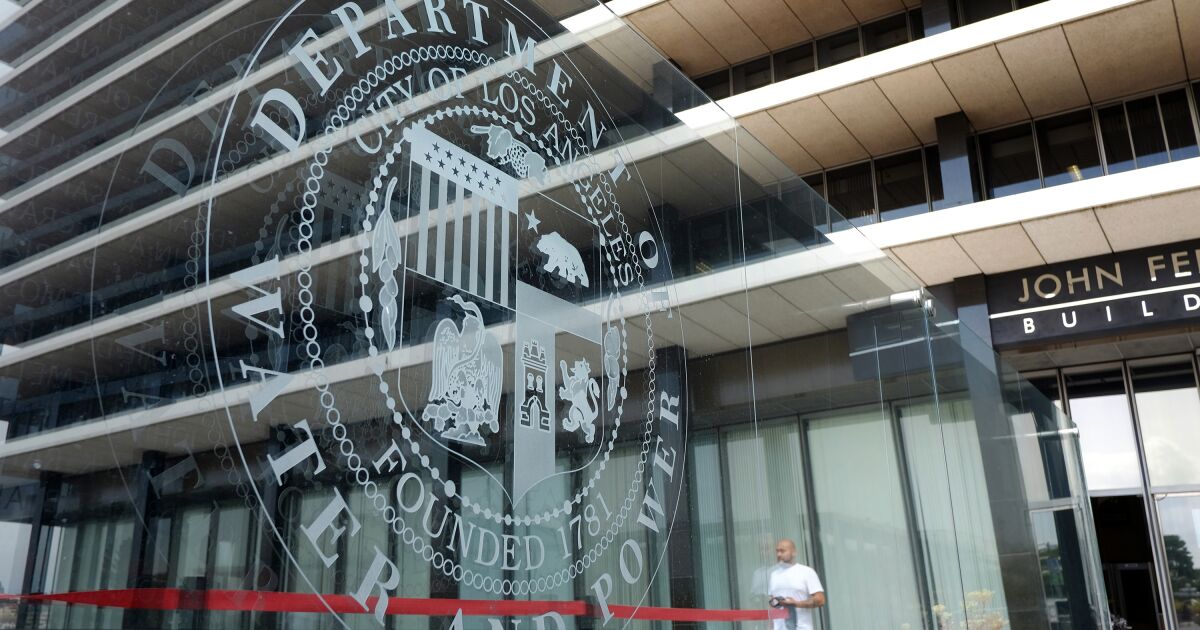
Using the new funding, the Los Angeles Department of Water and Power said Wednesday, it wiped out $76 million in pandemic-period debt owed by 137,478 customers.
For its part, Southern California Edison said it was canceling $218 million in pandemic-accrued debt held by nearly 350,000 residential customers, including those who buy power indirectly through the Community Choice Aggregation program. Qualifying customers will be notified via mail about the credits, which will appear on their January or February bills, the utility said.
According to Edison, the second round of funding should eliminate all of the past-due balances accrued during the pandemic period, including the portion not canceled in the first round. The utility said that 39% of its customers are receiving credits of $500 or more this round, about 42% are receiving credits of $100 to $500, and the remaining credits were for $100 or less.
Other Southern California utilities distributing aid from the second CAPP installment include Southern California Gas, which was allocated $59 million; the City of Long Beach, which was allocated $1.2 million; and San Diego Gas and Electric, which was allocated $51 million.
In addition, Edison said Wednesday that the Energy Assistance Fund it operates with United Way of Greater Los Angeles will increase its maximum grant by 50%, from $200 to $300.
The one-time grants are available to Edison customers who meet the program’s income limits. To apply, contact one of the more than 80 community service agencies listed by the fund online, including Chinatown Service Center, San Pedro Service Center and multiple branches of the Salvation Army.
About The Times Utility Journalism Team
This article is from The Times’ Utility Journalism Team. Our mission is to be essential to the lives of Southern Californians by publishing information that solves problems, answers questions and helps with decision making. We serve audiences in and around Los Angeles — including current Times subscribers and diverse communities that haven’t historically had their needs met by our coverage.
How can we be useful to you and your community? Email utility (at) latimes.com or one of our journalists: Matt Ballinger, Jon Healey, Ada Tseng, Jessica Roy and Karen Garcia.

Tens of thousands of Angelenos are getting some relief from the state for their past-due electric and gas bills, just as huge new bills for natural gas service are landing in their mailboxes.
Better yet, the relief should arrive automatically. If you fell behind on your gas or electric bill during the pandemic, you should receive a credit without having to apply for one.
The federal and state governments provided more than $1.6 billion to Californians to pay past-due residential utility bills as part of their pandemic relief efforts. Anyone who incurred charges between March 4, 2020, and Dec. 31, 2021, that remain unpaid qualifies for help through the California Arrearage Payment Program, or CAPP, said Rob McAndrews of the California Department of Community Services and Development.
The CAPP aid arrived in two installments, with about $990 million paid to utilities by the end of January 2022 and almost $650 million paid in November. The utilities were given 60 days to put the funds into their customers’ accounts, which means the second round of credits should appear on utility bills no later than February.
About 1.4 million California households are expected to benefit from the latest CAPP installment.
Using the new funding, the Los Angeles Department of Water and Power said Wednesday, it wiped out $76 million in pandemic-period debt owed by 137,478 customers.
For its part, Southern California Edison said it was canceling $218 million in pandemic-accrued debt held by nearly 350,000 residential customers, including those who buy power indirectly through the Community Choice Aggregation program. Qualifying customers will be notified via mail about the credits, which will appear on their January or February bills, the utility said.
According to Edison, the second round of funding should eliminate all of the past-due balances accrued during the pandemic period, including the portion not canceled in the first round. The utility said that 39% of its customers are receiving credits of $500 or more this round, about 42% are receiving credits of $100 to $500, and the remaining credits were for $100 or less.
Other Southern California utilities distributing aid from the second CAPP installment include Southern California Gas, which was allocated $59 million; the City of Long Beach, which was allocated $1.2 million; and San Diego Gas and Electric, which was allocated $51 million.
In addition, Edison said Wednesday that the Energy Assistance Fund it operates with United Way of Greater Los Angeles will increase its maximum grant by 50%, from $200 to $300.
The one-time grants are available to Edison customers who meet the program’s income limits. To apply, contact one of the more than 80 community service agencies listed by the fund online, including Chinatown Service Center, San Pedro Service Center and multiple branches of the Salvation Army.
About The Times Utility Journalism Team
This article is from The Times’ Utility Journalism Team. Our mission is to be essential to the lives of Southern Californians by publishing information that solves problems, answers questions and helps with decision making. We serve audiences in and around Los Angeles — including current Times subscribers and diverse communities that haven’t historically had their needs met by our coverage.
How can we be useful to you and your community? Email utility (at) latimes.com or one of our journalists: Matt Ballinger, Jon Healey, Ada Tseng, Jessica Roy and Karen Garcia.

Tens of thousands of Angelenos are getting some relief from the state for their past-due electric and gas bills, just as huge new bills for natural gas service are landing in their mailboxes.
Better yet, the relief should arrive automatically. If you fell behind on your gas or electric bill during the pandemic, you should receive a credit without having to apply for one.
The federal and state governments provided more than $1.6 billion to Californians to pay past-due residential utility bills as part of their pandemic relief efforts. Anyone who incurred charges between March 4, 2020, and Dec. 31, 2021, that remain unpaid qualifies for help through the California Arrearage Payment Program, or CAPP, said Rob McAndrews of the California Department of Community Services and Development.
The CAPP aid arrived in two installments, with about $990 million paid to utilities by the end of January 2022 and almost $650 million paid in November. The utilities were given 60 days to put the funds into their customers’ accounts, which means the second round of credits should appear on utility bills no later than February.
About 1.4 million California households are expected to benefit from the latest CAPP installment.
Using the new funding, the Los Angeles Department of Water and Power said Wednesday, it wiped out $76 million in pandemic-period debt owed by 137,478 customers.
For its part, Southern California Edison said it was canceling $218 million in pandemic-accrued debt held by nearly 350,000 residential customers, including those who buy power indirectly through the Community Choice Aggregation program. Qualifying customers will be notified via mail about the credits, which will appear on their January or February bills, the utility said.
According to Edison, the second round of funding should eliminate all of the past-due balances accrued during the pandemic period, including the portion not canceled in the first round. The utility said that 39% of its customers are receiving credits of $500 or more this round, about 42% are receiving credits of $100 to $500, and the remaining credits were for $100 or less.
Other Southern California utilities distributing aid from the second CAPP installment include Southern California Gas, which was allocated $59 million; the City of Long Beach, which was allocated $1.2 million; and San Diego Gas and Electric, which was allocated $51 million.
In addition, Edison said Wednesday that the Energy Assistance Fund it operates with United Way of Greater Los Angeles will increase its maximum grant by 50%, from $200 to $300.
The one-time grants are available to Edison customers who meet the program’s income limits. To apply, contact one of the more than 80 community service agencies listed by the fund online, including Chinatown Service Center, San Pedro Service Center and multiple branches of the Salvation Army.
About The Times Utility Journalism Team
This article is from The Times’ Utility Journalism Team. Our mission is to be essential to the lives of Southern Californians by publishing information that solves problems, answers questions and helps with decision making. We serve audiences in and around Los Angeles — including current Times subscribers and diverse communities that haven’t historically had their needs met by our coverage.
How can we be useful to you and your community? Email utility (at) latimes.com or one of our journalists: Matt Ballinger, Jon Healey, Ada Tseng, Jessica Roy and Karen Garcia.
Tens of thousands of Angelenos are getting some relief from the state for their past-due electric and gas bills, just as huge new bills for natural gas service are landing in their mailboxes.
Better yet, the relief should arrive automatically. If you fell behind on your gas or electric bill during the pandemic, you should receive a credit without having to apply for one.
The federal and state governments provided more than $1.6 billion to Californians to pay past-due residential utility bills as part of their pandemic relief efforts. Anyone who incurred charges between March 4, 2020, and Dec. 31, 2021, that remain unpaid qualifies for help through the California Arrearage Payment Program, or CAPP, said Rob McAndrews of the California Department of Community Services and Development.
The CAPP aid arrived in two installments, with about $990 million paid to utilities by the end of January 2022 and almost $650 million paid in November. The utilities were given 60 days to put the funds into their customers’ accounts, which means the second round of credits should appear on utility bills no later than February.
About 1.4 million California households are expected to benefit from the latest CAPP installment.
Using the new funding, the Los Angeles Department of Water and Power said Wednesday, it wiped out $76 million in pandemic-period debt owed by 137,478 customers.
For its part, Southern California Edison said it was canceling $218 million in pandemic-accrued debt held by nearly 350,000 residential customers, including those who buy power indirectly through the Community Choice Aggregation program. Qualifying customers will be notified via mail about the credits, which will appear on their January or February bills, the utility said.
According to Edison, the second round of funding should eliminate all of the past-due balances accrued during the pandemic period, including the portion not canceled in the first round. The utility said that 39% of its customers are receiving credits of $500 or more this round, about 42% are receiving credits of $100 to $500, and the remaining credits were for $100 or less.
Other Southern California utilities distributing aid from the second CAPP installment include Southern California Gas, which was allocated $59 million; the City of Long Beach, which was allocated $1.2 million; and San Diego Gas and Electric, which was allocated $51 million.
In addition, Edison said Wednesday that the Energy Assistance Fund it operates with United Way of Greater Los Angeles will increase its maximum grant by 50%, from $200 to $300.
The one-time grants are available to Edison customers who meet the program’s income limits. To apply, contact one of the more than 80 community service agencies listed by the fund online, including Chinatown Service Center, San Pedro Service Center and multiple branches of the Salvation Army.
About The Times Utility Journalism Team
This article is from The Times’ Utility Journalism Team. Our mission is to be essential to the lives of Southern Californians by publishing information that solves problems, answers questions and helps with decision making. We serve audiences in and around Los Angeles — including current Times subscribers and diverse communities that haven’t historically had their needs met by our coverage.
How can we be useful to you and your community? Email utility (at) latimes.com or one of our journalists: Matt Ballinger, Jon Healey, Ada Tseng, Jessica Roy and Karen Garcia.

