

Waymo’s robotaxis will soon roam a much larger portion of California as the company received approval to expand across 18 counties.
The California Public Utilities Commission gave Waymo permission to operate in San Diego and Sacramento, as well as in communities in Marin, Napa, Orange and Riverside counties, among others.
The approval will allow the Alphabet-owned company to more than triple its service area in the regions surrounding Los Angeles and San Francisco.
“While Waymo is receiving its permits today, expansion will be gradual and guided by its safety framework,” said Waymo spokesperson Sandy Karp. “Waymo’s immediate focus is preparing to launch rider-only service in San Diego later this summer and continuing to validate its technology in Sacramento.”
On Friday, Waymo, based in Mountain View, announced the CPUC approved a letter from the company first filed in January. The new service area will eventually stretch from Santa Clarita and Thousand Oaks down to San Diego in Southern California, and from Sacramento to San Jose in Northern California.
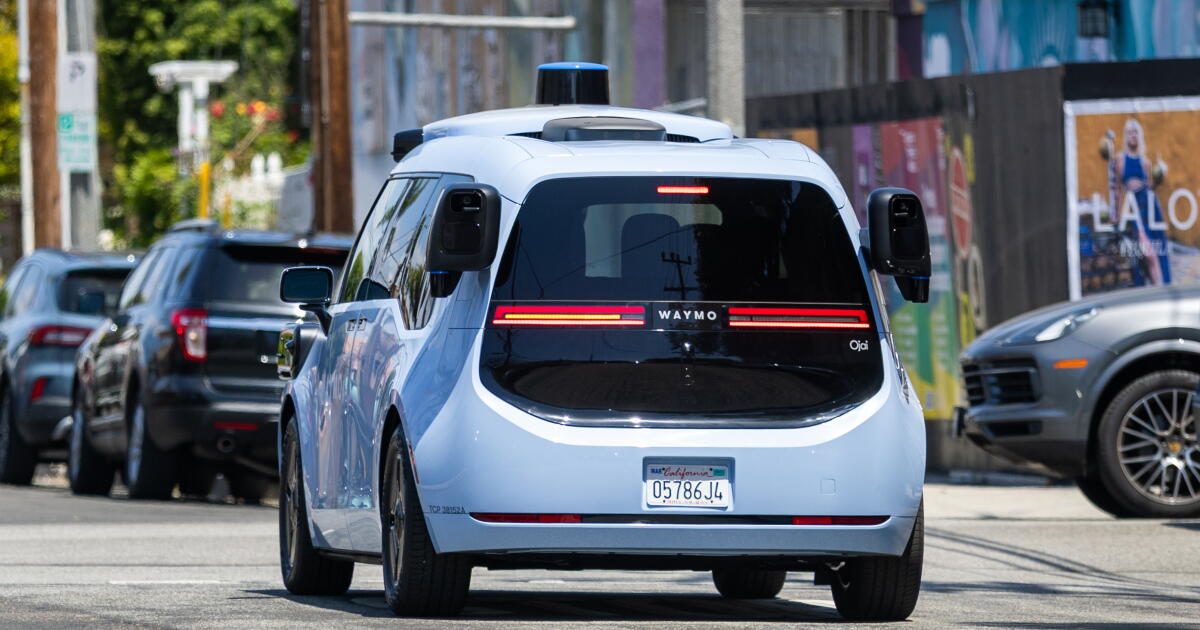
The expansion follows Waymo’s launch of its new vehicle dubbed the Ojai, which is larger and cheaper to produce than the retrofitted Jaguar I-Paces that the company previously relied on.
Waymo is well ahead in the robotaxi race, operating in more than 10 major cities while Elon Musk’s Tesla is still facing safety and operational glitches.
Zoox, Amazon’s robotaxi effort, launched its first paid, driverless rides in Las Vegas earlier this week.
Waymo’s self-driving vehicles, which utilize cameras, sensors and lidar, have driven more than 220 million fully autonomous miles. Data collected from miles driven shows Waymo is involved in an estimated 94% fewer collisions that cause serious injuries, Karp said.
Still, collisions involving Waymo vehicles have garnered public attention and criticism, including when a Waymo struck and killed a beloved neighborhood cat in San Francisco last year.
“We look forward to bringing the same mobility and safety benefits millions of Californians already enjoy to more communities, keeping local officials and residents informed every step of the way,” Waymo said in its announcement.

Waymo’s robotaxis will soon roam a much larger portion of California as the company received approval to expand across 18 counties.
The California Public Utilities Commission gave Waymo permission to operate in San Diego and Sacramento, as well as in communities in Marin, Napa, Orange and Riverside counties, among others.
The approval will allow the Alphabet-owned company to more than triple its service area in the regions surrounding Los Angeles and San Francisco.
“While Waymo is receiving its permits today, expansion will be gradual and guided by its safety framework,” said Waymo spokesperson Sandy Karp. “Waymo’s immediate focus is preparing to launch rider-only service in San Diego later this summer and continuing to validate its technology in Sacramento.”
On Friday, Waymo, based in Mountain View, announced the CPUC approved a letter from the company first filed in January. The new service area will eventually stretch from Santa Clarita and Thousand Oaks down to San Diego in Southern California, and from Sacramento to San Jose in Northern California.
The expansion follows Waymo’s launch of its new vehicle dubbed the Ojai, which is larger and cheaper to produce than the retrofitted Jaguar I-Paces that the company previously relied on.
Waymo is well ahead in the robotaxi race, operating in more than 10 major cities while Elon Musk’s Tesla is still facing safety and operational glitches.
Zoox, Amazon’s robotaxi effort, launched its first paid, driverless rides in Las Vegas earlier this week.
Waymo’s self-driving vehicles, which utilize cameras, sensors and lidar, have driven more than 220 million fully autonomous miles. Data collected from miles driven shows Waymo is involved in an estimated 94% fewer collisions that cause serious injuries, Karp said.
Still, collisions involving Waymo vehicles have garnered public attention and criticism, including when a Waymo struck and killed a beloved neighborhood cat in San Francisco last year.
“We look forward to bringing the same mobility and safety benefits millions of Californians already enjoy to more communities, keeping local officials and residents informed every step of the way,” Waymo said in its announcement.

Waymo’s robotaxis will soon roam a much larger portion of California as the company received approval to expand across 18 counties.
The California Public Utilities Commission gave Waymo permission to operate in San Diego and Sacramento, as well as in communities in Marin, Napa, Orange and Riverside counties, among others.
The approval will allow the Alphabet-owned company to more than triple its service area in the regions surrounding Los Angeles and San Francisco.
“While Waymo is receiving its permits today, expansion will be gradual and guided by its safety framework,” said Waymo spokesperson Sandy Karp. “Waymo’s immediate focus is preparing to launch rider-only service in San Diego later this summer and continuing to validate its technology in Sacramento.”
On Friday, Waymo, based in Mountain View, announced the CPUC approved a letter from the company first filed in January. The new service area will eventually stretch from Santa Clarita and Thousand Oaks down to San Diego in Southern California, and from Sacramento to San Jose in Northern California.
The expansion follows Waymo’s launch of its new vehicle dubbed the Ojai, which is larger and cheaper to produce than the retrofitted Jaguar I-Paces that the company previously relied on.
Waymo is well ahead in the robotaxi race, operating in more than 10 major cities while Elon Musk’s Tesla is still facing safety and operational glitches.
Zoox, Amazon’s robotaxi effort, launched its first paid, driverless rides in Las Vegas earlier this week.
Waymo’s self-driving vehicles, which utilize cameras, sensors and lidar, have driven more than 220 million fully autonomous miles. Data collected from miles driven shows Waymo is involved in an estimated 94% fewer collisions that cause serious injuries, Karp said.
Still, collisions involving Waymo vehicles have garnered public attention and criticism, including when a Waymo struck and killed a beloved neighborhood cat in San Francisco last year.
“We look forward to bringing the same mobility and safety benefits millions of Californians already enjoy to more communities, keeping local officials and residents informed every step of the way,” Waymo said in its announcement.

Waymo’s robotaxis will soon roam a much larger portion of California as the company received approval to expand across 18 counties.
The California Public Utilities Commission gave Waymo permission to operate in San Diego and Sacramento, as well as in communities in Marin, Napa, Orange and Riverside counties, among others.
The approval will allow the Alphabet-owned company to more than triple its service area in the regions surrounding Los Angeles and San Francisco.
“While Waymo is receiving its permits today, expansion will be gradual and guided by its safety framework,” said Waymo spokesperson Sandy Karp. “Waymo’s immediate focus is preparing to launch rider-only service in San Diego later this summer and continuing to validate its technology in Sacramento.”
On Friday, Waymo, based in Mountain View, announced the CPUC approved a letter from the company first filed in January. The new service area will eventually stretch from Santa Clarita and Thousand Oaks down to San Diego in Southern California, and from Sacramento to San Jose in Northern California.
The expansion follows Waymo’s launch of its new vehicle dubbed the Ojai, which is larger and cheaper to produce than the retrofitted Jaguar I-Paces that the company previously relied on.
Waymo is well ahead in the robotaxi race, operating in more than 10 major cities while Elon Musk’s Tesla is still facing safety and operational glitches.
Zoox, Amazon’s robotaxi effort, launched its first paid, driverless rides in Las Vegas earlier this week.
Waymo’s self-driving vehicles, which utilize cameras, sensors and lidar, have driven more than 220 million fully autonomous miles. Data collected from miles driven shows Waymo is involved in an estimated 94% fewer collisions that cause serious injuries, Karp said.
Still, collisions involving Waymo vehicles have garnered public attention and criticism, including when a Waymo struck and killed a beloved neighborhood cat in San Francisco last year.
“We look forward to bringing the same mobility and safety benefits millions of Californians already enjoy to more communities, keeping local officials and residents informed every step of the way,” Waymo said in its announcement.

Waymo’s robotaxis will soon roam a much larger portion of California as the company received approval to expand across 18 counties.
The California Public Utilities Commission gave Waymo permission to operate in San Diego and Sacramento, as well as in communities in Marin, Napa, Orange and Riverside counties, among others.
The approval will allow the Alphabet-owned company to more than triple its service area in the regions surrounding Los Angeles and San Francisco.
“While Waymo is receiving its permits today, expansion will be gradual and guided by its safety framework,” said Waymo spokesperson Sandy Karp. “Waymo’s immediate focus is preparing to launch rider-only service in San Diego later this summer and continuing to validate its technology in Sacramento.”
On Friday, Waymo, based in Mountain View, announced the CPUC approved a letter from the company first filed in January. The new service area will eventually stretch from Santa Clarita and Thousand Oaks down to San Diego in Southern California, and from Sacramento to San Jose in Northern California.
The expansion follows Waymo’s launch of its new vehicle dubbed the Ojai, which is larger and cheaper to produce than the retrofitted Jaguar I-Paces that the company previously relied on.
Waymo is well ahead in the robotaxi race, operating in more than 10 major cities while Elon Musk’s Tesla is still facing safety and operational glitches.
Zoox, Amazon’s robotaxi effort, launched its first paid, driverless rides in Las Vegas earlier this week.
Waymo’s self-driving vehicles, which utilize cameras, sensors and lidar, have driven more than 220 million fully autonomous miles. Data collected from miles driven shows Waymo is involved in an estimated 94% fewer collisions that cause serious injuries, Karp said.
Still, collisions involving Waymo vehicles have garnered public attention and criticism, including when a Waymo struck and killed a beloved neighborhood cat in San Francisco last year.
“We look forward to bringing the same mobility and safety benefits millions of Californians already enjoy to more communities, keeping local officials and residents informed every step of the way,” Waymo said in its announcement.