

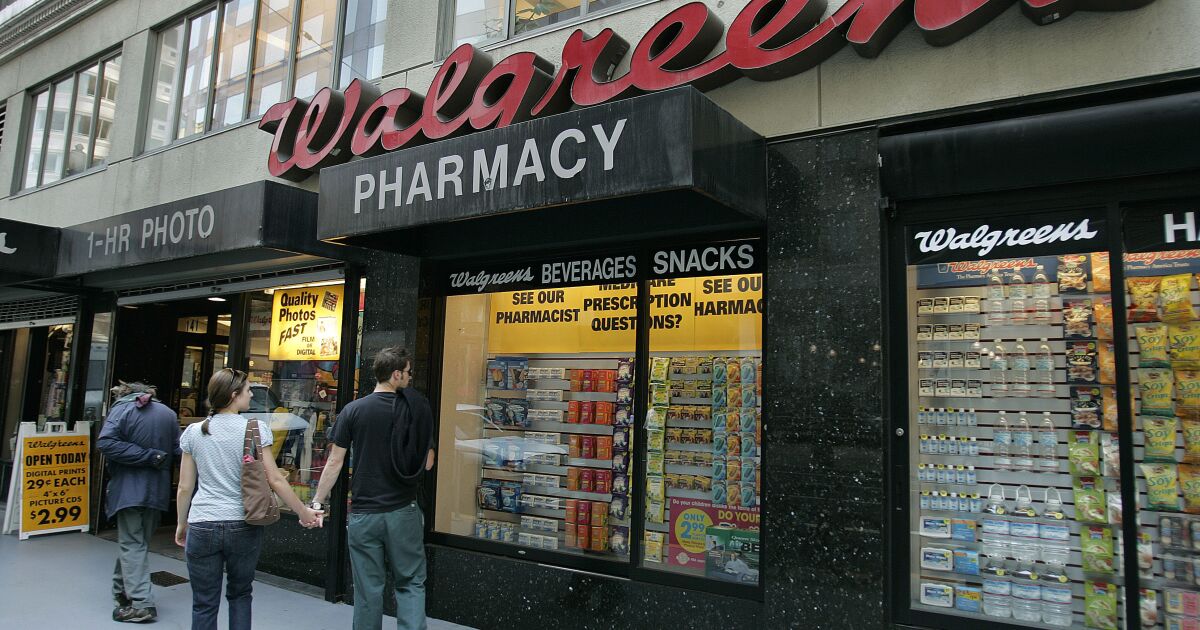

Walgreens has agreed to pay nearly $230 million to San Francisco to settle claims that the pharmacy giant fueled the opioid epidemic that has plagued the city for decades.
The settlement, which will be paid out over the course of 15 years, follows a federal judge’s finding last year that the drugstore chain doled out hundreds of thousands of “red flag” prescription drug orders without investigation.
The payout, which city officials said includes $57 million in the first year, will be “dedicated to remediating the opioid epidemic in San Francisco,” city attorneys wrote in a court filing Wednesday.
In a statement, San Francisco Mayor London Breed said the money will go toward programs that include “treatment beds, dual diagnosis beds, abstinence-based programming and transitional housing.”
“While we are grateful for the funding secured in this lawsuit, it won’t replace the thousands of lives lost to the opioid epidemic that is playing out across our country,” Breed said. “Lives are being devastated, particularly with the rise of fentanyl, and cities are being left to respond to what is a generational crisis.”
A Walgreens spokesperson did not immediately respond to a request for comment.
San Francisco filed the public nuisance lawsuit in 2018. In a 112-page opinion last year, U.S. District Judge Charles Breyer wrote that from 2006 to 2020, Walgreens dispensed hundreds of thousands of opioid prescriptions without proper vetting.
Tens of thousands were written by doctors with “suspect prescribing patterns” and Walgreens did not give its pharmacists sufficient time or resources to review them, Breyer wrote.
“As a result of Walgreens’ 15-year failure to perform adequate due diligence, plaintiff proved that it is more likely than not that Walgreens pharmacies dispensed large volumes of medically illegitimate opioid prescriptions that were diverted for illicit use, and that substantially contributed to the opioid epidemic in San Francisco,” Breyer wrote.
Breyer found that opioid-related emergency room visits spiked in the city, more than tripling from 886 in 2015 to 2,998 in 2020. And since 2016, he wrote, opioid overdoses have been the leading cause of death among homeless people in San Francisco.
After the ruling last year, a Walgreens spokesperson said the company was disappointed in the decision and had planned to appeal.
“As we have said throughout this process, we never manufactured or marketed opioids, nor did we distribute them to the ‘pill mills’ and internet pharmacies that fueled this crisis,” Walgreens spokesperson Fraser Engerman said at the time.

Walgreens has agreed to pay nearly $230 million to San Francisco to settle claims that the pharmacy giant fueled the opioid epidemic that has plagued the city for decades.
The settlement, which will be paid out over the course of 15 years, follows a federal judge’s finding last year that the drugstore chain doled out hundreds of thousands of “red flag” prescription drug orders without investigation.
The payout, which city officials said includes $57 million in the first year, will be “dedicated to remediating the opioid epidemic in San Francisco,” city attorneys wrote in a court filing Wednesday.
In a statement, San Francisco Mayor London Breed said the money will go toward programs that include “treatment beds, dual diagnosis beds, abstinence-based programming and transitional housing.”
“While we are grateful for the funding secured in this lawsuit, it won’t replace the thousands of lives lost to the opioid epidemic that is playing out across our country,” Breed said. “Lives are being devastated, particularly with the rise of fentanyl, and cities are being left to respond to what is a generational crisis.”
A Walgreens spokesperson did not immediately respond to a request for comment.
San Francisco filed the public nuisance lawsuit in 2018. In a 112-page opinion last year, U.S. District Judge Charles Breyer wrote that from 2006 to 2020, Walgreens dispensed hundreds of thousands of opioid prescriptions without proper vetting.
Tens of thousands were written by doctors with “suspect prescribing patterns” and Walgreens did not give its pharmacists sufficient time or resources to review them, Breyer wrote.
“As a result of Walgreens’ 15-year failure to perform adequate due diligence, plaintiff proved that it is more likely than not that Walgreens pharmacies dispensed large volumes of medically illegitimate opioid prescriptions that were diverted for illicit use, and that substantially contributed to the opioid epidemic in San Francisco,” Breyer wrote.
Breyer found that opioid-related emergency room visits spiked in the city, more than tripling from 886 in 2015 to 2,998 in 2020. And since 2016, he wrote, opioid overdoses have been the leading cause of death among homeless people in San Francisco.
After the ruling last year, a Walgreens spokesperson said the company was disappointed in the decision and had planned to appeal.
“As we have said throughout this process, we never manufactured or marketed opioids, nor did we distribute them to the ‘pill mills’ and internet pharmacies that fueled this crisis,” Walgreens spokesperson Fraser Engerman said at the time.

Walgreens has agreed to pay nearly $230 million to San Francisco to settle claims that the pharmacy giant fueled the opioid epidemic that has plagued the city for decades.
The settlement, which will be paid out over the course of 15 years, follows a federal judge’s finding last year that the drugstore chain doled out hundreds of thousands of “red flag” prescription drug orders without investigation.
The payout, which city officials said includes $57 million in the first year, will be “dedicated to remediating the opioid epidemic in San Francisco,” city attorneys wrote in a court filing Wednesday.
In a statement, San Francisco Mayor London Breed said the money will go toward programs that include “treatment beds, dual diagnosis beds, abstinence-based programming and transitional housing.”
“While we are grateful for the funding secured in this lawsuit, it won’t replace the thousands of lives lost to the opioid epidemic that is playing out across our country,” Breed said. “Lives are being devastated, particularly with the rise of fentanyl, and cities are being left to respond to what is a generational crisis.”
A Walgreens spokesperson did not immediately respond to a request for comment.
San Francisco filed the public nuisance lawsuit in 2018. In a 112-page opinion last year, U.S. District Judge Charles Breyer wrote that from 2006 to 2020, Walgreens dispensed hundreds of thousands of opioid prescriptions without proper vetting.
Tens of thousands were written by doctors with “suspect prescribing patterns” and Walgreens did not give its pharmacists sufficient time or resources to review them, Breyer wrote.
“As a result of Walgreens’ 15-year failure to perform adequate due diligence, plaintiff proved that it is more likely than not that Walgreens pharmacies dispensed large volumes of medically illegitimate opioid prescriptions that were diverted for illicit use, and that substantially contributed to the opioid epidemic in San Francisco,” Breyer wrote.
Breyer found that opioid-related emergency room visits spiked in the city, more than tripling from 886 in 2015 to 2,998 in 2020. And since 2016, he wrote, opioid overdoses have been the leading cause of death among homeless people in San Francisco.
After the ruling last year, a Walgreens spokesperson said the company was disappointed in the decision and had planned to appeal.
“As we have said throughout this process, we never manufactured or marketed opioids, nor did we distribute them to the ‘pill mills’ and internet pharmacies that fueled this crisis,” Walgreens spokesperson Fraser Engerman said at the time.
Walgreens has agreed to pay nearly $230 million to San Francisco to settle claims that the pharmacy giant fueled the opioid epidemic that has plagued the city for decades.
The settlement, which will be paid out over the course of 15 years, follows a federal judge’s finding last year that the drugstore chain doled out hundreds of thousands of “red flag” prescription drug orders without investigation.
The payout, which city officials said includes $57 million in the first year, will be “dedicated to remediating the opioid epidemic in San Francisco,” city attorneys wrote in a court filing Wednesday.
In a statement, San Francisco Mayor London Breed said the money will go toward programs that include “treatment beds, dual diagnosis beds, abstinence-based programming and transitional housing.”
“While we are grateful for the funding secured in this lawsuit, it won’t replace the thousands of lives lost to the opioid epidemic that is playing out across our country,” Breed said. “Lives are being devastated, particularly with the rise of fentanyl, and cities are being left to respond to what is a generational crisis.”
A Walgreens spokesperson did not immediately respond to a request for comment.
San Francisco filed the public nuisance lawsuit in 2018. In a 112-page opinion last year, U.S. District Judge Charles Breyer wrote that from 2006 to 2020, Walgreens dispensed hundreds of thousands of opioid prescriptions without proper vetting.
Tens of thousands were written by doctors with “suspect prescribing patterns” and Walgreens did not give its pharmacists sufficient time or resources to review them, Breyer wrote.
“As a result of Walgreens’ 15-year failure to perform adequate due diligence, plaintiff proved that it is more likely than not that Walgreens pharmacies dispensed large volumes of medically illegitimate opioid prescriptions that were diverted for illicit use, and that substantially contributed to the opioid epidemic in San Francisco,” Breyer wrote.
Breyer found that opioid-related emergency room visits spiked in the city, more than tripling from 886 in 2015 to 2,998 in 2020. And since 2016, he wrote, opioid overdoses have been the leading cause of death among homeless people in San Francisco.
After the ruling last year, a Walgreens spokesperson said the company was disappointed in the decision and had planned to appeal.
“As we have said throughout this process, we never manufactured or marketed opioids, nor did we distribute them to the ‘pill mills’ and internet pharmacies that fueled this crisis,” Walgreens spokesperson Fraser Engerman said at the time.

Walgreens has agreed to pay nearly $230 million to San Francisco to settle claims that the pharmacy giant fueled the opioid epidemic that has plagued the city for decades.
The settlement, which will be paid out over the course of 15 years, follows a federal judge’s finding last year that the drugstore chain doled out hundreds of thousands of “red flag” prescription drug orders without investigation.
The payout, which city officials said includes $57 million in the first year, will be “dedicated to remediating the opioid epidemic in San Francisco,” city attorneys wrote in a court filing Wednesday.
In a statement, San Francisco Mayor London Breed said the money will go toward programs that include “treatment beds, dual diagnosis beds, abstinence-based programming and transitional housing.”
“While we are grateful for the funding secured in this lawsuit, it won’t replace the thousands of lives lost to the opioid epidemic that is playing out across our country,” Breed said. “Lives are being devastated, particularly with the rise of fentanyl, and cities are being left to respond to what is a generational crisis.”
A Walgreens spokesperson did not immediately respond to a request for comment.
San Francisco filed the public nuisance lawsuit in 2018. In a 112-page opinion last year, U.S. District Judge Charles Breyer wrote that from 2006 to 2020, Walgreens dispensed hundreds of thousands of opioid prescriptions without proper vetting.
Tens of thousands were written by doctors with “suspect prescribing patterns” and Walgreens did not give its pharmacists sufficient time or resources to review them, Breyer wrote.
“As a result of Walgreens’ 15-year failure to perform adequate due diligence, plaintiff proved that it is more likely than not that Walgreens pharmacies dispensed large volumes of medically illegitimate opioid prescriptions that were diverted for illicit use, and that substantially contributed to the opioid epidemic in San Francisco,” Breyer wrote.
Breyer found that opioid-related emergency room visits spiked in the city, more than tripling from 886 in 2015 to 2,998 in 2020. And since 2016, he wrote, opioid overdoses have been the leading cause of death among homeless people in San Francisco.
After the ruling last year, a Walgreens spokesperson said the company was disappointed in the decision and had planned to appeal.
“As we have said throughout this process, we never manufactured or marketed opioids, nor did we distribute them to the ‘pill mills’ and internet pharmacies that fueled this crisis,” Walgreens spokesperson Fraser Engerman said at the time.
Walgreens has agreed to pay nearly $230 million to San Francisco to settle claims that the pharmacy giant fueled the opioid epidemic that has plagued the city for decades.
The settlement, which will be paid out over the course of 15 years, follows a federal judge’s finding last year that the drugstore chain doled out hundreds of thousands of “red flag” prescription drug orders without investigation.
The payout, which city officials said includes $57 million in the first year, will be “dedicated to remediating the opioid epidemic in San Francisco,” city attorneys wrote in a court filing Wednesday.
In a statement, San Francisco Mayor London Breed said the money will go toward programs that include “treatment beds, dual diagnosis beds, abstinence-based programming and transitional housing.”
“While we are grateful for the funding secured in this lawsuit, it won’t replace the thousands of lives lost to the opioid epidemic that is playing out across our country,” Breed said. “Lives are being devastated, particularly with the rise of fentanyl, and cities are being left to respond to what is a generational crisis.”
A Walgreens spokesperson did not immediately respond to a request for comment.
San Francisco filed the public nuisance lawsuit in 2018. In a 112-page opinion last year, U.S. District Judge Charles Breyer wrote that from 2006 to 2020, Walgreens dispensed hundreds of thousands of opioid prescriptions without proper vetting.
Tens of thousands were written by doctors with “suspect prescribing patterns” and Walgreens did not give its pharmacists sufficient time or resources to review them, Breyer wrote.
“As a result of Walgreens’ 15-year failure to perform adequate due diligence, plaintiff proved that it is more likely than not that Walgreens pharmacies dispensed large volumes of medically illegitimate opioid prescriptions that were diverted for illicit use, and that substantially contributed to the opioid epidemic in San Francisco,” Breyer wrote.
Breyer found that opioid-related emergency room visits spiked in the city, more than tripling from 886 in 2015 to 2,998 in 2020. And since 2016, he wrote, opioid overdoses have been the leading cause of death among homeless people in San Francisco.
After the ruling last year, a Walgreens spokesperson said the company was disappointed in the decision and had planned to appeal.
“As we have said throughout this process, we never manufactured or marketed opioids, nor did we distribute them to the ‘pill mills’ and internet pharmacies that fueled this crisis,” Walgreens spokesperson Fraser Engerman said at the time.
Walgreens has agreed to pay nearly $230 million to San Francisco to settle claims that the pharmacy giant fueled the opioid epidemic that has plagued the city for decades.
The settlement, which will be paid out over the course of 15 years, follows a federal judge’s finding last year that the drugstore chain doled out hundreds of thousands of “red flag” prescription drug orders without investigation.
The payout, which city officials said includes $57 million in the first year, will be “dedicated to remediating the opioid epidemic in San Francisco,” city attorneys wrote in a court filing Wednesday.
In a statement, San Francisco Mayor London Breed said the money will go toward programs that include “treatment beds, dual diagnosis beds, abstinence-based programming and transitional housing.”
“While we are grateful for the funding secured in this lawsuit, it won’t replace the thousands of lives lost to the opioid epidemic that is playing out across our country,” Breed said. “Lives are being devastated, particularly with the rise of fentanyl, and cities are being left to respond to what is a generational crisis.”
A Walgreens spokesperson did not immediately respond to a request for comment.
San Francisco filed the public nuisance lawsuit in 2018. In a 112-page opinion last year, U.S. District Judge Charles Breyer wrote that from 2006 to 2020, Walgreens dispensed hundreds of thousands of opioid prescriptions without proper vetting.
Tens of thousands were written by doctors with “suspect prescribing patterns” and Walgreens did not give its pharmacists sufficient time or resources to review them, Breyer wrote.
“As a result of Walgreens’ 15-year failure to perform adequate due diligence, plaintiff proved that it is more likely than not that Walgreens pharmacies dispensed large volumes of medically illegitimate opioid prescriptions that were diverted for illicit use, and that substantially contributed to the opioid epidemic in San Francisco,” Breyer wrote.
Breyer found that opioid-related emergency room visits spiked in the city, more than tripling from 886 in 2015 to 2,998 in 2020. And since 2016, he wrote, opioid overdoses have been the leading cause of death among homeless people in San Francisco.
After the ruling last year, a Walgreens spokesperson said the company was disappointed in the decision and had planned to appeal.
“As we have said throughout this process, we never manufactured or marketed opioids, nor did we distribute them to the ‘pill mills’ and internet pharmacies that fueled this crisis,” Walgreens spokesperson Fraser Engerman said at the time.
Walgreens has agreed to pay nearly $230 million to San Francisco to settle claims that the pharmacy giant fueled the opioid epidemic that has plagued the city for decades.
The settlement, which will be paid out over the course of 15 years, follows a federal judge’s finding last year that the drugstore chain doled out hundreds of thousands of “red flag” prescription drug orders without investigation.
The payout, which city officials said includes $57 million in the first year, will be “dedicated to remediating the opioid epidemic in San Francisco,” city attorneys wrote in a court filing Wednesday.
In a statement, San Francisco Mayor London Breed said the money will go toward programs that include “treatment beds, dual diagnosis beds, abstinence-based programming and transitional housing.”
“While we are grateful for the funding secured in this lawsuit, it won’t replace the thousands of lives lost to the opioid epidemic that is playing out across our country,” Breed said. “Lives are being devastated, particularly with the rise of fentanyl, and cities are being left to respond to what is a generational crisis.”
A Walgreens spokesperson did not immediately respond to a request for comment.
San Francisco filed the public nuisance lawsuit in 2018. In a 112-page opinion last year, U.S. District Judge Charles Breyer wrote that from 2006 to 2020, Walgreens dispensed hundreds of thousands of opioid prescriptions without proper vetting.
Tens of thousands were written by doctors with “suspect prescribing patterns” and Walgreens did not give its pharmacists sufficient time or resources to review them, Breyer wrote.
“As a result of Walgreens’ 15-year failure to perform adequate due diligence, plaintiff proved that it is more likely than not that Walgreens pharmacies dispensed large volumes of medically illegitimate opioid prescriptions that were diverted for illicit use, and that substantially contributed to the opioid epidemic in San Francisco,” Breyer wrote.
Breyer found that opioid-related emergency room visits spiked in the city, more than tripling from 886 in 2015 to 2,998 in 2020. And since 2016, he wrote, opioid overdoses have been the leading cause of death among homeless people in San Francisco.
After the ruling last year, a Walgreens spokesperson said the company was disappointed in the decision and had planned to appeal.
“As we have said throughout this process, we never manufactured or marketed opioids, nor did we distribute them to the ‘pill mills’ and internet pharmacies that fueled this crisis,” Walgreens spokesperson Fraser Engerman said at the time.

