

SACRAMENTO — A month after a public uproar over a mama bear being euthanized after swiping at a resident in Monrovia, state lawmakers are considering mandating the use of nonlethal ways to help allow wildlife and humans to coexist.
Sen. Catherine Blakespear (D-Encinitas) said she believes the bear’s death, and the state’s decision to kill four wolves last year that were preying on cattle, raised public concern.
“That made everybody realize we have to do better here,” she told The Times on Thursday. “We need to recognize the importance of seeing ourselves, humans, as part of a larger ecosystem that includes animals and plants and our world and trying to protect it.”
Senate Bill 1135, introduced by Blakespear, would direct the California Department of Fish and Wildlife to create the Wildlife Coexistence Program, which would provide public education, offer technical assistance and maintain a statewide incident reporting system. It would help communities deploy nonlethal devices to deter predators, like barriers or noise and light machines.
At a legislative hearing on Tuesday, Blakespear told the Senate Committee on Natural Resources and Water that a three-year state initiative offering similar services was seeing positive results — until it was discontinued two years ago after funding ran dry. She said it was time to implement a permanent program.
“Human population growth, habitat loss and the growth of industry across California inevitably leads to interaction between humans and wildlife,” Blakespear told legislators. “No two animal species are the same and each has unique behavior patterns and territories. SB 1135 recognizes these differences and gives communities the tools to prevent conflict and respond when it occurs.”
The bill would also rename a state program that reimburses ranchers who lose livestock to wolves, calling it the Wolf-Livestock Coexistence and Compensation Program. It would require ranchers seeking compensation to show they were using nonlethal deterrents approved by the department.
Sen. Shannon Grove (R-Bakersfield) stressed that life in rural areas is different than living in a city. She said some families and cattle ranchers have a genuine fear of predators.
“When these baby calves drop on the ground and then two wolves start ripping them apart, it’s not the prettiest thing you’ve ever witnessed,” said Grove, who abstained from voting on the measure. “These wolves are not puppies.”
More than 30 organizations are supporting the legislation, including the National Wildlife Federation, Defenders of Wildlife, California State Assn. of Counties, Animal Legal Defense Fund and Citizens for Los Angeles Wildlife.
The California Farm Bureau and the California Cattlemen’s Assn. are in opposition due to concerns over funding.
Last month, Blakespear sent a letter to the chair of the Senate Committee on Budget and Fiscal Review requesting $48.8 million to implement the legislation, with $25 million earmarked for addressing wolf encounters. Half of the money for wolf conflicts would go toward deterrents; the remainder would compensate ranchers for their losses.
Kirk Wilbur, vice president of government affairs cattlemen’s association, said the organization is concerned about that division of funding — especially if funding is reduced.
Wilbur told legislators Tuesday that the organization supports some aspects of the bill and was having productive conversations with Blakespear to address their concerns.
The bill ultimately passed the committee with a 5-to-1 vote and now heads to the Senate Committee on Appropriations.
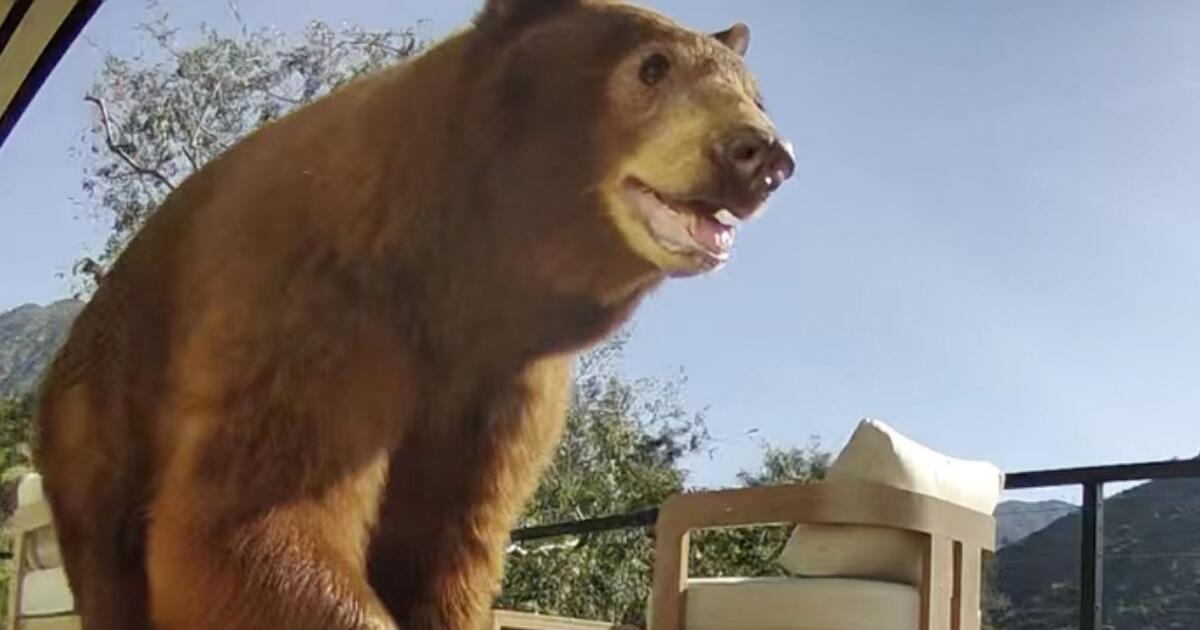
Human wildlife conflicts have made headlines in California recently, with a bear refusing to leave a basement for weeks in Altadena and a mama bear dubbed Blondie crossing paths last month with a woman walking her dog in Monrovia.
Blondie swiped the woman’s leg, and was subsequently euthanized by the California Department of Fish and Wildlife. Her two cubs were sent to the San Diego Humane Society’s Ramona Wildlife Center. The bear’s death upset many in the community, as thousands had signed a petition calling for other solutions, like relocation.
Deadly wildlife attacks on humans, however, are rare in California.
There have been six reported human fatalities from mountain lions since 1890, according to the state Fish and Wildlife Department. The agency recorded one human fatality from a coyote in 1981 and another fatality from a black bear in 2023. The department has no recorded human fatalities from gray wolves.

SACRAMENTO — A month after a public uproar over a mama bear being euthanized after swiping at a resident in Monrovia, state lawmakers are considering mandating the use of nonlethal ways to help allow wildlife and humans to coexist.
Sen. Catherine Blakespear (D-Encinitas) said she believes the bear’s death, and the state’s decision to kill four wolves last year that were preying on cattle, raised public concern.
“That made everybody realize we have to do better here,” she told The Times on Thursday. “We need to recognize the importance of seeing ourselves, humans, as part of a larger ecosystem that includes animals and plants and our world and trying to protect it.”
Senate Bill 1135, introduced by Blakespear, would direct the California Department of Fish and Wildlife to create the Wildlife Coexistence Program, which would provide public education, offer technical assistance and maintain a statewide incident reporting system. It would help communities deploy nonlethal devices to deter predators, like barriers or noise and light machines.
At a legislative hearing on Tuesday, Blakespear told the Senate Committee on Natural Resources and Water that a three-year state initiative offering similar services was seeing positive results — until it was discontinued two years ago after funding ran dry. She said it was time to implement a permanent program.
“Human population growth, habitat loss and the growth of industry across California inevitably leads to interaction between humans and wildlife,” Blakespear told legislators. “No two animal species are the same and each has unique behavior patterns and territories. SB 1135 recognizes these differences and gives communities the tools to prevent conflict and respond when it occurs.”
The bill would also rename a state program that reimburses ranchers who lose livestock to wolves, calling it the Wolf-Livestock Coexistence and Compensation Program. It would require ranchers seeking compensation to show they were using nonlethal deterrents approved by the department.
Sen. Shannon Grove (R-Bakersfield) stressed that life in rural areas is different than living in a city. She said some families and cattle ranchers have a genuine fear of predators.
“When these baby calves drop on the ground and then two wolves start ripping them apart, it’s not the prettiest thing you’ve ever witnessed,” said Grove, who abstained from voting on the measure. “These wolves are not puppies.”
More than 30 organizations are supporting the legislation, including the National Wildlife Federation, Defenders of Wildlife, California State Assn. of Counties, Animal Legal Defense Fund and Citizens for Los Angeles Wildlife.
The California Farm Bureau and the California Cattlemen’s Assn. are in opposition due to concerns over funding.
Last month, Blakespear sent a letter to the chair of the Senate Committee on Budget and Fiscal Review requesting $48.8 million to implement the legislation, with $25 million earmarked for addressing wolf encounters. Half of the money for wolf conflicts would go toward deterrents; the remainder would compensate ranchers for their losses.
Kirk Wilbur, vice president of government affairs cattlemen’s association, said the organization is concerned about that division of funding — especially if funding is reduced.
Wilbur told legislators Tuesday that the organization supports some aspects of the bill and was having productive conversations with Blakespear to address their concerns.
The bill ultimately passed the committee with a 5-to-1 vote and now heads to the Senate Committee on Appropriations.
Human wildlife conflicts have made headlines in California recently, with a bear refusing to leave a basement for weeks in Altadena and a mama bear dubbed Blondie crossing paths last month with a woman walking her dog in Monrovia.
Blondie swiped the woman’s leg, and was subsequently euthanized by the California Department of Fish and Wildlife. Her two cubs were sent to the San Diego Humane Society’s Ramona Wildlife Center. The bear’s death upset many in the community, as thousands had signed a petition calling for other solutions, like relocation.
Deadly wildlife attacks on humans, however, are rare in California.
There have been six reported human fatalities from mountain lions since 1890, according to the state Fish and Wildlife Department. The agency recorded one human fatality from a coyote in 1981 and another fatality from a black bear in 2023. The department has no recorded human fatalities from gray wolves.

SACRAMENTO — A month after a public uproar over a mama bear being euthanized after swiping at a resident in Monrovia, state lawmakers are considering mandating the use of nonlethal ways to help allow wildlife and humans to coexist.
Sen. Catherine Blakespear (D-Encinitas) said she believes the bear’s death, and the state’s decision to kill four wolves last year that were preying on cattle, raised public concern.
“That made everybody realize we have to do better here,” she told The Times on Thursday. “We need to recognize the importance of seeing ourselves, humans, as part of a larger ecosystem that includes animals and plants and our world and trying to protect it.”
Senate Bill 1135, introduced by Blakespear, would direct the California Department of Fish and Wildlife to create the Wildlife Coexistence Program, which would provide public education, offer technical assistance and maintain a statewide incident reporting system. It would help communities deploy nonlethal devices to deter predators, like barriers or noise and light machines.
At a legislative hearing on Tuesday, Blakespear told the Senate Committee on Natural Resources and Water that a three-year state initiative offering similar services was seeing positive results — until it was discontinued two years ago after funding ran dry. She said it was time to implement a permanent program.
“Human population growth, habitat loss and the growth of industry across California inevitably leads to interaction between humans and wildlife,” Blakespear told legislators. “No two animal species are the same and each has unique behavior patterns and territories. SB 1135 recognizes these differences and gives communities the tools to prevent conflict and respond when it occurs.”
The bill would also rename a state program that reimburses ranchers who lose livestock to wolves, calling it the Wolf-Livestock Coexistence and Compensation Program. It would require ranchers seeking compensation to show they were using nonlethal deterrents approved by the department.
Sen. Shannon Grove (R-Bakersfield) stressed that life in rural areas is different than living in a city. She said some families and cattle ranchers have a genuine fear of predators.
“When these baby calves drop on the ground and then two wolves start ripping them apart, it’s not the prettiest thing you’ve ever witnessed,” said Grove, who abstained from voting on the measure. “These wolves are not puppies.”
More than 30 organizations are supporting the legislation, including the National Wildlife Federation, Defenders of Wildlife, California State Assn. of Counties, Animal Legal Defense Fund and Citizens for Los Angeles Wildlife.
The California Farm Bureau and the California Cattlemen’s Assn. are in opposition due to concerns over funding.
Last month, Blakespear sent a letter to the chair of the Senate Committee on Budget and Fiscal Review requesting $48.8 million to implement the legislation, with $25 million earmarked for addressing wolf encounters. Half of the money for wolf conflicts would go toward deterrents; the remainder would compensate ranchers for their losses.
Kirk Wilbur, vice president of government affairs cattlemen’s association, said the organization is concerned about that division of funding — especially if funding is reduced.
Wilbur told legislators Tuesday that the organization supports some aspects of the bill and was having productive conversations with Blakespear to address their concerns.
The bill ultimately passed the committee with a 5-to-1 vote and now heads to the Senate Committee on Appropriations.
Human wildlife conflicts have made headlines in California recently, with a bear refusing to leave a basement for weeks in Altadena and a mama bear dubbed Blondie crossing paths last month with a woman walking her dog in Monrovia.
Blondie swiped the woman’s leg, and was subsequently euthanized by the California Department of Fish and Wildlife. Her two cubs were sent to the San Diego Humane Society’s Ramona Wildlife Center. The bear’s death upset many in the community, as thousands had signed a petition calling for other solutions, like relocation.
Deadly wildlife attacks on humans, however, are rare in California.
There have been six reported human fatalities from mountain lions since 1890, according to the state Fish and Wildlife Department. The agency recorded one human fatality from a coyote in 1981 and another fatality from a black bear in 2023. The department has no recorded human fatalities from gray wolves.
SACRAMENTO — A month after a public uproar over a mama bear being euthanized after swiping at a resident in Monrovia, state lawmakers are considering mandating the use of nonlethal ways to help allow wildlife and humans to coexist.
Sen. Catherine Blakespear (D-Encinitas) said she believes the bear’s death, and the state’s decision to kill four wolves last year that were preying on cattle, raised public concern.
“That made everybody realize we have to do better here,” she told The Times on Thursday. “We need to recognize the importance of seeing ourselves, humans, as part of a larger ecosystem that includes animals and plants and our world and trying to protect it.”
Senate Bill 1135, introduced by Blakespear, would direct the California Department of Fish and Wildlife to create the Wildlife Coexistence Program, which would provide public education, offer technical assistance and maintain a statewide incident reporting system. It would help communities deploy nonlethal devices to deter predators, like barriers or noise and light machines.
At a legislative hearing on Tuesday, Blakespear told the Senate Committee on Natural Resources and Water that a three-year state initiative offering similar services was seeing positive results — until it was discontinued two years ago after funding ran dry. She said it was time to implement a permanent program.
“Human population growth, habitat loss and the growth of industry across California inevitably leads to interaction between humans and wildlife,” Blakespear told legislators. “No two animal species are the same and each has unique behavior patterns and territories. SB 1135 recognizes these differences and gives communities the tools to prevent conflict and respond when it occurs.”
The bill would also rename a state program that reimburses ranchers who lose livestock to wolves, calling it the Wolf-Livestock Coexistence and Compensation Program. It would require ranchers seeking compensation to show they were using nonlethal deterrents approved by the department.
Sen. Shannon Grove (R-Bakersfield) stressed that life in rural areas is different than living in a city. She said some families and cattle ranchers have a genuine fear of predators.
“When these baby calves drop on the ground and then two wolves start ripping them apart, it’s not the prettiest thing you’ve ever witnessed,” said Grove, who abstained from voting on the measure. “These wolves are not puppies.”
More than 30 organizations are supporting the legislation, including the National Wildlife Federation, Defenders of Wildlife, California State Assn. of Counties, Animal Legal Defense Fund and Citizens for Los Angeles Wildlife.
The California Farm Bureau and the California Cattlemen’s Assn. are in opposition due to concerns over funding.
Last month, Blakespear sent a letter to the chair of the Senate Committee on Budget and Fiscal Review requesting $48.8 million to implement the legislation, with $25 million earmarked for addressing wolf encounters. Half of the money for wolf conflicts would go toward deterrents; the remainder would compensate ranchers for their losses.
Kirk Wilbur, vice president of government affairs cattlemen’s association, said the organization is concerned about that division of funding — especially if funding is reduced.
Wilbur told legislators Tuesday that the organization supports some aspects of the bill and was having productive conversations with Blakespear to address their concerns.
The bill ultimately passed the committee with a 5-to-1 vote and now heads to the Senate Committee on Appropriations.
Human wildlife conflicts have made headlines in California recently, with a bear refusing to leave a basement for weeks in Altadena and a mama bear dubbed Blondie crossing paths last month with a woman walking her dog in Monrovia.
Blondie swiped the woman’s leg, and was subsequently euthanized by the California Department of Fish and Wildlife. Her two cubs were sent to the San Diego Humane Society’s Ramona Wildlife Center. The bear’s death upset many in the community, as thousands had signed a petition calling for other solutions, like relocation.
Deadly wildlife attacks on humans, however, are rare in California.
There have been six reported human fatalities from mountain lions since 1890, according to the state Fish and Wildlife Department. The agency recorded one human fatality from a coyote in 1981 and another fatality from a black bear in 2023. The department has no recorded human fatalities from gray wolves.

SACRAMENTO — A month after a public uproar over a mama bear being euthanized after swiping at a resident in Monrovia, state lawmakers are considering mandating the use of nonlethal ways to help allow wildlife and humans to coexist.
Sen. Catherine Blakespear (D-Encinitas) said she believes the bear’s death, and the state’s decision to kill four wolves last year that were preying on cattle, raised public concern.
“That made everybody realize we have to do better here,” she told The Times on Thursday. “We need to recognize the importance of seeing ourselves, humans, as part of a larger ecosystem that includes animals and plants and our world and trying to protect it.”
Senate Bill 1135, introduced by Blakespear, would direct the California Department of Fish and Wildlife to create the Wildlife Coexistence Program, which would provide public education, offer technical assistance and maintain a statewide incident reporting system. It would help communities deploy nonlethal devices to deter predators, like barriers or noise and light machines.
At a legislative hearing on Tuesday, Blakespear told the Senate Committee on Natural Resources and Water that a three-year state initiative offering similar services was seeing positive results — until it was discontinued two years ago after funding ran dry. She said it was time to implement a permanent program.
“Human population growth, habitat loss and the growth of industry across California inevitably leads to interaction between humans and wildlife,” Blakespear told legislators. “No two animal species are the same and each has unique behavior patterns and territories. SB 1135 recognizes these differences and gives communities the tools to prevent conflict and respond when it occurs.”
The bill would also rename a state program that reimburses ranchers who lose livestock to wolves, calling it the Wolf-Livestock Coexistence and Compensation Program. It would require ranchers seeking compensation to show they were using nonlethal deterrents approved by the department.
Sen. Shannon Grove (R-Bakersfield) stressed that life in rural areas is different than living in a city. She said some families and cattle ranchers have a genuine fear of predators.
“When these baby calves drop on the ground and then two wolves start ripping them apart, it’s not the prettiest thing you’ve ever witnessed,” said Grove, who abstained from voting on the measure. “These wolves are not puppies.”
More than 30 organizations are supporting the legislation, including the National Wildlife Federation, Defenders of Wildlife, California State Assn. of Counties, Animal Legal Defense Fund and Citizens for Los Angeles Wildlife.
The California Farm Bureau and the California Cattlemen’s Assn. are in opposition due to concerns over funding.
Last month, Blakespear sent a letter to the chair of the Senate Committee on Budget and Fiscal Review requesting $48.8 million to implement the legislation, with $25 million earmarked for addressing wolf encounters. Half of the money for wolf conflicts would go toward deterrents; the remainder would compensate ranchers for their losses.
Kirk Wilbur, vice president of government affairs cattlemen’s association, said the organization is concerned about that division of funding — especially if funding is reduced.
Wilbur told legislators Tuesday that the organization supports some aspects of the bill and was having productive conversations with Blakespear to address their concerns.
The bill ultimately passed the committee with a 5-to-1 vote and now heads to the Senate Committee on Appropriations.
Human wildlife conflicts have made headlines in California recently, with a bear refusing to leave a basement for weeks in Altadena and a mama bear dubbed Blondie crossing paths last month with a woman walking her dog in Monrovia.
Blondie swiped the woman’s leg, and was subsequently euthanized by the California Department of Fish and Wildlife. Her two cubs were sent to the San Diego Humane Society’s Ramona Wildlife Center. The bear’s death upset many in the community, as thousands had signed a petition calling for other solutions, like relocation.
Deadly wildlife attacks on humans, however, are rare in California.
There have been six reported human fatalities from mountain lions since 1890, according to the state Fish and Wildlife Department. The agency recorded one human fatality from a coyote in 1981 and another fatality from a black bear in 2023. The department has no recorded human fatalities from gray wolves.
SACRAMENTO — A month after a public uproar over a mama bear being euthanized after swiping at a resident in Monrovia, state lawmakers are considering mandating the use of nonlethal ways to help allow wildlife and humans to coexist.
Sen. Catherine Blakespear (D-Encinitas) said she believes the bear’s death, and the state’s decision to kill four wolves last year that were preying on cattle, raised public concern.
“That made everybody realize we have to do better here,” she told The Times on Thursday. “We need to recognize the importance of seeing ourselves, humans, as part of a larger ecosystem that includes animals and plants and our world and trying to protect it.”
Senate Bill 1135, introduced by Blakespear, would direct the California Department of Fish and Wildlife to create the Wildlife Coexistence Program, which would provide public education, offer technical assistance and maintain a statewide incident reporting system. It would help communities deploy nonlethal devices to deter predators, like barriers or noise and light machines.
At a legislative hearing on Tuesday, Blakespear told the Senate Committee on Natural Resources and Water that a three-year state initiative offering similar services was seeing positive results — until it was discontinued two years ago after funding ran dry. She said it was time to implement a permanent program.
“Human population growth, habitat loss and the growth of industry across California inevitably leads to interaction between humans and wildlife,” Blakespear told legislators. “No two animal species are the same and each has unique behavior patterns and territories. SB 1135 recognizes these differences and gives communities the tools to prevent conflict and respond when it occurs.”
The bill would also rename a state program that reimburses ranchers who lose livestock to wolves, calling it the Wolf-Livestock Coexistence and Compensation Program. It would require ranchers seeking compensation to show they were using nonlethal deterrents approved by the department.
Sen. Shannon Grove (R-Bakersfield) stressed that life in rural areas is different than living in a city. She said some families and cattle ranchers have a genuine fear of predators.
“When these baby calves drop on the ground and then two wolves start ripping them apart, it’s not the prettiest thing you’ve ever witnessed,” said Grove, who abstained from voting on the measure. “These wolves are not puppies.”
More than 30 organizations are supporting the legislation, including the National Wildlife Federation, Defenders of Wildlife, California State Assn. of Counties, Animal Legal Defense Fund and Citizens for Los Angeles Wildlife.
The California Farm Bureau and the California Cattlemen’s Assn. are in opposition due to concerns over funding.
Last month, Blakespear sent a letter to the chair of the Senate Committee on Budget and Fiscal Review requesting $48.8 million to implement the legislation, with $25 million earmarked for addressing wolf encounters. Half of the money for wolf conflicts would go toward deterrents; the remainder would compensate ranchers for their losses.
Kirk Wilbur, vice president of government affairs cattlemen’s association, said the organization is concerned about that division of funding — especially if funding is reduced.
Wilbur told legislators Tuesday that the organization supports some aspects of the bill and was having productive conversations with Blakespear to address their concerns.
The bill ultimately passed the committee with a 5-to-1 vote and now heads to the Senate Committee on Appropriations.
Human wildlife conflicts have made headlines in California recently, with a bear refusing to leave a basement for weeks in Altadena and a mama bear dubbed Blondie crossing paths last month with a woman walking her dog in Monrovia.
Blondie swiped the woman’s leg, and was subsequently euthanized by the California Department of Fish and Wildlife. Her two cubs were sent to the San Diego Humane Society’s Ramona Wildlife Center. The bear’s death upset many in the community, as thousands had signed a petition calling for other solutions, like relocation.
Deadly wildlife attacks on humans, however, are rare in California.
There have been six reported human fatalities from mountain lions since 1890, according to the state Fish and Wildlife Department. The agency recorded one human fatality from a coyote in 1981 and another fatality from a black bear in 2023. The department has no recorded human fatalities from gray wolves.
SACRAMENTO — A month after a public uproar over a mama bear being euthanized after swiping at a resident in Monrovia, state lawmakers are considering mandating the use of nonlethal ways to help allow wildlife and humans to coexist.
Sen. Catherine Blakespear (D-Encinitas) said she believes the bear’s death, and the state’s decision to kill four wolves last year that were preying on cattle, raised public concern.
“That made everybody realize we have to do better here,” she told The Times on Thursday. “We need to recognize the importance of seeing ourselves, humans, as part of a larger ecosystem that includes animals and plants and our world and trying to protect it.”
Senate Bill 1135, introduced by Blakespear, would direct the California Department of Fish and Wildlife to create the Wildlife Coexistence Program, which would provide public education, offer technical assistance and maintain a statewide incident reporting system. It would help communities deploy nonlethal devices to deter predators, like barriers or noise and light machines.
At a legislative hearing on Tuesday, Blakespear told the Senate Committee on Natural Resources and Water that a three-year state initiative offering similar services was seeing positive results — until it was discontinued two years ago after funding ran dry. She said it was time to implement a permanent program.
“Human population growth, habitat loss and the growth of industry across California inevitably leads to interaction between humans and wildlife,” Blakespear told legislators. “No two animal species are the same and each has unique behavior patterns and territories. SB 1135 recognizes these differences and gives communities the tools to prevent conflict and respond when it occurs.”
The bill would also rename a state program that reimburses ranchers who lose livestock to wolves, calling it the Wolf-Livestock Coexistence and Compensation Program. It would require ranchers seeking compensation to show they were using nonlethal deterrents approved by the department.
Sen. Shannon Grove (R-Bakersfield) stressed that life in rural areas is different than living in a city. She said some families and cattle ranchers have a genuine fear of predators.
“When these baby calves drop on the ground and then two wolves start ripping them apart, it’s not the prettiest thing you’ve ever witnessed,” said Grove, who abstained from voting on the measure. “These wolves are not puppies.”
More than 30 organizations are supporting the legislation, including the National Wildlife Federation, Defenders of Wildlife, California State Assn. of Counties, Animal Legal Defense Fund and Citizens for Los Angeles Wildlife.
The California Farm Bureau and the California Cattlemen’s Assn. are in opposition due to concerns over funding.
Last month, Blakespear sent a letter to the chair of the Senate Committee on Budget and Fiscal Review requesting $48.8 million to implement the legislation, with $25 million earmarked for addressing wolf encounters. Half of the money for wolf conflicts would go toward deterrents; the remainder would compensate ranchers for their losses.
Kirk Wilbur, vice president of government affairs cattlemen’s association, said the organization is concerned about that division of funding — especially if funding is reduced.
Wilbur told legislators Tuesday that the organization supports some aspects of the bill and was having productive conversations with Blakespear to address their concerns.
The bill ultimately passed the committee with a 5-to-1 vote and now heads to the Senate Committee on Appropriations.
Human wildlife conflicts have made headlines in California recently, with a bear refusing to leave a basement for weeks in Altadena and a mama bear dubbed Blondie crossing paths last month with a woman walking her dog in Monrovia.
Blondie swiped the woman’s leg, and was subsequently euthanized by the California Department of Fish and Wildlife. Her two cubs were sent to the San Diego Humane Society’s Ramona Wildlife Center. The bear’s death upset many in the community, as thousands had signed a petition calling for other solutions, like relocation.
Deadly wildlife attacks on humans, however, are rare in California.
There have been six reported human fatalities from mountain lions since 1890, according to the state Fish and Wildlife Department. The agency recorded one human fatality from a coyote in 1981 and another fatality from a black bear in 2023. The department has no recorded human fatalities from gray wolves.
SACRAMENTO — A month after a public uproar over a mama bear being euthanized after swiping at a resident in Monrovia, state lawmakers are considering mandating the use of nonlethal ways to help allow wildlife and humans to coexist.
Sen. Catherine Blakespear (D-Encinitas) said she believes the bear’s death, and the state’s decision to kill four wolves last year that were preying on cattle, raised public concern.
“That made everybody realize we have to do better here,” she told The Times on Thursday. “We need to recognize the importance of seeing ourselves, humans, as part of a larger ecosystem that includes animals and plants and our world and trying to protect it.”
Senate Bill 1135, introduced by Blakespear, would direct the California Department of Fish and Wildlife to create the Wildlife Coexistence Program, which would provide public education, offer technical assistance and maintain a statewide incident reporting system. It would help communities deploy nonlethal devices to deter predators, like barriers or noise and light machines.
At a legislative hearing on Tuesday, Blakespear told the Senate Committee on Natural Resources and Water that a three-year state initiative offering similar services was seeing positive results — until it was discontinued two years ago after funding ran dry. She said it was time to implement a permanent program.
“Human population growth, habitat loss and the growth of industry across California inevitably leads to interaction between humans and wildlife,” Blakespear told legislators. “No two animal species are the same and each has unique behavior patterns and territories. SB 1135 recognizes these differences and gives communities the tools to prevent conflict and respond when it occurs.”
The bill would also rename a state program that reimburses ranchers who lose livestock to wolves, calling it the Wolf-Livestock Coexistence and Compensation Program. It would require ranchers seeking compensation to show they were using nonlethal deterrents approved by the department.
Sen. Shannon Grove (R-Bakersfield) stressed that life in rural areas is different than living in a city. She said some families and cattle ranchers have a genuine fear of predators.
“When these baby calves drop on the ground and then two wolves start ripping them apart, it’s not the prettiest thing you’ve ever witnessed,” said Grove, who abstained from voting on the measure. “These wolves are not puppies.”
More than 30 organizations are supporting the legislation, including the National Wildlife Federation, Defenders of Wildlife, California State Assn. of Counties, Animal Legal Defense Fund and Citizens for Los Angeles Wildlife.
The California Farm Bureau and the California Cattlemen’s Assn. are in opposition due to concerns over funding.
Last month, Blakespear sent a letter to the chair of the Senate Committee on Budget and Fiscal Review requesting $48.8 million to implement the legislation, with $25 million earmarked for addressing wolf encounters. Half of the money for wolf conflicts would go toward deterrents; the remainder would compensate ranchers for their losses.
Kirk Wilbur, vice president of government affairs cattlemen’s association, said the organization is concerned about that division of funding — especially if funding is reduced.
Wilbur told legislators Tuesday that the organization supports some aspects of the bill and was having productive conversations with Blakespear to address their concerns.
The bill ultimately passed the committee with a 5-to-1 vote and now heads to the Senate Committee on Appropriations.
Human wildlife conflicts have made headlines in California recently, with a bear refusing to leave a basement for weeks in Altadena and a mama bear dubbed Blondie crossing paths last month with a woman walking her dog in Monrovia.
Blondie swiped the woman’s leg, and was subsequently euthanized by the California Department of Fish and Wildlife. Her two cubs were sent to the San Diego Humane Society’s Ramona Wildlife Center. The bear’s death upset many in the community, as thousands had signed a petition calling for other solutions, like relocation.
Deadly wildlife attacks on humans, however, are rare in California.
There have been six reported human fatalities from mountain lions since 1890, according to the state Fish and Wildlife Department. The agency recorded one human fatality from a coyote in 1981 and another fatality from a black bear in 2023. The department has no recorded human fatalities from gray wolves.

SACRAMENTO — A month after a public uproar over a mama bear being euthanized after swiping at a resident in Monrovia, state lawmakers are considering mandating the use of nonlethal ways to help allow wildlife and humans to coexist.
Sen. Catherine Blakespear (D-Encinitas) said she believes the bear’s death, and the state’s decision to kill four wolves last year that were preying on cattle, raised public concern.
“That made everybody realize we have to do better here,” she told The Times on Thursday. “We need to recognize the importance of seeing ourselves, humans, as part of a larger ecosystem that includes animals and plants and our world and trying to protect it.”
Senate Bill 1135, introduced by Blakespear, would direct the California Department of Fish and Wildlife to create the Wildlife Coexistence Program, which would provide public education, offer technical assistance and maintain a statewide incident reporting system. It would help communities deploy nonlethal devices to deter predators, like barriers or noise and light machines.
At a legislative hearing on Tuesday, Blakespear told the Senate Committee on Natural Resources and Water that a three-year state initiative offering similar services was seeing positive results — until it was discontinued two years ago after funding ran dry. She said it was time to implement a permanent program.
“Human population growth, habitat loss and the growth of industry across California inevitably leads to interaction between humans and wildlife,” Blakespear told legislators. “No two animal species are the same and each has unique behavior patterns and territories. SB 1135 recognizes these differences and gives communities the tools to prevent conflict and respond when it occurs.”
The bill would also rename a state program that reimburses ranchers who lose livestock to wolves, calling it the Wolf-Livestock Coexistence and Compensation Program. It would require ranchers seeking compensation to show they were using nonlethal deterrents approved by the department.
Sen. Shannon Grove (R-Bakersfield) stressed that life in rural areas is different than living in a city. She said some families and cattle ranchers have a genuine fear of predators.
“When these baby calves drop on the ground and then two wolves start ripping them apart, it’s not the prettiest thing you’ve ever witnessed,” said Grove, who abstained from voting on the measure. “These wolves are not puppies.”
More than 30 organizations are supporting the legislation, including the National Wildlife Federation, Defenders of Wildlife, California State Assn. of Counties, Animal Legal Defense Fund and Citizens for Los Angeles Wildlife.
The California Farm Bureau and the California Cattlemen’s Assn. are in opposition due to concerns over funding.
Last month, Blakespear sent a letter to the chair of the Senate Committee on Budget and Fiscal Review requesting $48.8 million to implement the legislation, with $25 million earmarked for addressing wolf encounters. Half of the money for wolf conflicts would go toward deterrents; the remainder would compensate ranchers for their losses.
Kirk Wilbur, vice president of government affairs cattlemen’s association, said the organization is concerned about that division of funding — especially if funding is reduced.
Wilbur told legislators Tuesday that the organization supports some aspects of the bill and was having productive conversations with Blakespear to address their concerns.
The bill ultimately passed the committee with a 5-to-1 vote and now heads to the Senate Committee on Appropriations.
Human wildlife conflicts have made headlines in California recently, with a bear refusing to leave a basement for weeks in Altadena and a mama bear dubbed Blondie crossing paths last month with a woman walking her dog in Monrovia.
Blondie swiped the woman’s leg, and was subsequently euthanized by the California Department of Fish and Wildlife. Her two cubs were sent to the San Diego Humane Society’s Ramona Wildlife Center. The bear’s death upset many in the community, as thousands had signed a petition calling for other solutions, like relocation.
Deadly wildlife attacks on humans, however, are rare in California.
There have been six reported human fatalities from mountain lions since 1890, according to the state Fish and Wildlife Department. The agency recorded one human fatality from a coyote in 1981 and another fatality from a black bear in 2023. The department has no recorded human fatalities from gray wolves.
SACRAMENTO — A month after a public uproar over a mama bear being euthanized after swiping at a resident in Monrovia, state lawmakers are considering mandating the use of nonlethal ways to help allow wildlife and humans to coexist.
Sen. Catherine Blakespear (D-Encinitas) said she believes the bear’s death, and the state’s decision to kill four wolves last year that were preying on cattle, raised public concern.
“That made everybody realize we have to do better here,” she told The Times on Thursday. “We need to recognize the importance of seeing ourselves, humans, as part of a larger ecosystem that includes animals and plants and our world and trying to protect it.”
Senate Bill 1135, introduced by Blakespear, would direct the California Department of Fish and Wildlife to create the Wildlife Coexistence Program, which would provide public education, offer technical assistance and maintain a statewide incident reporting system. It would help communities deploy nonlethal devices to deter predators, like barriers or noise and light machines.
At a legislative hearing on Tuesday, Blakespear told the Senate Committee on Natural Resources and Water that a three-year state initiative offering similar services was seeing positive results — until it was discontinued two years ago after funding ran dry. She said it was time to implement a permanent program.
“Human population growth, habitat loss and the growth of industry across California inevitably leads to interaction between humans and wildlife,” Blakespear told legislators. “No two animal species are the same and each has unique behavior patterns and territories. SB 1135 recognizes these differences and gives communities the tools to prevent conflict and respond when it occurs.”
The bill would also rename a state program that reimburses ranchers who lose livestock to wolves, calling it the Wolf-Livestock Coexistence and Compensation Program. It would require ranchers seeking compensation to show they were using nonlethal deterrents approved by the department.
Sen. Shannon Grove (R-Bakersfield) stressed that life in rural areas is different than living in a city. She said some families and cattle ranchers have a genuine fear of predators.
“When these baby calves drop on the ground and then two wolves start ripping them apart, it’s not the prettiest thing you’ve ever witnessed,” said Grove, who abstained from voting on the measure. “These wolves are not puppies.”
More than 30 organizations are supporting the legislation, including the National Wildlife Federation, Defenders of Wildlife, California State Assn. of Counties, Animal Legal Defense Fund and Citizens for Los Angeles Wildlife.
The California Farm Bureau and the California Cattlemen’s Assn. are in opposition due to concerns over funding.
Last month, Blakespear sent a letter to the chair of the Senate Committee on Budget and Fiscal Review requesting $48.8 million to implement the legislation, with $25 million earmarked for addressing wolf encounters. Half of the money for wolf conflicts would go toward deterrents; the remainder would compensate ranchers for their losses.
Kirk Wilbur, vice president of government affairs cattlemen’s association, said the organization is concerned about that division of funding — especially if funding is reduced.
Wilbur told legislators Tuesday that the organization supports some aspects of the bill and was having productive conversations with Blakespear to address their concerns.
The bill ultimately passed the committee with a 5-to-1 vote and now heads to the Senate Committee on Appropriations.
Human wildlife conflicts have made headlines in California recently, with a bear refusing to leave a basement for weeks in Altadena and a mama bear dubbed Blondie crossing paths last month with a woman walking her dog in Monrovia.
Blondie swiped the woman’s leg, and was subsequently euthanized by the California Department of Fish and Wildlife. Her two cubs were sent to the San Diego Humane Society’s Ramona Wildlife Center. The bear’s death upset many in the community, as thousands had signed a petition calling for other solutions, like relocation.
Deadly wildlife attacks on humans, however, are rare in California.
There have been six reported human fatalities from mountain lions since 1890, according to the state Fish and Wildlife Department. The agency recorded one human fatality from a coyote in 1981 and another fatality from a black bear in 2023. The department has no recorded human fatalities from gray wolves.
SACRAMENTO — A month after a public uproar over a mama bear being euthanized after swiping at a resident in Monrovia, state lawmakers are considering mandating the use of nonlethal ways to help allow wildlife and humans to coexist.
Sen. Catherine Blakespear (D-Encinitas) said she believes the bear’s death, and the state’s decision to kill four wolves last year that were preying on cattle, raised public concern.
“That made everybody realize we have to do better here,” she told The Times on Thursday. “We need to recognize the importance of seeing ourselves, humans, as part of a larger ecosystem that includes animals and plants and our world and trying to protect it.”
Senate Bill 1135, introduced by Blakespear, would direct the California Department of Fish and Wildlife to create the Wildlife Coexistence Program, which would provide public education, offer technical assistance and maintain a statewide incident reporting system. It would help communities deploy nonlethal devices to deter predators, like barriers or noise and light machines.
At a legislative hearing on Tuesday, Blakespear told the Senate Committee on Natural Resources and Water that a three-year state initiative offering similar services was seeing positive results — until it was discontinued two years ago after funding ran dry. She said it was time to implement a permanent program.
“Human population growth, habitat loss and the growth of industry across California inevitably leads to interaction between humans and wildlife,” Blakespear told legislators. “No two animal species are the same and each has unique behavior patterns and territories. SB 1135 recognizes these differences and gives communities the tools to prevent conflict and respond when it occurs.”
The bill would also rename a state program that reimburses ranchers who lose livestock to wolves, calling it the Wolf-Livestock Coexistence and Compensation Program. It would require ranchers seeking compensation to show they were using nonlethal deterrents approved by the department.
Sen. Shannon Grove (R-Bakersfield) stressed that life in rural areas is different than living in a city. She said some families and cattle ranchers have a genuine fear of predators.
“When these baby calves drop on the ground and then two wolves start ripping them apart, it’s not the prettiest thing you’ve ever witnessed,” said Grove, who abstained from voting on the measure. “These wolves are not puppies.”
More than 30 organizations are supporting the legislation, including the National Wildlife Federation, Defenders of Wildlife, California State Assn. of Counties, Animal Legal Defense Fund and Citizens for Los Angeles Wildlife.
The California Farm Bureau and the California Cattlemen’s Assn. are in opposition due to concerns over funding.
Last month, Blakespear sent a letter to the chair of the Senate Committee on Budget and Fiscal Review requesting $48.8 million to implement the legislation, with $25 million earmarked for addressing wolf encounters. Half of the money for wolf conflicts would go toward deterrents; the remainder would compensate ranchers for their losses.
Kirk Wilbur, vice president of government affairs cattlemen’s association, said the organization is concerned about that division of funding — especially if funding is reduced.
Wilbur told legislators Tuesday that the organization supports some aspects of the bill and was having productive conversations with Blakespear to address their concerns.
The bill ultimately passed the committee with a 5-to-1 vote and now heads to the Senate Committee on Appropriations.
Human wildlife conflicts have made headlines in California recently, with a bear refusing to leave a basement for weeks in Altadena and a mama bear dubbed Blondie crossing paths last month with a woman walking her dog in Monrovia.
Blondie swiped the woman’s leg, and was subsequently euthanized by the California Department of Fish and Wildlife. Her two cubs were sent to the San Diego Humane Society’s Ramona Wildlife Center. The bear’s death upset many in the community, as thousands had signed a petition calling for other solutions, like relocation.
Deadly wildlife attacks on humans, however, are rare in California.
There have been six reported human fatalities from mountain lions since 1890, according to the state Fish and Wildlife Department. The agency recorded one human fatality from a coyote in 1981 and another fatality from a black bear in 2023. The department has no recorded human fatalities from gray wolves.
SACRAMENTO — A month after a public uproar over a mama bear being euthanized after swiping at a resident in Monrovia, state lawmakers are considering mandating the use of nonlethal ways to help allow wildlife and humans to coexist.
Sen. Catherine Blakespear (D-Encinitas) said she believes the bear’s death, and the state’s decision to kill four wolves last year that were preying on cattle, raised public concern.
“That made everybody realize we have to do better here,” she told The Times on Thursday. “We need to recognize the importance of seeing ourselves, humans, as part of a larger ecosystem that includes animals and plants and our world and trying to protect it.”
Senate Bill 1135, introduced by Blakespear, would direct the California Department of Fish and Wildlife to create the Wildlife Coexistence Program, which would provide public education, offer technical assistance and maintain a statewide incident reporting system. It would help communities deploy nonlethal devices to deter predators, like barriers or noise and light machines.
At a legislative hearing on Tuesday, Blakespear told the Senate Committee on Natural Resources and Water that a three-year state initiative offering similar services was seeing positive results — until it was discontinued two years ago after funding ran dry. She said it was time to implement a permanent program.
“Human population growth, habitat loss and the growth of industry across California inevitably leads to interaction between humans and wildlife,” Blakespear told legislators. “No two animal species are the same and each has unique behavior patterns and territories. SB 1135 recognizes these differences and gives communities the tools to prevent conflict and respond when it occurs.”
The bill would also rename a state program that reimburses ranchers who lose livestock to wolves, calling it the Wolf-Livestock Coexistence and Compensation Program. It would require ranchers seeking compensation to show they were using nonlethal deterrents approved by the department.
Sen. Shannon Grove (R-Bakersfield) stressed that life in rural areas is different than living in a city. She said some families and cattle ranchers have a genuine fear of predators.
“When these baby calves drop on the ground and then two wolves start ripping them apart, it’s not the prettiest thing you’ve ever witnessed,” said Grove, who abstained from voting on the measure. “These wolves are not puppies.”
More than 30 organizations are supporting the legislation, including the National Wildlife Federation, Defenders of Wildlife, California State Assn. of Counties, Animal Legal Defense Fund and Citizens for Los Angeles Wildlife.
The California Farm Bureau and the California Cattlemen’s Assn. are in opposition due to concerns over funding.
Last month, Blakespear sent a letter to the chair of the Senate Committee on Budget and Fiscal Review requesting $48.8 million to implement the legislation, with $25 million earmarked for addressing wolf encounters. Half of the money for wolf conflicts would go toward deterrents; the remainder would compensate ranchers for their losses.
Kirk Wilbur, vice president of government affairs cattlemen’s association, said the organization is concerned about that division of funding — especially if funding is reduced.
Wilbur told legislators Tuesday that the organization supports some aspects of the bill and was having productive conversations with Blakespear to address their concerns.
The bill ultimately passed the committee with a 5-to-1 vote and now heads to the Senate Committee on Appropriations.
Human wildlife conflicts have made headlines in California recently, with a bear refusing to leave a basement for weeks in Altadena and a mama bear dubbed Blondie crossing paths last month with a woman walking her dog in Monrovia.
Blondie swiped the woman’s leg, and was subsequently euthanized by the California Department of Fish and Wildlife. Her two cubs were sent to the San Diego Humane Society’s Ramona Wildlife Center. The bear’s death upset many in the community, as thousands had signed a petition calling for other solutions, like relocation.
Deadly wildlife attacks on humans, however, are rare in California.
There have been six reported human fatalities from mountain lions since 1890, according to the state Fish and Wildlife Department. The agency recorded one human fatality from a coyote in 1981 and another fatality from a black bear in 2023. The department has no recorded human fatalities from gray wolves.
SACRAMENTO — A month after a public uproar over a mama bear being euthanized after swiping at a resident in Monrovia, state lawmakers are considering mandating the use of nonlethal ways to help allow wildlife and humans to coexist.
Sen. Catherine Blakespear (D-Encinitas) said she believes the bear’s death, and the state’s decision to kill four wolves last year that were preying on cattle, raised public concern.
“That made everybody realize we have to do better here,” she told The Times on Thursday. “We need to recognize the importance of seeing ourselves, humans, as part of a larger ecosystem that includes animals and plants and our world and trying to protect it.”
Senate Bill 1135, introduced by Blakespear, would direct the California Department of Fish and Wildlife to create the Wildlife Coexistence Program, which would provide public education, offer technical assistance and maintain a statewide incident reporting system. It would help communities deploy nonlethal devices to deter predators, like barriers or noise and light machines.
At a legislative hearing on Tuesday, Blakespear told the Senate Committee on Natural Resources and Water that a three-year state initiative offering similar services was seeing positive results — until it was discontinued two years ago after funding ran dry. She said it was time to implement a permanent program.
“Human population growth, habitat loss and the growth of industry across California inevitably leads to interaction between humans and wildlife,” Blakespear told legislators. “No two animal species are the same and each has unique behavior patterns and territories. SB 1135 recognizes these differences and gives communities the tools to prevent conflict and respond when it occurs.”
The bill would also rename a state program that reimburses ranchers who lose livestock to wolves, calling it the Wolf-Livestock Coexistence and Compensation Program. It would require ranchers seeking compensation to show they were using nonlethal deterrents approved by the department.
Sen. Shannon Grove (R-Bakersfield) stressed that life in rural areas is different than living in a city. She said some families and cattle ranchers have a genuine fear of predators.
“When these baby calves drop on the ground and then two wolves start ripping them apart, it’s not the prettiest thing you’ve ever witnessed,” said Grove, who abstained from voting on the measure. “These wolves are not puppies.”
More than 30 organizations are supporting the legislation, including the National Wildlife Federation, Defenders of Wildlife, California State Assn. of Counties, Animal Legal Defense Fund and Citizens for Los Angeles Wildlife.
The California Farm Bureau and the California Cattlemen’s Assn. are in opposition due to concerns over funding.
Last month, Blakespear sent a letter to the chair of the Senate Committee on Budget and Fiscal Review requesting $48.8 million to implement the legislation, with $25 million earmarked for addressing wolf encounters. Half of the money for wolf conflicts would go toward deterrents; the remainder would compensate ranchers for their losses.
Kirk Wilbur, vice president of government affairs cattlemen’s association, said the organization is concerned about that division of funding — especially if funding is reduced.
Wilbur told legislators Tuesday that the organization supports some aspects of the bill and was having productive conversations with Blakespear to address their concerns.
The bill ultimately passed the committee with a 5-to-1 vote and now heads to the Senate Committee on Appropriations.
Human wildlife conflicts have made headlines in California recently, with a bear refusing to leave a basement for weeks in Altadena and a mama bear dubbed Blondie crossing paths last month with a woman walking her dog in Monrovia.
Blondie swiped the woman’s leg, and was subsequently euthanized by the California Department of Fish and Wildlife. Her two cubs were sent to the San Diego Humane Society’s Ramona Wildlife Center. The bear’s death upset many in the community, as thousands had signed a petition calling for other solutions, like relocation.
Deadly wildlife attacks on humans, however, are rare in California.
There have been six reported human fatalities from mountain lions since 1890, according to the state Fish and Wildlife Department. The agency recorded one human fatality from a coyote in 1981 and another fatality from a black bear in 2023. The department has no recorded human fatalities from gray wolves.
SACRAMENTO — A month after a public uproar over a mama bear being euthanized after swiping at a resident in Monrovia, state lawmakers are considering mandating the use of nonlethal ways to help allow wildlife and humans to coexist.
Sen. Catherine Blakespear (D-Encinitas) said she believes the bear’s death, and the state’s decision to kill four wolves last year that were preying on cattle, raised public concern.
“That made everybody realize we have to do better here,” she told The Times on Thursday. “We need to recognize the importance of seeing ourselves, humans, as part of a larger ecosystem that includes animals and plants and our world and trying to protect it.”
Senate Bill 1135, introduced by Blakespear, would direct the California Department of Fish and Wildlife to create the Wildlife Coexistence Program, which would provide public education, offer technical assistance and maintain a statewide incident reporting system. It would help communities deploy nonlethal devices to deter predators, like barriers or noise and light machines.
At a legislative hearing on Tuesday, Blakespear told the Senate Committee on Natural Resources and Water that a three-year state initiative offering similar services was seeing positive results — until it was discontinued two years ago after funding ran dry. She said it was time to implement a permanent program.
“Human population growth, habitat loss and the growth of industry across California inevitably leads to interaction between humans and wildlife,” Blakespear told legislators. “No two animal species are the same and each has unique behavior patterns and territories. SB 1135 recognizes these differences and gives communities the tools to prevent conflict and respond when it occurs.”
The bill would also rename a state program that reimburses ranchers who lose livestock to wolves, calling it the Wolf-Livestock Coexistence and Compensation Program. It would require ranchers seeking compensation to show they were using nonlethal deterrents approved by the department.
Sen. Shannon Grove (R-Bakersfield) stressed that life in rural areas is different than living in a city. She said some families and cattle ranchers have a genuine fear of predators.
“When these baby calves drop on the ground and then two wolves start ripping them apart, it’s not the prettiest thing you’ve ever witnessed,” said Grove, who abstained from voting on the measure. “These wolves are not puppies.”
More than 30 organizations are supporting the legislation, including the National Wildlife Federation, Defenders of Wildlife, California State Assn. of Counties, Animal Legal Defense Fund and Citizens for Los Angeles Wildlife.
The California Farm Bureau and the California Cattlemen’s Assn. are in opposition due to concerns over funding.
Last month, Blakespear sent a letter to the chair of the Senate Committee on Budget and Fiscal Review requesting $48.8 million to implement the legislation, with $25 million earmarked for addressing wolf encounters. Half of the money for wolf conflicts would go toward deterrents; the remainder would compensate ranchers for their losses.
Kirk Wilbur, vice president of government affairs cattlemen’s association, said the organization is concerned about that division of funding — especially if funding is reduced.
Wilbur told legislators Tuesday that the organization supports some aspects of the bill and was having productive conversations with Blakespear to address their concerns.
The bill ultimately passed the committee with a 5-to-1 vote and now heads to the Senate Committee on Appropriations.
Human wildlife conflicts have made headlines in California recently, with a bear refusing to leave a basement for weeks in Altadena and a mama bear dubbed Blondie crossing paths last month with a woman walking her dog in Monrovia.
Blondie swiped the woman’s leg, and was subsequently euthanized by the California Department of Fish and Wildlife. Her two cubs were sent to the San Diego Humane Society’s Ramona Wildlife Center. The bear’s death upset many in the community, as thousands had signed a petition calling for other solutions, like relocation.
Deadly wildlife attacks on humans, however, are rare in California.
There have been six reported human fatalities from mountain lions since 1890, according to the state Fish and Wildlife Department. The agency recorded one human fatality from a coyote in 1981 and another fatality from a black bear in 2023. The department has no recorded human fatalities from gray wolves.
SACRAMENTO — A month after a public uproar over a mama bear being euthanized after swiping at a resident in Monrovia, state lawmakers are considering mandating the use of nonlethal ways to help allow wildlife and humans to coexist.
Sen. Catherine Blakespear (D-Encinitas) said she believes the bear’s death, and the state’s decision to kill four wolves last year that were preying on cattle, raised public concern.
“That made everybody realize we have to do better here,” she told The Times on Thursday. “We need to recognize the importance of seeing ourselves, humans, as part of a larger ecosystem that includes animals and plants and our world and trying to protect it.”
Senate Bill 1135, introduced by Blakespear, would direct the California Department of Fish and Wildlife to create the Wildlife Coexistence Program, which would provide public education, offer technical assistance and maintain a statewide incident reporting system. It would help communities deploy nonlethal devices to deter predators, like barriers or noise and light machines.
At a legislative hearing on Tuesday, Blakespear told the Senate Committee on Natural Resources and Water that a three-year state initiative offering similar services was seeing positive results — until it was discontinued two years ago after funding ran dry. She said it was time to implement a permanent program.
“Human population growth, habitat loss and the growth of industry across California inevitably leads to interaction between humans and wildlife,” Blakespear told legislators. “No two animal species are the same and each has unique behavior patterns and territories. SB 1135 recognizes these differences and gives communities the tools to prevent conflict and respond when it occurs.”
The bill would also rename a state program that reimburses ranchers who lose livestock to wolves, calling it the Wolf-Livestock Coexistence and Compensation Program. It would require ranchers seeking compensation to show they were using nonlethal deterrents approved by the department.
Sen. Shannon Grove (R-Bakersfield) stressed that life in rural areas is different than living in a city. She said some families and cattle ranchers have a genuine fear of predators.
“When these baby calves drop on the ground and then two wolves start ripping them apart, it’s not the prettiest thing you’ve ever witnessed,” said Grove, who abstained from voting on the measure. “These wolves are not puppies.”
More than 30 organizations are supporting the legislation, including the National Wildlife Federation, Defenders of Wildlife, California State Assn. of Counties, Animal Legal Defense Fund and Citizens for Los Angeles Wildlife.
The California Farm Bureau and the California Cattlemen’s Assn. are in opposition due to concerns over funding.
Last month, Blakespear sent a letter to the chair of the Senate Committee on Budget and Fiscal Review requesting $48.8 million to implement the legislation, with $25 million earmarked for addressing wolf encounters. Half of the money for wolf conflicts would go toward deterrents; the remainder would compensate ranchers for their losses.
Kirk Wilbur, vice president of government affairs cattlemen’s association, said the organization is concerned about that division of funding — especially if funding is reduced.
Wilbur told legislators Tuesday that the organization supports some aspects of the bill and was having productive conversations with Blakespear to address their concerns.
The bill ultimately passed the committee with a 5-to-1 vote and now heads to the Senate Committee on Appropriations.
Human wildlife conflicts have made headlines in California recently, with a bear refusing to leave a basement for weeks in Altadena and a mama bear dubbed Blondie crossing paths last month with a woman walking her dog in Monrovia.
Blondie swiped the woman’s leg, and was subsequently euthanized by the California Department of Fish and Wildlife. Her two cubs were sent to the San Diego Humane Society’s Ramona Wildlife Center. The bear’s death upset many in the community, as thousands had signed a petition calling for other solutions, like relocation.
Deadly wildlife attacks on humans, however, are rare in California.
There have been six reported human fatalities from mountain lions since 1890, according to the state Fish and Wildlife Department. The agency recorded one human fatality from a coyote in 1981 and another fatality from a black bear in 2023. The department has no recorded human fatalities from gray wolves.
SACRAMENTO — A month after a public uproar over a mama bear being euthanized after swiping at a resident in Monrovia, state lawmakers are considering mandating the use of nonlethal ways to help allow wildlife and humans to coexist.
Sen. Catherine Blakespear (D-Encinitas) said she believes the bear’s death, and the state’s decision to kill four wolves last year that were preying on cattle, raised public concern.
“That made everybody realize we have to do better here,” she told The Times on Thursday. “We need to recognize the importance of seeing ourselves, humans, as part of a larger ecosystem that includes animals and plants and our world and trying to protect it.”
Senate Bill 1135, introduced by Blakespear, would direct the California Department of Fish and Wildlife to create the Wildlife Coexistence Program, which would provide public education, offer technical assistance and maintain a statewide incident reporting system. It would help communities deploy nonlethal devices to deter predators, like barriers or noise and light machines.
At a legislative hearing on Tuesday, Blakespear told the Senate Committee on Natural Resources and Water that a three-year state initiative offering similar services was seeing positive results — until it was discontinued two years ago after funding ran dry. She said it was time to implement a permanent program.
“Human population growth, habitat loss and the growth of industry across California inevitably leads to interaction between humans and wildlife,” Blakespear told legislators. “No two animal species are the same and each has unique behavior patterns and territories. SB 1135 recognizes these differences and gives communities the tools to prevent conflict and respond when it occurs.”
The bill would also rename a state program that reimburses ranchers who lose livestock to wolves, calling it the Wolf-Livestock Coexistence and Compensation Program. It would require ranchers seeking compensation to show they were using nonlethal deterrents approved by the department.
Sen. Shannon Grove (R-Bakersfield) stressed that life in rural areas is different than living in a city. She said some families and cattle ranchers have a genuine fear of predators.
“When these baby calves drop on the ground and then two wolves start ripping them apart, it’s not the prettiest thing you’ve ever witnessed,” said Grove, who abstained from voting on the measure. “These wolves are not puppies.”
More than 30 organizations are supporting the legislation, including the National Wildlife Federation, Defenders of Wildlife, California State Assn. of Counties, Animal Legal Defense Fund and Citizens for Los Angeles Wildlife.
The California Farm Bureau and the California Cattlemen’s Assn. are in opposition due to concerns over funding.
Last month, Blakespear sent a letter to the chair of the Senate Committee on Budget and Fiscal Review requesting $48.8 million to implement the legislation, with $25 million earmarked for addressing wolf encounters. Half of the money for wolf conflicts would go toward deterrents; the remainder would compensate ranchers for their losses.
Kirk Wilbur, vice president of government affairs cattlemen’s association, said the organization is concerned about that division of funding — especially if funding is reduced.
Wilbur told legislators Tuesday that the organization supports some aspects of the bill and was having productive conversations with Blakespear to address their concerns.
The bill ultimately passed the committee with a 5-to-1 vote and now heads to the Senate Committee on Appropriations.
Human wildlife conflicts have made headlines in California recently, with a bear refusing to leave a basement for weeks in Altadena and a mama bear dubbed Blondie crossing paths last month with a woman walking her dog in Monrovia.
Blondie swiped the woman’s leg, and was subsequently euthanized by the California Department of Fish and Wildlife. Her two cubs were sent to the San Diego Humane Society’s Ramona Wildlife Center. The bear’s death upset many in the community, as thousands had signed a petition calling for other solutions, like relocation.
Deadly wildlife attacks on humans, however, are rare in California.
There have been six reported human fatalities from mountain lions since 1890, according to the state Fish and Wildlife Department. The agency recorded one human fatality from a coyote in 1981 and another fatality from a black bear in 2023. The department has no recorded human fatalities from gray wolves.

