

Britain’s Ministry of Defence stated on Sunday that it will invest 405 million pounds ($514 million) to modernise a missile system recently used by the Royal Navy to take down hostile drones over the Red Sea, news agency Reuters reported. The Sea Viper Air Defence system will be updated with missiles equipped with a new warhead and software to counter ballistic missile threats, according to a statement from the Ministry of Defence.
The Sea Viper Air Defence system will receive more powerful missiles with a new warhead and a software update, allowing it to resist ballistic missile threats. It will safeguard the Navy’s Carrier Strike Group by detecting, targeting, and destroying a range of aviation threats from more than 70 miles away.
The contracts were granted to the British branch of MBDA, a missile joint venture controlled by Airbus (AIR.PA), BAE Systems (BAES.L), and Leonardo (LDOF.MI), according to the Ministry of Defence.
According to the government, the contracts would make Sea Viper “the most capable naval air defence system ever developed for the Royal Navy” as Houthi attacks on ships sailing through the Red Sea continue, Telegraph reported.
It is envisaged that the improvement would enable Navy ships to deal with more complicated threats in the future.
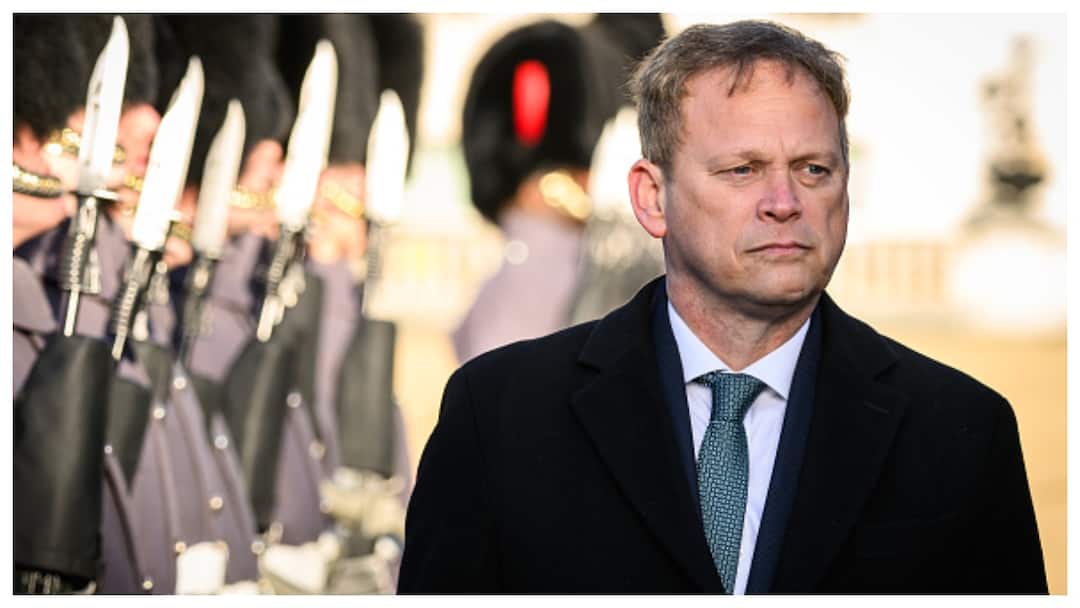
“As the situation in the Middle East worsens, it is vital that we adapt to keep the UK, our allies and partners safe,” statement issued by Defence Minister Grant Shapps was quoted by Reuters in its report.
“Sea Viper has been at the forefront of this, being the Navy’s weapon of choice in the first shooting down of an aerial threat in more than 30 years,” the statement further reads.
This month, U.S. and British naval troops in the Red Sea shot down drones and missiles fired by Yemen’s Houthi movement as the confrontation between Israel and Hamas spread throughout the region.

Britain’s Ministry of Defence stated on Sunday that it will invest 405 million pounds ($514 million) to modernise a missile system recently used by the Royal Navy to take down hostile drones over the Red Sea, news agency Reuters reported. The Sea Viper Air Defence system will be updated with missiles equipped with a new warhead and software to counter ballistic missile threats, according to a statement from the Ministry of Defence.
The Sea Viper Air Defence system will receive more powerful missiles with a new warhead and a software update, allowing it to resist ballistic missile threats. It will safeguard the Navy’s Carrier Strike Group by detecting, targeting, and destroying a range of aviation threats from more than 70 miles away.
The contracts were granted to the British branch of MBDA, a missile joint venture controlled by Airbus (AIR.PA), BAE Systems (BAES.L), and Leonardo (LDOF.MI), according to the Ministry of Defence.
According to the government, the contracts would make Sea Viper “the most capable naval air defence system ever developed for the Royal Navy” as Houthi attacks on ships sailing through the Red Sea continue, Telegraph reported.
It is envisaged that the improvement would enable Navy ships to deal with more complicated threats in the future.
“As the situation in the Middle East worsens, it is vital that we adapt to keep the UK, our allies and partners safe,” statement issued by Defence Minister Grant Shapps was quoted by Reuters in its report.
“Sea Viper has been at the forefront of this, being the Navy’s weapon of choice in the first shooting down of an aerial threat in more than 30 years,” the statement further reads.
This month, U.S. and British naval troops in the Red Sea shot down drones and missiles fired by Yemen’s Houthi movement as the confrontation between Israel and Hamas spread throughout the region.

Britain’s Ministry of Defence stated on Sunday that it will invest 405 million pounds ($514 million) to modernise a missile system recently used by the Royal Navy to take down hostile drones over the Red Sea, news agency Reuters reported. The Sea Viper Air Defence system will be updated with missiles equipped with a new warhead and software to counter ballistic missile threats, according to a statement from the Ministry of Defence.
The Sea Viper Air Defence system will receive more powerful missiles with a new warhead and a software update, allowing it to resist ballistic missile threats. It will safeguard the Navy’s Carrier Strike Group by detecting, targeting, and destroying a range of aviation threats from more than 70 miles away.
The contracts were granted to the British branch of MBDA, a missile joint venture controlled by Airbus (AIR.PA), BAE Systems (BAES.L), and Leonardo (LDOF.MI), according to the Ministry of Defence.
According to the government, the contracts would make Sea Viper “the most capable naval air defence system ever developed for the Royal Navy” as Houthi attacks on ships sailing through the Red Sea continue, Telegraph reported.
It is envisaged that the improvement would enable Navy ships to deal with more complicated threats in the future.
“As the situation in the Middle East worsens, it is vital that we adapt to keep the UK, our allies and partners safe,” statement issued by Defence Minister Grant Shapps was quoted by Reuters in its report.
“Sea Viper has been at the forefront of this, being the Navy’s weapon of choice in the first shooting down of an aerial threat in more than 30 years,” the statement further reads.
This month, U.S. and British naval troops in the Red Sea shot down drones and missiles fired by Yemen’s Houthi movement as the confrontation between Israel and Hamas spread throughout the region.
Britain’s Ministry of Defence stated on Sunday that it will invest 405 million pounds ($514 million) to modernise a missile system recently used by the Royal Navy to take down hostile drones over the Red Sea, news agency Reuters reported. The Sea Viper Air Defence system will be updated with missiles equipped with a new warhead and software to counter ballistic missile threats, according to a statement from the Ministry of Defence.
The Sea Viper Air Defence system will receive more powerful missiles with a new warhead and a software update, allowing it to resist ballistic missile threats. It will safeguard the Navy’s Carrier Strike Group by detecting, targeting, and destroying a range of aviation threats from more than 70 miles away.
The contracts were granted to the British branch of MBDA, a missile joint venture controlled by Airbus (AIR.PA), BAE Systems (BAES.L), and Leonardo (LDOF.MI), according to the Ministry of Defence.
According to the government, the contracts would make Sea Viper “the most capable naval air defence system ever developed for the Royal Navy” as Houthi attacks on ships sailing through the Red Sea continue, Telegraph reported.
It is envisaged that the improvement would enable Navy ships to deal with more complicated threats in the future.
“As the situation in the Middle East worsens, it is vital that we adapt to keep the UK, our allies and partners safe,” statement issued by Defence Minister Grant Shapps was quoted by Reuters in its report.
“Sea Viper has been at the forefront of this, being the Navy’s weapon of choice in the first shooting down of an aerial threat in more than 30 years,” the statement further reads.
This month, U.S. and British naval troops in the Red Sea shot down drones and missiles fired by Yemen’s Houthi movement as the confrontation between Israel and Hamas spread throughout the region.

Britain’s Ministry of Defence stated on Sunday that it will invest 405 million pounds ($514 million) to modernise a missile system recently used by the Royal Navy to take down hostile drones over the Red Sea, news agency Reuters reported. The Sea Viper Air Defence system will be updated with missiles equipped with a new warhead and software to counter ballistic missile threats, according to a statement from the Ministry of Defence.
The Sea Viper Air Defence system will receive more powerful missiles with a new warhead and a software update, allowing it to resist ballistic missile threats. It will safeguard the Navy’s Carrier Strike Group by detecting, targeting, and destroying a range of aviation threats from more than 70 miles away.
The contracts were granted to the British branch of MBDA, a missile joint venture controlled by Airbus (AIR.PA), BAE Systems (BAES.L), and Leonardo (LDOF.MI), according to the Ministry of Defence.
According to the government, the contracts would make Sea Viper “the most capable naval air defence system ever developed for the Royal Navy” as Houthi attacks on ships sailing through the Red Sea continue, Telegraph reported.
It is envisaged that the improvement would enable Navy ships to deal with more complicated threats in the future.
“As the situation in the Middle East worsens, it is vital that we adapt to keep the UK, our allies and partners safe,” statement issued by Defence Minister Grant Shapps was quoted by Reuters in its report.
“Sea Viper has been at the forefront of this, being the Navy’s weapon of choice in the first shooting down of an aerial threat in more than 30 years,” the statement further reads.
This month, U.S. and British naval troops in the Red Sea shot down drones and missiles fired by Yemen’s Houthi movement as the confrontation between Israel and Hamas spread throughout the region.
Britain’s Ministry of Defence stated on Sunday that it will invest 405 million pounds ($514 million) to modernise a missile system recently used by the Royal Navy to take down hostile drones over the Red Sea, news agency Reuters reported. The Sea Viper Air Defence system will be updated with missiles equipped with a new warhead and software to counter ballistic missile threats, according to a statement from the Ministry of Defence.
The Sea Viper Air Defence system will receive more powerful missiles with a new warhead and a software update, allowing it to resist ballistic missile threats. It will safeguard the Navy’s Carrier Strike Group by detecting, targeting, and destroying a range of aviation threats from more than 70 miles away.
The contracts were granted to the British branch of MBDA, a missile joint venture controlled by Airbus (AIR.PA), BAE Systems (BAES.L), and Leonardo (LDOF.MI), according to the Ministry of Defence.
According to the government, the contracts would make Sea Viper “the most capable naval air defence system ever developed for the Royal Navy” as Houthi attacks on ships sailing through the Red Sea continue, Telegraph reported.
It is envisaged that the improvement would enable Navy ships to deal with more complicated threats in the future.
“As the situation in the Middle East worsens, it is vital that we adapt to keep the UK, our allies and partners safe,” statement issued by Defence Minister Grant Shapps was quoted by Reuters in its report.
“Sea Viper has been at the forefront of this, being the Navy’s weapon of choice in the first shooting down of an aerial threat in more than 30 years,” the statement further reads.
This month, U.S. and British naval troops in the Red Sea shot down drones and missiles fired by Yemen’s Houthi movement as the confrontation between Israel and Hamas spread throughout the region.
Britain’s Ministry of Defence stated on Sunday that it will invest 405 million pounds ($514 million) to modernise a missile system recently used by the Royal Navy to take down hostile drones over the Red Sea, news agency Reuters reported. The Sea Viper Air Defence system will be updated with missiles equipped with a new warhead and software to counter ballistic missile threats, according to a statement from the Ministry of Defence.
The Sea Viper Air Defence system will receive more powerful missiles with a new warhead and a software update, allowing it to resist ballistic missile threats. It will safeguard the Navy’s Carrier Strike Group by detecting, targeting, and destroying a range of aviation threats from more than 70 miles away.
The contracts were granted to the British branch of MBDA, a missile joint venture controlled by Airbus (AIR.PA), BAE Systems (BAES.L), and Leonardo (LDOF.MI), according to the Ministry of Defence.
According to the government, the contracts would make Sea Viper “the most capable naval air defence system ever developed for the Royal Navy” as Houthi attacks on ships sailing through the Red Sea continue, Telegraph reported.
It is envisaged that the improvement would enable Navy ships to deal with more complicated threats in the future.
“As the situation in the Middle East worsens, it is vital that we adapt to keep the UK, our allies and partners safe,” statement issued by Defence Minister Grant Shapps was quoted by Reuters in its report.
“Sea Viper has been at the forefront of this, being the Navy’s weapon of choice in the first shooting down of an aerial threat in more than 30 years,” the statement further reads.
This month, U.S. and British naval troops in the Red Sea shot down drones and missiles fired by Yemen’s Houthi movement as the confrontation between Israel and Hamas spread throughout the region.
Britain’s Ministry of Defence stated on Sunday that it will invest 405 million pounds ($514 million) to modernise a missile system recently used by the Royal Navy to take down hostile drones over the Red Sea, news agency Reuters reported. The Sea Viper Air Defence system will be updated with missiles equipped with a new warhead and software to counter ballistic missile threats, according to a statement from the Ministry of Defence.
The Sea Viper Air Defence system will receive more powerful missiles with a new warhead and a software update, allowing it to resist ballistic missile threats. It will safeguard the Navy’s Carrier Strike Group by detecting, targeting, and destroying a range of aviation threats from more than 70 miles away.
The contracts were granted to the British branch of MBDA, a missile joint venture controlled by Airbus (AIR.PA), BAE Systems (BAES.L), and Leonardo (LDOF.MI), according to the Ministry of Defence.
According to the government, the contracts would make Sea Viper “the most capable naval air defence system ever developed for the Royal Navy” as Houthi attacks on ships sailing through the Red Sea continue, Telegraph reported.
It is envisaged that the improvement would enable Navy ships to deal with more complicated threats in the future.
“As the situation in the Middle East worsens, it is vital that we adapt to keep the UK, our allies and partners safe,” statement issued by Defence Minister Grant Shapps was quoted by Reuters in its report.
“Sea Viper has been at the forefront of this, being the Navy’s weapon of choice in the first shooting down of an aerial threat in more than 30 years,” the statement further reads.
This month, U.S. and British naval troops in the Red Sea shot down drones and missiles fired by Yemen’s Houthi movement as the confrontation between Israel and Hamas spread throughout the region.

Britain’s Ministry of Defence stated on Sunday that it will invest 405 million pounds ($514 million) to modernise a missile system recently used by the Royal Navy to take down hostile drones over the Red Sea, news agency Reuters reported. The Sea Viper Air Defence system will be updated with missiles equipped with a new warhead and software to counter ballistic missile threats, according to a statement from the Ministry of Defence.
The Sea Viper Air Defence system will receive more powerful missiles with a new warhead and a software update, allowing it to resist ballistic missile threats. It will safeguard the Navy’s Carrier Strike Group by detecting, targeting, and destroying a range of aviation threats from more than 70 miles away.
The contracts were granted to the British branch of MBDA, a missile joint venture controlled by Airbus (AIR.PA), BAE Systems (BAES.L), and Leonardo (LDOF.MI), according to the Ministry of Defence.
According to the government, the contracts would make Sea Viper “the most capable naval air defence system ever developed for the Royal Navy” as Houthi attacks on ships sailing through the Red Sea continue, Telegraph reported.
It is envisaged that the improvement would enable Navy ships to deal with more complicated threats in the future.
“As the situation in the Middle East worsens, it is vital that we adapt to keep the UK, our allies and partners safe,” statement issued by Defence Minister Grant Shapps was quoted by Reuters in its report.
“Sea Viper has been at the forefront of this, being the Navy’s weapon of choice in the first shooting down of an aerial threat in more than 30 years,” the statement further reads.
This month, U.S. and British naval troops in the Red Sea shot down drones and missiles fired by Yemen’s Houthi movement as the confrontation between Israel and Hamas spread throughout the region.
Britain’s Ministry of Defence stated on Sunday that it will invest 405 million pounds ($514 million) to modernise a missile system recently used by the Royal Navy to take down hostile drones over the Red Sea, news agency Reuters reported. The Sea Viper Air Defence system will be updated with missiles equipped with a new warhead and software to counter ballistic missile threats, according to a statement from the Ministry of Defence.
The Sea Viper Air Defence system will receive more powerful missiles with a new warhead and a software update, allowing it to resist ballistic missile threats. It will safeguard the Navy’s Carrier Strike Group by detecting, targeting, and destroying a range of aviation threats from more than 70 miles away.
The contracts were granted to the British branch of MBDA, a missile joint venture controlled by Airbus (AIR.PA), BAE Systems (BAES.L), and Leonardo (LDOF.MI), according to the Ministry of Defence.
According to the government, the contracts would make Sea Viper “the most capable naval air defence system ever developed for the Royal Navy” as Houthi attacks on ships sailing through the Red Sea continue, Telegraph reported.
It is envisaged that the improvement would enable Navy ships to deal with more complicated threats in the future.
“As the situation in the Middle East worsens, it is vital that we adapt to keep the UK, our allies and partners safe,” statement issued by Defence Minister Grant Shapps was quoted by Reuters in its report.
“Sea Viper has been at the forefront of this, being the Navy’s weapon of choice in the first shooting down of an aerial threat in more than 30 years,” the statement further reads.
This month, U.S. and British naval troops in the Red Sea shot down drones and missiles fired by Yemen’s Houthi movement as the confrontation between Israel and Hamas spread throughout the region.
Britain’s Ministry of Defence stated on Sunday that it will invest 405 million pounds ($514 million) to modernise a missile system recently used by the Royal Navy to take down hostile drones over the Red Sea, news agency Reuters reported. The Sea Viper Air Defence system will be updated with missiles equipped with a new warhead and software to counter ballistic missile threats, according to a statement from the Ministry of Defence.
The Sea Viper Air Defence system will receive more powerful missiles with a new warhead and a software update, allowing it to resist ballistic missile threats. It will safeguard the Navy’s Carrier Strike Group by detecting, targeting, and destroying a range of aviation threats from more than 70 miles away.
The contracts were granted to the British branch of MBDA, a missile joint venture controlled by Airbus (AIR.PA), BAE Systems (BAES.L), and Leonardo (LDOF.MI), according to the Ministry of Defence.
According to the government, the contracts would make Sea Viper “the most capable naval air defence system ever developed for the Royal Navy” as Houthi attacks on ships sailing through the Red Sea continue, Telegraph reported.
It is envisaged that the improvement would enable Navy ships to deal with more complicated threats in the future.
“As the situation in the Middle East worsens, it is vital that we adapt to keep the UK, our allies and partners safe,” statement issued by Defence Minister Grant Shapps was quoted by Reuters in its report.
“Sea Viper has been at the forefront of this, being the Navy’s weapon of choice in the first shooting down of an aerial threat in more than 30 years,” the statement further reads.
This month, U.S. and British naval troops in the Red Sea shot down drones and missiles fired by Yemen’s Houthi movement as the confrontation between Israel and Hamas spread throughout the region.
Britain’s Ministry of Defence stated on Sunday that it will invest 405 million pounds ($514 million) to modernise a missile system recently used by the Royal Navy to take down hostile drones over the Red Sea, news agency Reuters reported. The Sea Viper Air Defence system will be updated with missiles equipped with a new warhead and software to counter ballistic missile threats, according to a statement from the Ministry of Defence.
The Sea Viper Air Defence system will receive more powerful missiles with a new warhead and a software update, allowing it to resist ballistic missile threats. It will safeguard the Navy’s Carrier Strike Group by detecting, targeting, and destroying a range of aviation threats from more than 70 miles away.
The contracts were granted to the British branch of MBDA, a missile joint venture controlled by Airbus (AIR.PA), BAE Systems (BAES.L), and Leonardo (LDOF.MI), according to the Ministry of Defence.
According to the government, the contracts would make Sea Viper “the most capable naval air defence system ever developed for the Royal Navy” as Houthi attacks on ships sailing through the Red Sea continue, Telegraph reported.
It is envisaged that the improvement would enable Navy ships to deal with more complicated threats in the future.
“As the situation in the Middle East worsens, it is vital that we adapt to keep the UK, our allies and partners safe,” statement issued by Defence Minister Grant Shapps was quoted by Reuters in its report.
“Sea Viper has been at the forefront of this, being the Navy’s weapon of choice in the first shooting down of an aerial threat in more than 30 years,” the statement further reads.
This month, U.S. and British naval troops in the Red Sea shot down drones and missiles fired by Yemen’s Houthi movement as the confrontation between Israel and Hamas spread throughout the region.
Britain’s Ministry of Defence stated on Sunday that it will invest 405 million pounds ($514 million) to modernise a missile system recently used by the Royal Navy to take down hostile drones over the Red Sea, news agency Reuters reported. The Sea Viper Air Defence system will be updated with missiles equipped with a new warhead and software to counter ballistic missile threats, according to a statement from the Ministry of Defence.
The Sea Viper Air Defence system will receive more powerful missiles with a new warhead and a software update, allowing it to resist ballistic missile threats. It will safeguard the Navy’s Carrier Strike Group by detecting, targeting, and destroying a range of aviation threats from more than 70 miles away.
The contracts were granted to the British branch of MBDA, a missile joint venture controlled by Airbus (AIR.PA), BAE Systems (BAES.L), and Leonardo (LDOF.MI), according to the Ministry of Defence.
According to the government, the contracts would make Sea Viper “the most capable naval air defence system ever developed for the Royal Navy” as Houthi attacks on ships sailing through the Red Sea continue, Telegraph reported.
It is envisaged that the improvement would enable Navy ships to deal with more complicated threats in the future.
“As the situation in the Middle East worsens, it is vital that we adapt to keep the UK, our allies and partners safe,” statement issued by Defence Minister Grant Shapps was quoted by Reuters in its report.
“Sea Viper has been at the forefront of this, being the Navy’s weapon of choice in the first shooting down of an aerial threat in more than 30 years,” the statement further reads.
This month, U.S. and British naval troops in the Red Sea shot down drones and missiles fired by Yemen’s Houthi movement as the confrontation between Israel and Hamas spread throughout the region.
Britain’s Ministry of Defence stated on Sunday that it will invest 405 million pounds ($514 million) to modernise a missile system recently used by the Royal Navy to take down hostile drones over the Red Sea, news agency Reuters reported. The Sea Viper Air Defence system will be updated with missiles equipped with a new warhead and software to counter ballistic missile threats, according to a statement from the Ministry of Defence.
The Sea Viper Air Defence system will receive more powerful missiles with a new warhead and a software update, allowing it to resist ballistic missile threats. It will safeguard the Navy’s Carrier Strike Group by detecting, targeting, and destroying a range of aviation threats from more than 70 miles away.
The contracts were granted to the British branch of MBDA, a missile joint venture controlled by Airbus (AIR.PA), BAE Systems (BAES.L), and Leonardo (LDOF.MI), according to the Ministry of Defence.
According to the government, the contracts would make Sea Viper “the most capable naval air defence system ever developed for the Royal Navy” as Houthi attacks on ships sailing through the Red Sea continue, Telegraph reported.
It is envisaged that the improvement would enable Navy ships to deal with more complicated threats in the future.
“As the situation in the Middle East worsens, it is vital that we adapt to keep the UK, our allies and partners safe,” statement issued by Defence Minister Grant Shapps was quoted by Reuters in its report.
“Sea Viper has been at the forefront of this, being the Navy’s weapon of choice in the first shooting down of an aerial threat in more than 30 years,” the statement further reads.
This month, U.S. and British naval troops in the Red Sea shot down drones and missiles fired by Yemen’s Houthi movement as the confrontation between Israel and Hamas spread throughout the region.
Britain’s Ministry of Defence stated on Sunday that it will invest 405 million pounds ($514 million) to modernise a missile system recently used by the Royal Navy to take down hostile drones over the Red Sea, news agency Reuters reported. The Sea Viper Air Defence system will be updated with missiles equipped with a new warhead and software to counter ballistic missile threats, according to a statement from the Ministry of Defence.
The Sea Viper Air Defence system will receive more powerful missiles with a new warhead and a software update, allowing it to resist ballistic missile threats. It will safeguard the Navy’s Carrier Strike Group by detecting, targeting, and destroying a range of aviation threats from more than 70 miles away.
The contracts were granted to the British branch of MBDA, a missile joint venture controlled by Airbus (AIR.PA), BAE Systems (BAES.L), and Leonardo (LDOF.MI), according to the Ministry of Defence.
According to the government, the contracts would make Sea Viper “the most capable naval air defence system ever developed for the Royal Navy” as Houthi attacks on ships sailing through the Red Sea continue, Telegraph reported.
It is envisaged that the improvement would enable Navy ships to deal with more complicated threats in the future.
“As the situation in the Middle East worsens, it is vital that we adapt to keep the UK, our allies and partners safe,” statement issued by Defence Minister Grant Shapps was quoted by Reuters in its report.
“Sea Viper has been at the forefront of this, being the Navy’s weapon of choice in the first shooting down of an aerial threat in more than 30 years,” the statement further reads.
This month, U.S. and British naval troops in the Red Sea shot down drones and missiles fired by Yemen’s Houthi movement as the confrontation between Israel and Hamas spread throughout the region.
Britain’s Ministry of Defence stated on Sunday that it will invest 405 million pounds ($514 million) to modernise a missile system recently used by the Royal Navy to take down hostile drones over the Red Sea, news agency Reuters reported. The Sea Viper Air Defence system will be updated with missiles equipped with a new warhead and software to counter ballistic missile threats, according to a statement from the Ministry of Defence.
The Sea Viper Air Defence system will receive more powerful missiles with a new warhead and a software update, allowing it to resist ballistic missile threats. It will safeguard the Navy’s Carrier Strike Group by detecting, targeting, and destroying a range of aviation threats from more than 70 miles away.
The contracts were granted to the British branch of MBDA, a missile joint venture controlled by Airbus (AIR.PA), BAE Systems (BAES.L), and Leonardo (LDOF.MI), according to the Ministry of Defence.
According to the government, the contracts would make Sea Viper “the most capable naval air defence system ever developed for the Royal Navy” as Houthi attacks on ships sailing through the Red Sea continue, Telegraph reported.
It is envisaged that the improvement would enable Navy ships to deal with more complicated threats in the future.
“As the situation in the Middle East worsens, it is vital that we adapt to keep the UK, our allies and partners safe,” statement issued by Defence Minister Grant Shapps was quoted by Reuters in its report.
“Sea Viper has been at the forefront of this, being the Navy’s weapon of choice in the first shooting down of an aerial threat in more than 30 years,” the statement further reads.
This month, U.S. and British naval troops in the Red Sea shot down drones and missiles fired by Yemen’s Houthi movement as the confrontation between Israel and Hamas spread throughout the region.

