

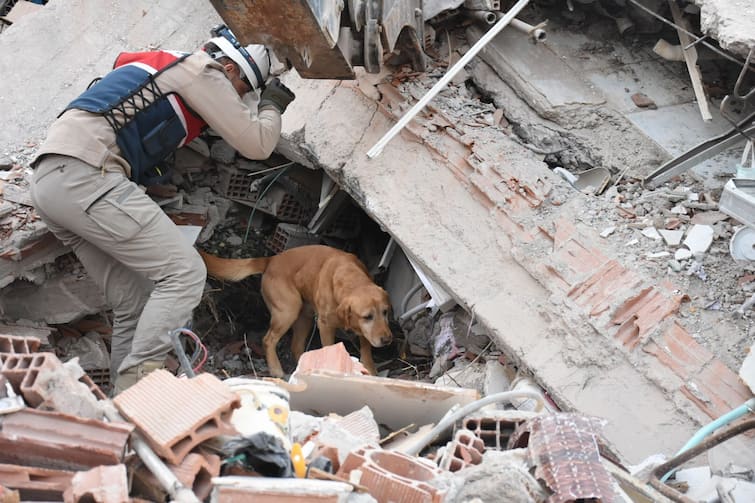
Turkey suffered damages worth $34 billion in the February 6 earthquake and subsequent tremors and aftershocks that followed, according to the World Bank. The devastating earthquake claimed thousands of lives and rendered many homeless.
The World Bank on Monday said the economic damages were equal to 4% of the GDP of Turkiye in 2021, reported AFP. “The estimate does not account for the costs of reconstruction that were “potentially twice as large,” a statement said. Adding Syria to the equation would increase the amount of damage further to nearly double.
A World Bank estimate of the costs that will be released on Tuesday will not take into account the damage that was caused in northern Syria, which was also particularly affected by the earthquakes.
The World Bank issued a warning that the ongoing aftershocks are likely to add to the disaster’s overall damage.
According to Humberto Lopez, the World Bank’s Country Director for Turkey, “This disaster serves as a reminder of Turkey’s high risk to earthquakes and of the need to enhance resilience in public and private infrastructure.”
Additionally, the World Bank estimates that residential building damage has resulted in the temporary displacement of 1.25 million people.
It also said that direct damage to residential buildings was responsible for 53% of the estimate. Non-residential buildings were responsible for 28% of the damage, and infrastructure like roads and bridges was responsible for the remaining damage.
The World Bank had earlier announced that it would provide $1.78 billion aid to Turkey to help in the relief and recovery efforts.
The earthquake in Turkey and Syria resulted in the deaths of approximately 50,000 people, and the World Bank estimates that more than 1.25 million people are currently homeless.
According to the World Bank, the earthquake’s unusual strength, shallow depth, and a “potential lack of code compliance” with Turkey’s building construction and maintenance regulations contributed to the extent of the damage, reported Financial Times.
With $18 billion in damage, residential properties have suffered the most, followed by non-residential buildings and infrastructure with $9.7 billion and $6.4 billion, respectively. According to preliminary estimates, at least 15 hospitals have sustained moderate or severe damage, according to the World Bank. Nearly 190 historic buildings were severely or moderately damaged, necessitating extensive and specialized renovations.

Turkey suffered damages worth $34 billion in the February 6 earthquake and subsequent tremors and aftershocks that followed, according to the World Bank. The devastating earthquake claimed thousands of lives and rendered many homeless.
The World Bank on Monday said the economic damages were equal to 4% of the GDP of Turkiye in 2021, reported AFP. “The estimate does not account for the costs of reconstruction that were “potentially twice as large,” a statement said. Adding Syria to the equation would increase the amount of damage further to nearly double.
A World Bank estimate of the costs that will be released on Tuesday will not take into account the damage that was caused in northern Syria, which was also particularly affected by the earthquakes.
The World Bank issued a warning that the ongoing aftershocks are likely to add to the disaster’s overall damage.
According to Humberto Lopez, the World Bank’s Country Director for Turkey, “This disaster serves as a reminder of Turkey’s high risk to earthquakes and of the need to enhance resilience in public and private infrastructure.”
Additionally, the World Bank estimates that residential building damage has resulted in the temporary displacement of 1.25 million people.
It also said that direct damage to residential buildings was responsible for 53% of the estimate. Non-residential buildings were responsible for 28% of the damage, and infrastructure like roads and bridges was responsible for the remaining damage.
The World Bank had earlier announced that it would provide $1.78 billion aid to Turkey to help in the relief and recovery efforts.
The earthquake in Turkey and Syria resulted in the deaths of approximately 50,000 people, and the World Bank estimates that more than 1.25 million people are currently homeless.
According to the World Bank, the earthquake’s unusual strength, shallow depth, and a “potential lack of code compliance” with Turkey’s building construction and maintenance regulations contributed to the extent of the damage, reported Financial Times.
With $18 billion in damage, residential properties have suffered the most, followed by non-residential buildings and infrastructure with $9.7 billion and $6.4 billion, respectively. According to preliminary estimates, at least 15 hospitals have sustained moderate or severe damage, according to the World Bank. Nearly 190 historic buildings were severely or moderately damaged, necessitating extensive and specialized renovations.

Turkey suffered damages worth $34 billion in the February 6 earthquake and subsequent tremors and aftershocks that followed, according to the World Bank. The devastating earthquake claimed thousands of lives and rendered many homeless.
The World Bank on Monday said the economic damages were equal to 4% of the GDP of Turkiye in 2021, reported AFP. “The estimate does not account for the costs of reconstruction that were “potentially twice as large,” a statement said. Adding Syria to the equation would increase the amount of damage further to nearly double.
A World Bank estimate of the costs that will be released on Tuesday will not take into account the damage that was caused in northern Syria, which was also particularly affected by the earthquakes.
The World Bank issued a warning that the ongoing aftershocks are likely to add to the disaster’s overall damage.
According to Humberto Lopez, the World Bank’s Country Director for Turkey, “This disaster serves as a reminder of Turkey’s high risk to earthquakes and of the need to enhance resilience in public and private infrastructure.”
Additionally, the World Bank estimates that residential building damage has resulted in the temporary displacement of 1.25 million people.
It also said that direct damage to residential buildings was responsible for 53% of the estimate. Non-residential buildings were responsible for 28% of the damage, and infrastructure like roads and bridges was responsible for the remaining damage.
The World Bank had earlier announced that it would provide $1.78 billion aid to Turkey to help in the relief and recovery efforts.
The earthquake in Turkey and Syria resulted in the deaths of approximately 50,000 people, and the World Bank estimates that more than 1.25 million people are currently homeless.
According to the World Bank, the earthquake’s unusual strength, shallow depth, and a “potential lack of code compliance” with Turkey’s building construction and maintenance regulations contributed to the extent of the damage, reported Financial Times.
With $18 billion in damage, residential properties have suffered the most, followed by non-residential buildings and infrastructure with $9.7 billion and $6.4 billion, respectively. According to preliminary estimates, at least 15 hospitals have sustained moderate or severe damage, according to the World Bank. Nearly 190 historic buildings were severely or moderately damaged, necessitating extensive and specialized renovations.
Turkey suffered damages worth $34 billion in the February 6 earthquake and subsequent tremors and aftershocks that followed, according to the World Bank. The devastating earthquake claimed thousands of lives and rendered many homeless.
The World Bank on Monday said the economic damages were equal to 4% of the GDP of Turkiye in 2021, reported AFP. “The estimate does not account for the costs of reconstruction that were “potentially twice as large,” a statement said. Adding Syria to the equation would increase the amount of damage further to nearly double.
A World Bank estimate of the costs that will be released on Tuesday will not take into account the damage that was caused in northern Syria, which was also particularly affected by the earthquakes.
The World Bank issued a warning that the ongoing aftershocks are likely to add to the disaster’s overall damage.
According to Humberto Lopez, the World Bank’s Country Director for Turkey, “This disaster serves as a reminder of Turkey’s high risk to earthquakes and of the need to enhance resilience in public and private infrastructure.”
Additionally, the World Bank estimates that residential building damage has resulted in the temporary displacement of 1.25 million people.
It also said that direct damage to residential buildings was responsible for 53% of the estimate. Non-residential buildings were responsible for 28% of the damage, and infrastructure like roads and bridges was responsible for the remaining damage.
The World Bank had earlier announced that it would provide $1.78 billion aid to Turkey to help in the relief and recovery efforts.
The earthquake in Turkey and Syria resulted in the deaths of approximately 50,000 people, and the World Bank estimates that more than 1.25 million people are currently homeless.
According to the World Bank, the earthquake’s unusual strength, shallow depth, and a “potential lack of code compliance” with Turkey’s building construction and maintenance regulations contributed to the extent of the damage, reported Financial Times.
With $18 billion in damage, residential properties have suffered the most, followed by non-residential buildings and infrastructure with $9.7 billion and $6.4 billion, respectively. According to preliminary estimates, at least 15 hospitals have sustained moderate or severe damage, according to the World Bank. Nearly 190 historic buildings were severely or moderately damaged, necessitating extensive and specialized renovations.

Turkey suffered damages worth $34 billion in the February 6 earthquake and subsequent tremors and aftershocks that followed, according to the World Bank. The devastating earthquake claimed thousands of lives and rendered many homeless.
The World Bank on Monday said the economic damages were equal to 4% of the GDP of Turkiye in 2021, reported AFP. “The estimate does not account for the costs of reconstruction that were “potentially twice as large,” a statement said. Adding Syria to the equation would increase the amount of damage further to nearly double.
A World Bank estimate of the costs that will be released on Tuesday will not take into account the damage that was caused in northern Syria, which was also particularly affected by the earthquakes.
The World Bank issued a warning that the ongoing aftershocks are likely to add to the disaster’s overall damage.
According to Humberto Lopez, the World Bank’s Country Director for Turkey, “This disaster serves as a reminder of Turkey’s high risk to earthquakes and of the need to enhance resilience in public and private infrastructure.”
Additionally, the World Bank estimates that residential building damage has resulted in the temporary displacement of 1.25 million people.
It also said that direct damage to residential buildings was responsible for 53% of the estimate. Non-residential buildings were responsible for 28% of the damage, and infrastructure like roads and bridges was responsible for the remaining damage.
The World Bank had earlier announced that it would provide $1.78 billion aid to Turkey to help in the relief and recovery efforts.
The earthquake in Turkey and Syria resulted in the deaths of approximately 50,000 people, and the World Bank estimates that more than 1.25 million people are currently homeless.
According to the World Bank, the earthquake’s unusual strength, shallow depth, and a “potential lack of code compliance” with Turkey’s building construction and maintenance regulations contributed to the extent of the damage, reported Financial Times.
With $18 billion in damage, residential properties have suffered the most, followed by non-residential buildings and infrastructure with $9.7 billion and $6.4 billion, respectively. According to preliminary estimates, at least 15 hospitals have sustained moderate or severe damage, according to the World Bank. Nearly 190 historic buildings were severely or moderately damaged, necessitating extensive and specialized renovations.
Turkey suffered damages worth $34 billion in the February 6 earthquake and subsequent tremors and aftershocks that followed, according to the World Bank. The devastating earthquake claimed thousands of lives and rendered many homeless.
The World Bank on Monday said the economic damages were equal to 4% of the GDP of Turkiye in 2021, reported AFP. “The estimate does not account for the costs of reconstruction that were “potentially twice as large,” a statement said. Adding Syria to the equation would increase the amount of damage further to nearly double.
A World Bank estimate of the costs that will be released on Tuesday will not take into account the damage that was caused in northern Syria, which was also particularly affected by the earthquakes.
The World Bank issued a warning that the ongoing aftershocks are likely to add to the disaster’s overall damage.
According to Humberto Lopez, the World Bank’s Country Director for Turkey, “This disaster serves as a reminder of Turkey’s high risk to earthquakes and of the need to enhance resilience in public and private infrastructure.”
Additionally, the World Bank estimates that residential building damage has resulted in the temporary displacement of 1.25 million people.
It also said that direct damage to residential buildings was responsible for 53% of the estimate. Non-residential buildings were responsible for 28% of the damage, and infrastructure like roads and bridges was responsible for the remaining damage.
The World Bank had earlier announced that it would provide $1.78 billion aid to Turkey to help in the relief and recovery efforts.
The earthquake in Turkey and Syria resulted in the deaths of approximately 50,000 people, and the World Bank estimates that more than 1.25 million people are currently homeless.
According to the World Bank, the earthquake’s unusual strength, shallow depth, and a “potential lack of code compliance” with Turkey’s building construction and maintenance regulations contributed to the extent of the damage, reported Financial Times.
With $18 billion in damage, residential properties have suffered the most, followed by non-residential buildings and infrastructure with $9.7 billion and $6.4 billion, respectively. According to preliminary estimates, at least 15 hospitals have sustained moderate or severe damage, according to the World Bank. Nearly 190 historic buildings were severely or moderately damaged, necessitating extensive and specialized renovations.
Turkey suffered damages worth $34 billion in the February 6 earthquake and subsequent tremors and aftershocks that followed, according to the World Bank. The devastating earthquake claimed thousands of lives and rendered many homeless.
The World Bank on Monday said the economic damages were equal to 4% of the GDP of Turkiye in 2021, reported AFP. “The estimate does not account for the costs of reconstruction that were “potentially twice as large,” a statement said. Adding Syria to the equation would increase the amount of damage further to nearly double.
A World Bank estimate of the costs that will be released on Tuesday will not take into account the damage that was caused in northern Syria, which was also particularly affected by the earthquakes.
The World Bank issued a warning that the ongoing aftershocks are likely to add to the disaster’s overall damage.
According to Humberto Lopez, the World Bank’s Country Director for Turkey, “This disaster serves as a reminder of Turkey’s high risk to earthquakes and of the need to enhance resilience in public and private infrastructure.”
Additionally, the World Bank estimates that residential building damage has resulted in the temporary displacement of 1.25 million people.
It also said that direct damage to residential buildings was responsible for 53% of the estimate. Non-residential buildings were responsible for 28% of the damage, and infrastructure like roads and bridges was responsible for the remaining damage.
The World Bank had earlier announced that it would provide $1.78 billion aid to Turkey to help in the relief and recovery efforts.
The earthquake in Turkey and Syria resulted in the deaths of approximately 50,000 people, and the World Bank estimates that more than 1.25 million people are currently homeless.
According to the World Bank, the earthquake’s unusual strength, shallow depth, and a “potential lack of code compliance” with Turkey’s building construction and maintenance regulations contributed to the extent of the damage, reported Financial Times.
With $18 billion in damage, residential properties have suffered the most, followed by non-residential buildings and infrastructure with $9.7 billion and $6.4 billion, respectively. According to preliminary estimates, at least 15 hospitals have sustained moderate or severe damage, according to the World Bank. Nearly 190 historic buildings were severely or moderately damaged, necessitating extensive and specialized renovations.
Turkey suffered damages worth $34 billion in the February 6 earthquake and subsequent tremors and aftershocks that followed, according to the World Bank. The devastating earthquake claimed thousands of lives and rendered many homeless.
The World Bank on Monday said the economic damages were equal to 4% of the GDP of Turkiye in 2021, reported AFP. “The estimate does not account for the costs of reconstruction that were “potentially twice as large,” a statement said. Adding Syria to the equation would increase the amount of damage further to nearly double.
A World Bank estimate of the costs that will be released on Tuesday will not take into account the damage that was caused in northern Syria, which was also particularly affected by the earthquakes.
The World Bank issued a warning that the ongoing aftershocks are likely to add to the disaster’s overall damage.
According to Humberto Lopez, the World Bank’s Country Director for Turkey, “This disaster serves as a reminder of Turkey’s high risk to earthquakes and of the need to enhance resilience in public and private infrastructure.”
Additionally, the World Bank estimates that residential building damage has resulted in the temporary displacement of 1.25 million people.
It also said that direct damage to residential buildings was responsible for 53% of the estimate. Non-residential buildings were responsible for 28% of the damage, and infrastructure like roads and bridges was responsible for the remaining damage.
The World Bank had earlier announced that it would provide $1.78 billion aid to Turkey to help in the relief and recovery efforts.
The earthquake in Turkey and Syria resulted in the deaths of approximately 50,000 people, and the World Bank estimates that more than 1.25 million people are currently homeless.
According to the World Bank, the earthquake’s unusual strength, shallow depth, and a “potential lack of code compliance” with Turkey’s building construction and maintenance regulations contributed to the extent of the damage, reported Financial Times.
With $18 billion in damage, residential properties have suffered the most, followed by non-residential buildings and infrastructure with $9.7 billion and $6.4 billion, respectively. According to preliminary estimates, at least 15 hospitals have sustained moderate or severe damage, according to the World Bank. Nearly 190 historic buildings were severely or moderately damaged, necessitating extensive and specialized renovations.

Turkey suffered damages worth $34 billion in the February 6 earthquake and subsequent tremors and aftershocks that followed, according to the World Bank. The devastating earthquake claimed thousands of lives and rendered many homeless.
The World Bank on Monday said the economic damages were equal to 4% of the GDP of Turkiye in 2021, reported AFP. “The estimate does not account for the costs of reconstruction that were “potentially twice as large,” a statement said. Adding Syria to the equation would increase the amount of damage further to nearly double.
A World Bank estimate of the costs that will be released on Tuesday will not take into account the damage that was caused in northern Syria, which was also particularly affected by the earthquakes.
The World Bank issued a warning that the ongoing aftershocks are likely to add to the disaster’s overall damage.
According to Humberto Lopez, the World Bank’s Country Director for Turkey, “This disaster serves as a reminder of Turkey’s high risk to earthquakes and of the need to enhance resilience in public and private infrastructure.”
Additionally, the World Bank estimates that residential building damage has resulted in the temporary displacement of 1.25 million people.
It also said that direct damage to residential buildings was responsible for 53% of the estimate. Non-residential buildings were responsible for 28% of the damage, and infrastructure like roads and bridges was responsible for the remaining damage.
The World Bank had earlier announced that it would provide $1.78 billion aid to Turkey to help in the relief and recovery efforts.
The earthquake in Turkey and Syria resulted in the deaths of approximately 50,000 people, and the World Bank estimates that more than 1.25 million people are currently homeless.
According to the World Bank, the earthquake’s unusual strength, shallow depth, and a “potential lack of code compliance” with Turkey’s building construction and maintenance regulations contributed to the extent of the damage, reported Financial Times.
With $18 billion in damage, residential properties have suffered the most, followed by non-residential buildings and infrastructure with $9.7 billion and $6.4 billion, respectively. According to preliminary estimates, at least 15 hospitals have sustained moderate or severe damage, according to the World Bank. Nearly 190 historic buildings were severely or moderately damaged, necessitating extensive and specialized renovations.
Turkey suffered damages worth $34 billion in the February 6 earthquake and subsequent tremors and aftershocks that followed, according to the World Bank. The devastating earthquake claimed thousands of lives and rendered many homeless.
The World Bank on Monday said the economic damages were equal to 4% of the GDP of Turkiye in 2021, reported AFP. “The estimate does not account for the costs of reconstruction that were “potentially twice as large,” a statement said. Adding Syria to the equation would increase the amount of damage further to nearly double.
A World Bank estimate of the costs that will be released on Tuesday will not take into account the damage that was caused in northern Syria, which was also particularly affected by the earthquakes.
The World Bank issued a warning that the ongoing aftershocks are likely to add to the disaster’s overall damage.
According to Humberto Lopez, the World Bank’s Country Director for Turkey, “This disaster serves as a reminder of Turkey’s high risk to earthquakes and of the need to enhance resilience in public and private infrastructure.”
Additionally, the World Bank estimates that residential building damage has resulted in the temporary displacement of 1.25 million people.
It also said that direct damage to residential buildings was responsible for 53% of the estimate. Non-residential buildings were responsible for 28% of the damage, and infrastructure like roads and bridges was responsible for the remaining damage.
The World Bank had earlier announced that it would provide $1.78 billion aid to Turkey to help in the relief and recovery efforts.
The earthquake in Turkey and Syria resulted in the deaths of approximately 50,000 people, and the World Bank estimates that more than 1.25 million people are currently homeless.
According to the World Bank, the earthquake’s unusual strength, shallow depth, and a “potential lack of code compliance” with Turkey’s building construction and maintenance regulations contributed to the extent of the damage, reported Financial Times.
With $18 billion in damage, residential properties have suffered the most, followed by non-residential buildings and infrastructure with $9.7 billion and $6.4 billion, respectively. According to preliminary estimates, at least 15 hospitals have sustained moderate or severe damage, according to the World Bank. Nearly 190 historic buildings were severely or moderately damaged, necessitating extensive and specialized renovations.
Turkey suffered damages worth $34 billion in the February 6 earthquake and subsequent tremors and aftershocks that followed, according to the World Bank. The devastating earthquake claimed thousands of lives and rendered many homeless.
The World Bank on Monday said the economic damages were equal to 4% of the GDP of Turkiye in 2021, reported AFP. “The estimate does not account for the costs of reconstruction that were “potentially twice as large,” a statement said. Adding Syria to the equation would increase the amount of damage further to nearly double.
A World Bank estimate of the costs that will be released on Tuesday will not take into account the damage that was caused in northern Syria, which was also particularly affected by the earthquakes.
The World Bank issued a warning that the ongoing aftershocks are likely to add to the disaster’s overall damage.
According to Humberto Lopez, the World Bank’s Country Director for Turkey, “This disaster serves as a reminder of Turkey’s high risk to earthquakes and of the need to enhance resilience in public and private infrastructure.”
Additionally, the World Bank estimates that residential building damage has resulted in the temporary displacement of 1.25 million people.
It also said that direct damage to residential buildings was responsible for 53% of the estimate. Non-residential buildings were responsible for 28% of the damage, and infrastructure like roads and bridges was responsible for the remaining damage.
The World Bank had earlier announced that it would provide $1.78 billion aid to Turkey to help in the relief and recovery efforts.
The earthquake in Turkey and Syria resulted in the deaths of approximately 50,000 people, and the World Bank estimates that more than 1.25 million people are currently homeless.
According to the World Bank, the earthquake’s unusual strength, shallow depth, and a “potential lack of code compliance” with Turkey’s building construction and maintenance regulations contributed to the extent of the damage, reported Financial Times.
With $18 billion in damage, residential properties have suffered the most, followed by non-residential buildings and infrastructure with $9.7 billion and $6.4 billion, respectively. According to preliminary estimates, at least 15 hospitals have sustained moderate or severe damage, according to the World Bank. Nearly 190 historic buildings were severely or moderately damaged, necessitating extensive and specialized renovations.
Turkey suffered damages worth $34 billion in the February 6 earthquake and subsequent tremors and aftershocks that followed, according to the World Bank. The devastating earthquake claimed thousands of lives and rendered many homeless.
The World Bank on Monday said the economic damages were equal to 4% of the GDP of Turkiye in 2021, reported AFP. “The estimate does not account for the costs of reconstruction that were “potentially twice as large,” a statement said. Adding Syria to the equation would increase the amount of damage further to nearly double.
A World Bank estimate of the costs that will be released on Tuesday will not take into account the damage that was caused in northern Syria, which was also particularly affected by the earthquakes.
The World Bank issued a warning that the ongoing aftershocks are likely to add to the disaster’s overall damage.
According to Humberto Lopez, the World Bank’s Country Director for Turkey, “This disaster serves as a reminder of Turkey’s high risk to earthquakes and of the need to enhance resilience in public and private infrastructure.”
Additionally, the World Bank estimates that residential building damage has resulted in the temporary displacement of 1.25 million people.
It also said that direct damage to residential buildings was responsible for 53% of the estimate. Non-residential buildings were responsible for 28% of the damage, and infrastructure like roads and bridges was responsible for the remaining damage.
The World Bank had earlier announced that it would provide $1.78 billion aid to Turkey to help in the relief and recovery efforts.
The earthquake in Turkey and Syria resulted in the deaths of approximately 50,000 people, and the World Bank estimates that more than 1.25 million people are currently homeless.
According to the World Bank, the earthquake’s unusual strength, shallow depth, and a “potential lack of code compliance” with Turkey’s building construction and maintenance regulations contributed to the extent of the damage, reported Financial Times.
With $18 billion in damage, residential properties have suffered the most, followed by non-residential buildings and infrastructure with $9.7 billion and $6.4 billion, respectively. According to preliminary estimates, at least 15 hospitals have sustained moderate or severe damage, according to the World Bank. Nearly 190 historic buildings were severely or moderately damaged, necessitating extensive and specialized renovations.
Turkey suffered damages worth $34 billion in the February 6 earthquake and subsequent tremors and aftershocks that followed, according to the World Bank. The devastating earthquake claimed thousands of lives and rendered many homeless.
The World Bank on Monday said the economic damages were equal to 4% of the GDP of Turkiye in 2021, reported AFP. “The estimate does not account for the costs of reconstruction that were “potentially twice as large,” a statement said. Adding Syria to the equation would increase the amount of damage further to nearly double.
A World Bank estimate of the costs that will be released on Tuesday will not take into account the damage that was caused in northern Syria, which was also particularly affected by the earthquakes.
The World Bank issued a warning that the ongoing aftershocks are likely to add to the disaster’s overall damage.
According to Humberto Lopez, the World Bank’s Country Director for Turkey, “This disaster serves as a reminder of Turkey’s high risk to earthquakes and of the need to enhance resilience in public and private infrastructure.”
Additionally, the World Bank estimates that residential building damage has resulted in the temporary displacement of 1.25 million people.
It also said that direct damage to residential buildings was responsible for 53% of the estimate. Non-residential buildings were responsible for 28% of the damage, and infrastructure like roads and bridges was responsible for the remaining damage.
The World Bank had earlier announced that it would provide $1.78 billion aid to Turkey to help in the relief and recovery efforts.
The earthquake in Turkey and Syria resulted in the deaths of approximately 50,000 people, and the World Bank estimates that more than 1.25 million people are currently homeless.
According to the World Bank, the earthquake’s unusual strength, shallow depth, and a “potential lack of code compliance” with Turkey’s building construction and maintenance regulations contributed to the extent of the damage, reported Financial Times.
With $18 billion in damage, residential properties have suffered the most, followed by non-residential buildings and infrastructure with $9.7 billion and $6.4 billion, respectively. According to preliminary estimates, at least 15 hospitals have sustained moderate or severe damage, according to the World Bank. Nearly 190 historic buildings were severely or moderately damaged, necessitating extensive and specialized renovations.
Turkey suffered damages worth $34 billion in the February 6 earthquake and subsequent tremors and aftershocks that followed, according to the World Bank. The devastating earthquake claimed thousands of lives and rendered many homeless.
The World Bank on Monday said the economic damages were equal to 4% of the GDP of Turkiye in 2021, reported AFP. “The estimate does not account for the costs of reconstruction that were “potentially twice as large,” a statement said. Adding Syria to the equation would increase the amount of damage further to nearly double.
A World Bank estimate of the costs that will be released on Tuesday will not take into account the damage that was caused in northern Syria, which was also particularly affected by the earthquakes.
The World Bank issued a warning that the ongoing aftershocks are likely to add to the disaster’s overall damage.
According to Humberto Lopez, the World Bank’s Country Director for Turkey, “This disaster serves as a reminder of Turkey’s high risk to earthquakes and of the need to enhance resilience in public and private infrastructure.”
Additionally, the World Bank estimates that residential building damage has resulted in the temporary displacement of 1.25 million people.
It also said that direct damage to residential buildings was responsible for 53% of the estimate. Non-residential buildings were responsible for 28% of the damage, and infrastructure like roads and bridges was responsible for the remaining damage.
The World Bank had earlier announced that it would provide $1.78 billion aid to Turkey to help in the relief and recovery efforts.
The earthquake in Turkey and Syria resulted in the deaths of approximately 50,000 people, and the World Bank estimates that more than 1.25 million people are currently homeless.
According to the World Bank, the earthquake’s unusual strength, shallow depth, and a “potential lack of code compliance” with Turkey’s building construction and maintenance regulations contributed to the extent of the damage, reported Financial Times.
With $18 billion in damage, residential properties have suffered the most, followed by non-residential buildings and infrastructure with $9.7 billion and $6.4 billion, respectively. According to preliminary estimates, at least 15 hospitals have sustained moderate or severe damage, according to the World Bank. Nearly 190 historic buildings were severely or moderately damaged, necessitating extensive and specialized renovations.
Turkey suffered damages worth $34 billion in the February 6 earthquake and subsequent tremors and aftershocks that followed, according to the World Bank. The devastating earthquake claimed thousands of lives and rendered many homeless.
The World Bank on Monday said the economic damages were equal to 4% of the GDP of Turkiye in 2021, reported AFP. “The estimate does not account for the costs of reconstruction that were “potentially twice as large,” a statement said. Adding Syria to the equation would increase the amount of damage further to nearly double.
A World Bank estimate of the costs that will be released on Tuesday will not take into account the damage that was caused in northern Syria, which was also particularly affected by the earthquakes.
The World Bank issued a warning that the ongoing aftershocks are likely to add to the disaster’s overall damage.
According to Humberto Lopez, the World Bank’s Country Director for Turkey, “This disaster serves as a reminder of Turkey’s high risk to earthquakes and of the need to enhance resilience in public and private infrastructure.”
Additionally, the World Bank estimates that residential building damage has resulted in the temporary displacement of 1.25 million people.
It also said that direct damage to residential buildings was responsible for 53% of the estimate. Non-residential buildings were responsible for 28% of the damage, and infrastructure like roads and bridges was responsible for the remaining damage.
The World Bank had earlier announced that it would provide $1.78 billion aid to Turkey to help in the relief and recovery efforts.
The earthquake in Turkey and Syria resulted in the deaths of approximately 50,000 people, and the World Bank estimates that more than 1.25 million people are currently homeless.
According to the World Bank, the earthquake’s unusual strength, shallow depth, and a “potential lack of code compliance” with Turkey’s building construction and maintenance regulations contributed to the extent of the damage, reported Financial Times.
With $18 billion in damage, residential properties have suffered the most, followed by non-residential buildings and infrastructure with $9.7 billion and $6.4 billion, respectively. According to preliminary estimates, at least 15 hospitals have sustained moderate or severe damage, according to the World Bank. Nearly 190 historic buildings were severely or moderately damaged, necessitating extensive and specialized renovations.
Turkey suffered damages worth $34 billion in the February 6 earthquake and subsequent tremors and aftershocks that followed, according to the World Bank. The devastating earthquake claimed thousands of lives and rendered many homeless.
The World Bank on Monday said the economic damages were equal to 4% of the GDP of Turkiye in 2021, reported AFP. “The estimate does not account for the costs of reconstruction that were “potentially twice as large,” a statement said. Adding Syria to the equation would increase the amount of damage further to nearly double.
A World Bank estimate of the costs that will be released on Tuesday will not take into account the damage that was caused in northern Syria, which was also particularly affected by the earthquakes.
The World Bank issued a warning that the ongoing aftershocks are likely to add to the disaster’s overall damage.
According to Humberto Lopez, the World Bank’s Country Director for Turkey, “This disaster serves as a reminder of Turkey’s high risk to earthquakes and of the need to enhance resilience in public and private infrastructure.”
Additionally, the World Bank estimates that residential building damage has resulted in the temporary displacement of 1.25 million people.
It also said that direct damage to residential buildings was responsible for 53% of the estimate. Non-residential buildings were responsible for 28% of the damage, and infrastructure like roads and bridges was responsible for the remaining damage.
The World Bank had earlier announced that it would provide $1.78 billion aid to Turkey to help in the relief and recovery efforts.
The earthquake in Turkey and Syria resulted in the deaths of approximately 50,000 people, and the World Bank estimates that more than 1.25 million people are currently homeless.
According to the World Bank, the earthquake’s unusual strength, shallow depth, and a “potential lack of code compliance” with Turkey’s building construction and maintenance regulations contributed to the extent of the damage, reported Financial Times.
With $18 billion in damage, residential properties have suffered the most, followed by non-residential buildings and infrastructure with $9.7 billion and $6.4 billion, respectively. According to preliminary estimates, at least 15 hospitals have sustained moderate or severe damage, according to the World Bank. Nearly 190 historic buildings were severely or moderately damaged, necessitating extensive and specialized renovations.

