


Washington DC
New York
Toronto
Distribution: (800) 510 9863
Press ID
  • Login
Binghamton Herald
Advertisement
Thursday, April 30, 2026
  • Home
  • World
  • Politics
  • Business
  • Technology
  • Culture
  • Health
  • Entertainment
  • Trending
No Result
View All Result
Binghamton Herald
No Result
View All Result
Home Trending

To Get More Funds From IMF, Bangladesh Floats Currency For First Time

by Binghamton Herald Report
June 19, 2023
in Trending
Share on FacebookShare on Twitter

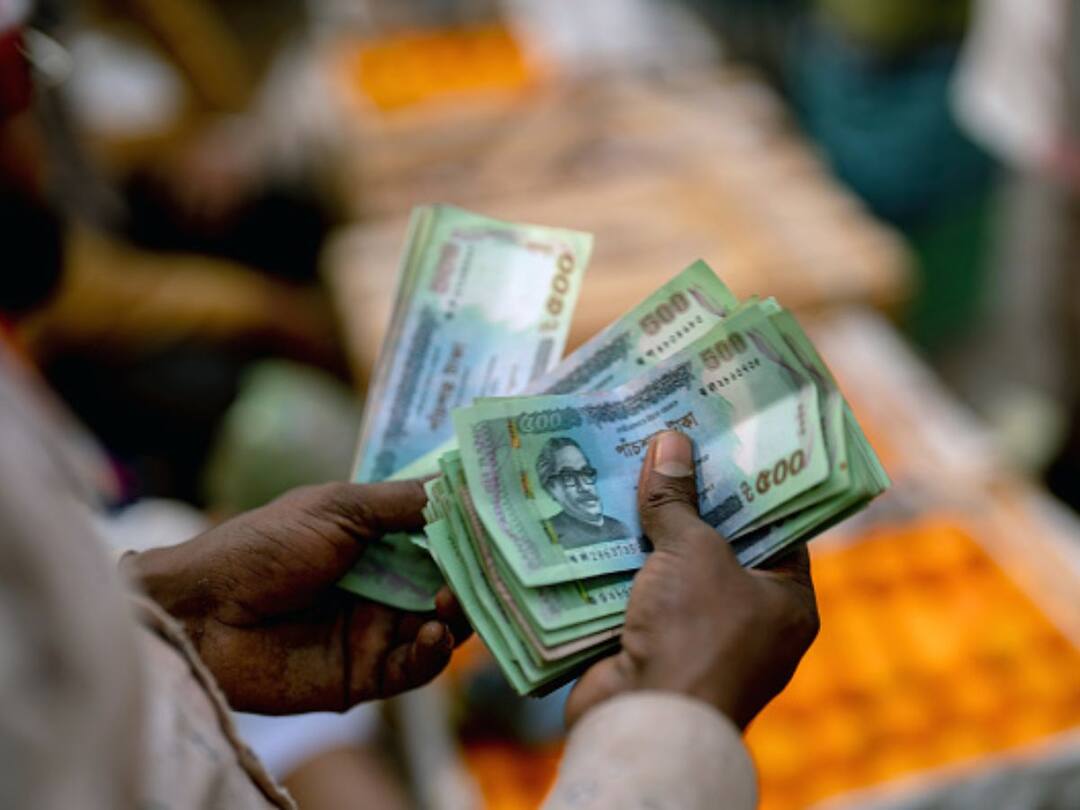
The central bank of Bangladesh will allow its currency to float freely for the first time in the country’s history, giving into demands from the International Monetary Fund (IMF) in order to unlock more funds from the $4.7-billion loan programme, reported by Bloomberg. According to the report, Bangladesh is not heavily indebted, however, it joins several such countries in loosening a tight grip on local currencies in order to get financing from the Washington-based lender. Pakistan, Egypt, and Lebanon were among those that have dropped their fixed exchange rates this year.

The Bangladesh central bank said in a statement on Sunday said, “The new market-driven exchange rate regime will provide greater transparency and efficiency in foreign exchange transactions, benefiting businesses, individuals and the economy.” It also doesn’t see any major depreciation of the taka, which has declined about 5 per cent this year.

The Bangladeshi currency, taka, plunged as much as 0.9 per cent to 108.86 per dollar on Monday. The broad index of Dhaka Stock Exchange rose as much as 0.3 per cent, most since June 7.

Since becoming an independent country in 1971, Bangladesh has made use of a series of fixed exchange rates to manage volatility and keep imports affordable. A looser currency regime could now help replenish Bangladesh’s reserves by raising the attractiveness of the nation’s exports.

Bangladesh Bank will now adopt a unified exchange rate regime between the taka and the dollar or any other foreign currency and from July 1, it will no longer sell any foreign exchange at a discounted rate. By the third quarter of 2023, all international transactions will be based on the new exchange rate structure and this will close the gap between formal and informal markets, the central bank said.

The central bank has sold around $13 billion so far in the fiscal year ending June 30, due to increased demand for foreign currency. “If there’s no major price shock in the international market, the taka will remain largely stable,” said Salim Afzal Shawon, head of research at BRAC EPL Stock Brokerage Ltd. “Our analysis suggests that the exchange rate is showing less volatility as global commodity prices show signs of stability.”

The government received $476 million as the first instalment of the IMF loans in February, while the disbursement of the second tranche is expected in November. Prime Minister Sheikh Hasina has said her country is in a position to pay back the loan taken from the IMF, saying the lender only gives “assistance to countries that can repay their bill.”

Last month, Moody’s Investors Service downgraded Bangladesh’s ratings to B1 from Ba3 as the economy weakened amid “heightened external vulnerability and liquidity risks.” The central bank has dismissed the action, saying there will be limited impact because the country hasn’t issued sovereign bonds.

The central bank of Bangladesh will allow its currency to float freely for the first time in the country’s history, giving into demands from the International Monetary Fund (IMF) in order to unlock more funds from the $4.7-billion loan programme, reported by Bloomberg. According to the report, Bangladesh is not heavily indebted, however, it joins several such countries in loosening a tight grip on local currencies in order to get financing from the Washington-based lender. Pakistan, Egypt, and Lebanon were among those that have dropped their fixed exchange rates this year.

The Bangladesh central bank said in a statement on Sunday said, “The new market-driven exchange rate regime will provide greater transparency and efficiency in foreign exchange transactions, benefiting businesses, individuals and the economy.” It also doesn’t see any major depreciation of the taka, which has declined about 5 per cent this year.

The Bangladeshi currency, taka, plunged as much as 0.9 per cent to 108.86 per dollar on Monday. The broad index of Dhaka Stock Exchange rose as much as 0.3 per cent, most since June 7.

Since becoming an independent country in 1971, Bangladesh has made use of a series of fixed exchange rates to manage volatility and keep imports affordable. A looser currency regime could now help replenish Bangladesh’s reserves by raising the attractiveness of the nation’s exports.

Bangladesh Bank will now adopt a unified exchange rate regime between the taka and the dollar or any other foreign currency and from July 1, it will no longer sell any foreign exchange at a discounted rate. By the third quarter of 2023, all international transactions will be based on the new exchange rate structure and this will close the gap between formal and informal markets, the central bank said.

The central bank has sold around $13 billion so far in the fiscal year ending June 30, due to increased demand for foreign currency. “If there’s no major price shock in the international market, the taka will remain largely stable,” said Salim Afzal Shawon, head of research at BRAC EPL Stock Brokerage Ltd. “Our analysis suggests that the exchange rate is showing less volatility as global commodity prices show signs of stability.”

The government received $476 million as the first instalment of the IMF loans in February, while the disbursement of the second tranche is expected in November. Prime Minister Sheikh Hasina has said her country is in a position to pay back the loan taken from the IMF, saying the lender only gives “assistance to countries that can repay their bill.”

Last month, Moody’s Investors Service downgraded Bangladesh’s ratings to B1 from Ba3 as the economy weakened amid “heightened external vulnerability and liquidity risks.” The central bank has dismissed the action, saying there will be limited impact because the country hasn’t issued sovereign bonds.

The central bank of Bangladesh will allow its currency to float freely for the first time in the country’s history, giving into demands from the International Monetary Fund (IMF) in order to unlock more funds from the $4.7-billion loan programme, reported by Bloomberg. According to the report, Bangladesh is not heavily indebted, however, it joins several such countries in loosening a tight grip on local currencies in order to get financing from the Washington-based lender. Pakistan, Egypt, and Lebanon were among those that have dropped their fixed exchange rates this year.

The Bangladesh central bank said in a statement on Sunday said, “The new market-driven exchange rate regime will provide greater transparency and efficiency in foreign exchange transactions, benefiting businesses, individuals and the economy.” It also doesn’t see any major depreciation of the taka, which has declined about 5 per cent this year.

The Bangladeshi currency, taka, plunged as much as 0.9 per cent to 108.86 per dollar on Monday. The broad index of Dhaka Stock Exchange rose as much as 0.3 per cent, most since June 7.

Since becoming an independent country in 1971, Bangladesh has made use of a series of fixed exchange rates to manage volatility and keep imports affordable. A looser currency regime could now help replenish Bangladesh’s reserves by raising the attractiveness of the nation’s exports.

Bangladesh Bank will now adopt a unified exchange rate regime between the taka and the dollar or any other foreign currency and from July 1, it will no longer sell any foreign exchange at a discounted rate. By the third quarter of 2023, all international transactions will be based on the new exchange rate structure and this will close the gap between formal and informal markets, the central bank said.

The central bank has sold around $13 billion so far in the fiscal year ending June 30, due to increased demand for foreign currency. “If there’s no major price shock in the international market, the taka will remain largely stable,” said Salim Afzal Shawon, head of research at BRAC EPL Stock Brokerage Ltd. “Our analysis suggests that the exchange rate is showing less volatility as global commodity prices show signs of stability.”

The government received $476 million as the first instalment of the IMF loans in February, while the disbursement of the second tranche is expected in November. Prime Minister Sheikh Hasina has said her country is in a position to pay back the loan taken from the IMF, saying the lender only gives “assistance to countries that can repay their bill.”

Last month, Moody’s Investors Service downgraded Bangladesh’s ratings to B1 from Ba3 as the economy weakened amid “heightened external vulnerability and liquidity risks.” The central bank has dismissed the action, saying there will be limited impact because the country hasn’t issued sovereign bonds.

The central bank of Bangladesh will allow its currency to float freely for the first time in the country’s history, giving into demands from the International Monetary Fund (IMF) in order to unlock more funds from the $4.7-billion loan programme, reported by Bloomberg. According to the report, Bangladesh is not heavily indebted, however, it joins several such countries in loosening a tight grip on local currencies in order to get financing from the Washington-based lender. Pakistan, Egypt, and Lebanon were among those that have dropped their fixed exchange rates this year.

The Bangladesh central bank said in a statement on Sunday said, “The new market-driven exchange rate regime will provide greater transparency and efficiency in foreign exchange transactions, benefiting businesses, individuals and the economy.” It also doesn’t see any major depreciation of the taka, which has declined about 5 per cent this year.

The Bangladeshi currency, taka, plunged as much as 0.9 per cent to 108.86 per dollar on Monday. The broad index of Dhaka Stock Exchange rose as much as 0.3 per cent, most since June 7.

Since becoming an independent country in 1971, Bangladesh has made use of a series of fixed exchange rates to manage volatility and keep imports affordable. A looser currency regime could now help replenish Bangladesh’s reserves by raising the attractiveness of the nation’s exports.

Bangladesh Bank will now adopt a unified exchange rate regime between the taka and the dollar or any other foreign currency and from July 1, it will no longer sell any foreign exchange at a discounted rate. By the third quarter of 2023, all international transactions will be based on the new exchange rate structure and this will close the gap between formal and informal markets, the central bank said.

The central bank has sold around $13 billion so far in the fiscal year ending June 30, due to increased demand for foreign currency. “If there’s no major price shock in the international market, the taka will remain largely stable,” said Salim Afzal Shawon, head of research at BRAC EPL Stock Brokerage Ltd. “Our analysis suggests that the exchange rate is showing less volatility as global commodity prices show signs of stability.”

The government received $476 million as the first instalment of the IMF loans in February, while the disbursement of the second tranche is expected in November. Prime Minister Sheikh Hasina has said her country is in a position to pay back the loan taken from the IMF, saying the lender only gives “assistance to countries that can repay their bill.”

Last month, Moody’s Investors Service downgraded Bangladesh’s ratings to B1 from Ba3 as the economy weakened amid “heightened external vulnerability and liquidity risks.” The central bank has dismissed the action, saying there will be limited impact because the country hasn’t issued sovereign bonds.


The central bank of Bangladesh will allow its currency to float freely for the first time in the country’s history, giving into demands from the International Monetary Fund (IMF) in order to unlock more funds from the $4.7-billion loan programme, reported by Bloomberg. According to the report, Bangladesh is not heavily indebted, however, it joins several such countries in loosening a tight grip on local currencies in order to get financing from the Washington-based lender. Pakistan, Egypt, and Lebanon were among those that have dropped their fixed exchange rates this year.

The Bangladesh central bank said in a statement on Sunday said, “The new market-driven exchange rate regime will provide greater transparency and efficiency in foreign exchange transactions, benefiting businesses, individuals and the economy.” It also doesn’t see any major depreciation of the taka, which has declined about 5 per cent this year.

The Bangladeshi currency, taka, plunged as much as 0.9 per cent to 108.86 per dollar on Monday. The broad index of Dhaka Stock Exchange rose as much as 0.3 per cent, most since June 7.

Since becoming an independent country in 1971, Bangladesh has made use of a series of fixed exchange rates to manage volatility and keep imports affordable. A looser currency regime could now help replenish Bangladesh’s reserves by raising the attractiveness of the nation’s exports.

Bangladesh Bank will now adopt a unified exchange rate regime between the taka and the dollar or any other foreign currency and from July 1, it will no longer sell any foreign exchange at a discounted rate. By the third quarter of 2023, all international transactions will be based on the new exchange rate structure and this will close the gap between formal and informal markets, the central bank said.

The central bank has sold around $13 billion so far in the fiscal year ending June 30, due to increased demand for foreign currency. “If there’s no major price shock in the international market, the taka will remain largely stable,” said Salim Afzal Shawon, head of research at BRAC EPL Stock Brokerage Ltd. “Our analysis suggests that the exchange rate is showing less volatility as global commodity prices show signs of stability.”

The government received $476 million as the first instalment of the IMF loans in February, while the disbursement of the second tranche is expected in November. Prime Minister Sheikh Hasina has said her country is in a position to pay back the loan taken from the IMF, saying the lender only gives “assistance to countries that can repay their bill.”

Last month, Moody’s Investors Service downgraded Bangladesh’s ratings to B1 from Ba3 as the economy weakened amid “heightened external vulnerability and liquidity risks.” The central bank has dismissed the action, saying there will be limited impact because the country hasn’t issued sovereign bonds.

The central bank of Bangladesh will allow its currency to float freely for the first time in the country’s history, giving into demands from the International Monetary Fund (IMF) in order to unlock more funds from the $4.7-billion loan programme, reported by Bloomberg. According to the report, Bangladesh is not heavily indebted, however, it joins several such countries in loosening a tight grip on local currencies in order to get financing from the Washington-based lender. Pakistan, Egypt, and Lebanon were among those that have dropped their fixed exchange rates this year.

The Bangladesh central bank said in a statement on Sunday said, “The new market-driven exchange rate regime will provide greater transparency and efficiency in foreign exchange transactions, benefiting businesses, individuals and the economy.” It also doesn’t see any major depreciation of the taka, which has declined about 5 per cent this year.

The Bangladeshi currency, taka, plunged as much as 0.9 per cent to 108.86 per dollar on Monday. The broad index of Dhaka Stock Exchange rose as much as 0.3 per cent, most since June 7.

Since becoming an independent country in 1971, Bangladesh has made use of a series of fixed exchange rates to manage volatility and keep imports affordable. A looser currency regime could now help replenish Bangladesh’s reserves by raising the attractiveness of the nation’s exports.

Bangladesh Bank will now adopt a unified exchange rate regime between the taka and the dollar or any other foreign currency and from July 1, it will no longer sell any foreign exchange at a discounted rate. By the third quarter of 2023, all international transactions will be based on the new exchange rate structure and this will close the gap between formal and informal markets, the central bank said.

The central bank has sold around $13 billion so far in the fiscal year ending June 30, due to increased demand for foreign currency. “If there’s no major price shock in the international market, the taka will remain largely stable,” said Salim Afzal Shawon, head of research at BRAC EPL Stock Brokerage Ltd. “Our analysis suggests that the exchange rate is showing less volatility as global commodity prices show signs of stability.”

The government received $476 million as the first instalment of the IMF loans in February, while the disbursement of the second tranche is expected in November. Prime Minister Sheikh Hasina has said her country is in a position to pay back the loan taken from the IMF, saying the lender only gives “assistance to countries that can repay their bill.”

Last month, Moody’s Investors Service downgraded Bangladesh’s ratings to B1 from Ba3 as the economy weakened amid “heightened external vulnerability and liquidity risks.” The central bank has dismissed the action, saying there will be limited impact because the country hasn’t issued sovereign bonds.

The central bank of Bangladesh will allow its currency to float freely for the first time in the country’s history, giving into demands from the International Monetary Fund (IMF) in order to unlock more funds from the $4.7-billion loan programme, reported by Bloomberg. According to the report, Bangladesh is not heavily indebted, however, it joins several such countries in loosening a tight grip on local currencies in order to get financing from the Washington-based lender. Pakistan, Egypt, and Lebanon were among those that have dropped their fixed exchange rates this year.

The Bangladesh central bank said in a statement on Sunday said, “The new market-driven exchange rate regime will provide greater transparency and efficiency in foreign exchange transactions, benefiting businesses, individuals and the economy.” It also doesn’t see any major depreciation of the taka, which has declined about 5 per cent this year.

The Bangladeshi currency, taka, plunged as much as 0.9 per cent to 108.86 per dollar on Monday. The broad index of Dhaka Stock Exchange rose as much as 0.3 per cent, most since June 7.

Since becoming an independent country in 1971, Bangladesh has made use of a series of fixed exchange rates to manage volatility and keep imports affordable. A looser currency regime could now help replenish Bangladesh’s reserves by raising the attractiveness of the nation’s exports.

Bangladesh Bank will now adopt a unified exchange rate regime between the taka and the dollar or any other foreign currency and from July 1, it will no longer sell any foreign exchange at a discounted rate. By the third quarter of 2023, all international transactions will be based on the new exchange rate structure and this will close the gap between formal and informal markets, the central bank said.

The central bank has sold around $13 billion so far in the fiscal year ending June 30, due to increased demand for foreign currency. “If there’s no major price shock in the international market, the taka will remain largely stable,” said Salim Afzal Shawon, head of research at BRAC EPL Stock Brokerage Ltd. “Our analysis suggests that the exchange rate is showing less volatility as global commodity prices show signs of stability.”

The government received $476 million as the first instalment of the IMF loans in February, while the disbursement of the second tranche is expected in November. Prime Minister Sheikh Hasina has said her country is in a position to pay back the loan taken from the IMF, saying the lender only gives “assistance to countries that can repay their bill.”

Last month, Moody’s Investors Service downgraded Bangladesh’s ratings to B1 from Ba3 as the economy weakened amid “heightened external vulnerability and liquidity risks.” The central bank has dismissed the action, saying there will be limited impact because the country hasn’t issued sovereign bonds.

The central bank of Bangladesh will allow its currency to float freely for the first time in the country’s history, giving into demands from the International Monetary Fund (IMF) in order to unlock more funds from the $4.7-billion loan programme, reported by Bloomberg. According to the report, Bangladesh is not heavily indebted, however, it joins several such countries in loosening a tight grip on local currencies in order to get financing from the Washington-based lender. Pakistan, Egypt, and Lebanon were among those that have dropped their fixed exchange rates this year.

The Bangladesh central bank said in a statement on Sunday said, “The new market-driven exchange rate regime will provide greater transparency and efficiency in foreign exchange transactions, benefiting businesses, individuals and the economy.” It also doesn’t see any major depreciation of the taka, which has declined about 5 per cent this year.

The Bangladeshi currency, taka, plunged as much as 0.9 per cent to 108.86 per dollar on Monday. The broad index of Dhaka Stock Exchange rose as much as 0.3 per cent, most since June 7.

Since becoming an independent country in 1971, Bangladesh has made use of a series of fixed exchange rates to manage volatility and keep imports affordable. A looser currency regime could now help replenish Bangladesh’s reserves by raising the attractiveness of the nation’s exports.

Bangladesh Bank will now adopt a unified exchange rate regime between the taka and the dollar or any other foreign currency and from July 1, it will no longer sell any foreign exchange at a discounted rate. By the third quarter of 2023, all international transactions will be based on the new exchange rate structure and this will close the gap between formal and informal markets, the central bank said.

The central bank has sold around $13 billion so far in the fiscal year ending June 30, due to increased demand for foreign currency. “If there’s no major price shock in the international market, the taka will remain largely stable,” said Salim Afzal Shawon, head of research at BRAC EPL Stock Brokerage Ltd. “Our analysis suggests that the exchange rate is showing less volatility as global commodity prices show signs of stability.”

The government received $476 million as the first instalment of the IMF loans in February, while the disbursement of the second tranche is expected in November. Prime Minister Sheikh Hasina has said her country is in a position to pay back the loan taken from the IMF, saying the lender only gives “assistance to countries that can repay their bill.”

Last month, Moody’s Investors Service downgraded Bangladesh’s ratings to B1 from Ba3 as the economy weakened amid “heightened external vulnerability and liquidity risks.” The central bank has dismissed the action, saying there will be limited impact because the country hasn’t issued sovereign bonds.

The central bank of Bangladesh will allow its currency to float freely for the first time in the country’s history, giving into demands from the International Monetary Fund (IMF) in order to unlock more funds from the $4.7-billion loan programme, reported by Bloomberg. According to the report, Bangladesh is not heavily indebted, however, it joins several such countries in loosening a tight grip on local currencies in order to get financing from the Washington-based lender. Pakistan, Egypt, and Lebanon were among those that have dropped their fixed exchange rates this year.

The Bangladesh central bank said in a statement on Sunday said, “The new market-driven exchange rate regime will provide greater transparency and efficiency in foreign exchange transactions, benefiting businesses, individuals and the economy.” It also doesn’t see any major depreciation of the taka, which has declined about 5 per cent this year.

The Bangladeshi currency, taka, plunged as much as 0.9 per cent to 108.86 per dollar on Monday. The broad index of Dhaka Stock Exchange rose as much as 0.3 per cent, most since June 7.

Since becoming an independent country in 1971, Bangladesh has made use of a series of fixed exchange rates to manage volatility and keep imports affordable. A looser currency regime could now help replenish Bangladesh’s reserves by raising the attractiveness of the nation’s exports.

Bangladesh Bank will now adopt a unified exchange rate regime between the taka and the dollar or any other foreign currency and from July 1, it will no longer sell any foreign exchange at a discounted rate. By the third quarter of 2023, all international transactions will be based on the new exchange rate structure and this will close the gap between formal and informal markets, the central bank said.

The central bank has sold around $13 billion so far in the fiscal year ending June 30, due to increased demand for foreign currency. “If there’s no major price shock in the international market, the taka will remain largely stable,” said Salim Afzal Shawon, head of research at BRAC EPL Stock Brokerage Ltd. “Our analysis suggests that the exchange rate is showing less volatility as global commodity prices show signs of stability.”

The government received $476 million as the first instalment of the IMF loans in February, while the disbursement of the second tranche is expected in November. Prime Minister Sheikh Hasina has said her country is in a position to pay back the loan taken from the IMF, saying the lender only gives “assistance to countries that can repay their bill.”

Last month, Moody’s Investors Service downgraded Bangladesh’s ratings to B1 from Ba3 as the economy weakened amid “heightened external vulnerability and liquidity risks.” The central bank has dismissed the action, saying there will be limited impact because the country hasn’t issued sovereign bonds.

The central bank of Bangladesh will allow its currency to float freely for the first time in the country’s history, giving into demands from the International Monetary Fund (IMF) in order to unlock more funds from the $4.7-billion loan programme, reported by Bloomberg. According to the report, Bangladesh is not heavily indebted, however, it joins several such countries in loosening a tight grip on local currencies in order to get financing from the Washington-based lender. Pakistan, Egypt, and Lebanon were among those that have dropped their fixed exchange rates this year.

The Bangladesh central bank said in a statement on Sunday said, “The new market-driven exchange rate regime will provide greater transparency and efficiency in foreign exchange transactions, benefiting businesses, individuals and the economy.” It also doesn’t see any major depreciation of the taka, which has declined about 5 per cent this year.

The Bangladeshi currency, taka, plunged as much as 0.9 per cent to 108.86 per dollar on Monday. The broad index of Dhaka Stock Exchange rose as much as 0.3 per cent, most since June 7.

Since becoming an independent country in 1971, Bangladesh has made use of a series of fixed exchange rates to manage volatility and keep imports affordable. A looser currency regime could now help replenish Bangladesh’s reserves by raising the attractiveness of the nation’s exports.

Bangladesh Bank will now adopt a unified exchange rate regime between the taka and the dollar or any other foreign currency and from July 1, it will no longer sell any foreign exchange at a discounted rate. By the third quarter of 2023, all international transactions will be based on the new exchange rate structure and this will close the gap between formal and informal markets, the central bank said.

The central bank has sold around $13 billion so far in the fiscal year ending June 30, due to increased demand for foreign currency. “If there’s no major price shock in the international market, the taka will remain largely stable,” said Salim Afzal Shawon, head of research at BRAC EPL Stock Brokerage Ltd. “Our analysis suggests that the exchange rate is showing less volatility as global commodity prices show signs of stability.”

The government received $476 million as the first instalment of the IMF loans in February, while the disbursement of the second tranche is expected in November. Prime Minister Sheikh Hasina has said her country is in a position to pay back the loan taken from the IMF, saying the lender only gives “assistance to countries that can repay their bill.”

Last month, Moody’s Investors Service downgraded Bangladesh’s ratings to B1 from Ba3 as the economy weakened amid “heightened external vulnerability and liquidity risks.” The central bank has dismissed the action, saying there will be limited impact because the country hasn’t issued sovereign bonds.

The central bank of Bangladesh will allow its currency to float freely for the first time in the country’s history, giving into demands from the International Monetary Fund (IMF) in order to unlock more funds from the $4.7-billion loan programme, reported by Bloomberg. According to the report, Bangladesh is not heavily indebted, however, it joins several such countries in loosening a tight grip on local currencies in order to get financing from the Washington-based lender. Pakistan, Egypt, and Lebanon were among those that have dropped their fixed exchange rates this year.

The Bangladesh central bank said in a statement on Sunday said, “The new market-driven exchange rate regime will provide greater transparency and efficiency in foreign exchange transactions, benefiting businesses, individuals and the economy.” It also doesn’t see any major depreciation of the taka, which has declined about 5 per cent this year.

The Bangladeshi currency, taka, plunged as much as 0.9 per cent to 108.86 per dollar on Monday. The broad index of Dhaka Stock Exchange rose as much as 0.3 per cent, most since June 7.

Since becoming an independent country in 1971, Bangladesh has made use of a series of fixed exchange rates to manage volatility and keep imports affordable. A looser currency regime could now help replenish Bangladesh’s reserves by raising the attractiveness of the nation’s exports.

Bangladesh Bank will now adopt a unified exchange rate regime between the taka and the dollar or any other foreign currency and from July 1, it will no longer sell any foreign exchange at a discounted rate. By the third quarter of 2023, all international transactions will be based on the new exchange rate structure and this will close the gap between formal and informal markets, the central bank said.

The central bank has sold around $13 billion so far in the fiscal year ending June 30, due to increased demand for foreign currency. “If there’s no major price shock in the international market, the taka will remain largely stable,” said Salim Afzal Shawon, head of research at BRAC EPL Stock Brokerage Ltd. “Our analysis suggests that the exchange rate is showing less volatility as global commodity prices show signs of stability.”

The government received $476 million as the first instalment of the IMF loans in February, while the disbursement of the second tranche is expected in November. Prime Minister Sheikh Hasina has said her country is in a position to pay back the loan taken from the IMF, saying the lender only gives “assistance to countries that can repay their bill.”

Last month, Moody’s Investors Service downgraded Bangladesh’s ratings to B1 from Ba3 as the economy weakened amid “heightened external vulnerability and liquidity risks.” The central bank has dismissed the action, saying there will be limited impact because the country hasn’t issued sovereign bonds.

The central bank of Bangladesh will allow its currency to float freely for the first time in the country’s history, giving into demands from the International Monetary Fund (IMF) in order to unlock more funds from the $4.7-billion loan programme, reported by Bloomberg. According to the report, Bangladesh is not heavily indebted, however, it joins several such countries in loosening a tight grip on local currencies in order to get financing from the Washington-based lender. Pakistan, Egypt, and Lebanon were among those that have dropped their fixed exchange rates this year.

The Bangladesh central bank said in a statement on Sunday said, “The new market-driven exchange rate regime will provide greater transparency and efficiency in foreign exchange transactions, benefiting businesses, individuals and the economy.” It also doesn’t see any major depreciation of the taka, which has declined about 5 per cent this year.

The Bangladeshi currency, taka, plunged as much as 0.9 per cent to 108.86 per dollar on Monday. The broad index of Dhaka Stock Exchange rose as much as 0.3 per cent, most since June 7.

Since becoming an independent country in 1971, Bangladesh has made use of a series of fixed exchange rates to manage volatility and keep imports affordable. A looser currency regime could now help replenish Bangladesh’s reserves by raising the attractiveness of the nation’s exports.

Bangladesh Bank will now adopt a unified exchange rate regime between the taka and the dollar or any other foreign currency and from July 1, it will no longer sell any foreign exchange at a discounted rate. By the third quarter of 2023, all international transactions will be based on the new exchange rate structure and this will close the gap between formal and informal markets, the central bank said.

The central bank has sold around $13 billion so far in the fiscal year ending June 30, due to increased demand for foreign currency. “If there’s no major price shock in the international market, the taka will remain largely stable,” said Salim Afzal Shawon, head of research at BRAC EPL Stock Brokerage Ltd. “Our analysis suggests that the exchange rate is showing less volatility as global commodity prices show signs of stability.”

The government received $476 million as the first instalment of the IMF loans in February, while the disbursement of the second tranche is expected in November. Prime Minister Sheikh Hasina has said her country is in a position to pay back the loan taken from the IMF, saying the lender only gives “assistance to countries that can repay their bill.”

Last month, Moody’s Investors Service downgraded Bangladesh’s ratings to B1 from Ba3 as the economy weakened amid “heightened external vulnerability and liquidity risks.” The central bank has dismissed the action, saying there will be limited impact because the country hasn’t issued sovereign bonds.

The central bank of Bangladesh will allow its currency to float freely for the first time in the country’s history, giving into demands from the International Monetary Fund (IMF) in order to unlock more funds from the $4.7-billion loan programme, reported by Bloomberg. According to the report, Bangladesh is not heavily indebted, however, it joins several such countries in loosening a tight grip on local currencies in order to get financing from the Washington-based lender. Pakistan, Egypt, and Lebanon were among those that have dropped their fixed exchange rates this year.

The Bangladesh central bank said in a statement on Sunday said, “The new market-driven exchange rate regime will provide greater transparency and efficiency in foreign exchange transactions, benefiting businesses, individuals and the economy.” It also doesn’t see any major depreciation of the taka, which has declined about 5 per cent this year.

The Bangladeshi currency, taka, plunged as much as 0.9 per cent to 108.86 per dollar on Monday. The broad index of Dhaka Stock Exchange rose as much as 0.3 per cent, most since June 7.

Since becoming an independent country in 1971, Bangladesh has made use of a series of fixed exchange rates to manage volatility and keep imports affordable. A looser currency regime could now help replenish Bangladesh’s reserves by raising the attractiveness of the nation’s exports.

Bangladesh Bank will now adopt a unified exchange rate regime between the taka and the dollar or any other foreign currency and from July 1, it will no longer sell any foreign exchange at a discounted rate. By the third quarter of 2023, all international transactions will be based on the new exchange rate structure and this will close the gap between formal and informal markets, the central bank said.

The central bank has sold around $13 billion so far in the fiscal year ending June 30, due to increased demand for foreign currency. “If there’s no major price shock in the international market, the taka will remain largely stable,” said Salim Afzal Shawon, head of research at BRAC EPL Stock Brokerage Ltd. “Our analysis suggests that the exchange rate is showing less volatility as global commodity prices show signs of stability.”

The government received $476 million as the first instalment of the IMF loans in February, while the disbursement of the second tranche is expected in November. Prime Minister Sheikh Hasina has said her country is in a position to pay back the loan taken from the IMF, saying the lender only gives “assistance to countries that can repay their bill.”

Last month, Moody’s Investors Service downgraded Bangladesh’s ratings to B1 from Ba3 as the economy weakened amid “heightened external vulnerability and liquidity risks.” The central bank has dismissed the action, saying there will be limited impact because the country hasn’t issued sovereign bonds.

The central bank of Bangladesh will allow its currency to float freely for the first time in the country’s history, giving into demands from the International Monetary Fund (IMF) in order to unlock more funds from the $4.7-billion loan programme, reported by Bloomberg. According to the report, Bangladesh is not heavily indebted, however, it joins several such countries in loosening a tight grip on local currencies in order to get financing from the Washington-based lender. Pakistan, Egypt, and Lebanon were among those that have dropped their fixed exchange rates this year.

The Bangladesh central bank said in a statement on Sunday said, “The new market-driven exchange rate regime will provide greater transparency and efficiency in foreign exchange transactions, benefiting businesses, individuals and the economy.” It also doesn’t see any major depreciation of the taka, which has declined about 5 per cent this year.

The Bangladeshi currency, taka, plunged as much as 0.9 per cent to 108.86 per dollar on Monday. The broad index of Dhaka Stock Exchange rose as much as 0.3 per cent, most since June 7.

Since becoming an independent country in 1971, Bangladesh has made use of a series of fixed exchange rates to manage volatility and keep imports affordable. A looser currency regime could now help replenish Bangladesh’s reserves by raising the attractiveness of the nation’s exports.

Bangladesh Bank will now adopt a unified exchange rate regime between the taka and the dollar or any other foreign currency and from July 1, it will no longer sell any foreign exchange at a discounted rate. By the third quarter of 2023, all international transactions will be based on the new exchange rate structure and this will close the gap between formal and informal markets, the central bank said.

The central bank has sold around $13 billion so far in the fiscal year ending June 30, due to increased demand for foreign currency. “If there’s no major price shock in the international market, the taka will remain largely stable,” said Salim Afzal Shawon, head of research at BRAC EPL Stock Brokerage Ltd. “Our analysis suggests that the exchange rate is showing less volatility as global commodity prices show signs of stability.”

The government received $476 million as the first instalment of the IMF loans in February, while the disbursement of the second tranche is expected in November. Prime Minister Sheikh Hasina has said her country is in a position to pay back the loan taken from the IMF, saying the lender only gives “assistance to countries that can repay their bill.”

Last month, Moody’s Investors Service downgraded Bangladesh’s ratings to B1 from Ba3 as the economy weakened amid “heightened external vulnerability and liquidity risks.” The central bank has dismissed the action, saying there will be limited impact because the country hasn’t issued sovereign bonds.

The central bank of Bangladesh will allow its currency to float freely for the first time in the country’s history, giving into demands from the International Monetary Fund (IMF) in order to unlock more funds from the $4.7-billion loan programme, reported by Bloomberg. According to the report, Bangladesh is not heavily indebted, however, it joins several such countries in loosening a tight grip on local currencies in order to get financing from the Washington-based lender. Pakistan, Egypt, and Lebanon were among those that have dropped their fixed exchange rates this year.

The Bangladesh central bank said in a statement on Sunday said, “The new market-driven exchange rate regime will provide greater transparency and efficiency in foreign exchange transactions, benefiting businesses, individuals and the economy.” It also doesn’t see any major depreciation of the taka, which has declined about 5 per cent this year.

The Bangladeshi currency, taka, plunged as much as 0.9 per cent to 108.86 per dollar on Monday. The broad index of Dhaka Stock Exchange rose as much as 0.3 per cent, most since June 7.

Since becoming an independent country in 1971, Bangladesh has made use of a series of fixed exchange rates to manage volatility and keep imports affordable. A looser currency regime could now help replenish Bangladesh’s reserves by raising the attractiveness of the nation’s exports.

Bangladesh Bank will now adopt a unified exchange rate regime between the taka and the dollar or any other foreign currency and from July 1, it will no longer sell any foreign exchange at a discounted rate. By the third quarter of 2023, all international transactions will be based on the new exchange rate structure and this will close the gap between formal and informal markets, the central bank said.

The central bank has sold around $13 billion so far in the fiscal year ending June 30, due to increased demand for foreign currency. “If there’s no major price shock in the international market, the taka will remain largely stable,” said Salim Afzal Shawon, head of research at BRAC EPL Stock Brokerage Ltd. “Our analysis suggests that the exchange rate is showing less volatility as global commodity prices show signs of stability.”

The government received $476 million as the first instalment of the IMF loans in February, while the disbursement of the second tranche is expected in November. Prime Minister Sheikh Hasina has said her country is in a position to pay back the loan taken from the IMF, saying the lender only gives “assistance to countries that can repay their bill.”

Last month, Moody’s Investors Service downgraded Bangladesh’s ratings to B1 from Ba3 as the economy weakened amid “heightened external vulnerability and liquidity risks.” The central bank has dismissed the action, saying there will be limited impact because the country hasn’t issued sovereign bonds.

The central bank of Bangladesh will allow its currency to float freely for the first time in the country’s history, giving into demands from the International Monetary Fund (IMF) in order to unlock more funds from the $4.7-billion loan programme, reported by Bloomberg. According to the report, Bangladesh is not heavily indebted, however, it joins several such countries in loosening a tight grip on local currencies in order to get financing from the Washington-based lender. Pakistan, Egypt, and Lebanon were among those that have dropped their fixed exchange rates this year.

The Bangladesh central bank said in a statement on Sunday said, “The new market-driven exchange rate regime will provide greater transparency and efficiency in foreign exchange transactions, benefiting businesses, individuals and the economy.” It also doesn’t see any major depreciation of the taka, which has declined about 5 per cent this year.

The Bangladeshi currency, taka, plunged as much as 0.9 per cent to 108.86 per dollar on Monday. The broad index of Dhaka Stock Exchange rose as much as 0.3 per cent, most since June 7.

Since becoming an independent country in 1971, Bangladesh has made use of a series of fixed exchange rates to manage volatility and keep imports affordable. A looser currency regime could now help replenish Bangladesh’s reserves by raising the attractiveness of the nation’s exports.

Bangladesh Bank will now adopt a unified exchange rate regime between the taka and the dollar or any other foreign currency and from July 1, it will no longer sell any foreign exchange at a discounted rate. By the third quarter of 2023, all international transactions will be based on the new exchange rate structure and this will close the gap between formal and informal markets, the central bank said.

The central bank has sold around $13 billion so far in the fiscal year ending June 30, due to increased demand for foreign currency. “If there’s no major price shock in the international market, the taka will remain largely stable,” said Salim Afzal Shawon, head of research at BRAC EPL Stock Brokerage Ltd. “Our analysis suggests that the exchange rate is showing less volatility as global commodity prices show signs of stability.”

The government received $476 million as the first instalment of the IMF loans in February, while the disbursement of the second tranche is expected in November. Prime Minister Sheikh Hasina has said her country is in a position to pay back the loan taken from the IMF, saying the lender only gives “assistance to countries that can repay their bill.”

Last month, Moody’s Investors Service downgraded Bangladesh’s ratings to B1 from Ba3 as the economy weakened amid “heightened external vulnerability and liquidity risks.” The central bank has dismissed the action, saying there will be limited impact because the country hasn’t issued sovereign bonds.

Tags: BangladeshBangladesh CurrencyBangladesh economyBangladesh Floats CurrencyBusiness NewsCurrency floatimfIMF LoanTaka
Previous Post

The 40 best songs of 2023 so far

Next Post

Inside al-Hakim bi-Amr Allah Mosque That PM Modi Will Visit During His Egypt Tour. SEE PICS

Leave a Reply Cancel reply

Your email address will not be published. Required fields are marked *

BROWSE BY CATEGORIES

  • Business
  • Culture
  • Entertainment
  • Health
  • Politics
  • Technology
  • Trending
  • Uncategorized
  • World
Binghamton Herald

© 2024 Binghamton Herald or its affiliated companies.

Navigate Site

  • About
  • Advertise
  • Terms & Conditions
  • Privacy Policy
  • Disclaimer
  • Contact

Follow Us

No Result
View All Result
  • Home
  • World
  • Politics
  • Business
  • Technology
  • Culture
  • Health
  • Entertainment
  • Trending

© 2024 Binghamton Herald or its affiliated companies.

Welcome Back!

Login to your account below

Forgotten Password?

Retrieve your password

Please enter your username or email address to reset your password.

Log In