


Washington DC
New York
Toronto
Distribution: (800) 510 9863
Press ID
  • Login
Binghamton Herald
Advertisement
Friday, April 17, 2026
  • Home
  • World
  • Politics
  • Business
  • Technology
  • Culture
  • Health
  • Entertainment
  • Trending
No Result
View All Result
Binghamton Herald
No Result
View All Result
Home Trending

‘Tax’ Or ‘Service Fee’? US Embassy, UK Agency Lock Horns Over ‘Congestion Charge’

by Binghamton Herald Report
May 22, 2024
in Trending
Share on FacebookShare on Twitter

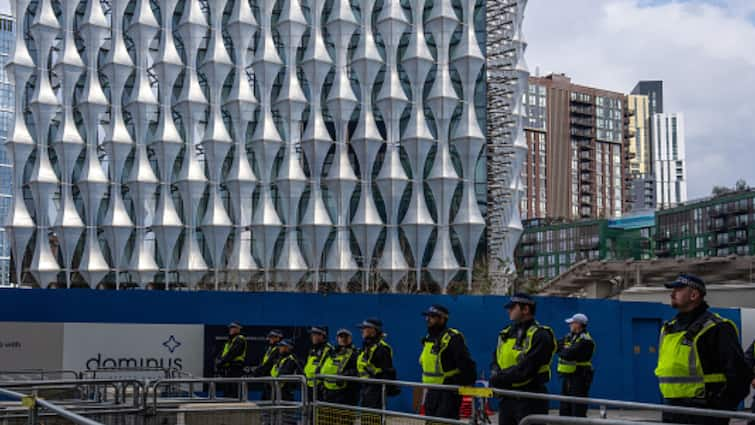
The US Embassy in London is at loggerheads with Transport for London (TfL) as the embassy refuses to pay over $18.6 million in charges from unpaid congestion fees. In order to mitigate the problem of traffic and pollution in central London, the congestion charge was introduced. Within the congestion zone, drivers are required to pay a daily charge of $19 between 7 a.m. and 6 p.m. on weekdays and 12 p.m. and 6 p.m. on weekends.

Claiming diplomatic immunity, the US embassy has declined to pay the charge, reported CNN. 

“In accordance with international law as reflected in the 1961 Vienna Convention on Diplomatic Relations, our position is that the Congestion Charge is a tax from which diplomatic missions are exempt,” a US embassy spokesperson said.“Our long-standing position is shared by many other diplomatic missions in London,” the spokesperson added.

However, TfL has said it will pursue all unpaid fees adding that it is even “pushing for the matter to be taken up at the International Court of Justice.”

In response to US embassy’s argument of diplomatic immunity, the TfL is insisting that in agreement with the UK government, London’s congestion charge constitutes a service and not tax. “This means that diplomats are not exempt from paying it.”

TfL has also politely declared there to be a “stubborn minority” of embassies that do not pay the charge, despite “representations through diplomatic channels,” and posted a lengthy list of offenders.

Congestion Charge In India

To tackle with the issue of rising traffic in Bengaluru, an expert committe, in collaboration with the Karnataka government had proposed to bring in a congestion tax last year. A report titled “Karnataka’s Decade – Roadmap to a $1 Trillion Economy” has recommended to levy a congestion charge on all non-exempt vehicles entering the city during peak hours.

The report stated that the aim to introduce a congestion charge is to enhance travel times for buses, cars, and delivery vehicles while also making commuters more aware of their impact on traffic congestion during rush hours. 

 

The US Embassy in London is at loggerheads with Transport for London (TfL) as the embassy refuses to pay over $18.6 million in charges from unpaid congestion fees. In order to mitigate the problem of traffic and pollution in central London, the congestion charge was introduced. Within the congestion zone, drivers are required to pay a daily charge of $19 between 7 a.m. and 6 p.m. on weekdays and 12 p.m. and 6 p.m. on weekends.

Claiming diplomatic immunity, the US embassy has declined to pay the charge, reported CNN. 

“In accordance with international law as reflected in the 1961 Vienna Convention on Diplomatic Relations, our position is that the Congestion Charge is a tax from which diplomatic missions are exempt,” a US embassy spokesperson said.“Our long-standing position is shared by many other diplomatic missions in London,” the spokesperson added.

However, TfL has said it will pursue all unpaid fees adding that it is even “pushing for the matter to be taken up at the International Court of Justice.”

In response to US embassy’s argument of diplomatic immunity, the TfL is insisting that in agreement with the UK government, London’s congestion charge constitutes a service and not tax. “This means that diplomats are not exempt from paying it.”

TfL has also politely declared there to be a “stubborn minority” of embassies that do not pay the charge, despite “representations through diplomatic channels,” and posted a lengthy list of offenders.

Congestion Charge In India

To tackle with the issue of rising traffic in Bengaluru, an expert committe, in collaboration with the Karnataka government had proposed to bring in a congestion tax last year. A report titled “Karnataka’s Decade – Roadmap to a $1 Trillion Economy” has recommended to levy a congestion charge on all non-exempt vehicles entering the city during peak hours.

The report stated that the aim to introduce a congestion charge is to enhance travel times for buses, cars, and delivery vehicles while also making commuters more aware of their impact on traffic congestion during rush hours. 

 

The US Embassy in London is at loggerheads with Transport for London (TfL) as the embassy refuses to pay over $18.6 million in charges from unpaid congestion fees. In order to mitigate the problem of traffic and pollution in central London, the congestion charge was introduced. Within the congestion zone, drivers are required to pay a daily charge of $19 between 7 a.m. and 6 p.m. on weekdays and 12 p.m. and 6 p.m. on weekends.

Claiming diplomatic immunity, the US embassy has declined to pay the charge, reported CNN. 

“In accordance with international law as reflected in the 1961 Vienna Convention on Diplomatic Relations, our position is that the Congestion Charge is a tax from which diplomatic missions are exempt,” a US embassy spokesperson said.“Our long-standing position is shared by many other diplomatic missions in London,” the spokesperson added.

However, TfL has said it will pursue all unpaid fees adding that it is even “pushing for the matter to be taken up at the International Court of Justice.”

In response to US embassy’s argument of diplomatic immunity, the TfL is insisting that in agreement with the UK government, London’s congestion charge constitutes a service and not tax. “This means that diplomats are not exempt from paying it.”

TfL has also politely declared there to be a “stubborn minority” of embassies that do not pay the charge, despite “representations through diplomatic channels,” and posted a lengthy list of offenders.

Congestion Charge In India

To tackle with the issue of rising traffic in Bengaluru, an expert committe, in collaboration with the Karnataka government had proposed to bring in a congestion tax last year. A report titled “Karnataka’s Decade – Roadmap to a $1 Trillion Economy” has recommended to levy a congestion charge on all non-exempt vehicles entering the city during peak hours.

The report stated that the aim to introduce a congestion charge is to enhance travel times for buses, cars, and delivery vehicles while also making commuters more aware of their impact on traffic congestion during rush hours. 

 

The US Embassy in London is at loggerheads with Transport for London (TfL) as the embassy refuses to pay over $18.6 million in charges from unpaid congestion fees. In order to mitigate the problem of traffic and pollution in central London, the congestion charge was introduced. Within the congestion zone, drivers are required to pay a daily charge of $19 between 7 a.m. and 6 p.m. on weekdays and 12 p.m. and 6 p.m. on weekends.

Claiming diplomatic immunity, the US embassy has declined to pay the charge, reported CNN. 

“In accordance with international law as reflected in the 1961 Vienna Convention on Diplomatic Relations, our position is that the Congestion Charge is a tax from which diplomatic missions are exempt,” a US embassy spokesperson said.“Our long-standing position is shared by many other diplomatic missions in London,” the spokesperson added.

However, TfL has said it will pursue all unpaid fees adding that it is even “pushing for the matter to be taken up at the International Court of Justice.”

In response to US embassy’s argument of diplomatic immunity, the TfL is insisting that in agreement with the UK government, London’s congestion charge constitutes a service and not tax. “This means that diplomats are not exempt from paying it.”

TfL has also politely declared there to be a “stubborn minority” of embassies that do not pay the charge, despite “representations through diplomatic channels,” and posted a lengthy list of offenders.

Congestion Charge In India

To tackle with the issue of rising traffic in Bengaluru, an expert committe, in collaboration with the Karnataka government had proposed to bring in a congestion tax last year. A report titled “Karnataka’s Decade – Roadmap to a $1 Trillion Economy” has recommended to levy a congestion charge on all non-exempt vehicles entering the city during peak hours.

The report stated that the aim to introduce a congestion charge is to enhance travel times for buses, cars, and delivery vehicles while also making commuters more aware of their impact on traffic congestion during rush hours. 

 

The US Embassy in London is at loggerheads with Transport for London (TfL) as the embassy refuses to pay over $18.6 million in charges from unpaid congestion fees. In order to mitigate the problem of traffic and pollution in central London, the congestion charge was introduced. Within the congestion zone, drivers are required to pay a daily charge of $19 between 7 a.m. and 6 p.m. on weekdays and 12 p.m. and 6 p.m. on weekends.

Claiming diplomatic immunity, the US embassy has declined to pay the charge, reported CNN. 

“In accordance with international law as reflected in the 1961 Vienna Convention on Diplomatic Relations, our position is that the Congestion Charge is a tax from which diplomatic missions are exempt,” a US embassy spokesperson said.“Our long-standing position is shared by many other diplomatic missions in London,” the spokesperson added.

However, TfL has said it will pursue all unpaid fees adding that it is even “pushing for the matter to be taken up at the International Court of Justice.”

In response to US embassy’s argument of diplomatic immunity, the TfL is insisting that in agreement with the UK government, London’s congestion charge constitutes a service and not tax. “This means that diplomats are not exempt from paying it.”

TfL has also politely declared there to be a “stubborn minority” of embassies that do not pay the charge, despite “representations through diplomatic channels,” and posted a lengthy list of offenders.

Congestion Charge In India

To tackle with the issue of rising traffic in Bengaluru, an expert committe, in collaboration with the Karnataka government had proposed to bring in a congestion tax last year. A report titled “Karnataka’s Decade – Roadmap to a $1 Trillion Economy” has recommended to levy a congestion charge on all non-exempt vehicles entering the city during peak hours.

The report stated that the aim to introduce a congestion charge is to enhance travel times for buses, cars, and delivery vehicles while also making commuters more aware of their impact on traffic congestion during rush hours. 

 

The US Embassy in London is at loggerheads with Transport for London (TfL) as the embassy refuses to pay over $18.6 million in charges from unpaid congestion fees. In order to mitigate the problem of traffic and pollution in central London, the congestion charge was introduced. Within the congestion zone, drivers are required to pay a daily charge of $19 between 7 a.m. and 6 p.m. on weekdays and 12 p.m. and 6 p.m. on weekends.

Claiming diplomatic immunity, the US embassy has declined to pay the charge, reported CNN. 

“In accordance with international law as reflected in the 1961 Vienna Convention on Diplomatic Relations, our position is that the Congestion Charge is a tax from which diplomatic missions are exempt,” a US embassy spokesperson said.“Our long-standing position is shared by many other diplomatic missions in London,” the spokesperson added.

However, TfL has said it will pursue all unpaid fees adding that it is even “pushing for the matter to be taken up at the International Court of Justice.”

In response to US embassy’s argument of diplomatic immunity, the TfL is insisting that in agreement with the UK government, London’s congestion charge constitutes a service and not tax. “This means that diplomats are not exempt from paying it.”

TfL has also politely declared there to be a “stubborn minority” of embassies that do not pay the charge, despite “representations through diplomatic channels,” and posted a lengthy list of offenders.

Congestion Charge In India

To tackle with the issue of rising traffic in Bengaluru, an expert committe, in collaboration with the Karnataka government had proposed to bring in a congestion tax last year. A report titled “Karnataka’s Decade – Roadmap to a $1 Trillion Economy” has recommended to levy a congestion charge on all non-exempt vehicles entering the city during peak hours.

The report stated that the aim to introduce a congestion charge is to enhance travel times for buses, cars, and delivery vehicles while also making commuters more aware of their impact on traffic congestion during rush hours. 


The US Embassy in London is at loggerheads with Transport for London (TfL) as the embassy refuses to pay over $18.6 million in charges from unpaid congestion fees. In order to mitigate the problem of traffic and pollution in central London, the congestion charge was introduced. Within the congestion zone, drivers are required to pay a daily charge of $19 between 7 a.m. and 6 p.m. on weekdays and 12 p.m. and 6 p.m. on weekends.

Claiming diplomatic immunity, the US embassy has declined to pay the charge, reported CNN. 

“In accordance with international law as reflected in the 1961 Vienna Convention on Diplomatic Relations, our position is that the Congestion Charge is a tax from which diplomatic missions are exempt,” a US embassy spokesperson said.“Our long-standing position is shared by many other diplomatic missions in London,” the spokesperson added.

However, TfL has said it will pursue all unpaid fees adding that it is even “pushing for the matter to be taken up at the International Court of Justice.”

In response to US embassy’s argument of diplomatic immunity, the TfL is insisting that in agreement with the UK government, London’s congestion charge constitutes a service and not tax. “This means that diplomats are not exempt from paying it.”

TfL has also politely declared there to be a “stubborn minority” of embassies that do not pay the charge, despite “representations through diplomatic channels,” and posted a lengthy list of offenders.

Congestion Charge In India

To tackle with the issue of rising traffic in Bengaluru, an expert committe, in collaboration with the Karnataka government had proposed to bring in a congestion tax last year. A report titled “Karnataka’s Decade – Roadmap to a $1 Trillion Economy” has recommended to levy a congestion charge on all non-exempt vehicles entering the city during peak hours.

The report stated that the aim to introduce a congestion charge is to enhance travel times for buses, cars, and delivery vehicles while also making commuters more aware of their impact on traffic congestion during rush hours. 


The US Embassy in London is at loggerheads with Transport for London (TfL) as the embassy refuses to pay over $18.6 million in charges from unpaid congestion fees. In order to mitigate the problem of traffic and pollution in central London, the congestion charge was introduced. Within the congestion zone, drivers are required to pay a daily charge of $19 between 7 a.m. and 6 p.m. on weekdays and 12 p.m. and 6 p.m. on weekends.

Claiming diplomatic immunity, the US embassy has declined to pay the charge, reported CNN. 

“In accordance with international law as reflected in the 1961 Vienna Convention on Diplomatic Relations, our position is that the Congestion Charge is a tax from which diplomatic missions are exempt,” a US embassy spokesperson said.“Our long-standing position is shared by many other diplomatic missions in London,” the spokesperson added.

However, TfL has said it will pursue all unpaid fees adding that it is even “pushing for the matter to be taken up at the International Court of Justice.”

In response to US embassy’s argument of diplomatic immunity, the TfL is insisting that in agreement with the UK government, London’s congestion charge constitutes a service and not tax. “This means that diplomats are not exempt from paying it.”

TfL has also politely declared there to be a “stubborn minority” of embassies that do not pay the charge, despite “representations through diplomatic channels,” and posted a lengthy list of offenders.

Congestion Charge In India

To tackle with the issue of rising traffic in Bengaluru, an expert committe, in collaboration with the Karnataka government had proposed to bring in a congestion tax last year. A report titled “Karnataka’s Decade – Roadmap to a $1 Trillion Economy” has recommended to levy a congestion charge on all non-exempt vehicles entering the city during peak hours.

The report stated that the aim to introduce a congestion charge is to enhance travel times for buses, cars, and delivery vehicles while also making commuters more aware of their impact on traffic congestion during rush hours. 


The US Embassy in London is at loggerheads with Transport for London (TfL) as the embassy refuses to pay over $18.6 million in charges from unpaid congestion fees. In order to mitigate the problem of traffic and pollution in central London, the congestion charge was introduced. Within the congestion zone, drivers are required to pay a daily charge of $19 between 7 a.m. and 6 p.m. on weekdays and 12 p.m. and 6 p.m. on weekends.

Claiming diplomatic immunity, the US embassy has declined to pay the charge, reported CNN. 

“In accordance with international law as reflected in the 1961 Vienna Convention on Diplomatic Relations, our position is that the Congestion Charge is a tax from which diplomatic missions are exempt,” a US embassy spokesperson said.“Our long-standing position is shared by many other diplomatic missions in London,” the spokesperson added.

However, TfL has said it will pursue all unpaid fees adding that it is even “pushing for the matter to be taken up at the International Court of Justice.”

In response to US embassy’s argument of diplomatic immunity, the TfL is insisting that in agreement with the UK government, London’s congestion charge constitutes a service and not tax. “This means that diplomats are not exempt from paying it.”

TfL has also politely declared there to be a “stubborn minority” of embassies that do not pay the charge, despite “representations through diplomatic channels,” and posted a lengthy list of offenders.

Congestion Charge In India

To tackle with the issue of rising traffic in Bengaluru, an expert committe, in collaboration with the Karnataka government had proposed to bring in a congestion tax last year. A report titled “Karnataka’s Decade – Roadmap to a $1 Trillion Economy” has recommended to levy a congestion charge on all non-exempt vehicles entering the city during peak hours.

The report stated that the aim to introduce a congestion charge is to enhance travel times for buses, cars, and delivery vehicles while also making commuters more aware of their impact on traffic congestion during rush hours. 


The US Embassy in London is at loggerheads with Transport for London (TfL) as the embassy refuses to pay over $18.6 million in charges from unpaid congestion fees. In order to mitigate the problem of traffic and pollution in central London, the congestion charge was introduced. Within the congestion zone, drivers are required to pay a daily charge of $19 between 7 a.m. and 6 p.m. on weekdays and 12 p.m. and 6 p.m. on weekends.

Claiming diplomatic immunity, the US embassy has declined to pay the charge, reported CNN. 

“In accordance with international law as reflected in the 1961 Vienna Convention on Diplomatic Relations, our position is that the Congestion Charge is a tax from which diplomatic missions are exempt,” a US embassy spokesperson said.“Our long-standing position is shared by many other diplomatic missions in London,” the spokesperson added.

However, TfL has said it will pursue all unpaid fees adding that it is even “pushing for the matter to be taken up at the International Court of Justice.”

In response to US embassy’s argument of diplomatic immunity, the TfL is insisting that in agreement with the UK government, London’s congestion charge constitutes a service and not tax. “This means that diplomats are not exempt from paying it.”

TfL has also politely declared there to be a “stubborn minority” of embassies that do not pay the charge, despite “representations through diplomatic channels,” and posted a lengthy list of offenders.

Congestion Charge In India

To tackle with the issue of rising traffic in Bengaluru, an expert committe, in collaboration with the Karnataka government had proposed to bring in a congestion tax last year. A report titled “Karnataka’s Decade – Roadmap to a $1 Trillion Economy” has recommended to levy a congestion charge on all non-exempt vehicles entering the city during peak hours.

The report stated that the aim to introduce a congestion charge is to enhance travel times for buses, cars, and delivery vehicles while also making commuters more aware of their impact on traffic congestion during rush hours. 


The US Embassy in London is at loggerheads with Transport for London (TfL) as the embassy refuses to pay over $18.6 million in charges from unpaid congestion fees. In order to mitigate the problem of traffic and pollution in central London, the congestion charge was introduced. Within the congestion zone, drivers are required to pay a daily charge of $19 between 7 a.m. and 6 p.m. on weekdays and 12 p.m. and 6 p.m. on weekends.

Claiming diplomatic immunity, the US embassy has declined to pay the charge, reported CNN. 

“In accordance with international law as reflected in the 1961 Vienna Convention on Diplomatic Relations, our position is that the Congestion Charge is a tax from which diplomatic missions are exempt,” a US embassy spokesperson said.“Our long-standing position is shared by many other diplomatic missions in London,” the spokesperson added.

However, TfL has said it will pursue all unpaid fees adding that it is even “pushing for the matter to be taken up at the International Court of Justice.”

In response to US embassy’s argument of diplomatic immunity, the TfL is insisting that in agreement with the UK government, London’s congestion charge constitutes a service and not tax. “This means that diplomats are not exempt from paying it.”

TfL has also politely declared there to be a “stubborn minority” of embassies that do not pay the charge, despite “representations through diplomatic channels,” and posted a lengthy list of offenders.

Congestion Charge In India

To tackle with the issue of rising traffic in Bengaluru, an expert committe, in collaboration with the Karnataka government had proposed to bring in a congestion tax last year. A report titled “Karnataka’s Decade – Roadmap to a $1 Trillion Economy” has recommended to levy a congestion charge on all non-exempt vehicles entering the city during peak hours.

The report stated that the aim to introduce a congestion charge is to enhance travel times for buses, cars, and delivery vehicles while also making commuters more aware of their impact on traffic congestion during rush hours. 


The US Embassy in London is at loggerheads with Transport for London (TfL) as the embassy refuses to pay over $18.6 million in charges from unpaid congestion fees. In order to mitigate the problem of traffic and pollution in central London, the congestion charge was introduced. Within the congestion zone, drivers are required to pay a daily charge of $19 between 7 a.m. and 6 p.m. on weekdays and 12 p.m. and 6 p.m. on weekends.

Claiming diplomatic immunity, the US embassy has declined to pay the charge, reported CNN. 

“In accordance with international law as reflected in the 1961 Vienna Convention on Diplomatic Relations, our position is that the Congestion Charge is a tax from which diplomatic missions are exempt,” a US embassy spokesperson said.“Our long-standing position is shared by many other diplomatic missions in London,” the spokesperson added.

However, TfL has said it will pursue all unpaid fees adding that it is even “pushing for the matter to be taken up at the International Court of Justice.”

In response to US embassy’s argument of diplomatic immunity, the TfL is insisting that in agreement with the UK government, London’s congestion charge constitutes a service and not tax. “This means that diplomats are not exempt from paying it.”

TfL has also politely declared there to be a “stubborn minority” of embassies that do not pay the charge, despite “representations through diplomatic channels,” and posted a lengthy list of offenders.

Congestion Charge In India

To tackle with the issue of rising traffic in Bengaluru, an expert committe, in collaboration with the Karnataka government had proposed to bring in a congestion tax last year. A report titled “Karnataka’s Decade – Roadmap to a $1 Trillion Economy” has recommended to levy a congestion charge on all non-exempt vehicles entering the city during peak hours.

The report stated that the aim to introduce a congestion charge is to enhance travel times for buses, cars, and delivery vehicles while also making commuters more aware of their impact on traffic congestion during rush hours. 


The US Embassy in London is at loggerheads with Transport for London (TfL) as the embassy refuses to pay over $18.6 million in charges from unpaid congestion fees. In order to mitigate the problem of traffic and pollution in central London, the congestion charge was introduced. Within the congestion zone, drivers are required to pay a daily charge of $19 between 7 a.m. and 6 p.m. on weekdays and 12 p.m. and 6 p.m. on weekends.

Claiming diplomatic immunity, the US embassy has declined to pay the charge, reported CNN. 

“In accordance with international law as reflected in the 1961 Vienna Convention on Diplomatic Relations, our position is that the Congestion Charge is a tax from which diplomatic missions are exempt,” a US embassy spokesperson said.“Our long-standing position is shared by many other diplomatic missions in London,” the spokesperson added.

However, TfL has said it will pursue all unpaid fees adding that it is even “pushing for the matter to be taken up at the International Court of Justice.”

In response to US embassy’s argument of diplomatic immunity, the TfL is insisting that in agreement with the UK government, London’s congestion charge constitutes a service and not tax. “This means that diplomats are not exempt from paying it.”

TfL has also politely declared there to be a “stubborn minority” of embassies that do not pay the charge, despite “representations through diplomatic channels,” and posted a lengthy list of offenders.

Congestion Charge In India

To tackle with the issue of rising traffic in Bengaluru, an expert committe, in collaboration with the Karnataka government had proposed to bring in a congestion tax last year. A report titled “Karnataka’s Decade – Roadmap to a $1 Trillion Economy” has recommended to levy a congestion charge on all non-exempt vehicles entering the city during peak hours.

The report stated that the aim to introduce a congestion charge is to enhance travel times for buses, cars, and delivery vehicles while also making commuters more aware of their impact on traffic congestion during rush hours. 


The US Embassy in London is at loggerheads with Transport for London (TfL) as the embassy refuses to pay over $18.6 million in charges from unpaid congestion fees. In order to mitigate the problem of traffic and pollution in central London, the congestion charge was introduced. Within the congestion zone, drivers are required to pay a daily charge of $19 between 7 a.m. and 6 p.m. on weekdays and 12 p.m. and 6 p.m. on weekends.

Claiming diplomatic immunity, the US embassy has declined to pay the charge, reported CNN. 

“In accordance with international law as reflected in the 1961 Vienna Convention on Diplomatic Relations, our position is that the Congestion Charge is a tax from which diplomatic missions are exempt,” a US embassy spokesperson said.“Our long-standing position is shared by many other diplomatic missions in London,” the spokesperson added.

However, TfL has said it will pursue all unpaid fees adding that it is even “pushing for the matter to be taken up at the International Court of Justice.”

In response to US embassy’s argument of diplomatic immunity, the TfL is insisting that in agreement with the UK government, London’s congestion charge constitutes a service and not tax. “This means that diplomats are not exempt from paying it.”

TfL has also politely declared there to be a “stubborn minority” of embassies that do not pay the charge, despite “representations through diplomatic channels,” and posted a lengthy list of offenders.

Congestion Charge In India

To tackle with the issue of rising traffic in Bengaluru, an expert committe, in collaboration with the Karnataka government had proposed to bring in a congestion tax last year. A report titled “Karnataka’s Decade – Roadmap to a $1 Trillion Economy” has recommended to levy a congestion charge on all non-exempt vehicles entering the city during peak hours.

The report stated that the aim to introduce a congestion charge is to enhance travel times for buses, cars, and delivery vehicles while also making commuters more aware of their impact on traffic congestion during rush hours. 


The US Embassy in London is at loggerheads with Transport for London (TfL) as the embassy refuses to pay over $18.6 million in charges from unpaid congestion fees. In order to mitigate the problem of traffic and pollution in central London, the congestion charge was introduced. Within the congestion zone, drivers are required to pay a daily charge of $19 between 7 a.m. and 6 p.m. on weekdays and 12 p.m. and 6 p.m. on weekends.

Claiming diplomatic immunity, the US embassy has declined to pay the charge, reported CNN. 

“In accordance with international law as reflected in the 1961 Vienna Convention on Diplomatic Relations, our position is that the Congestion Charge is a tax from which diplomatic missions are exempt,” a US embassy spokesperson said.“Our long-standing position is shared by many other diplomatic missions in London,” the spokesperson added.

However, TfL has said it will pursue all unpaid fees adding that it is even “pushing for the matter to be taken up at the International Court of Justice.”

In response to US embassy’s argument of diplomatic immunity, the TfL is insisting that in agreement with the UK government, London’s congestion charge constitutes a service and not tax. “This means that diplomats are not exempt from paying it.”

TfL has also politely declared there to be a “stubborn minority” of embassies that do not pay the charge, despite “representations through diplomatic channels,” and posted a lengthy list of offenders.

Congestion Charge In India

To tackle with the issue of rising traffic in Bengaluru, an expert committe, in collaboration with the Karnataka government had proposed to bring in a congestion tax last year. A report titled “Karnataka’s Decade – Roadmap to a $1 Trillion Economy” has recommended to levy a congestion charge on all non-exempt vehicles entering the city during peak hours.

The report stated that the aim to introduce a congestion charge is to enhance travel times for buses, cars, and delivery vehicles while also making commuters more aware of their impact on traffic congestion during rush hours. 


The US Embassy in London is at loggerheads with Transport for London (TfL) as the embassy refuses to pay over $18.6 million in charges from unpaid congestion fees. In order to mitigate the problem of traffic and pollution in central London, the congestion charge was introduced. Within the congestion zone, drivers are required to pay a daily charge of $19 between 7 a.m. and 6 p.m. on weekdays and 12 p.m. and 6 p.m. on weekends.

Claiming diplomatic immunity, the US embassy has declined to pay the charge, reported CNN. 

“In accordance with international law as reflected in the 1961 Vienna Convention on Diplomatic Relations, our position is that the Congestion Charge is a tax from which diplomatic missions are exempt,” a US embassy spokesperson said.“Our long-standing position is shared by many other diplomatic missions in London,” the spokesperson added.

However, TfL has said it will pursue all unpaid fees adding that it is even “pushing for the matter to be taken up at the International Court of Justice.”

In response to US embassy’s argument of diplomatic immunity, the TfL is insisting that in agreement with the UK government, London’s congestion charge constitutes a service and not tax. “This means that diplomats are not exempt from paying it.”

TfL has also politely declared there to be a “stubborn minority” of embassies that do not pay the charge, despite “representations through diplomatic channels,” and posted a lengthy list of offenders.

Congestion Charge In India

To tackle with the issue of rising traffic in Bengaluru, an expert committe, in collaboration with the Karnataka government had proposed to bring in a congestion tax last year. A report titled “Karnataka’s Decade – Roadmap to a $1 Trillion Economy” has recommended to levy a congestion charge on all non-exempt vehicles entering the city during peak hours.

The report stated that the aim to introduce a congestion charge is to enhance travel times for buses, cars, and delivery vehicles while also making commuters more aware of their impact on traffic congestion during rush hours. 


Tags: Congestion ChargelondonUS Embassy
Previous Post

Breaking News Live: Delhi: A Fire Breaks Out In A Showroom In Rohini

Next Post

Bakersfield legislator Vince Fong wins special election to replace Kevin McCarthy in Congress

Leave a Reply Cancel reply

Your email address will not be published. Required fields are marked *

BROWSE BY CATEGORIES

  • Business
  • Culture
  • Entertainment
  • Health
  • Politics
  • Technology
  • Trending
  • Uncategorized
  • World
Binghamton Herald

© 2024 Binghamton Herald or its affiliated companies.

Navigate Site

  • About
  • Advertise
  • Terms & Conditions
  • Privacy Policy
  • Disclaimer
  • Contact

Follow Us

No Result
View All Result
  • Home
  • World
  • Politics
  • Business
  • Technology
  • Culture
  • Health
  • Entertainment
  • Trending

© 2024 Binghamton Herald or its affiliated companies.

Welcome Back!

Login to your account below

Forgotten Password?

Retrieve your password

Please enter your username or email address to reset your password.

Log In