


Washington DC
New York
Toronto
Distribution: (800) 510 9863
Press ID
  • Login
Binghamton Herald
Advertisement
Sunday, April 26, 2026
  • Home
  • World
  • Politics
  • Business
  • Technology
  • Culture
  • Health
  • Entertainment
  • Trending
No Result
View All Result
Binghamton Herald
No Result
View All Result
Home World

Supreme Court to decide if public officials have a right to block their critics on social media

by Binghamton Herald Report
April 24, 2023
in World
Share on FacebookShare on Twitter

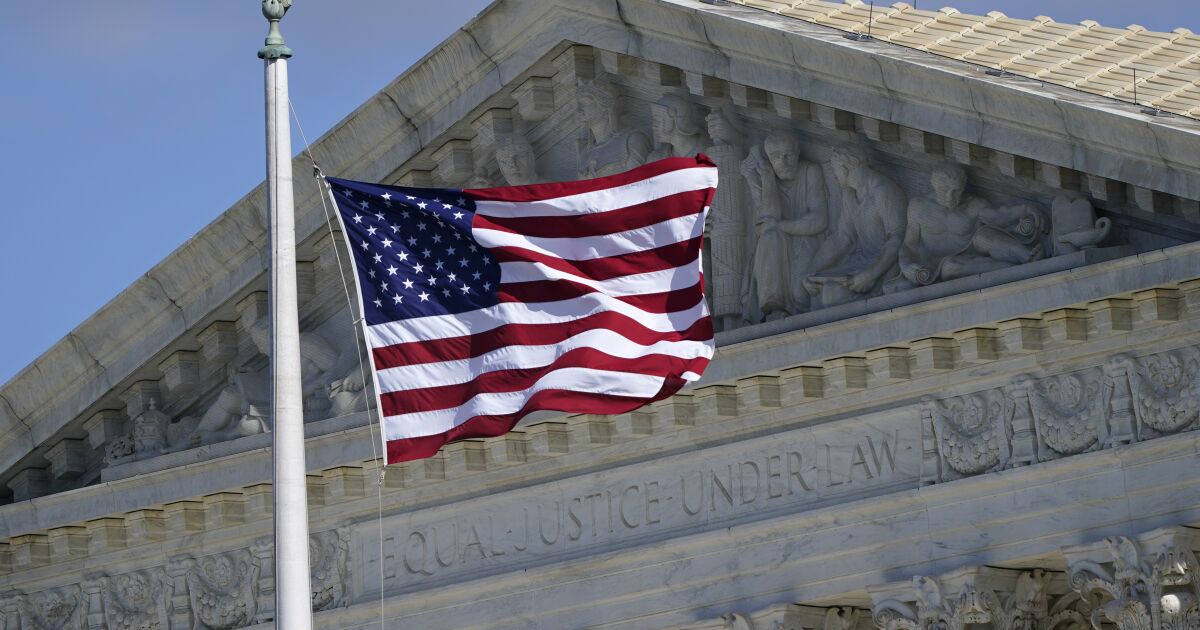
WASHINGTON — 

The Supreme Court agreed Monday to hear an appeal from two San Diego-area school board members and decide whether public officials who take to social media are free to block their critics.

At issue is whether their Facebook or Twitter accounts are private and personal, or instead become public platforms when officials use them to speak about public business.

Former President Trump faced a similar lawsuit when he blocked critics from his Twitter account, and he lost before a federal appeals court in New York which said he had violated their free-speech rights. But that case was dismissed before the Supreme Court could rule because Trump had left office.

Now the justices will decide the issue in a case brought by two parents in Poway, a city in the San Diego area, who regularly contacted members of the school board to “express their concerns regarding important topics such as mismanagement and racist bullying.”

Christopher and Kimberly Garnier grew up there, graduated from the public schools and had their three children in school.

But two school board members — Michelle O’Connor-Ratcliff and T.J. Zane — decided they had seen enough of what they described as “repetitious and non-responsive comments” from the couple. Their lawyer told the court “Christopher made the same comment on 42 different posts by O’Connor-Ratcliff and the same reply on 226 of her tweets.”

When the two board members blocked the Garniers from their Facebook and Twitter accounts, the Garniers sued in federal court alleging a violation rights under the 1st Amendment.

They won before the 9th Circuit Court of Appeals which said the board members had turned their social media accounts into public forum.

“They clothed their pages in the authority of their offices and used their pages to communicate about their official duties,” said Judge Marsha Berzon.

The board members urged the Supreme Court to hear their case and overturn the 9th Circuit’s decision. They argued they were expressing their personal views on social media, and their Facebook or Twitter accounts did not speak for the school districts.

Their appeal also argued that a ruling in favor of the Garniers “will have the unintended consequence of creating less speech if the social-media pages of public officials are overrun with harassment, trolling, and hate speech, which officials will be powerless to filter.”

The court said it would hear the case of O’Connor-Ratcliff vs. Garnier in the fall.

WASHINGTON — 

The Supreme Court agreed Monday to hear an appeal from two San Diego-area school board members and decide whether public officials who take to social media are free to block their critics.

At issue is whether their Facebook or Twitter accounts are private and personal, or instead become public platforms when officials use them to speak about public business.

Former President Trump faced a similar lawsuit when he blocked critics from his Twitter account, and he lost before a federal appeals court in New York which said he had violated their free-speech rights. But that case was dismissed before the Supreme Court could rule because Trump had left office.

Now the justices will decide the issue in a case brought by two parents in Poway, a city in the San Diego area, who regularly contacted members of the school board to “express their concerns regarding important topics such as mismanagement and racist bullying.”

Christopher and Kimberly Garnier grew up there, graduated from the public schools and had their three children in school.

But two school board members — Michelle O’Connor-Ratcliff and T.J. Zane — decided they had seen enough of what they described as “repetitious and non-responsive comments” from the couple. Their lawyer told the court “Christopher made the same comment on 42 different posts by O’Connor-Ratcliff and the same reply on 226 of her tweets.”

When the two board members blocked the Garniers from their Facebook and Twitter accounts, the Garniers sued in federal court alleging a violation rights under the 1st Amendment.

They won before the 9th Circuit Court of Appeals which said the board members had turned their social media accounts into public forum.

“They clothed their pages in the authority of their offices and used their pages to communicate about their official duties,” said Judge Marsha Berzon.

The board members urged the Supreme Court to hear their case and overturn the 9th Circuit’s decision. They argued they were expressing their personal views on social media, and their Facebook or Twitter accounts did not speak for the school districts.

Their appeal also argued that a ruling in favor of the Garniers “will have the unintended consequence of creating less speech if the social-media pages of public officials are overrun with harassment, trolling, and hate speech, which officials will be powerless to filter.”

The court said it would hear the case of O’Connor-Ratcliff vs. Garnier in the fall.

WASHINGTON — 

The Supreme Court agreed Monday to hear an appeal from two San Diego-area school board members and decide whether public officials who take to social media are free to block their critics.

At issue is whether their Facebook or Twitter accounts are private and personal, or instead become public platforms when officials use them to speak about public business.

Former President Trump faced a similar lawsuit when he blocked critics from his Twitter account, and he lost before a federal appeals court in New York which said he had violated their free-speech rights. But that case was dismissed before the Supreme Court could rule because Trump had left office.

Now the justices will decide the issue in a case brought by two parents in Poway, a city in the San Diego area, who regularly contacted members of the school board to “express their concerns regarding important topics such as mismanagement and racist bullying.”

Christopher and Kimberly Garnier grew up there, graduated from the public schools and had their three children in school.

But two school board members — Michelle O’Connor-Ratcliff and T.J. Zane — decided they had seen enough of what they described as “repetitious and non-responsive comments” from the couple. Their lawyer told the court “Christopher made the same comment on 42 different posts by O’Connor-Ratcliff and the same reply on 226 of her tweets.”

When the two board members blocked the Garniers from their Facebook and Twitter accounts, the Garniers sued in federal court alleging a violation rights under the 1st Amendment.

They won before the 9th Circuit Court of Appeals which said the board members had turned their social media accounts into public forum.

“They clothed their pages in the authority of their offices and used their pages to communicate about their official duties,” said Judge Marsha Berzon.

The board members urged the Supreme Court to hear their case and overturn the 9th Circuit’s decision. They argued they were expressing their personal views on social media, and their Facebook or Twitter accounts did not speak for the school districts.

Their appeal also argued that a ruling in favor of the Garniers “will have the unintended consequence of creating less speech if the social-media pages of public officials are overrun with harassment, trolling, and hate speech, which officials will be powerless to filter.”

The court said it would hear the case of O’Connor-Ratcliff vs. Garnier in the fall.

WASHINGTON — 

The Supreme Court agreed Monday to hear an appeal from two San Diego-area school board members and decide whether public officials who take to social media are free to block their critics.

At issue is whether their Facebook or Twitter accounts are private and personal, or instead become public platforms when officials use them to speak about public business.

Former President Trump faced a similar lawsuit when he blocked critics from his Twitter account, and he lost before a federal appeals court in New York which said he had violated their free-speech rights. But that case was dismissed before the Supreme Court could rule because Trump had left office.

Now the justices will decide the issue in a case brought by two parents in Poway, a city in the San Diego area, who regularly contacted members of the school board to “express their concerns regarding important topics such as mismanagement and racist bullying.”

Christopher and Kimberly Garnier grew up there, graduated from the public schools and had their three children in school.

But two school board members — Michelle O’Connor-Ratcliff and T.J. Zane — decided they had seen enough of what they described as “repetitious and non-responsive comments” from the couple. Their lawyer told the court “Christopher made the same comment on 42 different posts by O’Connor-Ratcliff and the same reply on 226 of her tweets.”

When the two board members blocked the Garniers from their Facebook and Twitter accounts, the Garniers sued in federal court alleging a violation rights under the 1st Amendment.

They won before the 9th Circuit Court of Appeals which said the board members had turned their social media accounts into public forum.

“They clothed their pages in the authority of their offices and used their pages to communicate about their official duties,” said Judge Marsha Berzon.

The board members urged the Supreme Court to hear their case and overturn the 9th Circuit’s decision. They argued they were expressing their personal views on social media, and their Facebook or Twitter accounts did not speak for the school districts.

Their appeal also argued that a ruling in favor of the Garniers “will have the unintended consequence of creating less speech if the social-media pages of public officials are overrun with harassment, trolling, and hate speech, which officials will be powerless to filter.”

The court said it would hear the case of O’Connor-Ratcliff vs. Garnier in the fall.

WASHINGTON — 

The Supreme Court agreed Monday to hear an appeal from two San Diego-area school board members and decide whether public officials who take to social media are free to block their critics.

At issue is whether their Facebook or Twitter accounts are private and personal, or instead become public platforms when officials use them to speak about public business.

Former President Trump faced a similar lawsuit when he blocked critics from his Twitter account, and he lost before a federal appeals court in New York which said he had violated their free-speech rights. But that case was dismissed before the Supreme Court could rule because Trump had left office.

Now the justices will decide the issue in a case brought by two parents in Poway, a city in the San Diego area, who regularly contacted members of the school board to “express their concerns regarding important topics such as mismanagement and racist bullying.”

Christopher and Kimberly Garnier grew up there, graduated from the public schools and had their three children in school.

But two school board members — Michelle O’Connor-Ratcliff and T.J. Zane — decided they had seen enough of what they described as “repetitious and non-responsive comments” from the couple. Their lawyer told the court “Christopher made the same comment on 42 different posts by O’Connor-Ratcliff and the same reply on 226 of her tweets.”

When the two board members blocked the Garniers from their Facebook and Twitter accounts, the Garniers sued in federal court alleging a violation rights under the 1st Amendment.

They won before the 9th Circuit Court of Appeals which said the board members had turned their social media accounts into public forum.

“They clothed their pages in the authority of their offices and used their pages to communicate about their official duties,” said Judge Marsha Berzon.

The board members urged the Supreme Court to hear their case and overturn the 9th Circuit’s decision. They argued they were expressing their personal views on social media, and their Facebook or Twitter accounts did not speak for the school districts.

Their appeal also argued that a ruling in favor of the Garniers “will have the unintended consequence of creating less speech if the social-media pages of public officials are overrun with harassment, trolling, and hate speech, which officials will be powerless to filter.”

The court said it would hear the case of O’Connor-Ratcliff vs. Garnier in the fall.

WASHINGTON — 

The Supreme Court agreed Monday to hear an appeal from two San Diego-area school board members and decide whether public officials who take to social media are free to block their critics.

At issue is whether their Facebook or Twitter accounts are private and personal, or instead become public platforms when officials use them to speak about public business.

Former President Trump faced a similar lawsuit when he blocked critics from his Twitter account, and he lost before a federal appeals court in New York which said he had violated their free-speech rights. But that case was dismissed before the Supreme Court could rule because Trump had left office.

Now the justices will decide the issue in a case brought by two parents in Poway, a city in the San Diego area, who regularly contacted members of the school board to “express their concerns regarding important topics such as mismanagement and racist bullying.”

Christopher and Kimberly Garnier grew up there, graduated from the public schools and had their three children in school.

But two school board members — Michelle O’Connor-Ratcliff and T.J. Zane — decided they had seen enough of what they described as “repetitious and non-responsive comments” from the couple. Their lawyer told the court “Christopher made the same comment on 42 different posts by O’Connor-Ratcliff and the same reply on 226 of her tweets.”

When the two board members blocked the Garniers from their Facebook and Twitter accounts, the Garniers sued in federal court alleging a violation rights under the 1st Amendment.

They won before the 9th Circuit Court of Appeals which said the board members had turned their social media accounts into public forum.

“They clothed their pages in the authority of their offices and used their pages to communicate about their official duties,” said Judge Marsha Berzon.

The board members urged the Supreme Court to hear their case and overturn the 9th Circuit’s decision. They argued they were expressing their personal views on social media, and their Facebook or Twitter accounts did not speak for the school districts.

Their appeal also argued that a ruling in favor of the Garniers “will have the unintended consequence of creating less speech if the social-media pages of public officials are overrun with harassment, trolling, and hate speech, which officials will be powerless to filter.”

The court said it would hear the case of O’Connor-Ratcliff vs. Garnier in the fall.

WASHINGTON — 

The Supreme Court agreed Monday to hear an appeal from two San Diego-area school board members and decide whether public officials who take to social media are free to block their critics.

At issue is whether their Facebook or Twitter accounts are private and personal, or instead become public platforms when officials use them to speak about public business.

Former President Trump faced a similar lawsuit when he blocked critics from his Twitter account, and he lost before a federal appeals court in New York which said he had violated their free-speech rights. But that case was dismissed before the Supreme Court could rule because Trump had left office.

Now the justices will decide the issue in a case brought by two parents in Poway, a city in the San Diego area, who regularly contacted members of the school board to “express their concerns regarding important topics such as mismanagement and racist bullying.”

Christopher and Kimberly Garnier grew up there, graduated from the public schools and had their three children in school.

But two school board members — Michelle O’Connor-Ratcliff and T.J. Zane — decided they had seen enough of what they described as “repetitious and non-responsive comments” from the couple. Their lawyer told the court “Christopher made the same comment on 42 different posts by O’Connor-Ratcliff and the same reply on 226 of her tweets.”

When the two board members blocked the Garniers from their Facebook and Twitter accounts, the Garniers sued in federal court alleging a violation rights under the 1st Amendment.

They won before the 9th Circuit Court of Appeals which said the board members had turned their social media accounts into public forum.

“They clothed their pages in the authority of their offices and used their pages to communicate about their official duties,” said Judge Marsha Berzon.

The board members urged the Supreme Court to hear their case and overturn the 9th Circuit’s decision. They argued they were expressing their personal views on social media, and their Facebook or Twitter accounts did not speak for the school districts.

Their appeal also argued that a ruling in favor of the Garniers “will have the unintended consequence of creating less speech if the social-media pages of public officials are overrun with harassment, trolling, and hate speech, which officials will be powerless to filter.”

The court said it would hear the case of O’Connor-Ratcliff vs. Garnier in the fall.

WASHINGTON — 

The Supreme Court agreed Monday to hear an appeal from two San Diego-area school board members and decide whether public officials who take to social media are free to block their critics.

At issue is whether their Facebook or Twitter accounts are private and personal, or instead become public platforms when officials use them to speak about public business.

Former President Trump faced a similar lawsuit when he blocked critics from his Twitter account, and he lost before a federal appeals court in New York which said he had violated their free-speech rights. But that case was dismissed before the Supreme Court could rule because Trump had left office.

Now the justices will decide the issue in a case brought by two parents in Poway, a city in the San Diego area, who regularly contacted members of the school board to “express their concerns regarding important topics such as mismanagement and racist bullying.”

Christopher and Kimberly Garnier grew up there, graduated from the public schools and had their three children in school.

But two school board members — Michelle O’Connor-Ratcliff and T.J. Zane — decided they had seen enough of what they described as “repetitious and non-responsive comments” from the couple. Their lawyer told the court “Christopher made the same comment on 42 different posts by O’Connor-Ratcliff and the same reply on 226 of her tweets.”

When the two board members blocked the Garniers from their Facebook and Twitter accounts, the Garniers sued in federal court alleging a violation rights under the 1st Amendment.

They won before the 9th Circuit Court of Appeals which said the board members had turned their social media accounts into public forum.

“They clothed their pages in the authority of their offices and used their pages to communicate about their official duties,” said Judge Marsha Berzon.

The board members urged the Supreme Court to hear their case and overturn the 9th Circuit’s decision. They argued they were expressing their personal views on social media, and their Facebook or Twitter accounts did not speak for the school districts.

Their appeal also argued that a ruling in favor of the Garniers “will have the unintended consequence of creating less speech if the social-media pages of public officials are overrun with harassment, trolling, and hate speech, which officials will be powerless to filter.”

The court said it would hear the case of O’Connor-Ratcliff vs. Garnier in the fall.

WASHINGTON — 

The Supreme Court agreed Monday to hear an appeal from two San Diego-area school board members and decide whether public officials who take to social media are free to block their critics.

At issue is whether their Facebook or Twitter accounts are private and personal, or instead become public platforms when officials use them to speak about public business.

Former President Trump faced a similar lawsuit when he blocked critics from his Twitter account, and he lost before a federal appeals court in New York which said he had violated their free-speech rights. But that case was dismissed before the Supreme Court could rule because Trump had left office.

Now the justices will decide the issue in a case brought by two parents in Poway, a city in the San Diego area, who regularly contacted members of the school board to “express their concerns regarding important topics such as mismanagement and racist bullying.”

Christopher and Kimberly Garnier grew up there, graduated from the public schools and had their three children in school.

But two school board members — Michelle O’Connor-Ratcliff and T.J. Zane — decided they had seen enough of what they described as “repetitious and non-responsive comments” from the couple. Their lawyer told the court “Christopher made the same comment on 42 different posts by O’Connor-Ratcliff and the same reply on 226 of her tweets.”

When the two board members blocked the Garniers from their Facebook and Twitter accounts, the Garniers sued in federal court alleging a violation rights under the 1st Amendment.

They won before the 9th Circuit Court of Appeals which said the board members had turned their social media accounts into public forum.

“They clothed their pages in the authority of their offices and used their pages to communicate about their official duties,” said Judge Marsha Berzon.

The board members urged the Supreme Court to hear their case and overturn the 9th Circuit’s decision. They argued they were expressing their personal views on social media, and their Facebook or Twitter accounts did not speak for the school districts.

Their appeal also argued that a ruling in favor of the Garniers “will have the unintended consequence of creating less speech if the social-media pages of public officials are overrun with harassment, trolling, and hate speech, which officials will be powerless to filter.”

The court said it would hear the case of O’Connor-Ratcliff vs. Garnier in the fall.

WASHINGTON — 

The Supreme Court agreed Monday to hear an appeal from two San Diego-area school board members and decide whether public officials who take to social media are free to block their critics.

At issue is whether their Facebook or Twitter accounts are private and personal, or instead become public platforms when officials use them to speak about public business.

Former President Trump faced a similar lawsuit when he blocked critics from his Twitter account, and he lost before a federal appeals court in New York which said he had violated their free-speech rights. But that case was dismissed before the Supreme Court could rule because Trump had left office.

Now the justices will decide the issue in a case brought by two parents in Poway, a city in the San Diego area, who regularly contacted members of the school board to “express their concerns regarding important topics such as mismanagement and racist bullying.”

Christopher and Kimberly Garnier grew up there, graduated from the public schools and had their three children in school.

But two school board members — Michelle O’Connor-Ratcliff and T.J. Zane — decided they had seen enough of what they described as “repetitious and non-responsive comments” from the couple. Their lawyer told the court “Christopher made the same comment on 42 different posts by O’Connor-Ratcliff and the same reply on 226 of her tweets.”

When the two board members blocked the Garniers from their Facebook and Twitter accounts, the Garniers sued in federal court alleging a violation rights under the 1st Amendment.

They won before the 9th Circuit Court of Appeals which said the board members had turned their social media accounts into public forum.

“They clothed their pages in the authority of their offices and used their pages to communicate about their official duties,” said Judge Marsha Berzon.

The board members urged the Supreme Court to hear their case and overturn the 9th Circuit’s decision. They argued they were expressing their personal views on social media, and their Facebook or Twitter accounts did not speak for the school districts.

Their appeal also argued that a ruling in favor of the Garniers “will have the unintended consequence of creating less speech if the social-media pages of public officials are overrun with harassment, trolling, and hate speech, which officials will be powerless to filter.”

The court said it would hear the case of O’Connor-Ratcliff vs. Garnier in the fall.

WASHINGTON — 

The Supreme Court agreed Monday to hear an appeal from two San Diego-area school board members and decide whether public officials who take to social media are free to block their critics.

At issue is whether their Facebook or Twitter accounts are private and personal, or instead become public platforms when officials use them to speak about public business.

Former President Trump faced a similar lawsuit when he blocked critics from his Twitter account, and he lost before a federal appeals court in New York which said he had violated their free-speech rights. But that case was dismissed before the Supreme Court could rule because Trump had left office.

Now the justices will decide the issue in a case brought by two parents in Poway, a city in the San Diego area, who regularly contacted members of the school board to “express their concerns regarding important topics such as mismanagement and racist bullying.”

Christopher and Kimberly Garnier grew up there, graduated from the public schools and had their three children in school.

But two school board members — Michelle O’Connor-Ratcliff and T.J. Zane — decided they had seen enough of what they described as “repetitious and non-responsive comments” from the couple. Their lawyer told the court “Christopher made the same comment on 42 different posts by O’Connor-Ratcliff and the same reply on 226 of her tweets.”

When the two board members blocked the Garniers from their Facebook and Twitter accounts, the Garniers sued in federal court alleging a violation rights under the 1st Amendment.

They won before the 9th Circuit Court of Appeals which said the board members had turned their social media accounts into public forum.

“They clothed their pages in the authority of their offices and used their pages to communicate about their official duties,” said Judge Marsha Berzon.

The board members urged the Supreme Court to hear their case and overturn the 9th Circuit’s decision. They argued they were expressing their personal views on social media, and their Facebook or Twitter accounts did not speak for the school districts.

Their appeal also argued that a ruling in favor of the Garniers “will have the unintended consequence of creating less speech if the social-media pages of public officials are overrun with harassment, trolling, and hate speech, which officials will be powerless to filter.”

The court said it would hear the case of O’Connor-Ratcliff vs. Garnier in the fall.

WASHINGTON — 

The Supreme Court agreed Monday to hear an appeal from two San Diego-area school board members and decide whether public officials who take to social media are free to block their critics.

At issue is whether their Facebook or Twitter accounts are private and personal, or instead become public platforms when officials use them to speak about public business.

Former President Trump faced a similar lawsuit when he blocked critics from his Twitter account, and he lost before a federal appeals court in New York which said he had violated their free-speech rights. But that case was dismissed before the Supreme Court could rule because Trump had left office.

Now the justices will decide the issue in a case brought by two parents in Poway, a city in the San Diego area, who regularly contacted members of the school board to “express their concerns regarding important topics such as mismanagement and racist bullying.”

Christopher and Kimberly Garnier grew up there, graduated from the public schools and had their three children in school.

But two school board members — Michelle O’Connor-Ratcliff and T.J. Zane — decided they had seen enough of what they described as “repetitious and non-responsive comments” from the couple. Their lawyer told the court “Christopher made the same comment on 42 different posts by O’Connor-Ratcliff and the same reply on 226 of her tweets.”

When the two board members blocked the Garniers from their Facebook and Twitter accounts, the Garniers sued in federal court alleging a violation rights under the 1st Amendment.

They won before the 9th Circuit Court of Appeals which said the board members had turned their social media accounts into public forum.

“They clothed their pages in the authority of their offices and used their pages to communicate about their official duties,” said Judge Marsha Berzon.

The board members urged the Supreme Court to hear their case and overturn the 9th Circuit’s decision. They argued they were expressing their personal views on social media, and their Facebook or Twitter accounts did not speak for the school districts.

Their appeal also argued that a ruling in favor of the Garniers “will have the unintended consequence of creating less speech if the social-media pages of public officials are overrun with harassment, trolling, and hate speech, which officials will be powerless to filter.”

The court said it would hear the case of O’Connor-Ratcliff vs. Garnier in the fall.

WASHINGTON — 

The Supreme Court agreed Monday to hear an appeal from two San Diego-area school board members and decide whether public officials who take to social media are free to block their critics.

At issue is whether their Facebook or Twitter accounts are private and personal, or instead become public platforms when officials use them to speak about public business.

Former President Trump faced a similar lawsuit when he blocked critics from his Twitter account, and he lost before a federal appeals court in New York which said he had violated their free-speech rights. But that case was dismissed before the Supreme Court could rule because Trump had left office.

Now the justices will decide the issue in a case brought by two parents in Poway, a city in the San Diego area, who regularly contacted members of the school board to “express their concerns regarding important topics such as mismanagement and racist bullying.”

Christopher and Kimberly Garnier grew up there, graduated from the public schools and had their three children in school.

But two school board members — Michelle O’Connor-Ratcliff and T.J. Zane — decided they had seen enough of what they described as “repetitious and non-responsive comments” from the couple. Their lawyer told the court “Christopher made the same comment on 42 different posts by O’Connor-Ratcliff and the same reply on 226 of her tweets.”

When the two board members blocked the Garniers from their Facebook and Twitter accounts, the Garniers sued in federal court alleging a violation rights under the 1st Amendment.

They won before the 9th Circuit Court of Appeals which said the board members had turned their social media accounts into public forum.

“They clothed their pages in the authority of their offices and used their pages to communicate about their official duties,” said Judge Marsha Berzon.

The board members urged the Supreme Court to hear their case and overturn the 9th Circuit’s decision. They argued they were expressing their personal views on social media, and their Facebook or Twitter accounts did not speak for the school districts.

Their appeal also argued that a ruling in favor of the Garniers “will have the unintended consequence of creating less speech if the social-media pages of public officials are overrun with harassment, trolling, and hate speech, which officials will be powerless to filter.”

The court said it would hear the case of O’Connor-Ratcliff vs. Garnier in the fall.

WASHINGTON — 

The Supreme Court agreed Monday to hear an appeal from two San Diego-area school board members and decide whether public officials who take to social media are free to block their critics.

At issue is whether their Facebook or Twitter accounts are private and personal, or instead become public platforms when officials use them to speak about public business.

Former President Trump faced a similar lawsuit when he blocked critics from his Twitter account, and he lost before a federal appeals court in New York which said he had violated their free-speech rights. But that case was dismissed before the Supreme Court could rule because Trump had left office.

Now the justices will decide the issue in a case brought by two parents in Poway, a city in the San Diego area, who regularly contacted members of the school board to “express their concerns regarding important topics such as mismanagement and racist bullying.”

Christopher and Kimberly Garnier grew up there, graduated from the public schools and had their three children in school.

But two school board members — Michelle O’Connor-Ratcliff and T.J. Zane — decided they had seen enough of what they described as “repetitious and non-responsive comments” from the couple. Their lawyer told the court “Christopher made the same comment on 42 different posts by O’Connor-Ratcliff and the same reply on 226 of her tweets.”

When the two board members blocked the Garniers from their Facebook and Twitter accounts, the Garniers sued in federal court alleging a violation rights under the 1st Amendment.

They won before the 9th Circuit Court of Appeals which said the board members had turned their social media accounts into public forum.

“They clothed their pages in the authority of their offices and used their pages to communicate about their official duties,” said Judge Marsha Berzon.

The board members urged the Supreme Court to hear their case and overturn the 9th Circuit’s decision. They argued they were expressing their personal views on social media, and their Facebook or Twitter accounts did not speak for the school districts.

Their appeal also argued that a ruling in favor of the Garniers “will have the unintended consequence of creating less speech if the social-media pages of public officials are overrun with harassment, trolling, and hate speech, which officials will be powerless to filter.”

The court said it would hear the case of O’Connor-Ratcliff vs. Garnier in the fall.

WASHINGTON — 

The Supreme Court agreed Monday to hear an appeal from two San Diego-area school board members and decide whether public officials who take to social media are free to block their critics.

At issue is whether their Facebook or Twitter accounts are private and personal, or instead become public platforms when officials use them to speak about public business.

Former President Trump faced a similar lawsuit when he blocked critics from his Twitter account, and he lost before a federal appeals court in New York which said he had violated their free-speech rights. But that case was dismissed before the Supreme Court could rule because Trump had left office.

Now the justices will decide the issue in a case brought by two parents in Poway, a city in the San Diego area, who regularly contacted members of the school board to “express their concerns regarding important topics such as mismanagement and racist bullying.”

Christopher and Kimberly Garnier grew up there, graduated from the public schools and had their three children in school.

But two school board members — Michelle O’Connor-Ratcliff and T.J. Zane — decided they had seen enough of what they described as “repetitious and non-responsive comments” from the couple. Their lawyer told the court “Christopher made the same comment on 42 different posts by O’Connor-Ratcliff and the same reply on 226 of her tweets.”

When the two board members blocked the Garniers from their Facebook and Twitter accounts, the Garniers sued in federal court alleging a violation rights under the 1st Amendment.

They won before the 9th Circuit Court of Appeals which said the board members had turned their social media accounts into public forum.

“They clothed their pages in the authority of their offices and used their pages to communicate about their official duties,” said Judge Marsha Berzon.

The board members urged the Supreme Court to hear their case and overturn the 9th Circuit’s decision. They argued they were expressing their personal views on social media, and their Facebook or Twitter accounts did not speak for the school districts.

Their appeal also argued that a ruling in favor of the Garniers “will have the unintended consequence of creating less speech if the social-media pages of public officials are overrun with harassment, trolling, and hate speech, which officials will be powerless to filter.”

The court said it would hear the case of O’Connor-Ratcliff vs. Garnier in the fall.

WASHINGTON — 

The Supreme Court agreed Monday to hear an appeal from two San Diego-area school board members and decide whether public officials who take to social media are free to block their critics.

At issue is whether their Facebook or Twitter accounts are private and personal, or instead become public platforms when officials use them to speak about public business.

Former President Trump faced a similar lawsuit when he blocked critics from his Twitter account, and he lost before a federal appeals court in New York which said he had violated their free-speech rights. But that case was dismissed before the Supreme Court could rule because Trump had left office.

Now the justices will decide the issue in a case brought by two parents in Poway, a city in the San Diego area, who regularly contacted members of the school board to “express their concerns regarding important topics such as mismanagement and racist bullying.”

Christopher and Kimberly Garnier grew up there, graduated from the public schools and had their three children in school.

But two school board members — Michelle O’Connor-Ratcliff and T.J. Zane — decided they had seen enough of what they described as “repetitious and non-responsive comments” from the couple. Their lawyer told the court “Christopher made the same comment on 42 different posts by O’Connor-Ratcliff and the same reply on 226 of her tweets.”

When the two board members blocked the Garniers from their Facebook and Twitter accounts, the Garniers sued in federal court alleging a violation rights under the 1st Amendment.

They won before the 9th Circuit Court of Appeals which said the board members had turned their social media accounts into public forum.

“They clothed their pages in the authority of their offices and used their pages to communicate about their official duties,” said Judge Marsha Berzon.

The board members urged the Supreme Court to hear their case and overturn the 9th Circuit’s decision. They argued they were expressing their personal views on social media, and their Facebook or Twitter accounts did not speak for the school districts.

Their appeal also argued that a ruling in favor of the Garniers “will have the unintended consequence of creating less speech if the social-media pages of public officials are overrun with harassment, trolling, and hate speech, which officials will be powerless to filter.”

The court said it would hear the case of O’Connor-Ratcliff vs. Garnier in the fall.

Previous Post

Who Was Tarek Fatah? Noted Columnist Who Described Himself As ‘Indian Born In Pakistan’

Next Post

Tucker Carlson is out at Fox News

Leave a Reply Cancel reply

Your email address will not be published. Required fields are marked *

BROWSE BY CATEGORIES

  • Business
  • Culture
  • Entertainment
  • Health
  • Politics
  • Technology
  • Trending
  • Uncategorized
  • World
Binghamton Herald

© 2024 Binghamton Herald or its affiliated companies.

Navigate Site

  • About
  • Advertise
  • Terms & Conditions
  • Privacy Policy
  • Disclaimer
  • Contact

Follow Us

No Result
View All Result
  • Home
  • World
  • Politics
  • Business
  • Technology
  • Culture
  • Health
  • Entertainment
  • Trending

© 2024 Binghamton Herald or its affiliated companies.

Welcome Back!

Login to your account below

Forgotten Password?

Retrieve your password

Please enter your username or email address to reset your password.

Log In