

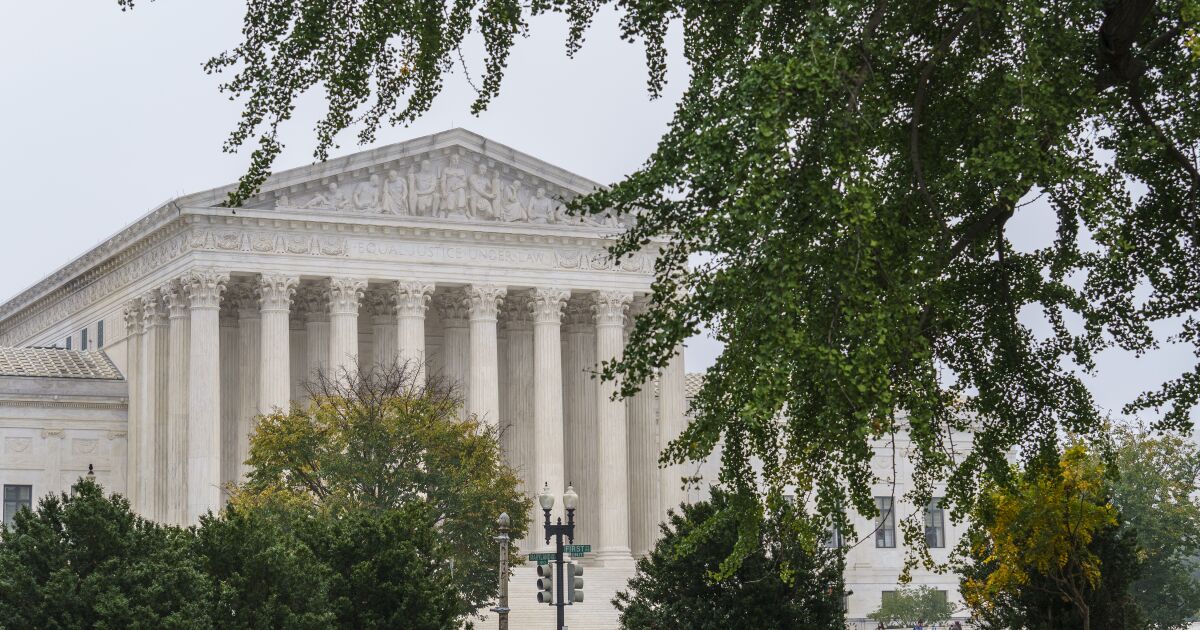

The Supreme Court on Tuesday made it somewhat harder to prosecute online stalkers, ruling the 1st Amendment protects the free speech of those who repeatedly send unwanted and harassing messages as long as they are not intended as threats.
In a 7-2 decision, the court overturned the stalking conviction of a Colorado man who sent hundreds of disturbing and alarming messages to Coles Whalen, a singer and songwriter.
The court ruled prosecutors must show defendants knew they were acting recklessly in making threatening comments.
“The question presented is whether the 1st Amendment still requires proof that the defendant had some subjective understanding of the threatening nature of his statements,” wrote Elena Kagan in the majority ruling.
“We hold that it does, but that a mental state of recklessness is sufficient. The state must show that the defendant consciously disregarded a substantial risk that his communications would be viewed as threatening violence. The state need not prove any more demanding form of subjective intent to threaten another,” Kagan wrote.
The singer, Whalen, said she tried repeatedly to block the messages, which suggested she was being watched and followed. Increasingly frightened, she quit performing in public.
Billy Counterman, the defendant, had been convicted earlier of sending violent and threatening messages to family members and others. He was charged with stalking in Colorado for sending unwanted messages to Whalen that a reasonable person would view as threatening.
He was convicted by jury and sentenced to four and half years in prison.
While Counterman’s lawyers said the messages were not threats, Whalen disagreed.
“The thousands of unstable messages sent to me were life-threatening and life-altering,” she said in an internet posting on her case. “I was terrified that I was being followed and could be hurt at any moment; I had no choice but to step back from my dream, a music career that I had worked very hard to build.”
Some messages invited her to “come out for coffee.” Others referred to seeing her in public. A few sounded angry: “Die. Don’t need you.”

The Supreme Court on Tuesday made it somewhat harder to prosecute online stalkers, ruling the 1st Amendment protects the free speech of those who repeatedly send unwanted and harassing messages as long as they are not intended as threats.
In a 7-2 decision, the court overturned the stalking conviction of a Colorado man who sent hundreds of disturbing and alarming messages to Coles Whalen, a singer and songwriter.
The court ruled prosecutors must show defendants knew they were acting recklessly in making threatening comments.
“The question presented is whether the 1st Amendment still requires proof that the defendant had some subjective understanding of the threatening nature of his statements,” wrote Elena Kagan in the majority ruling.
“We hold that it does, but that a mental state of recklessness is sufficient. The state must show that the defendant consciously disregarded a substantial risk that his communications would be viewed as threatening violence. The state need not prove any more demanding form of subjective intent to threaten another,” Kagan wrote.
The singer, Whalen, said she tried repeatedly to block the messages, which suggested she was being watched and followed. Increasingly frightened, she quit performing in public.
Billy Counterman, the defendant, had been convicted earlier of sending violent and threatening messages to family members and others. He was charged with stalking in Colorado for sending unwanted messages to Whalen that a reasonable person would view as threatening.
He was convicted by jury and sentenced to four and half years in prison.
While Counterman’s lawyers said the messages were not threats, Whalen disagreed.
“The thousands of unstable messages sent to me were life-threatening and life-altering,” she said in an internet posting on her case. “I was terrified that I was being followed and could be hurt at any moment; I had no choice but to step back from my dream, a music career that I had worked very hard to build.”
Some messages invited her to “come out for coffee.” Others referred to seeing her in public. A few sounded angry: “Die. Don’t need you.”

The Supreme Court on Tuesday made it somewhat harder to prosecute online stalkers, ruling the 1st Amendment protects the free speech of those who repeatedly send unwanted and harassing messages as long as they are not intended as threats.
In a 7-2 decision, the court overturned the stalking conviction of a Colorado man who sent hundreds of disturbing and alarming messages to Coles Whalen, a singer and songwriter.
The court ruled prosecutors must show defendants knew they were acting recklessly in making threatening comments.
“The question presented is whether the 1st Amendment still requires proof that the defendant had some subjective understanding of the threatening nature of his statements,” wrote Elena Kagan in the majority ruling.
“We hold that it does, but that a mental state of recklessness is sufficient. The state must show that the defendant consciously disregarded a substantial risk that his communications would be viewed as threatening violence. The state need not prove any more demanding form of subjective intent to threaten another,” Kagan wrote.
The singer, Whalen, said she tried repeatedly to block the messages, which suggested she was being watched and followed. Increasingly frightened, she quit performing in public.
Billy Counterman, the defendant, had been convicted earlier of sending violent and threatening messages to family members and others. He was charged with stalking in Colorado for sending unwanted messages to Whalen that a reasonable person would view as threatening.
He was convicted by jury and sentenced to four and half years in prison.
While Counterman’s lawyers said the messages were not threats, Whalen disagreed.
“The thousands of unstable messages sent to me were life-threatening and life-altering,” she said in an internet posting on her case. “I was terrified that I was being followed and could be hurt at any moment; I had no choice but to step back from my dream, a music career that I had worked very hard to build.”
Some messages invited her to “come out for coffee.” Others referred to seeing her in public. A few sounded angry: “Die. Don’t need you.”
The Supreme Court on Tuesday made it somewhat harder to prosecute online stalkers, ruling the 1st Amendment protects the free speech of those who repeatedly send unwanted and harassing messages as long as they are not intended as threats.
In a 7-2 decision, the court overturned the stalking conviction of a Colorado man who sent hundreds of disturbing and alarming messages to Coles Whalen, a singer and songwriter.
The court ruled prosecutors must show defendants knew they were acting recklessly in making threatening comments.
“The question presented is whether the 1st Amendment still requires proof that the defendant had some subjective understanding of the threatening nature of his statements,” wrote Elena Kagan in the majority ruling.
“We hold that it does, but that a mental state of recklessness is sufficient. The state must show that the defendant consciously disregarded a substantial risk that his communications would be viewed as threatening violence. The state need not prove any more demanding form of subjective intent to threaten another,” Kagan wrote.
The singer, Whalen, said she tried repeatedly to block the messages, which suggested she was being watched and followed. Increasingly frightened, she quit performing in public.
Billy Counterman, the defendant, had been convicted earlier of sending violent and threatening messages to family members and others. He was charged with stalking in Colorado for sending unwanted messages to Whalen that a reasonable person would view as threatening.
He was convicted by jury and sentenced to four and half years in prison.
While Counterman’s lawyers said the messages were not threats, Whalen disagreed.
“The thousands of unstable messages sent to me were life-threatening and life-altering,” she said in an internet posting on her case. “I was terrified that I was being followed and could be hurt at any moment; I had no choice but to step back from my dream, a music career that I had worked very hard to build.”
Some messages invited her to “come out for coffee.” Others referred to seeing her in public. A few sounded angry: “Die. Don’t need you.”

The Supreme Court on Tuesday made it somewhat harder to prosecute online stalkers, ruling the 1st Amendment protects the free speech of those who repeatedly send unwanted and harassing messages as long as they are not intended as threats.
In a 7-2 decision, the court overturned the stalking conviction of a Colorado man who sent hundreds of disturbing and alarming messages to Coles Whalen, a singer and songwriter.
The court ruled prosecutors must show defendants knew they were acting recklessly in making threatening comments.
“The question presented is whether the 1st Amendment still requires proof that the defendant had some subjective understanding of the threatening nature of his statements,” wrote Elena Kagan in the majority ruling.
“We hold that it does, but that a mental state of recklessness is sufficient. The state must show that the defendant consciously disregarded a substantial risk that his communications would be viewed as threatening violence. The state need not prove any more demanding form of subjective intent to threaten another,” Kagan wrote.
The singer, Whalen, said she tried repeatedly to block the messages, which suggested she was being watched and followed. Increasingly frightened, she quit performing in public.
Billy Counterman, the defendant, had been convicted earlier of sending violent and threatening messages to family members and others. He was charged with stalking in Colorado for sending unwanted messages to Whalen that a reasonable person would view as threatening.
He was convicted by jury and sentenced to four and half years in prison.
While Counterman’s lawyers said the messages were not threats, Whalen disagreed.
“The thousands of unstable messages sent to me were life-threatening and life-altering,” she said in an internet posting on her case. “I was terrified that I was being followed and could be hurt at any moment; I had no choice but to step back from my dream, a music career that I had worked very hard to build.”
Some messages invited her to “come out for coffee.” Others referred to seeing her in public. A few sounded angry: “Die. Don’t need you.”
The Supreme Court on Tuesday made it somewhat harder to prosecute online stalkers, ruling the 1st Amendment protects the free speech of those who repeatedly send unwanted and harassing messages as long as they are not intended as threats.
In a 7-2 decision, the court overturned the stalking conviction of a Colorado man who sent hundreds of disturbing and alarming messages to Coles Whalen, a singer and songwriter.
The court ruled prosecutors must show defendants knew they were acting recklessly in making threatening comments.
“The question presented is whether the 1st Amendment still requires proof that the defendant had some subjective understanding of the threatening nature of his statements,” wrote Elena Kagan in the majority ruling.
“We hold that it does, but that a mental state of recklessness is sufficient. The state must show that the defendant consciously disregarded a substantial risk that his communications would be viewed as threatening violence. The state need not prove any more demanding form of subjective intent to threaten another,” Kagan wrote.
The singer, Whalen, said she tried repeatedly to block the messages, which suggested she was being watched and followed. Increasingly frightened, she quit performing in public.
Billy Counterman, the defendant, had been convicted earlier of sending violent and threatening messages to family members and others. He was charged with stalking in Colorado for sending unwanted messages to Whalen that a reasonable person would view as threatening.
He was convicted by jury and sentenced to four and half years in prison.
While Counterman’s lawyers said the messages were not threats, Whalen disagreed.
“The thousands of unstable messages sent to me were life-threatening and life-altering,” she said in an internet posting on her case. “I was terrified that I was being followed and could be hurt at any moment; I had no choice but to step back from my dream, a music career that I had worked very hard to build.”
Some messages invited her to “come out for coffee.” Others referred to seeing her in public. A few sounded angry: “Die. Don’t need you.”
The Supreme Court on Tuesday made it somewhat harder to prosecute online stalkers, ruling the 1st Amendment protects the free speech of those who repeatedly send unwanted and harassing messages as long as they are not intended as threats.
In a 7-2 decision, the court overturned the stalking conviction of a Colorado man who sent hundreds of disturbing and alarming messages to Coles Whalen, a singer and songwriter.
The court ruled prosecutors must show defendants knew they were acting recklessly in making threatening comments.
“The question presented is whether the 1st Amendment still requires proof that the defendant had some subjective understanding of the threatening nature of his statements,” wrote Elena Kagan in the majority ruling.
“We hold that it does, but that a mental state of recklessness is sufficient. The state must show that the defendant consciously disregarded a substantial risk that his communications would be viewed as threatening violence. The state need not prove any more demanding form of subjective intent to threaten another,” Kagan wrote.
The singer, Whalen, said she tried repeatedly to block the messages, which suggested she was being watched and followed. Increasingly frightened, she quit performing in public.
Billy Counterman, the defendant, had been convicted earlier of sending violent and threatening messages to family members and others. He was charged with stalking in Colorado for sending unwanted messages to Whalen that a reasonable person would view as threatening.
He was convicted by jury and sentenced to four and half years in prison.
While Counterman’s lawyers said the messages were not threats, Whalen disagreed.
“The thousands of unstable messages sent to me were life-threatening and life-altering,” she said in an internet posting on her case. “I was terrified that I was being followed and could be hurt at any moment; I had no choice but to step back from my dream, a music career that I had worked very hard to build.”
Some messages invited her to “come out for coffee.” Others referred to seeing her in public. A few sounded angry: “Die. Don’t need you.”
The Supreme Court on Tuesday made it somewhat harder to prosecute online stalkers, ruling the 1st Amendment protects the free speech of those who repeatedly send unwanted and harassing messages as long as they are not intended as threats.
In a 7-2 decision, the court overturned the stalking conviction of a Colorado man who sent hundreds of disturbing and alarming messages to Coles Whalen, a singer and songwriter.
The court ruled prosecutors must show defendants knew they were acting recklessly in making threatening comments.
“The question presented is whether the 1st Amendment still requires proof that the defendant had some subjective understanding of the threatening nature of his statements,” wrote Elena Kagan in the majority ruling.
“We hold that it does, but that a mental state of recklessness is sufficient. The state must show that the defendant consciously disregarded a substantial risk that his communications would be viewed as threatening violence. The state need not prove any more demanding form of subjective intent to threaten another,” Kagan wrote.
The singer, Whalen, said she tried repeatedly to block the messages, which suggested she was being watched and followed. Increasingly frightened, she quit performing in public.
Billy Counterman, the defendant, had been convicted earlier of sending violent and threatening messages to family members and others. He was charged with stalking in Colorado for sending unwanted messages to Whalen that a reasonable person would view as threatening.
He was convicted by jury and sentenced to four and half years in prison.
While Counterman’s lawyers said the messages were not threats, Whalen disagreed.
“The thousands of unstable messages sent to me were life-threatening and life-altering,” she said in an internet posting on her case. “I was terrified that I was being followed and could be hurt at any moment; I had no choice but to step back from my dream, a music career that I had worked very hard to build.”
Some messages invited her to “come out for coffee.” Others referred to seeing her in public. A few sounded angry: “Die. Don’t need you.”

