


Washington DC
New York
Toronto
Distribution: (800) 510 9863
Press ID
  • Login
Binghamton Herald
Advertisement
Thursday, April 23, 2026
  • Home
  • World
  • Politics
  • Business
  • Technology
  • Culture
  • Health
  • Entertainment
  • Trending
No Result
View All Result
Binghamton Herald
No Result
View All Result
Home World

Supreme Court hears case about L.A. man denied visa in part over his tattoos

by Binghamton Herald Report
April 23, 2024
in World
Share on FacebookShare on Twitter

WASHINGTON — 

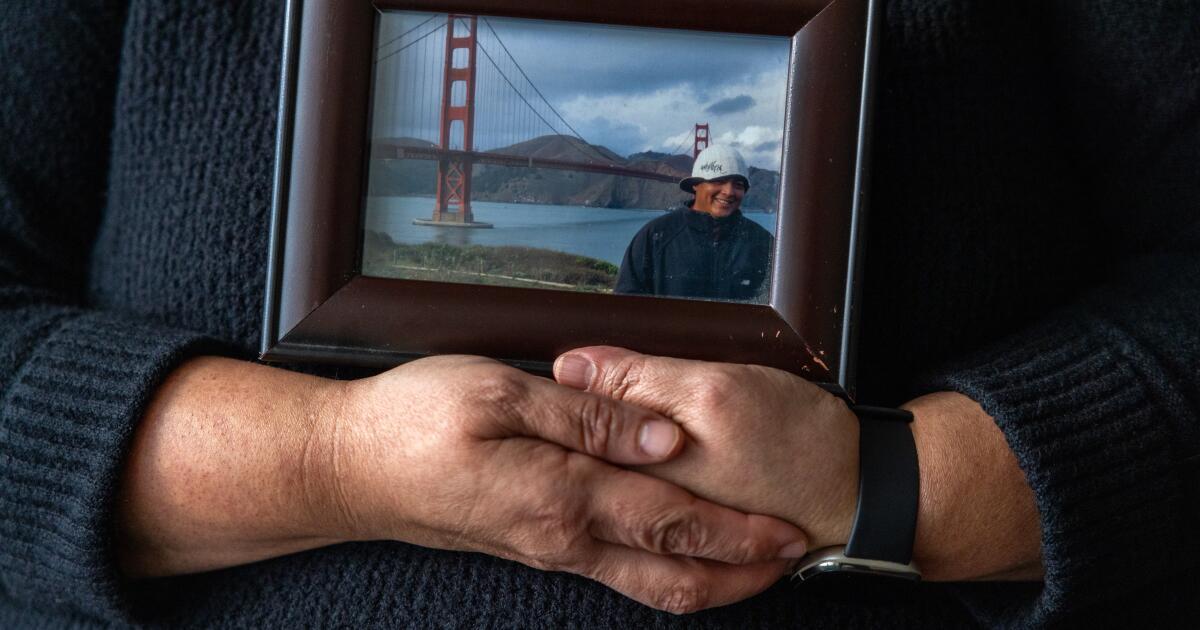
The Supreme Court will hear oral arguments Tuesday in the case of a Los Angeles man who was denied a green card after marrying a U.S. citizen.

Luis Acensio Cordero was denied a visa to return to the U.S. from El Salvador and has been separated from his wife, Sandra Muñoz, since 2015.

The couple sued, arguing the federal government had violated her constitutional right to marriage and due process by failing to provide a timely explanation for denying Acensio’s visa.

Years later, they found out the federal government believed he was an MS-13 gang member, based in part on a review of his tattoos.

Biden administration lawyers have argued that, because Muñoz and Acensio could choose to live outside the U.S., her right to marriage has not been violated.

The high court will consider whether the refusal of a visa to a U.S. citizen’s noncitizen spouse “impinges upon a constitutionally protected interest of the citizen,” and, if so, whether notifying a visa applicant that they were deemed inadmissible suffices as due process.

If the court sides with Muñoz, other families could be entitled to some explanation about why they were denied visas.

Last month, members of Congress, former Department of Homeland Security officials and former consular officers submitted friend of the court briefs in support of Muñoz and Acensio.

WASHINGTON — 

The Supreme Court will hear oral arguments Tuesday in the case of a Los Angeles man who was denied a green card after marrying a U.S. citizen.

Luis Acensio Cordero was denied a visa to return to the U.S. from El Salvador and has been separated from his wife, Sandra Muñoz, since 2015.

The couple sued, arguing the federal government had violated her constitutional right to marriage and due process by failing to provide a timely explanation for denying Acensio’s visa.

Years later, they found out the federal government believed he was an MS-13 gang member, based in part on a review of his tattoos.

Biden administration lawyers have argued that, because Muñoz and Acensio could choose to live outside the U.S., her right to marriage has not been violated.

The high court will consider whether the refusal of a visa to a U.S. citizen’s noncitizen spouse “impinges upon a constitutionally protected interest of the citizen,” and, if so, whether notifying a visa applicant that they were deemed inadmissible suffices as due process.

If the court sides with Muñoz, other families could be entitled to some explanation about why they were denied visas.

Last month, members of Congress, former Department of Homeland Security officials and former consular officers submitted friend of the court briefs in support of Muñoz and Acensio.

WASHINGTON — 

The Supreme Court will hear oral arguments Tuesday in the case of a Los Angeles man who was denied a green card after marrying a U.S. citizen.

Luis Acensio Cordero was denied a visa to return to the U.S. from El Salvador and has been separated from his wife, Sandra Muñoz, since 2015.

The couple sued, arguing the federal government had violated her constitutional right to marriage and due process by failing to provide a timely explanation for denying Acensio’s visa.

Years later, they found out the federal government believed he was an MS-13 gang member, based in part on a review of his tattoos.

Biden administration lawyers have argued that, because Muñoz and Acensio could choose to live outside the U.S., her right to marriage has not been violated.

The high court will consider whether the refusal of a visa to a U.S. citizen’s noncitizen spouse “impinges upon a constitutionally protected interest of the citizen,” and, if so, whether notifying a visa applicant that they were deemed inadmissible suffices as due process.

If the court sides with Muñoz, other families could be entitled to some explanation about why they were denied visas.

Last month, members of Congress, former Department of Homeland Security officials and former consular officers submitted friend of the court briefs in support of Muñoz and Acensio.

WASHINGTON — 

The Supreme Court will hear oral arguments Tuesday in the case of a Los Angeles man who was denied a green card after marrying a U.S. citizen.

Luis Acensio Cordero was denied a visa to return to the U.S. from El Salvador and has been separated from his wife, Sandra Muñoz, since 2015.

The couple sued, arguing the federal government had violated her constitutional right to marriage and due process by failing to provide a timely explanation for denying Acensio’s visa.

Years later, they found out the federal government believed he was an MS-13 gang member, based in part on a review of his tattoos.

Biden administration lawyers have argued that, because Muñoz and Acensio could choose to live outside the U.S., her right to marriage has not been violated.

The high court will consider whether the refusal of a visa to a U.S. citizen’s noncitizen spouse “impinges upon a constitutionally protected interest of the citizen,” and, if so, whether notifying a visa applicant that they were deemed inadmissible suffices as due process.

If the court sides with Muñoz, other families could be entitled to some explanation about why they were denied visas.

Last month, members of Congress, former Department of Homeland Security officials and former consular officers submitted friend of the court briefs in support of Muñoz and Acensio.


WASHINGTON — 

The Supreme Court will hear oral arguments Tuesday in the case of a Los Angeles man who was denied a green card after marrying a U.S. citizen.

Luis Acensio Cordero was denied a visa to return to the U.S. from El Salvador and has been separated from his wife, Sandra Muñoz, since 2015.

The couple sued, arguing the federal government had violated her constitutional right to marriage and due process by failing to provide a timely explanation for denying Acensio’s visa.

Years later, they found out the federal government believed he was an MS-13 gang member, based in part on a review of his tattoos.

Biden administration lawyers have argued that, because Muñoz and Acensio could choose to live outside the U.S., her right to marriage has not been violated.

The high court will consider whether the refusal of a visa to a U.S. citizen’s noncitizen spouse “impinges upon a constitutionally protected interest of the citizen,” and, if so, whether notifying a visa applicant that they were deemed inadmissible suffices as due process.

If the court sides with Muñoz, other families could be entitled to some explanation about why they were denied visas.

Last month, members of Congress, former Department of Homeland Security officials and former consular officers submitted friend of the court briefs in support of Muñoz and Acensio.

WASHINGTON — 

The Supreme Court will hear oral arguments Tuesday in the case of a Los Angeles man who was denied a green card after marrying a U.S. citizen.

Luis Acensio Cordero was denied a visa to return to the U.S. from El Salvador and has been separated from his wife, Sandra Muñoz, since 2015.

The couple sued, arguing the federal government had violated her constitutional right to marriage and due process by failing to provide a timely explanation for denying Acensio’s visa.

Years later, they found out the federal government believed he was an MS-13 gang member, based in part on a review of his tattoos.

Biden administration lawyers have argued that, because Muñoz and Acensio could choose to live outside the U.S., her right to marriage has not been violated.

The high court will consider whether the refusal of a visa to a U.S. citizen’s noncitizen spouse “impinges upon a constitutionally protected interest of the citizen,” and, if so, whether notifying a visa applicant that they were deemed inadmissible suffices as due process.

If the court sides with Muñoz, other families could be entitled to some explanation about why they were denied visas.

Last month, members of Congress, former Department of Homeland Security officials and former consular officers submitted friend of the court briefs in support of Muñoz and Acensio.

WASHINGTON — 

The Supreme Court will hear oral arguments Tuesday in the case of a Los Angeles man who was denied a green card after marrying a U.S. citizen.

Luis Acensio Cordero was denied a visa to return to the U.S. from El Salvador and has been separated from his wife, Sandra Muñoz, since 2015.

The couple sued, arguing the federal government had violated her constitutional right to marriage and due process by failing to provide a timely explanation for denying Acensio’s visa.

Years later, they found out the federal government believed he was an MS-13 gang member, based in part on a review of his tattoos.

Biden administration lawyers have argued that, because Muñoz and Acensio could choose to live outside the U.S., her right to marriage has not been violated.

The high court will consider whether the refusal of a visa to a U.S. citizen’s noncitizen spouse “impinges upon a constitutionally protected interest of the citizen,” and, if so, whether notifying a visa applicant that they were deemed inadmissible suffices as due process.

If the court sides with Muñoz, other families could be entitled to some explanation about why they were denied visas.

Last month, members of Congress, former Department of Homeland Security officials and former consular officers submitted friend of the court briefs in support of Muñoz and Acensio.

WASHINGTON — 

The Supreme Court will hear oral arguments Tuesday in the case of a Los Angeles man who was denied a green card after marrying a U.S. citizen.

Luis Acensio Cordero was denied a visa to return to the U.S. from El Salvador and has been separated from his wife, Sandra Muñoz, since 2015.

The couple sued, arguing the federal government had violated her constitutional right to marriage and due process by failing to provide a timely explanation for denying Acensio’s visa.

Years later, they found out the federal government believed he was an MS-13 gang member, based in part on a review of his tattoos.

Biden administration lawyers have argued that, because Muñoz and Acensio could choose to live outside the U.S., her right to marriage has not been violated.

The high court will consider whether the refusal of a visa to a U.S. citizen’s noncitizen spouse “impinges upon a constitutionally protected interest of the citizen,” and, if so, whether notifying a visa applicant that they were deemed inadmissible suffices as due process.

If the court sides with Muñoz, other families could be entitled to some explanation about why they were denied visas.

Last month, members of Congress, former Department of Homeland Security officials and former consular officers submitted friend of the court briefs in support of Muñoz and Acensio.

WASHINGTON — 

The Supreme Court will hear oral arguments Tuesday in the case of a Los Angeles man who was denied a green card after marrying a U.S. citizen.

Luis Acensio Cordero was denied a visa to return to the U.S. from El Salvador and has been separated from his wife, Sandra Muñoz, since 2015.

The couple sued, arguing the federal government had violated her constitutional right to marriage and due process by failing to provide a timely explanation for denying Acensio’s visa.

Years later, they found out the federal government believed he was an MS-13 gang member, based in part on a review of his tattoos.

Biden administration lawyers have argued that, because Muñoz and Acensio could choose to live outside the U.S., her right to marriage has not been violated.

The high court will consider whether the refusal of a visa to a U.S. citizen’s noncitizen spouse “impinges upon a constitutionally protected interest of the citizen,” and, if so, whether notifying a visa applicant that they were deemed inadmissible suffices as due process.

If the court sides with Muñoz, other families could be entitled to some explanation about why they were denied visas.

Last month, members of Congress, former Department of Homeland Security officials and former consular officers submitted friend of the court briefs in support of Muñoz and Acensio.

WASHINGTON — 

The Supreme Court will hear oral arguments Tuesday in the case of a Los Angeles man who was denied a green card after marrying a U.S. citizen.

Luis Acensio Cordero was denied a visa to return to the U.S. from El Salvador and has been separated from his wife, Sandra Muñoz, since 2015.

The couple sued, arguing the federal government had violated her constitutional right to marriage and due process by failing to provide a timely explanation for denying Acensio’s visa.

Years later, they found out the federal government believed he was an MS-13 gang member, based in part on a review of his tattoos.

Biden administration lawyers have argued that, because Muñoz and Acensio could choose to live outside the U.S., her right to marriage has not been violated.

The high court will consider whether the refusal of a visa to a U.S. citizen’s noncitizen spouse “impinges upon a constitutionally protected interest of the citizen,” and, if so, whether notifying a visa applicant that they were deemed inadmissible suffices as due process.

If the court sides with Muñoz, other families could be entitled to some explanation about why they were denied visas.

Last month, members of Congress, former Department of Homeland Security officials and former consular officers submitted friend of the court briefs in support of Muñoz and Acensio.

WASHINGTON — 

The Supreme Court will hear oral arguments Tuesday in the case of a Los Angeles man who was denied a green card after marrying a U.S. citizen.

Luis Acensio Cordero was denied a visa to return to the U.S. from El Salvador and has been separated from his wife, Sandra Muñoz, since 2015.

The couple sued, arguing the federal government had violated her constitutional right to marriage and due process by failing to provide a timely explanation for denying Acensio’s visa.

Years later, they found out the federal government believed he was an MS-13 gang member, based in part on a review of his tattoos.

Biden administration lawyers have argued that, because Muñoz and Acensio could choose to live outside the U.S., her right to marriage has not been violated.

The high court will consider whether the refusal of a visa to a U.S. citizen’s noncitizen spouse “impinges upon a constitutionally protected interest of the citizen,” and, if so, whether notifying a visa applicant that they were deemed inadmissible suffices as due process.

If the court sides with Muñoz, other families could be entitled to some explanation about why they were denied visas.

Last month, members of Congress, former Department of Homeland Security officials and former consular officers submitted friend of the court briefs in support of Muñoz and Acensio.

WASHINGTON — 

The Supreme Court will hear oral arguments Tuesday in the case of a Los Angeles man who was denied a green card after marrying a U.S. citizen.

Luis Acensio Cordero was denied a visa to return to the U.S. from El Salvador and has been separated from his wife, Sandra Muñoz, since 2015.

The couple sued, arguing the federal government had violated her constitutional right to marriage and due process by failing to provide a timely explanation for denying Acensio’s visa.

Years later, they found out the federal government believed he was an MS-13 gang member, based in part on a review of his tattoos.

Biden administration lawyers have argued that, because Muñoz and Acensio could choose to live outside the U.S., her right to marriage has not been violated.

The high court will consider whether the refusal of a visa to a U.S. citizen’s noncitizen spouse “impinges upon a constitutionally protected interest of the citizen,” and, if so, whether notifying a visa applicant that they were deemed inadmissible suffices as due process.

If the court sides with Muñoz, other families could be entitled to some explanation about why they were denied visas.

Last month, members of Congress, former Department of Homeland Security officials and former consular officers submitted friend of the court briefs in support of Muñoz and Acensio.

WASHINGTON — 

The Supreme Court will hear oral arguments Tuesday in the case of a Los Angeles man who was denied a green card after marrying a U.S. citizen.

Luis Acensio Cordero was denied a visa to return to the U.S. from El Salvador and has been separated from his wife, Sandra Muñoz, since 2015.

The couple sued, arguing the federal government had violated her constitutional right to marriage and due process by failing to provide a timely explanation for denying Acensio’s visa.

Years later, they found out the federal government believed he was an MS-13 gang member, based in part on a review of his tattoos.

Biden administration lawyers have argued that, because Muñoz and Acensio could choose to live outside the U.S., her right to marriage has not been violated.

The high court will consider whether the refusal of a visa to a U.S. citizen’s noncitizen spouse “impinges upon a constitutionally protected interest of the citizen,” and, if so, whether notifying a visa applicant that they were deemed inadmissible suffices as due process.

If the court sides with Muñoz, other families could be entitled to some explanation about why they were denied visas.

Last month, members of Congress, former Department of Homeland Security officials and former consular officers submitted friend of the court briefs in support of Muñoz and Acensio.

WASHINGTON — 

The Supreme Court will hear oral arguments Tuesday in the case of a Los Angeles man who was denied a green card after marrying a U.S. citizen.

Luis Acensio Cordero was denied a visa to return to the U.S. from El Salvador and has been separated from his wife, Sandra Muñoz, since 2015.

The couple sued, arguing the federal government had violated her constitutional right to marriage and due process by failing to provide a timely explanation for denying Acensio’s visa.

Years later, they found out the federal government believed he was an MS-13 gang member, based in part on a review of his tattoos.

Biden administration lawyers have argued that, because Muñoz and Acensio could choose to live outside the U.S., her right to marriage has not been violated.

The high court will consider whether the refusal of a visa to a U.S. citizen’s noncitizen spouse “impinges upon a constitutionally protected interest of the citizen,” and, if so, whether notifying a visa applicant that they were deemed inadmissible suffices as due process.

If the court sides with Muñoz, other families could be entitled to some explanation about why they were denied visas.

Last month, members of Congress, former Department of Homeland Security officials and former consular officers submitted friend of the court briefs in support of Muñoz and Acensio.

WASHINGTON — 

The Supreme Court will hear oral arguments Tuesday in the case of a Los Angeles man who was denied a green card after marrying a U.S. citizen.

Luis Acensio Cordero was denied a visa to return to the U.S. from El Salvador and has been separated from his wife, Sandra Muñoz, since 2015.

The couple sued, arguing the federal government had violated her constitutional right to marriage and due process by failing to provide a timely explanation for denying Acensio’s visa.

Years later, they found out the federal government believed he was an MS-13 gang member, based in part on a review of his tattoos.

Biden administration lawyers have argued that, because Muñoz and Acensio could choose to live outside the U.S., her right to marriage has not been violated.

The high court will consider whether the refusal of a visa to a U.S. citizen’s noncitizen spouse “impinges upon a constitutionally protected interest of the citizen,” and, if so, whether notifying a visa applicant that they were deemed inadmissible suffices as due process.

If the court sides with Muñoz, other families could be entitled to some explanation about why they were denied visas.

Last month, members of Congress, former Department of Homeland Security officials and former consular officers submitted friend of the court briefs in support of Muñoz and Acensio.

WASHINGTON — 

The Supreme Court will hear oral arguments Tuesday in the case of a Los Angeles man who was denied a green card after marrying a U.S. citizen.

Luis Acensio Cordero was denied a visa to return to the U.S. from El Salvador and has been separated from his wife, Sandra Muñoz, since 2015.

The couple sued, arguing the federal government had violated her constitutional right to marriage and due process by failing to provide a timely explanation for denying Acensio’s visa.

Years later, they found out the federal government believed he was an MS-13 gang member, based in part on a review of his tattoos.

Biden administration lawyers have argued that, because Muñoz and Acensio could choose to live outside the U.S., her right to marriage has not been violated.

The high court will consider whether the refusal of a visa to a U.S. citizen’s noncitizen spouse “impinges upon a constitutionally protected interest of the citizen,” and, if so, whether notifying a visa applicant that they were deemed inadmissible suffices as due process.

If the court sides with Muñoz, other families could be entitled to some explanation about why they were denied visas.

Last month, members of Congress, former Department of Homeland Security officials and former consular officers submitted friend of the court briefs in support of Muñoz and Acensio.

Previous Post

Taiwan Hit With Cluster Of Earthquakes Measuring Between 4.5 And 6.3, No Casualties Reported

Next Post

‘Our Words Collide’ documents 5 L.A. teen poets testifying to spoken word’s transformative power

Leave a Reply Cancel reply

Your email address will not be published. Required fields are marked *

BROWSE BY CATEGORIES

  • Business
  • Culture
  • Entertainment
  • Health
  • Politics
  • Technology
  • Trending
  • Uncategorized
  • World
Binghamton Herald

© 2024 Binghamton Herald or its affiliated companies.

Navigate Site

  • About
  • Advertise
  • Terms & Conditions
  • Privacy Policy
  • Disclaimer
  • Contact

Follow Us

No Result
View All Result
  • Home
  • World
  • Politics
  • Business
  • Technology
  • Culture
  • Health
  • Entertainment
  • Trending

© 2024 Binghamton Herald or its affiliated companies.

Welcome Back!

Login to your account below

Forgotten Password?

Retrieve your password

Please enter your username or email address to reset your password.

Log In