


The Supreme Court announced Friday that it will decide on a fast-track basis whether former President Trump can be barred from the 2024 ballot because he “engaged in insurrection” after losing his reelection bid in November 2020.
The justices granted an appeal from Trump and his lawyers that seeks to overturn a Colorado Supreme Court decision that would remove Trump from that state’s ballot.
The court said it would hear arguments on the case on Feb. 8.
The announcement sets the stage for what could be a momentous and unprecedented decision on whether the front-runner in polls for this year’s Republican presidential nomination could be disqualified by a high court with six Republican appointees.
In their appeal, Trump’s lawyers argued the political parties and their voters should decide who is on the ballot, not judges.
The justices did not say which questions that would decide. Trump’s lawyers cited several procedural reasons for tossing out the state court ruling.
In a 4-3 decision, the Colorado Supreme Court judges said Trump was disqualified from holding office again because he violated a provision of the 14th Amendment adopted after the Civil War that bars from office any federal or state officials who took an oath to support the Constitution and then “engaged in insurrection or rebellion” against the United States.
Trump’s lawyers argue this provision cannot be enforced nationwide because Congress has not passed a law to set rules for the 50 states.
States are divided on Trump’s eligibility for the ballot. While Minnesota and Michigan have refused to disqualify Trump, Maine’s secretary of state joined Colorado in saying he should be excluded from the ballot.
The justices may also consider a claim by some legal academics that the president is not an officeholder under the provision of the 14th Amendment. They note it refers to senators and representatives in Congress and to electors, but not the president.
Other lawyers dismiss this claim, since the amendment applies to “any office, civil or military.” It would be absurd, they say, to bar insurrectionists from holding low-level offices, but not the presidency.
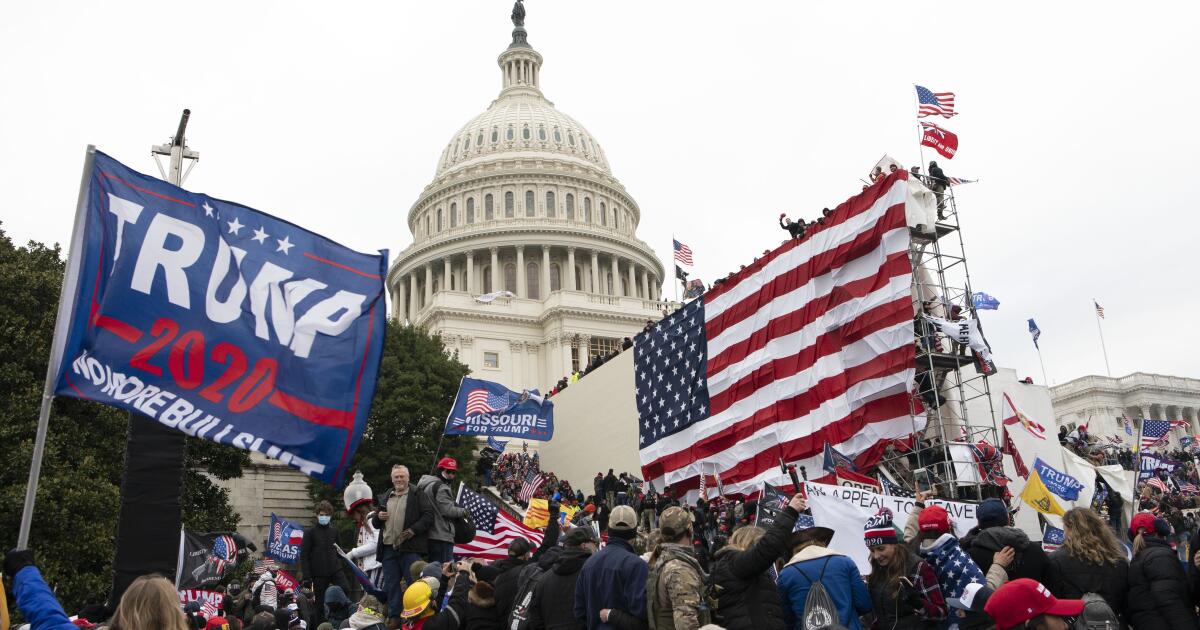
The justices may also consider ruling directly on whether Trump’s actions leading up to the Jan. 6. attack on the Capitol amount to an insurrection.
A state judge in Colorado held a five-day trial on this issue and concluded that Trump had lied about voter fraud and a “stolen election” and incited tens of thousands of his supporters to come to Washington and try to block the Congressional certification of President Biden’s victory.

The Supreme Court announced Friday that it will decide on a fast-track basis whether former President Trump can be barred from the 2024 ballot because he “engaged in insurrection” after losing his reelection bid in November 2020.
The justices granted an appeal from Trump and his lawyers that seeks to overturn a Colorado Supreme Court decision that would remove Trump from that state’s ballot.
The court said it would hear arguments on the case on Feb. 8.
The announcement sets the stage for what could be a momentous and unprecedented decision on whether the front-runner in polls for this year’s Republican presidential nomination could be disqualified by a high court with six Republican appointees.
In their appeal, Trump’s lawyers argued the political parties and their voters should decide who is on the ballot, not judges.
The justices did not say which questions that would decide. Trump’s lawyers cited several procedural reasons for tossing out the state court ruling.
In a 4-3 decision, the Colorado Supreme Court judges said Trump was disqualified from holding office again because he violated a provision of the 14th Amendment adopted after the Civil War that bars from office any federal or state officials who took an oath to support the Constitution and then “engaged in insurrection or rebellion” against the United States.
Trump’s lawyers argue this provision cannot be enforced nationwide because Congress has not passed a law to set rules for the 50 states.
States are divided on Trump’s eligibility for the ballot. While Minnesota and Michigan have refused to disqualify Trump, Maine’s secretary of state joined Colorado in saying he should be excluded from the ballot.
The justices may also consider a claim by some legal academics that the president is not an officeholder under the provision of the 14th Amendment. They note it refers to senators and representatives in Congress and to electors, but not the president.
Other lawyers dismiss this claim, since the amendment applies to “any office, civil or military.” It would be absurd, they say, to bar insurrectionists from holding low-level offices, but not the presidency.
The justices may also consider ruling directly on whether Trump’s actions leading up to the Jan. 6. attack on the Capitol amount to an insurrection.
A state judge in Colorado held a five-day trial on this issue and concluded that Trump had lied about voter fraud and a “stolen election” and incited tens of thousands of his supporters to come to Washington and try to block the Congressional certification of President Biden’s victory.

The Supreme Court announced Friday that it will decide on a fast-track basis whether former President Trump can be barred from the 2024 ballot because he “engaged in insurrection” after losing his reelection bid in November 2020.
The justices granted an appeal from Trump and his lawyers that seeks to overturn a Colorado Supreme Court decision that would remove Trump from that state’s ballot.
The court said it would hear arguments on the case on Feb. 8.
The announcement sets the stage for what could be a momentous and unprecedented decision on whether the front-runner in polls for this year’s Republican presidential nomination could be disqualified by a high court with six Republican appointees.
In their appeal, Trump’s lawyers argued the political parties and their voters should decide who is on the ballot, not judges.
The justices did not say which questions that would decide. Trump’s lawyers cited several procedural reasons for tossing out the state court ruling.
In a 4-3 decision, the Colorado Supreme Court judges said Trump was disqualified from holding office again because he violated a provision of the 14th Amendment adopted after the Civil War that bars from office any federal or state officials who took an oath to support the Constitution and then “engaged in insurrection or rebellion” against the United States.
Trump’s lawyers argue this provision cannot be enforced nationwide because Congress has not passed a law to set rules for the 50 states.
States are divided on Trump’s eligibility for the ballot. While Minnesota and Michigan have refused to disqualify Trump, Maine’s secretary of state joined Colorado in saying he should be excluded from the ballot.
The justices may also consider a claim by some legal academics that the president is not an officeholder under the provision of the 14th Amendment. They note it refers to senators and representatives in Congress and to electors, but not the president.
Other lawyers dismiss this claim, since the amendment applies to “any office, civil or military.” It would be absurd, they say, to bar insurrectionists from holding low-level offices, but not the presidency.
The justices may also consider ruling directly on whether Trump’s actions leading up to the Jan. 6. attack on the Capitol amount to an insurrection.
A state judge in Colorado held a five-day trial on this issue and concluded that Trump had lied about voter fraud and a “stolen election” and incited tens of thousands of his supporters to come to Washington and try to block the Congressional certification of President Biden’s victory.

The Supreme Court announced Friday that it will decide on a fast-track basis whether former President Trump can be barred from the 2024 ballot because he “engaged in insurrection” after losing his reelection bid in November 2020.
The justices granted an appeal from Trump and his lawyers that seeks to overturn a Colorado Supreme Court decision that would remove Trump from that state’s ballot.
The court said it would hear arguments on the case on Feb. 8.
The announcement sets the stage for what could be a momentous and unprecedented decision on whether the front-runner in polls for this year’s Republican presidential nomination could be disqualified by a high court with six Republican appointees.
In their appeal, Trump’s lawyers argued the political parties and their voters should decide who is on the ballot, not judges.
The justices did not say which questions that would decide. Trump’s lawyers cited several procedural reasons for tossing out the state court ruling.
In a 4-3 decision, the Colorado Supreme Court judges said Trump was disqualified from holding office again because he violated a provision of the 14th Amendment adopted after the Civil War that bars from office any federal or state officials who took an oath to support the Constitution and then “engaged in insurrection or rebellion” against the United States.
Trump’s lawyers argue this provision cannot be enforced nationwide because Congress has not passed a law to set rules for the 50 states.
States are divided on Trump’s eligibility for the ballot. While Minnesota and Michigan have refused to disqualify Trump, Maine’s secretary of state joined Colorado in saying he should be excluded from the ballot.
The justices may also consider a claim by some legal academics that the president is not an officeholder under the provision of the 14th Amendment. They note it refers to senators and representatives in Congress and to electors, but not the president.
Other lawyers dismiss this claim, since the amendment applies to “any office, civil or military.” It would be absurd, they say, to bar insurrectionists from holding low-level offices, but not the presidency.
The justices may also consider ruling directly on whether Trump’s actions leading up to the Jan. 6. attack on the Capitol amount to an insurrection.
A state judge in Colorado held a five-day trial on this issue and concluded that Trump had lied about voter fraud and a “stolen election” and incited tens of thousands of his supporters to come to Washington and try to block the Congressional certification of President Biden’s victory.