


Washington DC
New York
Toronto
Distribution: (800) 510 9863
Press ID
  • Login
Binghamton Herald
Advertisement
Saturday, April 25, 2026
  • Home
  • World
  • Politics
  • Business
  • Technology
  • Culture
  • Health
  • Entertainment
  • Trending
No Result
View All Result
Binghamton Herald
No Result
View All Result
Home Trending

South Korean Police Mull Imposing Travel Ban On President Yoon Over Martial Law

by Binghamton Herald Report
December 9, 2024
in Trending
Share on FacebookShare on Twitter

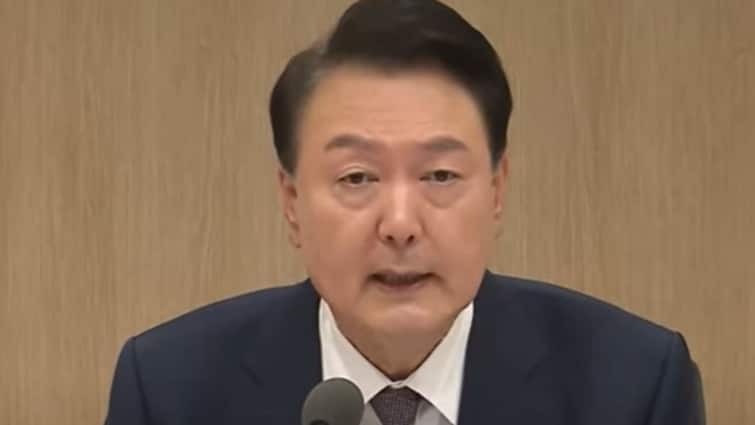
The South Korean police are mulling placing a travel ban on President Yoon Suk-yeol as they probe possible rebellion charges against him over his short-lived imposition of martial law in the country last week. 

Yoon announced the imposition of martial law last on Tuesday throwing the country into chaos as armed special forces troops rolled into the streets of Seoul. On Sunday, he avoided an opposition-led bid to impeach him, with most ruling party lawmakers boycotting the floor vote. But the opposition parties have vowed to submit another impeachment motion against him this week. 

Woo Jong-soo, chief of the National Office of Investigation at the National Police Agency said on Monday that securing necessary materials comes first, responding to why Yoon has not been placed under a travel ban, reported Yonhap news agency. 

“We are deciding based on a comprehensive review, including the possibility he will leave the country,” said the police official. 

Yoon’s arrest without a warrant is also possible if the requirements are met, he said. 

The opposition has been coming down heavily on Yoon with the main opposition Democratic Party calling the imposition “unconstitutional, illegal rebellion or a coup.” It has also filed complaints with police against at least nine people, including Yoon and the former defence minister, over the alleged rebellion. 

The president mostly has immunity from prosecution while in office, but that does not extend to allegations of rebellion or treason. 

On Sunday, prosecutors detained former Defence Minister Kim Yong-hyun who has been alleged to recommend Yoon to declare martial law. He was the first person to be detained in the case. 

On Saturday, Yoon apologised for the martial law decree, saying he won’t shirk legal or political responsibility for the declaration. In a televised address, he said he would leave it to his party to chart a course through the country’s political turmoil. 

The South Korean police are mulling placing a travel ban on President Yoon Suk-yeol as they probe possible rebellion charges against him over his short-lived imposition of martial law in the country last week. 

Yoon announced the imposition of martial law last on Tuesday throwing the country into chaos as armed special forces troops rolled into the streets of Seoul. On Sunday, he avoided an opposition-led bid to impeach him, with most ruling party lawmakers boycotting the floor vote. But the opposition parties have vowed to submit another impeachment motion against him this week. 

Woo Jong-soo, chief of the National Office of Investigation at the National Police Agency said on Monday that securing necessary materials comes first, responding to why Yoon has not been placed under a travel ban, reported Yonhap news agency. 

“We are deciding based on a comprehensive review, including the possibility he will leave the country,” said the police official. 

Yoon’s arrest without a warrant is also possible if the requirements are met, he said. 

The opposition has been coming down heavily on Yoon with the main opposition Democratic Party calling the imposition “unconstitutional, illegal rebellion or a coup.” It has also filed complaints with police against at least nine people, including Yoon and the former defence minister, over the alleged rebellion. 

The president mostly has immunity from prosecution while in office, but that does not extend to allegations of rebellion or treason. 

On Sunday, prosecutors detained former Defence Minister Kim Yong-hyun who has been alleged to recommend Yoon to declare martial law. He was the first person to be detained in the case. 

On Saturday, Yoon apologised for the martial law decree, saying he won’t shirk legal or political responsibility for the declaration. In a televised address, he said he would leave it to his party to chart a course through the country’s political turmoil. 

The South Korean police are mulling placing a travel ban on President Yoon Suk-yeol as they probe possible rebellion charges against him over his short-lived imposition of martial law in the country last week. 

Yoon announced the imposition of martial law last on Tuesday throwing the country into chaos as armed special forces troops rolled into the streets of Seoul. On Sunday, he avoided an opposition-led bid to impeach him, with most ruling party lawmakers boycotting the floor vote. But the opposition parties have vowed to submit another impeachment motion against him this week. 

Woo Jong-soo, chief of the National Office of Investigation at the National Police Agency said on Monday that securing necessary materials comes first, responding to why Yoon has not been placed under a travel ban, reported Yonhap news agency. 

“We are deciding based on a comprehensive review, including the possibility he will leave the country,” said the police official. 

Yoon’s arrest without a warrant is also possible if the requirements are met, he said. 

The opposition has been coming down heavily on Yoon with the main opposition Democratic Party calling the imposition “unconstitutional, illegal rebellion or a coup.” It has also filed complaints with police against at least nine people, including Yoon and the former defence minister, over the alleged rebellion. 

The president mostly has immunity from prosecution while in office, but that does not extend to allegations of rebellion or treason. 

On Sunday, prosecutors detained former Defence Minister Kim Yong-hyun who has been alleged to recommend Yoon to declare martial law. He was the first person to be detained in the case. 

On Saturday, Yoon apologised for the martial law decree, saying he won’t shirk legal or political responsibility for the declaration. In a televised address, he said he would leave it to his party to chart a course through the country’s political turmoil. 

The South Korean police are mulling placing a travel ban on President Yoon Suk-yeol as they probe possible rebellion charges against him over his short-lived imposition of martial law in the country last week. 

Yoon announced the imposition of martial law last on Tuesday throwing the country into chaos as armed special forces troops rolled into the streets of Seoul. On Sunday, he avoided an opposition-led bid to impeach him, with most ruling party lawmakers boycotting the floor vote. But the opposition parties have vowed to submit another impeachment motion against him this week. 

Woo Jong-soo, chief of the National Office of Investigation at the National Police Agency said on Monday that securing necessary materials comes first, responding to why Yoon has not been placed under a travel ban, reported Yonhap news agency. 

“We are deciding based on a comprehensive review, including the possibility he will leave the country,” said the police official. 

Yoon’s arrest without a warrant is also possible if the requirements are met, he said. 

The opposition has been coming down heavily on Yoon with the main opposition Democratic Party calling the imposition “unconstitutional, illegal rebellion or a coup.” It has also filed complaints with police against at least nine people, including Yoon and the former defence minister, over the alleged rebellion. 

The president mostly has immunity from prosecution while in office, but that does not extend to allegations of rebellion or treason. 

On Sunday, prosecutors detained former Defence Minister Kim Yong-hyun who has been alleged to recommend Yoon to declare martial law. He was the first person to be detained in the case. 

On Saturday, Yoon apologised for the martial law decree, saying he won’t shirk legal or political responsibility for the declaration. In a televised address, he said he would leave it to his party to chart a course through the country’s political turmoil. 

The South Korean police are mulling placing a travel ban on President Yoon Suk-yeol as they probe possible rebellion charges against him over his short-lived imposition of martial law in the country last week. 

Yoon announced the imposition of martial law last on Tuesday throwing the country into chaos as armed special forces troops rolled into the streets of Seoul. On Sunday, he avoided an opposition-led bid to impeach him, with most ruling party lawmakers boycotting the floor vote. But the opposition parties have vowed to submit another impeachment motion against him this week. 

Woo Jong-soo, chief of the National Office of Investigation at the National Police Agency said on Monday that securing necessary materials comes first, responding to why Yoon has not been placed under a travel ban, reported Yonhap news agency. 

“We are deciding based on a comprehensive review, including the possibility he will leave the country,” said the police official. 

Yoon’s arrest without a warrant is also possible if the requirements are met, he said. 

The opposition has been coming down heavily on Yoon with the main opposition Democratic Party calling the imposition “unconstitutional, illegal rebellion or a coup.” It has also filed complaints with police against at least nine people, including Yoon and the former defence minister, over the alleged rebellion. 

The president mostly has immunity from prosecution while in office, but that does not extend to allegations of rebellion or treason. 

On Sunday, prosecutors detained former Defence Minister Kim Yong-hyun who has been alleged to recommend Yoon to declare martial law. He was the first person to be detained in the case. 

On Saturday, Yoon apologised for the martial law decree, saying he won’t shirk legal or political responsibility for the declaration. In a televised address, he said he would leave it to his party to chart a course through the country’s political turmoil. 

The South Korean police are mulling placing a travel ban on President Yoon Suk-yeol as they probe possible rebellion charges against him over his short-lived imposition of martial law in the country last week. 

Yoon announced the imposition of martial law last on Tuesday throwing the country into chaos as armed special forces troops rolled into the streets of Seoul. On Sunday, he avoided an opposition-led bid to impeach him, with most ruling party lawmakers boycotting the floor vote. But the opposition parties have vowed to submit another impeachment motion against him this week. 

Woo Jong-soo, chief of the National Office of Investigation at the National Police Agency said on Monday that securing necessary materials comes first, responding to why Yoon has not been placed under a travel ban, reported Yonhap news agency. 

“We are deciding based on a comprehensive review, including the possibility he will leave the country,” said the police official. 

Yoon’s arrest without a warrant is also possible if the requirements are met, he said. 

The opposition has been coming down heavily on Yoon with the main opposition Democratic Party calling the imposition “unconstitutional, illegal rebellion or a coup.” It has also filed complaints with police against at least nine people, including Yoon and the former defence minister, over the alleged rebellion. 

The president mostly has immunity from prosecution while in office, but that does not extend to allegations of rebellion or treason. 

On Sunday, prosecutors detained former Defence Minister Kim Yong-hyun who has been alleged to recommend Yoon to declare martial law. He was the first person to be detained in the case. 

On Saturday, Yoon apologised for the martial law decree, saying he won’t shirk legal or political responsibility for the declaration. In a televised address, he said he would leave it to his party to chart a course through the country’s political turmoil. 

The South Korean police are mulling placing a travel ban on President Yoon Suk-yeol as they probe possible rebellion charges against him over his short-lived imposition of martial law in the country last week. 

Yoon announced the imposition of martial law last on Tuesday throwing the country into chaos as armed special forces troops rolled into the streets of Seoul. On Sunday, he avoided an opposition-led bid to impeach him, with most ruling party lawmakers boycotting the floor vote. But the opposition parties have vowed to submit another impeachment motion against him this week. 

Woo Jong-soo, chief of the National Office of Investigation at the National Police Agency said on Monday that securing necessary materials comes first, responding to why Yoon has not been placed under a travel ban, reported Yonhap news agency. 

“We are deciding based on a comprehensive review, including the possibility he will leave the country,” said the police official. 

Yoon’s arrest without a warrant is also possible if the requirements are met, he said. 

The opposition has been coming down heavily on Yoon with the main opposition Democratic Party calling the imposition “unconstitutional, illegal rebellion or a coup.” It has also filed complaints with police against at least nine people, including Yoon and the former defence minister, over the alleged rebellion. 

The president mostly has immunity from prosecution while in office, but that does not extend to allegations of rebellion or treason. 

On Sunday, prosecutors detained former Defence Minister Kim Yong-hyun who has been alleged to recommend Yoon to declare martial law. He was the first person to be detained in the case. 

On Saturday, Yoon apologised for the martial law decree, saying he won’t shirk legal or political responsibility for the declaration. In a televised address, he said he would leave it to his party to chart a course through the country’s political turmoil. 

The South Korean police are mulling placing a travel ban on President Yoon Suk-yeol as they probe possible rebellion charges against him over his short-lived imposition of martial law in the country last week. 

Yoon announced the imposition of martial law last on Tuesday throwing the country into chaos as armed special forces troops rolled into the streets of Seoul. On Sunday, he avoided an opposition-led bid to impeach him, with most ruling party lawmakers boycotting the floor vote. But the opposition parties have vowed to submit another impeachment motion against him this week. 

Woo Jong-soo, chief of the National Office of Investigation at the National Police Agency said on Monday that securing necessary materials comes first, responding to why Yoon has not been placed under a travel ban, reported Yonhap news agency. 

“We are deciding based on a comprehensive review, including the possibility he will leave the country,” said the police official. 

Yoon’s arrest without a warrant is also possible if the requirements are met, he said. 

The opposition has been coming down heavily on Yoon with the main opposition Democratic Party calling the imposition “unconstitutional, illegal rebellion or a coup.” It has also filed complaints with police against at least nine people, including Yoon and the former defence minister, over the alleged rebellion. 

The president mostly has immunity from prosecution while in office, but that does not extend to allegations of rebellion or treason. 

On Sunday, prosecutors detained former Defence Minister Kim Yong-hyun who has been alleged to recommend Yoon to declare martial law. He was the first person to be detained in the case. 

On Saturday, Yoon apologised for the martial law decree, saying he won’t shirk legal or political responsibility for the declaration. In a televised address, he said he would leave it to his party to chart a course through the country’s political turmoil. 

The South Korean police are mulling placing a travel ban on President Yoon Suk-yeol as they probe possible rebellion charges against him over his short-lived imposition of martial law in the country last week. 

Yoon announced the imposition of martial law last on Tuesday throwing the country into chaos as armed special forces troops rolled into the streets of Seoul. On Sunday, he avoided an opposition-led bid to impeach him, with most ruling party lawmakers boycotting the floor vote. But the opposition parties have vowed to submit another impeachment motion against him this week. 

Woo Jong-soo, chief of the National Office of Investigation at the National Police Agency said on Monday that securing necessary materials comes first, responding to why Yoon has not been placed under a travel ban, reported Yonhap news agency. 

“We are deciding based on a comprehensive review, including the possibility he will leave the country,” said the police official. 

Yoon’s arrest without a warrant is also possible if the requirements are met, he said. 

The opposition has been coming down heavily on Yoon with the main opposition Democratic Party calling the imposition “unconstitutional, illegal rebellion or a coup.” It has also filed complaints with police against at least nine people, including Yoon and the former defence minister, over the alleged rebellion. 

The president mostly has immunity from prosecution while in office, but that does not extend to allegations of rebellion or treason. 

On Sunday, prosecutors detained former Defence Minister Kim Yong-hyun who has been alleged to recommend Yoon to declare martial law. He was the first person to be detained in the case. 

On Saturday, Yoon apologised for the martial law decree, saying he won’t shirk legal or political responsibility for the declaration. In a televised address, he said he would leave it to his party to chart a course through the country’s political turmoil. 

The South Korean police are mulling placing a travel ban on President Yoon Suk-yeol as they probe possible rebellion charges against him over his short-lived imposition of martial law in the country last week. 

Yoon announced the imposition of martial law last on Tuesday throwing the country into chaos as armed special forces troops rolled into the streets of Seoul. On Sunday, he avoided an opposition-led bid to impeach him, with most ruling party lawmakers boycotting the floor vote. But the opposition parties have vowed to submit another impeachment motion against him this week. 

Woo Jong-soo, chief of the National Office of Investigation at the National Police Agency said on Monday that securing necessary materials comes first, responding to why Yoon has not been placed under a travel ban, reported Yonhap news agency. 

“We are deciding based on a comprehensive review, including the possibility he will leave the country,” said the police official. 

Yoon’s arrest without a warrant is also possible if the requirements are met, he said. 

The opposition has been coming down heavily on Yoon with the main opposition Democratic Party calling the imposition “unconstitutional, illegal rebellion or a coup.” It has also filed complaints with police against at least nine people, including Yoon and the former defence minister, over the alleged rebellion. 

The president mostly has immunity from prosecution while in office, but that does not extend to allegations of rebellion or treason. 

On Sunday, prosecutors detained former Defence Minister Kim Yong-hyun who has been alleged to recommend Yoon to declare martial law. He was the first person to be detained in the case. 

On Saturday, Yoon apologised for the martial law decree, saying he won’t shirk legal or political responsibility for the declaration. In a televised address, he said he would leave it to his party to chart a course through the country’s political turmoil. 

The South Korean police are mulling placing a travel ban on President Yoon Suk-yeol as they probe possible rebellion charges against him over his short-lived imposition of martial law in the country last week. 

Yoon announced the imposition of martial law last on Tuesday throwing the country into chaos as armed special forces troops rolled into the streets of Seoul. On Sunday, he avoided an opposition-led bid to impeach him, with most ruling party lawmakers boycotting the floor vote. But the opposition parties have vowed to submit another impeachment motion against him this week. 

Woo Jong-soo, chief of the National Office of Investigation at the National Police Agency said on Monday that securing necessary materials comes first, responding to why Yoon has not been placed under a travel ban, reported Yonhap news agency. 

“We are deciding based on a comprehensive review, including the possibility he will leave the country,” said the police official. 

Yoon’s arrest without a warrant is also possible if the requirements are met, he said. 

The opposition has been coming down heavily on Yoon with the main opposition Democratic Party calling the imposition “unconstitutional, illegal rebellion or a coup.” It has also filed complaints with police against at least nine people, including Yoon and the former defence minister, over the alleged rebellion. 

The president mostly has immunity from prosecution while in office, but that does not extend to allegations of rebellion or treason. 

On Sunday, prosecutors detained former Defence Minister Kim Yong-hyun who has been alleged to recommend Yoon to declare martial law. He was the first person to be detained in the case. 

On Saturday, Yoon apologised for the martial law decree, saying he won’t shirk legal or political responsibility for the declaration. In a televised address, he said he would leave it to his party to chart a course through the country’s political turmoil. 

The South Korean police are mulling placing a travel ban on President Yoon Suk-yeol as they probe possible rebellion charges against him over his short-lived imposition of martial law in the country last week. 

Yoon announced the imposition of martial law last on Tuesday throwing the country into chaos as armed special forces troops rolled into the streets of Seoul. On Sunday, he avoided an opposition-led bid to impeach him, with most ruling party lawmakers boycotting the floor vote. But the opposition parties have vowed to submit another impeachment motion against him this week. 

Woo Jong-soo, chief of the National Office of Investigation at the National Police Agency said on Monday that securing necessary materials comes first, responding to why Yoon has not been placed under a travel ban, reported Yonhap news agency. 

“We are deciding based on a comprehensive review, including the possibility he will leave the country,” said the police official. 

Yoon’s arrest without a warrant is also possible if the requirements are met, he said. 

The opposition has been coming down heavily on Yoon with the main opposition Democratic Party calling the imposition “unconstitutional, illegal rebellion or a coup.” It has also filed complaints with police against at least nine people, including Yoon and the former defence minister, over the alleged rebellion. 

The president mostly has immunity from prosecution while in office, but that does not extend to allegations of rebellion or treason. 

On Sunday, prosecutors detained former Defence Minister Kim Yong-hyun who has been alleged to recommend Yoon to declare martial law. He was the first person to be detained in the case. 

On Saturday, Yoon apologised for the martial law decree, saying he won’t shirk legal or political responsibility for the declaration. In a televised address, he said he would leave it to his party to chart a course through the country’s political turmoil. 

The South Korean police are mulling placing a travel ban on President Yoon Suk-yeol as they probe possible rebellion charges against him over his short-lived imposition of martial law in the country last week. 

Yoon announced the imposition of martial law last on Tuesday throwing the country into chaos as armed special forces troops rolled into the streets of Seoul. On Sunday, he avoided an opposition-led bid to impeach him, with most ruling party lawmakers boycotting the floor vote. But the opposition parties have vowed to submit another impeachment motion against him this week. 

Woo Jong-soo, chief of the National Office of Investigation at the National Police Agency said on Monday that securing necessary materials comes first, responding to why Yoon has not been placed under a travel ban, reported Yonhap news agency. 

“We are deciding based on a comprehensive review, including the possibility he will leave the country,” said the police official. 

Yoon’s arrest without a warrant is also possible if the requirements are met, he said. 

The opposition has been coming down heavily on Yoon with the main opposition Democratic Party calling the imposition “unconstitutional, illegal rebellion or a coup.” It has also filed complaints with police against at least nine people, including Yoon and the former defence minister, over the alleged rebellion. 

The president mostly has immunity from prosecution while in office, but that does not extend to allegations of rebellion or treason. 

On Sunday, prosecutors detained former Defence Minister Kim Yong-hyun who has been alleged to recommend Yoon to declare martial law. He was the first person to be detained in the case. 

On Saturday, Yoon apologised for the martial law decree, saying he won’t shirk legal or political responsibility for the declaration. In a televised address, he said he would leave it to his party to chart a course through the country’s political turmoil. 

The South Korean police are mulling placing a travel ban on President Yoon Suk-yeol as they probe possible rebellion charges against him over his short-lived imposition of martial law in the country last week. 

Yoon announced the imposition of martial law last on Tuesday throwing the country into chaos as armed special forces troops rolled into the streets of Seoul. On Sunday, he avoided an opposition-led bid to impeach him, with most ruling party lawmakers boycotting the floor vote. But the opposition parties have vowed to submit another impeachment motion against him this week. 

Woo Jong-soo, chief of the National Office of Investigation at the National Police Agency said on Monday that securing necessary materials comes first, responding to why Yoon has not been placed under a travel ban, reported Yonhap news agency. 

“We are deciding based on a comprehensive review, including the possibility he will leave the country,” said the police official. 

Yoon’s arrest without a warrant is also possible if the requirements are met, he said. 

The opposition has been coming down heavily on Yoon with the main opposition Democratic Party calling the imposition “unconstitutional, illegal rebellion or a coup.” It has also filed complaints with police against at least nine people, including Yoon and the former defence minister, over the alleged rebellion. 

The president mostly has immunity from prosecution while in office, but that does not extend to allegations of rebellion or treason. 

On Sunday, prosecutors detained former Defence Minister Kim Yong-hyun who has been alleged to recommend Yoon to declare martial law. He was the first person to be detained in the case. 

On Saturday, Yoon apologised for the martial law decree, saying he won’t shirk legal or political responsibility for the declaration. In a televised address, he said he would leave it to his party to chart a course through the country’s political turmoil. 

The South Korean police are mulling placing a travel ban on President Yoon Suk-yeol as they probe possible rebellion charges against him over his short-lived imposition of martial law in the country last week. 

Yoon announced the imposition of martial law last on Tuesday throwing the country into chaos as armed special forces troops rolled into the streets of Seoul. On Sunday, he avoided an opposition-led bid to impeach him, with most ruling party lawmakers boycotting the floor vote. But the opposition parties have vowed to submit another impeachment motion against him this week. 

Woo Jong-soo, chief of the National Office of Investigation at the National Police Agency said on Monday that securing necessary materials comes first, responding to why Yoon has not been placed under a travel ban, reported Yonhap news agency. 

“We are deciding based on a comprehensive review, including the possibility he will leave the country,” said the police official. 

Yoon’s arrest without a warrant is also possible if the requirements are met, he said. 

The opposition has been coming down heavily on Yoon with the main opposition Democratic Party calling the imposition “unconstitutional, illegal rebellion or a coup.” It has also filed complaints with police against at least nine people, including Yoon and the former defence minister, over the alleged rebellion. 

The president mostly has immunity from prosecution while in office, but that does not extend to allegations of rebellion or treason. 

On Sunday, prosecutors detained former Defence Minister Kim Yong-hyun who has been alleged to recommend Yoon to declare martial law. He was the first person to be detained in the case. 

On Saturday, Yoon apologised for the martial law decree, saying he won’t shirk legal or political responsibility for the declaration. In a televised address, he said he would leave it to his party to chart a course through the country’s political turmoil. 

The South Korean police are mulling placing a travel ban on President Yoon Suk-yeol as they probe possible rebellion charges against him over his short-lived imposition of martial law in the country last week. 

Yoon announced the imposition of martial law last on Tuesday throwing the country into chaos as armed special forces troops rolled into the streets of Seoul. On Sunday, he avoided an opposition-led bid to impeach him, with most ruling party lawmakers boycotting the floor vote. But the opposition parties have vowed to submit another impeachment motion against him this week. 

Woo Jong-soo, chief of the National Office of Investigation at the National Police Agency said on Monday that securing necessary materials comes first, responding to why Yoon has not been placed under a travel ban, reported Yonhap news agency. 

“We are deciding based on a comprehensive review, including the possibility he will leave the country,” said the police official. 

Yoon’s arrest without a warrant is also possible if the requirements are met, he said. 

The opposition has been coming down heavily on Yoon with the main opposition Democratic Party calling the imposition “unconstitutional, illegal rebellion or a coup.” It has also filed complaints with police against at least nine people, including Yoon and the former defence minister, over the alleged rebellion. 

The president mostly has immunity from prosecution while in office, but that does not extend to allegations of rebellion or treason. 

On Sunday, prosecutors detained former Defence Minister Kim Yong-hyun who has been alleged to recommend Yoon to declare martial law. He was the first person to be detained in the case. 

On Saturday, Yoon apologised for the martial law decree, saying he won’t shirk legal or political responsibility for the declaration. In a televised address, he said he would leave it to his party to chart a course through the country’s political turmoil. 

Tags: South KoreaYoon Suk Yeol
Previous Post

Foreign Secretary Vikram Misri Arrives In Dhaka Amid Frosty India-Bangladesh Ties

Next Post

Syria Civil War: India Calls For Need To Preserve Unity, Sovereignty, Territorial Integrity

Leave a Reply Cancel reply

Your email address will not be published. Required fields are marked *

BROWSE BY CATEGORIES

  • Business
  • Culture
  • Entertainment
  • Health
  • Politics
  • Technology
  • Trending
  • Uncategorized
  • World
Binghamton Herald

© 2024 Binghamton Herald or its affiliated companies.

Navigate Site

  • About
  • Advertise
  • Terms & Conditions
  • Privacy Policy
  • Disclaimer
  • Contact

Follow Us

No Result
View All Result
  • Home
  • World
  • Politics
  • Business
  • Technology
  • Culture
  • Health
  • Entertainment
  • Trending

© 2024 Binghamton Herald or its affiliated companies.

Welcome Back!

Login to your account below

Forgotten Password?

Retrieve your password

Please enter your username or email address to reset your password.

Log In