



Sony Music Group is sending letters to 700 artificial intelligence developers and music streaming services warning them to not use its artists’ music to train generative AI tools without its permission.
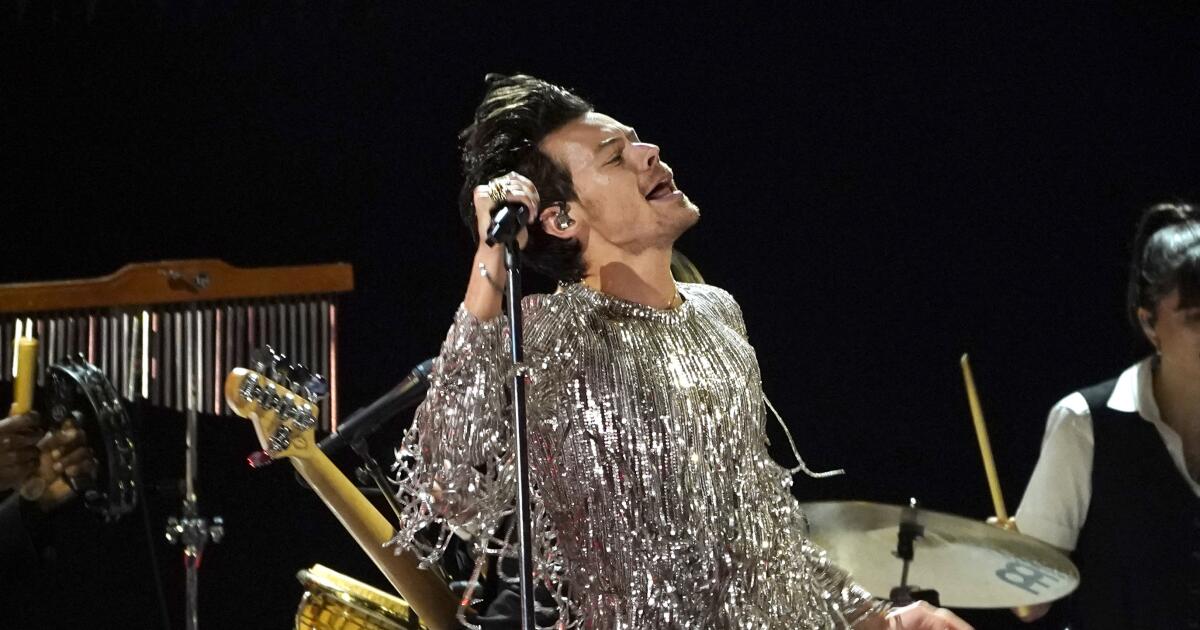
The company — one of the three largest recorded music firms — said it is explicitly opting out of the use of its music for training or developing AI models through text or data mining or web scraping as it relates to lyrics, audio recordings, artwork, musical compositions and images. Sony Music Group artists include Celine Dion, Doja Cat and Harry Styles.
“We support artists and songwriters taking the lead in embracing new technologies in support of their art,” Sony Music Group said in a statement on its website Thursday. “Evolutions in technology have frequently shifted the course of creative industries. … However, that innovation must ensure that songwriters’ and recording artists’ rights, including copyrights, are respected.”
The letters were sent to companies including San Francisco-based ChatGPT creator OpenAI and Mountain View-based search giant Google, according to a person familiar with the matter who was not authorized to speak publicly. OpenAI and Google did not immediately respond to requests for comment.
The move comes as the entertainment industry is grappling with rapid innovations in artificial intelligence technology. Writers and actors raised concerns last summer about whether leaving AI unchecked could threaten their livelihoods. Meanwhile, some creatives have marveled at the advancements that could allow them to pursue bold ideas with tight budgets.
This year, OpenAI unveiled its text-to-video tool Sora, which was used to create a four-minute music video for music artist Washed Out. The director of the video told The Times that Sora helped him depict multiple locations and visual effects that he otherwise couldn’t have.
But AI can also create chaos. Celebrities have dealt with “deep fakes” — false videos or audio depicting a celebrity endorsing certain brands or activities. To help protect their clients against unauthorized use of their voice and likeness, Century City-based Creative Artists Agency is helping talent create their own digital doubles.
On Thursday, two New York voice-over actors sued Berkeley-based AI voice generator business Lovo for unauthorized use of their voices. Lovo did not immediately return a request for comment. The lawsuit was filed in U.S. District Court for the Southern District of New York.
Some people in the entertainment industry have said they would like the AI companies to be more transparent about how they are training their tools and whether they have the appropriate copyright permissions.
OpenAI has said its large language models, including those that power ChatGPT, are developed through information available publicly on the internet, material acquired through licenses with third parties and information its users and “human trainers” provide.
The company said in a blog post that it believes training AI models on publicly available materials on the internet is “fair use.”
But some media outlets, including the New York Times, have sued OpenAI. The newspaper raised alarms about how its stories are being used by the tech company.
In Sony Music Group’s letters to AI businesses, the company said it has reason to believe its content may have been used to train, develop or commercialize artificial intelligence systems without its permission, according to a copy obtained by the Times. Sony Music Group asked the tech companies to provide information regarding that use and why it was necessary.
Sony Music Group, owned by Tokyo-based electronics giant Sony Corp., also wants music streaming providers to add language in its terms of service saying that third parties are not allowed to mine and train using Sony Music Group content, the person familiar with the matter said.



