


Washington DC
New York
Toronto
Distribution: (800) 510 9863
Press ID
  • Login
Binghamton Herald
Advertisement
Wednesday, May 27, 2026
  • Home
  • World
  • Politics
  • Business
  • Technology
  • Culture
  • Health
  • Entertainment
  • Trending
No Result
View All Result
Binghamton Herald
No Result
View All Result
Home Trending

Severe Turbulence Hits Germany-Bound Lufthansa Flight, 7 Hospitalised: Report

by Binghamton Herald Report
March 2, 2023
in Trending
Share on FacebookShare on Twitter

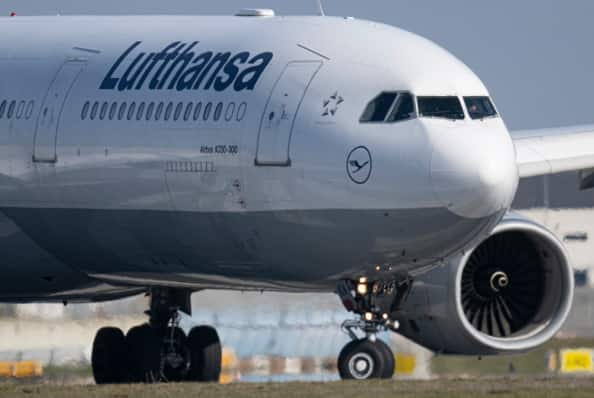
A Lufthansa flight that suffered “severe turbulence” was diverted to Washington Dulles International Airport, and seven persons on board were transferred to nearby hospitals, according to authorities, news agency Associated Press (AP) reported.

Flight 469 from Austin, Texas, was scheduled to land in Frankfurt, Germany, but arrived safely in Virginia on Wednesday evening, according to Metropolitan Washington Airports Authority spokesman Michael Cabbage.

Cabbage added that crews rushed to the aeroplane and transported seven individuals to hospitals with minor injuries.

The Airbus A330 experienced strong turbulence while flying over Tennessee at a height of 37,000 feet (approximately 11,300 metres), according to the Federal Aviation Administration. The agency is looking into it.

Passenger Susan Zimmerman, 34, of Austin, Texas, claimed one of the pilots told the cabin that the plane had dropped 1,000 feet (305 metres) during the incident, which occurred unexpectedly.

Speaking with AP over phone, she stated: “It felt like the bottom just dropped out from underneath. Everything was floating up. For a moment, you are weightless.”

The brief but strong turbulence happened around 90 minutes after departure, prompting the unexpected landing as a precaution, according to Lufthansa. The afflicted passengers were given medical assistance after landing, and Lufthansa ground employees were attempting to rebook travellers, according to the airline.

“The safety and well-being of passengers and crew members is Lufthansa’s top priority at all times,” the statement was quoted by AP in its report. 

According to a 2021 NTSB study, turbulence is still a major cause of accidents and injuries during flight. Between 2009 and 2018, turbulence was responsible for 37.6% of all accidents on major commercial flights.

Turbulence is defined as unstable air that travels in an unexpected manner. Most people connect it with severe thunderstorms. The most dangerous variety, though, is clear-air turbulence, which can be difficult to forecast and frequently occurs with no obvious warning in the sky ahead.

Storms raced over Tennessee on Wednesday night, causing high winds in the upper atmosphere, according to Scott Unger, a senior forecaster with the National Weather Service in Nashville.

“It was very windy aloft, which could lead easily lead to the possibility of turbulence with any flight,” he was quoted by AP in its report. 

The turbulence happened during lunch service, and passengers and employees were roaming throughout the cabin, according to Zimmerman, who is five months pregnant. She said she was still wearing her seatbelt and that neither she nor her baby were hurt.

“I’m pretty sure she slept through it,” she said. “She’s surrounded in amniotic fluid.”

(With Inputs From AP)


A Lufthansa flight that suffered “severe turbulence” was diverted to Washington Dulles International Airport, and seven persons on board were transferred to nearby hospitals, according to authorities, news agency Associated Press (AP) reported.

Flight 469 from Austin, Texas, was scheduled to land in Frankfurt, Germany, but arrived safely in Virginia on Wednesday evening, according to Metropolitan Washington Airports Authority spokesman Michael Cabbage.

Cabbage added that crews rushed to the aeroplane and transported seven individuals to hospitals with minor injuries.

The Airbus A330 experienced strong turbulence while flying over Tennessee at a height of 37,000 feet (approximately 11,300 metres), according to the Federal Aviation Administration. The agency is looking into it.

Passenger Susan Zimmerman, 34, of Austin, Texas, claimed one of the pilots told the cabin that the plane had dropped 1,000 feet (305 metres) during the incident, which occurred unexpectedly.

Speaking with AP over phone, she stated: “It felt like the bottom just dropped out from underneath. Everything was floating up. For a moment, you are weightless.”

The brief but strong turbulence happened around 90 minutes after departure, prompting the unexpected landing as a precaution, according to Lufthansa. The afflicted passengers were given medical assistance after landing, and Lufthansa ground employees were attempting to rebook travellers, according to the airline.

“The safety and well-being of passengers and crew members is Lufthansa’s top priority at all times,” the statement was quoted by AP in its report. 

According to a 2021 NTSB study, turbulence is still a major cause of accidents and injuries during flight. Between 2009 and 2018, turbulence was responsible for 37.6% of all accidents on major commercial flights.

Turbulence is defined as unstable air that travels in an unexpected manner. Most people connect it with severe thunderstorms. The most dangerous variety, though, is clear-air turbulence, which can be difficult to forecast and frequently occurs with no obvious warning in the sky ahead.

Storms raced over Tennessee on Wednesday night, causing high winds in the upper atmosphere, according to Scott Unger, a senior forecaster with the National Weather Service in Nashville.

“It was very windy aloft, which could lead easily lead to the possibility of turbulence with any flight,” he was quoted by AP in its report. 

The turbulence happened during lunch service, and passengers and employees were roaming throughout the cabin, according to Zimmerman, who is five months pregnant. She said she was still wearing her seatbelt and that neither she nor her baby were hurt.

“I’m pretty sure she slept through it,” she said. “She’s surrounded in amniotic fluid.”

(With Inputs From AP)


A Lufthansa flight that suffered “severe turbulence” was diverted to Washington Dulles International Airport, and seven persons on board were transferred to nearby hospitals, according to authorities, news agency Associated Press (AP) reported.

Flight 469 from Austin, Texas, was scheduled to land in Frankfurt, Germany, but arrived safely in Virginia on Wednesday evening, according to Metropolitan Washington Airports Authority spokesman Michael Cabbage.

Cabbage added that crews rushed to the aeroplane and transported seven individuals to hospitals with minor injuries.

The Airbus A330 experienced strong turbulence while flying over Tennessee at a height of 37,000 feet (approximately 11,300 metres), according to the Federal Aviation Administration. The agency is looking into it.

Passenger Susan Zimmerman, 34, of Austin, Texas, claimed one of the pilots told the cabin that the plane had dropped 1,000 feet (305 metres) during the incident, which occurred unexpectedly.

Speaking with AP over phone, she stated: “It felt like the bottom just dropped out from underneath. Everything was floating up. For a moment, you are weightless.”

The brief but strong turbulence happened around 90 minutes after departure, prompting the unexpected landing as a precaution, according to Lufthansa. The afflicted passengers were given medical assistance after landing, and Lufthansa ground employees were attempting to rebook travellers, according to the airline.

“The safety and well-being of passengers and crew members is Lufthansa’s top priority at all times,” the statement was quoted by AP in its report. 

According to a 2021 NTSB study, turbulence is still a major cause of accidents and injuries during flight. Between 2009 and 2018, turbulence was responsible for 37.6% of all accidents on major commercial flights.

Turbulence is defined as unstable air that travels in an unexpected manner. Most people connect it with severe thunderstorms. The most dangerous variety, though, is clear-air turbulence, which can be difficult to forecast and frequently occurs with no obvious warning in the sky ahead.

Storms raced over Tennessee on Wednesday night, causing high winds in the upper atmosphere, according to Scott Unger, a senior forecaster with the National Weather Service in Nashville.

“It was very windy aloft, which could lead easily lead to the possibility of turbulence with any flight,” he was quoted by AP in its report. 

The turbulence happened during lunch service, and passengers and employees were roaming throughout the cabin, according to Zimmerman, who is five months pregnant. She said she was still wearing her seatbelt and that neither she nor her baby were hurt.

“I’m pretty sure she slept through it,” she said. “She’s surrounded in amniotic fluid.”

(With Inputs From AP)


A Lufthansa flight that suffered “severe turbulence” was diverted to Washington Dulles International Airport, and seven persons on board were transferred to nearby hospitals, according to authorities, news agency Associated Press (AP) reported.

Flight 469 from Austin, Texas, was scheduled to land in Frankfurt, Germany, but arrived safely in Virginia on Wednesday evening, according to Metropolitan Washington Airports Authority spokesman Michael Cabbage.

Cabbage added that crews rushed to the aeroplane and transported seven individuals to hospitals with minor injuries.

The Airbus A330 experienced strong turbulence while flying over Tennessee at a height of 37,000 feet (approximately 11,300 metres), according to the Federal Aviation Administration. The agency is looking into it.

Passenger Susan Zimmerman, 34, of Austin, Texas, claimed one of the pilots told the cabin that the plane had dropped 1,000 feet (305 metres) during the incident, which occurred unexpectedly.

Speaking with AP over phone, she stated: “It felt like the bottom just dropped out from underneath. Everything was floating up. For a moment, you are weightless.”

The brief but strong turbulence happened around 90 minutes after departure, prompting the unexpected landing as a precaution, according to Lufthansa. The afflicted passengers were given medical assistance after landing, and Lufthansa ground employees were attempting to rebook travellers, according to the airline.

“The safety and well-being of passengers and crew members is Lufthansa’s top priority at all times,” the statement was quoted by AP in its report. 

According to a 2021 NTSB study, turbulence is still a major cause of accidents and injuries during flight. Between 2009 and 2018, turbulence was responsible for 37.6% of all accidents on major commercial flights.

Turbulence is defined as unstable air that travels in an unexpected manner. Most people connect it with severe thunderstorms. The most dangerous variety, though, is clear-air turbulence, which can be difficult to forecast and frequently occurs with no obvious warning in the sky ahead.

Storms raced over Tennessee on Wednesday night, causing high winds in the upper atmosphere, according to Scott Unger, a senior forecaster with the National Weather Service in Nashville.

“It was very windy aloft, which could lead easily lead to the possibility of turbulence with any flight,” he was quoted by AP in its report. 

The turbulence happened during lunch service, and passengers and employees were roaming throughout the cabin, according to Zimmerman, who is five months pregnant. She said she was still wearing her seatbelt and that neither she nor her baby were hurt.

“I’m pretty sure she slept through it,” she said. “She’s surrounded in amniotic fluid.”

(With Inputs From AP)


A Lufthansa flight that suffered “severe turbulence” was diverted to Washington Dulles International Airport, and seven persons on board were transferred to nearby hospitals, according to authorities, news agency Associated Press (AP) reported.

Flight 469 from Austin, Texas, was scheduled to land in Frankfurt, Germany, but arrived safely in Virginia on Wednesday evening, according to Metropolitan Washington Airports Authority spokesman Michael Cabbage.

Cabbage added that crews rushed to the aeroplane and transported seven individuals to hospitals with minor injuries.

The Airbus A330 experienced strong turbulence while flying over Tennessee at a height of 37,000 feet (approximately 11,300 metres), according to the Federal Aviation Administration. The agency is looking into it.

Passenger Susan Zimmerman, 34, of Austin, Texas, claimed one of the pilots told the cabin that the plane had dropped 1,000 feet (305 metres) during the incident, which occurred unexpectedly.

Speaking with AP over phone, she stated: “It felt like the bottom just dropped out from underneath. Everything was floating up. For a moment, you are weightless.”

The brief but strong turbulence happened around 90 minutes after departure, prompting the unexpected landing as a precaution, according to Lufthansa. The afflicted passengers were given medical assistance after landing, and Lufthansa ground employees were attempting to rebook travellers, according to the airline.

“The safety and well-being of passengers and crew members is Lufthansa’s top priority at all times,” the statement was quoted by AP in its report. 

According to a 2021 NTSB study, turbulence is still a major cause of accidents and injuries during flight. Between 2009 and 2018, turbulence was responsible for 37.6% of all accidents on major commercial flights.

Turbulence is defined as unstable air that travels in an unexpected manner. Most people connect it with severe thunderstorms. The most dangerous variety, though, is clear-air turbulence, which can be difficult to forecast and frequently occurs with no obvious warning in the sky ahead.

Storms raced over Tennessee on Wednesday night, causing high winds in the upper atmosphere, according to Scott Unger, a senior forecaster with the National Weather Service in Nashville.

“It was very windy aloft, which could lead easily lead to the possibility of turbulence with any flight,” he was quoted by AP in its report. 

The turbulence happened during lunch service, and passengers and employees were roaming throughout the cabin, according to Zimmerman, who is five months pregnant. She said she was still wearing her seatbelt and that neither she nor her baby were hurt.

“I’m pretty sure she slept through it,” she said. “She’s surrounded in amniotic fluid.”

(With Inputs From AP)


A Lufthansa flight that suffered “severe turbulence” was diverted to Washington Dulles International Airport, and seven persons on board were transferred to nearby hospitals, according to authorities, news agency Associated Press (AP) reported.

Flight 469 from Austin, Texas, was scheduled to land in Frankfurt, Germany, but arrived safely in Virginia on Wednesday evening, according to Metropolitan Washington Airports Authority spokesman Michael Cabbage.

Cabbage added that crews rushed to the aeroplane and transported seven individuals to hospitals with minor injuries.

The Airbus A330 experienced strong turbulence while flying over Tennessee at a height of 37,000 feet (approximately 11,300 metres), according to the Federal Aviation Administration. The agency is looking into it.

Passenger Susan Zimmerman, 34, of Austin, Texas, claimed one of the pilots told the cabin that the plane had dropped 1,000 feet (305 metres) during the incident, which occurred unexpectedly.

Speaking with AP over phone, she stated: “It felt like the bottom just dropped out from underneath. Everything was floating up. For a moment, you are weightless.”

The brief but strong turbulence happened around 90 minutes after departure, prompting the unexpected landing as a precaution, according to Lufthansa. The afflicted passengers were given medical assistance after landing, and Lufthansa ground employees were attempting to rebook travellers, according to the airline.

“The safety and well-being of passengers and crew members is Lufthansa’s top priority at all times,” the statement was quoted by AP in its report. 

According to a 2021 NTSB study, turbulence is still a major cause of accidents and injuries during flight. Between 2009 and 2018, turbulence was responsible for 37.6% of all accidents on major commercial flights.

Turbulence is defined as unstable air that travels in an unexpected manner. Most people connect it with severe thunderstorms. The most dangerous variety, though, is clear-air turbulence, which can be difficult to forecast and frequently occurs with no obvious warning in the sky ahead.

Storms raced over Tennessee on Wednesday night, causing high winds in the upper atmosphere, according to Scott Unger, a senior forecaster with the National Weather Service in Nashville.

“It was very windy aloft, which could lead easily lead to the possibility of turbulence with any flight,” he was quoted by AP in its report. 

The turbulence happened during lunch service, and passengers and employees were roaming throughout the cabin, according to Zimmerman, who is five months pregnant. She said she was still wearing her seatbelt and that neither she nor her baby were hurt.

“I’m pretty sure she slept through it,” she said. “She’s surrounded in amniotic fluid.”

(With Inputs From AP)


A Lufthansa flight that suffered “severe turbulence” was diverted to Washington Dulles International Airport, and seven persons on board were transferred to nearby hospitals, according to authorities, news agency Associated Press (AP) reported.

Flight 469 from Austin, Texas, was scheduled to land in Frankfurt, Germany, but arrived safely in Virginia on Wednesday evening, according to Metropolitan Washington Airports Authority spokesman Michael Cabbage.

Cabbage added that crews rushed to the aeroplane and transported seven individuals to hospitals with minor injuries.

The Airbus A330 experienced strong turbulence while flying over Tennessee at a height of 37,000 feet (approximately 11,300 metres), according to the Federal Aviation Administration. The agency is looking into it.

Passenger Susan Zimmerman, 34, of Austin, Texas, claimed one of the pilots told the cabin that the plane had dropped 1,000 feet (305 metres) during the incident, which occurred unexpectedly.

Speaking with AP over phone, she stated: “It felt like the bottom just dropped out from underneath. Everything was floating up. For a moment, you are weightless.”

The brief but strong turbulence happened around 90 minutes after departure, prompting the unexpected landing as a precaution, according to Lufthansa. The afflicted passengers were given medical assistance after landing, and Lufthansa ground employees were attempting to rebook travellers, according to the airline.

“The safety and well-being of passengers and crew members is Lufthansa’s top priority at all times,” the statement was quoted by AP in its report. 

According to a 2021 NTSB study, turbulence is still a major cause of accidents and injuries during flight. Between 2009 and 2018, turbulence was responsible for 37.6% of all accidents on major commercial flights.

Turbulence is defined as unstable air that travels in an unexpected manner. Most people connect it with severe thunderstorms. The most dangerous variety, though, is clear-air turbulence, which can be difficult to forecast and frequently occurs with no obvious warning in the sky ahead.

Storms raced over Tennessee on Wednesday night, causing high winds in the upper atmosphere, according to Scott Unger, a senior forecaster with the National Weather Service in Nashville.

“It was very windy aloft, which could lead easily lead to the possibility of turbulence with any flight,” he was quoted by AP in its report. 

The turbulence happened during lunch service, and passengers and employees were roaming throughout the cabin, according to Zimmerman, who is five months pregnant. She said she was still wearing her seatbelt and that neither she nor her baby were hurt.

“I’m pretty sure she slept through it,” she said. “She’s surrounded in amniotic fluid.”

(With Inputs From AP)


A Lufthansa flight that suffered “severe turbulence” was diverted to Washington Dulles International Airport, and seven persons on board were transferred to nearby hospitals, according to authorities, news agency Associated Press (AP) reported.

Flight 469 from Austin, Texas, was scheduled to land in Frankfurt, Germany, but arrived safely in Virginia on Wednesday evening, according to Metropolitan Washington Airports Authority spokesman Michael Cabbage.

Cabbage added that crews rushed to the aeroplane and transported seven individuals to hospitals with minor injuries.

The Airbus A330 experienced strong turbulence while flying over Tennessee at a height of 37,000 feet (approximately 11,300 metres), according to the Federal Aviation Administration. The agency is looking into it.

Passenger Susan Zimmerman, 34, of Austin, Texas, claimed one of the pilots told the cabin that the plane had dropped 1,000 feet (305 metres) during the incident, which occurred unexpectedly.

Speaking with AP over phone, she stated: “It felt like the bottom just dropped out from underneath. Everything was floating up. For a moment, you are weightless.”

The brief but strong turbulence happened around 90 minutes after departure, prompting the unexpected landing as a precaution, according to Lufthansa. The afflicted passengers were given medical assistance after landing, and Lufthansa ground employees were attempting to rebook travellers, according to the airline.

“The safety and well-being of passengers and crew members is Lufthansa’s top priority at all times,” the statement was quoted by AP in its report. 

According to a 2021 NTSB study, turbulence is still a major cause of accidents and injuries during flight. Between 2009 and 2018, turbulence was responsible for 37.6% of all accidents on major commercial flights.

Turbulence is defined as unstable air that travels in an unexpected manner. Most people connect it with severe thunderstorms. The most dangerous variety, though, is clear-air turbulence, which can be difficult to forecast and frequently occurs with no obvious warning in the sky ahead.

Storms raced over Tennessee on Wednesday night, causing high winds in the upper atmosphere, according to Scott Unger, a senior forecaster with the National Weather Service in Nashville.

“It was very windy aloft, which could lead easily lead to the possibility of turbulence with any flight,” he was quoted by AP in its report. 

The turbulence happened during lunch service, and passengers and employees were roaming throughout the cabin, according to Zimmerman, who is five months pregnant. She said she was still wearing her seatbelt and that neither she nor her baby were hurt.

“I’m pretty sure she slept through it,” she said. “She’s surrounded in amniotic fluid.”

(With Inputs From AP)


A Lufthansa flight that suffered “severe turbulence” was diverted to Washington Dulles International Airport, and seven persons on board were transferred to nearby hospitals, according to authorities, news agency Associated Press (AP) reported.

Flight 469 from Austin, Texas, was scheduled to land in Frankfurt, Germany, but arrived safely in Virginia on Wednesday evening, according to Metropolitan Washington Airports Authority spokesman Michael Cabbage.

Cabbage added that crews rushed to the aeroplane and transported seven individuals to hospitals with minor injuries.

The Airbus A330 experienced strong turbulence while flying over Tennessee at a height of 37,000 feet (approximately 11,300 metres), according to the Federal Aviation Administration. The agency is looking into it.

Passenger Susan Zimmerman, 34, of Austin, Texas, claimed one of the pilots told the cabin that the plane had dropped 1,000 feet (305 metres) during the incident, which occurred unexpectedly.

Speaking with AP over phone, she stated: “It felt like the bottom just dropped out from underneath. Everything was floating up. For a moment, you are weightless.”

The brief but strong turbulence happened around 90 minutes after departure, prompting the unexpected landing as a precaution, according to Lufthansa. The afflicted passengers were given medical assistance after landing, and Lufthansa ground employees were attempting to rebook travellers, according to the airline.

“The safety and well-being of passengers and crew members is Lufthansa’s top priority at all times,” the statement was quoted by AP in its report. 

According to a 2021 NTSB study, turbulence is still a major cause of accidents and injuries during flight. Between 2009 and 2018, turbulence was responsible for 37.6% of all accidents on major commercial flights.

Turbulence is defined as unstable air that travels in an unexpected manner. Most people connect it with severe thunderstorms. The most dangerous variety, though, is clear-air turbulence, which can be difficult to forecast and frequently occurs with no obvious warning in the sky ahead.

Storms raced over Tennessee on Wednesday night, causing high winds in the upper atmosphere, according to Scott Unger, a senior forecaster with the National Weather Service in Nashville.

“It was very windy aloft, which could lead easily lead to the possibility of turbulence with any flight,” he was quoted by AP in its report. 

The turbulence happened during lunch service, and passengers and employees were roaming throughout the cabin, according to Zimmerman, who is five months pregnant. She said she was still wearing her seatbelt and that neither she nor her baby were hurt.

“I’m pretty sure she slept through it,” she said. “She’s surrounded in amniotic fluid.”

(With Inputs From AP)


A Lufthansa flight that suffered “severe turbulence” was diverted to Washington Dulles International Airport, and seven persons on board were transferred to nearby hospitals, according to authorities, news agency Associated Press (AP) reported.

Flight 469 from Austin, Texas, was scheduled to land in Frankfurt, Germany, but arrived safely in Virginia on Wednesday evening, according to Metropolitan Washington Airports Authority spokesman Michael Cabbage.

Cabbage added that crews rushed to the aeroplane and transported seven individuals to hospitals with minor injuries.

The Airbus A330 experienced strong turbulence while flying over Tennessee at a height of 37,000 feet (approximately 11,300 metres), according to the Federal Aviation Administration. The agency is looking into it.

Passenger Susan Zimmerman, 34, of Austin, Texas, claimed one of the pilots told the cabin that the plane had dropped 1,000 feet (305 metres) during the incident, which occurred unexpectedly.

Speaking with AP over phone, she stated: “It felt like the bottom just dropped out from underneath. Everything was floating up. For a moment, you are weightless.”

The brief but strong turbulence happened around 90 minutes after departure, prompting the unexpected landing as a precaution, according to Lufthansa. The afflicted passengers were given medical assistance after landing, and Lufthansa ground employees were attempting to rebook travellers, according to the airline.

“The safety and well-being of passengers and crew members is Lufthansa’s top priority at all times,” the statement was quoted by AP in its report. 

According to a 2021 NTSB study, turbulence is still a major cause of accidents and injuries during flight. Between 2009 and 2018, turbulence was responsible for 37.6% of all accidents on major commercial flights.

Turbulence is defined as unstable air that travels in an unexpected manner. Most people connect it with severe thunderstorms. The most dangerous variety, though, is clear-air turbulence, which can be difficult to forecast and frequently occurs with no obvious warning in the sky ahead.

Storms raced over Tennessee on Wednesday night, causing high winds in the upper atmosphere, according to Scott Unger, a senior forecaster with the National Weather Service in Nashville.

“It was very windy aloft, which could lead easily lead to the possibility of turbulence with any flight,” he was quoted by AP in its report. 

The turbulence happened during lunch service, and passengers and employees were roaming throughout the cabin, according to Zimmerman, who is five months pregnant. She said she was still wearing her seatbelt and that neither she nor her baby were hurt.

“I’m pretty sure she slept through it,” she said. “She’s surrounded in amniotic fluid.”

(With Inputs From AP)


A Lufthansa flight that suffered “severe turbulence” was diverted to Washington Dulles International Airport, and seven persons on board were transferred to nearby hospitals, according to authorities, news agency Associated Press (AP) reported.

Flight 469 from Austin, Texas, was scheduled to land in Frankfurt, Germany, but arrived safely in Virginia on Wednesday evening, according to Metropolitan Washington Airports Authority spokesman Michael Cabbage.

Cabbage added that crews rushed to the aeroplane and transported seven individuals to hospitals with minor injuries.

The Airbus A330 experienced strong turbulence while flying over Tennessee at a height of 37,000 feet (approximately 11,300 metres), according to the Federal Aviation Administration. The agency is looking into it.

Passenger Susan Zimmerman, 34, of Austin, Texas, claimed one of the pilots told the cabin that the plane had dropped 1,000 feet (305 metres) during the incident, which occurred unexpectedly.

Speaking with AP over phone, she stated: “It felt like the bottom just dropped out from underneath. Everything was floating up. For a moment, you are weightless.”

The brief but strong turbulence happened around 90 minutes after departure, prompting the unexpected landing as a precaution, according to Lufthansa. The afflicted passengers were given medical assistance after landing, and Lufthansa ground employees were attempting to rebook travellers, according to the airline.

“The safety and well-being of passengers and crew members is Lufthansa’s top priority at all times,” the statement was quoted by AP in its report. 

According to a 2021 NTSB study, turbulence is still a major cause of accidents and injuries during flight. Between 2009 and 2018, turbulence was responsible for 37.6% of all accidents on major commercial flights.

Turbulence is defined as unstable air that travels in an unexpected manner. Most people connect it with severe thunderstorms. The most dangerous variety, though, is clear-air turbulence, which can be difficult to forecast and frequently occurs with no obvious warning in the sky ahead.

Storms raced over Tennessee on Wednesday night, causing high winds in the upper atmosphere, according to Scott Unger, a senior forecaster with the National Weather Service in Nashville.

“It was very windy aloft, which could lead easily lead to the possibility of turbulence with any flight,” he was quoted by AP in its report. 

The turbulence happened during lunch service, and passengers and employees were roaming throughout the cabin, according to Zimmerman, who is five months pregnant. She said she was still wearing her seatbelt and that neither she nor her baby were hurt.

“I’m pretty sure she slept through it,” she said. “She’s surrounded in amniotic fluid.”

(With Inputs From AP)


A Lufthansa flight that suffered “severe turbulence” was diverted to Washington Dulles International Airport, and seven persons on board were transferred to nearby hospitals, according to authorities, news agency Associated Press (AP) reported.

Flight 469 from Austin, Texas, was scheduled to land in Frankfurt, Germany, but arrived safely in Virginia on Wednesday evening, according to Metropolitan Washington Airports Authority spokesman Michael Cabbage.

Cabbage added that crews rushed to the aeroplane and transported seven individuals to hospitals with minor injuries.

The Airbus A330 experienced strong turbulence while flying over Tennessee at a height of 37,000 feet (approximately 11,300 metres), according to the Federal Aviation Administration. The agency is looking into it.

Passenger Susan Zimmerman, 34, of Austin, Texas, claimed one of the pilots told the cabin that the plane had dropped 1,000 feet (305 metres) during the incident, which occurred unexpectedly.

Speaking with AP over phone, she stated: “It felt like the bottom just dropped out from underneath. Everything was floating up. For a moment, you are weightless.”

The brief but strong turbulence happened around 90 minutes after departure, prompting the unexpected landing as a precaution, according to Lufthansa. The afflicted passengers were given medical assistance after landing, and Lufthansa ground employees were attempting to rebook travellers, according to the airline.

“The safety and well-being of passengers and crew members is Lufthansa’s top priority at all times,” the statement was quoted by AP in its report. 

According to a 2021 NTSB study, turbulence is still a major cause of accidents and injuries during flight. Between 2009 and 2018, turbulence was responsible for 37.6% of all accidents on major commercial flights.

Turbulence is defined as unstable air that travels in an unexpected manner. Most people connect it with severe thunderstorms. The most dangerous variety, though, is clear-air turbulence, which can be difficult to forecast and frequently occurs with no obvious warning in the sky ahead.

Storms raced over Tennessee on Wednesday night, causing high winds in the upper atmosphere, according to Scott Unger, a senior forecaster with the National Weather Service in Nashville.

“It was very windy aloft, which could lead easily lead to the possibility of turbulence with any flight,” he was quoted by AP in its report. 

The turbulence happened during lunch service, and passengers and employees were roaming throughout the cabin, according to Zimmerman, who is five months pregnant. She said she was still wearing her seatbelt and that neither she nor her baby were hurt.

“I’m pretty sure she slept through it,” she said. “She’s surrounded in amniotic fluid.”

(With Inputs From AP)


A Lufthansa flight that suffered “severe turbulence” was diverted to Washington Dulles International Airport, and seven persons on board were transferred to nearby hospitals, according to authorities, news agency Associated Press (AP) reported.

Flight 469 from Austin, Texas, was scheduled to land in Frankfurt, Germany, but arrived safely in Virginia on Wednesday evening, according to Metropolitan Washington Airports Authority spokesman Michael Cabbage.

Cabbage added that crews rushed to the aeroplane and transported seven individuals to hospitals with minor injuries.

The Airbus A330 experienced strong turbulence while flying over Tennessee at a height of 37,000 feet (approximately 11,300 metres), according to the Federal Aviation Administration. The agency is looking into it.

Passenger Susan Zimmerman, 34, of Austin, Texas, claimed one of the pilots told the cabin that the plane had dropped 1,000 feet (305 metres) during the incident, which occurred unexpectedly.

Speaking with AP over phone, she stated: “It felt like the bottom just dropped out from underneath. Everything was floating up. For a moment, you are weightless.”

The brief but strong turbulence happened around 90 minutes after departure, prompting the unexpected landing as a precaution, according to Lufthansa. The afflicted passengers were given medical assistance after landing, and Lufthansa ground employees were attempting to rebook travellers, according to the airline.

“The safety and well-being of passengers and crew members is Lufthansa’s top priority at all times,” the statement was quoted by AP in its report. 

According to a 2021 NTSB study, turbulence is still a major cause of accidents and injuries during flight. Between 2009 and 2018, turbulence was responsible for 37.6% of all accidents on major commercial flights.

Turbulence is defined as unstable air that travels in an unexpected manner. Most people connect it with severe thunderstorms. The most dangerous variety, though, is clear-air turbulence, which can be difficult to forecast and frequently occurs with no obvious warning in the sky ahead.

Storms raced over Tennessee on Wednesday night, causing high winds in the upper atmosphere, according to Scott Unger, a senior forecaster with the National Weather Service in Nashville.

“It was very windy aloft, which could lead easily lead to the possibility of turbulence with any flight,” he was quoted by AP in its report. 

The turbulence happened during lunch service, and passengers and employees were roaming throughout the cabin, according to Zimmerman, who is five months pregnant. She said she was still wearing her seatbelt and that neither she nor her baby were hurt.

“I’m pretty sure she slept through it,” she said. “She’s surrounded in amniotic fluid.”

(With Inputs From AP)


A Lufthansa flight that suffered “severe turbulence” was diverted to Washington Dulles International Airport, and seven persons on board were transferred to nearby hospitals, according to authorities, news agency Associated Press (AP) reported.

Flight 469 from Austin, Texas, was scheduled to land in Frankfurt, Germany, but arrived safely in Virginia on Wednesday evening, according to Metropolitan Washington Airports Authority spokesman Michael Cabbage.

Cabbage added that crews rushed to the aeroplane and transported seven individuals to hospitals with minor injuries.

The Airbus A330 experienced strong turbulence while flying over Tennessee at a height of 37,000 feet (approximately 11,300 metres), according to the Federal Aviation Administration. The agency is looking into it.

Passenger Susan Zimmerman, 34, of Austin, Texas, claimed one of the pilots told the cabin that the plane had dropped 1,000 feet (305 metres) during the incident, which occurred unexpectedly.

Speaking with AP over phone, she stated: “It felt like the bottom just dropped out from underneath. Everything was floating up. For a moment, you are weightless.”

The brief but strong turbulence happened around 90 minutes after departure, prompting the unexpected landing as a precaution, according to Lufthansa. The afflicted passengers were given medical assistance after landing, and Lufthansa ground employees were attempting to rebook travellers, according to the airline.

“The safety and well-being of passengers and crew members is Lufthansa’s top priority at all times,” the statement was quoted by AP in its report. 

According to a 2021 NTSB study, turbulence is still a major cause of accidents and injuries during flight. Between 2009 and 2018, turbulence was responsible for 37.6% of all accidents on major commercial flights.

Turbulence is defined as unstable air that travels in an unexpected manner. Most people connect it with severe thunderstorms. The most dangerous variety, though, is clear-air turbulence, which can be difficult to forecast and frequently occurs with no obvious warning in the sky ahead.

Storms raced over Tennessee on Wednesday night, causing high winds in the upper atmosphere, according to Scott Unger, a senior forecaster with the National Weather Service in Nashville.

“It was very windy aloft, which could lead easily lead to the possibility of turbulence with any flight,” he was quoted by AP in its report. 

The turbulence happened during lunch service, and passengers and employees were roaming throughout the cabin, according to Zimmerman, who is five months pregnant. She said she was still wearing her seatbelt and that neither she nor her baby were hurt.

“I’m pretty sure she slept through it,” she said. “She’s surrounded in amniotic fluid.”

(With Inputs From AP)


A Lufthansa flight that suffered “severe turbulence” was diverted to Washington Dulles International Airport, and seven persons on board were transferred to nearby hospitals, according to authorities, news agency Associated Press (AP) reported.

Flight 469 from Austin, Texas, was scheduled to land in Frankfurt, Germany, but arrived safely in Virginia on Wednesday evening, according to Metropolitan Washington Airports Authority spokesman Michael Cabbage.

Cabbage added that crews rushed to the aeroplane and transported seven individuals to hospitals with minor injuries.

The Airbus A330 experienced strong turbulence while flying over Tennessee at a height of 37,000 feet (approximately 11,300 metres), according to the Federal Aviation Administration. The agency is looking into it.

Passenger Susan Zimmerman, 34, of Austin, Texas, claimed one of the pilots told the cabin that the plane had dropped 1,000 feet (305 metres) during the incident, which occurred unexpectedly.

Speaking with AP over phone, she stated: “It felt like the bottom just dropped out from underneath. Everything was floating up. For a moment, you are weightless.”

The brief but strong turbulence happened around 90 minutes after departure, prompting the unexpected landing as a precaution, according to Lufthansa. The afflicted passengers were given medical assistance after landing, and Lufthansa ground employees were attempting to rebook travellers, according to the airline.

“The safety and well-being of passengers and crew members is Lufthansa’s top priority at all times,” the statement was quoted by AP in its report. 

According to a 2021 NTSB study, turbulence is still a major cause of accidents and injuries during flight. Between 2009 and 2018, turbulence was responsible for 37.6% of all accidents on major commercial flights.

Turbulence is defined as unstable air that travels in an unexpected manner. Most people connect it with severe thunderstorms. The most dangerous variety, though, is clear-air turbulence, which can be difficult to forecast and frequently occurs with no obvious warning in the sky ahead.

Storms raced over Tennessee on Wednesday night, causing high winds in the upper atmosphere, according to Scott Unger, a senior forecaster with the National Weather Service in Nashville.

“It was very windy aloft, which could lead easily lead to the possibility of turbulence with any flight,” he was quoted by AP in its report. 

The turbulence happened during lunch service, and passengers and employees were roaming throughout the cabin, according to Zimmerman, who is five months pregnant. She said she was still wearing her seatbelt and that neither she nor her baby were hurt.

“I’m pretty sure she slept through it,” she said. “She’s surrounded in amniotic fluid.”

(With Inputs From AP)


A Lufthansa flight that suffered “severe turbulence” was diverted to Washington Dulles International Airport, and seven persons on board were transferred to nearby hospitals, according to authorities, news agency Associated Press (AP) reported.

Flight 469 from Austin, Texas, was scheduled to land in Frankfurt, Germany, but arrived safely in Virginia on Wednesday evening, according to Metropolitan Washington Airports Authority spokesman Michael Cabbage.

Cabbage added that crews rushed to the aeroplane and transported seven individuals to hospitals with minor injuries.

The Airbus A330 experienced strong turbulence while flying over Tennessee at a height of 37,000 feet (approximately 11,300 metres), according to the Federal Aviation Administration. The agency is looking into it.

Passenger Susan Zimmerman, 34, of Austin, Texas, claimed one of the pilots told the cabin that the plane had dropped 1,000 feet (305 metres) during the incident, which occurred unexpectedly.

Speaking with AP over phone, she stated: “It felt like the bottom just dropped out from underneath. Everything was floating up. For a moment, you are weightless.”

The brief but strong turbulence happened around 90 minutes after departure, prompting the unexpected landing as a precaution, according to Lufthansa. The afflicted passengers were given medical assistance after landing, and Lufthansa ground employees were attempting to rebook travellers, according to the airline.

“The safety and well-being of passengers and crew members is Lufthansa’s top priority at all times,” the statement was quoted by AP in its report. 

According to a 2021 NTSB study, turbulence is still a major cause of accidents and injuries during flight. Between 2009 and 2018, turbulence was responsible for 37.6% of all accidents on major commercial flights.

Turbulence is defined as unstable air that travels in an unexpected manner. Most people connect it with severe thunderstorms. The most dangerous variety, though, is clear-air turbulence, which can be difficult to forecast and frequently occurs with no obvious warning in the sky ahead.

Storms raced over Tennessee on Wednesday night, causing high winds in the upper atmosphere, according to Scott Unger, a senior forecaster with the National Weather Service in Nashville.

“It was very windy aloft, which could lead easily lead to the possibility of turbulence with any flight,” he was quoted by AP in its report. 

The turbulence happened during lunch service, and passengers and employees were roaming throughout the cabin, according to Zimmerman, who is five months pregnant. She said she was still wearing her seatbelt and that neither she nor her baby were hurt.

“I’m pretty sure she slept through it,” she said. “She’s surrounded in amniotic fluid.”

(With Inputs From AP)


Tags: germanyLufthansaLufthansa flightTurbulence
Previous Post

Does this new robot-staffed chocolate emporium signal a themed restaurant comeback?

Next Post

PG&E can keep operating Diablo Canyon — at least for now, feds say

Leave a Reply Cancel reply

Your email address will not be published. Required fields are marked *

BROWSE BY CATEGORIES

  • Business
  • Culture
  • Entertainment
  • Health
  • Politics
  • Technology
  • Trending
  • Uncategorized
  • World
Binghamton Herald

© 2024 Binghamton Herald or its affiliated companies.

Navigate Site

  • About
  • Advertise
  • Terms & Conditions
  • Privacy Policy
  • Disclaimer
  • Contact

Follow Us

No Result
View All Result
  • Home
  • World
  • Politics
  • Business
  • Technology
  • Culture
  • Health
  • Entertainment
  • Trending

© 2024 Binghamton Herald or its affiliated companies.

Welcome Back!

Login to your account below

Forgotten Password?

Retrieve your password

Please enter your username or email address to reset your password.

Log In