


Washington DC
New York
Toronto
Distribution: (800) 510 9863
Press ID
  • Login
Binghamton Herald
Advertisement
Monday, May 18, 2026
  • Home
  • World
  • Politics
  • Business
  • Technology
  • Culture
  • Health
  • Entertainment
  • Trending
No Result
View All Result
Binghamton Herald
No Result
View All Result
Home Trending

Russia To Ban Oil Exports To Nations Using Price Cap From February: Report

by Binghamton Herald Report
December 27, 2022
in Trending
Share on FacebookShare on Twitter

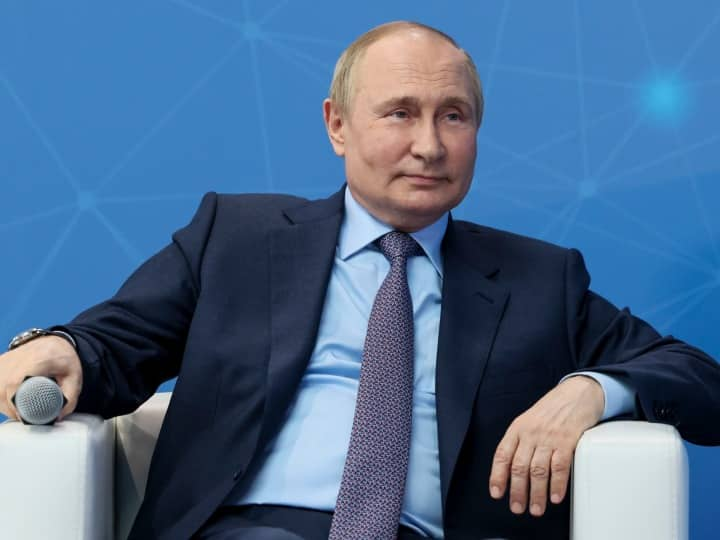
Russia has decided to ban oil exports to countries using price cap from February 2023, reported news agency AFP. The G7 countries – Canada, France, Germany, Italy, Japan, the United Kingdom and the United – the EU, and Australia earlier agreed to cap the price of oil from Russia at $60 per barrel in an order to cut Moscow’s funds for the war against Ukraine. 

Russia had rejected the price caps. Kremlin spokesman Dmitry Peskov said, “We will not accept this cap.”

The West has been trying to coax India into putting an end to the oil deals with Russia. However, India has time and again reaffirmed that it will work in the best interests of its citizens.

Earlier this month External Affairs Minister S Jaishankar again pointed out that the European Union had imported more oil from Russia between February and November than the next 10 countries. He said it was six times of what India had imported. “The oil import in European Union is six times what India has imported. Gas is infinite times because we don’t import it,” EAM S Jaishankar said.

Last month, Secretary of US Treasury Janet Yellen said India can buy as much oil from Russia as it wanted. Indian oil companies may choose to deal with Russia on any pricing they wanted, but they cannot use Western services like insurance, finance, and maritime services, which are bound by the price cap on Russian fuel imports.

The West, especially the US, is closely watching India’s relations with Russia as Russia has increased its supply of discounted oil after the war with Ukraine broke out. Russia and India are also working to trade in Indian Rupee instead of the US Dollar. Russia has decided to set up a Vostro account to facilitate trading in Rupee. On the basis of this, India is in talks with several other Asian, African and Latin American countries to begin trading in Indian Rupee. This could signal an end to the US’s monopoly in global trade currency and strengthen the Rupee.

Russia has decided to ban oil exports to countries using price cap from February 2023, reported news agency AFP. The G7 countries – Canada, France, Germany, Italy, Japan, the United Kingdom and the United – the EU, and Australia earlier agreed to cap the price of oil from Russia at $60 per barrel in an order to cut Moscow’s funds for the war against Ukraine. 

Russia had rejected the price caps. Kremlin spokesman Dmitry Peskov said, “We will not accept this cap.”

The West has been trying to coax India into putting an end to the oil deals with Russia. However, India has time and again reaffirmed that it will work in the best interests of its citizens.

Earlier this month External Affairs Minister S Jaishankar again pointed out that the European Union had imported more oil from Russia between February and November than the next 10 countries. He said it was six times of what India had imported. “The oil import in European Union is six times what India has imported. Gas is infinite times because we don’t import it,” EAM S Jaishankar said.

Last month, Secretary of US Treasury Janet Yellen said India can buy as much oil from Russia as it wanted. Indian oil companies may choose to deal with Russia on any pricing they wanted, but they cannot use Western services like insurance, finance, and maritime services, which are bound by the price cap on Russian fuel imports.

The West, especially the US, is closely watching India’s relations with Russia as Russia has increased its supply of discounted oil after the war with Ukraine broke out. Russia and India are also working to trade in Indian Rupee instead of the US Dollar. Russia has decided to set up a Vostro account to facilitate trading in Rupee. On the basis of this, India is in talks with several other Asian, African and Latin American countries to begin trading in Indian Rupee. This could signal an end to the US’s monopoly in global trade currency and strengthen the Rupee.

Russia has decided to ban oil exports to countries using price cap from February 2023, reported news agency AFP. The G7 countries – Canada, France, Germany, Italy, Japan, the United Kingdom and the United – the EU, and Australia earlier agreed to cap the price of oil from Russia at $60 per barrel in an order to cut Moscow’s funds for the war against Ukraine. 

Russia had rejected the price caps. Kremlin spokesman Dmitry Peskov said, “We will not accept this cap.”

The West has been trying to coax India into putting an end to the oil deals with Russia. However, India has time and again reaffirmed that it will work in the best interests of its citizens.

Earlier this month External Affairs Minister S Jaishankar again pointed out that the European Union had imported more oil from Russia between February and November than the next 10 countries. He said it was six times of what India had imported. “The oil import in European Union is six times what India has imported. Gas is infinite times because we don’t import it,” EAM S Jaishankar said.

Last month, Secretary of US Treasury Janet Yellen said India can buy as much oil from Russia as it wanted. Indian oil companies may choose to deal with Russia on any pricing they wanted, but they cannot use Western services like insurance, finance, and maritime services, which are bound by the price cap on Russian fuel imports.

The West, especially the US, is closely watching India’s relations with Russia as Russia has increased its supply of discounted oil after the war with Ukraine broke out. Russia and India are also working to trade in Indian Rupee instead of the US Dollar. Russia has decided to set up a Vostro account to facilitate trading in Rupee. On the basis of this, India is in talks with several other Asian, African and Latin American countries to begin trading in Indian Rupee. This could signal an end to the US’s monopoly in global trade currency and strengthen the Rupee.

Russia has decided to ban oil exports to countries using price cap from February 2023, reported news agency AFP. The G7 countries – Canada, France, Germany, Italy, Japan, the United Kingdom and the United – the EU, and Australia earlier agreed to cap the price of oil from Russia at $60 per barrel in an order to cut Moscow’s funds for the war against Ukraine. 

Russia had rejected the price caps. Kremlin spokesman Dmitry Peskov said, “We will not accept this cap.”

The West has been trying to coax India into putting an end to the oil deals with Russia. However, India has time and again reaffirmed that it will work in the best interests of its citizens.

Earlier this month External Affairs Minister S Jaishankar again pointed out that the European Union had imported more oil from Russia between February and November than the next 10 countries. He said it was six times of what India had imported. “The oil import in European Union is six times what India has imported. Gas is infinite times because we don’t import it,” EAM S Jaishankar said.

Last month, Secretary of US Treasury Janet Yellen said India can buy as much oil from Russia as it wanted. Indian oil companies may choose to deal with Russia on any pricing they wanted, but they cannot use Western services like insurance, finance, and maritime services, which are bound by the price cap on Russian fuel imports.

The West, especially the US, is closely watching India’s relations with Russia as Russia has increased its supply of discounted oil after the war with Ukraine broke out. Russia and India are also working to trade in Indian Rupee instead of the US Dollar. Russia has decided to set up a Vostro account to facilitate trading in Rupee. On the basis of this, India is in talks with several other Asian, African and Latin American countries to begin trading in Indian Rupee. This could signal an end to the US’s monopoly in global trade currency and strengthen the Rupee.


Russia has decided to ban oil exports to countries using price cap from February 2023, reported news agency AFP. The G7 countries – Canada, France, Germany, Italy, Japan, the United Kingdom and the United – the EU, and Australia earlier agreed to cap the price of oil from Russia at $60 per barrel in an order to cut Moscow’s funds for the war against Ukraine. 

Russia had rejected the price caps. Kremlin spokesman Dmitry Peskov said, “We will not accept this cap.”

The West has been trying to coax India into putting an end to the oil deals with Russia. However, India has time and again reaffirmed that it will work in the best interests of its citizens.

Earlier this month External Affairs Minister S Jaishankar again pointed out that the European Union had imported more oil from Russia between February and November than the next 10 countries. He said it was six times of what India had imported. “The oil import in European Union is six times what India has imported. Gas is infinite times because we don’t import it,” EAM S Jaishankar said.

Last month, Secretary of US Treasury Janet Yellen said India can buy as much oil from Russia as it wanted. Indian oil companies may choose to deal with Russia on any pricing they wanted, but they cannot use Western services like insurance, finance, and maritime services, which are bound by the price cap on Russian fuel imports.

The West, especially the US, is closely watching India’s relations with Russia as Russia has increased its supply of discounted oil after the war with Ukraine broke out. Russia and India are also working to trade in Indian Rupee instead of the US Dollar. Russia has decided to set up a Vostro account to facilitate trading in Rupee. On the basis of this, India is in talks with several other Asian, African and Latin American countries to begin trading in Indian Rupee. This could signal an end to the US’s monopoly in global trade currency and strengthen the Rupee.

Russia has decided to ban oil exports to countries using price cap from February 2023, reported news agency AFP. The G7 countries – Canada, France, Germany, Italy, Japan, the United Kingdom and the United – the EU, and Australia earlier agreed to cap the price of oil from Russia at $60 per barrel in an order to cut Moscow’s funds for the war against Ukraine. 

Russia had rejected the price caps. Kremlin spokesman Dmitry Peskov said, “We will not accept this cap.”

The West has been trying to coax India into putting an end to the oil deals with Russia. However, India has time and again reaffirmed that it will work in the best interests of its citizens.

Earlier this month External Affairs Minister S Jaishankar again pointed out that the European Union had imported more oil from Russia between February and November than the next 10 countries. He said it was six times of what India had imported. “The oil import in European Union is six times what India has imported. Gas is infinite times because we don’t import it,” EAM S Jaishankar said.

Last month, Secretary of US Treasury Janet Yellen said India can buy as much oil from Russia as it wanted. Indian oil companies may choose to deal with Russia on any pricing they wanted, but they cannot use Western services like insurance, finance, and maritime services, which are bound by the price cap on Russian fuel imports.

The West, especially the US, is closely watching India’s relations with Russia as Russia has increased its supply of discounted oil after the war with Ukraine broke out. Russia and India are also working to trade in Indian Rupee instead of the US Dollar. Russia has decided to set up a Vostro account to facilitate trading in Rupee. On the basis of this, India is in talks with several other Asian, African and Latin American countries to begin trading in Indian Rupee. This could signal an end to the US’s monopoly in global trade currency and strengthen the Rupee.

Russia has decided to ban oil exports to countries using price cap from February 2023, reported news agency AFP. The G7 countries – Canada, France, Germany, Italy, Japan, the United Kingdom and the United – the EU, and Australia earlier agreed to cap the price of oil from Russia at $60 per barrel in an order to cut Moscow’s funds for the war against Ukraine. 

Russia had rejected the price caps. Kremlin spokesman Dmitry Peskov said, “We will not accept this cap.”

The West has been trying to coax India into putting an end to the oil deals with Russia. However, India has time and again reaffirmed that it will work in the best interests of its citizens.

Earlier this month External Affairs Minister S Jaishankar again pointed out that the European Union had imported more oil from Russia between February and November than the next 10 countries. He said it was six times of what India had imported. “The oil import in European Union is six times what India has imported. Gas is infinite times because we don’t import it,” EAM S Jaishankar said.

Last month, Secretary of US Treasury Janet Yellen said India can buy as much oil from Russia as it wanted. Indian oil companies may choose to deal with Russia on any pricing they wanted, but they cannot use Western services like insurance, finance, and maritime services, which are bound by the price cap on Russian fuel imports.

The West, especially the US, is closely watching India’s relations with Russia as Russia has increased its supply of discounted oil after the war with Ukraine broke out. Russia and India are also working to trade in Indian Rupee instead of the US Dollar. Russia has decided to set up a Vostro account to facilitate trading in Rupee. On the basis of this, India is in talks with several other Asian, African and Latin American countries to begin trading in Indian Rupee. This could signal an end to the US’s monopoly in global trade currency and strengthen the Rupee.

Russia has decided to ban oil exports to countries using price cap from February 2023, reported news agency AFP. The G7 countries – Canada, France, Germany, Italy, Japan, the United Kingdom and the United – the EU, and Australia earlier agreed to cap the price of oil from Russia at $60 per barrel in an order to cut Moscow’s funds for the war against Ukraine. 

Russia had rejected the price caps. Kremlin spokesman Dmitry Peskov said, “We will not accept this cap.”

The West has been trying to coax India into putting an end to the oil deals with Russia. However, India has time and again reaffirmed that it will work in the best interests of its citizens.

Earlier this month External Affairs Minister S Jaishankar again pointed out that the European Union had imported more oil from Russia between February and November than the next 10 countries. He said it was six times of what India had imported. “The oil import in European Union is six times what India has imported. Gas is infinite times because we don’t import it,” EAM S Jaishankar said.

Last month, Secretary of US Treasury Janet Yellen said India can buy as much oil from Russia as it wanted. Indian oil companies may choose to deal with Russia on any pricing they wanted, but they cannot use Western services like insurance, finance, and maritime services, which are bound by the price cap on Russian fuel imports.

The West, especially the US, is closely watching India’s relations with Russia as Russia has increased its supply of discounted oil after the war with Ukraine broke out. Russia and India are also working to trade in Indian Rupee instead of the US Dollar. Russia has decided to set up a Vostro account to facilitate trading in Rupee. On the basis of this, India is in talks with several other Asian, African and Latin American countries to begin trading in Indian Rupee. This could signal an end to the US’s monopoly in global trade currency and strengthen the Rupee.

Russia has decided to ban oil exports to countries using price cap from February 2023, reported news agency AFP. The G7 countries – Canada, France, Germany, Italy, Japan, the United Kingdom and the United – the EU, and Australia earlier agreed to cap the price of oil from Russia at $60 per barrel in an order to cut Moscow’s funds for the war against Ukraine. 

Russia had rejected the price caps. Kremlin spokesman Dmitry Peskov said, “We will not accept this cap.”

The West has been trying to coax India into putting an end to the oil deals with Russia. However, India has time and again reaffirmed that it will work in the best interests of its citizens.

Earlier this month External Affairs Minister S Jaishankar again pointed out that the European Union had imported more oil from Russia between February and November than the next 10 countries. He said it was six times of what India had imported. “The oil import in European Union is six times what India has imported. Gas is infinite times because we don’t import it,” EAM S Jaishankar said.

Last month, Secretary of US Treasury Janet Yellen said India can buy as much oil from Russia as it wanted. Indian oil companies may choose to deal with Russia on any pricing they wanted, but they cannot use Western services like insurance, finance, and maritime services, which are bound by the price cap on Russian fuel imports.

The West, especially the US, is closely watching India’s relations with Russia as Russia has increased its supply of discounted oil after the war with Ukraine broke out. Russia and India are also working to trade in Indian Rupee instead of the US Dollar. Russia has decided to set up a Vostro account to facilitate trading in Rupee. On the basis of this, India is in talks with several other Asian, African and Latin American countries to begin trading in Indian Rupee. This could signal an end to the US’s monopoly in global trade currency and strengthen the Rupee.

Russia has decided to ban oil exports to countries using price cap from February 2023, reported news agency AFP. The G7 countries – Canada, France, Germany, Italy, Japan, the United Kingdom and the United – the EU, and Australia earlier agreed to cap the price of oil from Russia at $60 per barrel in an order to cut Moscow’s funds for the war against Ukraine. 

Russia had rejected the price caps. Kremlin spokesman Dmitry Peskov said, “We will not accept this cap.”

The West has been trying to coax India into putting an end to the oil deals with Russia. However, India has time and again reaffirmed that it will work in the best interests of its citizens.

Earlier this month External Affairs Minister S Jaishankar again pointed out that the European Union had imported more oil from Russia between February and November than the next 10 countries. He said it was six times of what India had imported. “The oil import in European Union is six times what India has imported. Gas is infinite times because we don’t import it,” EAM S Jaishankar said.

Last month, Secretary of US Treasury Janet Yellen said India can buy as much oil from Russia as it wanted. Indian oil companies may choose to deal with Russia on any pricing they wanted, but they cannot use Western services like insurance, finance, and maritime services, which are bound by the price cap on Russian fuel imports.

The West, especially the US, is closely watching India’s relations with Russia as Russia has increased its supply of discounted oil after the war with Ukraine broke out. Russia and India are also working to trade in Indian Rupee instead of the US Dollar. Russia has decided to set up a Vostro account to facilitate trading in Rupee. On the basis of this, India is in talks with several other Asian, African and Latin American countries to begin trading in Indian Rupee. This could signal an end to the US’s monopoly in global trade currency and strengthen the Rupee.

Russia has decided to ban oil exports to countries using price cap from February 2023, reported news agency AFP. The G7 countries – Canada, France, Germany, Italy, Japan, the United Kingdom and the United – the EU, and Australia earlier agreed to cap the price of oil from Russia at $60 per barrel in an order to cut Moscow’s funds for the war against Ukraine. 

Russia had rejected the price caps. Kremlin spokesman Dmitry Peskov said, “We will not accept this cap.”

The West has been trying to coax India into putting an end to the oil deals with Russia. However, India has time and again reaffirmed that it will work in the best interests of its citizens.

Earlier this month External Affairs Minister S Jaishankar again pointed out that the European Union had imported more oil from Russia between February and November than the next 10 countries. He said it was six times of what India had imported. “The oil import in European Union is six times what India has imported. Gas is infinite times because we don’t import it,” EAM S Jaishankar said.

Last month, Secretary of US Treasury Janet Yellen said India can buy as much oil from Russia as it wanted. Indian oil companies may choose to deal with Russia on any pricing they wanted, but they cannot use Western services like insurance, finance, and maritime services, which are bound by the price cap on Russian fuel imports.

The West, especially the US, is closely watching India’s relations with Russia as Russia has increased its supply of discounted oil after the war with Ukraine broke out. Russia and India are also working to trade in Indian Rupee instead of the US Dollar. Russia has decided to set up a Vostro account to facilitate trading in Rupee. On the basis of this, India is in talks with several other Asian, African and Latin American countries to begin trading in Indian Rupee. This could signal an end to the US’s monopoly in global trade currency and strengthen the Rupee.

Russia has decided to ban oil exports to countries using price cap from February 2023, reported news agency AFP. The G7 countries – Canada, France, Germany, Italy, Japan, the United Kingdom and the United – the EU, and Australia earlier agreed to cap the price of oil from Russia at $60 per barrel in an order to cut Moscow’s funds for the war against Ukraine. 

Russia had rejected the price caps. Kremlin spokesman Dmitry Peskov said, “We will not accept this cap.”

The West has been trying to coax India into putting an end to the oil deals with Russia. However, India has time and again reaffirmed that it will work in the best interests of its citizens.

Earlier this month External Affairs Minister S Jaishankar again pointed out that the European Union had imported more oil from Russia between February and November than the next 10 countries. He said it was six times of what India had imported. “The oil import in European Union is six times what India has imported. Gas is infinite times because we don’t import it,” EAM S Jaishankar said.

Last month, Secretary of US Treasury Janet Yellen said India can buy as much oil from Russia as it wanted. Indian oil companies may choose to deal with Russia on any pricing they wanted, but they cannot use Western services like insurance, finance, and maritime services, which are bound by the price cap on Russian fuel imports.

The West, especially the US, is closely watching India’s relations with Russia as Russia has increased its supply of discounted oil after the war with Ukraine broke out. Russia and India are also working to trade in Indian Rupee instead of the US Dollar. Russia has decided to set up a Vostro account to facilitate trading in Rupee. On the basis of this, India is in talks with several other Asian, African and Latin American countries to begin trading in Indian Rupee. This could signal an end to the US’s monopoly in global trade currency and strengthen the Rupee.

Russia has decided to ban oil exports to countries using price cap from February 2023, reported news agency AFP. The G7 countries – Canada, France, Germany, Italy, Japan, the United Kingdom and the United – the EU, and Australia earlier agreed to cap the price of oil from Russia at $60 per barrel in an order to cut Moscow’s funds for the war against Ukraine. 

Russia had rejected the price caps. Kremlin spokesman Dmitry Peskov said, “We will not accept this cap.”

The West has been trying to coax India into putting an end to the oil deals with Russia. However, India has time and again reaffirmed that it will work in the best interests of its citizens.

Earlier this month External Affairs Minister S Jaishankar again pointed out that the European Union had imported more oil from Russia between February and November than the next 10 countries. He said it was six times of what India had imported. “The oil import in European Union is six times what India has imported. Gas is infinite times because we don’t import it,” EAM S Jaishankar said.

Last month, Secretary of US Treasury Janet Yellen said India can buy as much oil from Russia as it wanted. Indian oil companies may choose to deal with Russia on any pricing they wanted, but they cannot use Western services like insurance, finance, and maritime services, which are bound by the price cap on Russian fuel imports.

The West, especially the US, is closely watching India’s relations with Russia as Russia has increased its supply of discounted oil after the war with Ukraine broke out. Russia and India are also working to trade in Indian Rupee instead of the US Dollar. Russia has decided to set up a Vostro account to facilitate trading in Rupee. On the basis of this, India is in talks with several other Asian, African and Latin American countries to begin trading in Indian Rupee. This could signal an end to the US’s monopoly in global trade currency and strengthen the Rupee.

Russia has decided to ban oil exports to countries using price cap from February 2023, reported news agency AFP. The G7 countries – Canada, France, Germany, Italy, Japan, the United Kingdom and the United – the EU, and Australia earlier agreed to cap the price of oil from Russia at $60 per barrel in an order to cut Moscow’s funds for the war against Ukraine. 

Russia had rejected the price caps. Kremlin spokesman Dmitry Peskov said, “We will not accept this cap.”

The West has been trying to coax India into putting an end to the oil deals with Russia. However, India has time and again reaffirmed that it will work in the best interests of its citizens.

Earlier this month External Affairs Minister S Jaishankar again pointed out that the European Union had imported more oil from Russia between February and November than the next 10 countries. He said it was six times of what India had imported. “The oil import in European Union is six times what India has imported. Gas is infinite times because we don’t import it,” EAM S Jaishankar said.

Last month, Secretary of US Treasury Janet Yellen said India can buy as much oil from Russia as it wanted. Indian oil companies may choose to deal with Russia on any pricing they wanted, but they cannot use Western services like insurance, finance, and maritime services, which are bound by the price cap on Russian fuel imports.

The West, especially the US, is closely watching India’s relations with Russia as Russia has increased its supply of discounted oil after the war with Ukraine broke out. Russia and India are also working to trade in Indian Rupee instead of the US Dollar. Russia has decided to set up a Vostro account to facilitate trading in Rupee. On the basis of this, India is in talks with several other Asian, African and Latin American countries to begin trading in Indian Rupee. This could signal an end to the US’s monopoly in global trade currency and strengthen the Rupee.

Russia has decided to ban oil exports to countries using price cap from February 2023, reported news agency AFP. The G7 countries – Canada, France, Germany, Italy, Japan, the United Kingdom and the United – the EU, and Australia earlier agreed to cap the price of oil from Russia at $60 per barrel in an order to cut Moscow’s funds for the war against Ukraine. 

Russia had rejected the price caps. Kremlin spokesman Dmitry Peskov said, “We will not accept this cap.”

The West has been trying to coax India into putting an end to the oil deals with Russia. However, India has time and again reaffirmed that it will work in the best interests of its citizens.

Earlier this month External Affairs Minister S Jaishankar again pointed out that the European Union had imported more oil from Russia between February and November than the next 10 countries. He said it was six times of what India had imported. “The oil import in European Union is six times what India has imported. Gas is infinite times because we don’t import it,” EAM S Jaishankar said.

Last month, Secretary of US Treasury Janet Yellen said India can buy as much oil from Russia as it wanted. Indian oil companies may choose to deal with Russia on any pricing they wanted, but they cannot use Western services like insurance, finance, and maritime services, which are bound by the price cap on Russian fuel imports.

The West, especially the US, is closely watching India’s relations with Russia as Russia has increased its supply of discounted oil after the war with Ukraine broke out. Russia and India are also working to trade in Indian Rupee instead of the US Dollar. Russia has decided to set up a Vostro account to facilitate trading in Rupee. On the basis of this, India is in talks with several other Asian, African and Latin American countries to begin trading in Indian Rupee. This could signal an end to the US’s monopoly in global trade currency and strengthen the Rupee.

Russia has decided to ban oil exports to countries using price cap from February 2023, reported news agency AFP. The G7 countries – Canada, France, Germany, Italy, Japan, the United Kingdom and the United – the EU, and Australia earlier agreed to cap the price of oil from Russia at $60 per barrel in an order to cut Moscow’s funds for the war against Ukraine. 

Russia had rejected the price caps. Kremlin spokesman Dmitry Peskov said, “We will not accept this cap.”

The West has been trying to coax India into putting an end to the oil deals with Russia. However, India has time and again reaffirmed that it will work in the best interests of its citizens.

Earlier this month External Affairs Minister S Jaishankar again pointed out that the European Union had imported more oil from Russia between February and November than the next 10 countries. He said it was six times of what India had imported. “The oil import in European Union is six times what India has imported. Gas is infinite times because we don’t import it,” EAM S Jaishankar said.

Last month, Secretary of US Treasury Janet Yellen said India can buy as much oil from Russia as it wanted. Indian oil companies may choose to deal with Russia on any pricing they wanted, but they cannot use Western services like insurance, finance, and maritime services, which are bound by the price cap on Russian fuel imports.

The West, especially the US, is closely watching India’s relations with Russia as Russia has increased its supply of discounted oil after the war with Ukraine broke out. Russia and India are also working to trade in Indian Rupee instead of the US Dollar. Russia has decided to set up a Vostro account to facilitate trading in Rupee. On the basis of this, India is in talks with several other Asian, African and Latin American countries to begin trading in Indian Rupee. This could signal an end to the US’s monopoly in global trade currency and strengthen the Rupee.

Tags: G-7 CountriesRussia Oil Exports
Previous Post

British actor Stephen Greif of ‘Blake’s 7’ dies at 78

Next Post

Women Can Guess Other People’s Thoughts Better Than Men: Study

Leave a Reply Cancel reply

Your email address will not be published. Required fields are marked *

BROWSE BY CATEGORIES

  • Business
  • Culture
  • Entertainment
  • Health
  • Politics
  • Technology
  • Trending
  • Uncategorized
  • World
Binghamton Herald

© 2024 Binghamton Herald or its affiliated companies.

Navigate Site

  • About
  • Advertise
  • Terms & Conditions
  • Privacy Policy
  • Disclaimer
  • Contact

Follow Us

No Result
View All Result
  • Home
  • World
  • Politics
  • Business
  • Technology
  • Culture
  • Health
  • Entertainment
  • Trending

© 2024 Binghamton Herald or its affiliated companies.

Welcome Back!

Login to your account below

Forgotten Password?

Retrieve your password

Please enter your username or email address to reset your password.

Log In