

Roger Sweet, the toymaker who designed the brawny superhero He-Man, has died. He was 91.
Mattel, Sweet’s longtime employer and the toy company behind the Masters of the Universe characters, confirmed his Tuesday death to The Times. No additional details were immediately available.
“Roger played a pivotal role in the early development of Masters of the Universe, helping introduce iconic characters like He-Man and Skeletor to the world and inspiring generations of fans to find their inner power,” Mattel said in a statement.
“His legacy endures in the characters he helped bring to life and the imaginations he ignited.”
Sweet’s death comes after his wife, Marlene, launched a GoFundMe page in February to help support his move into a memory care facility after he was diagnosed with dementia. The fund raised more than $90,000 as of Thursday, with the help of some die-hard “He-Man” fans.
Sweet was born April 4, 1935, in Ohio. He attended the Institute of Design in Chicago and moved to California in 1972, where he took a role as a toy designer at Los Angeles-based Mattel.
At the time, Mattel had just passed on a toy licensing offer from filmmaker George Lucas. Instead, the company plotted its own intergalactic toy line to market to young male audiences.
In a 2019 interview with the Everett, Wash., newspaper the Daily Herald, Sweet said Mattel’s market research found the most popular toys of the time involved “barbarian fantasy, futuristic military as in ‘Star Wars,’ and current military as in ‘GI Joe.’”
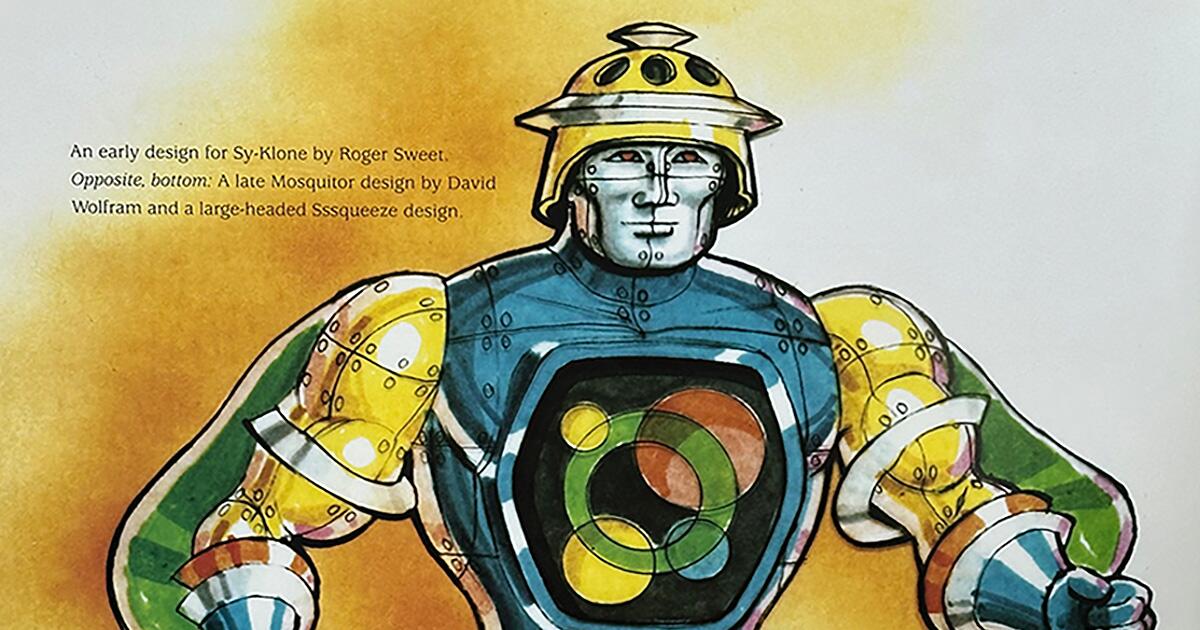
The Ohio native worked on a large team of designers and is regarded as the preliminary designer of “He-Man.” He told the Daily Herald he created “the three prototype models that brought He-Man and Masters of the Universe into existence.” He is also credited with giving the lead character its name.
“I took this 9-and-a-half-inch figure and I glued him in an action pose and I widened his shoulders. A lot,” Sweet said in the interview. “Then I added a huge amount of clay to him.”
The toy, first released in 1982, was widely embraced in America. Its success spawned the creation of the Masters of the Universe franchise, which includes the villain Skeletor, the fighting tiger Battle Cat and He-Man’s sister, She-Ra, another one of Sweet’s designs. Mattel reportedly sold over 125 million Masters of the Universe toys in the first three years.
Soon, Mattel launched a cartoon for the toy line, called “He-Man and the Masters of the Universe.” The series, which ran from 1983 to 1985, nailed down He-Man’s iconic battle cry, “I have the power!” and continued to expand the hero’s reach.
In 1987, a live-action He-Man movie starring Dolph Lundgren hit theaters but didn’t perform well with audiences. It signaled the end of He-Man’s reign, as other toys like Transformers gained more traction.
Sweet worked at Mattel for over 15 years and also helped create various fashion accessories for Barbie. He and Marlene met while working for the company. He retired in 1991 and moved to the Lake Stevens, Wash., area.
After leaving the company, he publicly expressed his disdain for the payouts he received from Mattel for creating He-Man.
“Three years in a row, midway through managing the original series, I got 50 percent of my salary as bonus from Mattel,” Mr. Sweet said in the Daily Herald interview.
He also wrote a 2005 memoir entitled “Mastering the Universe: He-Man and the Rise and Fall of a Billion-Dollar Idea,” where he accuses Mattel of attempting to take credit for his ideas.
Despite the friction between Sweet and the toy manufacturer, he continued to make his rounds at conventions like Comic-Con, talking all things Masters of the Universe with dedicated fans.
“I always wanted to be a He-Man and never could,” he said. “I knew almost every guy in the world would love to be a He-Man.”
In recent years, He-Man and the Masters of the Universe have seen a slight resurgence in popularity. Netflix rebooted the animated series with “Masters of the Universe: Revelation” in 2021, and the Masters of the Universe toys were inducted into the National Toy Hall of Fame in 2022. In June, He-Man is poised for his movie theater return with Amazon MGM and Mattel Film’s new live-action “Masters of the Universe” revival. Nicholas Galitzine will star as He-Man, alongside Jared Leto as Skeletor and Idris Elba as Man-At-Arms.

Roger Sweet, the toymaker who designed the brawny superhero He-Man, has died. He was 91.
Mattel, Sweet’s longtime employer and the toy company behind the Masters of the Universe characters, confirmed his Tuesday death to The Times. No additional details were immediately available.
“Roger played a pivotal role in the early development of Masters of the Universe, helping introduce iconic characters like He-Man and Skeletor to the world and inspiring generations of fans to find their inner power,” Mattel said in a statement.
“His legacy endures in the characters he helped bring to life and the imaginations he ignited.”
Sweet’s death comes after his wife, Marlene, launched a GoFundMe page in February to help support his move into a memory care facility after he was diagnosed with dementia. The fund raised more than $90,000 as of Thursday, with the help of some die-hard “He-Man” fans.
Sweet was born April 4, 1935, in Ohio. He attended the Institute of Design in Chicago and moved to California in 1972, where he took a role as a toy designer at Los Angeles-based Mattel.
At the time, Mattel had just passed on a toy licensing offer from filmmaker George Lucas. Instead, the company plotted its own intergalactic toy line to market to young male audiences.
In a 2019 interview with the Everett, Wash., newspaper the Daily Herald, Sweet said Mattel’s market research found the most popular toys of the time involved “barbarian fantasy, futuristic military as in ‘Star Wars,’ and current military as in ‘GI Joe.’”
The Ohio native worked on a large team of designers and is regarded as the preliminary designer of “He-Man.” He told the Daily Herald he created “the three prototype models that brought He-Man and Masters of the Universe into existence.” He is also credited with giving the lead character its name.
“I took this 9-and-a-half-inch figure and I glued him in an action pose and I widened his shoulders. A lot,” Sweet said in the interview. “Then I added a huge amount of clay to him.”
The toy, first released in 1982, was widely embraced in America. Its success spawned the creation of the Masters of the Universe franchise, which includes the villain Skeletor, the fighting tiger Battle Cat and He-Man’s sister, She-Ra, another one of Sweet’s designs. Mattel reportedly sold over 125 million Masters of the Universe toys in the first three years.
Soon, Mattel launched a cartoon for the toy line, called “He-Man and the Masters of the Universe.” The series, which ran from 1983 to 1985, nailed down He-Man’s iconic battle cry, “I have the power!” and continued to expand the hero’s reach.
In 1987, a live-action He-Man movie starring Dolph Lundgren hit theaters but didn’t perform well with audiences. It signaled the end of He-Man’s reign, as other toys like Transformers gained more traction.
Sweet worked at Mattel for over 15 years and also helped create various fashion accessories for Barbie. He and Marlene met while working for the company. He retired in 1991 and moved to the Lake Stevens, Wash., area.
After leaving the company, he publicly expressed his disdain for the payouts he received from Mattel for creating He-Man.
“Three years in a row, midway through managing the original series, I got 50 percent of my salary as bonus from Mattel,” Mr. Sweet said in the Daily Herald interview.
He also wrote a 2005 memoir entitled “Mastering the Universe: He-Man and the Rise and Fall of a Billion-Dollar Idea,” where he accuses Mattel of attempting to take credit for his ideas.
Despite the friction between Sweet and the toy manufacturer, he continued to make his rounds at conventions like Comic-Con, talking all things Masters of the Universe with dedicated fans.
“I always wanted to be a He-Man and never could,” he said. “I knew almost every guy in the world would love to be a He-Man.”
In recent years, He-Man and the Masters of the Universe have seen a slight resurgence in popularity. Netflix rebooted the animated series with “Masters of the Universe: Revelation” in 2021, and the Masters of the Universe toys were inducted into the National Toy Hall of Fame in 2022. In June, He-Man is poised for his movie theater return with Amazon MGM and Mattel Film’s new live-action “Masters of the Universe” revival. Nicholas Galitzine will star as He-Man, alongside Jared Leto as Skeletor and Idris Elba as Man-At-Arms.

Roger Sweet, the toymaker who designed the brawny superhero He-Man, has died. He was 91.
Mattel, Sweet’s longtime employer and the toy company behind the Masters of the Universe characters, confirmed his Tuesday death to The Times. No additional details were immediately available.
“Roger played a pivotal role in the early development of Masters of the Universe, helping introduce iconic characters like He-Man and Skeletor to the world and inspiring generations of fans to find their inner power,” Mattel said in a statement.
“His legacy endures in the characters he helped bring to life and the imaginations he ignited.”
Sweet’s death comes after his wife, Marlene, launched a GoFundMe page in February to help support his move into a memory care facility after he was diagnosed with dementia. The fund raised more than $90,000 as of Thursday, with the help of some die-hard “He-Man” fans.
Sweet was born April 4, 1935, in Ohio. He attended the Institute of Design in Chicago and moved to California in 1972, where he took a role as a toy designer at Los Angeles-based Mattel.
At the time, Mattel had just passed on a toy licensing offer from filmmaker George Lucas. Instead, the company plotted its own intergalactic toy line to market to young male audiences.
In a 2019 interview with the Everett, Wash., newspaper the Daily Herald, Sweet said Mattel’s market research found the most popular toys of the time involved “barbarian fantasy, futuristic military as in ‘Star Wars,’ and current military as in ‘GI Joe.’”
The Ohio native worked on a large team of designers and is regarded as the preliminary designer of “He-Man.” He told the Daily Herald he created “the three prototype models that brought He-Man and Masters of the Universe into existence.” He is also credited with giving the lead character its name.
“I took this 9-and-a-half-inch figure and I glued him in an action pose and I widened his shoulders. A lot,” Sweet said in the interview. “Then I added a huge amount of clay to him.”
The toy, first released in 1982, was widely embraced in America. Its success spawned the creation of the Masters of the Universe franchise, which includes the villain Skeletor, the fighting tiger Battle Cat and He-Man’s sister, She-Ra, another one of Sweet’s designs. Mattel reportedly sold over 125 million Masters of the Universe toys in the first three years.
Soon, Mattel launched a cartoon for the toy line, called “He-Man and the Masters of the Universe.” The series, which ran from 1983 to 1985, nailed down He-Man’s iconic battle cry, “I have the power!” and continued to expand the hero’s reach.
In 1987, a live-action He-Man movie starring Dolph Lundgren hit theaters but didn’t perform well with audiences. It signaled the end of He-Man’s reign, as other toys like Transformers gained more traction.
Sweet worked at Mattel for over 15 years and also helped create various fashion accessories for Barbie. He and Marlene met while working for the company. He retired in 1991 and moved to the Lake Stevens, Wash., area.
After leaving the company, he publicly expressed his disdain for the payouts he received from Mattel for creating He-Man.
“Three years in a row, midway through managing the original series, I got 50 percent of my salary as bonus from Mattel,” Mr. Sweet said in the Daily Herald interview.
He also wrote a 2005 memoir entitled “Mastering the Universe: He-Man and the Rise and Fall of a Billion-Dollar Idea,” where he accuses Mattel of attempting to take credit for his ideas.
Despite the friction between Sweet and the toy manufacturer, he continued to make his rounds at conventions like Comic-Con, talking all things Masters of the Universe with dedicated fans.
“I always wanted to be a He-Man and never could,” he said. “I knew almost every guy in the world would love to be a He-Man.”
In recent years, He-Man and the Masters of the Universe have seen a slight resurgence in popularity. Netflix rebooted the animated series with “Masters of the Universe: Revelation” in 2021, and the Masters of the Universe toys were inducted into the National Toy Hall of Fame in 2022. In June, He-Man is poised for his movie theater return with Amazon MGM and Mattel Film’s new live-action “Masters of the Universe” revival. Nicholas Galitzine will star as He-Man, alongside Jared Leto as Skeletor and Idris Elba as Man-At-Arms.
Roger Sweet, the toymaker who designed the brawny superhero He-Man, has died. He was 91.
Mattel, Sweet’s longtime employer and the toy company behind the Masters of the Universe characters, confirmed his Tuesday death to The Times. No additional details were immediately available.
“Roger played a pivotal role in the early development of Masters of the Universe, helping introduce iconic characters like He-Man and Skeletor to the world and inspiring generations of fans to find their inner power,” Mattel said in a statement.
“His legacy endures in the characters he helped bring to life and the imaginations he ignited.”
Sweet’s death comes after his wife, Marlene, launched a GoFundMe page in February to help support his move into a memory care facility after he was diagnosed with dementia. The fund raised more than $90,000 as of Thursday, with the help of some die-hard “He-Man” fans.
Sweet was born April 4, 1935, in Ohio. He attended the Institute of Design in Chicago and moved to California in 1972, where he took a role as a toy designer at Los Angeles-based Mattel.
At the time, Mattel had just passed on a toy licensing offer from filmmaker George Lucas. Instead, the company plotted its own intergalactic toy line to market to young male audiences.
In a 2019 interview with the Everett, Wash., newspaper the Daily Herald, Sweet said Mattel’s market research found the most popular toys of the time involved “barbarian fantasy, futuristic military as in ‘Star Wars,’ and current military as in ‘GI Joe.’”
The Ohio native worked on a large team of designers and is regarded as the preliminary designer of “He-Man.” He told the Daily Herald he created “the three prototype models that brought He-Man and Masters of the Universe into existence.” He is also credited with giving the lead character its name.
“I took this 9-and-a-half-inch figure and I glued him in an action pose and I widened his shoulders. A lot,” Sweet said in the interview. “Then I added a huge amount of clay to him.”
The toy, first released in 1982, was widely embraced in America. Its success spawned the creation of the Masters of the Universe franchise, which includes the villain Skeletor, the fighting tiger Battle Cat and He-Man’s sister, She-Ra, another one of Sweet’s designs. Mattel reportedly sold over 125 million Masters of the Universe toys in the first three years.
Soon, Mattel launched a cartoon for the toy line, called “He-Man and the Masters of the Universe.” The series, which ran from 1983 to 1985, nailed down He-Man’s iconic battle cry, “I have the power!” and continued to expand the hero’s reach.
In 1987, a live-action He-Man movie starring Dolph Lundgren hit theaters but didn’t perform well with audiences. It signaled the end of He-Man’s reign, as other toys like Transformers gained more traction.
Sweet worked at Mattel for over 15 years and also helped create various fashion accessories for Barbie. He and Marlene met while working for the company. He retired in 1991 and moved to the Lake Stevens, Wash., area.
After leaving the company, he publicly expressed his disdain for the payouts he received from Mattel for creating He-Man.
“Three years in a row, midway through managing the original series, I got 50 percent of my salary as bonus from Mattel,” Mr. Sweet said in the Daily Herald interview.
He also wrote a 2005 memoir entitled “Mastering the Universe: He-Man and the Rise and Fall of a Billion-Dollar Idea,” where he accuses Mattel of attempting to take credit for his ideas.
Despite the friction between Sweet and the toy manufacturer, he continued to make his rounds at conventions like Comic-Con, talking all things Masters of the Universe with dedicated fans.
“I always wanted to be a He-Man and never could,” he said. “I knew almost every guy in the world would love to be a He-Man.”
In recent years, He-Man and the Masters of the Universe have seen a slight resurgence in popularity. Netflix rebooted the animated series with “Masters of the Universe: Revelation” in 2021, and the Masters of the Universe toys were inducted into the National Toy Hall of Fame in 2022. In June, He-Man is poised for his movie theater return with Amazon MGM and Mattel Film’s new live-action “Masters of the Universe” revival. Nicholas Galitzine will star as He-Man, alongside Jared Leto as Skeletor and Idris Elba as Man-At-Arms.

Roger Sweet, the toymaker who designed the brawny superhero He-Man, has died. He was 91.
Mattel, Sweet’s longtime employer and the toy company behind the Masters of the Universe characters, confirmed his Tuesday death to The Times. No additional details were immediately available.
“Roger played a pivotal role in the early development of Masters of the Universe, helping introduce iconic characters like He-Man and Skeletor to the world and inspiring generations of fans to find their inner power,” Mattel said in a statement.
“His legacy endures in the characters he helped bring to life and the imaginations he ignited.”
Sweet’s death comes after his wife, Marlene, launched a GoFundMe page in February to help support his move into a memory care facility after he was diagnosed with dementia. The fund raised more than $90,000 as of Thursday, with the help of some die-hard “He-Man” fans.
Sweet was born April 4, 1935, in Ohio. He attended the Institute of Design in Chicago and moved to California in 1972, where he took a role as a toy designer at Los Angeles-based Mattel.
At the time, Mattel had just passed on a toy licensing offer from filmmaker George Lucas. Instead, the company plotted its own intergalactic toy line to market to young male audiences.
In a 2019 interview with the Everett, Wash., newspaper the Daily Herald, Sweet said Mattel’s market research found the most popular toys of the time involved “barbarian fantasy, futuristic military as in ‘Star Wars,’ and current military as in ‘GI Joe.’”
The Ohio native worked on a large team of designers and is regarded as the preliminary designer of “He-Man.” He told the Daily Herald he created “the three prototype models that brought He-Man and Masters of the Universe into existence.” He is also credited with giving the lead character its name.
“I took this 9-and-a-half-inch figure and I glued him in an action pose and I widened his shoulders. A lot,” Sweet said in the interview. “Then I added a huge amount of clay to him.”
The toy, first released in 1982, was widely embraced in America. Its success spawned the creation of the Masters of the Universe franchise, which includes the villain Skeletor, the fighting tiger Battle Cat and He-Man’s sister, She-Ra, another one of Sweet’s designs. Mattel reportedly sold over 125 million Masters of the Universe toys in the first three years.
Soon, Mattel launched a cartoon for the toy line, called “He-Man and the Masters of the Universe.” The series, which ran from 1983 to 1985, nailed down He-Man’s iconic battle cry, “I have the power!” and continued to expand the hero’s reach.
In 1987, a live-action He-Man movie starring Dolph Lundgren hit theaters but didn’t perform well with audiences. It signaled the end of He-Man’s reign, as other toys like Transformers gained more traction.
Sweet worked at Mattel for over 15 years and also helped create various fashion accessories for Barbie. He and Marlene met while working for the company. He retired in 1991 and moved to the Lake Stevens, Wash., area.
After leaving the company, he publicly expressed his disdain for the payouts he received from Mattel for creating He-Man.
“Three years in a row, midway through managing the original series, I got 50 percent of my salary as bonus from Mattel,” Mr. Sweet said in the Daily Herald interview.
He also wrote a 2005 memoir entitled “Mastering the Universe: He-Man and the Rise and Fall of a Billion-Dollar Idea,” where he accuses Mattel of attempting to take credit for his ideas.
Despite the friction between Sweet and the toy manufacturer, he continued to make his rounds at conventions like Comic-Con, talking all things Masters of the Universe with dedicated fans.
“I always wanted to be a He-Man and never could,” he said. “I knew almost every guy in the world would love to be a He-Man.”
In recent years, He-Man and the Masters of the Universe have seen a slight resurgence in popularity. Netflix rebooted the animated series with “Masters of the Universe: Revelation” in 2021, and the Masters of the Universe toys were inducted into the National Toy Hall of Fame in 2022. In June, He-Man is poised for his movie theater return with Amazon MGM and Mattel Film’s new live-action “Masters of the Universe” revival. Nicholas Galitzine will star as He-Man, alongside Jared Leto as Skeletor and Idris Elba as Man-At-Arms.
Roger Sweet, the toymaker who designed the brawny superhero He-Man, has died. He was 91.
Mattel, Sweet’s longtime employer and the toy company behind the Masters of the Universe characters, confirmed his Tuesday death to The Times. No additional details were immediately available.
“Roger played a pivotal role in the early development of Masters of the Universe, helping introduce iconic characters like He-Man and Skeletor to the world and inspiring generations of fans to find their inner power,” Mattel said in a statement.
“His legacy endures in the characters he helped bring to life and the imaginations he ignited.”
Sweet’s death comes after his wife, Marlene, launched a GoFundMe page in February to help support his move into a memory care facility after he was diagnosed with dementia. The fund raised more than $90,000 as of Thursday, with the help of some die-hard “He-Man” fans.
Sweet was born April 4, 1935, in Ohio. He attended the Institute of Design in Chicago and moved to California in 1972, where he took a role as a toy designer at Los Angeles-based Mattel.
At the time, Mattel had just passed on a toy licensing offer from filmmaker George Lucas. Instead, the company plotted its own intergalactic toy line to market to young male audiences.
In a 2019 interview with the Everett, Wash., newspaper the Daily Herald, Sweet said Mattel’s market research found the most popular toys of the time involved “barbarian fantasy, futuristic military as in ‘Star Wars,’ and current military as in ‘GI Joe.’”
The Ohio native worked on a large team of designers and is regarded as the preliminary designer of “He-Man.” He told the Daily Herald he created “the three prototype models that brought He-Man and Masters of the Universe into existence.” He is also credited with giving the lead character its name.
“I took this 9-and-a-half-inch figure and I glued him in an action pose and I widened his shoulders. A lot,” Sweet said in the interview. “Then I added a huge amount of clay to him.”
The toy, first released in 1982, was widely embraced in America. Its success spawned the creation of the Masters of the Universe franchise, which includes the villain Skeletor, the fighting tiger Battle Cat and He-Man’s sister, She-Ra, another one of Sweet’s designs. Mattel reportedly sold over 125 million Masters of the Universe toys in the first three years.
Soon, Mattel launched a cartoon for the toy line, called “He-Man and the Masters of the Universe.” The series, which ran from 1983 to 1985, nailed down He-Man’s iconic battle cry, “I have the power!” and continued to expand the hero’s reach.
In 1987, a live-action He-Man movie starring Dolph Lundgren hit theaters but didn’t perform well with audiences. It signaled the end of He-Man’s reign, as other toys like Transformers gained more traction.
Sweet worked at Mattel for over 15 years and also helped create various fashion accessories for Barbie. He and Marlene met while working for the company. He retired in 1991 and moved to the Lake Stevens, Wash., area.
After leaving the company, he publicly expressed his disdain for the payouts he received from Mattel for creating He-Man.
“Three years in a row, midway through managing the original series, I got 50 percent of my salary as bonus from Mattel,” Mr. Sweet said in the Daily Herald interview.
He also wrote a 2005 memoir entitled “Mastering the Universe: He-Man and the Rise and Fall of a Billion-Dollar Idea,” where he accuses Mattel of attempting to take credit for his ideas.
Despite the friction between Sweet and the toy manufacturer, he continued to make his rounds at conventions like Comic-Con, talking all things Masters of the Universe with dedicated fans.
“I always wanted to be a He-Man and never could,” he said. “I knew almost every guy in the world would love to be a He-Man.”
In recent years, He-Man and the Masters of the Universe have seen a slight resurgence in popularity. Netflix rebooted the animated series with “Masters of the Universe: Revelation” in 2021, and the Masters of the Universe toys were inducted into the National Toy Hall of Fame in 2022. In June, He-Man is poised for his movie theater return with Amazon MGM and Mattel Film’s new live-action “Masters of the Universe” revival. Nicholas Galitzine will star as He-Man, alongside Jared Leto as Skeletor and Idris Elba as Man-At-Arms.
Roger Sweet, the toymaker who designed the brawny superhero He-Man, has died. He was 91.
Mattel, Sweet’s longtime employer and the toy company behind the Masters of the Universe characters, confirmed his Tuesday death to The Times. No additional details were immediately available.
“Roger played a pivotal role in the early development of Masters of the Universe, helping introduce iconic characters like He-Man and Skeletor to the world and inspiring generations of fans to find their inner power,” Mattel said in a statement.
“His legacy endures in the characters he helped bring to life and the imaginations he ignited.”
Sweet’s death comes after his wife, Marlene, launched a GoFundMe page in February to help support his move into a memory care facility after he was diagnosed with dementia. The fund raised more than $90,000 as of Thursday, with the help of some die-hard “He-Man” fans.
Sweet was born April 4, 1935, in Ohio. He attended the Institute of Design in Chicago and moved to California in 1972, where he took a role as a toy designer at Los Angeles-based Mattel.
At the time, Mattel had just passed on a toy licensing offer from filmmaker George Lucas. Instead, the company plotted its own intergalactic toy line to market to young male audiences.
In a 2019 interview with the Everett, Wash., newspaper the Daily Herald, Sweet said Mattel’s market research found the most popular toys of the time involved “barbarian fantasy, futuristic military as in ‘Star Wars,’ and current military as in ‘GI Joe.’”
The Ohio native worked on a large team of designers and is regarded as the preliminary designer of “He-Man.” He told the Daily Herald he created “the three prototype models that brought He-Man and Masters of the Universe into existence.” He is also credited with giving the lead character its name.
“I took this 9-and-a-half-inch figure and I glued him in an action pose and I widened his shoulders. A lot,” Sweet said in the interview. “Then I added a huge amount of clay to him.”
The toy, first released in 1982, was widely embraced in America. Its success spawned the creation of the Masters of the Universe franchise, which includes the villain Skeletor, the fighting tiger Battle Cat and He-Man’s sister, She-Ra, another one of Sweet’s designs. Mattel reportedly sold over 125 million Masters of the Universe toys in the first three years.
Soon, Mattel launched a cartoon for the toy line, called “He-Man and the Masters of the Universe.” The series, which ran from 1983 to 1985, nailed down He-Man’s iconic battle cry, “I have the power!” and continued to expand the hero’s reach.
In 1987, a live-action He-Man movie starring Dolph Lundgren hit theaters but didn’t perform well with audiences. It signaled the end of He-Man’s reign, as other toys like Transformers gained more traction.
Sweet worked at Mattel for over 15 years and also helped create various fashion accessories for Barbie. He and Marlene met while working for the company. He retired in 1991 and moved to the Lake Stevens, Wash., area.
After leaving the company, he publicly expressed his disdain for the payouts he received from Mattel for creating He-Man.
“Three years in a row, midway through managing the original series, I got 50 percent of my salary as bonus from Mattel,” Mr. Sweet said in the Daily Herald interview.
He also wrote a 2005 memoir entitled “Mastering the Universe: He-Man and the Rise and Fall of a Billion-Dollar Idea,” where he accuses Mattel of attempting to take credit for his ideas.
Despite the friction between Sweet and the toy manufacturer, he continued to make his rounds at conventions like Comic-Con, talking all things Masters of the Universe with dedicated fans.
“I always wanted to be a He-Man and never could,” he said. “I knew almost every guy in the world would love to be a He-Man.”
In recent years, He-Man and the Masters of the Universe have seen a slight resurgence in popularity. Netflix rebooted the animated series with “Masters of the Universe: Revelation” in 2021, and the Masters of the Universe toys were inducted into the National Toy Hall of Fame in 2022. In June, He-Man is poised for his movie theater return with Amazon MGM and Mattel Film’s new live-action “Masters of the Universe” revival. Nicholas Galitzine will star as He-Man, alongside Jared Leto as Skeletor and Idris Elba as Man-At-Arms.
Roger Sweet, the toymaker who designed the brawny superhero He-Man, has died. He was 91.
Mattel, Sweet’s longtime employer and the toy company behind the Masters of the Universe characters, confirmed his Tuesday death to The Times. No additional details were immediately available.
“Roger played a pivotal role in the early development of Masters of the Universe, helping introduce iconic characters like He-Man and Skeletor to the world and inspiring generations of fans to find their inner power,” Mattel said in a statement.
“His legacy endures in the characters he helped bring to life and the imaginations he ignited.”
Sweet’s death comes after his wife, Marlene, launched a GoFundMe page in February to help support his move into a memory care facility after he was diagnosed with dementia. The fund raised more than $90,000 as of Thursday, with the help of some die-hard “He-Man” fans.
Sweet was born April 4, 1935, in Ohio. He attended the Institute of Design in Chicago and moved to California in 1972, where he took a role as a toy designer at Los Angeles-based Mattel.
At the time, Mattel had just passed on a toy licensing offer from filmmaker George Lucas. Instead, the company plotted its own intergalactic toy line to market to young male audiences.
In a 2019 interview with the Everett, Wash., newspaper the Daily Herald, Sweet said Mattel’s market research found the most popular toys of the time involved “barbarian fantasy, futuristic military as in ‘Star Wars,’ and current military as in ‘GI Joe.’”
The Ohio native worked on a large team of designers and is regarded as the preliminary designer of “He-Man.” He told the Daily Herald he created “the three prototype models that brought He-Man and Masters of the Universe into existence.” He is also credited with giving the lead character its name.
“I took this 9-and-a-half-inch figure and I glued him in an action pose and I widened his shoulders. A lot,” Sweet said in the interview. “Then I added a huge amount of clay to him.”
The toy, first released in 1982, was widely embraced in America. Its success spawned the creation of the Masters of the Universe franchise, which includes the villain Skeletor, the fighting tiger Battle Cat and He-Man’s sister, She-Ra, another one of Sweet’s designs. Mattel reportedly sold over 125 million Masters of the Universe toys in the first three years.
Soon, Mattel launched a cartoon for the toy line, called “He-Man and the Masters of the Universe.” The series, which ran from 1983 to 1985, nailed down He-Man’s iconic battle cry, “I have the power!” and continued to expand the hero’s reach.
In 1987, a live-action He-Man movie starring Dolph Lundgren hit theaters but didn’t perform well with audiences. It signaled the end of He-Man’s reign, as other toys like Transformers gained more traction.
Sweet worked at Mattel for over 15 years and also helped create various fashion accessories for Barbie. He and Marlene met while working for the company. He retired in 1991 and moved to the Lake Stevens, Wash., area.
After leaving the company, he publicly expressed his disdain for the payouts he received from Mattel for creating He-Man.
“Three years in a row, midway through managing the original series, I got 50 percent of my salary as bonus from Mattel,” Mr. Sweet said in the Daily Herald interview.
He also wrote a 2005 memoir entitled “Mastering the Universe: He-Man and the Rise and Fall of a Billion-Dollar Idea,” where he accuses Mattel of attempting to take credit for his ideas.
Despite the friction between Sweet and the toy manufacturer, he continued to make his rounds at conventions like Comic-Con, talking all things Masters of the Universe with dedicated fans.
“I always wanted to be a He-Man and never could,” he said. “I knew almost every guy in the world would love to be a He-Man.”
In recent years, He-Man and the Masters of the Universe have seen a slight resurgence in popularity. Netflix rebooted the animated series with “Masters of the Universe: Revelation” in 2021, and the Masters of the Universe toys were inducted into the National Toy Hall of Fame in 2022. In June, He-Man is poised for his movie theater return with Amazon MGM and Mattel Film’s new live-action “Masters of the Universe” revival. Nicholas Galitzine will star as He-Man, alongside Jared Leto as Skeletor and Idris Elba as Man-At-Arms.

Roger Sweet, the toymaker who designed the brawny superhero He-Man, has died. He was 91.
Mattel, Sweet’s longtime employer and the toy company behind the Masters of the Universe characters, confirmed his Tuesday death to The Times. No additional details were immediately available.
“Roger played a pivotal role in the early development of Masters of the Universe, helping introduce iconic characters like He-Man and Skeletor to the world and inspiring generations of fans to find their inner power,” Mattel said in a statement.
“His legacy endures in the characters he helped bring to life and the imaginations he ignited.”
Sweet’s death comes after his wife, Marlene, launched a GoFundMe page in February to help support his move into a memory care facility after he was diagnosed with dementia. The fund raised more than $90,000 as of Thursday, with the help of some die-hard “He-Man” fans.
Sweet was born April 4, 1935, in Ohio. He attended the Institute of Design in Chicago and moved to California in 1972, where he took a role as a toy designer at Los Angeles-based Mattel.
At the time, Mattel had just passed on a toy licensing offer from filmmaker George Lucas. Instead, the company plotted its own intergalactic toy line to market to young male audiences.
In a 2019 interview with the Everett, Wash., newspaper the Daily Herald, Sweet said Mattel’s market research found the most popular toys of the time involved “barbarian fantasy, futuristic military as in ‘Star Wars,’ and current military as in ‘GI Joe.’”
The Ohio native worked on a large team of designers and is regarded as the preliminary designer of “He-Man.” He told the Daily Herald he created “the three prototype models that brought He-Man and Masters of the Universe into existence.” He is also credited with giving the lead character its name.
“I took this 9-and-a-half-inch figure and I glued him in an action pose and I widened his shoulders. A lot,” Sweet said in the interview. “Then I added a huge amount of clay to him.”
The toy, first released in 1982, was widely embraced in America. Its success spawned the creation of the Masters of the Universe franchise, which includes the villain Skeletor, the fighting tiger Battle Cat and He-Man’s sister, She-Ra, another one of Sweet’s designs. Mattel reportedly sold over 125 million Masters of the Universe toys in the first three years.
Soon, Mattel launched a cartoon for the toy line, called “He-Man and the Masters of the Universe.” The series, which ran from 1983 to 1985, nailed down He-Man’s iconic battle cry, “I have the power!” and continued to expand the hero’s reach.
In 1987, a live-action He-Man movie starring Dolph Lundgren hit theaters but didn’t perform well with audiences. It signaled the end of He-Man’s reign, as other toys like Transformers gained more traction.
Sweet worked at Mattel for over 15 years and also helped create various fashion accessories for Barbie. He and Marlene met while working for the company. He retired in 1991 and moved to the Lake Stevens, Wash., area.
After leaving the company, he publicly expressed his disdain for the payouts he received from Mattel for creating He-Man.
“Three years in a row, midway through managing the original series, I got 50 percent of my salary as bonus from Mattel,” Mr. Sweet said in the Daily Herald interview.
He also wrote a 2005 memoir entitled “Mastering the Universe: He-Man and the Rise and Fall of a Billion-Dollar Idea,” where he accuses Mattel of attempting to take credit for his ideas.
Despite the friction between Sweet and the toy manufacturer, he continued to make his rounds at conventions like Comic-Con, talking all things Masters of the Universe with dedicated fans.
“I always wanted to be a He-Man and never could,” he said. “I knew almost every guy in the world would love to be a He-Man.”
In recent years, He-Man and the Masters of the Universe have seen a slight resurgence in popularity. Netflix rebooted the animated series with “Masters of the Universe: Revelation” in 2021, and the Masters of the Universe toys were inducted into the National Toy Hall of Fame in 2022. In June, He-Man is poised for his movie theater return with Amazon MGM and Mattel Film’s new live-action “Masters of the Universe” revival. Nicholas Galitzine will star as He-Man, alongside Jared Leto as Skeletor and Idris Elba as Man-At-Arms.
Roger Sweet, the toymaker who designed the brawny superhero He-Man, has died. He was 91.
Mattel, Sweet’s longtime employer and the toy company behind the Masters of the Universe characters, confirmed his Tuesday death to The Times. No additional details were immediately available.
“Roger played a pivotal role in the early development of Masters of the Universe, helping introduce iconic characters like He-Man and Skeletor to the world and inspiring generations of fans to find their inner power,” Mattel said in a statement.
“His legacy endures in the characters he helped bring to life and the imaginations he ignited.”
Sweet’s death comes after his wife, Marlene, launched a GoFundMe page in February to help support his move into a memory care facility after he was diagnosed with dementia. The fund raised more than $90,000 as of Thursday, with the help of some die-hard “He-Man” fans.
Sweet was born April 4, 1935, in Ohio. He attended the Institute of Design in Chicago and moved to California in 1972, where he took a role as a toy designer at Los Angeles-based Mattel.
At the time, Mattel had just passed on a toy licensing offer from filmmaker George Lucas. Instead, the company plotted its own intergalactic toy line to market to young male audiences.
In a 2019 interview with the Everett, Wash., newspaper the Daily Herald, Sweet said Mattel’s market research found the most popular toys of the time involved “barbarian fantasy, futuristic military as in ‘Star Wars,’ and current military as in ‘GI Joe.’”
The Ohio native worked on a large team of designers and is regarded as the preliminary designer of “He-Man.” He told the Daily Herald he created “the three prototype models that brought He-Man and Masters of the Universe into existence.” He is also credited with giving the lead character its name.
“I took this 9-and-a-half-inch figure and I glued him in an action pose and I widened his shoulders. A lot,” Sweet said in the interview. “Then I added a huge amount of clay to him.”
The toy, first released in 1982, was widely embraced in America. Its success spawned the creation of the Masters of the Universe franchise, which includes the villain Skeletor, the fighting tiger Battle Cat and He-Man’s sister, She-Ra, another one of Sweet’s designs. Mattel reportedly sold over 125 million Masters of the Universe toys in the first three years.
Soon, Mattel launched a cartoon for the toy line, called “He-Man and the Masters of the Universe.” The series, which ran from 1983 to 1985, nailed down He-Man’s iconic battle cry, “I have the power!” and continued to expand the hero’s reach.
In 1987, a live-action He-Man movie starring Dolph Lundgren hit theaters but didn’t perform well with audiences. It signaled the end of He-Man’s reign, as other toys like Transformers gained more traction.
Sweet worked at Mattel for over 15 years and also helped create various fashion accessories for Barbie. He and Marlene met while working for the company. He retired in 1991 and moved to the Lake Stevens, Wash., area.
After leaving the company, he publicly expressed his disdain for the payouts he received from Mattel for creating He-Man.
“Three years in a row, midway through managing the original series, I got 50 percent of my salary as bonus from Mattel,” Mr. Sweet said in the Daily Herald interview.
He also wrote a 2005 memoir entitled “Mastering the Universe: He-Man and the Rise and Fall of a Billion-Dollar Idea,” where he accuses Mattel of attempting to take credit for his ideas.
Despite the friction between Sweet and the toy manufacturer, he continued to make his rounds at conventions like Comic-Con, talking all things Masters of the Universe with dedicated fans.
“I always wanted to be a He-Man and never could,” he said. “I knew almost every guy in the world would love to be a He-Man.”
In recent years, He-Man and the Masters of the Universe have seen a slight resurgence in popularity. Netflix rebooted the animated series with “Masters of the Universe: Revelation” in 2021, and the Masters of the Universe toys were inducted into the National Toy Hall of Fame in 2022. In June, He-Man is poised for his movie theater return with Amazon MGM and Mattel Film’s new live-action “Masters of the Universe” revival. Nicholas Galitzine will star as He-Man, alongside Jared Leto as Skeletor and Idris Elba as Man-At-Arms.
Roger Sweet, the toymaker who designed the brawny superhero He-Man, has died. He was 91.
Mattel, Sweet’s longtime employer and the toy company behind the Masters of the Universe characters, confirmed his Tuesday death to The Times. No additional details were immediately available.
“Roger played a pivotal role in the early development of Masters of the Universe, helping introduce iconic characters like He-Man and Skeletor to the world and inspiring generations of fans to find their inner power,” Mattel said in a statement.
“His legacy endures in the characters he helped bring to life and the imaginations he ignited.”
Sweet’s death comes after his wife, Marlene, launched a GoFundMe page in February to help support his move into a memory care facility after he was diagnosed with dementia. The fund raised more than $90,000 as of Thursday, with the help of some die-hard “He-Man” fans.
Sweet was born April 4, 1935, in Ohio. He attended the Institute of Design in Chicago and moved to California in 1972, where he took a role as a toy designer at Los Angeles-based Mattel.
At the time, Mattel had just passed on a toy licensing offer from filmmaker George Lucas. Instead, the company plotted its own intergalactic toy line to market to young male audiences.
In a 2019 interview with the Everett, Wash., newspaper the Daily Herald, Sweet said Mattel’s market research found the most popular toys of the time involved “barbarian fantasy, futuristic military as in ‘Star Wars,’ and current military as in ‘GI Joe.’”
The Ohio native worked on a large team of designers and is regarded as the preliminary designer of “He-Man.” He told the Daily Herald he created “the three prototype models that brought He-Man and Masters of the Universe into existence.” He is also credited with giving the lead character its name.
“I took this 9-and-a-half-inch figure and I glued him in an action pose and I widened his shoulders. A lot,” Sweet said in the interview. “Then I added a huge amount of clay to him.”
The toy, first released in 1982, was widely embraced in America. Its success spawned the creation of the Masters of the Universe franchise, which includes the villain Skeletor, the fighting tiger Battle Cat and He-Man’s sister, She-Ra, another one of Sweet’s designs. Mattel reportedly sold over 125 million Masters of the Universe toys in the first three years.
Soon, Mattel launched a cartoon for the toy line, called “He-Man and the Masters of the Universe.” The series, which ran from 1983 to 1985, nailed down He-Man’s iconic battle cry, “I have the power!” and continued to expand the hero’s reach.
In 1987, a live-action He-Man movie starring Dolph Lundgren hit theaters but didn’t perform well with audiences. It signaled the end of He-Man’s reign, as other toys like Transformers gained more traction.
Sweet worked at Mattel for over 15 years and also helped create various fashion accessories for Barbie. He and Marlene met while working for the company. He retired in 1991 and moved to the Lake Stevens, Wash., area.
After leaving the company, he publicly expressed his disdain for the payouts he received from Mattel for creating He-Man.
“Three years in a row, midway through managing the original series, I got 50 percent of my salary as bonus from Mattel,” Mr. Sweet said in the Daily Herald interview.
He also wrote a 2005 memoir entitled “Mastering the Universe: He-Man and the Rise and Fall of a Billion-Dollar Idea,” where he accuses Mattel of attempting to take credit for his ideas.
Despite the friction between Sweet and the toy manufacturer, he continued to make his rounds at conventions like Comic-Con, talking all things Masters of the Universe with dedicated fans.
“I always wanted to be a He-Man and never could,” he said. “I knew almost every guy in the world would love to be a He-Man.”
In recent years, He-Man and the Masters of the Universe have seen a slight resurgence in popularity. Netflix rebooted the animated series with “Masters of the Universe: Revelation” in 2021, and the Masters of the Universe toys were inducted into the National Toy Hall of Fame in 2022. In June, He-Man is poised for his movie theater return with Amazon MGM and Mattel Film’s new live-action “Masters of the Universe” revival. Nicholas Galitzine will star as He-Man, alongside Jared Leto as Skeletor and Idris Elba as Man-At-Arms.
Roger Sweet, the toymaker who designed the brawny superhero He-Man, has died. He was 91.
Mattel, Sweet’s longtime employer and the toy company behind the Masters of the Universe characters, confirmed his Tuesday death to The Times. No additional details were immediately available.
“Roger played a pivotal role in the early development of Masters of the Universe, helping introduce iconic characters like He-Man and Skeletor to the world and inspiring generations of fans to find their inner power,” Mattel said in a statement.
“His legacy endures in the characters he helped bring to life and the imaginations he ignited.”
Sweet’s death comes after his wife, Marlene, launched a GoFundMe page in February to help support his move into a memory care facility after he was diagnosed with dementia. The fund raised more than $90,000 as of Thursday, with the help of some die-hard “He-Man” fans.
Sweet was born April 4, 1935, in Ohio. He attended the Institute of Design in Chicago and moved to California in 1972, where he took a role as a toy designer at Los Angeles-based Mattel.
At the time, Mattel had just passed on a toy licensing offer from filmmaker George Lucas. Instead, the company plotted its own intergalactic toy line to market to young male audiences.
In a 2019 interview with the Everett, Wash., newspaper the Daily Herald, Sweet said Mattel’s market research found the most popular toys of the time involved “barbarian fantasy, futuristic military as in ‘Star Wars,’ and current military as in ‘GI Joe.’”
The Ohio native worked on a large team of designers and is regarded as the preliminary designer of “He-Man.” He told the Daily Herald he created “the three prototype models that brought He-Man and Masters of the Universe into existence.” He is also credited with giving the lead character its name.
“I took this 9-and-a-half-inch figure and I glued him in an action pose and I widened his shoulders. A lot,” Sweet said in the interview. “Then I added a huge amount of clay to him.”
The toy, first released in 1982, was widely embraced in America. Its success spawned the creation of the Masters of the Universe franchise, which includes the villain Skeletor, the fighting tiger Battle Cat and He-Man’s sister, She-Ra, another one of Sweet’s designs. Mattel reportedly sold over 125 million Masters of the Universe toys in the first three years.
Soon, Mattel launched a cartoon for the toy line, called “He-Man and the Masters of the Universe.” The series, which ran from 1983 to 1985, nailed down He-Man’s iconic battle cry, “I have the power!” and continued to expand the hero’s reach.
In 1987, a live-action He-Man movie starring Dolph Lundgren hit theaters but didn’t perform well with audiences. It signaled the end of He-Man’s reign, as other toys like Transformers gained more traction.
Sweet worked at Mattel for over 15 years and also helped create various fashion accessories for Barbie. He and Marlene met while working for the company. He retired in 1991 and moved to the Lake Stevens, Wash., area.
After leaving the company, he publicly expressed his disdain for the payouts he received from Mattel for creating He-Man.
“Three years in a row, midway through managing the original series, I got 50 percent of my salary as bonus from Mattel,” Mr. Sweet said in the Daily Herald interview.
He also wrote a 2005 memoir entitled “Mastering the Universe: He-Man and the Rise and Fall of a Billion-Dollar Idea,” where he accuses Mattel of attempting to take credit for his ideas.
Despite the friction between Sweet and the toy manufacturer, he continued to make his rounds at conventions like Comic-Con, talking all things Masters of the Universe with dedicated fans.
“I always wanted to be a He-Man and never could,” he said. “I knew almost every guy in the world would love to be a He-Man.”
In recent years, He-Man and the Masters of the Universe have seen a slight resurgence in popularity. Netflix rebooted the animated series with “Masters of the Universe: Revelation” in 2021, and the Masters of the Universe toys were inducted into the National Toy Hall of Fame in 2022. In June, He-Man is poised for his movie theater return with Amazon MGM and Mattel Film’s new live-action “Masters of the Universe” revival. Nicholas Galitzine will star as He-Man, alongside Jared Leto as Skeletor and Idris Elba as Man-At-Arms.
Roger Sweet, the toymaker who designed the brawny superhero He-Man, has died. He was 91.
Mattel, Sweet’s longtime employer and the toy company behind the Masters of the Universe characters, confirmed his Tuesday death to The Times. No additional details were immediately available.
“Roger played a pivotal role in the early development of Masters of the Universe, helping introduce iconic characters like He-Man and Skeletor to the world and inspiring generations of fans to find their inner power,” Mattel said in a statement.
“His legacy endures in the characters he helped bring to life and the imaginations he ignited.”
Sweet’s death comes after his wife, Marlene, launched a GoFundMe page in February to help support his move into a memory care facility after he was diagnosed with dementia. The fund raised more than $90,000 as of Thursday, with the help of some die-hard “He-Man” fans.
Sweet was born April 4, 1935, in Ohio. He attended the Institute of Design in Chicago and moved to California in 1972, where he took a role as a toy designer at Los Angeles-based Mattel.
At the time, Mattel had just passed on a toy licensing offer from filmmaker George Lucas. Instead, the company plotted its own intergalactic toy line to market to young male audiences.
In a 2019 interview with the Everett, Wash., newspaper the Daily Herald, Sweet said Mattel’s market research found the most popular toys of the time involved “barbarian fantasy, futuristic military as in ‘Star Wars,’ and current military as in ‘GI Joe.’”
The Ohio native worked on a large team of designers and is regarded as the preliminary designer of “He-Man.” He told the Daily Herald he created “the three prototype models that brought He-Man and Masters of the Universe into existence.” He is also credited with giving the lead character its name.
“I took this 9-and-a-half-inch figure and I glued him in an action pose and I widened his shoulders. A lot,” Sweet said in the interview. “Then I added a huge amount of clay to him.”
The toy, first released in 1982, was widely embraced in America. Its success spawned the creation of the Masters of the Universe franchise, which includes the villain Skeletor, the fighting tiger Battle Cat and He-Man’s sister, She-Ra, another one of Sweet’s designs. Mattel reportedly sold over 125 million Masters of the Universe toys in the first three years.
Soon, Mattel launched a cartoon for the toy line, called “He-Man and the Masters of the Universe.” The series, which ran from 1983 to 1985, nailed down He-Man’s iconic battle cry, “I have the power!” and continued to expand the hero’s reach.
In 1987, a live-action He-Man movie starring Dolph Lundgren hit theaters but didn’t perform well with audiences. It signaled the end of He-Man’s reign, as other toys like Transformers gained more traction.
Sweet worked at Mattel for over 15 years and also helped create various fashion accessories for Barbie. He and Marlene met while working for the company. He retired in 1991 and moved to the Lake Stevens, Wash., area.
After leaving the company, he publicly expressed his disdain for the payouts he received from Mattel for creating He-Man.
“Three years in a row, midway through managing the original series, I got 50 percent of my salary as bonus from Mattel,” Mr. Sweet said in the Daily Herald interview.
He also wrote a 2005 memoir entitled “Mastering the Universe: He-Man and the Rise and Fall of a Billion-Dollar Idea,” where he accuses Mattel of attempting to take credit for his ideas.
Despite the friction between Sweet and the toy manufacturer, he continued to make his rounds at conventions like Comic-Con, talking all things Masters of the Universe with dedicated fans.
“I always wanted to be a He-Man and never could,” he said. “I knew almost every guy in the world would love to be a He-Man.”
In recent years, He-Man and the Masters of the Universe have seen a slight resurgence in popularity. Netflix rebooted the animated series with “Masters of the Universe: Revelation” in 2021, and the Masters of the Universe toys were inducted into the National Toy Hall of Fame in 2022. In June, He-Man is poised for his movie theater return with Amazon MGM and Mattel Film’s new live-action “Masters of the Universe” revival. Nicholas Galitzine will star as He-Man, alongside Jared Leto as Skeletor and Idris Elba as Man-At-Arms.
Roger Sweet, the toymaker who designed the brawny superhero He-Man, has died. He was 91.
Mattel, Sweet’s longtime employer and the toy company behind the Masters of the Universe characters, confirmed his Tuesday death to The Times. No additional details were immediately available.
“Roger played a pivotal role in the early development of Masters of the Universe, helping introduce iconic characters like He-Man and Skeletor to the world and inspiring generations of fans to find their inner power,” Mattel said in a statement.
“His legacy endures in the characters he helped bring to life and the imaginations he ignited.”
Sweet’s death comes after his wife, Marlene, launched a GoFundMe page in February to help support his move into a memory care facility after he was diagnosed with dementia. The fund raised more than $90,000 as of Thursday, with the help of some die-hard “He-Man” fans.
Sweet was born April 4, 1935, in Ohio. He attended the Institute of Design in Chicago and moved to California in 1972, where he took a role as a toy designer at Los Angeles-based Mattel.
At the time, Mattel had just passed on a toy licensing offer from filmmaker George Lucas. Instead, the company plotted its own intergalactic toy line to market to young male audiences.
In a 2019 interview with the Everett, Wash., newspaper the Daily Herald, Sweet said Mattel’s market research found the most popular toys of the time involved “barbarian fantasy, futuristic military as in ‘Star Wars,’ and current military as in ‘GI Joe.’”
The Ohio native worked on a large team of designers and is regarded as the preliminary designer of “He-Man.” He told the Daily Herald he created “the three prototype models that brought He-Man and Masters of the Universe into existence.” He is also credited with giving the lead character its name.
“I took this 9-and-a-half-inch figure and I glued him in an action pose and I widened his shoulders. A lot,” Sweet said in the interview. “Then I added a huge amount of clay to him.”
The toy, first released in 1982, was widely embraced in America. Its success spawned the creation of the Masters of the Universe franchise, which includes the villain Skeletor, the fighting tiger Battle Cat and He-Man’s sister, She-Ra, another one of Sweet’s designs. Mattel reportedly sold over 125 million Masters of the Universe toys in the first three years.
Soon, Mattel launched a cartoon for the toy line, called “He-Man and the Masters of the Universe.” The series, which ran from 1983 to 1985, nailed down He-Man’s iconic battle cry, “I have the power!” and continued to expand the hero’s reach.
In 1987, a live-action He-Man movie starring Dolph Lundgren hit theaters but didn’t perform well with audiences. It signaled the end of He-Man’s reign, as other toys like Transformers gained more traction.
Sweet worked at Mattel for over 15 years and also helped create various fashion accessories for Barbie. He and Marlene met while working for the company. He retired in 1991 and moved to the Lake Stevens, Wash., area.
After leaving the company, he publicly expressed his disdain for the payouts he received from Mattel for creating He-Man.
“Three years in a row, midway through managing the original series, I got 50 percent of my salary as bonus from Mattel,” Mr. Sweet said in the Daily Herald interview.
He also wrote a 2005 memoir entitled “Mastering the Universe: He-Man and the Rise and Fall of a Billion-Dollar Idea,” where he accuses Mattel of attempting to take credit for his ideas.
Despite the friction between Sweet and the toy manufacturer, he continued to make his rounds at conventions like Comic-Con, talking all things Masters of the Universe with dedicated fans.
“I always wanted to be a He-Man and never could,” he said. “I knew almost every guy in the world would love to be a He-Man.”
In recent years, He-Man and the Masters of the Universe have seen a slight resurgence in popularity. Netflix rebooted the animated series with “Masters of the Universe: Revelation” in 2021, and the Masters of the Universe toys were inducted into the National Toy Hall of Fame in 2022. In June, He-Man is poised for his movie theater return with Amazon MGM and Mattel Film’s new live-action “Masters of the Universe” revival. Nicholas Galitzine will star as He-Man, alongside Jared Leto as Skeletor and Idris Elba as Man-At-Arms.
Roger Sweet, the toymaker who designed the brawny superhero He-Man, has died. He was 91.
Mattel, Sweet’s longtime employer and the toy company behind the Masters of the Universe characters, confirmed his Tuesday death to The Times. No additional details were immediately available.
“Roger played a pivotal role in the early development of Masters of the Universe, helping introduce iconic characters like He-Man and Skeletor to the world and inspiring generations of fans to find their inner power,” Mattel said in a statement.
“His legacy endures in the characters he helped bring to life and the imaginations he ignited.”
Sweet’s death comes after his wife, Marlene, launched a GoFundMe page in February to help support his move into a memory care facility after he was diagnosed with dementia. The fund raised more than $90,000 as of Thursday, with the help of some die-hard “He-Man” fans.
Sweet was born April 4, 1935, in Ohio. He attended the Institute of Design in Chicago and moved to California in 1972, where he took a role as a toy designer at Los Angeles-based Mattel.
At the time, Mattel had just passed on a toy licensing offer from filmmaker George Lucas. Instead, the company plotted its own intergalactic toy line to market to young male audiences.
In a 2019 interview with the Everett, Wash., newspaper the Daily Herald, Sweet said Mattel’s market research found the most popular toys of the time involved “barbarian fantasy, futuristic military as in ‘Star Wars,’ and current military as in ‘GI Joe.’”
The Ohio native worked on a large team of designers and is regarded as the preliminary designer of “He-Man.” He told the Daily Herald he created “the three prototype models that brought He-Man and Masters of the Universe into existence.” He is also credited with giving the lead character its name.
“I took this 9-and-a-half-inch figure and I glued him in an action pose and I widened his shoulders. A lot,” Sweet said in the interview. “Then I added a huge amount of clay to him.”
The toy, first released in 1982, was widely embraced in America. Its success spawned the creation of the Masters of the Universe franchise, which includes the villain Skeletor, the fighting tiger Battle Cat and He-Man’s sister, She-Ra, another one of Sweet’s designs. Mattel reportedly sold over 125 million Masters of the Universe toys in the first three years.
Soon, Mattel launched a cartoon for the toy line, called “He-Man and the Masters of the Universe.” The series, which ran from 1983 to 1985, nailed down He-Man’s iconic battle cry, “I have the power!” and continued to expand the hero’s reach.
In 1987, a live-action He-Man movie starring Dolph Lundgren hit theaters but didn’t perform well with audiences. It signaled the end of He-Man’s reign, as other toys like Transformers gained more traction.
Sweet worked at Mattel for over 15 years and also helped create various fashion accessories for Barbie. He and Marlene met while working for the company. He retired in 1991 and moved to the Lake Stevens, Wash., area.
After leaving the company, he publicly expressed his disdain for the payouts he received from Mattel for creating He-Man.
“Three years in a row, midway through managing the original series, I got 50 percent of my salary as bonus from Mattel,” Mr. Sweet said in the Daily Herald interview.
He also wrote a 2005 memoir entitled “Mastering the Universe: He-Man and the Rise and Fall of a Billion-Dollar Idea,” where he accuses Mattel of attempting to take credit for his ideas.
Despite the friction between Sweet and the toy manufacturer, he continued to make his rounds at conventions like Comic-Con, talking all things Masters of the Universe with dedicated fans.
“I always wanted to be a He-Man and never could,” he said. “I knew almost every guy in the world would love to be a He-Man.”
In recent years, He-Man and the Masters of the Universe have seen a slight resurgence in popularity. Netflix rebooted the animated series with “Masters of the Universe: Revelation” in 2021, and the Masters of the Universe toys were inducted into the National Toy Hall of Fame in 2022. In June, He-Man is poised for his movie theater return with Amazon MGM and Mattel Film’s new live-action “Masters of the Universe” revival. Nicholas Galitzine will star as He-Man, alongside Jared Leto as Skeletor and Idris Elba as Man-At-Arms.
Roger Sweet, the toymaker who designed the brawny superhero He-Man, has died. He was 91.
Mattel, Sweet’s longtime employer and the toy company behind the Masters of the Universe characters, confirmed his Tuesday death to The Times. No additional details were immediately available.
“Roger played a pivotal role in the early development of Masters of the Universe, helping introduce iconic characters like He-Man and Skeletor to the world and inspiring generations of fans to find their inner power,” Mattel said in a statement.
“His legacy endures in the characters he helped bring to life and the imaginations he ignited.”
Sweet’s death comes after his wife, Marlene, launched a GoFundMe page in February to help support his move into a memory care facility after he was diagnosed with dementia. The fund raised more than $90,000 as of Thursday, with the help of some die-hard “He-Man” fans.
Sweet was born April 4, 1935, in Ohio. He attended the Institute of Design in Chicago and moved to California in 1972, where he took a role as a toy designer at Los Angeles-based Mattel.
At the time, Mattel had just passed on a toy licensing offer from filmmaker George Lucas. Instead, the company plotted its own intergalactic toy line to market to young male audiences.
In a 2019 interview with the Everett, Wash., newspaper the Daily Herald, Sweet said Mattel’s market research found the most popular toys of the time involved “barbarian fantasy, futuristic military as in ‘Star Wars,’ and current military as in ‘GI Joe.’”
The Ohio native worked on a large team of designers and is regarded as the preliminary designer of “He-Man.” He told the Daily Herald he created “the three prototype models that brought He-Man and Masters of the Universe into existence.” He is also credited with giving the lead character its name.
“I took this 9-and-a-half-inch figure and I glued him in an action pose and I widened his shoulders. A lot,” Sweet said in the interview. “Then I added a huge amount of clay to him.”
The toy, first released in 1982, was widely embraced in America. Its success spawned the creation of the Masters of the Universe franchise, which includes the villain Skeletor, the fighting tiger Battle Cat and He-Man’s sister, She-Ra, another one of Sweet’s designs. Mattel reportedly sold over 125 million Masters of the Universe toys in the first three years.
Soon, Mattel launched a cartoon for the toy line, called “He-Man and the Masters of the Universe.” The series, which ran from 1983 to 1985, nailed down He-Man’s iconic battle cry, “I have the power!” and continued to expand the hero’s reach.
In 1987, a live-action He-Man movie starring Dolph Lundgren hit theaters but didn’t perform well with audiences. It signaled the end of He-Man’s reign, as other toys like Transformers gained more traction.
Sweet worked at Mattel for over 15 years and also helped create various fashion accessories for Barbie. He and Marlene met while working for the company. He retired in 1991 and moved to the Lake Stevens, Wash., area.
After leaving the company, he publicly expressed his disdain for the payouts he received from Mattel for creating He-Man.
“Three years in a row, midway through managing the original series, I got 50 percent of my salary as bonus from Mattel,” Mr. Sweet said in the Daily Herald interview.
He also wrote a 2005 memoir entitled “Mastering the Universe: He-Man and the Rise and Fall of a Billion-Dollar Idea,” where he accuses Mattel of attempting to take credit for his ideas.
Despite the friction between Sweet and the toy manufacturer, he continued to make his rounds at conventions like Comic-Con, talking all things Masters of the Universe with dedicated fans.
“I always wanted to be a He-Man and never could,” he said. “I knew almost every guy in the world would love to be a He-Man.”
In recent years, He-Man and the Masters of the Universe have seen a slight resurgence in popularity. Netflix rebooted the animated series with “Masters of the Universe: Revelation” in 2021, and the Masters of the Universe toys were inducted into the National Toy Hall of Fame in 2022. In June, He-Man is poised for his movie theater return with Amazon MGM and Mattel Film’s new live-action “Masters of the Universe” revival. Nicholas Galitzine will star as He-Man, alongside Jared Leto as Skeletor and Idris Elba as Man-At-Arms.

