


Washington DC
New York
Toronto
Distribution: (800) 510 9863
Press ID
  • Login
Binghamton Herald
Advertisement
Monday, May 25, 2026
  • Home
  • World
  • Politics
  • Business
  • Technology
  • Culture
  • Health
  • Entertainment
  • Trending
No Result
View All Result
Binghamton Herald
No Result
View All Result
Home Trending

Reciprocal Tariffs Could Impact India, Thailand The Most In Asia, Says Nomura

by Binghamton Herald Report
March 5, 2025
in Trending
Share on FacebookShare on Twitter

India and Thailand are expected to be at a risk of higher reciprocal tariffs from the US, Nomura suggested recently. In a note, the financial company’s economists said that reciprocal tariffs will be implemented on tariff gap, non-tariff barriers, and value added tax (VAT), among other factors.

Sonal Varma, Chief Economist for Asia ex-Japan and India, Nomura explained that emerging Asian economies have higher tariff rates on American exports relative to other countries and are thus at a higher risk of reciprocal tariffs from the US. “By sector, Asia imposes higher tariffs on agricultural products and transportation. The former is generally politically difficult for Asia to lower, but countries could lower their tariff rates on the transport sector, which includes motor vehicles,” Varma said in the co-authored note with Si Ying Toh, Nomura’s economist for Asia ex-Japan and Taiwan, reported Business Standard.

Varma and Toh said sectors or products such as vegetables, textiles, clothing, footwear, animals, and transportation equipment are expected to take the maximum brunt of the tariffs. 

Also Read : India’s Services Activity Recovers In Feb As Inflation Slows Down, Demand Soars. Check PMI Data HERE

Trump Reiterates His Tariff Plans For India

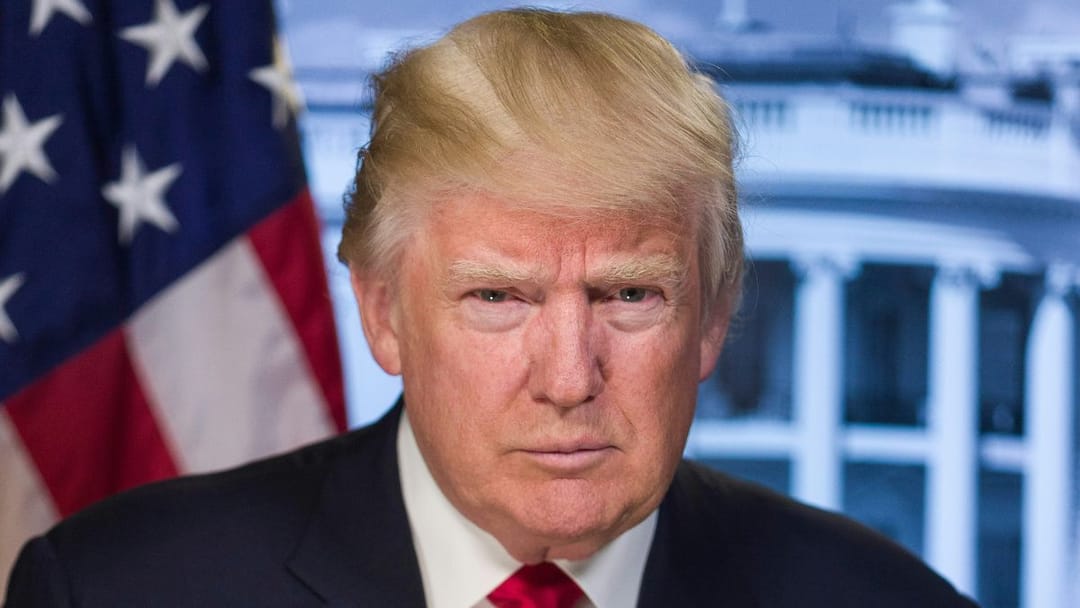
Notably, US President Donald Trump on March 5 hammered on the reciprocal tariffs on other countries including India, expected to be imposed from April 2, 2025. The American president warned, “If you don’t make your product in America under the Trump administration, you will pay a tariff, and in some cases, a rather large one. Other countries have used tariffs against us for decades and now it’s our turn to start using them against those other countries.”

Universal Tariffs

A clearer way to project the direct exposure of Asia to the US is by understanding the share of the continent’s exports to the Western nation. Vietnam reported an exposure of 25.1 per cent of its GDP to the US in 2024 and is expected to be the worst-hit region in Asia. Taiwan is anticipated to follow with a 14 per cent exposure, while Thailand’s exposure stands at 10.4 per cent. Meanwhile, Malaysia and Hong Kong have 10.3 per cent and 9.5 per cent exposure respectively to the US, as of 2024. Nomura estimated that Indian exports to the US stand around 2.2 per cent of its GDP and could be at risk if universal tariffs are implemented.

India and Thailand are expected to be at a risk of higher reciprocal tariffs from the US, Nomura suggested recently. In a note, the financial company’s economists said that reciprocal tariffs will be implemented on tariff gap, non-tariff barriers, and value added tax (VAT), among other factors.

Sonal Varma, Chief Economist for Asia ex-Japan and India, Nomura explained that emerging Asian economies have higher tariff rates on American exports relative to other countries and are thus at a higher risk of reciprocal tariffs from the US. “By sector, Asia imposes higher tariffs on agricultural products and transportation. The former is generally politically difficult for Asia to lower, but countries could lower their tariff rates on the transport sector, which includes motor vehicles,” Varma said in the co-authored note with Si Ying Toh, Nomura’s economist for Asia ex-Japan and Taiwan, reported Business Standard.

Varma and Toh said sectors or products such as vegetables, textiles, clothing, footwear, animals, and transportation equipment are expected to take the maximum brunt of the tariffs. 

Also Read : India’s Services Activity Recovers In Feb As Inflation Slows Down, Demand Soars. Check PMI Data HERE

Trump Reiterates His Tariff Plans For India

Notably, US President Donald Trump on March 5 hammered on the reciprocal tariffs on other countries including India, expected to be imposed from April 2, 2025. The American president warned, “If you don’t make your product in America under the Trump administration, you will pay a tariff, and in some cases, a rather large one. Other countries have used tariffs against us for decades and now it’s our turn to start using them against those other countries.”

Universal Tariffs

A clearer way to project the direct exposure of Asia to the US is by understanding the share of the continent’s exports to the Western nation. Vietnam reported an exposure of 25.1 per cent of its GDP to the US in 2024 and is expected to be the worst-hit region in Asia. Taiwan is anticipated to follow with a 14 per cent exposure, while Thailand’s exposure stands at 10.4 per cent. Meanwhile, Malaysia and Hong Kong have 10.3 per cent and 9.5 per cent exposure respectively to the US, as of 2024. Nomura estimated that Indian exports to the US stand around 2.2 per cent of its GDP and could be at risk if universal tariffs are implemented.

India and Thailand are expected to be at a risk of higher reciprocal tariffs from the US, Nomura suggested recently. In a note, the financial company’s economists said that reciprocal tariffs will be implemented on tariff gap, non-tariff barriers, and value added tax (VAT), among other factors.

Sonal Varma, Chief Economist for Asia ex-Japan and India, Nomura explained that emerging Asian economies have higher tariff rates on American exports relative to other countries and are thus at a higher risk of reciprocal tariffs from the US. “By sector, Asia imposes higher tariffs on agricultural products and transportation. The former is generally politically difficult for Asia to lower, but countries could lower their tariff rates on the transport sector, which includes motor vehicles,” Varma said in the co-authored note with Si Ying Toh, Nomura’s economist for Asia ex-Japan and Taiwan, reported Business Standard.

Varma and Toh said sectors or products such as vegetables, textiles, clothing, footwear, animals, and transportation equipment are expected to take the maximum brunt of the tariffs. 

Also Read : India’s Services Activity Recovers In Feb As Inflation Slows Down, Demand Soars. Check PMI Data HERE

Trump Reiterates His Tariff Plans For India

Notably, US President Donald Trump on March 5 hammered on the reciprocal tariffs on other countries including India, expected to be imposed from April 2, 2025. The American president warned, “If you don’t make your product in America under the Trump administration, you will pay a tariff, and in some cases, a rather large one. Other countries have used tariffs against us for decades and now it’s our turn to start using them against those other countries.”

Universal Tariffs

A clearer way to project the direct exposure of Asia to the US is by understanding the share of the continent’s exports to the Western nation. Vietnam reported an exposure of 25.1 per cent of its GDP to the US in 2024 and is expected to be the worst-hit region in Asia. Taiwan is anticipated to follow with a 14 per cent exposure, while Thailand’s exposure stands at 10.4 per cent. Meanwhile, Malaysia and Hong Kong have 10.3 per cent and 9.5 per cent exposure respectively to the US, as of 2024. Nomura estimated that Indian exports to the US stand around 2.2 per cent of its GDP and could be at risk if universal tariffs are implemented.

India and Thailand are expected to be at a risk of higher reciprocal tariffs from the US, Nomura suggested recently. In a note, the financial company’s economists said that reciprocal tariffs will be implemented on tariff gap, non-tariff barriers, and value added tax (VAT), among other factors.

Sonal Varma, Chief Economist for Asia ex-Japan and India, Nomura explained that emerging Asian economies have higher tariff rates on American exports relative to other countries and are thus at a higher risk of reciprocal tariffs from the US. “By sector, Asia imposes higher tariffs on agricultural products and transportation. The former is generally politically difficult for Asia to lower, but countries could lower their tariff rates on the transport sector, which includes motor vehicles,” Varma said in the co-authored note with Si Ying Toh, Nomura’s economist for Asia ex-Japan and Taiwan, reported Business Standard.

Varma and Toh said sectors or products such as vegetables, textiles, clothing, footwear, animals, and transportation equipment are expected to take the maximum brunt of the tariffs. 

Also Read : India’s Services Activity Recovers In Feb As Inflation Slows Down, Demand Soars. Check PMI Data HERE

Trump Reiterates His Tariff Plans For India

Notably, US President Donald Trump on March 5 hammered on the reciprocal tariffs on other countries including India, expected to be imposed from April 2, 2025. The American president warned, “If you don’t make your product in America under the Trump administration, you will pay a tariff, and in some cases, a rather large one. Other countries have used tariffs against us for decades and now it’s our turn to start using them against those other countries.”

Universal Tariffs

A clearer way to project the direct exposure of Asia to the US is by understanding the share of the continent’s exports to the Western nation. Vietnam reported an exposure of 25.1 per cent of its GDP to the US in 2024 and is expected to be the worst-hit region in Asia. Taiwan is anticipated to follow with a 14 per cent exposure, while Thailand’s exposure stands at 10.4 per cent. Meanwhile, Malaysia and Hong Kong have 10.3 per cent and 9.5 per cent exposure respectively to the US, as of 2024. Nomura estimated that Indian exports to the US stand around 2.2 per cent of its GDP and could be at risk if universal tariffs are implemented.


India and Thailand are expected to be at a risk of higher reciprocal tariffs from the US, Nomura suggested recently. In a note, the financial company’s economists said that reciprocal tariffs will be implemented on tariff gap, non-tariff barriers, and value added tax (VAT), among other factors.

Sonal Varma, Chief Economist for Asia ex-Japan and India, Nomura explained that emerging Asian economies have higher tariff rates on American exports relative to other countries and are thus at a higher risk of reciprocal tariffs from the US. “By sector, Asia imposes higher tariffs on agricultural products and transportation. The former is generally politically difficult for Asia to lower, but countries could lower their tariff rates on the transport sector, which includes motor vehicles,” Varma said in the co-authored note with Si Ying Toh, Nomura’s economist for Asia ex-Japan and Taiwan, reported Business Standard.

Varma and Toh said sectors or products such as vegetables, textiles, clothing, footwear, animals, and transportation equipment are expected to take the maximum brunt of the tariffs. 

Also Read : India’s Services Activity Recovers In Feb As Inflation Slows Down, Demand Soars. Check PMI Data HERE

Trump Reiterates His Tariff Plans For India

Notably, US President Donald Trump on March 5 hammered on the reciprocal tariffs on other countries including India, expected to be imposed from April 2, 2025. The American president warned, “If you don’t make your product in America under the Trump administration, you will pay a tariff, and in some cases, a rather large one. Other countries have used tariffs against us for decades and now it’s our turn to start using them against those other countries.”

Universal Tariffs

A clearer way to project the direct exposure of Asia to the US is by understanding the share of the continent’s exports to the Western nation. Vietnam reported an exposure of 25.1 per cent of its GDP to the US in 2024 and is expected to be the worst-hit region in Asia. Taiwan is anticipated to follow with a 14 per cent exposure, while Thailand’s exposure stands at 10.4 per cent. Meanwhile, Malaysia and Hong Kong have 10.3 per cent and 9.5 per cent exposure respectively to the US, as of 2024. Nomura estimated that Indian exports to the US stand around 2.2 per cent of its GDP and could be at risk if universal tariffs are implemented.

India and Thailand are expected to be at a risk of higher reciprocal tariffs from the US, Nomura suggested recently. In a note, the financial company’s economists said that reciprocal tariffs will be implemented on tariff gap, non-tariff barriers, and value added tax (VAT), among other factors.

Sonal Varma, Chief Economist for Asia ex-Japan and India, Nomura explained that emerging Asian economies have higher tariff rates on American exports relative to other countries and are thus at a higher risk of reciprocal tariffs from the US. “By sector, Asia imposes higher tariffs on agricultural products and transportation. The former is generally politically difficult for Asia to lower, but countries could lower their tariff rates on the transport sector, which includes motor vehicles,” Varma said in the co-authored note with Si Ying Toh, Nomura’s economist for Asia ex-Japan and Taiwan, reported Business Standard.

Varma and Toh said sectors or products such as vegetables, textiles, clothing, footwear, animals, and transportation equipment are expected to take the maximum brunt of the tariffs. 

Also Read : India’s Services Activity Recovers In Feb As Inflation Slows Down, Demand Soars. Check PMI Data HERE

Trump Reiterates His Tariff Plans For India

Notably, US President Donald Trump on March 5 hammered on the reciprocal tariffs on other countries including India, expected to be imposed from April 2, 2025. The American president warned, “If you don’t make your product in America under the Trump administration, you will pay a tariff, and in some cases, a rather large one. Other countries have used tariffs against us for decades and now it’s our turn to start using them against those other countries.”

Universal Tariffs

A clearer way to project the direct exposure of Asia to the US is by understanding the share of the continent’s exports to the Western nation. Vietnam reported an exposure of 25.1 per cent of its GDP to the US in 2024 and is expected to be the worst-hit region in Asia. Taiwan is anticipated to follow with a 14 per cent exposure, while Thailand’s exposure stands at 10.4 per cent. Meanwhile, Malaysia and Hong Kong have 10.3 per cent and 9.5 per cent exposure respectively to the US, as of 2024. Nomura estimated that Indian exports to the US stand around 2.2 per cent of its GDP and could be at risk if universal tariffs are implemented.

India and Thailand are expected to be at a risk of higher reciprocal tariffs from the US, Nomura suggested recently. In a note, the financial company’s economists said that reciprocal tariffs will be implemented on tariff gap, non-tariff barriers, and value added tax (VAT), among other factors.

Sonal Varma, Chief Economist for Asia ex-Japan and India, Nomura explained that emerging Asian economies have higher tariff rates on American exports relative to other countries and are thus at a higher risk of reciprocal tariffs from the US. “By sector, Asia imposes higher tariffs on agricultural products and transportation. The former is generally politically difficult for Asia to lower, but countries could lower their tariff rates on the transport sector, which includes motor vehicles,” Varma said in the co-authored note with Si Ying Toh, Nomura’s economist for Asia ex-Japan and Taiwan, reported Business Standard.

Varma and Toh said sectors or products such as vegetables, textiles, clothing, footwear, animals, and transportation equipment are expected to take the maximum brunt of the tariffs. 

Also Read : India’s Services Activity Recovers In Feb As Inflation Slows Down, Demand Soars. Check PMI Data HERE

Trump Reiterates His Tariff Plans For India

Notably, US President Donald Trump on March 5 hammered on the reciprocal tariffs on other countries including India, expected to be imposed from April 2, 2025. The American president warned, “If you don’t make your product in America under the Trump administration, you will pay a tariff, and in some cases, a rather large one. Other countries have used tariffs against us for decades and now it’s our turn to start using them against those other countries.”

Universal Tariffs

A clearer way to project the direct exposure of Asia to the US is by understanding the share of the continent’s exports to the Western nation. Vietnam reported an exposure of 25.1 per cent of its GDP to the US in 2024 and is expected to be the worst-hit region in Asia. Taiwan is anticipated to follow with a 14 per cent exposure, while Thailand’s exposure stands at 10.4 per cent. Meanwhile, Malaysia and Hong Kong have 10.3 per cent and 9.5 per cent exposure respectively to the US, as of 2024. Nomura estimated that Indian exports to the US stand around 2.2 per cent of its GDP and could be at risk if universal tariffs are implemented.

India and Thailand are expected to be at a risk of higher reciprocal tariffs from the US, Nomura suggested recently. In a note, the financial company’s economists said that reciprocal tariffs will be implemented on tariff gap, non-tariff barriers, and value added tax (VAT), among other factors.

Sonal Varma, Chief Economist for Asia ex-Japan and India, Nomura explained that emerging Asian economies have higher tariff rates on American exports relative to other countries and are thus at a higher risk of reciprocal tariffs from the US. “By sector, Asia imposes higher tariffs on agricultural products and transportation. The former is generally politically difficult for Asia to lower, but countries could lower their tariff rates on the transport sector, which includes motor vehicles,” Varma said in the co-authored note with Si Ying Toh, Nomura’s economist for Asia ex-Japan and Taiwan, reported Business Standard.

Varma and Toh said sectors or products such as vegetables, textiles, clothing, footwear, animals, and transportation equipment are expected to take the maximum brunt of the tariffs. 

Also Read : India’s Services Activity Recovers In Feb As Inflation Slows Down, Demand Soars. Check PMI Data HERE

Trump Reiterates His Tariff Plans For India

Notably, US President Donald Trump on March 5 hammered on the reciprocal tariffs on other countries including India, expected to be imposed from April 2, 2025. The American president warned, “If you don’t make your product in America under the Trump administration, you will pay a tariff, and in some cases, a rather large one. Other countries have used tariffs against us for decades and now it’s our turn to start using them against those other countries.”

Universal Tariffs

A clearer way to project the direct exposure of Asia to the US is by understanding the share of the continent’s exports to the Western nation. Vietnam reported an exposure of 25.1 per cent of its GDP to the US in 2024 and is expected to be the worst-hit region in Asia. Taiwan is anticipated to follow with a 14 per cent exposure, while Thailand’s exposure stands at 10.4 per cent. Meanwhile, Malaysia and Hong Kong have 10.3 per cent and 9.5 per cent exposure respectively to the US, as of 2024. Nomura estimated that Indian exports to the US stand around 2.2 per cent of its GDP and could be at risk if universal tariffs are implemented.

India and Thailand are expected to be at a risk of higher reciprocal tariffs from the US, Nomura suggested recently. In a note, the financial company’s economists said that reciprocal tariffs will be implemented on tariff gap, non-tariff barriers, and value added tax (VAT), among other factors.

Sonal Varma, Chief Economist for Asia ex-Japan and India, Nomura explained that emerging Asian economies have higher tariff rates on American exports relative to other countries and are thus at a higher risk of reciprocal tariffs from the US. “By sector, Asia imposes higher tariffs on agricultural products and transportation. The former is generally politically difficult for Asia to lower, but countries could lower their tariff rates on the transport sector, which includes motor vehicles,” Varma said in the co-authored note with Si Ying Toh, Nomura’s economist for Asia ex-Japan and Taiwan, reported Business Standard.

Varma and Toh said sectors or products such as vegetables, textiles, clothing, footwear, animals, and transportation equipment are expected to take the maximum brunt of the tariffs. 

Also Read : India’s Services Activity Recovers In Feb As Inflation Slows Down, Demand Soars. Check PMI Data HERE

Trump Reiterates His Tariff Plans For India

Notably, US President Donald Trump on March 5 hammered on the reciprocal tariffs on other countries including India, expected to be imposed from April 2, 2025. The American president warned, “If you don’t make your product in America under the Trump administration, you will pay a tariff, and in some cases, a rather large one. Other countries have used tariffs against us for decades and now it’s our turn to start using them against those other countries.”

Universal Tariffs

A clearer way to project the direct exposure of Asia to the US is by understanding the share of the continent’s exports to the Western nation. Vietnam reported an exposure of 25.1 per cent of its GDP to the US in 2024 and is expected to be the worst-hit region in Asia. Taiwan is anticipated to follow with a 14 per cent exposure, while Thailand’s exposure stands at 10.4 per cent. Meanwhile, Malaysia and Hong Kong have 10.3 per cent and 9.5 per cent exposure respectively to the US, as of 2024. Nomura estimated that Indian exports to the US stand around 2.2 per cent of its GDP and could be at risk if universal tariffs are implemented.

India and Thailand are expected to be at a risk of higher reciprocal tariffs from the US, Nomura suggested recently. In a note, the financial company’s economists said that reciprocal tariffs will be implemented on tariff gap, non-tariff barriers, and value added tax (VAT), among other factors.

Sonal Varma, Chief Economist for Asia ex-Japan and India, Nomura explained that emerging Asian economies have higher tariff rates on American exports relative to other countries and are thus at a higher risk of reciprocal tariffs from the US. “By sector, Asia imposes higher tariffs on agricultural products and transportation. The former is generally politically difficult for Asia to lower, but countries could lower their tariff rates on the transport sector, which includes motor vehicles,” Varma said in the co-authored note with Si Ying Toh, Nomura’s economist for Asia ex-Japan and Taiwan, reported Business Standard.

Varma and Toh said sectors or products such as vegetables, textiles, clothing, footwear, animals, and transportation equipment are expected to take the maximum brunt of the tariffs. 

Also Read : India’s Services Activity Recovers In Feb As Inflation Slows Down, Demand Soars. Check PMI Data HERE

Trump Reiterates His Tariff Plans For India

Notably, US President Donald Trump on March 5 hammered on the reciprocal tariffs on other countries including India, expected to be imposed from April 2, 2025. The American president warned, “If you don’t make your product in America under the Trump administration, you will pay a tariff, and in some cases, a rather large one. Other countries have used tariffs against us for decades and now it’s our turn to start using them against those other countries.”

Universal Tariffs

A clearer way to project the direct exposure of Asia to the US is by understanding the share of the continent’s exports to the Western nation. Vietnam reported an exposure of 25.1 per cent of its GDP to the US in 2024 and is expected to be the worst-hit region in Asia. Taiwan is anticipated to follow with a 14 per cent exposure, while Thailand’s exposure stands at 10.4 per cent. Meanwhile, Malaysia and Hong Kong have 10.3 per cent and 9.5 per cent exposure respectively to the US, as of 2024. Nomura estimated that Indian exports to the US stand around 2.2 per cent of its GDP and could be at risk if universal tariffs are implemented.

India and Thailand are expected to be at a risk of higher reciprocal tariffs from the US, Nomura suggested recently. In a note, the financial company’s economists said that reciprocal tariffs will be implemented on tariff gap, non-tariff barriers, and value added tax (VAT), among other factors.

Sonal Varma, Chief Economist for Asia ex-Japan and India, Nomura explained that emerging Asian economies have higher tariff rates on American exports relative to other countries and are thus at a higher risk of reciprocal tariffs from the US. “By sector, Asia imposes higher tariffs on agricultural products and transportation. The former is generally politically difficult for Asia to lower, but countries could lower their tariff rates on the transport sector, which includes motor vehicles,” Varma said in the co-authored note with Si Ying Toh, Nomura’s economist for Asia ex-Japan and Taiwan, reported Business Standard.

Varma and Toh said sectors or products such as vegetables, textiles, clothing, footwear, animals, and transportation equipment are expected to take the maximum brunt of the tariffs. 

Also Read : India’s Services Activity Recovers In Feb As Inflation Slows Down, Demand Soars. Check PMI Data HERE

Trump Reiterates His Tariff Plans For India

Notably, US President Donald Trump on March 5 hammered on the reciprocal tariffs on other countries including India, expected to be imposed from April 2, 2025. The American president warned, “If you don’t make your product in America under the Trump administration, you will pay a tariff, and in some cases, a rather large one. Other countries have used tariffs against us for decades and now it’s our turn to start using them against those other countries.”

Universal Tariffs

A clearer way to project the direct exposure of Asia to the US is by understanding the share of the continent’s exports to the Western nation. Vietnam reported an exposure of 25.1 per cent of its GDP to the US in 2024 and is expected to be the worst-hit region in Asia. Taiwan is anticipated to follow with a 14 per cent exposure, while Thailand’s exposure stands at 10.4 per cent. Meanwhile, Malaysia and Hong Kong have 10.3 per cent and 9.5 per cent exposure respectively to the US, as of 2024. Nomura estimated that Indian exports to the US stand around 2.2 per cent of its GDP and could be at risk if universal tariffs are implemented.

India and Thailand are expected to be at a risk of higher reciprocal tariffs from the US, Nomura suggested recently. In a note, the financial company’s economists said that reciprocal tariffs will be implemented on tariff gap, non-tariff barriers, and value added tax (VAT), among other factors.

Sonal Varma, Chief Economist for Asia ex-Japan and India, Nomura explained that emerging Asian economies have higher tariff rates on American exports relative to other countries and are thus at a higher risk of reciprocal tariffs from the US. “By sector, Asia imposes higher tariffs on agricultural products and transportation. The former is generally politically difficult for Asia to lower, but countries could lower their tariff rates on the transport sector, which includes motor vehicles,” Varma said in the co-authored note with Si Ying Toh, Nomura’s economist for Asia ex-Japan and Taiwan, reported Business Standard.

Varma and Toh said sectors or products such as vegetables, textiles, clothing, footwear, animals, and transportation equipment are expected to take the maximum brunt of the tariffs. 

Also Read : India’s Services Activity Recovers In Feb As Inflation Slows Down, Demand Soars. Check PMI Data HERE

Trump Reiterates His Tariff Plans For India

Notably, US President Donald Trump on March 5 hammered on the reciprocal tariffs on other countries including India, expected to be imposed from April 2, 2025. The American president warned, “If you don’t make your product in America under the Trump administration, you will pay a tariff, and in some cases, a rather large one. Other countries have used tariffs against us for decades and now it’s our turn to start using them against those other countries.”

Universal Tariffs

A clearer way to project the direct exposure of Asia to the US is by understanding the share of the continent’s exports to the Western nation. Vietnam reported an exposure of 25.1 per cent of its GDP to the US in 2024 and is expected to be the worst-hit region in Asia. Taiwan is anticipated to follow with a 14 per cent exposure, while Thailand’s exposure stands at 10.4 per cent. Meanwhile, Malaysia and Hong Kong have 10.3 per cent and 9.5 per cent exposure respectively to the US, as of 2024. Nomura estimated that Indian exports to the US stand around 2.2 per cent of its GDP and could be at risk if universal tariffs are implemented.

India and Thailand are expected to be at a risk of higher reciprocal tariffs from the US, Nomura suggested recently. In a note, the financial company’s economists said that reciprocal tariffs will be implemented on tariff gap, non-tariff barriers, and value added tax (VAT), among other factors.

Sonal Varma, Chief Economist for Asia ex-Japan and India, Nomura explained that emerging Asian economies have higher tariff rates on American exports relative to other countries and are thus at a higher risk of reciprocal tariffs from the US. “By sector, Asia imposes higher tariffs on agricultural products and transportation. The former is generally politically difficult for Asia to lower, but countries could lower their tariff rates on the transport sector, which includes motor vehicles,” Varma said in the co-authored note with Si Ying Toh, Nomura’s economist for Asia ex-Japan and Taiwan, reported Business Standard.

Varma and Toh said sectors or products such as vegetables, textiles, clothing, footwear, animals, and transportation equipment are expected to take the maximum brunt of the tariffs. 

Also Read : India’s Services Activity Recovers In Feb As Inflation Slows Down, Demand Soars. Check PMI Data HERE

Trump Reiterates His Tariff Plans For India

Notably, US President Donald Trump on March 5 hammered on the reciprocal tariffs on other countries including India, expected to be imposed from April 2, 2025. The American president warned, “If you don’t make your product in America under the Trump administration, you will pay a tariff, and in some cases, a rather large one. Other countries have used tariffs against us for decades and now it’s our turn to start using them against those other countries.”

Universal Tariffs

A clearer way to project the direct exposure of Asia to the US is by understanding the share of the continent’s exports to the Western nation. Vietnam reported an exposure of 25.1 per cent of its GDP to the US in 2024 and is expected to be the worst-hit region in Asia. Taiwan is anticipated to follow with a 14 per cent exposure, while Thailand’s exposure stands at 10.4 per cent. Meanwhile, Malaysia and Hong Kong have 10.3 per cent and 9.5 per cent exposure respectively to the US, as of 2024. Nomura estimated that Indian exports to the US stand around 2.2 per cent of its GDP and could be at risk if universal tariffs are implemented.

India and Thailand are expected to be at a risk of higher reciprocal tariffs from the US, Nomura suggested recently. In a note, the financial company’s economists said that reciprocal tariffs will be implemented on tariff gap, non-tariff barriers, and value added tax (VAT), among other factors.

Sonal Varma, Chief Economist for Asia ex-Japan and India, Nomura explained that emerging Asian economies have higher tariff rates on American exports relative to other countries and are thus at a higher risk of reciprocal tariffs from the US. “By sector, Asia imposes higher tariffs on agricultural products and transportation. The former is generally politically difficult for Asia to lower, but countries could lower their tariff rates on the transport sector, which includes motor vehicles,” Varma said in the co-authored note with Si Ying Toh, Nomura’s economist for Asia ex-Japan and Taiwan, reported Business Standard.

Varma and Toh said sectors or products such as vegetables, textiles, clothing, footwear, animals, and transportation equipment are expected to take the maximum brunt of the tariffs. 

Also Read : India’s Services Activity Recovers In Feb As Inflation Slows Down, Demand Soars. Check PMI Data HERE

Trump Reiterates His Tariff Plans For India

Notably, US President Donald Trump on March 5 hammered on the reciprocal tariffs on other countries including India, expected to be imposed from April 2, 2025. The American president warned, “If you don’t make your product in America under the Trump administration, you will pay a tariff, and in some cases, a rather large one. Other countries have used tariffs against us for decades and now it’s our turn to start using them against those other countries.”

Universal Tariffs

A clearer way to project the direct exposure of Asia to the US is by understanding the share of the continent’s exports to the Western nation. Vietnam reported an exposure of 25.1 per cent of its GDP to the US in 2024 and is expected to be the worst-hit region in Asia. Taiwan is anticipated to follow with a 14 per cent exposure, while Thailand’s exposure stands at 10.4 per cent. Meanwhile, Malaysia and Hong Kong have 10.3 per cent and 9.5 per cent exposure respectively to the US, as of 2024. Nomura estimated that Indian exports to the US stand around 2.2 per cent of its GDP and could be at risk if universal tariffs are implemented.

India and Thailand are expected to be at a risk of higher reciprocal tariffs from the US, Nomura suggested recently. In a note, the financial company’s economists said that reciprocal tariffs will be implemented on tariff gap, non-tariff barriers, and value added tax (VAT), among other factors.

Sonal Varma, Chief Economist for Asia ex-Japan and India, Nomura explained that emerging Asian economies have higher tariff rates on American exports relative to other countries and are thus at a higher risk of reciprocal tariffs from the US. “By sector, Asia imposes higher tariffs on agricultural products and transportation. The former is generally politically difficult for Asia to lower, but countries could lower their tariff rates on the transport sector, which includes motor vehicles,” Varma said in the co-authored note with Si Ying Toh, Nomura’s economist for Asia ex-Japan and Taiwan, reported Business Standard.

Varma and Toh said sectors or products such as vegetables, textiles, clothing, footwear, animals, and transportation equipment are expected to take the maximum brunt of the tariffs. 

Also Read : India’s Services Activity Recovers In Feb As Inflation Slows Down, Demand Soars. Check PMI Data HERE

Trump Reiterates His Tariff Plans For India

Notably, US President Donald Trump on March 5 hammered on the reciprocal tariffs on other countries including India, expected to be imposed from April 2, 2025. The American president warned, “If you don’t make your product in America under the Trump administration, you will pay a tariff, and in some cases, a rather large one. Other countries have used tariffs against us for decades and now it’s our turn to start using them against those other countries.”

Universal Tariffs

A clearer way to project the direct exposure of Asia to the US is by understanding the share of the continent’s exports to the Western nation. Vietnam reported an exposure of 25.1 per cent of its GDP to the US in 2024 and is expected to be the worst-hit region in Asia. Taiwan is anticipated to follow with a 14 per cent exposure, while Thailand’s exposure stands at 10.4 per cent. Meanwhile, Malaysia and Hong Kong have 10.3 per cent and 9.5 per cent exposure respectively to the US, as of 2024. Nomura estimated that Indian exports to the US stand around 2.2 per cent of its GDP and could be at risk if universal tariffs are implemented.

India and Thailand are expected to be at a risk of higher reciprocal tariffs from the US, Nomura suggested recently. In a note, the financial company’s economists said that reciprocal tariffs will be implemented on tariff gap, non-tariff barriers, and value added tax (VAT), among other factors.

Sonal Varma, Chief Economist for Asia ex-Japan and India, Nomura explained that emerging Asian economies have higher tariff rates on American exports relative to other countries and are thus at a higher risk of reciprocal tariffs from the US. “By sector, Asia imposes higher tariffs on agricultural products and transportation. The former is generally politically difficult for Asia to lower, but countries could lower their tariff rates on the transport sector, which includes motor vehicles,” Varma said in the co-authored note with Si Ying Toh, Nomura’s economist for Asia ex-Japan and Taiwan, reported Business Standard.

Varma and Toh said sectors or products such as vegetables, textiles, clothing, footwear, animals, and transportation equipment are expected to take the maximum brunt of the tariffs. 

Also Read : India’s Services Activity Recovers In Feb As Inflation Slows Down, Demand Soars. Check PMI Data HERE

Trump Reiterates His Tariff Plans For India

Notably, US President Donald Trump on March 5 hammered on the reciprocal tariffs on other countries including India, expected to be imposed from April 2, 2025. The American president warned, “If you don’t make your product in America under the Trump administration, you will pay a tariff, and in some cases, a rather large one. Other countries have used tariffs against us for decades and now it’s our turn to start using them against those other countries.”

Universal Tariffs

A clearer way to project the direct exposure of Asia to the US is by understanding the share of the continent’s exports to the Western nation. Vietnam reported an exposure of 25.1 per cent of its GDP to the US in 2024 and is expected to be the worst-hit region in Asia. Taiwan is anticipated to follow with a 14 per cent exposure, while Thailand’s exposure stands at 10.4 per cent. Meanwhile, Malaysia and Hong Kong have 10.3 per cent and 9.5 per cent exposure respectively to the US, as of 2024. Nomura estimated that Indian exports to the US stand around 2.2 per cent of its GDP and could be at risk if universal tariffs are implemented.

Tags: india us tariffsNomurareciprocal tariffstariff impact on indiaThailandtrump tariffsUS President Donald Trump
Previous Post

‘If It’s War US Wants, We’re Ready To Fight’: China Responds To Trump’s Reciprocal Tariff

Next Post

Control issues? These two simple words could help

Leave a Reply Cancel reply

Your email address will not be published. Required fields are marked *

BROWSE BY CATEGORIES

  • Business
  • Culture
  • Entertainment
  • Health
  • Politics
  • Technology
  • Trending
  • Uncategorized
  • World
Binghamton Herald

© 2024 Binghamton Herald or its affiliated companies.

Navigate Site

  • About
  • Advertise
  • Terms & Conditions
  • Privacy Policy
  • Disclaimer
  • Contact

Follow Us

No Result
View All Result
  • Home
  • World
  • Politics
  • Business
  • Technology
  • Culture
  • Health
  • Entertainment
  • Trending

© 2024 Binghamton Herald or its affiliated companies.

Welcome Back!

Login to your account below

Forgotten Password?

Retrieve your password

Please enter your username or email address to reset your password.

Log In