


Washington DC
New York
Toronto
Distribution: (800) 510 9863
Press ID
  • Login
Binghamton Herald
Advertisement
Wednesday, April 22, 2026
  • Home
  • World
  • Politics
  • Business
  • Technology
  • Culture
  • Health
  • Entertainment
  • Trending
No Result
View All Result
Binghamton Herald
No Result
View All Result
Home Trending

PSLV-C54: ISRO To Launch OceanSat-3, 8 Nano-Satellites On Nov 26. All You Need To Know

by Binghamton Herald Report
November 20, 2022
in Trending
Share on FacebookShare on Twitter

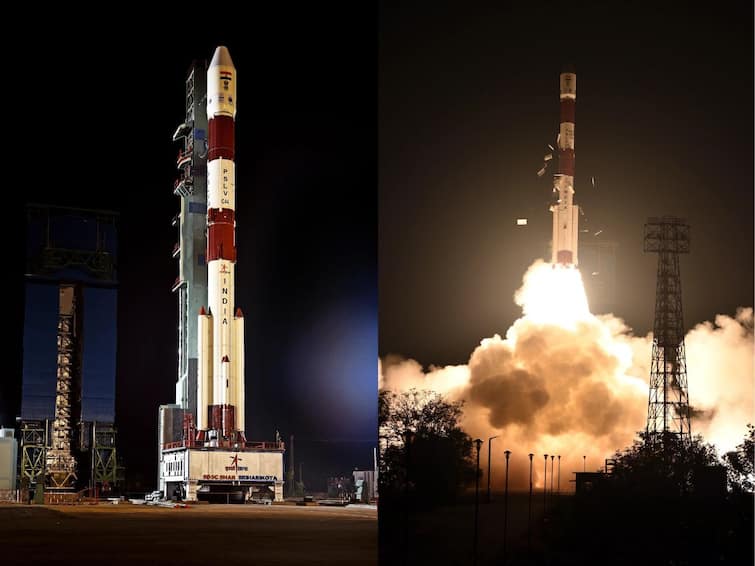
PSLV-C54: The Indian Space Research Organisation (ISRO) will launch OceanSat-3 and eight nano-satellites on November 26, as part of the PSLV C-54 or EOS-06 mission. The mission is scheduled for launch at 11:56 am IST on November 26, the Indian space agency says on its website. 

According to a report by news agency PTI, a senior ISRO official said the mission will launch OceanSat-3, also called EOS-06 (Earth Observation Satellite), along with BhutanSat, a Bhutanese satellite, a nano-satellite called Anand, developed by Pixxel India, and other nano-satellites developed by Dhruva Space, Astrocast and Spaceflight USA, a Seattle-based aerospace company.

In a statement released by the Ministry of Earth Science on November 8, 2022, Union Minister of Science and Technology, Dr Jitendra Singh, said space applications are being deployed to share valuable inputs on “marine surveillance” sign India’s security agencies. 

All about EOS-06 mission

OceanSat-3, along with eight nano-satellites, will be launched from First Launch Pad, Satish Dhawan Space Centre, Sriharikota, Andhra Pradesh. 

This is ISRO’s 84th mission so far and the space agency’s fifth mission this year. EOS-06 is the 56th launch attempt for the Polar Satellite Launch Vehicle (PSLV), and the rocket’s third mission for 2022. The scheduled ISRO mission is the 167th launch orbital attempt this year.

OceanSat-3 is an Indian satellite designed to provide service continuity for operational users of the Ocean Colour Monitor (OCM) instrument on OceanSat-2, and will facilitate the potential of applications in other areas, according to nextspaceflight.com. The main objectives of the satellite are to study surface winds and ocean surface strata, monitor phytoplankton blooms, study suspended sediments and aerosols in the water, and observe chlorophyll concentrations. 

More about OceanSat-3

OceanSat-3 is the third flight unit of the OceanSat programme, and its main mission is ocean observation. The satellite has a mass of 960 kilograms, and will operate at 1,360 Watts, according to Observing Systems Capability Analysis and Review Tool (OSCAR), a resource developed by the World Meteorological Organization (WMO) in support of Earth observation applications. OceanSat-3 will be placed into a sun-synchronous orbit. The altitude of the orbit where OceanSat-3 will be placed is 723 kilometres. 

The payloads flying on OceanSat-3 are Ocean Colour Monitor (OCM), Sea Surface Temperature Monitor (SSTM), Advanced Data Collection System (A-DCS), and Scatterometer for Oceansat-3 (OSCAT-3). A-DCS is also called Argos-3. 

It is estimated that the instruments OCM, SSTM, and A-DCS will operate beyond 2030.

PSLV-C54: The Indian Space Research Organisation (ISRO) will launch OceanSat-3 and eight nano-satellites on November 26, as part of the PSLV C-54 or EOS-06 mission. The mission is scheduled for launch at 11:56 am IST on November 26, the Indian space agency says on its website. 

According to a report by news agency PTI, a senior ISRO official said the mission will launch OceanSat-3, also called EOS-06 (Earth Observation Satellite), along with BhutanSat, a Bhutanese satellite, a nano-satellite called Anand, developed by Pixxel India, and other nano-satellites developed by Dhruva Space, Astrocast and Spaceflight USA, a Seattle-based aerospace company.

In a statement released by the Ministry of Earth Science on November 8, 2022, Union Minister of Science and Technology, Dr Jitendra Singh, said space applications are being deployed to share valuable inputs on “marine surveillance” sign India’s security agencies. 

All about EOS-06 mission

OceanSat-3, along with eight nano-satellites, will be launched from First Launch Pad, Satish Dhawan Space Centre, Sriharikota, Andhra Pradesh. 

This is ISRO’s 84th mission so far and the space agency’s fifth mission this year. EOS-06 is the 56th launch attempt for the Polar Satellite Launch Vehicle (PSLV), and the rocket’s third mission for 2022. The scheduled ISRO mission is the 167th launch orbital attempt this year.

OceanSat-3 is an Indian satellite designed to provide service continuity for operational users of the Ocean Colour Monitor (OCM) instrument on OceanSat-2, and will facilitate the potential of applications in other areas, according to nextspaceflight.com. The main objectives of the satellite are to study surface winds and ocean surface strata, monitor phytoplankton blooms, study suspended sediments and aerosols in the water, and observe chlorophyll concentrations. 

More about OceanSat-3

OceanSat-3 is the third flight unit of the OceanSat programme, and its main mission is ocean observation. The satellite has a mass of 960 kilograms, and will operate at 1,360 Watts, according to Observing Systems Capability Analysis and Review Tool (OSCAR), a resource developed by the World Meteorological Organization (WMO) in support of Earth observation applications. OceanSat-3 will be placed into a sun-synchronous orbit. The altitude of the orbit where OceanSat-3 will be placed is 723 kilometres. 

The payloads flying on OceanSat-3 are Ocean Colour Monitor (OCM), Sea Surface Temperature Monitor (SSTM), Advanced Data Collection System (A-DCS), and Scatterometer for Oceansat-3 (OSCAT-3). A-DCS is also called Argos-3. 

It is estimated that the instruments OCM, SSTM, and A-DCS will operate beyond 2030.

PSLV-C54: The Indian Space Research Organisation (ISRO) will launch OceanSat-3 and eight nano-satellites on November 26, as part of the PSLV C-54 or EOS-06 mission. The mission is scheduled for launch at 11:56 am IST on November 26, the Indian space agency says on its website. 

According to a report by news agency PTI, a senior ISRO official said the mission will launch OceanSat-3, also called EOS-06 (Earth Observation Satellite), along with BhutanSat, a Bhutanese satellite, a nano-satellite called Anand, developed by Pixxel India, and other nano-satellites developed by Dhruva Space, Astrocast and Spaceflight USA, a Seattle-based aerospace company.

In a statement released by the Ministry of Earth Science on November 8, 2022, Union Minister of Science and Technology, Dr Jitendra Singh, said space applications are being deployed to share valuable inputs on “marine surveillance” sign India’s security agencies. 

All about EOS-06 mission

OceanSat-3, along with eight nano-satellites, will be launched from First Launch Pad, Satish Dhawan Space Centre, Sriharikota, Andhra Pradesh. 

This is ISRO’s 84th mission so far and the space agency’s fifth mission this year. EOS-06 is the 56th launch attempt for the Polar Satellite Launch Vehicle (PSLV), and the rocket’s third mission for 2022. The scheduled ISRO mission is the 167th launch orbital attempt this year.

OceanSat-3 is an Indian satellite designed to provide service continuity for operational users of the Ocean Colour Monitor (OCM) instrument on OceanSat-2, and will facilitate the potential of applications in other areas, according to nextspaceflight.com. The main objectives of the satellite are to study surface winds and ocean surface strata, monitor phytoplankton blooms, study suspended sediments and aerosols in the water, and observe chlorophyll concentrations. 

More about OceanSat-3

OceanSat-3 is the third flight unit of the OceanSat programme, and its main mission is ocean observation. The satellite has a mass of 960 kilograms, and will operate at 1,360 Watts, according to Observing Systems Capability Analysis and Review Tool (OSCAR), a resource developed by the World Meteorological Organization (WMO) in support of Earth observation applications. OceanSat-3 will be placed into a sun-synchronous orbit. The altitude of the orbit where OceanSat-3 will be placed is 723 kilometres. 

The payloads flying on OceanSat-3 are Ocean Colour Monitor (OCM), Sea Surface Temperature Monitor (SSTM), Advanced Data Collection System (A-DCS), and Scatterometer for Oceansat-3 (OSCAT-3). A-DCS is also called Argos-3. 

It is estimated that the instruments OCM, SSTM, and A-DCS will operate beyond 2030.

PSLV-C54: The Indian Space Research Organisation (ISRO) will launch OceanSat-3 and eight nano-satellites on November 26, as part of the PSLV C-54 or EOS-06 mission. The mission is scheduled for launch at 11:56 am IST on November 26, the Indian space agency says on its website. 

According to a report by news agency PTI, a senior ISRO official said the mission will launch OceanSat-3, also called EOS-06 (Earth Observation Satellite), along with BhutanSat, a Bhutanese satellite, a nano-satellite called Anand, developed by Pixxel India, and other nano-satellites developed by Dhruva Space, Astrocast and Spaceflight USA, a Seattle-based aerospace company.

In a statement released by the Ministry of Earth Science on November 8, 2022, Union Minister of Science and Technology, Dr Jitendra Singh, said space applications are being deployed to share valuable inputs on “marine surveillance” sign India’s security agencies. 

All about EOS-06 mission

OceanSat-3, along with eight nano-satellites, will be launched from First Launch Pad, Satish Dhawan Space Centre, Sriharikota, Andhra Pradesh. 

This is ISRO’s 84th mission so far and the space agency’s fifth mission this year. EOS-06 is the 56th launch attempt for the Polar Satellite Launch Vehicle (PSLV), and the rocket’s third mission for 2022. The scheduled ISRO mission is the 167th launch orbital attempt this year.

OceanSat-3 is an Indian satellite designed to provide service continuity for operational users of the Ocean Colour Monitor (OCM) instrument on OceanSat-2, and will facilitate the potential of applications in other areas, according to nextspaceflight.com. The main objectives of the satellite are to study surface winds and ocean surface strata, monitor phytoplankton blooms, study suspended sediments and aerosols in the water, and observe chlorophyll concentrations. 

More about OceanSat-3

OceanSat-3 is the third flight unit of the OceanSat programme, and its main mission is ocean observation. The satellite has a mass of 960 kilograms, and will operate at 1,360 Watts, according to Observing Systems Capability Analysis and Review Tool (OSCAR), a resource developed by the World Meteorological Organization (WMO) in support of Earth observation applications. OceanSat-3 will be placed into a sun-synchronous orbit. The altitude of the orbit where OceanSat-3 will be placed is 723 kilometres. 

The payloads flying on OceanSat-3 are Ocean Colour Monitor (OCM), Sea Surface Temperature Monitor (SSTM), Advanced Data Collection System (A-DCS), and Scatterometer for Oceansat-3 (OSCAT-3). A-DCS is also called Argos-3. 

It is estimated that the instruments OCM, SSTM, and A-DCS will operate beyond 2030.

PSLV-C54: The Indian Space Research Organisation (ISRO) will launch OceanSat-3 and eight nano-satellites on November 26, as part of the PSLV C-54 or EOS-06 mission. The mission is scheduled for launch at 11:56 am IST on November 26, the Indian space agency says on its website. 

According to a report by news agency PTI, a senior ISRO official said the mission will launch OceanSat-3, also called EOS-06 (Earth Observation Satellite), along with BhutanSat, a Bhutanese satellite, a nano-satellite called Anand, developed by Pixxel India, and other nano-satellites developed by Dhruva Space, Astrocast and Spaceflight USA, a Seattle-based aerospace company.

In a statement released by the Ministry of Earth Science on November 8, 2022, Union Minister of Science and Technology, Dr Jitendra Singh, said space applications are being deployed to share valuable inputs on “marine surveillance” sign India’s security agencies. 

All about EOS-06 mission

OceanSat-3, along with eight nano-satellites, will be launched from First Launch Pad, Satish Dhawan Space Centre, Sriharikota, Andhra Pradesh. 

This is ISRO’s 84th mission so far and the space agency’s fifth mission this year. EOS-06 is the 56th launch attempt for the Polar Satellite Launch Vehicle (PSLV), and the rocket’s third mission for 2022. The scheduled ISRO mission is the 167th launch orbital attempt this year.

OceanSat-3 is an Indian satellite designed to provide service continuity for operational users of the Ocean Colour Monitor (OCM) instrument on OceanSat-2, and will facilitate the potential of applications in other areas, according to nextspaceflight.com. The main objectives of the satellite are to study surface winds and ocean surface strata, monitor phytoplankton blooms, study suspended sediments and aerosols in the water, and observe chlorophyll concentrations. 

More about OceanSat-3

OceanSat-3 is the third flight unit of the OceanSat programme, and its main mission is ocean observation. The satellite has a mass of 960 kilograms, and will operate at 1,360 Watts, according to Observing Systems Capability Analysis and Review Tool (OSCAR), a resource developed by the World Meteorological Organization (WMO) in support of Earth observation applications. OceanSat-3 will be placed into a sun-synchronous orbit. The altitude of the orbit where OceanSat-3 will be placed is 723 kilometres. 

The payloads flying on OceanSat-3 are Ocean Colour Monitor (OCM), Sea Surface Temperature Monitor (SSTM), Advanced Data Collection System (A-DCS), and Scatterometer for Oceansat-3 (OSCAT-3). A-DCS is also called Argos-3. 

It is estimated that the instruments OCM, SSTM, and A-DCS will operate beyond 2030.

PSLV-C54: The Indian Space Research Organisation (ISRO) will launch OceanSat-3 and eight nano-satellites on November 26, as part of the PSLV C-54 or EOS-06 mission. The mission is scheduled for launch at 11:56 am IST on November 26, the Indian space agency says on its website. 

According to a report by news agency PTI, a senior ISRO official said the mission will launch OceanSat-3, also called EOS-06 (Earth Observation Satellite), along with BhutanSat, a Bhutanese satellite, a nano-satellite called Anand, developed by Pixxel India, and other nano-satellites developed by Dhruva Space, Astrocast and Spaceflight USA, a Seattle-based aerospace company.

In a statement released by the Ministry of Earth Science on November 8, 2022, Union Minister of Science and Technology, Dr Jitendra Singh, said space applications are being deployed to share valuable inputs on “marine surveillance” sign India’s security agencies. 

All about EOS-06 mission

OceanSat-3, along with eight nano-satellites, will be launched from First Launch Pad, Satish Dhawan Space Centre, Sriharikota, Andhra Pradesh. 

This is ISRO’s 84th mission so far and the space agency’s fifth mission this year. EOS-06 is the 56th launch attempt for the Polar Satellite Launch Vehicle (PSLV), and the rocket’s third mission for 2022. The scheduled ISRO mission is the 167th launch orbital attempt this year.

OceanSat-3 is an Indian satellite designed to provide service continuity for operational users of the Ocean Colour Monitor (OCM) instrument on OceanSat-2, and will facilitate the potential of applications in other areas, according to nextspaceflight.com. The main objectives of the satellite are to study surface winds and ocean surface strata, monitor phytoplankton blooms, study suspended sediments and aerosols in the water, and observe chlorophyll concentrations. 

More about OceanSat-3

OceanSat-3 is the third flight unit of the OceanSat programme, and its main mission is ocean observation. The satellite has a mass of 960 kilograms, and will operate at 1,360 Watts, according to Observing Systems Capability Analysis and Review Tool (OSCAR), a resource developed by the World Meteorological Organization (WMO) in support of Earth observation applications. OceanSat-3 will be placed into a sun-synchronous orbit. The altitude of the orbit where OceanSat-3 will be placed is 723 kilometres. 

The payloads flying on OceanSat-3 are Ocean Colour Monitor (OCM), Sea Surface Temperature Monitor (SSTM), Advanced Data Collection System (A-DCS), and Scatterometer for Oceansat-3 (OSCAT-3). A-DCS is also called Argos-3. 

It is estimated that the instruments OCM, SSTM, and A-DCS will operate beyond 2030.

PSLV-C54: The Indian Space Research Organisation (ISRO) will launch OceanSat-3 and eight nano-satellites on November 26, as part of the PSLV C-54 or EOS-06 mission. The mission is scheduled for launch at 11:56 am IST on November 26, the Indian space agency says on its website. 

According to a report by news agency PTI, a senior ISRO official said the mission will launch OceanSat-3, also called EOS-06 (Earth Observation Satellite), along with BhutanSat, a Bhutanese satellite, a nano-satellite called Anand, developed by Pixxel India, and other nano-satellites developed by Dhruva Space, Astrocast and Spaceflight USA, a Seattle-based aerospace company.

In a statement released by the Ministry of Earth Science on November 8, 2022, Union Minister of Science and Technology, Dr Jitendra Singh, said space applications are being deployed to share valuable inputs on “marine surveillance” sign India’s security agencies. 

All about EOS-06 mission

OceanSat-3, along with eight nano-satellites, will be launched from First Launch Pad, Satish Dhawan Space Centre, Sriharikota, Andhra Pradesh. 

This is ISRO’s 84th mission so far and the space agency’s fifth mission this year. EOS-06 is the 56th launch attempt for the Polar Satellite Launch Vehicle (PSLV), and the rocket’s third mission for 2022. The scheduled ISRO mission is the 167th launch orbital attempt this year.

OceanSat-3 is an Indian satellite designed to provide service continuity for operational users of the Ocean Colour Monitor (OCM) instrument on OceanSat-2, and will facilitate the potential of applications in other areas, according to nextspaceflight.com. The main objectives of the satellite are to study surface winds and ocean surface strata, monitor phytoplankton blooms, study suspended sediments and aerosols in the water, and observe chlorophyll concentrations. 

More about OceanSat-3

OceanSat-3 is the third flight unit of the OceanSat programme, and its main mission is ocean observation. The satellite has a mass of 960 kilograms, and will operate at 1,360 Watts, according to Observing Systems Capability Analysis and Review Tool (OSCAR), a resource developed by the World Meteorological Organization (WMO) in support of Earth observation applications. OceanSat-3 will be placed into a sun-synchronous orbit. The altitude of the orbit where OceanSat-3 will be placed is 723 kilometres. 

The payloads flying on OceanSat-3 are Ocean Colour Monitor (OCM), Sea Surface Temperature Monitor (SSTM), Advanced Data Collection System (A-DCS), and Scatterometer for Oceansat-3 (OSCAT-3). A-DCS is also called Argos-3. 

It is estimated that the instruments OCM, SSTM, and A-DCS will operate beyond 2030.

PSLV-C54: The Indian Space Research Organisation (ISRO) will launch OceanSat-3 and eight nano-satellites on November 26, as part of the PSLV C-54 or EOS-06 mission. The mission is scheduled for launch at 11:56 am IST on November 26, the Indian space agency says on its website. 

According to a report by news agency PTI, a senior ISRO official said the mission will launch OceanSat-3, also called EOS-06 (Earth Observation Satellite), along with BhutanSat, a Bhutanese satellite, a nano-satellite called Anand, developed by Pixxel India, and other nano-satellites developed by Dhruva Space, Astrocast and Spaceflight USA, a Seattle-based aerospace company.

In a statement released by the Ministry of Earth Science on November 8, 2022, Union Minister of Science and Technology, Dr Jitendra Singh, said space applications are being deployed to share valuable inputs on “marine surveillance” sign India’s security agencies. 

All about EOS-06 mission

OceanSat-3, along with eight nano-satellites, will be launched from First Launch Pad, Satish Dhawan Space Centre, Sriharikota, Andhra Pradesh. 

This is ISRO’s 84th mission so far and the space agency’s fifth mission this year. EOS-06 is the 56th launch attempt for the Polar Satellite Launch Vehicle (PSLV), and the rocket’s third mission for 2022. The scheduled ISRO mission is the 167th launch orbital attempt this year.

OceanSat-3 is an Indian satellite designed to provide service continuity for operational users of the Ocean Colour Monitor (OCM) instrument on OceanSat-2, and will facilitate the potential of applications in other areas, according to nextspaceflight.com. The main objectives of the satellite are to study surface winds and ocean surface strata, monitor phytoplankton blooms, study suspended sediments and aerosols in the water, and observe chlorophyll concentrations. 

More about OceanSat-3

OceanSat-3 is the third flight unit of the OceanSat programme, and its main mission is ocean observation. The satellite has a mass of 960 kilograms, and will operate at 1,360 Watts, according to Observing Systems Capability Analysis and Review Tool (OSCAR), a resource developed by the World Meteorological Organization (WMO) in support of Earth observation applications. OceanSat-3 will be placed into a sun-synchronous orbit. The altitude of the orbit where OceanSat-3 will be placed is 723 kilometres. 

The payloads flying on OceanSat-3 are Ocean Colour Monitor (OCM), Sea Surface Temperature Monitor (SSTM), Advanced Data Collection System (A-DCS), and Scatterometer for Oceansat-3 (OSCAT-3). A-DCS is also called Argos-3. 

It is estimated that the instruments OCM, SSTM, and A-DCS will operate beyond 2030.

PSLV-C54: The Indian Space Research Organisation (ISRO) will launch OceanSat-3 and eight nano-satellites on November 26, as part of the PSLV C-54 or EOS-06 mission. The mission is scheduled for launch at 11:56 am IST on November 26, the Indian space agency says on its website. 

According to a report by news agency PTI, a senior ISRO official said the mission will launch OceanSat-3, also called EOS-06 (Earth Observation Satellite), along with BhutanSat, a Bhutanese satellite, a nano-satellite called Anand, developed by Pixxel India, and other nano-satellites developed by Dhruva Space, Astrocast and Spaceflight USA, a Seattle-based aerospace company.

In a statement released by the Ministry of Earth Science on November 8, 2022, Union Minister of Science and Technology, Dr Jitendra Singh, said space applications are being deployed to share valuable inputs on “marine surveillance” sign India’s security agencies. 

All about EOS-06 mission

OceanSat-3, along with eight nano-satellites, will be launched from First Launch Pad, Satish Dhawan Space Centre, Sriharikota, Andhra Pradesh. 

This is ISRO’s 84th mission so far and the space agency’s fifth mission this year. EOS-06 is the 56th launch attempt for the Polar Satellite Launch Vehicle (PSLV), and the rocket’s third mission for 2022. The scheduled ISRO mission is the 167th launch orbital attempt this year.

OceanSat-3 is an Indian satellite designed to provide service continuity for operational users of the Ocean Colour Monitor (OCM) instrument on OceanSat-2, and will facilitate the potential of applications in other areas, according to nextspaceflight.com. The main objectives of the satellite are to study surface winds and ocean surface strata, monitor phytoplankton blooms, study suspended sediments and aerosols in the water, and observe chlorophyll concentrations. 

More about OceanSat-3

OceanSat-3 is the third flight unit of the OceanSat programme, and its main mission is ocean observation. The satellite has a mass of 960 kilograms, and will operate at 1,360 Watts, according to Observing Systems Capability Analysis and Review Tool (OSCAR), a resource developed by the World Meteorological Organization (WMO) in support of Earth observation applications. OceanSat-3 will be placed into a sun-synchronous orbit. The altitude of the orbit where OceanSat-3 will be placed is 723 kilometres. 

The payloads flying on OceanSat-3 are Ocean Colour Monitor (OCM), Sea Surface Temperature Monitor (SSTM), Advanced Data Collection System (A-DCS), and Scatterometer for Oceansat-3 (OSCAT-3). A-DCS is also called Argos-3. 

It is estimated that the instruments OCM, SSTM, and A-DCS will operate beyond 2030.

PSLV-C54: The Indian Space Research Organisation (ISRO) will launch OceanSat-3 and eight nano-satellites on November 26, as part of the PSLV C-54 or EOS-06 mission. The mission is scheduled for launch at 11:56 am IST on November 26, the Indian space agency says on its website. 

According to a report by news agency PTI, a senior ISRO official said the mission will launch OceanSat-3, also called EOS-06 (Earth Observation Satellite), along with BhutanSat, a Bhutanese satellite, a nano-satellite called Anand, developed by Pixxel India, and other nano-satellites developed by Dhruva Space, Astrocast and Spaceflight USA, a Seattle-based aerospace company.

In a statement released by the Ministry of Earth Science on November 8, 2022, Union Minister of Science and Technology, Dr Jitendra Singh, said space applications are being deployed to share valuable inputs on “marine surveillance” sign India’s security agencies. 

All about EOS-06 mission

OceanSat-3, along with eight nano-satellites, will be launched from First Launch Pad, Satish Dhawan Space Centre, Sriharikota, Andhra Pradesh. 

This is ISRO’s 84th mission so far and the space agency’s fifth mission this year. EOS-06 is the 56th launch attempt for the Polar Satellite Launch Vehicle (PSLV), and the rocket’s third mission for 2022. The scheduled ISRO mission is the 167th launch orbital attempt this year.

OceanSat-3 is an Indian satellite designed to provide service continuity for operational users of the Ocean Colour Monitor (OCM) instrument on OceanSat-2, and will facilitate the potential of applications in other areas, according to nextspaceflight.com. The main objectives of the satellite are to study surface winds and ocean surface strata, monitor phytoplankton blooms, study suspended sediments and aerosols in the water, and observe chlorophyll concentrations. 

More about OceanSat-3

OceanSat-3 is the third flight unit of the OceanSat programme, and its main mission is ocean observation. The satellite has a mass of 960 kilograms, and will operate at 1,360 Watts, according to Observing Systems Capability Analysis and Review Tool (OSCAR), a resource developed by the World Meteorological Organization (WMO) in support of Earth observation applications. OceanSat-3 will be placed into a sun-synchronous orbit. The altitude of the orbit where OceanSat-3 will be placed is 723 kilometres. 

The payloads flying on OceanSat-3 are Ocean Colour Monitor (OCM), Sea Surface Temperature Monitor (SSTM), Advanced Data Collection System (A-DCS), and Scatterometer for Oceansat-3 (OSCAT-3). A-DCS is also called Argos-3. 

It is estimated that the instruments OCM, SSTM, and A-DCS will operate beyond 2030.

PSLV-C54: The Indian Space Research Organisation (ISRO) will launch OceanSat-3 and eight nano-satellites on November 26, as part of the PSLV C-54 or EOS-06 mission. The mission is scheduled for launch at 11:56 am IST on November 26, the Indian space agency says on its website. 

According to a report by news agency PTI, a senior ISRO official said the mission will launch OceanSat-3, also called EOS-06 (Earth Observation Satellite), along with BhutanSat, a Bhutanese satellite, a nano-satellite called Anand, developed by Pixxel India, and other nano-satellites developed by Dhruva Space, Astrocast and Spaceflight USA, a Seattle-based aerospace company.

In a statement released by the Ministry of Earth Science on November 8, 2022, Union Minister of Science and Technology, Dr Jitendra Singh, said space applications are being deployed to share valuable inputs on “marine surveillance” sign India’s security agencies. 

All about EOS-06 mission

OceanSat-3, along with eight nano-satellites, will be launched from First Launch Pad, Satish Dhawan Space Centre, Sriharikota, Andhra Pradesh. 

This is ISRO’s 84th mission so far and the space agency’s fifth mission this year. EOS-06 is the 56th launch attempt for the Polar Satellite Launch Vehicle (PSLV), and the rocket’s third mission for 2022. The scheduled ISRO mission is the 167th launch orbital attempt this year.

OceanSat-3 is an Indian satellite designed to provide service continuity for operational users of the Ocean Colour Monitor (OCM) instrument on OceanSat-2, and will facilitate the potential of applications in other areas, according to nextspaceflight.com. The main objectives of the satellite are to study surface winds and ocean surface strata, monitor phytoplankton blooms, study suspended sediments and aerosols in the water, and observe chlorophyll concentrations. 

More about OceanSat-3

OceanSat-3 is the third flight unit of the OceanSat programme, and its main mission is ocean observation. The satellite has a mass of 960 kilograms, and will operate at 1,360 Watts, according to Observing Systems Capability Analysis and Review Tool (OSCAR), a resource developed by the World Meteorological Organization (WMO) in support of Earth observation applications. OceanSat-3 will be placed into a sun-synchronous orbit. The altitude of the orbit where OceanSat-3 will be placed is 723 kilometres. 

The payloads flying on OceanSat-3 are Ocean Colour Monitor (OCM), Sea Surface Temperature Monitor (SSTM), Advanced Data Collection System (A-DCS), and Scatterometer for Oceansat-3 (OSCAT-3). A-DCS is also called Argos-3. 

It is estimated that the instruments OCM, SSTM, and A-DCS will operate beyond 2030.

PSLV-C54: The Indian Space Research Organisation (ISRO) will launch OceanSat-3 and eight nano-satellites on November 26, as part of the PSLV C-54 or EOS-06 mission. The mission is scheduled for launch at 11:56 am IST on November 26, the Indian space agency says on its website. 

According to a report by news agency PTI, a senior ISRO official said the mission will launch OceanSat-3, also called EOS-06 (Earth Observation Satellite), along with BhutanSat, a Bhutanese satellite, a nano-satellite called Anand, developed by Pixxel India, and other nano-satellites developed by Dhruva Space, Astrocast and Spaceflight USA, a Seattle-based aerospace company.

In a statement released by the Ministry of Earth Science on November 8, 2022, Union Minister of Science and Technology, Dr Jitendra Singh, said space applications are being deployed to share valuable inputs on “marine surveillance” sign India’s security agencies. 

All about EOS-06 mission

OceanSat-3, along with eight nano-satellites, will be launched from First Launch Pad, Satish Dhawan Space Centre, Sriharikota, Andhra Pradesh. 

This is ISRO’s 84th mission so far and the space agency’s fifth mission this year. EOS-06 is the 56th launch attempt for the Polar Satellite Launch Vehicle (PSLV), and the rocket’s third mission for 2022. The scheduled ISRO mission is the 167th launch orbital attempt this year.

OceanSat-3 is an Indian satellite designed to provide service continuity for operational users of the Ocean Colour Monitor (OCM) instrument on OceanSat-2, and will facilitate the potential of applications in other areas, according to nextspaceflight.com. The main objectives of the satellite are to study surface winds and ocean surface strata, monitor phytoplankton blooms, study suspended sediments and aerosols in the water, and observe chlorophyll concentrations. 

More about OceanSat-3

OceanSat-3 is the third flight unit of the OceanSat programme, and its main mission is ocean observation. The satellite has a mass of 960 kilograms, and will operate at 1,360 Watts, according to Observing Systems Capability Analysis and Review Tool (OSCAR), a resource developed by the World Meteorological Organization (WMO) in support of Earth observation applications. OceanSat-3 will be placed into a sun-synchronous orbit. The altitude of the orbit where OceanSat-3 will be placed is 723 kilometres. 

The payloads flying on OceanSat-3 are Ocean Colour Monitor (OCM), Sea Surface Temperature Monitor (SSTM), Advanced Data Collection System (A-DCS), and Scatterometer for Oceansat-3 (OSCAT-3). A-DCS is also called Argos-3. 

It is estimated that the instruments OCM, SSTM, and A-DCS will operate beyond 2030.

PSLV-C54: The Indian Space Research Organisation (ISRO) will launch OceanSat-3 and eight nano-satellites on November 26, as part of the PSLV C-54 or EOS-06 mission. The mission is scheduled for launch at 11:56 am IST on November 26, the Indian space agency says on its website. 

According to a report by news agency PTI, a senior ISRO official said the mission will launch OceanSat-3, also called EOS-06 (Earth Observation Satellite), along with BhutanSat, a Bhutanese satellite, a nano-satellite called Anand, developed by Pixxel India, and other nano-satellites developed by Dhruva Space, Astrocast and Spaceflight USA, a Seattle-based aerospace company.

In a statement released by the Ministry of Earth Science on November 8, 2022, Union Minister of Science and Technology, Dr Jitendra Singh, said space applications are being deployed to share valuable inputs on “marine surveillance” sign India’s security agencies. 

All about EOS-06 mission

OceanSat-3, along with eight nano-satellites, will be launched from First Launch Pad, Satish Dhawan Space Centre, Sriharikota, Andhra Pradesh. 

This is ISRO’s 84th mission so far and the space agency’s fifth mission this year. EOS-06 is the 56th launch attempt for the Polar Satellite Launch Vehicle (PSLV), and the rocket’s third mission for 2022. The scheduled ISRO mission is the 167th launch orbital attempt this year.

OceanSat-3 is an Indian satellite designed to provide service continuity for operational users of the Ocean Colour Monitor (OCM) instrument on OceanSat-2, and will facilitate the potential of applications in other areas, according to nextspaceflight.com. The main objectives of the satellite are to study surface winds and ocean surface strata, monitor phytoplankton blooms, study suspended sediments and aerosols in the water, and observe chlorophyll concentrations. 

More about OceanSat-3

OceanSat-3 is the third flight unit of the OceanSat programme, and its main mission is ocean observation. The satellite has a mass of 960 kilograms, and will operate at 1,360 Watts, according to Observing Systems Capability Analysis and Review Tool (OSCAR), a resource developed by the World Meteorological Organization (WMO) in support of Earth observation applications. OceanSat-3 will be placed into a sun-synchronous orbit. The altitude of the orbit where OceanSat-3 will be placed is 723 kilometres. 

The payloads flying on OceanSat-3 are Ocean Colour Monitor (OCM), Sea Surface Temperature Monitor (SSTM), Advanced Data Collection System (A-DCS), and Scatterometer for Oceansat-3 (OSCAT-3). A-DCS is also called Argos-3. 

It is estimated that the instruments OCM, SSTM, and A-DCS will operate beyond 2030.

PSLV-C54: The Indian Space Research Organisation (ISRO) will launch OceanSat-3 and eight nano-satellites on November 26, as part of the PSLV C-54 or EOS-06 mission. The mission is scheduled for launch at 11:56 am IST on November 26, the Indian space agency says on its website. 

According to a report by news agency PTI, a senior ISRO official said the mission will launch OceanSat-3, also called EOS-06 (Earth Observation Satellite), along with BhutanSat, a Bhutanese satellite, a nano-satellite called Anand, developed by Pixxel India, and other nano-satellites developed by Dhruva Space, Astrocast and Spaceflight USA, a Seattle-based aerospace company.

In a statement released by the Ministry of Earth Science on November 8, 2022, Union Minister of Science and Technology, Dr Jitendra Singh, said space applications are being deployed to share valuable inputs on “marine surveillance” sign India’s security agencies. 

All about EOS-06 mission

OceanSat-3, along with eight nano-satellites, will be launched from First Launch Pad, Satish Dhawan Space Centre, Sriharikota, Andhra Pradesh. 

This is ISRO’s 84th mission so far and the space agency’s fifth mission this year. EOS-06 is the 56th launch attempt for the Polar Satellite Launch Vehicle (PSLV), and the rocket’s third mission for 2022. The scheduled ISRO mission is the 167th launch orbital attempt this year.

OceanSat-3 is an Indian satellite designed to provide service continuity for operational users of the Ocean Colour Monitor (OCM) instrument on OceanSat-2, and will facilitate the potential of applications in other areas, according to nextspaceflight.com. The main objectives of the satellite are to study surface winds and ocean surface strata, monitor phytoplankton blooms, study suspended sediments and aerosols in the water, and observe chlorophyll concentrations. 

More about OceanSat-3

OceanSat-3 is the third flight unit of the OceanSat programme, and its main mission is ocean observation. The satellite has a mass of 960 kilograms, and will operate at 1,360 Watts, according to Observing Systems Capability Analysis and Review Tool (OSCAR), a resource developed by the World Meteorological Organization (WMO) in support of Earth observation applications. OceanSat-3 will be placed into a sun-synchronous orbit. The altitude of the orbit where OceanSat-3 will be placed is 723 kilometres. 

The payloads flying on OceanSat-3 are Ocean Colour Monitor (OCM), Sea Surface Temperature Monitor (SSTM), Advanced Data Collection System (A-DCS), and Scatterometer for Oceansat-3 (OSCAT-3). A-DCS is also called Argos-3. 

It is estimated that the instruments OCM, SSTM, and A-DCS will operate beyond 2030.

PSLV-C54: The Indian Space Research Organisation (ISRO) will launch OceanSat-3 and eight nano-satellites on November 26, as part of the PSLV C-54 or EOS-06 mission. The mission is scheduled for launch at 11:56 am IST on November 26, the Indian space agency says on its website. 

According to a report by news agency PTI, a senior ISRO official said the mission will launch OceanSat-3, also called EOS-06 (Earth Observation Satellite), along with BhutanSat, a Bhutanese satellite, a nano-satellite called Anand, developed by Pixxel India, and other nano-satellites developed by Dhruva Space, Astrocast and Spaceflight USA, a Seattle-based aerospace company.

In a statement released by the Ministry of Earth Science on November 8, 2022, Union Minister of Science and Technology, Dr Jitendra Singh, said space applications are being deployed to share valuable inputs on “marine surveillance” sign India’s security agencies. 

All about EOS-06 mission

OceanSat-3, along with eight nano-satellites, will be launched from First Launch Pad, Satish Dhawan Space Centre, Sriharikota, Andhra Pradesh. 

This is ISRO’s 84th mission so far and the space agency’s fifth mission this year. EOS-06 is the 56th launch attempt for the Polar Satellite Launch Vehicle (PSLV), and the rocket’s third mission for 2022. The scheduled ISRO mission is the 167th launch orbital attempt this year.

OceanSat-3 is an Indian satellite designed to provide service continuity for operational users of the Ocean Colour Monitor (OCM) instrument on OceanSat-2, and will facilitate the potential of applications in other areas, according to nextspaceflight.com. The main objectives of the satellite are to study surface winds and ocean surface strata, monitor phytoplankton blooms, study suspended sediments and aerosols in the water, and observe chlorophyll concentrations. 

More about OceanSat-3

OceanSat-3 is the third flight unit of the OceanSat programme, and its main mission is ocean observation. The satellite has a mass of 960 kilograms, and will operate at 1,360 Watts, according to Observing Systems Capability Analysis and Review Tool (OSCAR), a resource developed by the World Meteorological Organization (WMO) in support of Earth observation applications. OceanSat-3 will be placed into a sun-synchronous orbit. The altitude of the orbit where OceanSat-3 will be placed is 723 kilometres. 

The payloads flying on OceanSat-3 are Ocean Colour Monitor (OCM), Sea Surface Temperature Monitor (SSTM), Advanced Data Collection System (A-DCS), and Scatterometer for Oceansat-3 (OSCAT-3). A-DCS is also called Argos-3. 

It is estimated that the instruments OCM, SSTM, and A-DCS will operate beyond 2030.

PSLV-C54: The Indian Space Research Organisation (ISRO) will launch OceanSat-3 and eight nano-satellites on November 26, as part of the PSLV C-54 or EOS-06 mission. The mission is scheduled for launch at 11:56 am IST on November 26, the Indian space agency says on its website. 

According to a report by news agency PTI, a senior ISRO official said the mission will launch OceanSat-3, also called EOS-06 (Earth Observation Satellite), along with BhutanSat, a Bhutanese satellite, a nano-satellite called Anand, developed by Pixxel India, and other nano-satellites developed by Dhruva Space, Astrocast and Spaceflight USA, a Seattle-based aerospace company.

In a statement released by the Ministry of Earth Science on November 8, 2022, Union Minister of Science and Technology, Dr Jitendra Singh, said space applications are being deployed to share valuable inputs on “marine surveillance” sign India’s security agencies. 

All about EOS-06 mission

OceanSat-3, along with eight nano-satellites, will be launched from First Launch Pad, Satish Dhawan Space Centre, Sriharikota, Andhra Pradesh. 

This is ISRO’s 84th mission so far and the space agency’s fifth mission this year. EOS-06 is the 56th launch attempt for the Polar Satellite Launch Vehicle (PSLV), and the rocket’s third mission for 2022. The scheduled ISRO mission is the 167th launch orbital attempt this year.

OceanSat-3 is an Indian satellite designed to provide service continuity for operational users of the Ocean Colour Monitor (OCM) instrument on OceanSat-2, and will facilitate the potential of applications in other areas, according to nextspaceflight.com. The main objectives of the satellite are to study surface winds and ocean surface strata, monitor phytoplankton blooms, study suspended sediments and aerosols in the water, and observe chlorophyll concentrations. 

More about OceanSat-3

OceanSat-3 is the third flight unit of the OceanSat programme, and its main mission is ocean observation. The satellite has a mass of 960 kilograms, and will operate at 1,360 Watts, according to Observing Systems Capability Analysis and Review Tool (OSCAR), a resource developed by the World Meteorological Organization (WMO) in support of Earth observation applications. OceanSat-3 will be placed into a sun-synchronous orbit. The altitude of the orbit where OceanSat-3 will be placed is 723 kilometres. 

The payloads flying on OceanSat-3 are Ocean Colour Monitor (OCM), Sea Surface Temperature Monitor (SSTM), Advanced Data Collection System (A-DCS), and Scatterometer for Oceansat-3 (OSCAT-3). A-DCS is also called Argos-3. 

It is estimated that the instruments OCM, SSTM, and A-DCS will operate beyond 2030.

Tags: EOS-06EOS-06 MissionIndian Space Research OrganisationisroOceansatOceansat-3APSLV-C54PSLV-C54 mission
Previous Post

Qatar walks tightrope between Arab values and Western norms with World Cup gamble

Next Post

Column: Is Joe Biden fatally stubborn — or virtuously tenacious?

Leave a Reply Cancel reply

Your email address will not be published. Required fields are marked *

BROWSE BY CATEGORIES

  • Business
  • Culture
  • Entertainment
  • Health
  • Politics
  • Technology
  • Trending
  • Uncategorized
  • World
Binghamton Herald

© 2024 Binghamton Herald or its affiliated companies.

Navigate Site

  • About
  • Advertise
  • Terms & Conditions
  • Privacy Policy
  • Disclaimer
  • Contact

Follow Us

No Result
View All Result
  • Home
  • World
  • Politics
  • Business
  • Technology
  • Culture
  • Health
  • Entertainment
  • Trending

© 2024 Binghamton Herald or its affiliated companies.

Welcome Back!

Login to your account below

Forgotten Password?

Retrieve your password

Please enter your username or email address to reset your password.

Log In