

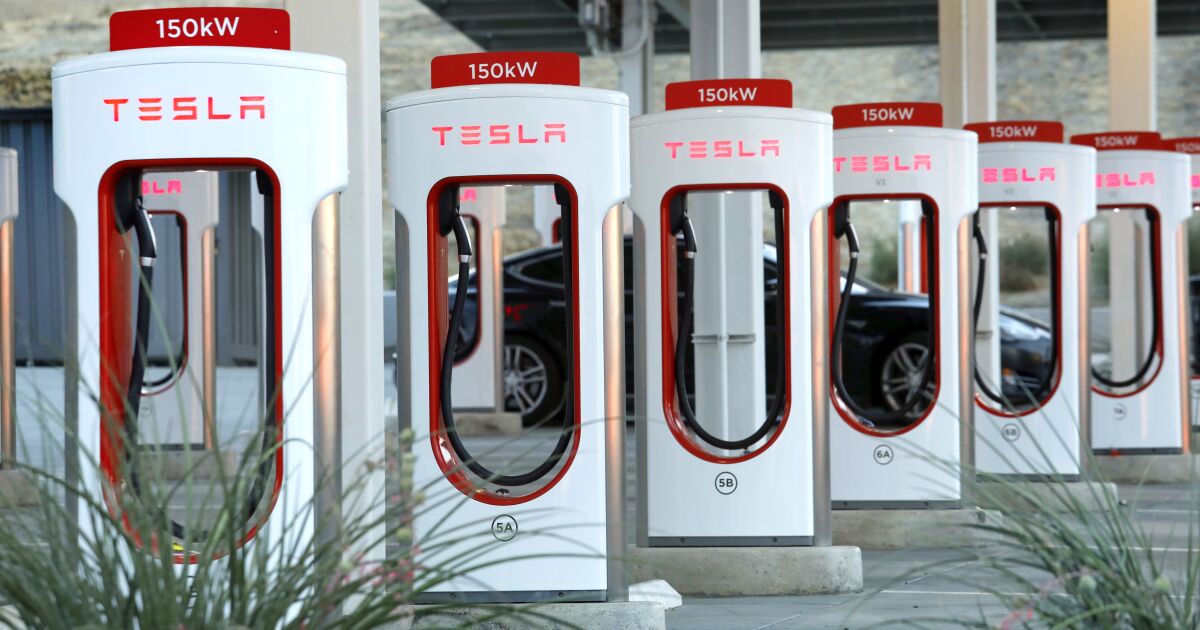

California voters on Tuesday rejected Proposition 30, a plan to spend $30 billion to $90 billion to subsidize the electric car industry over the next 20 years, with the state’s highest-income Californians picking up the tab.
Under the measure, wealthy California residents would have been taxed 1.75% on reported income more than $2 million to fund the program. The marginal rate rises to 15.05% from 13.3%, the highest state income taxes in the country.
The Associated Press called the outcome of the race, though official results will take longer.
Many of those opposed to the measure argued the tax hike would have heightened perceptions that California can’t be counted on to support business. The measure drew aggressive opposition from venture capitalists, bankers, tech company chief executives, and other ultra-wealthy Californians.
State financial analysts had estimated that $3.5 billion to $5 billion would be raised each year. Of that amount, 80% would have supported sales of electric vehicles and public car chargers, with 20% for wildfire suppression and prevention.
The state has already devoted $6.5 billion to EV and public charger subsidies, and plans to spend an additional $10 billion over five years — not including money from Proposition 30.
The contest for Prop. 30 was a bit unusual, because Democrat Gov. Gavin Newsom bucked his own party to energetically oppose the measure, broadcasting and streaming videos that called it “corporate welfare” and “a cynical scheme to grab a huge taxpayer-funded subsidy” for a plan “developed by a single company to funnel state income taxes to benefit their company.”
That company is Lyft, which did in fact help draft the proposition and donated at least $45 million to support the “yes” campaign. The ride-hailing company is subject to a new state law that will require most of its fleet to run on electric power by 2030. Those cars are owned not by Lyft, but by drivers who contract with Lyft. Those workers would receive Proposition 30 subsidies to buy electric cars, on top of subsidies from the federal government. California could use the money to raise the amount of current subsidies on electric cars.
Teachers unions opposed the measure, arguing the money would be better spent on schools.
The defeat is sure to frustrate those who believe the extra money would have helped California achieve its aggressive goals on greenhouse gas reduction, including a state ban on sales of most new internal combustion cars and light trucks by 2035.




