


Washington DC
New York
Toronto
Distribution: (800) 510 9863
Press ID
  • Login
Binghamton Herald
Advertisement
Monday, April 20, 2026
  • Home
  • World
  • Politics
  • Business
  • Technology
  • Culture
  • Health
  • Entertainment
  • Trending
No Result
View All Result
Binghamton Herald
No Result
View All Result
Home Trending

Peregrine Mission Update: First Commercial Lander To Moon Suffers Propellant Loss

by Binghamton Herald Report
January 9, 2024
in Trending
Share on FacebookShare on Twitter

Peregrine Mission 1: Pittsburgh-based aerospace and robotics technology firm Astrobotic’s Peregrine Moon lander is experiencing a propellant loss. As a result, Peregrine’s Attitude Control System (ACS) thrusters are operating beyond their expected service life to keep the lander stable, and from tumbling. If the thrusters cannot keep the spacecraft in a stable Sun-pointing state for about 40 hours, the mission, called Peregrine Mission 1, will be jeopardised. 

The amount of fuel consumed by thrusters to maintain a stable orientation for Peregrine will determine how long the lander remains in the correct orientation, Astrobotic said in a mission update. 

Peregrine is the world’s first commercial lander to be sent to the Moon. 

The US firm intends to take Peregrine close to the lunar surface as soon as possible lest the spacecraft loses its ability to maintain its Sun-pointing position. If the thrusters run out of fuel before Peregrine comes close to the Moon, the mission will fail. 

On January 8, 2024, the Peregrine lander, the first US lander to be sent to the Moon in over 50 years, suffered an “anomaly” a few hours after launch. However, Astrobotic successfully re-established communications with Peregrine, and conducted a correction manoeuvre to reorient Peregrine’s solar array towards the Sun. 

In order to identify the anomaly, Astrobotic was charging the battery, and ground control systems were evaluating the data received. 

Due to a failure within the propulsion system, there was a critical loss of propellant. While the teams were trying to stabilise the loss, they decided to prioritise maximising science objectives due to the seriousness of the situation. 

Astrobotic is currently assessing alternative mission profiles. 

However, Peregrine has captured its first image of space, using a camera mounted on top of a payload deck. The image shows Peregrine’s multi-layer insulation (MLI) in the foreground. One can notice in the image that the MLI is damaged, providing the first visual proof of the fact that there is a propulsion system anomaly. 

Astrobotic has charged Peregrine’s battery completely, and is using the spacecraft’s existing power to perform as many payload and spacecraft operations as possible.

All about Peregrine Mission One

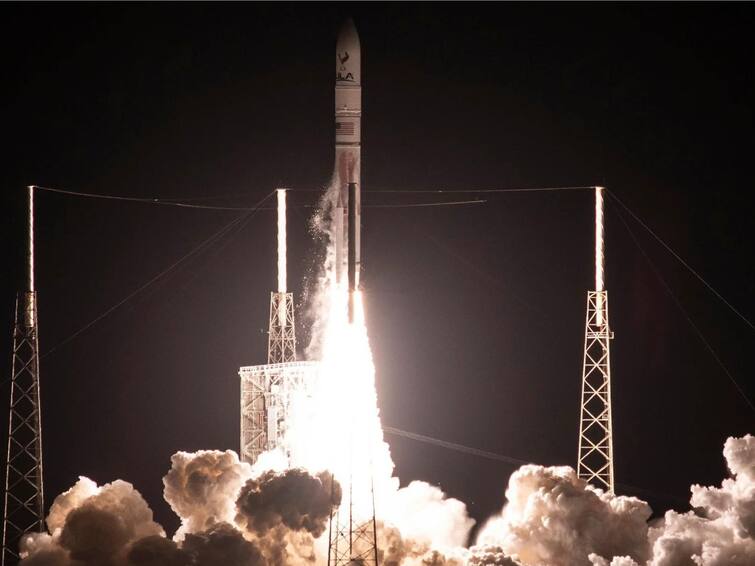
The mission, launched at 2:18 am ET (12:48 pm IST) on January 8, was the inaugural launch of the ULA’s next-generation Vulcan rocket. The rocket lifted off from Launch Complex 41, Cape Canaveral Space Force Station, Florida. 

The ULA claims that Vulcan’s upper stage, called Centaur V, is the highest-performing rocket stage in the world. Centaur V is extremely flexible, and can ensure the most complex orbital insertions in the most challenging orbits. The engines of the Vulcan rocket have been designed by Jeff Bezos’s Blue Origin.

The ULA calls this mission the first certification flight (Cert-1) mission, while Astrobotic calls it the Peregrine Mission 1. The launch vehicle carried two payloads: Astrobotic’s Peregrine lunar lander, which is a part of NASA’s Commercial Lunar Payload Services (initiative), and the Celestis Memorial Spaceflights deep space Voyager mission, also known as the Celestis Enterprise Flight. 

The Celestis Enterprise Flight carries individual flight capsules containing cremated remains, complete human genome DNA samples, and the names and messages of several people from across the globe.

Peregrine Mission 1: Pittsburgh-based aerospace and robotics technology firm Astrobotic’s Peregrine Moon lander is experiencing a propellant loss. As a result, Peregrine’s Attitude Control System (ACS) thrusters are operating beyond their expected service life to keep the lander stable, and from tumbling. If the thrusters cannot keep the spacecraft in a stable Sun-pointing state for about 40 hours, the mission, called Peregrine Mission 1, will be jeopardised. 

The amount of fuel consumed by thrusters to maintain a stable orientation for Peregrine will determine how long the lander remains in the correct orientation, Astrobotic said in a mission update. 

Peregrine is the world’s first commercial lander to be sent to the Moon. 

The US firm intends to take Peregrine close to the lunar surface as soon as possible lest the spacecraft loses its ability to maintain its Sun-pointing position. If the thrusters run out of fuel before Peregrine comes close to the Moon, the mission will fail. 

On January 8, 2024, the Peregrine lander, the first US lander to be sent to the Moon in over 50 years, suffered an “anomaly” a few hours after launch. However, Astrobotic successfully re-established communications with Peregrine, and conducted a correction manoeuvre to reorient Peregrine’s solar array towards the Sun. 

In order to identify the anomaly, Astrobotic was charging the battery, and ground control systems were evaluating the data received. 

Due to a failure within the propulsion system, there was a critical loss of propellant. While the teams were trying to stabilise the loss, they decided to prioritise maximising science objectives due to the seriousness of the situation. 

Astrobotic is currently assessing alternative mission profiles. 

However, Peregrine has captured its first image of space, using a camera mounted on top of a payload deck. The image shows Peregrine’s multi-layer insulation (MLI) in the foreground. One can notice in the image that the MLI is damaged, providing the first visual proof of the fact that there is a propulsion system anomaly. 

Astrobotic has charged Peregrine’s battery completely, and is using the spacecraft’s existing power to perform as many payload and spacecraft operations as possible.

All about Peregrine Mission One

The mission, launched at 2:18 am ET (12:48 pm IST) on January 8, was the inaugural launch of the ULA’s next-generation Vulcan rocket. The rocket lifted off from Launch Complex 41, Cape Canaveral Space Force Station, Florida. 

The ULA claims that Vulcan’s upper stage, called Centaur V, is the highest-performing rocket stage in the world. Centaur V is extremely flexible, and can ensure the most complex orbital insertions in the most challenging orbits. The engines of the Vulcan rocket have been designed by Jeff Bezos’s Blue Origin.

The ULA calls this mission the first certification flight (Cert-1) mission, while Astrobotic calls it the Peregrine Mission 1. The launch vehicle carried two payloads: Astrobotic’s Peregrine lunar lander, which is a part of NASA’s Commercial Lunar Payload Services (initiative), and the Celestis Memorial Spaceflights deep space Voyager mission, also known as the Celestis Enterprise Flight. 

The Celestis Enterprise Flight carries individual flight capsules containing cremated remains, complete human genome DNA samples, and the names and messages of several people from across the globe.

Peregrine Mission 1: Pittsburgh-based aerospace and robotics technology firm Astrobotic’s Peregrine Moon lander is experiencing a propellant loss. As a result, Peregrine’s Attitude Control System (ACS) thrusters are operating beyond their expected service life to keep the lander stable, and from tumbling. If the thrusters cannot keep the spacecraft in a stable Sun-pointing state for about 40 hours, the mission, called Peregrine Mission 1, will be jeopardised. 

The amount of fuel consumed by thrusters to maintain a stable orientation for Peregrine will determine how long the lander remains in the correct orientation, Astrobotic said in a mission update. 

Peregrine is the world’s first commercial lander to be sent to the Moon. 

The US firm intends to take Peregrine close to the lunar surface as soon as possible lest the spacecraft loses its ability to maintain its Sun-pointing position. If the thrusters run out of fuel before Peregrine comes close to the Moon, the mission will fail. 

On January 8, 2024, the Peregrine lander, the first US lander to be sent to the Moon in over 50 years, suffered an “anomaly” a few hours after launch. However, Astrobotic successfully re-established communications with Peregrine, and conducted a correction manoeuvre to reorient Peregrine’s solar array towards the Sun. 

In order to identify the anomaly, Astrobotic was charging the battery, and ground control systems were evaluating the data received. 

Due to a failure within the propulsion system, there was a critical loss of propellant. While the teams were trying to stabilise the loss, they decided to prioritise maximising science objectives due to the seriousness of the situation. 

Astrobotic is currently assessing alternative mission profiles. 

However, Peregrine has captured its first image of space, using a camera mounted on top of a payload deck. The image shows Peregrine’s multi-layer insulation (MLI) in the foreground. One can notice in the image that the MLI is damaged, providing the first visual proof of the fact that there is a propulsion system anomaly. 

Astrobotic has charged Peregrine’s battery completely, and is using the spacecraft’s existing power to perform as many payload and spacecraft operations as possible.

All about Peregrine Mission One

The mission, launched at 2:18 am ET (12:48 pm IST) on January 8, was the inaugural launch of the ULA’s next-generation Vulcan rocket. The rocket lifted off from Launch Complex 41, Cape Canaveral Space Force Station, Florida. 

The ULA claims that Vulcan’s upper stage, called Centaur V, is the highest-performing rocket stage in the world. Centaur V is extremely flexible, and can ensure the most complex orbital insertions in the most challenging orbits. The engines of the Vulcan rocket have been designed by Jeff Bezos’s Blue Origin.

The ULA calls this mission the first certification flight (Cert-1) mission, while Astrobotic calls it the Peregrine Mission 1. The launch vehicle carried two payloads: Astrobotic’s Peregrine lunar lander, which is a part of NASA’s Commercial Lunar Payload Services (initiative), and the Celestis Memorial Spaceflights deep space Voyager mission, also known as the Celestis Enterprise Flight. 

The Celestis Enterprise Flight carries individual flight capsules containing cremated remains, complete human genome DNA samples, and the names and messages of several people from across the globe.

Peregrine Mission 1: Pittsburgh-based aerospace and robotics technology firm Astrobotic’s Peregrine Moon lander is experiencing a propellant loss. As a result, Peregrine’s Attitude Control System (ACS) thrusters are operating beyond their expected service life to keep the lander stable, and from tumbling. If the thrusters cannot keep the spacecraft in a stable Sun-pointing state for about 40 hours, the mission, called Peregrine Mission 1, will be jeopardised. 

The amount of fuel consumed by thrusters to maintain a stable orientation for Peregrine will determine how long the lander remains in the correct orientation, Astrobotic said in a mission update. 

Peregrine is the world’s first commercial lander to be sent to the Moon. 

The US firm intends to take Peregrine close to the lunar surface as soon as possible lest the spacecraft loses its ability to maintain its Sun-pointing position. If the thrusters run out of fuel before Peregrine comes close to the Moon, the mission will fail. 

On January 8, 2024, the Peregrine lander, the first US lander to be sent to the Moon in over 50 years, suffered an “anomaly” a few hours after launch. However, Astrobotic successfully re-established communications with Peregrine, and conducted a correction manoeuvre to reorient Peregrine’s solar array towards the Sun. 

In order to identify the anomaly, Astrobotic was charging the battery, and ground control systems were evaluating the data received. 

Due to a failure within the propulsion system, there was a critical loss of propellant. While the teams were trying to stabilise the loss, they decided to prioritise maximising science objectives due to the seriousness of the situation. 

Astrobotic is currently assessing alternative mission profiles. 

However, Peregrine has captured its first image of space, using a camera mounted on top of a payload deck. The image shows Peregrine’s multi-layer insulation (MLI) in the foreground. One can notice in the image that the MLI is damaged, providing the first visual proof of the fact that there is a propulsion system anomaly. 

Astrobotic has charged Peregrine’s battery completely, and is using the spacecraft’s existing power to perform as many payload and spacecraft operations as possible.

All about Peregrine Mission One

The mission, launched at 2:18 am ET (12:48 pm IST) on January 8, was the inaugural launch of the ULA’s next-generation Vulcan rocket. The rocket lifted off from Launch Complex 41, Cape Canaveral Space Force Station, Florida. 

The ULA claims that Vulcan’s upper stage, called Centaur V, is the highest-performing rocket stage in the world. Centaur V is extremely flexible, and can ensure the most complex orbital insertions in the most challenging orbits. The engines of the Vulcan rocket have been designed by Jeff Bezos’s Blue Origin.

The ULA calls this mission the first certification flight (Cert-1) mission, while Astrobotic calls it the Peregrine Mission 1. The launch vehicle carried two payloads: Astrobotic’s Peregrine lunar lander, which is a part of NASA’s Commercial Lunar Payload Services (initiative), and the Celestis Memorial Spaceflights deep space Voyager mission, also known as the Celestis Enterprise Flight. 

The Celestis Enterprise Flight carries individual flight capsules containing cremated remains, complete human genome DNA samples, and the names and messages of several people from across the globe.


Peregrine Mission 1: Pittsburgh-based aerospace and robotics technology firm Astrobotic’s Peregrine Moon lander is experiencing a propellant loss. As a result, Peregrine’s Attitude Control System (ACS) thrusters are operating beyond their expected service life to keep the lander stable, and from tumbling. If the thrusters cannot keep the spacecraft in a stable Sun-pointing state for about 40 hours, the mission, called Peregrine Mission 1, will be jeopardised. 

The amount of fuel consumed by thrusters to maintain a stable orientation for Peregrine will determine how long the lander remains in the correct orientation, Astrobotic said in a mission update. 

Peregrine is the world’s first commercial lander to be sent to the Moon. 

The US firm intends to take Peregrine close to the lunar surface as soon as possible lest the spacecraft loses its ability to maintain its Sun-pointing position. If the thrusters run out of fuel before Peregrine comes close to the Moon, the mission will fail. 

On January 8, 2024, the Peregrine lander, the first US lander to be sent to the Moon in over 50 years, suffered an “anomaly” a few hours after launch. However, Astrobotic successfully re-established communications with Peregrine, and conducted a correction manoeuvre to reorient Peregrine’s solar array towards the Sun. 

In order to identify the anomaly, Astrobotic was charging the battery, and ground control systems were evaluating the data received. 

Due to a failure within the propulsion system, there was a critical loss of propellant. While the teams were trying to stabilise the loss, they decided to prioritise maximising science objectives due to the seriousness of the situation. 

Astrobotic is currently assessing alternative mission profiles. 

However, Peregrine has captured its first image of space, using a camera mounted on top of a payload deck. The image shows Peregrine’s multi-layer insulation (MLI) in the foreground. One can notice in the image that the MLI is damaged, providing the first visual proof of the fact that there is a propulsion system anomaly. 

Astrobotic has charged Peregrine’s battery completely, and is using the spacecraft’s existing power to perform as many payload and spacecraft operations as possible.

All about Peregrine Mission One

The mission, launched at 2:18 am ET (12:48 pm IST) on January 8, was the inaugural launch of the ULA’s next-generation Vulcan rocket. The rocket lifted off from Launch Complex 41, Cape Canaveral Space Force Station, Florida. 

The ULA claims that Vulcan’s upper stage, called Centaur V, is the highest-performing rocket stage in the world. Centaur V is extremely flexible, and can ensure the most complex orbital insertions in the most challenging orbits. The engines of the Vulcan rocket have been designed by Jeff Bezos’s Blue Origin.

The ULA calls this mission the first certification flight (Cert-1) mission, while Astrobotic calls it the Peregrine Mission 1. The launch vehicle carried two payloads: Astrobotic’s Peregrine lunar lander, which is a part of NASA’s Commercial Lunar Payload Services (initiative), and the Celestis Memorial Spaceflights deep space Voyager mission, also known as the Celestis Enterprise Flight. 

The Celestis Enterprise Flight carries individual flight capsules containing cremated remains, complete human genome DNA samples, and the names and messages of several people from across the globe.

Peregrine Mission 1: Pittsburgh-based aerospace and robotics technology firm Astrobotic’s Peregrine Moon lander is experiencing a propellant loss. As a result, Peregrine’s Attitude Control System (ACS) thrusters are operating beyond their expected service life to keep the lander stable, and from tumbling. If the thrusters cannot keep the spacecraft in a stable Sun-pointing state for about 40 hours, the mission, called Peregrine Mission 1, will be jeopardised. 

The amount of fuel consumed by thrusters to maintain a stable orientation for Peregrine will determine how long the lander remains in the correct orientation, Astrobotic said in a mission update. 

Peregrine is the world’s first commercial lander to be sent to the Moon. 

The US firm intends to take Peregrine close to the lunar surface as soon as possible lest the spacecraft loses its ability to maintain its Sun-pointing position. If the thrusters run out of fuel before Peregrine comes close to the Moon, the mission will fail. 

On January 8, 2024, the Peregrine lander, the first US lander to be sent to the Moon in over 50 years, suffered an “anomaly” a few hours after launch. However, Astrobotic successfully re-established communications with Peregrine, and conducted a correction manoeuvre to reorient Peregrine’s solar array towards the Sun. 

In order to identify the anomaly, Astrobotic was charging the battery, and ground control systems were evaluating the data received. 

Due to a failure within the propulsion system, there was a critical loss of propellant. While the teams were trying to stabilise the loss, they decided to prioritise maximising science objectives due to the seriousness of the situation. 

Astrobotic is currently assessing alternative mission profiles. 

However, Peregrine has captured its first image of space, using a camera mounted on top of a payload deck. The image shows Peregrine’s multi-layer insulation (MLI) in the foreground. One can notice in the image that the MLI is damaged, providing the first visual proof of the fact that there is a propulsion system anomaly. 

Astrobotic has charged Peregrine’s battery completely, and is using the spacecraft’s existing power to perform as many payload and spacecraft operations as possible.

All about Peregrine Mission One

The mission, launched at 2:18 am ET (12:48 pm IST) on January 8, was the inaugural launch of the ULA’s next-generation Vulcan rocket. The rocket lifted off from Launch Complex 41, Cape Canaveral Space Force Station, Florida. 

The ULA claims that Vulcan’s upper stage, called Centaur V, is the highest-performing rocket stage in the world. Centaur V is extremely flexible, and can ensure the most complex orbital insertions in the most challenging orbits. The engines of the Vulcan rocket have been designed by Jeff Bezos’s Blue Origin.

The ULA calls this mission the first certification flight (Cert-1) mission, while Astrobotic calls it the Peregrine Mission 1. The launch vehicle carried two payloads: Astrobotic’s Peregrine lunar lander, which is a part of NASA’s Commercial Lunar Payload Services (initiative), and the Celestis Memorial Spaceflights deep space Voyager mission, also known as the Celestis Enterprise Flight. 

The Celestis Enterprise Flight carries individual flight capsules containing cremated remains, complete human genome DNA samples, and the names and messages of several people from across the globe.

Peregrine Mission 1: Pittsburgh-based aerospace and robotics technology firm Astrobotic’s Peregrine Moon lander is experiencing a propellant loss. As a result, Peregrine’s Attitude Control System (ACS) thrusters are operating beyond their expected service life to keep the lander stable, and from tumbling. If the thrusters cannot keep the spacecraft in a stable Sun-pointing state for about 40 hours, the mission, called Peregrine Mission 1, will be jeopardised. 

The amount of fuel consumed by thrusters to maintain a stable orientation for Peregrine will determine how long the lander remains in the correct orientation, Astrobotic said in a mission update. 

Peregrine is the world’s first commercial lander to be sent to the Moon. 

The US firm intends to take Peregrine close to the lunar surface as soon as possible lest the spacecraft loses its ability to maintain its Sun-pointing position. If the thrusters run out of fuel before Peregrine comes close to the Moon, the mission will fail. 

On January 8, 2024, the Peregrine lander, the first US lander to be sent to the Moon in over 50 years, suffered an “anomaly” a few hours after launch. However, Astrobotic successfully re-established communications with Peregrine, and conducted a correction manoeuvre to reorient Peregrine’s solar array towards the Sun. 

In order to identify the anomaly, Astrobotic was charging the battery, and ground control systems were evaluating the data received. 

Due to a failure within the propulsion system, there was a critical loss of propellant. While the teams were trying to stabilise the loss, they decided to prioritise maximising science objectives due to the seriousness of the situation. 

Astrobotic is currently assessing alternative mission profiles. 

However, Peregrine has captured its first image of space, using a camera mounted on top of a payload deck. The image shows Peregrine’s multi-layer insulation (MLI) in the foreground. One can notice in the image that the MLI is damaged, providing the first visual proof of the fact that there is a propulsion system anomaly. 

Astrobotic has charged Peregrine’s battery completely, and is using the spacecraft’s existing power to perform as many payload and spacecraft operations as possible.

All about Peregrine Mission One

The mission, launched at 2:18 am ET (12:48 pm IST) on January 8, was the inaugural launch of the ULA’s next-generation Vulcan rocket. The rocket lifted off from Launch Complex 41, Cape Canaveral Space Force Station, Florida. 

The ULA claims that Vulcan’s upper stage, called Centaur V, is the highest-performing rocket stage in the world. Centaur V is extremely flexible, and can ensure the most complex orbital insertions in the most challenging orbits. The engines of the Vulcan rocket have been designed by Jeff Bezos’s Blue Origin.

The ULA calls this mission the first certification flight (Cert-1) mission, while Astrobotic calls it the Peregrine Mission 1. The launch vehicle carried two payloads: Astrobotic’s Peregrine lunar lander, which is a part of NASA’s Commercial Lunar Payload Services (initiative), and the Celestis Memorial Spaceflights deep space Voyager mission, also known as the Celestis Enterprise Flight. 

The Celestis Enterprise Flight carries individual flight capsules containing cremated remains, complete human genome DNA samples, and the names and messages of several people from across the globe.

Peregrine Mission 1: Pittsburgh-based aerospace and robotics technology firm Astrobotic’s Peregrine Moon lander is experiencing a propellant loss. As a result, Peregrine’s Attitude Control System (ACS) thrusters are operating beyond their expected service life to keep the lander stable, and from tumbling. If the thrusters cannot keep the spacecraft in a stable Sun-pointing state for about 40 hours, the mission, called Peregrine Mission 1, will be jeopardised. 

The amount of fuel consumed by thrusters to maintain a stable orientation for Peregrine will determine how long the lander remains in the correct orientation, Astrobotic said in a mission update. 

Peregrine is the world’s first commercial lander to be sent to the Moon. 

The US firm intends to take Peregrine close to the lunar surface as soon as possible lest the spacecraft loses its ability to maintain its Sun-pointing position. If the thrusters run out of fuel before Peregrine comes close to the Moon, the mission will fail. 

On January 8, 2024, the Peregrine lander, the first US lander to be sent to the Moon in over 50 years, suffered an “anomaly” a few hours after launch. However, Astrobotic successfully re-established communications with Peregrine, and conducted a correction manoeuvre to reorient Peregrine’s solar array towards the Sun. 

In order to identify the anomaly, Astrobotic was charging the battery, and ground control systems were evaluating the data received. 

Due to a failure within the propulsion system, there was a critical loss of propellant. While the teams were trying to stabilise the loss, they decided to prioritise maximising science objectives due to the seriousness of the situation. 

Astrobotic is currently assessing alternative mission profiles. 

However, Peregrine has captured its first image of space, using a camera mounted on top of a payload deck. The image shows Peregrine’s multi-layer insulation (MLI) in the foreground. One can notice in the image that the MLI is damaged, providing the first visual proof of the fact that there is a propulsion system anomaly. 

Astrobotic has charged Peregrine’s battery completely, and is using the spacecraft’s existing power to perform as many payload and spacecraft operations as possible.

All about Peregrine Mission One

The mission, launched at 2:18 am ET (12:48 pm IST) on January 8, was the inaugural launch of the ULA’s next-generation Vulcan rocket. The rocket lifted off from Launch Complex 41, Cape Canaveral Space Force Station, Florida. 

The ULA claims that Vulcan’s upper stage, called Centaur V, is the highest-performing rocket stage in the world. Centaur V is extremely flexible, and can ensure the most complex orbital insertions in the most challenging orbits. The engines of the Vulcan rocket have been designed by Jeff Bezos’s Blue Origin.

The ULA calls this mission the first certification flight (Cert-1) mission, while Astrobotic calls it the Peregrine Mission 1. The launch vehicle carried two payloads: Astrobotic’s Peregrine lunar lander, which is a part of NASA’s Commercial Lunar Payload Services (initiative), and the Celestis Memorial Spaceflights deep space Voyager mission, also known as the Celestis Enterprise Flight. 

The Celestis Enterprise Flight carries individual flight capsules containing cremated remains, complete human genome DNA samples, and the names and messages of several people from across the globe.

Peregrine Mission 1: Pittsburgh-based aerospace and robotics technology firm Astrobotic’s Peregrine Moon lander is experiencing a propellant loss. As a result, Peregrine’s Attitude Control System (ACS) thrusters are operating beyond their expected service life to keep the lander stable, and from tumbling. If the thrusters cannot keep the spacecraft in a stable Sun-pointing state for about 40 hours, the mission, called Peregrine Mission 1, will be jeopardised. 

The amount of fuel consumed by thrusters to maintain a stable orientation for Peregrine will determine how long the lander remains in the correct orientation, Astrobotic said in a mission update. 

Peregrine is the world’s first commercial lander to be sent to the Moon. 

The US firm intends to take Peregrine close to the lunar surface as soon as possible lest the spacecraft loses its ability to maintain its Sun-pointing position. If the thrusters run out of fuel before Peregrine comes close to the Moon, the mission will fail. 

On January 8, 2024, the Peregrine lander, the first US lander to be sent to the Moon in over 50 years, suffered an “anomaly” a few hours after launch. However, Astrobotic successfully re-established communications with Peregrine, and conducted a correction manoeuvre to reorient Peregrine’s solar array towards the Sun. 

In order to identify the anomaly, Astrobotic was charging the battery, and ground control systems were evaluating the data received. 

Due to a failure within the propulsion system, there was a critical loss of propellant. While the teams were trying to stabilise the loss, they decided to prioritise maximising science objectives due to the seriousness of the situation. 

Astrobotic is currently assessing alternative mission profiles. 

However, Peregrine has captured its first image of space, using a camera mounted on top of a payload deck. The image shows Peregrine’s multi-layer insulation (MLI) in the foreground. One can notice in the image that the MLI is damaged, providing the first visual proof of the fact that there is a propulsion system anomaly. 

Astrobotic has charged Peregrine’s battery completely, and is using the spacecraft’s existing power to perform as many payload and spacecraft operations as possible.

All about Peregrine Mission One

The mission, launched at 2:18 am ET (12:48 pm IST) on January 8, was the inaugural launch of the ULA’s next-generation Vulcan rocket. The rocket lifted off from Launch Complex 41, Cape Canaveral Space Force Station, Florida. 

The ULA claims that Vulcan’s upper stage, called Centaur V, is the highest-performing rocket stage in the world. Centaur V is extremely flexible, and can ensure the most complex orbital insertions in the most challenging orbits. The engines of the Vulcan rocket have been designed by Jeff Bezos’s Blue Origin.

The ULA calls this mission the first certification flight (Cert-1) mission, while Astrobotic calls it the Peregrine Mission 1. The launch vehicle carried two payloads: Astrobotic’s Peregrine lunar lander, which is a part of NASA’s Commercial Lunar Payload Services (initiative), and the Celestis Memorial Spaceflights deep space Voyager mission, also known as the Celestis Enterprise Flight. 

The Celestis Enterprise Flight carries individual flight capsules containing cremated remains, complete human genome DNA samples, and the names and messages of several people from across the globe.

Peregrine Mission 1: Pittsburgh-based aerospace and robotics technology firm Astrobotic’s Peregrine Moon lander is experiencing a propellant loss. As a result, Peregrine’s Attitude Control System (ACS) thrusters are operating beyond their expected service life to keep the lander stable, and from tumbling. If the thrusters cannot keep the spacecraft in a stable Sun-pointing state for about 40 hours, the mission, called Peregrine Mission 1, will be jeopardised. 

The amount of fuel consumed by thrusters to maintain a stable orientation for Peregrine will determine how long the lander remains in the correct orientation, Astrobotic said in a mission update. 

Peregrine is the world’s first commercial lander to be sent to the Moon. 

The US firm intends to take Peregrine close to the lunar surface as soon as possible lest the spacecraft loses its ability to maintain its Sun-pointing position. If the thrusters run out of fuel before Peregrine comes close to the Moon, the mission will fail. 

On January 8, 2024, the Peregrine lander, the first US lander to be sent to the Moon in over 50 years, suffered an “anomaly” a few hours after launch. However, Astrobotic successfully re-established communications with Peregrine, and conducted a correction manoeuvre to reorient Peregrine’s solar array towards the Sun. 

In order to identify the anomaly, Astrobotic was charging the battery, and ground control systems were evaluating the data received. 

Due to a failure within the propulsion system, there was a critical loss of propellant. While the teams were trying to stabilise the loss, they decided to prioritise maximising science objectives due to the seriousness of the situation. 

Astrobotic is currently assessing alternative mission profiles. 

However, Peregrine has captured its first image of space, using a camera mounted on top of a payload deck. The image shows Peregrine’s multi-layer insulation (MLI) in the foreground. One can notice in the image that the MLI is damaged, providing the first visual proof of the fact that there is a propulsion system anomaly. 

Astrobotic has charged Peregrine’s battery completely, and is using the spacecraft’s existing power to perform as many payload and spacecraft operations as possible.

All about Peregrine Mission One

The mission, launched at 2:18 am ET (12:48 pm IST) on January 8, was the inaugural launch of the ULA’s next-generation Vulcan rocket. The rocket lifted off from Launch Complex 41, Cape Canaveral Space Force Station, Florida. 

The ULA claims that Vulcan’s upper stage, called Centaur V, is the highest-performing rocket stage in the world. Centaur V is extremely flexible, and can ensure the most complex orbital insertions in the most challenging orbits. The engines of the Vulcan rocket have been designed by Jeff Bezos’s Blue Origin.

The ULA calls this mission the first certification flight (Cert-1) mission, while Astrobotic calls it the Peregrine Mission 1. The launch vehicle carried two payloads: Astrobotic’s Peregrine lunar lander, which is a part of NASA’s Commercial Lunar Payload Services (initiative), and the Celestis Memorial Spaceflights deep space Voyager mission, also known as the Celestis Enterprise Flight. 

The Celestis Enterprise Flight carries individual flight capsules containing cremated remains, complete human genome DNA samples, and the names and messages of several people from across the globe.

Peregrine Mission 1: Pittsburgh-based aerospace and robotics technology firm Astrobotic’s Peregrine Moon lander is experiencing a propellant loss. As a result, Peregrine’s Attitude Control System (ACS) thrusters are operating beyond their expected service life to keep the lander stable, and from tumbling. If the thrusters cannot keep the spacecraft in a stable Sun-pointing state for about 40 hours, the mission, called Peregrine Mission 1, will be jeopardised. 

The amount of fuel consumed by thrusters to maintain a stable orientation for Peregrine will determine how long the lander remains in the correct orientation, Astrobotic said in a mission update. 

Peregrine is the world’s first commercial lander to be sent to the Moon. 

The US firm intends to take Peregrine close to the lunar surface as soon as possible lest the spacecraft loses its ability to maintain its Sun-pointing position. If the thrusters run out of fuel before Peregrine comes close to the Moon, the mission will fail. 

On January 8, 2024, the Peregrine lander, the first US lander to be sent to the Moon in over 50 years, suffered an “anomaly” a few hours after launch. However, Astrobotic successfully re-established communications with Peregrine, and conducted a correction manoeuvre to reorient Peregrine’s solar array towards the Sun. 

In order to identify the anomaly, Astrobotic was charging the battery, and ground control systems were evaluating the data received. 

Due to a failure within the propulsion system, there was a critical loss of propellant. While the teams were trying to stabilise the loss, they decided to prioritise maximising science objectives due to the seriousness of the situation. 

Astrobotic is currently assessing alternative mission profiles. 

However, Peregrine has captured its first image of space, using a camera mounted on top of a payload deck. The image shows Peregrine’s multi-layer insulation (MLI) in the foreground. One can notice in the image that the MLI is damaged, providing the first visual proof of the fact that there is a propulsion system anomaly. 

Astrobotic has charged Peregrine’s battery completely, and is using the spacecraft’s existing power to perform as many payload and spacecraft operations as possible.

All about Peregrine Mission One

The mission, launched at 2:18 am ET (12:48 pm IST) on January 8, was the inaugural launch of the ULA’s next-generation Vulcan rocket. The rocket lifted off from Launch Complex 41, Cape Canaveral Space Force Station, Florida. 

The ULA claims that Vulcan’s upper stage, called Centaur V, is the highest-performing rocket stage in the world. Centaur V is extremely flexible, and can ensure the most complex orbital insertions in the most challenging orbits. The engines of the Vulcan rocket have been designed by Jeff Bezos’s Blue Origin.

The ULA calls this mission the first certification flight (Cert-1) mission, while Astrobotic calls it the Peregrine Mission 1. The launch vehicle carried two payloads: Astrobotic’s Peregrine lunar lander, which is a part of NASA’s Commercial Lunar Payload Services (initiative), and the Celestis Memorial Spaceflights deep space Voyager mission, also known as the Celestis Enterprise Flight. 

The Celestis Enterprise Flight carries individual flight capsules containing cremated remains, complete human genome DNA samples, and the names and messages of several people from across the globe.

Peregrine Mission 1: Pittsburgh-based aerospace and robotics technology firm Astrobotic’s Peregrine Moon lander is experiencing a propellant loss. As a result, Peregrine’s Attitude Control System (ACS) thrusters are operating beyond their expected service life to keep the lander stable, and from tumbling. If the thrusters cannot keep the spacecraft in a stable Sun-pointing state for about 40 hours, the mission, called Peregrine Mission 1, will be jeopardised. 

The amount of fuel consumed by thrusters to maintain a stable orientation for Peregrine will determine how long the lander remains in the correct orientation, Astrobotic said in a mission update. 

Peregrine is the world’s first commercial lander to be sent to the Moon. 

The US firm intends to take Peregrine close to the lunar surface as soon as possible lest the spacecraft loses its ability to maintain its Sun-pointing position. If the thrusters run out of fuel before Peregrine comes close to the Moon, the mission will fail. 

On January 8, 2024, the Peregrine lander, the first US lander to be sent to the Moon in over 50 years, suffered an “anomaly” a few hours after launch. However, Astrobotic successfully re-established communications with Peregrine, and conducted a correction manoeuvre to reorient Peregrine’s solar array towards the Sun. 

In order to identify the anomaly, Astrobotic was charging the battery, and ground control systems were evaluating the data received. 

Due to a failure within the propulsion system, there was a critical loss of propellant. While the teams were trying to stabilise the loss, they decided to prioritise maximising science objectives due to the seriousness of the situation. 

Astrobotic is currently assessing alternative mission profiles. 

However, Peregrine has captured its first image of space, using a camera mounted on top of a payload deck. The image shows Peregrine’s multi-layer insulation (MLI) in the foreground. One can notice in the image that the MLI is damaged, providing the first visual proof of the fact that there is a propulsion system anomaly. 

Astrobotic has charged Peregrine’s battery completely, and is using the spacecraft’s existing power to perform as many payload and spacecraft operations as possible.

All about Peregrine Mission One

The mission, launched at 2:18 am ET (12:48 pm IST) on January 8, was the inaugural launch of the ULA’s next-generation Vulcan rocket. The rocket lifted off from Launch Complex 41, Cape Canaveral Space Force Station, Florida. 

The ULA claims that Vulcan’s upper stage, called Centaur V, is the highest-performing rocket stage in the world. Centaur V is extremely flexible, and can ensure the most complex orbital insertions in the most challenging orbits. The engines of the Vulcan rocket have been designed by Jeff Bezos’s Blue Origin.

The ULA calls this mission the first certification flight (Cert-1) mission, while Astrobotic calls it the Peregrine Mission 1. The launch vehicle carried two payloads: Astrobotic’s Peregrine lunar lander, which is a part of NASA’s Commercial Lunar Payload Services (initiative), and the Celestis Memorial Spaceflights deep space Voyager mission, also known as the Celestis Enterprise Flight. 

The Celestis Enterprise Flight carries individual flight capsules containing cremated remains, complete human genome DNA samples, and the names and messages of several people from across the globe.

Peregrine Mission 1: Pittsburgh-based aerospace and robotics technology firm Astrobotic’s Peregrine Moon lander is experiencing a propellant loss. As a result, Peregrine’s Attitude Control System (ACS) thrusters are operating beyond their expected service life to keep the lander stable, and from tumbling. If the thrusters cannot keep the spacecraft in a stable Sun-pointing state for about 40 hours, the mission, called Peregrine Mission 1, will be jeopardised. 

The amount of fuel consumed by thrusters to maintain a stable orientation for Peregrine will determine how long the lander remains in the correct orientation, Astrobotic said in a mission update. 

Peregrine is the world’s first commercial lander to be sent to the Moon. 

The US firm intends to take Peregrine close to the lunar surface as soon as possible lest the spacecraft loses its ability to maintain its Sun-pointing position. If the thrusters run out of fuel before Peregrine comes close to the Moon, the mission will fail. 

On January 8, 2024, the Peregrine lander, the first US lander to be sent to the Moon in over 50 years, suffered an “anomaly” a few hours after launch. However, Astrobotic successfully re-established communications with Peregrine, and conducted a correction manoeuvre to reorient Peregrine’s solar array towards the Sun. 

In order to identify the anomaly, Astrobotic was charging the battery, and ground control systems were evaluating the data received. 

Due to a failure within the propulsion system, there was a critical loss of propellant. While the teams were trying to stabilise the loss, they decided to prioritise maximising science objectives due to the seriousness of the situation. 

Astrobotic is currently assessing alternative mission profiles. 

However, Peregrine has captured its first image of space, using a camera mounted on top of a payload deck. The image shows Peregrine’s multi-layer insulation (MLI) in the foreground. One can notice in the image that the MLI is damaged, providing the first visual proof of the fact that there is a propulsion system anomaly. 

Astrobotic has charged Peregrine’s battery completely, and is using the spacecraft’s existing power to perform as many payload and spacecraft operations as possible.

All about Peregrine Mission One

The mission, launched at 2:18 am ET (12:48 pm IST) on January 8, was the inaugural launch of the ULA’s next-generation Vulcan rocket. The rocket lifted off from Launch Complex 41, Cape Canaveral Space Force Station, Florida. 

The ULA claims that Vulcan’s upper stage, called Centaur V, is the highest-performing rocket stage in the world. Centaur V is extremely flexible, and can ensure the most complex orbital insertions in the most challenging orbits. The engines of the Vulcan rocket have been designed by Jeff Bezos’s Blue Origin.

The ULA calls this mission the first certification flight (Cert-1) mission, while Astrobotic calls it the Peregrine Mission 1. The launch vehicle carried two payloads: Astrobotic’s Peregrine lunar lander, which is a part of NASA’s Commercial Lunar Payload Services (initiative), and the Celestis Memorial Spaceflights deep space Voyager mission, also known as the Celestis Enterprise Flight. 

The Celestis Enterprise Flight carries individual flight capsules containing cremated remains, complete human genome DNA samples, and the names and messages of several people from across the globe.

Peregrine Mission 1: Pittsburgh-based aerospace and robotics technology firm Astrobotic’s Peregrine Moon lander is experiencing a propellant loss. As a result, Peregrine’s Attitude Control System (ACS) thrusters are operating beyond their expected service life to keep the lander stable, and from tumbling. If the thrusters cannot keep the spacecraft in a stable Sun-pointing state for about 40 hours, the mission, called Peregrine Mission 1, will be jeopardised. 

The amount of fuel consumed by thrusters to maintain a stable orientation for Peregrine will determine how long the lander remains in the correct orientation, Astrobotic said in a mission update. 

Peregrine is the world’s first commercial lander to be sent to the Moon. 

The US firm intends to take Peregrine close to the lunar surface as soon as possible lest the spacecraft loses its ability to maintain its Sun-pointing position. If the thrusters run out of fuel before Peregrine comes close to the Moon, the mission will fail. 

On January 8, 2024, the Peregrine lander, the first US lander to be sent to the Moon in over 50 years, suffered an “anomaly” a few hours after launch. However, Astrobotic successfully re-established communications with Peregrine, and conducted a correction manoeuvre to reorient Peregrine’s solar array towards the Sun. 

In order to identify the anomaly, Astrobotic was charging the battery, and ground control systems were evaluating the data received. 

Due to a failure within the propulsion system, there was a critical loss of propellant. While the teams were trying to stabilise the loss, they decided to prioritise maximising science objectives due to the seriousness of the situation. 

Astrobotic is currently assessing alternative mission profiles. 

However, Peregrine has captured its first image of space, using a camera mounted on top of a payload deck. The image shows Peregrine’s multi-layer insulation (MLI) in the foreground. One can notice in the image that the MLI is damaged, providing the first visual proof of the fact that there is a propulsion system anomaly. 

Astrobotic has charged Peregrine’s battery completely, and is using the spacecraft’s existing power to perform as many payload and spacecraft operations as possible.

All about Peregrine Mission One

The mission, launched at 2:18 am ET (12:48 pm IST) on January 8, was the inaugural launch of the ULA’s next-generation Vulcan rocket. The rocket lifted off from Launch Complex 41, Cape Canaveral Space Force Station, Florida. 

The ULA claims that Vulcan’s upper stage, called Centaur V, is the highest-performing rocket stage in the world. Centaur V is extremely flexible, and can ensure the most complex orbital insertions in the most challenging orbits. The engines of the Vulcan rocket have been designed by Jeff Bezos’s Blue Origin.

The ULA calls this mission the first certification flight (Cert-1) mission, while Astrobotic calls it the Peregrine Mission 1. The launch vehicle carried two payloads: Astrobotic’s Peregrine lunar lander, which is a part of NASA’s Commercial Lunar Payload Services (initiative), and the Celestis Memorial Spaceflights deep space Voyager mission, also known as the Celestis Enterprise Flight. 

The Celestis Enterprise Flight carries individual flight capsules containing cremated remains, complete human genome DNA samples, and the names and messages of several people from across the globe.

Peregrine Mission 1: Pittsburgh-based aerospace and robotics technology firm Astrobotic’s Peregrine Moon lander is experiencing a propellant loss. As a result, Peregrine’s Attitude Control System (ACS) thrusters are operating beyond their expected service life to keep the lander stable, and from tumbling. If the thrusters cannot keep the spacecraft in a stable Sun-pointing state for about 40 hours, the mission, called Peregrine Mission 1, will be jeopardised. 

The amount of fuel consumed by thrusters to maintain a stable orientation for Peregrine will determine how long the lander remains in the correct orientation, Astrobotic said in a mission update. 

Peregrine is the world’s first commercial lander to be sent to the Moon. 

The US firm intends to take Peregrine close to the lunar surface as soon as possible lest the spacecraft loses its ability to maintain its Sun-pointing position. If the thrusters run out of fuel before Peregrine comes close to the Moon, the mission will fail. 

On January 8, 2024, the Peregrine lander, the first US lander to be sent to the Moon in over 50 years, suffered an “anomaly” a few hours after launch. However, Astrobotic successfully re-established communications with Peregrine, and conducted a correction manoeuvre to reorient Peregrine’s solar array towards the Sun. 

In order to identify the anomaly, Astrobotic was charging the battery, and ground control systems were evaluating the data received. 

Due to a failure within the propulsion system, there was a critical loss of propellant. While the teams were trying to stabilise the loss, they decided to prioritise maximising science objectives due to the seriousness of the situation. 

Astrobotic is currently assessing alternative mission profiles. 

However, Peregrine has captured its first image of space, using a camera mounted on top of a payload deck. The image shows Peregrine’s multi-layer insulation (MLI) in the foreground. One can notice in the image that the MLI is damaged, providing the first visual proof of the fact that there is a propulsion system anomaly. 

Astrobotic has charged Peregrine’s battery completely, and is using the spacecraft’s existing power to perform as many payload and spacecraft operations as possible.

All about Peregrine Mission One

The mission, launched at 2:18 am ET (12:48 pm IST) on January 8, was the inaugural launch of the ULA’s next-generation Vulcan rocket. The rocket lifted off from Launch Complex 41, Cape Canaveral Space Force Station, Florida. 

The ULA claims that Vulcan’s upper stage, called Centaur V, is the highest-performing rocket stage in the world. Centaur V is extremely flexible, and can ensure the most complex orbital insertions in the most challenging orbits. The engines of the Vulcan rocket have been designed by Jeff Bezos’s Blue Origin.

The ULA calls this mission the first certification flight (Cert-1) mission, while Astrobotic calls it the Peregrine Mission 1. The launch vehicle carried two payloads: Astrobotic’s Peregrine lunar lander, which is a part of NASA’s Commercial Lunar Payload Services (initiative), and the Celestis Memorial Spaceflights deep space Voyager mission, also known as the Celestis Enterprise Flight. 

The Celestis Enterprise Flight carries individual flight capsules containing cremated remains, complete human genome DNA samples, and the names and messages of several people from across the globe.

Peregrine Mission 1: Pittsburgh-based aerospace and robotics technology firm Astrobotic’s Peregrine Moon lander is experiencing a propellant loss. As a result, Peregrine’s Attitude Control System (ACS) thrusters are operating beyond their expected service life to keep the lander stable, and from tumbling. If the thrusters cannot keep the spacecraft in a stable Sun-pointing state for about 40 hours, the mission, called Peregrine Mission 1, will be jeopardised. 

The amount of fuel consumed by thrusters to maintain a stable orientation for Peregrine will determine how long the lander remains in the correct orientation, Astrobotic said in a mission update. 

Peregrine is the world’s first commercial lander to be sent to the Moon. 

The US firm intends to take Peregrine close to the lunar surface as soon as possible lest the spacecraft loses its ability to maintain its Sun-pointing position. If the thrusters run out of fuel before Peregrine comes close to the Moon, the mission will fail. 

On January 8, 2024, the Peregrine lander, the first US lander to be sent to the Moon in over 50 years, suffered an “anomaly” a few hours after launch. However, Astrobotic successfully re-established communications with Peregrine, and conducted a correction manoeuvre to reorient Peregrine’s solar array towards the Sun. 

In order to identify the anomaly, Astrobotic was charging the battery, and ground control systems were evaluating the data received. 

Due to a failure within the propulsion system, there was a critical loss of propellant. While the teams were trying to stabilise the loss, they decided to prioritise maximising science objectives due to the seriousness of the situation. 

Astrobotic is currently assessing alternative mission profiles. 

However, Peregrine has captured its first image of space, using a camera mounted on top of a payload deck. The image shows Peregrine’s multi-layer insulation (MLI) in the foreground. One can notice in the image that the MLI is damaged, providing the first visual proof of the fact that there is a propulsion system anomaly. 

Astrobotic has charged Peregrine’s battery completely, and is using the spacecraft’s existing power to perform as many payload and spacecraft operations as possible.

All about Peregrine Mission One

The mission, launched at 2:18 am ET (12:48 pm IST) on January 8, was the inaugural launch of the ULA’s next-generation Vulcan rocket. The rocket lifted off from Launch Complex 41, Cape Canaveral Space Force Station, Florida. 

The ULA claims that Vulcan’s upper stage, called Centaur V, is the highest-performing rocket stage in the world. Centaur V is extremely flexible, and can ensure the most complex orbital insertions in the most challenging orbits. The engines of the Vulcan rocket have been designed by Jeff Bezos’s Blue Origin.

The ULA calls this mission the first certification flight (Cert-1) mission, while Astrobotic calls it the Peregrine Mission 1. The launch vehicle carried two payloads: Astrobotic’s Peregrine lunar lander, which is a part of NASA’s Commercial Lunar Payload Services (initiative), and the Celestis Memorial Spaceflights deep space Voyager mission, also known as the Celestis Enterprise Flight. 

The Celestis Enterprise Flight carries individual flight capsules containing cremated remains, complete human genome DNA samples, and the names and messages of several people from across the globe.

Tags: astroboticastrobotic peregrineastrobotic peregrine failsastrobotic peregrine newsBlue OriginCentaur VNASAnasa newsperegrineperegrine missionperegrine mission onescienceScience newsspacespace newsULAula vulcanUnited Launch AllianceVulcanVulcan Centaur
Previous Post

She helped OpenAI win over world leaders. Can she keep the peace?

Next Post

Infatuation and obsession — not love — lurk behind ‘Eileen,’ its actors believe

Leave a Reply Cancel reply

Your email address will not be published. Required fields are marked *

BROWSE BY CATEGORIES

  • Business
  • Culture
  • Entertainment
  • Health
  • Politics
  • Technology
  • Trending
  • Uncategorized
  • World
Binghamton Herald

© 2024 Binghamton Herald or its affiliated companies.

Navigate Site

  • About
  • Advertise
  • Terms & Conditions
  • Privacy Policy
  • Disclaimer
  • Contact

Follow Us

No Result
View All Result
  • Home
  • World
  • Politics
  • Business
  • Technology
  • Culture
  • Health
  • Entertainment
  • Trending

© 2024 Binghamton Herald or its affiliated companies.

Welcome Back!

Login to your account below

Forgotten Password?

Retrieve your password

Please enter your username or email address to reset your password.

Log In