

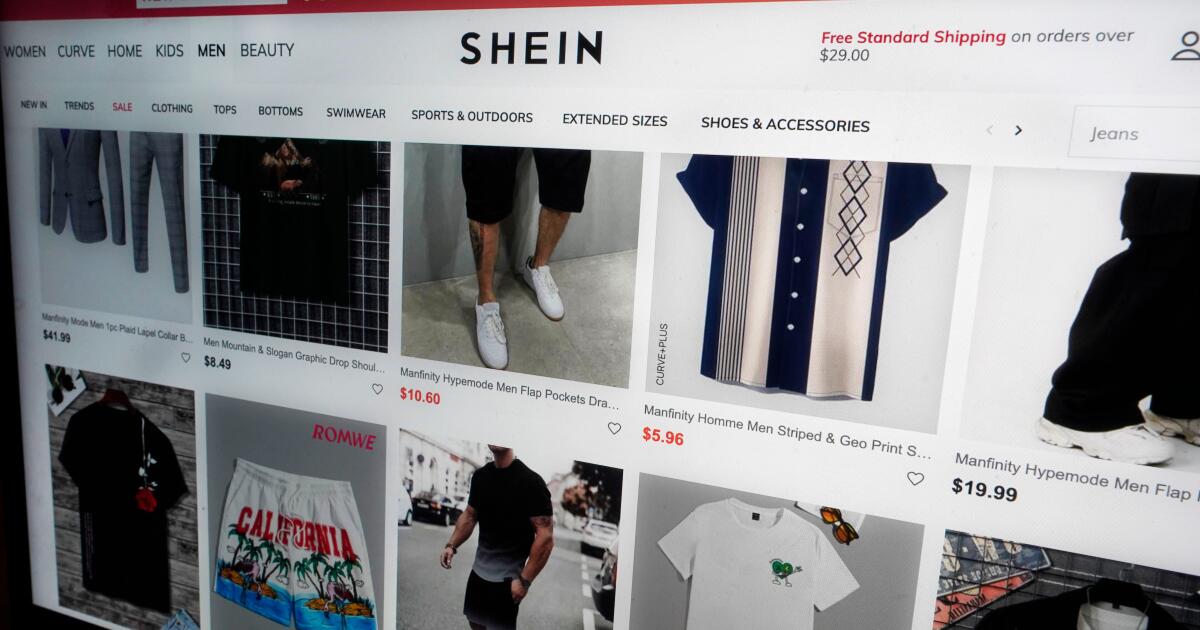
Shein, one of the largest fast-fashion retailers in the world, is set to acquire the “quiet luxury” apparel brand Everlane, media reports said.
Shein will buy Everlane from majority owner L Catterton for $100 million, according to a deal signed Saturday, Puck reported. Everlane was once valued around $600 million at its peak in the 2010s.
The acquisition signals a sharp change of course for Everlane, which has centered itself on sustainability and transparency.
Shein’s fast-fashion business model involves mass production of clothing at the cheapest price, a trend that has drawn criticism from environmentalists and labor rights activists.
Based in San Francisco, Everlane boomed in popularity soon after its inception in 2011.
It offers refined classics such as sweaters, slacks and lounge wear through a direct-to-consumer online store.
Everlane’s popularity declined after the COVID-19 pandemic and the softening of the e-commerce boom in the 2020s.
It was burdened by intense competition from other online retailers and a consumer base that prioritized cheap prices over environmental responsibility.
In 2024, Shein faced restructuring needs that led to a $25-million loan, Forbes reported. Allbirds, another once-popular apparel retailer based in San Francisco, announced last month it was shifting its focus from sneakers to AI chips.
Holders of Everlane common stock won’t receive a payout, Puck said, citing a note sent to shareholders Sunday morning. It’s unclear whether preferred shareholders will receive cash or shares of Shein for the sale.
Shein did not immediately respond to a request for comment and Everlane said it could not confirm the deal. Neither company has publicly announced the sale.
Last year, Shein began offering other fashion brands access to its manufacturing network in China. Shein has been looking for new revenue streams since President Trump’s tariffs began hurting its apparel sales in the U.S.
Shein faces competition from Temu, a Chinese e-commerce company offering goods including bathing suits and dog collars at ultra-low prices.

Shein, one of the largest fast-fashion retailers in the world, is set to acquire the “quiet luxury” apparel brand Everlane, media reports said.
Shein will buy Everlane from majority owner L Catterton for $100 million, according to a deal signed Saturday, Puck reported. Everlane was once valued around $600 million at its peak in the 2010s.
The acquisition signals a sharp change of course for Everlane, which has centered itself on sustainability and transparency.
Shein’s fast-fashion business model involves mass production of clothing at the cheapest price, a trend that has drawn criticism from environmentalists and labor rights activists.
Based in San Francisco, Everlane boomed in popularity soon after its inception in 2011.
It offers refined classics such as sweaters, slacks and lounge wear through a direct-to-consumer online store.
Everlane’s popularity declined after the COVID-19 pandemic and the softening of the e-commerce boom in the 2020s.
It was burdened by intense competition from other online retailers and a consumer base that prioritized cheap prices over environmental responsibility.
In 2024, Shein faced restructuring needs that led to a $25-million loan, Forbes reported. Allbirds, another once-popular apparel retailer based in San Francisco, announced last month it was shifting its focus from sneakers to AI chips.
Holders of Everlane common stock won’t receive a payout, Puck said, citing a note sent to shareholders Sunday morning. It’s unclear whether preferred shareholders will receive cash or shares of Shein for the sale.
Shein did not immediately respond to a request for comment and Everlane said it could not confirm the deal. Neither company has publicly announced the sale.
Last year, Shein began offering other fashion brands access to its manufacturing network in China. Shein has been looking for new revenue streams since President Trump’s tariffs began hurting its apparel sales in the U.S.
Shein faces competition from Temu, a Chinese e-commerce company offering goods including bathing suits and dog collars at ultra-low prices.

Shein, one of the largest fast-fashion retailers in the world, is set to acquire the “quiet luxury” apparel brand Everlane, media reports said.
Shein will buy Everlane from majority owner L Catterton for $100 million, according to a deal signed Saturday, Puck reported. Everlane was once valued around $600 million at its peak in the 2010s.
The acquisition signals a sharp change of course for Everlane, which has centered itself on sustainability and transparency.
Shein’s fast-fashion business model involves mass production of clothing at the cheapest price, a trend that has drawn criticism from environmentalists and labor rights activists.
Based in San Francisco, Everlane boomed in popularity soon after its inception in 2011.
It offers refined classics such as sweaters, slacks and lounge wear through a direct-to-consumer online store.
Everlane’s popularity declined after the COVID-19 pandemic and the softening of the e-commerce boom in the 2020s.
It was burdened by intense competition from other online retailers and a consumer base that prioritized cheap prices over environmental responsibility.
In 2024, Shein faced restructuring needs that led to a $25-million loan, Forbes reported. Allbirds, another once-popular apparel retailer based in San Francisco, announced last month it was shifting its focus from sneakers to AI chips.
Holders of Everlane common stock won’t receive a payout, Puck said, citing a note sent to shareholders Sunday morning. It’s unclear whether preferred shareholders will receive cash or shares of Shein for the sale.
Shein did not immediately respond to a request for comment and Everlane said it could not confirm the deal. Neither company has publicly announced the sale.
Last year, Shein began offering other fashion brands access to its manufacturing network in China. Shein has been looking for new revenue streams since President Trump’s tariffs began hurting its apparel sales in the U.S.
Shein faces competition from Temu, a Chinese e-commerce company offering goods including bathing suits and dog collars at ultra-low prices.
Shein, one of the largest fast-fashion retailers in the world, is set to acquire the “quiet luxury” apparel brand Everlane, media reports said.
Shein will buy Everlane from majority owner L Catterton for $100 million, according to a deal signed Saturday, Puck reported. Everlane was once valued around $600 million at its peak in the 2010s.
The acquisition signals a sharp change of course for Everlane, which has centered itself on sustainability and transparency.
Shein’s fast-fashion business model involves mass production of clothing at the cheapest price, a trend that has drawn criticism from environmentalists and labor rights activists.
Based in San Francisco, Everlane boomed in popularity soon after its inception in 2011.
It offers refined classics such as sweaters, slacks and lounge wear through a direct-to-consumer online store.
Everlane’s popularity declined after the COVID-19 pandemic and the softening of the e-commerce boom in the 2020s.
It was burdened by intense competition from other online retailers and a consumer base that prioritized cheap prices over environmental responsibility.
In 2024, Shein faced restructuring needs that led to a $25-million loan, Forbes reported. Allbirds, another once-popular apparel retailer based in San Francisco, announced last month it was shifting its focus from sneakers to AI chips.
Holders of Everlane common stock won’t receive a payout, Puck said, citing a note sent to shareholders Sunday morning. It’s unclear whether preferred shareholders will receive cash or shares of Shein for the sale.
Shein did not immediately respond to a request for comment and Everlane said it could not confirm the deal. Neither company has publicly announced the sale.
Last year, Shein began offering other fashion brands access to its manufacturing network in China. Shein has been looking for new revenue streams since President Trump’s tariffs began hurting its apparel sales in the U.S.
Shein faces competition from Temu, a Chinese e-commerce company offering goods including bathing suits and dog collars at ultra-low prices.

Shein, one of the largest fast-fashion retailers in the world, is set to acquire the “quiet luxury” apparel brand Everlane, media reports said.
Shein will buy Everlane from majority owner L Catterton for $100 million, according to a deal signed Saturday, Puck reported. Everlane was once valued around $600 million at its peak in the 2010s.
The acquisition signals a sharp change of course for Everlane, which has centered itself on sustainability and transparency.
Shein’s fast-fashion business model involves mass production of clothing at the cheapest price, a trend that has drawn criticism from environmentalists and labor rights activists.
Based in San Francisco, Everlane boomed in popularity soon after its inception in 2011.
It offers refined classics such as sweaters, slacks and lounge wear through a direct-to-consumer online store.
Everlane’s popularity declined after the COVID-19 pandemic and the softening of the e-commerce boom in the 2020s.
It was burdened by intense competition from other online retailers and a consumer base that prioritized cheap prices over environmental responsibility.
In 2024, Shein faced restructuring needs that led to a $25-million loan, Forbes reported. Allbirds, another once-popular apparel retailer based in San Francisco, announced last month it was shifting its focus from sneakers to AI chips.
Holders of Everlane common stock won’t receive a payout, Puck said, citing a note sent to shareholders Sunday morning. It’s unclear whether preferred shareholders will receive cash or shares of Shein for the sale.
Shein did not immediately respond to a request for comment and Everlane said it could not confirm the deal. Neither company has publicly announced the sale.
Last year, Shein began offering other fashion brands access to its manufacturing network in China. Shein has been looking for new revenue streams since President Trump’s tariffs began hurting its apparel sales in the U.S.
Shein faces competition from Temu, a Chinese e-commerce company offering goods including bathing suits and dog collars at ultra-low prices.
Shein, one of the largest fast-fashion retailers in the world, is set to acquire the “quiet luxury” apparel brand Everlane, media reports said.
Shein will buy Everlane from majority owner L Catterton for $100 million, according to a deal signed Saturday, Puck reported. Everlane was once valued around $600 million at its peak in the 2010s.
The acquisition signals a sharp change of course for Everlane, which has centered itself on sustainability and transparency.
Shein’s fast-fashion business model involves mass production of clothing at the cheapest price, a trend that has drawn criticism from environmentalists and labor rights activists.
Based in San Francisco, Everlane boomed in popularity soon after its inception in 2011.
It offers refined classics such as sweaters, slacks and lounge wear through a direct-to-consumer online store.
Everlane’s popularity declined after the COVID-19 pandemic and the softening of the e-commerce boom in the 2020s.
It was burdened by intense competition from other online retailers and a consumer base that prioritized cheap prices over environmental responsibility.
In 2024, Shein faced restructuring needs that led to a $25-million loan, Forbes reported. Allbirds, another once-popular apparel retailer based in San Francisco, announced last month it was shifting its focus from sneakers to AI chips.
Holders of Everlane common stock won’t receive a payout, Puck said, citing a note sent to shareholders Sunday morning. It’s unclear whether preferred shareholders will receive cash or shares of Shein for the sale.
Shein did not immediately respond to a request for comment and Everlane said it could not confirm the deal. Neither company has publicly announced the sale.
Last year, Shein began offering other fashion brands access to its manufacturing network in China. Shein has been looking for new revenue streams since President Trump’s tariffs began hurting its apparel sales in the U.S.
Shein faces competition from Temu, a Chinese e-commerce company offering goods including bathing suits and dog collars at ultra-low prices.
Shein, one of the largest fast-fashion retailers in the world, is set to acquire the “quiet luxury” apparel brand Everlane, media reports said.
Shein will buy Everlane from majority owner L Catterton for $100 million, according to a deal signed Saturday, Puck reported. Everlane was once valued around $600 million at its peak in the 2010s.
The acquisition signals a sharp change of course for Everlane, which has centered itself on sustainability and transparency.
Shein’s fast-fashion business model involves mass production of clothing at the cheapest price, a trend that has drawn criticism from environmentalists and labor rights activists.
Based in San Francisco, Everlane boomed in popularity soon after its inception in 2011.
It offers refined classics such as sweaters, slacks and lounge wear through a direct-to-consumer online store.
Everlane’s popularity declined after the COVID-19 pandemic and the softening of the e-commerce boom in the 2020s.
It was burdened by intense competition from other online retailers and a consumer base that prioritized cheap prices over environmental responsibility.
In 2024, Shein faced restructuring needs that led to a $25-million loan, Forbes reported. Allbirds, another once-popular apparel retailer based in San Francisco, announced last month it was shifting its focus from sneakers to AI chips.
Holders of Everlane common stock won’t receive a payout, Puck said, citing a note sent to shareholders Sunday morning. It’s unclear whether preferred shareholders will receive cash or shares of Shein for the sale.
Shein did not immediately respond to a request for comment and Everlane said it could not confirm the deal. Neither company has publicly announced the sale.
Last year, Shein began offering other fashion brands access to its manufacturing network in China. Shein has been looking for new revenue streams since President Trump’s tariffs began hurting its apparel sales in the U.S.
Shein faces competition from Temu, a Chinese e-commerce company offering goods including bathing suits and dog collars at ultra-low prices.
Shein, one of the largest fast-fashion retailers in the world, is set to acquire the “quiet luxury” apparel brand Everlane, media reports said.
Shein will buy Everlane from majority owner L Catterton for $100 million, according to a deal signed Saturday, Puck reported. Everlane was once valued around $600 million at its peak in the 2010s.
The acquisition signals a sharp change of course for Everlane, which has centered itself on sustainability and transparency.
Shein’s fast-fashion business model involves mass production of clothing at the cheapest price, a trend that has drawn criticism from environmentalists and labor rights activists.
Based in San Francisco, Everlane boomed in popularity soon after its inception in 2011.
It offers refined classics such as sweaters, slacks and lounge wear through a direct-to-consumer online store.
Everlane’s popularity declined after the COVID-19 pandemic and the softening of the e-commerce boom in the 2020s.
It was burdened by intense competition from other online retailers and a consumer base that prioritized cheap prices over environmental responsibility.
In 2024, Shein faced restructuring needs that led to a $25-million loan, Forbes reported. Allbirds, another once-popular apparel retailer based in San Francisco, announced last month it was shifting its focus from sneakers to AI chips.
Holders of Everlane common stock won’t receive a payout, Puck said, citing a note sent to shareholders Sunday morning. It’s unclear whether preferred shareholders will receive cash or shares of Shein for the sale.
Shein did not immediately respond to a request for comment and Everlane said it could not confirm the deal. Neither company has publicly announced the sale.
Last year, Shein began offering other fashion brands access to its manufacturing network in China. Shein has been looking for new revenue streams since President Trump’s tariffs began hurting its apparel sales in the U.S.
Shein faces competition from Temu, a Chinese e-commerce company offering goods including bathing suits and dog collars at ultra-low prices.

Shein, one of the largest fast-fashion retailers in the world, is set to acquire the “quiet luxury” apparel brand Everlane, media reports said.
Shein will buy Everlane from majority owner L Catterton for $100 million, according to a deal signed Saturday, Puck reported. Everlane was once valued around $600 million at its peak in the 2010s.
The acquisition signals a sharp change of course for Everlane, which has centered itself on sustainability and transparency.
Shein’s fast-fashion business model involves mass production of clothing at the cheapest price, a trend that has drawn criticism from environmentalists and labor rights activists.
Based in San Francisco, Everlane boomed in popularity soon after its inception in 2011.
It offers refined classics such as sweaters, slacks and lounge wear through a direct-to-consumer online store.
Everlane’s popularity declined after the COVID-19 pandemic and the softening of the e-commerce boom in the 2020s.
It was burdened by intense competition from other online retailers and a consumer base that prioritized cheap prices over environmental responsibility.
In 2024, Shein faced restructuring needs that led to a $25-million loan, Forbes reported. Allbirds, another once-popular apparel retailer based in San Francisco, announced last month it was shifting its focus from sneakers to AI chips.
Holders of Everlane common stock won’t receive a payout, Puck said, citing a note sent to shareholders Sunday morning. It’s unclear whether preferred shareholders will receive cash or shares of Shein for the sale.
Shein did not immediately respond to a request for comment and Everlane said it could not confirm the deal. Neither company has publicly announced the sale.
Last year, Shein began offering other fashion brands access to its manufacturing network in China. Shein has been looking for new revenue streams since President Trump’s tariffs began hurting its apparel sales in the U.S.
Shein faces competition from Temu, a Chinese e-commerce company offering goods including bathing suits and dog collars at ultra-low prices.
Shein, one of the largest fast-fashion retailers in the world, is set to acquire the “quiet luxury” apparel brand Everlane, media reports said.
Shein will buy Everlane from majority owner L Catterton for $100 million, according to a deal signed Saturday, Puck reported. Everlane was once valued around $600 million at its peak in the 2010s.
The acquisition signals a sharp change of course for Everlane, which has centered itself on sustainability and transparency.
Shein’s fast-fashion business model involves mass production of clothing at the cheapest price, a trend that has drawn criticism from environmentalists and labor rights activists.
Based in San Francisco, Everlane boomed in popularity soon after its inception in 2011.
It offers refined classics such as sweaters, slacks and lounge wear through a direct-to-consumer online store.
Everlane’s popularity declined after the COVID-19 pandemic and the softening of the e-commerce boom in the 2020s.
It was burdened by intense competition from other online retailers and a consumer base that prioritized cheap prices over environmental responsibility.
In 2024, Shein faced restructuring needs that led to a $25-million loan, Forbes reported. Allbirds, another once-popular apparel retailer based in San Francisco, announced last month it was shifting its focus from sneakers to AI chips.
Holders of Everlane common stock won’t receive a payout, Puck said, citing a note sent to shareholders Sunday morning. It’s unclear whether preferred shareholders will receive cash or shares of Shein for the sale.
Shein did not immediately respond to a request for comment and Everlane said it could not confirm the deal. Neither company has publicly announced the sale.
Last year, Shein began offering other fashion brands access to its manufacturing network in China. Shein has been looking for new revenue streams since President Trump’s tariffs began hurting its apparel sales in the U.S.
Shein faces competition from Temu, a Chinese e-commerce company offering goods including bathing suits and dog collars at ultra-low prices.
Shein, one of the largest fast-fashion retailers in the world, is set to acquire the “quiet luxury” apparel brand Everlane, media reports said.
Shein will buy Everlane from majority owner L Catterton for $100 million, according to a deal signed Saturday, Puck reported. Everlane was once valued around $600 million at its peak in the 2010s.
The acquisition signals a sharp change of course for Everlane, which has centered itself on sustainability and transparency.
Shein’s fast-fashion business model involves mass production of clothing at the cheapest price, a trend that has drawn criticism from environmentalists and labor rights activists.
Based in San Francisco, Everlane boomed in popularity soon after its inception in 2011.
It offers refined classics such as sweaters, slacks and lounge wear through a direct-to-consumer online store.
Everlane’s popularity declined after the COVID-19 pandemic and the softening of the e-commerce boom in the 2020s.
It was burdened by intense competition from other online retailers and a consumer base that prioritized cheap prices over environmental responsibility.
In 2024, Shein faced restructuring needs that led to a $25-million loan, Forbes reported. Allbirds, another once-popular apparel retailer based in San Francisco, announced last month it was shifting its focus from sneakers to AI chips.
Holders of Everlane common stock won’t receive a payout, Puck said, citing a note sent to shareholders Sunday morning. It’s unclear whether preferred shareholders will receive cash or shares of Shein for the sale.
Shein did not immediately respond to a request for comment and Everlane said it could not confirm the deal. Neither company has publicly announced the sale.
Last year, Shein began offering other fashion brands access to its manufacturing network in China. Shein has been looking for new revenue streams since President Trump’s tariffs began hurting its apparel sales in the U.S.
Shein faces competition from Temu, a Chinese e-commerce company offering goods including bathing suits and dog collars at ultra-low prices.
Shein, one of the largest fast-fashion retailers in the world, is set to acquire the “quiet luxury” apparel brand Everlane, media reports said.
Shein will buy Everlane from majority owner L Catterton for $100 million, according to a deal signed Saturday, Puck reported. Everlane was once valued around $600 million at its peak in the 2010s.
The acquisition signals a sharp change of course for Everlane, which has centered itself on sustainability and transparency.
Shein’s fast-fashion business model involves mass production of clothing at the cheapest price, a trend that has drawn criticism from environmentalists and labor rights activists.
Based in San Francisco, Everlane boomed in popularity soon after its inception in 2011.
It offers refined classics such as sweaters, slacks and lounge wear through a direct-to-consumer online store.
Everlane’s popularity declined after the COVID-19 pandemic and the softening of the e-commerce boom in the 2020s.
It was burdened by intense competition from other online retailers and a consumer base that prioritized cheap prices over environmental responsibility.
In 2024, Shein faced restructuring needs that led to a $25-million loan, Forbes reported. Allbirds, another once-popular apparel retailer based in San Francisco, announced last month it was shifting its focus from sneakers to AI chips.
Holders of Everlane common stock won’t receive a payout, Puck said, citing a note sent to shareholders Sunday morning. It’s unclear whether preferred shareholders will receive cash or shares of Shein for the sale.
Shein did not immediately respond to a request for comment and Everlane said it could not confirm the deal. Neither company has publicly announced the sale.
Last year, Shein began offering other fashion brands access to its manufacturing network in China. Shein has been looking for new revenue streams since President Trump’s tariffs began hurting its apparel sales in the U.S.
Shein faces competition from Temu, a Chinese e-commerce company offering goods including bathing suits and dog collars at ultra-low prices.
Shein, one of the largest fast-fashion retailers in the world, is set to acquire the “quiet luxury” apparel brand Everlane, media reports said.
Shein will buy Everlane from majority owner L Catterton for $100 million, according to a deal signed Saturday, Puck reported. Everlane was once valued around $600 million at its peak in the 2010s.
The acquisition signals a sharp change of course for Everlane, which has centered itself on sustainability and transparency.
Shein’s fast-fashion business model involves mass production of clothing at the cheapest price, a trend that has drawn criticism from environmentalists and labor rights activists.
Based in San Francisco, Everlane boomed in popularity soon after its inception in 2011.
It offers refined classics such as sweaters, slacks and lounge wear through a direct-to-consumer online store.
Everlane’s popularity declined after the COVID-19 pandemic and the softening of the e-commerce boom in the 2020s.
It was burdened by intense competition from other online retailers and a consumer base that prioritized cheap prices over environmental responsibility.
In 2024, Shein faced restructuring needs that led to a $25-million loan, Forbes reported. Allbirds, another once-popular apparel retailer based in San Francisco, announced last month it was shifting its focus from sneakers to AI chips.
Holders of Everlane common stock won’t receive a payout, Puck said, citing a note sent to shareholders Sunday morning. It’s unclear whether preferred shareholders will receive cash or shares of Shein for the sale.
Shein did not immediately respond to a request for comment and Everlane said it could not confirm the deal. Neither company has publicly announced the sale.
Last year, Shein began offering other fashion brands access to its manufacturing network in China. Shein has been looking for new revenue streams since President Trump’s tariffs began hurting its apparel sales in the U.S.
Shein faces competition from Temu, a Chinese e-commerce company offering goods including bathing suits and dog collars at ultra-low prices.
Shein, one of the largest fast-fashion retailers in the world, is set to acquire the “quiet luxury” apparel brand Everlane, media reports said.
Shein will buy Everlane from majority owner L Catterton for $100 million, according to a deal signed Saturday, Puck reported. Everlane was once valued around $600 million at its peak in the 2010s.
The acquisition signals a sharp change of course for Everlane, which has centered itself on sustainability and transparency.
Shein’s fast-fashion business model involves mass production of clothing at the cheapest price, a trend that has drawn criticism from environmentalists and labor rights activists.
Based in San Francisco, Everlane boomed in popularity soon after its inception in 2011.
It offers refined classics such as sweaters, slacks and lounge wear through a direct-to-consumer online store.
Everlane’s popularity declined after the COVID-19 pandemic and the softening of the e-commerce boom in the 2020s.
It was burdened by intense competition from other online retailers and a consumer base that prioritized cheap prices over environmental responsibility.
In 2024, Shein faced restructuring needs that led to a $25-million loan, Forbes reported. Allbirds, another once-popular apparel retailer based in San Francisco, announced last month it was shifting its focus from sneakers to AI chips.
Holders of Everlane common stock won’t receive a payout, Puck said, citing a note sent to shareholders Sunday morning. It’s unclear whether preferred shareholders will receive cash or shares of Shein for the sale.
Shein did not immediately respond to a request for comment and Everlane said it could not confirm the deal. Neither company has publicly announced the sale.
Last year, Shein began offering other fashion brands access to its manufacturing network in China. Shein has been looking for new revenue streams since President Trump’s tariffs began hurting its apparel sales in the U.S.
Shein faces competition from Temu, a Chinese e-commerce company offering goods including bathing suits and dog collars at ultra-low prices.
Shein, one of the largest fast-fashion retailers in the world, is set to acquire the “quiet luxury” apparel brand Everlane, media reports said.
Shein will buy Everlane from majority owner L Catterton for $100 million, according to a deal signed Saturday, Puck reported. Everlane was once valued around $600 million at its peak in the 2010s.
The acquisition signals a sharp change of course for Everlane, which has centered itself on sustainability and transparency.
Shein’s fast-fashion business model involves mass production of clothing at the cheapest price, a trend that has drawn criticism from environmentalists and labor rights activists.
Based in San Francisco, Everlane boomed in popularity soon after its inception in 2011.
It offers refined classics such as sweaters, slacks and lounge wear through a direct-to-consumer online store.
Everlane’s popularity declined after the COVID-19 pandemic and the softening of the e-commerce boom in the 2020s.
It was burdened by intense competition from other online retailers and a consumer base that prioritized cheap prices over environmental responsibility.
In 2024, Shein faced restructuring needs that led to a $25-million loan, Forbes reported. Allbirds, another once-popular apparel retailer based in San Francisco, announced last month it was shifting its focus from sneakers to AI chips.
Holders of Everlane common stock won’t receive a payout, Puck said, citing a note sent to shareholders Sunday morning. It’s unclear whether preferred shareholders will receive cash or shares of Shein for the sale.
Shein did not immediately respond to a request for comment and Everlane said it could not confirm the deal. Neither company has publicly announced the sale.
Last year, Shein began offering other fashion brands access to its manufacturing network in China. Shein has been looking for new revenue streams since President Trump’s tariffs began hurting its apparel sales in the U.S.
Shein faces competition from Temu, a Chinese e-commerce company offering goods including bathing suits and dog collars at ultra-low prices.
Shein, one of the largest fast-fashion retailers in the world, is set to acquire the “quiet luxury” apparel brand Everlane, media reports said.
Shein will buy Everlane from majority owner L Catterton for $100 million, according to a deal signed Saturday, Puck reported. Everlane was once valued around $600 million at its peak in the 2010s.
The acquisition signals a sharp change of course for Everlane, which has centered itself on sustainability and transparency.
Shein’s fast-fashion business model involves mass production of clothing at the cheapest price, a trend that has drawn criticism from environmentalists and labor rights activists.
Based in San Francisco, Everlane boomed in popularity soon after its inception in 2011.
It offers refined classics such as sweaters, slacks and lounge wear through a direct-to-consumer online store.
Everlane’s popularity declined after the COVID-19 pandemic and the softening of the e-commerce boom in the 2020s.
It was burdened by intense competition from other online retailers and a consumer base that prioritized cheap prices over environmental responsibility.
In 2024, Shein faced restructuring needs that led to a $25-million loan, Forbes reported. Allbirds, another once-popular apparel retailer based in San Francisco, announced last month it was shifting its focus from sneakers to AI chips.
Holders of Everlane common stock won’t receive a payout, Puck said, citing a note sent to shareholders Sunday morning. It’s unclear whether preferred shareholders will receive cash or shares of Shein for the sale.
Shein did not immediately respond to a request for comment and Everlane said it could not confirm the deal. Neither company has publicly announced the sale.
Last year, Shein began offering other fashion brands access to its manufacturing network in China. Shein has been looking for new revenue streams since President Trump’s tariffs began hurting its apparel sales in the U.S.
Shein faces competition from Temu, a Chinese e-commerce company offering goods including bathing suits and dog collars at ultra-low prices.

