

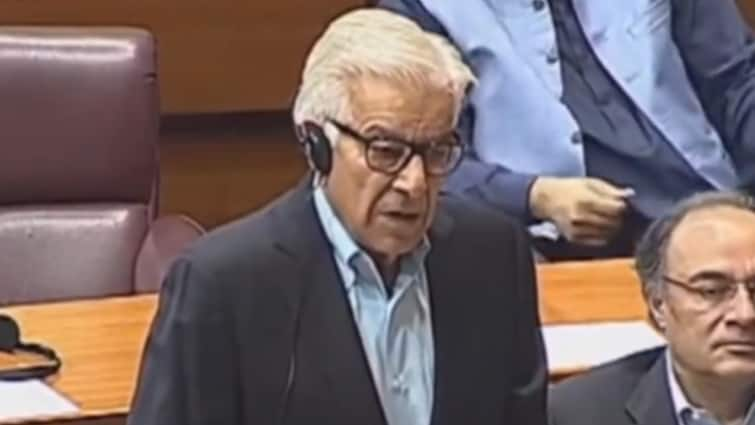
The Defence Minister of Pakistan, Khawaja M Asif, during a session of the Pakistan’s National Assembly, admitted that the minorities in the country are facing “targetted violence in the name of religion”. He also acknowledged that the state failed to protect these minorities and that no religious minority was safe in the country.
“Minorities are being murdered daily… no religious minority is safe in Pakistan. Even the smaller sects of the Muslims are not safe,” Dawn news quoted Khawaja as saying.
This comes as the country passed a resolution on Sunday, condemning the recent mob lynching cases in Punjab and Khyber Pakhtunkhwa (KP) provinces.
The relevant authorities were also urged to take necessary steps to ensure the safety of all citizens, including religious minorities, and take action against the perpetrators of such violence.
‘Killings Seem To Stem From Personal Vendettas’
He also emphasised that no religious minorities are safe in Pakistan despite the constitutional protections. Furthermore, he called for a resolution to safeguard the minorities and stressed that several victims of violence did not have any connection to blasphemy allegations, but were instead targetted due to personal vendettas, news agency ANI reported.
“Even smaller Muslim sects are not safe in Pakistan, which is adisgraceful situation. We intend to propose a resolution to protect minorities. While our constitution guarantees minority rights, there are incidents of violence occurring across various locations. Those who have been killed so far did not have any evidence linking them to blasphemy; rather, these killings seem to stem from personal
vendettas,” Asif said during the session.
“We must ensure the safety of our minority brothers and sisters. They have as much right to live in this country as the majority. Pakistan belongs to all Pakistanis, regardless of whether they are Muslim, Christian, Sikh, or of any other faith. Our Constitution guarantees full protection to minorities,” Dawn quoted Asif as saying.
Blasphemy Laws In Pakistan
Pakistan’s Blasphemy laws are amongst the strictest laws in the world, with profound implications for religious minorities. If charged under these laws, one can be prescribed severe punishments, including the death penalty, if found guilty for insulting Islam, the Prophet Muhammad, or desecration of the Quran.
Religious minorities in Pakistan, including Hindus, Christians, and Sikhs are unreasonably accused and convicted under these laws. A minority sect among Muslims, Ahmadis, also face persecution under these laws, as Pakistan’s Constitution does not consider them as Muslims.
In the most recent case of religious minorities being subjected to violence, a Chistian man was beaten and his house was set ablaze by a mob in Sarghoda city as he was suspected for committing blasphemy.
A 40-year-old tourist from Sialkot was also brutally lynched and dragged through the town for allegedly burning pages of the Quran. He was later hanged in full public view in Khyber Pakhtunkhwa’s Swat district on Thursday.

The Defence Minister of Pakistan, Khawaja M Asif, during a session of the Pakistan’s National Assembly, admitted that the minorities in the country are facing “targetted violence in the name of religion”. He also acknowledged that the state failed to protect these minorities and that no religious minority was safe in the country.
“Minorities are being murdered daily… no religious minority is safe in Pakistan. Even the smaller sects of the Muslims are not safe,” Dawn news quoted Khawaja as saying.
This comes as the country passed a resolution on Sunday, condemning the recent mob lynching cases in Punjab and Khyber Pakhtunkhwa (KP) provinces.
The relevant authorities were also urged to take necessary steps to ensure the safety of all citizens, including religious minorities, and take action against the perpetrators of such violence.
‘Killings Seem To Stem From Personal Vendettas’
He also emphasised that no religious minorities are safe in Pakistan despite the constitutional protections. Furthermore, he called for a resolution to safeguard the minorities and stressed that several victims of violence did not have any connection to blasphemy allegations, but were instead targetted due to personal vendettas, news agency ANI reported.
“Even smaller Muslim sects are not safe in Pakistan, which is adisgraceful situation. We intend to propose a resolution to protect minorities. While our constitution guarantees minority rights, there are incidents of violence occurring across various locations. Those who have been killed so far did not have any evidence linking them to blasphemy; rather, these killings seem to stem from personal
vendettas,” Asif said during the session.
“We must ensure the safety of our minority brothers and sisters. They have as much right to live in this country as the majority. Pakistan belongs to all Pakistanis, regardless of whether they are Muslim, Christian, Sikh, or of any other faith. Our Constitution guarantees full protection to minorities,” Dawn quoted Asif as saying.
Blasphemy Laws In Pakistan
Pakistan’s Blasphemy laws are amongst the strictest laws in the world, with profound implications for religious minorities. If charged under these laws, one can be prescribed severe punishments, including the death penalty, if found guilty for insulting Islam, the Prophet Muhammad, or desecration of the Quran.
Religious minorities in Pakistan, including Hindus, Christians, and Sikhs are unreasonably accused and convicted under these laws. A minority sect among Muslims, Ahmadis, also face persecution under these laws, as Pakistan’s Constitution does not consider them as Muslims.
In the most recent case of religious minorities being subjected to violence, a Chistian man was beaten and his house was set ablaze by a mob in Sarghoda city as he was suspected for committing blasphemy.
A 40-year-old tourist from Sialkot was also brutally lynched and dragged through the town for allegedly burning pages of the Quran. He was later hanged in full public view in Khyber Pakhtunkhwa’s Swat district on Thursday.

The Defence Minister of Pakistan, Khawaja M Asif, during a session of the Pakistan’s National Assembly, admitted that the minorities in the country are facing “targetted violence in the name of religion”. He also acknowledged that the state failed to protect these minorities and that no religious minority was safe in the country.
“Minorities are being murdered daily… no religious minority is safe in Pakistan. Even the smaller sects of the Muslims are not safe,” Dawn news quoted Khawaja as saying.
This comes as the country passed a resolution on Sunday, condemning the recent mob lynching cases in Punjab and Khyber Pakhtunkhwa (KP) provinces.
The relevant authorities were also urged to take necessary steps to ensure the safety of all citizens, including religious minorities, and take action against the perpetrators of such violence.
‘Killings Seem To Stem From Personal Vendettas’
He also emphasised that no religious minorities are safe in Pakistan despite the constitutional protections. Furthermore, he called for a resolution to safeguard the minorities and stressed that several victims of violence did not have any connection to blasphemy allegations, but were instead targetted due to personal vendettas, news agency ANI reported.
“Even smaller Muslim sects are not safe in Pakistan, which is adisgraceful situation. We intend to propose a resolution to protect minorities. While our constitution guarantees minority rights, there are incidents of violence occurring across various locations. Those who have been killed so far did not have any evidence linking them to blasphemy; rather, these killings seem to stem from personal
vendettas,” Asif said during the session.
“We must ensure the safety of our minority brothers and sisters. They have as much right to live in this country as the majority. Pakistan belongs to all Pakistanis, regardless of whether they are Muslim, Christian, Sikh, or of any other faith. Our Constitution guarantees full protection to minorities,” Dawn quoted Asif as saying.
Blasphemy Laws In Pakistan
Pakistan’s Blasphemy laws are amongst the strictest laws in the world, with profound implications for religious minorities. If charged under these laws, one can be prescribed severe punishments, including the death penalty, if found guilty for insulting Islam, the Prophet Muhammad, or desecration of the Quran.
Religious minorities in Pakistan, including Hindus, Christians, and Sikhs are unreasonably accused and convicted under these laws. A minority sect among Muslims, Ahmadis, also face persecution under these laws, as Pakistan’s Constitution does not consider them as Muslims.
In the most recent case of religious minorities being subjected to violence, a Chistian man was beaten and his house was set ablaze by a mob in Sarghoda city as he was suspected for committing blasphemy.
A 40-year-old tourist from Sialkot was also brutally lynched and dragged through the town for allegedly burning pages of the Quran. He was later hanged in full public view in Khyber Pakhtunkhwa’s Swat district on Thursday.

The Defence Minister of Pakistan, Khawaja M Asif, during a session of the Pakistan’s National Assembly, admitted that the minorities in the country are facing “targetted violence in the name of religion”. He also acknowledged that the state failed to protect these minorities and that no religious minority was safe in the country.
“Minorities are being murdered daily… no religious minority is safe in Pakistan. Even the smaller sects of the Muslims are not safe,” Dawn news quoted Khawaja as saying.
This comes as the country passed a resolution on Sunday, condemning the recent mob lynching cases in Punjab and Khyber Pakhtunkhwa (KP) provinces.
The relevant authorities were also urged to take necessary steps to ensure the safety of all citizens, including religious minorities, and take action against the perpetrators of such violence.
‘Killings Seem To Stem From Personal Vendettas’
He also emphasised that no religious minorities are safe in Pakistan despite the constitutional protections. Furthermore, he called for a resolution to safeguard the minorities and stressed that several victims of violence did not have any connection to blasphemy allegations, but were instead targetted due to personal vendettas, news agency ANI reported.
“Even smaller Muslim sects are not safe in Pakistan, which is adisgraceful situation. We intend to propose a resolution to protect minorities. While our constitution guarantees minority rights, there are incidents of violence occurring across various locations. Those who have been killed so far did not have any evidence linking them to blasphemy; rather, these killings seem to stem from personal
vendettas,” Asif said during the session.
“We must ensure the safety of our minority brothers and sisters. They have as much right to live in this country as the majority. Pakistan belongs to all Pakistanis, regardless of whether they are Muslim, Christian, Sikh, or of any other faith. Our Constitution guarantees full protection to minorities,” Dawn quoted Asif as saying.
Blasphemy Laws In Pakistan
Pakistan’s Blasphemy laws are amongst the strictest laws in the world, with profound implications for religious minorities. If charged under these laws, one can be prescribed severe punishments, including the death penalty, if found guilty for insulting Islam, the Prophet Muhammad, or desecration of the Quran.
Religious minorities in Pakistan, including Hindus, Christians, and Sikhs are unreasonably accused and convicted under these laws. A minority sect among Muslims, Ahmadis, also face persecution under these laws, as Pakistan’s Constitution does not consider them as Muslims.
In the most recent case of religious minorities being subjected to violence, a Chistian man was beaten and his house was set ablaze by a mob in Sarghoda city as he was suspected for committing blasphemy.
A 40-year-old tourist from Sialkot was also brutally lynched and dragged through the town for allegedly burning pages of the Quran. He was later hanged in full public view in Khyber Pakhtunkhwa’s Swat district on Thursday.

The Defence Minister of Pakistan, Khawaja M Asif, during a session of the Pakistan’s National Assembly, admitted that the minorities in the country are facing “targetted violence in the name of religion”. He also acknowledged that the state failed to protect these minorities and that no religious minority was safe in the country.
“Minorities are being murdered daily… no religious minority is safe in Pakistan. Even the smaller sects of the Muslims are not safe,” Dawn news quoted Khawaja as saying.
This comes as the country passed a resolution on Sunday, condemning the recent mob lynching cases in Punjab and Khyber Pakhtunkhwa (KP) provinces.
The relevant authorities were also urged to take necessary steps to ensure the safety of all citizens, including religious minorities, and take action against the perpetrators of such violence.
‘Killings Seem To Stem From Personal Vendettas’
He also emphasised that no religious minorities are safe in Pakistan despite the constitutional protections. Furthermore, he called for a resolution to safeguard the minorities and stressed that several victims of violence did not have any connection to blasphemy allegations, but were instead targetted due to personal vendettas, news agency ANI reported.
“Even smaller Muslim sects are not safe in Pakistan, which is adisgraceful situation. We intend to propose a resolution to protect minorities. While our constitution guarantees minority rights, there are incidents of violence occurring across various locations. Those who have been killed so far did not have any evidence linking them to blasphemy; rather, these killings seem to stem from personal
vendettas,” Asif said during the session.
“We must ensure the safety of our minority brothers and sisters. They have as much right to live in this country as the majority. Pakistan belongs to all Pakistanis, regardless of whether they are Muslim, Christian, Sikh, or of any other faith. Our Constitution guarantees full protection to minorities,” Dawn quoted Asif as saying.
Blasphemy Laws In Pakistan
Pakistan’s Blasphemy laws are amongst the strictest laws in the world, with profound implications for religious minorities. If charged under these laws, one can be prescribed severe punishments, including the death penalty, if found guilty for insulting Islam, the Prophet Muhammad, or desecration of the Quran.
Religious minorities in Pakistan, including Hindus, Christians, and Sikhs are unreasonably accused and convicted under these laws. A minority sect among Muslims, Ahmadis, also face persecution under these laws, as Pakistan’s Constitution does not consider them as Muslims.
In the most recent case of religious minorities being subjected to violence, a Chistian man was beaten and his house was set ablaze by a mob in Sarghoda city as he was suspected for committing blasphemy.
A 40-year-old tourist from Sialkot was also brutally lynched and dragged through the town for allegedly burning pages of the Quran. He was later hanged in full public view in Khyber Pakhtunkhwa’s Swat district on Thursday.