

Gov. Gavin Newsom’s spokesperson denied a Bloomberg News story that alleged the governor pushed to exempt bakeries from the state’s fast food wage law to benefit a political donor who owns Panera Bread restaurants, calling the report “absurd.”
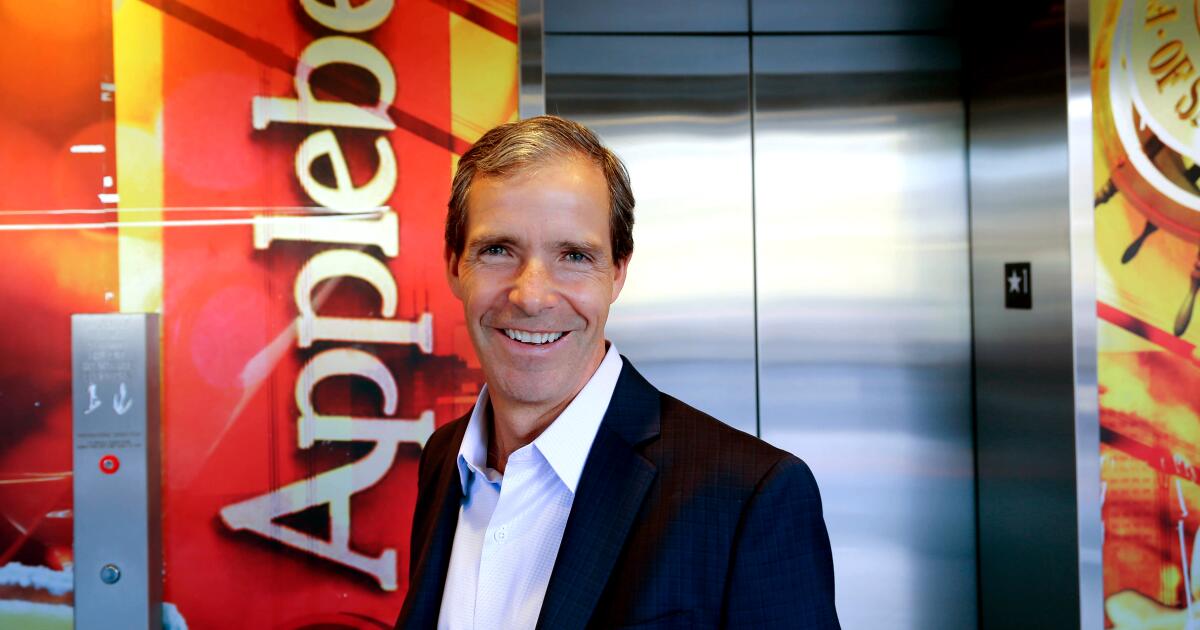
The Bloomberg article published this week alleged that Greg Flynn, the billionaire chief executive of a restaurant group that operates Panera locations, lobbied Newsom’s top aides “to reconsider whether fast-casual chains such as Panera should be classified as fast food.”
The story alleged that the Service Employees International Union California State Council agreed to exclude restaurants that operate bakeries “as a means of winning the governor’s support for the legislation.” The article said “the rationale was the governor’s longstanding relationship with a Panera franchisee.”
“The governor never met with Flynn about this bill, and this story is absurd,” said Alex Stack, a spokesperson for Newsom. “Our legal team has reviewed, and it appears Panera is not exempt from the law.”
Bloomberg did not immediately respond to a request for comment in response to the statement from the governor’s office.
The governor’s office said that the legislation was the result of countless hours of negotiations over two years and that Newsom administration officials met with dozens of business owners as well as union representatives.
“There was never an intent to exclude one company, but instead to provide clarity on what constitutes a fast food establishment,” Tia Orr, executive director of SEIU California, said in a statement.
Panera’s inclusion in the law comes down to whether the company produces its bread on-site, or brings in dough made at a central facility, said a source involved in the discussions.
The law says bakeries are exempt from being required to pay the higher wages.
“This exemption applies only where the establishment produces for sale bread as a stand-alone menu item, and does not apply if the bread is available for sale solely as part of another menu item,” the law states.
Under the law, the California labor commissioner will ultimately enforce compliance and could be responsible for making final determinations on which chains are exempt.
Flynn Holdings is a restaurant group and real estate investment company that claims to be the largest restaurant franchisee in the nation. The company’s portfolio of restaurants includes more than 444 Applebee’s restaurants, more than 280 Taco Bell locations, 133 Panera Bread cafes, 367 Arby’s restaurants, 937 Pizza Huts and and 194 Wendy’s restaurants, according to its website.
Flynn has been a generous donor to Newsom’s political campaigns, including contributing $100,000 to fight a failed recall effort against the governor. Bloomberg reported that the two men attended the same high school. Flynn also acquired a resort managed by Newsom’s hospitality business in 2014, but terminated the management contract about a year after the purchase, according to the news outlet.
The statement from Newsom’s team denying the story comes after California Senate Republican Leader Brian Jones called for an investigation into the allegations Thursday.
“Put simply, campaign contributions should not buy you carve-outs in legislation,” Jones said. “That’s crony capitalism. It’s corrupt and unacceptable.”
Labor unions successfully pushed Assembly Bill 257, also known as the Fast Food Accountability and Standards Recovery Act, through the Legislature in 2022. At the time, bakeries were exempted from the law as unions, the governor’s office and other groups sought to define what restaurants the bill applied to.
The fast-food law, which Newsom signed last September, created a statewide 10-member fast-food council and regional councils composed of labor and employer representatives to set minimum wage, employee hours and working condition standards in California. Under the law, the council could have increased the minimum wage up to $22 an hour in 2024 for employees of chains with more than 100 restaurants.
Fast-food companies quickly launched a successful campaign to qualify a referendum on the ballot to reverse AB 257, which had paused the law from taking effect. .
Under a new agreement reached between fast-food companies and labor last year, the referendum will be removed from the November ballot and workers will receive a pay bump to $20 per hour beginning in April. Bakeries remain exempt from the law.

Gov. Gavin Newsom’s spokesperson denied a Bloomberg News story that alleged the governor pushed to exempt bakeries from the state’s fast food wage law to benefit a political donor who owns Panera Bread restaurants, calling the report “absurd.”
The Bloomberg article published this week alleged that Greg Flynn, the billionaire chief executive of a restaurant group that operates Panera locations, lobbied Newsom’s top aides “to reconsider whether fast-casual chains such as Panera should be classified as fast food.”
The story alleged that the Service Employees International Union California State Council agreed to exclude restaurants that operate bakeries “as a means of winning the governor’s support for the legislation.” The article said “the rationale was the governor’s longstanding relationship with a Panera franchisee.”
“The governor never met with Flynn about this bill, and this story is absurd,” said Alex Stack, a spokesperson for Newsom. “Our legal team has reviewed, and it appears Panera is not exempt from the law.”
Bloomberg did not immediately respond to a request for comment in response to the statement from the governor’s office.
The governor’s office said that the legislation was the result of countless hours of negotiations over two years and that Newsom administration officials met with dozens of business owners as well as union representatives.
“There was never an intent to exclude one company, but instead to provide clarity on what constitutes a fast food establishment,” Tia Orr, executive director of SEIU California, said in a statement.
Panera’s inclusion in the law comes down to whether the company produces its bread on-site, or brings in dough made at a central facility, said a source involved in the discussions.
The law says bakeries are exempt from being required to pay the higher wages.
“This exemption applies only where the establishment produces for sale bread as a stand-alone menu item, and does not apply if the bread is available for sale solely as part of another menu item,” the law states.
Under the law, the California labor commissioner will ultimately enforce compliance and could be responsible for making final determinations on which chains are exempt.
Flynn Holdings is a restaurant group and real estate investment company that claims to be the largest restaurant franchisee in the nation. The company’s portfolio of restaurants includes more than 444 Applebee’s restaurants, more than 280 Taco Bell locations, 133 Panera Bread cafes, 367 Arby’s restaurants, 937 Pizza Huts and and 194 Wendy’s restaurants, according to its website.
Flynn has been a generous donor to Newsom’s political campaigns, including contributing $100,000 to fight a failed recall effort against the governor. Bloomberg reported that the two men attended the same high school. Flynn also acquired a resort managed by Newsom’s hospitality business in 2014, but terminated the management contract about a year after the purchase, according to the news outlet.
The statement from Newsom’s team denying the story comes after California Senate Republican Leader Brian Jones called for an investigation into the allegations Thursday.
“Put simply, campaign contributions should not buy you carve-outs in legislation,” Jones said. “That’s crony capitalism. It’s corrupt and unacceptable.”
Labor unions successfully pushed Assembly Bill 257, also known as the Fast Food Accountability and Standards Recovery Act, through the Legislature in 2022. At the time, bakeries were exempted from the law as unions, the governor’s office and other groups sought to define what restaurants the bill applied to.
The fast-food law, which Newsom signed last September, created a statewide 10-member fast-food council and regional councils composed of labor and employer representatives to set minimum wage, employee hours and working condition standards in California. Under the law, the council could have increased the minimum wage up to $22 an hour in 2024 for employees of chains with more than 100 restaurants.
Fast-food companies quickly launched a successful campaign to qualify a referendum on the ballot to reverse AB 257, which had paused the law from taking effect. .
Under a new agreement reached between fast-food companies and labor last year, the referendum will be removed from the November ballot and workers will receive a pay bump to $20 per hour beginning in April. Bakeries remain exempt from the law.

Gov. Gavin Newsom’s spokesperson denied a Bloomberg News story that alleged the governor pushed to exempt bakeries from the state’s fast food wage law to benefit a political donor who owns Panera Bread restaurants, calling the report “absurd.”
The Bloomberg article published this week alleged that Greg Flynn, the billionaire chief executive of a restaurant group that operates Panera locations, lobbied Newsom’s top aides “to reconsider whether fast-casual chains such as Panera should be classified as fast food.”
The story alleged that the Service Employees International Union California State Council agreed to exclude restaurants that operate bakeries “as a means of winning the governor’s support for the legislation.” The article said “the rationale was the governor’s longstanding relationship with a Panera franchisee.”
“The governor never met with Flynn about this bill, and this story is absurd,” said Alex Stack, a spokesperson for Newsom. “Our legal team has reviewed, and it appears Panera is not exempt from the law.”
Bloomberg did not immediately respond to a request for comment in response to the statement from the governor’s office.
The governor’s office said that the legislation was the result of countless hours of negotiations over two years and that Newsom administration officials met with dozens of business owners as well as union representatives.
“There was never an intent to exclude one company, but instead to provide clarity on what constitutes a fast food establishment,” Tia Orr, executive director of SEIU California, said in a statement.
Panera’s inclusion in the law comes down to whether the company produces its bread on-site, or brings in dough made at a central facility, said a source involved in the discussions.
The law says bakeries are exempt from being required to pay the higher wages.
“This exemption applies only where the establishment produces for sale bread as a stand-alone menu item, and does not apply if the bread is available for sale solely as part of another menu item,” the law states.
Under the law, the California labor commissioner will ultimately enforce compliance and could be responsible for making final determinations on which chains are exempt.
Flynn Holdings is a restaurant group and real estate investment company that claims to be the largest restaurant franchisee in the nation. The company’s portfolio of restaurants includes more than 444 Applebee’s restaurants, more than 280 Taco Bell locations, 133 Panera Bread cafes, 367 Arby’s restaurants, 937 Pizza Huts and and 194 Wendy’s restaurants, according to its website.
Flynn has been a generous donor to Newsom’s political campaigns, including contributing $100,000 to fight a failed recall effort against the governor. Bloomberg reported that the two men attended the same high school. Flynn also acquired a resort managed by Newsom’s hospitality business in 2014, but terminated the management contract about a year after the purchase, according to the news outlet.
The statement from Newsom’s team denying the story comes after California Senate Republican Leader Brian Jones called for an investigation into the allegations Thursday.
“Put simply, campaign contributions should not buy you carve-outs in legislation,” Jones said. “That’s crony capitalism. It’s corrupt and unacceptable.”
Labor unions successfully pushed Assembly Bill 257, also known as the Fast Food Accountability and Standards Recovery Act, through the Legislature in 2022. At the time, bakeries were exempted from the law as unions, the governor’s office and other groups sought to define what restaurants the bill applied to.
The fast-food law, which Newsom signed last September, created a statewide 10-member fast-food council and regional councils composed of labor and employer representatives to set minimum wage, employee hours and working condition standards in California. Under the law, the council could have increased the minimum wage up to $22 an hour in 2024 for employees of chains with more than 100 restaurants.
Fast-food companies quickly launched a successful campaign to qualify a referendum on the ballot to reverse AB 257, which had paused the law from taking effect. .
Under a new agreement reached between fast-food companies and labor last year, the referendum will be removed from the November ballot and workers will receive a pay bump to $20 per hour beginning in April. Bakeries remain exempt from the law.
Gov. Gavin Newsom’s spokesperson denied a Bloomberg News story that alleged the governor pushed to exempt bakeries from the state’s fast food wage law to benefit a political donor who owns Panera Bread restaurants, calling the report “absurd.”
The Bloomberg article published this week alleged that Greg Flynn, the billionaire chief executive of a restaurant group that operates Panera locations, lobbied Newsom’s top aides “to reconsider whether fast-casual chains such as Panera should be classified as fast food.”
The story alleged that the Service Employees International Union California State Council agreed to exclude restaurants that operate bakeries “as a means of winning the governor’s support for the legislation.” The article said “the rationale was the governor’s longstanding relationship with a Panera franchisee.”
“The governor never met with Flynn about this bill, and this story is absurd,” said Alex Stack, a spokesperson for Newsom. “Our legal team has reviewed, and it appears Panera is not exempt from the law.”
Bloomberg did not immediately respond to a request for comment in response to the statement from the governor’s office.
The governor’s office said that the legislation was the result of countless hours of negotiations over two years and that Newsom administration officials met with dozens of business owners as well as union representatives.
“There was never an intent to exclude one company, but instead to provide clarity on what constitutes a fast food establishment,” Tia Orr, executive director of SEIU California, said in a statement.
Panera’s inclusion in the law comes down to whether the company produces its bread on-site, or brings in dough made at a central facility, said a source involved in the discussions.
The law says bakeries are exempt from being required to pay the higher wages.
“This exemption applies only where the establishment produces for sale bread as a stand-alone menu item, and does not apply if the bread is available for sale solely as part of another menu item,” the law states.
Under the law, the California labor commissioner will ultimately enforce compliance and could be responsible for making final determinations on which chains are exempt.
Flynn Holdings is a restaurant group and real estate investment company that claims to be the largest restaurant franchisee in the nation. The company’s portfolio of restaurants includes more than 444 Applebee’s restaurants, more than 280 Taco Bell locations, 133 Panera Bread cafes, 367 Arby’s restaurants, 937 Pizza Huts and and 194 Wendy’s restaurants, according to its website.
Flynn has been a generous donor to Newsom’s political campaigns, including contributing $100,000 to fight a failed recall effort against the governor. Bloomberg reported that the two men attended the same high school. Flynn also acquired a resort managed by Newsom’s hospitality business in 2014, but terminated the management contract about a year after the purchase, according to the news outlet.
The statement from Newsom’s team denying the story comes after California Senate Republican Leader Brian Jones called for an investigation into the allegations Thursday.
“Put simply, campaign contributions should not buy you carve-outs in legislation,” Jones said. “That’s crony capitalism. It’s corrupt and unacceptable.”
Labor unions successfully pushed Assembly Bill 257, also known as the Fast Food Accountability and Standards Recovery Act, through the Legislature in 2022. At the time, bakeries were exempted from the law as unions, the governor’s office and other groups sought to define what restaurants the bill applied to.
The fast-food law, which Newsom signed last September, created a statewide 10-member fast-food council and regional councils composed of labor and employer representatives to set minimum wage, employee hours and working condition standards in California. Under the law, the council could have increased the minimum wage up to $22 an hour in 2024 for employees of chains with more than 100 restaurants.
Fast-food companies quickly launched a successful campaign to qualify a referendum on the ballot to reverse AB 257, which had paused the law from taking effect. .
Under a new agreement reached between fast-food companies and labor last year, the referendum will be removed from the November ballot and workers will receive a pay bump to $20 per hour beginning in April. Bakeries remain exempt from the law.

Gov. Gavin Newsom’s spokesperson denied a Bloomberg News story that alleged the governor pushed to exempt bakeries from the state’s fast food wage law to benefit a political donor who owns Panera Bread restaurants, calling the report “absurd.”
The Bloomberg article published this week alleged that Greg Flynn, the billionaire chief executive of a restaurant group that operates Panera locations, lobbied Newsom’s top aides “to reconsider whether fast-casual chains such as Panera should be classified as fast food.”
The story alleged that the Service Employees International Union California State Council agreed to exclude restaurants that operate bakeries “as a means of winning the governor’s support for the legislation.” The article said “the rationale was the governor’s longstanding relationship with a Panera franchisee.”
“The governor never met with Flynn about this bill, and this story is absurd,” said Alex Stack, a spokesperson for Newsom. “Our legal team has reviewed, and it appears Panera is not exempt from the law.”
Bloomberg did not immediately respond to a request for comment in response to the statement from the governor’s office.
The governor’s office said that the legislation was the result of countless hours of negotiations over two years and that Newsom administration officials met with dozens of business owners as well as union representatives.
“There was never an intent to exclude one company, but instead to provide clarity on what constitutes a fast food establishment,” Tia Orr, executive director of SEIU California, said in a statement.
Panera’s inclusion in the law comes down to whether the company produces its bread on-site, or brings in dough made at a central facility, said a source involved in the discussions.
The law says bakeries are exempt from being required to pay the higher wages.
“This exemption applies only where the establishment produces for sale bread as a stand-alone menu item, and does not apply if the bread is available for sale solely as part of another menu item,” the law states.
Under the law, the California labor commissioner will ultimately enforce compliance and could be responsible for making final determinations on which chains are exempt.
Flynn Holdings is a restaurant group and real estate investment company that claims to be the largest restaurant franchisee in the nation. The company’s portfolio of restaurants includes more than 444 Applebee’s restaurants, more than 280 Taco Bell locations, 133 Panera Bread cafes, 367 Arby’s restaurants, 937 Pizza Huts and and 194 Wendy’s restaurants, according to its website.
Flynn has been a generous donor to Newsom’s political campaigns, including contributing $100,000 to fight a failed recall effort against the governor. Bloomberg reported that the two men attended the same high school. Flynn also acquired a resort managed by Newsom’s hospitality business in 2014, but terminated the management contract about a year after the purchase, according to the news outlet.
The statement from Newsom’s team denying the story comes after California Senate Republican Leader Brian Jones called for an investigation into the allegations Thursday.
“Put simply, campaign contributions should not buy you carve-outs in legislation,” Jones said. “That’s crony capitalism. It’s corrupt and unacceptable.”
Labor unions successfully pushed Assembly Bill 257, also known as the Fast Food Accountability and Standards Recovery Act, through the Legislature in 2022. At the time, bakeries were exempted from the law as unions, the governor’s office and other groups sought to define what restaurants the bill applied to.
The fast-food law, which Newsom signed last September, created a statewide 10-member fast-food council and regional councils composed of labor and employer representatives to set minimum wage, employee hours and working condition standards in California. Under the law, the council could have increased the minimum wage up to $22 an hour in 2024 for employees of chains with more than 100 restaurants.
Fast-food companies quickly launched a successful campaign to qualify a referendum on the ballot to reverse AB 257, which had paused the law from taking effect. .
Under a new agreement reached between fast-food companies and labor last year, the referendum will be removed from the November ballot and workers will receive a pay bump to $20 per hour beginning in April. Bakeries remain exempt from the law.
Gov. Gavin Newsom’s spokesperson denied a Bloomberg News story that alleged the governor pushed to exempt bakeries from the state’s fast food wage law to benefit a political donor who owns Panera Bread restaurants, calling the report “absurd.”
The Bloomberg article published this week alleged that Greg Flynn, the billionaire chief executive of a restaurant group that operates Panera locations, lobbied Newsom’s top aides “to reconsider whether fast-casual chains such as Panera should be classified as fast food.”
The story alleged that the Service Employees International Union California State Council agreed to exclude restaurants that operate bakeries “as a means of winning the governor’s support for the legislation.” The article said “the rationale was the governor’s longstanding relationship with a Panera franchisee.”
“The governor never met with Flynn about this bill, and this story is absurd,” said Alex Stack, a spokesperson for Newsom. “Our legal team has reviewed, and it appears Panera is not exempt from the law.”
Bloomberg did not immediately respond to a request for comment in response to the statement from the governor’s office.
The governor’s office said that the legislation was the result of countless hours of negotiations over two years and that Newsom administration officials met with dozens of business owners as well as union representatives.
“There was never an intent to exclude one company, but instead to provide clarity on what constitutes a fast food establishment,” Tia Orr, executive director of SEIU California, said in a statement.
Panera’s inclusion in the law comes down to whether the company produces its bread on-site, or brings in dough made at a central facility, said a source involved in the discussions.
The law says bakeries are exempt from being required to pay the higher wages.
“This exemption applies only where the establishment produces for sale bread as a stand-alone menu item, and does not apply if the bread is available for sale solely as part of another menu item,” the law states.
Under the law, the California labor commissioner will ultimately enforce compliance and could be responsible for making final determinations on which chains are exempt.
Flynn Holdings is a restaurant group and real estate investment company that claims to be the largest restaurant franchisee in the nation. The company’s portfolio of restaurants includes more than 444 Applebee’s restaurants, more than 280 Taco Bell locations, 133 Panera Bread cafes, 367 Arby’s restaurants, 937 Pizza Huts and and 194 Wendy’s restaurants, according to its website.
Flynn has been a generous donor to Newsom’s political campaigns, including contributing $100,000 to fight a failed recall effort against the governor. Bloomberg reported that the two men attended the same high school. Flynn also acquired a resort managed by Newsom’s hospitality business in 2014, but terminated the management contract about a year after the purchase, according to the news outlet.
The statement from Newsom’s team denying the story comes after California Senate Republican Leader Brian Jones called for an investigation into the allegations Thursday.
“Put simply, campaign contributions should not buy you carve-outs in legislation,” Jones said. “That’s crony capitalism. It’s corrupt and unacceptable.”
Labor unions successfully pushed Assembly Bill 257, also known as the Fast Food Accountability and Standards Recovery Act, through the Legislature in 2022. At the time, bakeries were exempted from the law as unions, the governor’s office and other groups sought to define what restaurants the bill applied to.
The fast-food law, which Newsom signed last September, created a statewide 10-member fast-food council and regional councils composed of labor and employer representatives to set minimum wage, employee hours and working condition standards in California. Under the law, the council could have increased the minimum wage up to $22 an hour in 2024 for employees of chains with more than 100 restaurants.
Fast-food companies quickly launched a successful campaign to qualify a referendum on the ballot to reverse AB 257, which had paused the law from taking effect. .
Under a new agreement reached between fast-food companies and labor last year, the referendum will be removed from the November ballot and workers will receive a pay bump to $20 per hour beginning in April. Bakeries remain exempt from the law.
Gov. Gavin Newsom’s spokesperson denied a Bloomberg News story that alleged the governor pushed to exempt bakeries from the state’s fast food wage law to benefit a political donor who owns Panera Bread restaurants, calling the report “absurd.”
The Bloomberg article published this week alleged that Greg Flynn, the billionaire chief executive of a restaurant group that operates Panera locations, lobbied Newsom’s top aides “to reconsider whether fast-casual chains such as Panera should be classified as fast food.”
The story alleged that the Service Employees International Union California State Council agreed to exclude restaurants that operate bakeries “as a means of winning the governor’s support for the legislation.” The article said “the rationale was the governor’s longstanding relationship with a Panera franchisee.”
“The governor never met with Flynn about this bill, and this story is absurd,” said Alex Stack, a spokesperson for Newsom. “Our legal team has reviewed, and it appears Panera is not exempt from the law.”
Bloomberg did not immediately respond to a request for comment in response to the statement from the governor’s office.
The governor’s office said that the legislation was the result of countless hours of negotiations over two years and that Newsom administration officials met with dozens of business owners as well as union representatives.
“There was never an intent to exclude one company, but instead to provide clarity on what constitutes a fast food establishment,” Tia Orr, executive director of SEIU California, said in a statement.
Panera’s inclusion in the law comes down to whether the company produces its bread on-site, or brings in dough made at a central facility, said a source involved in the discussions.
The law says bakeries are exempt from being required to pay the higher wages.
“This exemption applies only where the establishment produces for sale bread as a stand-alone menu item, and does not apply if the bread is available for sale solely as part of another menu item,” the law states.
Under the law, the California labor commissioner will ultimately enforce compliance and could be responsible for making final determinations on which chains are exempt.
Flynn Holdings is a restaurant group and real estate investment company that claims to be the largest restaurant franchisee in the nation. The company’s portfolio of restaurants includes more than 444 Applebee’s restaurants, more than 280 Taco Bell locations, 133 Panera Bread cafes, 367 Arby’s restaurants, 937 Pizza Huts and and 194 Wendy’s restaurants, according to its website.
Flynn has been a generous donor to Newsom’s political campaigns, including contributing $100,000 to fight a failed recall effort against the governor. Bloomberg reported that the two men attended the same high school. Flynn also acquired a resort managed by Newsom’s hospitality business in 2014, but terminated the management contract about a year after the purchase, according to the news outlet.
The statement from Newsom’s team denying the story comes after California Senate Republican Leader Brian Jones called for an investigation into the allegations Thursday.
“Put simply, campaign contributions should not buy you carve-outs in legislation,” Jones said. “That’s crony capitalism. It’s corrupt and unacceptable.”
Labor unions successfully pushed Assembly Bill 257, also known as the Fast Food Accountability and Standards Recovery Act, through the Legislature in 2022. At the time, bakeries were exempted from the law as unions, the governor’s office and other groups sought to define what restaurants the bill applied to.
The fast-food law, which Newsom signed last September, created a statewide 10-member fast-food council and regional councils composed of labor and employer representatives to set minimum wage, employee hours and working condition standards in California. Under the law, the council could have increased the minimum wage up to $22 an hour in 2024 for employees of chains with more than 100 restaurants.
Fast-food companies quickly launched a successful campaign to qualify a referendum on the ballot to reverse AB 257, which had paused the law from taking effect. .
Under a new agreement reached between fast-food companies and labor last year, the referendum will be removed from the November ballot and workers will receive a pay bump to $20 per hour beginning in April. Bakeries remain exempt from the law.
Gov. Gavin Newsom’s spokesperson denied a Bloomberg News story that alleged the governor pushed to exempt bakeries from the state’s fast food wage law to benefit a political donor who owns Panera Bread restaurants, calling the report “absurd.”
The Bloomberg article published this week alleged that Greg Flynn, the billionaire chief executive of a restaurant group that operates Panera locations, lobbied Newsom’s top aides “to reconsider whether fast-casual chains such as Panera should be classified as fast food.”
The story alleged that the Service Employees International Union California State Council agreed to exclude restaurants that operate bakeries “as a means of winning the governor’s support for the legislation.” The article said “the rationale was the governor’s longstanding relationship with a Panera franchisee.”
“The governor never met with Flynn about this bill, and this story is absurd,” said Alex Stack, a spokesperson for Newsom. “Our legal team has reviewed, and it appears Panera is not exempt from the law.”
Bloomberg did not immediately respond to a request for comment in response to the statement from the governor’s office.
The governor’s office said that the legislation was the result of countless hours of negotiations over two years and that Newsom administration officials met with dozens of business owners as well as union representatives.
“There was never an intent to exclude one company, but instead to provide clarity on what constitutes a fast food establishment,” Tia Orr, executive director of SEIU California, said in a statement.
Panera’s inclusion in the law comes down to whether the company produces its bread on-site, or brings in dough made at a central facility, said a source involved in the discussions.
The law says bakeries are exempt from being required to pay the higher wages.
“This exemption applies only where the establishment produces for sale bread as a stand-alone menu item, and does not apply if the bread is available for sale solely as part of another menu item,” the law states.
Under the law, the California labor commissioner will ultimately enforce compliance and could be responsible for making final determinations on which chains are exempt.
Flynn Holdings is a restaurant group and real estate investment company that claims to be the largest restaurant franchisee in the nation. The company’s portfolio of restaurants includes more than 444 Applebee’s restaurants, more than 280 Taco Bell locations, 133 Panera Bread cafes, 367 Arby’s restaurants, 937 Pizza Huts and and 194 Wendy’s restaurants, according to its website.
Flynn has been a generous donor to Newsom’s political campaigns, including contributing $100,000 to fight a failed recall effort against the governor. Bloomberg reported that the two men attended the same high school. Flynn also acquired a resort managed by Newsom’s hospitality business in 2014, but terminated the management contract about a year after the purchase, according to the news outlet.
The statement from Newsom’s team denying the story comes after California Senate Republican Leader Brian Jones called for an investigation into the allegations Thursday.
“Put simply, campaign contributions should not buy you carve-outs in legislation,” Jones said. “That’s crony capitalism. It’s corrupt and unacceptable.”
Labor unions successfully pushed Assembly Bill 257, also known as the Fast Food Accountability and Standards Recovery Act, through the Legislature in 2022. At the time, bakeries were exempted from the law as unions, the governor’s office and other groups sought to define what restaurants the bill applied to.
The fast-food law, which Newsom signed last September, created a statewide 10-member fast-food council and regional councils composed of labor and employer representatives to set minimum wage, employee hours and working condition standards in California. Under the law, the council could have increased the minimum wage up to $22 an hour in 2024 for employees of chains with more than 100 restaurants.
Fast-food companies quickly launched a successful campaign to qualify a referendum on the ballot to reverse AB 257, which had paused the law from taking effect. .
Under a new agreement reached between fast-food companies and labor last year, the referendum will be removed from the November ballot and workers will receive a pay bump to $20 per hour beginning in April. Bakeries remain exempt from the law.

Gov. Gavin Newsom’s spokesperson denied a Bloomberg News story that alleged the governor pushed to exempt bakeries from the state’s fast food wage law to benefit a political donor who owns Panera Bread restaurants, calling the report “absurd.”
The Bloomberg article published this week alleged that Greg Flynn, the billionaire chief executive of a restaurant group that operates Panera locations, lobbied Newsom’s top aides “to reconsider whether fast-casual chains such as Panera should be classified as fast food.”
The story alleged that the Service Employees International Union California State Council agreed to exclude restaurants that operate bakeries “as a means of winning the governor’s support for the legislation.” The article said “the rationale was the governor’s longstanding relationship with a Panera franchisee.”
“The governor never met with Flynn about this bill, and this story is absurd,” said Alex Stack, a spokesperson for Newsom. “Our legal team has reviewed, and it appears Panera is not exempt from the law.”
Bloomberg did not immediately respond to a request for comment in response to the statement from the governor’s office.
The governor’s office said that the legislation was the result of countless hours of negotiations over two years and that Newsom administration officials met with dozens of business owners as well as union representatives.
“There was never an intent to exclude one company, but instead to provide clarity on what constitutes a fast food establishment,” Tia Orr, executive director of SEIU California, said in a statement.
Panera’s inclusion in the law comes down to whether the company produces its bread on-site, or brings in dough made at a central facility, said a source involved in the discussions.
The law says bakeries are exempt from being required to pay the higher wages.
“This exemption applies only where the establishment produces for sale bread as a stand-alone menu item, and does not apply if the bread is available for sale solely as part of another menu item,” the law states.
Under the law, the California labor commissioner will ultimately enforce compliance and could be responsible for making final determinations on which chains are exempt.
Flynn Holdings is a restaurant group and real estate investment company that claims to be the largest restaurant franchisee in the nation. The company’s portfolio of restaurants includes more than 444 Applebee’s restaurants, more than 280 Taco Bell locations, 133 Panera Bread cafes, 367 Arby’s restaurants, 937 Pizza Huts and and 194 Wendy’s restaurants, according to its website.
Flynn has been a generous donor to Newsom’s political campaigns, including contributing $100,000 to fight a failed recall effort against the governor. Bloomberg reported that the two men attended the same high school. Flynn also acquired a resort managed by Newsom’s hospitality business in 2014, but terminated the management contract about a year after the purchase, according to the news outlet.
The statement from Newsom’s team denying the story comes after California Senate Republican Leader Brian Jones called for an investigation into the allegations Thursday.
“Put simply, campaign contributions should not buy you carve-outs in legislation,” Jones said. “That’s crony capitalism. It’s corrupt and unacceptable.”
Labor unions successfully pushed Assembly Bill 257, also known as the Fast Food Accountability and Standards Recovery Act, through the Legislature in 2022. At the time, bakeries were exempted from the law as unions, the governor’s office and other groups sought to define what restaurants the bill applied to.
The fast-food law, which Newsom signed last September, created a statewide 10-member fast-food council and regional councils composed of labor and employer representatives to set minimum wage, employee hours and working condition standards in California. Under the law, the council could have increased the minimum wage up to $22 an hour in 2024 for employees of chains with more than 100 restaurants.
Fast-food companies quickly launched a successful campaign to qualify a referendum on the ballot to reverse AB 257, which had paused the law from taking effect. .
Under a new agreement reached between fast-food companies and labor last year, the referendum will be removed from the November ballot and workers will receive a pay bump to $20 per hour beginning in April. Bakeries remain exempt from the law.
Gov. Gavin Newsom’s spokesperson denied a Bloomberg News story that alleged the governor pushed to exempt bakeries from the state’s fast food wage law to benefit a political donor who owns Panera Bread restaurants, calling the report “absurd.”
The Bloomberg article published this week alleged that Greg Flynn, the billionaire chief executive of a restaurant group that operates Panera locations, lobbied Newsom’s top aides “to reconsider whether fast-casual chains such as Panera should be classified as fast food.”
The story alleged that the Service Employees International Union California State Council agreed to exclude restaurants that operate bakeries “as a means of winning the governor’s support for the legislation.” The article said “the rationale was the governor’s longstanding relationship with a Panera franchisee.”
“The governor never met with Flynn about this bill, and this story is absurd,” said Alex Stack, a spokesperson for Newsom. “Our legal team has reviewed, and it appears Panera is not exempt from the law.”
Bloomberg did not immediately respond to a request for comment in response to the statement from the governor’s office.
The governor’s office said that the legislation was the result of countless hours of negotiations over two years and that Newsom administration officials met with dozens of business owners as well as union representatives.
“There was never an intent to exclude one company, but instead to provide clarity on what constitutes a fast food establishment,” Tia Orr, executive director of SEIU California, said in a statement.
Panera’s inclusion in the law comes down to whether the company produces its bread on-site, or brings in dough made at a central facility, said a source involved in the discussions.
The law says bakeries are exempt from being required to pay the higher wages.
“This exemption applies only where the establishment produces for sale bread as a stand-alone menu item, and does not apply if the bread is available for sale solely as part of another menu item,” the law states.
Under the law, the California labor commissioner will ultimately enforce compliance and could be responsible for making final determinations on which chains are exempt.
Flynn Holdings is a restaurant group and real estate investment company that claims to be the largest restaurant franchisee in the nation. The company’s portfolio of restaurants includes more than 444 Applebee’s restaurants, more than 280 Taco Bell locations, 133 Panera Bread cafes, 367 Arby’s restaurants, 937 Pizza Huts and and 194 Wendy’s restaurants, according to its website.
Flynn has been a generous donor to Newsom’s political campaigns, including contributing $100,000 to fight a failed recall effort against the governor. Bloomberg reported that the two men attended the same high school. Flynn also acquired a resort managed by Newsom’s hospitality business in 2014, but terminated the management contract about a year after the purchase, according to the news outlet.
The statement from Newsom’s team denying the story comes after California Senate Republican Leader Brian Jones called for an investigation into the allegations Thursday.
“Put simply, campaign contributions should not buy you carve-outs in legislation,” Jones said. “That’s crony capitalism. It’s corrupt and unacceptable.”
Labor unions successfully pushed Assembly Bill 257, also known as the Fast Food Accountability and Standards Recovery Act, through the Legislature in 2022. At the time, bakeries were exempted from the law as unions, the governor’s office and other groups sought to define what restaurants the bill applied to.
The fast-food law, which Newsom signed last September, created a statewide 10-member fast-food council and regional councils composed of labor and employer representatives to set minimum wage, employee hours and working condition standards in California. Under the law, the council could have increased the minimum wage up to $22 an hour in 2024 for employees of chains with more than 100 restaurants.
Fast-food companies quickly launched a successful campaign to qualify a referendum on the ballot to reverse AB 257, which had paused the law from taking effect. .
Under a new agreement reached between fast-food companies and labor last year, the referendum will be removed from the November ballot and workers will receive a pay bump to $20 per hour beginning in April. Bakeries remain exempt from the law.
Gov. Gavin Newsom’s spokesperson denied a Bloomberg News story that alleged the governor pushed to exempt bakeries from the state’s fast food wage law to benefit a political donor who owns Panera Bread restaurants, calling the report “absurd.”
The Bloomberg article published this week alleged that Greg Flynn, the billionaire chief executive of a restaurant group that operates Panera locations, lobbied Newsom’s top aides “to reconsider whether fast-casual chains such as Panera should be classified as fast food.”
The story alleged that the Service Employees International Union California State Council agreed to exclude restaurants that operate bakeries “as a means of winning the governor’s support for the legislation.” The article said “the rationale was the governor’s longstanding relationship with a Panera franchisee.”
“The governor never met with Flynn about this bill, and this story is absurd,” said Alex Stack, a spokesperson for Newsom. “Our legal team has reviewed, and it appears Panera is not exempt from the law.”
Bloomberg did not immediately respond to a request for comment in response to the statement from the governor’s office.
The governor’s office said that the legislation was the result of countless hours of negotiations over two years and that Newsom administration officials met with dozens of business owners as well as union representatives.
“There was never an intent to exclude one company, but instead to provide clarity on what constitutes a fast food establishment,” Tia Orr, executive director of SEIU California, said in a statement.
Panera’s inclusion in the law comes down to whether the company produces its bread on-site, or brings in dough made at a central facility, said a source involved in the discussions.
The law says bakeries are exempt from being required to pay the higher wages.
“This exemption applies only where the establishment produces for sale bread as a stand-alone menu item, and does not apply if the bread is available for sale solely as part of another menu item,” the law states.
Under the law, the California labor commissioner will ultimately enforce compliance and could be responsible for making final determinations on which chains are exempt.
Flynn Holdings is a restaurant group and real estate investment company that claims to be the largest restaurant franchisee in the nation. The company’s portfolio of restaurants includes more than 444 Applebee’s restaurants, more than 280 Taco Bell locations, 133 Panera Bread cafes, 367 Arby’s restaurants, 937 Pizza Huts and and 194 Wendy’s restaurants, according to its website.
Flynn has been a generous donor to Newsom’s political campaigns, including contributing $100,000 to fight a failed recall effort against the governor. Bloomberg reported that the two men attended the same high school. Flynn also acquired a resort managed by Newsom’s hospitality business in 2014, but terminated the management contract about a year after the purchase, according to the news outlet.
The statement from Newsom’s team denying the story comes after California Senate Republican Leader Brian Jones called for an investigation into the allegations Thursday.
“Put simply, campaign contributions should not buy you carve-outs in legislation,” Jones said. “That’s crony capitalism. It’s corrupt and unacceptable.”
Labor unions successfully pushed Assembly Bill 257, also known as the Fast Food Accountability and Standards Recovery Act, through the Legislature in 2022. At the time, bakeries were exempted from the law as unions, the governor’s office and other groups sought to define what restaurants the bill applied to.
The fast-food law, which Newsom signed last September, created a statewide 10-member fast-food council and regional councils composed of labor and employer representatives to set minimum wage, employee hours and working condition standards in California. Under the law, the council could have increased the minimum wage up to $22 an hour in 2024 for employees of chains with more than 100 restaurants.
Fast-food companies quickly launched a successful campaign to qualify a referendum on the ballot to reverse AB 257, which had paused the law from taking effect. .
Under a new agreement reached between fast-food companies and labor last year, the referendum will be removed from the November ballot and workers will receive a pay bump to $20 per hour beginning in April. Bakeries remain exempt from the law.
Gov. Gavin Newsom’s spokesperson denied a Bloomberg News story that alleged the governor pushed to exempt bakeries from the state’s fast food wage law to benefit a political donor who owns Panera Bread restaurants, calling the report “absurd.”
The Bloomberg article published this week alleged that Greg Flynn, the billionaire chief executive of a restaurant group that operates Panera locations, lobbied Newsom’s top aides “to reconsider whether fast-casual chains such as Panera should be classified as fast food.”
The story alleged that the Service Employees International Union California State Council agreed to exclude restaurants that operate bakeries “as a means of winning the governor’s support for the legislation.” The article said “the rationale was the governor’s longstanding relationship with a Panera franchisee.”
“The governor never met with Flynn about this bill, and this story is absurd,” said Alex Stack, a spokesperson for Newsom. “Our legal team has reviewed, and it appears Panera is not exempt from the law.”
Bloomberg did not immediately respond to a request for comment in response to the statement from the governor’s office.
The governor’s office said that the legislation was the result of countless hours of negotiations over two years and that Newsom administration officials met with dozens of business owners as well as union representatives.
“There was never an intent to exclude one company, but instead to provide clarity on what constitutes a fast food establishment,” Tia Orr, executive director of SEIU California, said in a statement.
Panera’s inclusion in the law comes down to whether the company produces its bread on-site, or brings in dough made at a central facility, said a source involved in the discussions.
The law says bakeries are exempt from being required to pay the higher wages.
“This exemption applies only where the establishment produces for sale bread as a stand-alone menu item, and does not apply if the bread is available for sale solely as part of another menu item,” the law states.
Under the law, the California labor commissioner will ultimately enforce compliance and could be responsible for making final determinations on which chains are exempt.
Flynn Holdings is a restaurant group and real estate investment company that claims to be the largest restaurant franchisee in the nation. The company’s portfolio of restaurants includes more than 444 Applebee’s restaurants, more than 280 Taco Bell locations, 133 Panera Bread cafes, 367 Arby’s restaurants, 937 Pizza Huts and and 194 Wendy’s restaurants, according to its website.
Flynn has been a generous donor to Newsom’s political campaigns, including contributing $100,000 to fight a failed recall effort against the governor. Bloomberg reported that the two men attended the same high school. Flynn also acquired a resort managed by Newsom’s hospitality business in 2014, but terminated the management contract about a year after the purchase, according to the news outlet.
The statement from Newsom’s team denying the story comes after California Senate Republican Leader Brian Jones called for an investigation into the allegations Thursday.
“Put simply, campaign contributions should not buy you carve-outs in legislation,” Jones said. “That’s crony capitalism. It’s corrupt and unacceptable.”
Labor unions successfully pushed Assembly Bill 257, also known as the Fast Food Accountability and Standards Recovery Act, through the Legislature in 2022. At the time, bakeries were exempted from the law as unions, the governor’s office and other groups sought to define what restaurants the bill applied to.
The fast-food law, which Newsom signed last September, created a statewide 10-member fast-food council and regional councils composed of labor and employer representatives to set minimum wage, employee hours and working condition standards in California. Under the law, the council could have increased the minimum wage up to $22 an hour in 2024 for employees of chains with more than 100 restaurants.
Fast-food companies quickly launched a successful campaign to qualify a referendum on the ballot to reverse AB 257, which had paused the law from taking effect. .
Under a new agreement reached between fast-food companies and labor last year, the referendum will be removed from the November ballot and workers will receive a pay bump to $20 per hour beginning in April. Bakeries remain exempt from the law.
Gov. Gavin Newsom’s spokesperson denied a Bloomberg News story that alleged the governor pushed to exempt bakeries from the state’s fast food wage law to benefit a political donor who owns Panera Bread restaurants, calling the report “absurd.”
The Bloomberg article published this week alleged that Greg Flynn, the billionaire chief executive of a restaurant group that operates Panera locations, lobbied Newsom’s top aides “to reconsider whether fast-casual chains such as Panera should be classified as fast food.”
The story alleged that the Service Employees International Union California State Council agreed to exclude restaurants that operate bakeries “as a means of winning the governor’s support for the legislation.” The article said “the rationale was the governor’s longstanding relationship with a Panera franchisee.”
“The governor never met with Flynn about this bill, and this story is absurd,” said Alex Stack, a spokesperson for Newsom. “Our legal team has reviewed, and it appears Panera is not exempt from the law.”
Bloomberg did not immediately respond to a request for comment in response to the statement from the governor’s office.
The governor’s office said that the legislation was the result of countless hours of negotiations over two years and that Newsom administration officials met with dozens of business owners as well as union representatives.
“There was never an intent to exclude one company, but instead to provide clarity on what constitutes a fast food establishment,” Tia Orr, executive director of SEIU California, said in a statement.
Panera’s inclusion in the law comes down to whether the company produces its bread on-site, or brings in dough made at a central facility, said a source involved in the discussions.
The law says bakeries are exempt from being required to pay the higher wages.
“This exemption applies only where the establishment produces for sale bread as a stand-alone menu item, and does not apply if the bread is available for sale solely as part of another menu item,” the law states.
Under the law, the California labor commissioner will ultimately enforce compliance and could be responsible for making final determinations on which chains are exempt.
Flynn Holdings is a restaurant group and real estate investment company that claims to be the largest restaurant franchisee in the nation. The company’s portfolio of restaurants includes more than 444 Applebee’s restaurants, more than 280 Taco Bell locations, 133 Panera Bread cafes, 367 Arby’s restaurants, 937 Pizza Huts and and 194 Wendy’s restaurants, according to its website.
Flynn has been a generous donor to Newsom’s political campaigns, including contributing $100,000 to fight a failed recall effort against the governor. Bloomberg reported that the two men attended the same high school. Flynn also acquired a resort managed by Newsom’s hospitality business in 2014, but terminated the management contract about a year after the purchase, according to the news outlet.
The statement from Newsom’s team denying the story comes after California Senate Republican Leader Brian Jones called for an investigation into the allegations Thursday.
“Put simply, campaign contributions should not buy you carve-outs in legislation,” Jones said. “That’s crony capitalism. It’s corrupt and unacceptable.”
Labor unions successfully pushed Assembly Bill 257, also known as the Fast Food Accountability and Standards Recovery Act, through the Legislature in 2022. At the time, bakeries were exempted from the law as unions, the governor’s office and other groups sought to define what restaurants the bill applied to.
The fast-food law, which Newsom signed last September, created a statewide 10-member fast-food council and regional councils composed of labor and employer representatives to set minimum wage, employee hours and working condition standards in California. Under the law, the council could have increased the minimum wage up to $22 an hour in 2024 for employees of chains with more than 100 restaurants.
Fast-food companies quickly launched a successful campaign to qualify a referendum on the ballot to reverse AB 257, which had paused the law from taking effect. .
Under a new agreement reached between fast-food companies and labor last year, the referendum will be removed from the November ballot and workers will receive a pay bump to $20 per hour beginning in April. Bakeries remain exempt from the law.
Gov. Gavin Newsom’s spokesperson denied a Bloomberg News story that alleged the governor pushed to exempt bakeries from the state’s fast food wage law to benefit a political donor who owns Panera Bread restaurants, calling the report “absurd.”
The Bloomberg article published this week alleged that Greg Flynn, the billionaire chief executive of a restaurant group that operates Panera locations, lobbied Newsom’s top aides “to reconsider whether fast-casual chains such as Panera should be classified as fast food.”
The story alleged that the Service Employees International Union California State Council agreed to exclude restaurants that operate bakeries “as a means of winning the governor’s support for the legislation.” The article said “the rationale was the governor’s longstanding relationship with a Panera franchisee.”
“The governor never met with Flynn about this bill, and this story is absurd,” said Alex Stack, a spokesperson for Newsom. “Our legal team has reviewed, and it appears Panera is not exempt from the law.”
Bloomberg did not immediately respond to a request for comment in response to the statement from the governor’s office.
The governor’s office said that the legislation was the result of countless hours of negotiations over two years and that Newsom administration officials met with dozens of business owners as well as union representatives.
“There was never an intent to exclude one company, but instead to provide clarity on what constitutes a fast food establishment,” Tia Orr, executive director of SEIU California, said in a statement.
Panera’s inclusion in the law comes down to whether the company produces its bread on-site, or brings in dough made at a central facility, said a source involved in the discussions.
The law says bakeries are exempt from being required to pay the higher wages.
“This exemption applies only where the establishment produces for sale bread as a stand-alone menu item, and does not apply if the bread is available for sale solely as part of another menu item,” the law states.
Under the law, the California labor commissioner will ultimately enforce compliance and could be responsible for making final determinations on which chains are exempt.
Flynn Holdings is a restaurant group and real estate investment company that claims to be the largest restaurant franchisee in the nation. The company’s portfolio of restaurants includes more than 444 Applebee’s restaurants, more than 280 Taco Bell locations, 133 Panera Bread cafes, 367 Arby’s restaurants, 937 Pizza Huts and and 194 Wendy’s restaurants, according to its website.
Flynn has been a generous donor to Newsom’s political campaigns, including contributing $100,000 to fight a failed recall effort against the governor. Bloomberg reported that the two men attended the same high school. Flynn also acquired a resort managed by Newsom’s hospitality business in 2014, but terminated the management contract about a year after the purchase, according to the news outlet.
The statement from Newsom’s team denying the story comes after California Senate Republican Leader Brian Jones called for an investigation into the allegations Thursday.
“Put simply, campaign contributions should not buy you carve-outs in legislation,” Jones said. “That’s crony capitalism. It’s corrupt and unacceptable.”
Labor unions successfully pushed Assembly Bill 257, also known as the Fast Food Accountability and Standards Recovery Act, through the Legislature in 2022. At the time, bakeries were exempted from the law as unions, the governor’s office and other groups sought to define what restaurants the bill applied to.
The fast-food law, which Newsom signed last September, created a statewide 10-member fast-food council and regional councils composed of labor and employer representatives to set minimum wage, employee hours and working condition standards in California. Under the law, the council could have increased the minimum wage up to $22 an hour in 2024 for employees of chains with more than 100 restaurants.
Fast-food companies quickly launched a successful campaign to qualify a referendum on the ballot to reverse AB 257, which had paused the law from taking effect. .
Under a new agreement reached between fast-food companies and labor last year, the referendum will be removed from the November ballot and workers will receive a pay bump to $20 per hour beginning in April. Bakeries remain exempt from the law.
Gov. Gavin Newsom’s spokesperson denied a Bloomberg News story that alleged the governor pushed to exempt bakeries from the state’s fast food wage law to benefit a political donor who owns Panera Bread restaurants, calling the report “absurd.”
The Bloomberg article published this week alleged that Greg Flynn, the billionaire chief executive of a restaurant group that operates Panera locations, lobbied Newsom’s top aides “to reconsider whether fast-casual chains such as Panera should be classified as fast food.”
The story alleged that the Service Employees International Union California State Council agreed to exclude restaurants that operate bakeries “as a means of winning the governor’s support for the legislation.” The article said “the rationale was the governor’s longstanding relationship with a Panera franchisee.”
“The governor never met with Flynn about this bill, and this story is absurd,” said Alex Stack, a spokesperson for Newsom. “Our legal team has reviewed, and it appears Panera is not exempt from the law.”
Bloomberg did not immediately respond to a request for comment in response to the statement from the governor’s office.
The governor’s office said that the legislation was the result of countless hours of negotiations over two years and that Newsom administration officials met with dozens of business owners as well as union representatives.
“There was never an intent to exclude one company, but instead to provide clarity on what constitutes a fast food establishment,” Tia Orr, executive director of SEIU California, said in a statement.
Panera’s inclusion in the law comes down to whether the company produces its bread on-site, or brings in dough made at a central facility, said a source involved in the discussions.
The law says bakeries are exempt from being required to pay the higher wages.
“This exemption applies only where the establishment produces for sale bread as a stand-alone menu item, and does not apply if the bread is available for sale solely as part of another menu item,” the law states.
Under the law, the California labor commissioner will ultimately enforce compliance and could be responsible for making final determinations on which chains are exempt.
Flynn Holdings is a restaurant group and real estate investment company that claims to be the largest restaurant franchisee in the nation. The company’s portfolio of restaurants includes more than 444 Applebee’s restaurants, more than 280 Taco Bell locations, 133 Panera Bread cafes, 367 Arby’s restaurants, 937 Pizza Huts and and 194 Wendy’s restaurants, according to its website.
Flynn has been a generous donor to Newsom’s political campaigns, including contributing $100,000 to fight a failed recall effort against the governor. Bloomberg reported that the two men attended the same high school. Flynn also acquired a resort managed by Newsom’s hospitality business in 2014, but terminated the management contract about a year after the purchase, according to the news outlet.
The statement from Newsom’s team denying the story comes after California Senate Republican Leader Brian Jones called for an investigation into the allegations Thursday.
“Put simply, campaign contributions should not buy you carve-outs in legislation,” Jones said. “That’s crony capitalism. It’s corrupt and unacceptable.”
Labor unions successfully pushed Assembly Bill 257, also known as the Fast Food Accountability and Standards Recovery Act, through the Legislature in 2022. At the time, bakeries were exempted from the law as unions, the governor’s office and other groups sought to define what restaurants the bill applied to.
The fast-food law, which Newsom signed last September, created a statewide 10-member fast-food council and regional councils composed of labor and employer representatives to set minimum wage, employee hours and working condition standards in California. Under the law, the council could have increased the minimum wage up to $22 an hour in 2024 for employees of chains with more than 100 restaurants.
Fast-food companies quickly launched a successful campaign to qualify a referendum on the ballot to reverse AB 257, which had paused the law from taking effect. .
Under a new agreement reached between fast-food companies and labor last year, the referendum will be removed from the November ballot and workers will receive a pay bump to $20 per hour beginning in April. Bakeries remain exempt from the law.
Gov. Gavin Newsom’s spokesperson denied a Bloomberg News story that alleged the governor pushed to exempt bakeries from the state’s fast food wage law to benefit a political donor who owns Panera Bread restaurants, calling the report “absurd.”
The Bloomberg article published this week alleged that Greg Flynn, the billionaire chief executive of a restaurant group that operates Panera locations, lobbied Newsom’s top aides “to reconsider whether fast-casual chains such as Panera should be classified as fast food.”
The story alleged that the Service Employees International Union California State Council agreed to exclude restaurants that operate bakeries “as a means of winning the governor’s support for the legislation.” The article said “the rationale was the governor’s longstanding relationship with a Panera franchisee.”
“The governor never met with Flynn about this bill, and this story is absurd,” said Alex Stack, a spokesperson for Newsom. “Our legal team has reviewed, and it appears Panera is not exempt from the law.”
Bloomberg did not immediately respond to a request for comment in response to the statement from the governor’s office.
The governor’s office said that the legislation was the result of countless hours of negotiations over two years and that Newsom administration officials met with dozens of business owners as well as union representatives.
“There was never an intent to exclude one company, but instead to provide clarity on what constitutes a fast food establishment,” Tia Orr, executive director of SEIU California, said in a statement.
Panera’s inclusion in the law comes down to whether the company produces its bread on-site, or brings in dough made at a central facility, said a source involved in the discussions.
The law says bakeries are exempt from being required to pay the higher wages.
“This exemption applies only where the establishment produces for sale bread as a stand-alone menu item, and does not apply if the bread is available for sale solely as part of another menu item,” the law states.
Under the law, the California labor commissioner will ultimately enforce compliance and could be responsible for making final determinations on which chains are exempt.
Flynn Holdings is a restaurant group and real estate investment company that claims to be the largest restaurant franchisee in the nation. The company’s portfolio of restaurants includes more than 444 Applebee’s restaurants, more than 280 Taco Bell locations, 133 Panera Bread cafes, 367 Arby’s restaurants, 937 Pizza Huts and and 194 Wendy’s restaurants, according to its website.
Flynn has been a generous donor to Newsom’s political campaigns, including contributing $100,000 to fight a failed recall effort against the governor. Bloomberg reported that the two men attended the same high school. Flynn also acquired a resort managed by Newsom’s hospitality business in 2014, but terminated the management contract about a year after the purchase, according to the news outlet.
The statement from Newsom’s team denying the story comes after California Senate Republican Leader Brian Jones called for an investigation into the allegations Thursday.
“Put simply, campaign contributions should not buy you carve-outs in legislation,” Jones said. “That’s crony capitalism. It’s corrupt and unacceptable.”
Labor unions successfully pushed Assembly Bill 257, also known as the Fast Food Accountability and Standards Recovery Act, through the Legislature in 2022. At the time, bakeries were exempted from the law as unions, the governor’s office and other groups sought to define what restaurants the bill applied to.
The fast-food law, which Newsom signed last September, created a statewide 10-member fast-food council and regional councils composed of labor and employer representatives to set minimum wage, employee hours and working condition standards in California. Under the law, the council could have increased the minimum wage up to $22 an hour in 2024 for employees of chains with more than 100 restaurants.
Fast-food companies quickly launched a successful campaign to qualify a referendum on the ballot to reverse AB 257, which had paused the law from taking effect. .
Under a new agreement reached between fast-food companies and labor last year, the referendum will be removed from the November ballot and workers will receive a pay bump to $20 per hour beginning in April. Bakeries remain exempt from the law.

