


SACRAMENTO — Gov. Gavin Newsom signed a pair of bills this week designed to help a San Diego stadium and development project led by Los Angeles Rams owner Stan Kroenke sidestep environmental review hurdles.
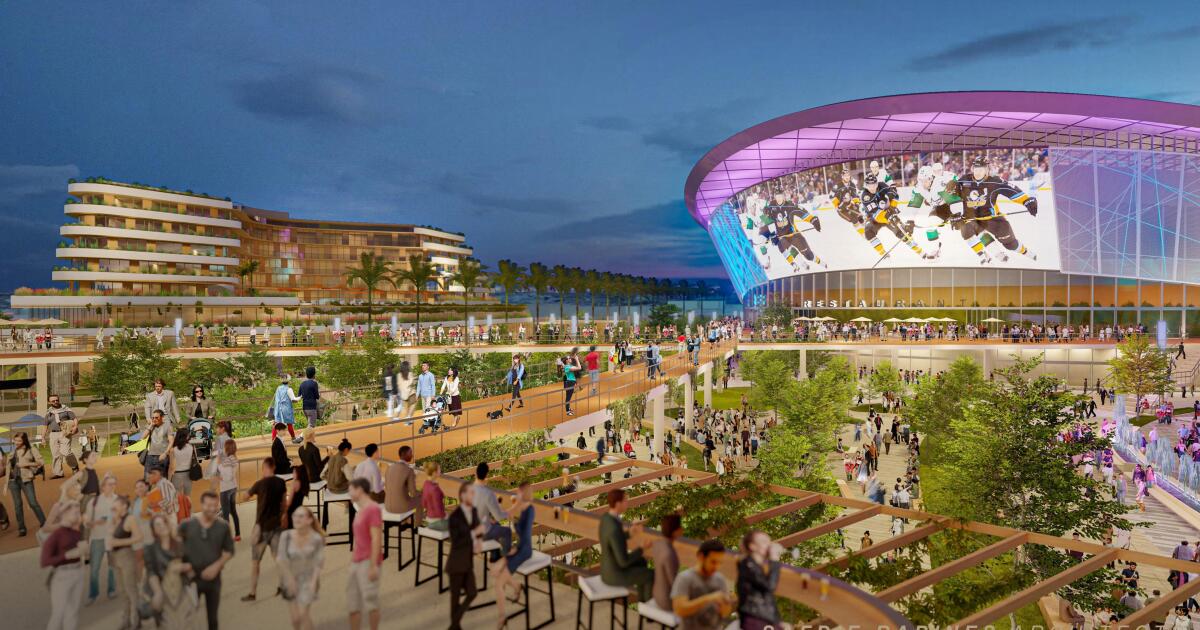
Newsom signed Senate Bill 344 and Senate Bill 958, which were put forward by state Sen. Akilah Weber Pierson (D-La Mesa) to help the stadium project, known as Midway Rising. The project would replace the decades-old Pechanga Arena and include a new 16,000-seat facility, 4,254 homes, including up to 2,000 affordable units, and commercial and outdoor space. The site is south of Mission Bay.
Newsom cast the bills as part of a package to help speed up the construction of much-needed housing.
“Every Californian deserves a fair shot at a stable home — families shouldn’t have to wait years for housing to be approved and built in their communities,” he said in a written statement.
Senate Bill 344 deems Midway Rising in full compliance with the state’s landmark California Environmental Quality Act, known was CEQA.
The act, adopted in 1970, has been credited for protecting California’s natural resources and minimizing pollution. It also has been criticized for sometimes being weaponized by opponents of a project, including housing developments.
After the state Legislature’s vote last month, Weber Pierson said the project would provide “much-needed affordable housing, permanent jobs, community spaces, and health resources in a part of our city that is ready for investment.”
Former San Diego Assemblymember Lori Saldaña, a longtime critic of the proposal, called Senate Bill 344 “reckless and rushed” because it was introduced late in the session without public input. Saldaña said the site isn’t suitable for development because of sea-level rise that she said is causing street flooding in the area.
Senate Bill 958 states that a project’s increased building height, and any related noise, shadows, or impact on wildlife shall not be considered significant environmental impacts, if the project meets a host of conditions.
It would apply to any development in the state but was introduced to benefit Midway Rising, according to Weber Pierson.
Assemblymember Carl DeMaio (R-San Diego) was among those who voted against both bills.
The developers “don’t want to play by the rules, so they came here to Sacramento asking for a special exemption,” DeMaio said during a discussion on Senate Bill 958 last month.
“We’re talking about the coast. I think a big condo tower on the coast impeding the view is a significant environmental impact, and I think deep down in your heart of hearts, you know that,” DeMaio said.
State lawmakers routinely carve out environmental exemptions for proposed sports stadiums, sometimes in the closing days of the legislative session.
Former Senate leader Darrell Steinberg (D-Sacramento) led his colleagues in passing a bill in 2013 that helped the Sacramento Kings arena by limiting environmental lawsuits. The new arena for the Golden State Warriors basketball team in San Francisco also benefited from CEQA reforms passed by state lawmakers in 2011.
The San Diego City Council still needs to approve the project.

SACRAMENTO — Gov. Gavin Newsom signed a pair of bills this week designed to help a San Diego stadium and development project led by Los Angeles Rams owner Stan Kroenke sidestep environmental review hurdles.
Newsom signed Senate Bill 344 and Senate Bill 958, which were put forward by state Sen. Akilah Weber Pierson (D-La Mesa) to help the stadium project, known as Midway Rising. The project would replace the decades-old Pechanga Arena and include a new 16,000-seat facility, 4,254 homes, including up to 2,000 affordable units, and commercial and outdoor space. The site is south of Mission Bay.
Newsom cast the bills as part of a package to help speed up the construction of much-needed housing.
“Every Californian deserves a fair shot at a stable home — families shouldn’t have to wait years for housing to be approved and built in their communities,” he said in a written statement.
Senate Bill 344 deems Midway Rising in full compliance with the state’s landmark California Environmental Quality Act, known was CEQA.
The act, adopted in 1970, has been credited for protecting California’s natural resources and minimizing pollution. It also has been criticized for sometimes being weaponized by opponents of a project, including housing developments.
After the state Legislature’s vote last month, Weber Pierson said the project would provide “much-needed affordable housing, permanent jobs, community spaces, and health resources in a part of our city that is ready for investment.”
Former San Diego Assemblymember Lori Saldaña, a longtime critic of the proposal, called Senate Bill 344 “reckless and rushed” because it was introduced late in the session without public input. Saldaña said the site isn’t suitable for development because of sea-level rise that she said is causing street flooding in the area.
Senate Bill 958 states that a project’s increased building height, and any related noise, shadows, or impact on wildlife shall not be considered significant environmental impacts, if the project meets a host of conditions.
It would apply to any development in the state but was introduced to benefit Midway Rising, according to Weber Pierson.
Assemblymember Carl DeMaio (R-San Diego) was among those who voted against both bills.
The developers “don’t want to play by the rules, so they came here to Sacramento asking for a special exemption,” DeMaio said during a discussion on Senate Bill 958 last month.
“We’re talking about the coast. I think a big condo tower on the coast impeding the view is a significant environmental impact, and I think deep down in your heart of hearts, you know that,” DeMaio said.
State lawmakers routinely carve out environmental exemptions for proposed sports stadiums, sometimes in the closing days of the legislative session.
Former Senate leader Darrell Steinberg (D-Sacramento) led his colleagues in passing a bill in 2013 that helped the Sacramento Kings arena by limiting environmental lawsuits. The new arena for the Golden State Warriors basketball team in San Francisco also benefited from CEQA reforms passed by state lawmakers in 2011.
The San Diego City Council still needs to approve the project.

SACRAMENTO — Gov. Gavin Newsom signed a pair of bills this week designed to help a San Diego stadium and development project led by Los Angeles Rams owner Stan Kroenke sidestep environmental review hurdles.
Newsom signed Senate Bill 344 and Senate Bill 958, which were put forward by state Sen. Akilah Weber Pierson (D-La Mesa) to help the stadium project, known as Midway Rising. The project would replace the decades-old Pechanga Arena and include a new 16,000-seat facility, 4,254 homes, including up to 2,000 affordable units, and commercial and outdoor space. The site is south of Mission Bay.
Newsom cast the bills as part of a package to help speed up the construction of much-needed housing.
“Every Californian deserves a fair shot at a stable home — families shouldn’t have to wait years for housing to be approved and built in their communities,” he said in a written statement.
Senate Bill 344 deems Midway Rising in full compliance with the state’s landmark California Environmental Quality Act, known was CEQA.
The act, adopted in 1970, has been credited for protecting California’s natural resources and minimizing pollution. It also has been criticized for sometimes being weaponized by opponents of a project, including housing developments.
After the state Legislature’s vote last month, Weber Pierson said the project would provide “much-needed affordable housing, permanent jobs, community spaces, and health resources in a part of our city that is ready for investment.”
Former San Diego Assemblymember Lori Saldaña, a longtime critic of the proposal, called Senate Bill 344 “reckless and rushed” because it was introduced late in the session without public input. Saldaña said the site isn’t suitable for development because of sea-level rise that she said is causing street flooding in the area.
Senate Bill 958 states that a project’s increased building height, and any related noise, shadows, or impact on wildlife shall not be considered significant environmental impacts, if the project meets a host of conditions.
It would apply to any development in the state but was introduced to benefit Midway Rising, according to Weber Pierson.
Assemblymember Carl DeMaio (R-San Diego) was among those who voted against both bills.
The developers “don’t want to play by the rules, so they came here to Sacramento asking for a special exemption,” DeMaio said during a discussion on Senate Bill 958 last month.
“We’re talking about the coast. I think a big condo tower on the coast impeding the view is a significant environmental impact, and I think deep down in your heart of hearts, you know that,” DeMaio said.
State lawmakers routinely carve out environmental exemptions for proposed sports stadiums, sometimes in the closing days of the legislative session.
Former Senate leader Darrell Steinberg (D-Sacramento) led his colleagues in passing a bill in 2013 that helped the Sacramento Kings arena by limiting environmental lawsuits. The new arena for the Golden State Warriors basketball team in San Francisco also benefited from CEQA reforms passed by state lawmakers in 2011.
The San Diego City Council still needs to approve the project.
SACRAMENTO — Gov. Gavin Newsom signed a pair of bills this week designed to help a San Diego stadium and development project led by Los Angeles Rams owner Stan Kroenke sidestep environmental review hurdles.
Newsom signed Senate Bill 344 and Senate Bill 958, which were put forward by state Sen. Akilah Weber Pierson (D-La Mesa) to help the stadium project, known as Midway Rising. The project would replace the decades-old Pechanga Arena and include a new 16,000-seat facility, 4,254 homes, including up to 2,000 affordable units, and commercial and outdoor space. The site is south of Mission Bay.
Newsom cast the bills as part of a package to help speed up the construction of much-needed housing.
“Every Californian deserves a fair shot at a stable home — families shouldn’t have to wait years for housing to be approved and built in their communities,” he said in a written statement.
Senate Bill 344 deems Midway Rising in full compliance with the state’s landmark California Environmental Quality Act, known was CEQA.
The act, adopted in 1970, has been credited for protecting California’s natural resources and minimizing pollution. It also has been criticized for sometimes being weaponized by opponents of a project, including housing developments.
After the state Legislature’s vote last month, Weber Pierson said the project would provide “much-needed affordable housing, permanent jobs, community spaces, and health resources in a part of our city that is ready for investment.”
Former San Diego Assemblymember Lori Saldaña, a longtime critic of the proposal, called Senate Bill 344 “reckless and rushed” because it was introduced late in the session without public input. Saldaña said the site isn’t suitable for development because of sea-level rise that she said is causing street flooding in the area.
Senate Bill 958 states that a project’s increased building height, and any related noise, shadows, or impact on wildlife shall not be considered significant environmental impacts, if the project meets a host of conditions.
It would apply to any development in the state but was introduced to benefit Midway Rising, according to Weber Pierson.
Assemblymember Carl DeMaio (R-San Diego) was among those who voted against both bills.
The developers “don’t want to play by the rules, so they came here to Sacramento asking for a special exemption,” DeMaio said during a discussion on Senate Bill 958 last month.
“We’re talking about the coast. I think a big condo tower on the coast impeding the view is a significant environmental impact, and I think deep down in your heart of hearts, you know that,” DeMaio said.
State lawmakers routinely carve out environmental exemptions for proposed sports stadiums, sometimes in the closing days of the legislative session.
Former Senate leader Darrell Steinberg (D-Sacramento) led his colleagues in passing a bill in 2013 that helped the Sacramento Kings arena by limiting environmental lawsuits. The new arena for the Golden State Warriors basketball team in San Francisco also benefited from CEQA reforms passed by state lawmakers in 2011.
The San Diego City Council still needs to approve the project.

SACRAMENTO — Gov. Gavin Newsom signed a pair of bills this week designed to help a San Diego stadium and development project led by Los Angeles Rams owner Stan Kroenke sidestep environmental review hurdles.
Newsom signed Senate Bill 344 and Senate Bill 958, which were put forward by state Sen. Akilah Weber Pierson (D-La Mesa) to help the stadium project, known as Midway Rising. The project would replace the decades-old Pechanga Arena and include a new 16,000-seat facility, 4,254 homes, including up to 2,000 affordable units, and commercial and outdoor space. The site is south of Mission Bay.
Newsom cast the bills as part of a package to help speed up the construction of much-needed housing.
“Every Californian deserves a fair shot at a stable home — families shouldn’t have to wait years for housing to be approved and built in their communities,” he said in a written statement.
Senate Bill 344 deems Midway Rising in full compliance with the state’s landmark California Environmental Quality Act, known was CEQA.
The act, adopted in 1970, has been credited for protecting California’s natural resources and minimizing pollution. It also has been criticized for sometimes being weaponized by opponents of a project, including housing developments.
After the state Legislature’s vote last month, Weber Pierson said the project would provide “much-needed affordable housing, permanent jobs, community spaces, and health resources in a part of our city that is ready for investment.”
Former San Diego Assemblymember Lori Saldaña, a longtime critic of the proposal, called Senate Bill 344 “reckless and rushed” because it was introduced late in the session without public input. Saldaña said the site isn’t suitable for development because of sea-level rise that she said is causing street flooding in the area.
Senate Bill 958 states that a project’s increased building height, and any related noise, shadows, or impact on wildlife shall not be considered significant environmental impacts, if the project meets a host of conditions.
It would apply to any development in the state but was introduced to benefit Midway Rising, according to Weber Pierson.
Assemblymember Carl DeMaio (R-San Diego) was among those who voted against both bills.
The developers “don’t want to play by the rules, so they came here to Sacramento asking for a special exemption,” DeMaio said during a discussion on Senate Bill 958 last month.
“We’re talking about the coast. I think a big condo tower on the coast impeding the view is a significant environmental impact, and I think deep down in your heart of hearts, you know that,” DeMaio said.
State lawmakers routinely carve out environmental exemptions for proposed sports stadiums, sometimes in the closing days of the legislative session.
Former Senate leader Darrell Steinberg (D-Sacramento) led his colleagues in passing a bill in 2013 that helped the Sacramento Kings arena by limiting environmental lawsuits. The new arena for the Golden State Warriors basketball team in San Francisco also benefited from CEQA reforms passed by state lawmakers in 2011.
The San Diego City Council still needs to approve the project.
SACRAMENTO — Gov. Gavin Newsom signed a pair of bills this week designed to help a San Diego stadium and development project led by Los Angeles Rams owner Stan Kroenke sidestep environmental review hurdles.
Newsom signed Senate Bill 344 and Senate Bill 958, which were put forward by state Sen. Akilah Weber Pierson (D-La Mesa) to help the stadium project, known as Midway Rising. The project would replace the decades-old Pechanga Arena and include a new 16,000-seat facility, 4,254 homes, including up to 2,000 affordable units, and commercial and outdoor space. The site is south of Mission Bay.
Newsom cast the bills as part of a package to help speed up the construction of much-needed housing.
“Every Californian deserves a fair shot at a stable home — families shouldn’t have to wait years for housing to be approved and built in their communities,” he said in a written statement.
Senate Bill 344 deems Midway Rising in full compliance with the state’s landmark California Environmental Quality Act, known was CEQA.
The act, adopted in 1970, has been credited for protecting California’s natural resources and minimizing pollution. It also has been criticized for sometimes being weaponized by opponents of a project, including housing developments.
After the state Legislature’s vote last month, Weber Pierson said the project would provide “much-needed affordable housing, permanent jobs, community spaces, and health resources in a part of our city that is ready for investment.”
Former San Diego Assemblymember Lori Saldaña, a longtime critic of the proposal, called Senate Bill 344 “reckless and rushed” because it was introduced late in the session without public input. Saldaña said the site isn’t suitable for development because of sea-level rise that she said is causing street flooding in the area.
Senate Bill 958 states that a project’s increased building height, and any related noise, shadows, or impact on wildlife shall not be considered significant environmental impacts, if the project meets a host of conditions.
It would apply to any development in the state but was introduced to benefit Midway Rising, according to Weber Pierson.
Assemblymember Carl DeMaio (R-San Diego) was among those who voted against both bills.
The developers “don’t want to play by the rules, so they came here to Sacramento asking for a special exemption,” DeMaio said during a discussion on Senate Bill 958 last month.
“We’re talking about the coast. I think a big condo tower on the coast impeding the view is a significant environmental impact, and I think deep down in your heart of hearts, you know that,” DeMaio said.
State lawmakers routinely carve out environmental exemptions for proposed sports stadiums, sometimes in the closing days of the legislative session.
Former Senate leader Darrell Steinberg (D-Sacramento) led his colleagues in passing a bill in 2013 that helped the Sacramento Kings arena by limiting environmental lawsuits. The new arena for the Golden State Warriors basketball team in San Francisco also benefited from CEQA reforms passed by state lawmakers in 2011.
The San Diego City Council still needs to approve the project.
SACRAMENTO — Gov. Gavin Newsom signed a pair of bills this week designed to help a San Diego stadium and development project led by Los Angeles Rams owner Stan Kroenke sidestep environmental review hurdles.
Newsom signed Senate Bill 344 and Senate Bill 958, which were put forward by state Sen. Akilah Weber Pierson (D-La Mesa) to help the stadium project, known as Midway Rising. The project would replace the decades-old Pechanga Arena and include a new 16,000-seat facility, 4,254 homes, including up to 2,000 affordable units, and commercial and outdoor space. The site is south of Mission Bay.
Newsom cast the bills as part of a package to help speed up the construction of much-needed housing.
“Every Californian deserves a fair shot at a stable home — families shouldn’t have to wait years for housing to be approved and built in their communities,” he said in a written statement.
Senate Bill 344 deems Midway Rising in full compliance with the state’s landmark California Environmental Quality Act, known was CEQA.
The act, adopted in 1970, has been credited for protecting California’s natural resources and minimizing pollution. It also has been criticized for sometimes being weaponized by opponents of a project, including housing developments.
After the state Legislature’s vote last month, Weber Pierson said the project would provide “much-needed affordable housing, permanent jobs, community spaces, and health resources in a part of our city that is ready for investment.”
Former San Diego Assemblymember Lori Saldaña, a longtime critic of the proposal, called Senate Bill 344 “reckless and rushed” because it was introduced late in the session without public input. Saldaña said the site isn’t suitable for development because of sea-level rise that she said is causing street flooding in the area.
Senate Bill 958 states that a project’s increased building height, and any related noise, shadows, or impact on wildlife shall not be considered significant environmental impacts, if the project meets a host of conditions.
It would apply to any development in the state but was introduced to benefit Midway Rising, according to Weber Pierson.
Assemblymember Carl DeMaio (R-San Diego) was among those who voted against both bills.
The developers “don’t want to play by the rules, so they came here to Sacramento asking for a special exemption,” DeMaio said during a discussion on Senate Bill 958 last month.
“We’re talking about the coast. I think a big condo tower on the coast impeding the view is a significant environmental impact, and I think deep down in your heart of hearts, you know that,” DeMaio said.
State lawmakers routinely carve out environmental exemptions for proposed sports stadiums, sometimes in the closing days of the legislative session.
Former Senate leader Darrell Steinberg (D-Sacramento) led his colleagues in passing a bill in 2013 that helped the Sacramento Kings arena by limiting environmental lawsuits. The new arena for the Golden State Warriors basketball team in San Francisco also benefited from CEQA reforms passed by state lawmakers in 2011.
The San Diego City Council still needs to approve the project.
SACRAMENTO — Gov. Gavin Newsom signed a pair of bills this week designed to help a San Diego stadium and development project led by Los Angeles Rams owner Stan Kroenke sidestep environmental review hurdles.
Newsom signed Senate Bill 344 and Senate Bill 958, which were put forward by state Sen. Akilah Weber Pierson (D-La Mesa) to help the stadium project, known as Midway Rising. The project would replace the decades-old Pechanga Arena and include a new 16,000-seat facility, 4,254 homes, including up to 2,000 affordable units, and commercial and outdoor space. The site is south of Mission Bay.
Newsom cast the bills as part of a package to help speed up the construction of much-needed housing.
“Every Californian deserves a fair shot at a stable home — families shouldn’t have to wait years for housing to be approved and built in their communities,” he said in a written statement.
Senate Bill 344 deems Midway Rising in full compliance with the state’s landmark California Environmental Quality Act, known was CEQA.
The act, adopted in 1970, has been credited for protecting California’s natural resources and minimizing pollution. It also has been criticized for sometimes being weaponized by opponents of a project, including housing developments.
After the state Legislature’s vote last month, Weber Pierson said the project would provide “much-needed affordable housing, permanent jobs, community spaces, and health resources in a part of our city that is ready for investment.”
Former San Diego Assemblymember Lori Saldaña, a longtime critic of the proposal, called Senate Bill 344 “reckless and rushed” because it was introduced late in the session without public input. Saldaña said the site isn’t suitable for development because of sea-level rise that she said is causing street flooding in the area.
Senate Bill 958 states that a project’s increased building height, and any related noise, shadows, or impact on wildlife shall not be considered significant environmental impacts, if the project meets a host of conditions.
It would apply to any development in the state but was introduced to benefit Midway Rising, according to Weber Pierson.
Assemblymember Carl DeMaio (R-San Diego) was among those who voted against both bills.
The developers “don’t want to play by the rules, so they came here to Sacramento asking for a special exemption,” DeMaio said during a discussion on Senate Bill 958 last month.
“We’re talking about the coast. I think a big condo tower on the coast impeding the view is a significant environmental impact, and I think deep down in your heart of hearts, you know that,” DeMaio said.
State lawmakers routinely carve out environmental exemptions for proposed sports stadiums, sometimes in the closing days of the legislative session.
Former Senate leader Darrell Steinberg (D-Sacramento) led his colleagues in passing a bill in 2013 that helped the Sacramento Kings arena by limiting environmental lawsuits. The new arena for the Golden State Warriors basketball team in San Francisco also benefited from CEQA reforms passed by state lawmakers in 2011.
The San Diego City Council still needs to approve the project.

