

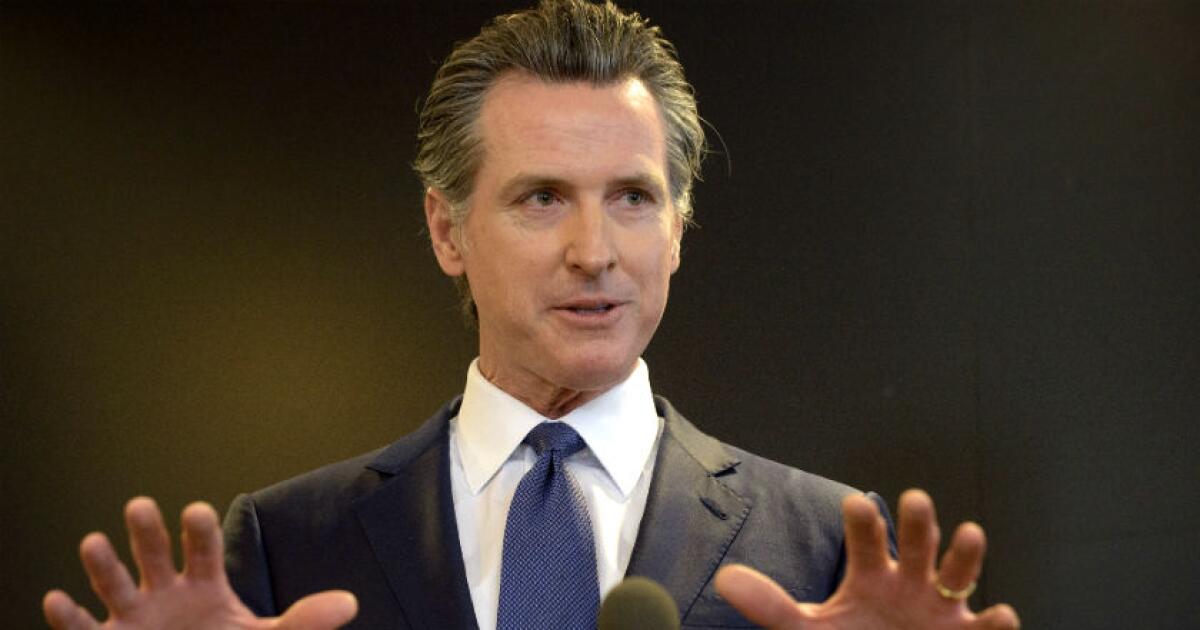
California Gov. Gavin Newsom on Sunday signed a bill into law that would hold Facebook-owned Instagram, TikTok and other social media platforms liable for failing to combat the spread of child sexual abuse materials.
Under the new law, Assembly Bill 1394, social media platforms starting in January 2025 would be barred from “knowingly facilitating, aiding, or abetting commercial sexual exploitation.” A court would be required to award damages between $1 million and $4 million for each act of exploitation that the social media platform “facilitated, aided, or abetted.” The platforms could avoid lawsuits by conducting biannual audits to detect potentially harmful designs, algorithms and features and fix any problems.
AB 1394 also requires social media platforms to give California users a way to report child sexual abuse material they’re depicted in and respond to the report within 36 hours. If they failed to meet certain requirements such as permanently blocking the material from being viewed, they would also be liable for damages.
Industry advocacy groups NetChoice and TechNet opposed the legislation, stating that it would create a “chilling effect” on free speech because tech platforms could end up pulling down more lawful content or disabling features popular among teens. The groups haven’t said if they planned to sue over AB 1394, but signaled to lawmakers that legal challenges could be coming.
California is already facing lawsuits over laws targeting online platforms. X, formerly known as Twitter, sued California over a law that would require social media companies to disclose their content moderation policies and provide a report to the California attorney general. A federal judge in September also temporarily blocked an online child safety bill after NetChoice, a group whose members include Facebook parent company Meta, Google and TikTok, filed a lawsuit against California.

California Gov. Gavin Newsom on Sunday signed a bill into law that would hold Facebook-owned Instagram, TikTok and other social media platforms liable for failing to combat the spread of child sexual abuse materials.
Under the new law, Assembly Bill 1394, social media platforms starting in January 2025 would be barred from “knowingly facilitating, aiding, or abetting commercial sexual exploitation.” A court would be required to award damages between $1 million and $4 million for each act of exploitation that the social media platform “facilitated, aided, or abetted.” The platforms could avoid lawsuits by conducting biannual audits to detect potentially harmful designs, algorithms and features and fix any problems.
AB 1394 also requires social media platforms to give California users a way to report child sexual abuse material they’re depicted in and respond to the report within 36 hours. If they failed to meet certain requirements such as permanently blocking the material from being viewed, they would also be liable for damages.
Industry advocacy groups NetChoice and TechNet opposed the legislation, stating that it would create a “chilling effect” on free speech because tech platforms could end up pulling down more lawful content or disabling features popular among teens. The groups haven’t said if they planned to sue over AB 1394, but signaled to lawmakers that legal challenges could be coming.
California is already facing lawsuits over laws targeting online platforms. X, formerly known as Twitter, sued California over a law that would require social media companies to disclose their content moderation policies and provide a report to the California attorney general. A federal judge in September also temporarily blocked an online child safety bill after NetChoice, a group whose members include Facebook parent company Meta, Google and TikTok, filed a lawsuit against California.

California Gov. Gavin Newsom on Sunday signed a bill into law that would hold Facebook-owned Instagram, TikTok and other social media platforms liable for failing to combat the spread of child sexual abuse materials.
Under the new law, Assembly Bill 1394, social media platforms starting in January 2025 would be barred from “knowingly facilitating, aiding, or abetting commercial sexual exploitation.” A court would be required to award damages between $1 million and $4 million for each act of exploitation that the social media platform “facilitated, aided, or abetted.” The platforms could avoid lawsuits by conducting biannual audits to detect potentially harmful designs, algorithms and features and fix any problems.
AB 1394 also requires social media platforms to give California users a way to report child sexual abuse material they’re depicted in and respond to the report within 36 hours. If they failed to meet certain requirements such as permanently blocking the material from being viewed, they would also be liable for damages.
Industry advocacy groups NetChoice and TechNet opposed the legislation, stating that it would create a “chilling effect” on free speech because tech platforms could end up pulling down more lawful content or disabling features popular among teens. The groups haven’t said if they planned to sue over AB 1394, but signaled to lawmakers that legal challenges could be coming.
California is already facing lawsuits over laws targeting online platforms. X, formerly known as Twitter, sued California over a law that would require social media companies to disclose their content moderation policies and provide a report to the California attorney general. A federal judge in September also temporarily blocked an online child safety bill after NetChoice, a group whose members include Facebook parent company Meta, Google and TikTok, filed a lawsuit against California.
California Gov. Gavin Newsom on Sunday signed a bill into law that would hold Facebook-owned Instagram, TikTok and other social media platforms liable for failing to combat the spread of child sexual abuse materials.
Under the new law, Assembly Bill 1394, social media platforms starting in January 2025 would be barred from “knowingly facilitating, aiding, or abetting commercial sexual exploitation.” A court would be required to award damages between $1 million and $4 million for each act of exploitation that the social media platform “facilitated, aided, or abetted.” The platforms could avoid lawsuits by conducting biannual audits to detect potentially harmful designs, algorithms and features and fix any problems.
AB 1394 also requires social media platforms to give California users a way to report child sexual abuse material they’re depicted in and respond to the report within 36 hours. If they failed to meet certain requirements such as permanently blocking the material from being viewed, they would also be liable for damages.
Industry advocacy groups NetChoice and TechNet opposed the legislation, stating that it would create a “chilling effect” on free speech because tech platforms could end up pulling down more lawful content or disabling features popular among teens. The groups haven’t said if they planned to sue over AB 1394, but signaled to lawmakers that legal challenges could be coming.
California is already facing lawsuits over laws targeting online platforms. X, formerly known as Twitter, sued California over a law that would require social media companies to disclose their content moderation policies and provide a report to the California attorney general. A federal judge in September also temporarily blocked an online child safety bill after NetChoice, a group whose members include Facebook parent company Meta, Google and TikTok, filed a lawsuit against California.

California Gov. Gavin Newsom on Sunday signed a bill into law that would hold Facebook-owned Instagram, TikTok and other social media platforms liable for failing to combat the spread of child sexual abuse materials.
Under the new law, Assembly Bill 1394, social media platforms starting in January 2025 would be barred from “knowingly facilitating, aiding, or abetting commercial sexual exploitation.” A court would be required to award damages between $1 million and $4 million for each act of exploitation that the social media platform “facilitated, aided, or abetted.” The platforms could avoid lawsuits by conducting biannual audits to detect potentially harmful designs, algorithms and features and fix any problems.
AB 1394 also requires social media platforms to give California users a way to report child sexual abuse material they’re depicted in and respond to the report within 36 hours. If they failed to meet certain requirements such as permanently blocking the material from being viewed, they would also be liable for damages.
Industry advocacy groups NetChoice and TechNet opposed the legislation, stating that it would create a “chilling effect” on free speech because tech platforms could end up pulling down more lawful content or disabling features popular among teens. The groups haven’t said if they planned to sue over AB 1394, but signaled to lawmakers that legal challenges could be coming.
California is already facing lawsuits over laws targeting online platforms. X, formerly known as Twitter, sued California over a law that would require social media companies to disclose their content moderation policies and provide a report to the California attorney general. A federal judge in September also temporarily blocked an online child safety bill after NetChoice, a group whose members include Facebook parent company Meta, Google and TikTok, filed a lawsuit against California.
California Gov. Gavin Newsom on Sunday signed a bill into law that would hold Facebook-owned Instagram, TikTok and other social media platforms liable for failing to combat the spread of child sexual abuse materials.
Under the new law, Assembly Bill 1394, social media platforms starting in January 2025 would be barred from “knowingly facilitating, aiding, or abetting commercial sexual exploitation.” A court would be required to award damages between $1 million and $4 million for each act of exploitation that the social media platform “facilitated, aided, or abetted.” The platforms could avoid lawsuits by conducting biannual audits to detect potentially harmful designs, algorithms and features and fix any problems.
AB 1394 also requires social media platforms to give California users a way to report child sexual abuse material they’re depicted in and respond to the report within 36 hours. If they failed to meet certain requirements such as permanently blocking the material from being viewed, they would also be liable for damages.
Industry advocacy groups NetChoice and TechNet opposed the legislation, stating that it would create a “chilling effect” on free speech because tech platforms could end up pulling down more lawful content or disabling features popular among teens. The groups haven’t said if they planned to sue over AB 1394, but signaled to lawmakers that legal challenges could be coming.
California is already facing lawsuits over laws targeting online platforms. X, formerly known as Twitter, sued California over a law that would require social media companies to disclose their content moderation policies and provide a report to the California attorney general. A federal judge in September also temporarily blocked an online child safety bill after NetChoice, a group whose members include Facebook parent company Meta, Google and TikTok, filed a lawsuit against California.
California Gov. Gavin Newsom on Sunday signed a bill into law that would hold Facebook-owned Instagram, TikTok and other social media platforms liable for failing to combat the spread of child sexual abuse materials.
Under the new law, Assembly Bill 1394, social media platforms starting in January 2025 would be barred from “knowingly facilitating, aiding, or abetting commercial sexual exploitation.” A court would be required to award damages between $1 million and $4 million for each act of exploitation that the social media platform “facilitated, aided, or abetted.” The platforms could avoid lawsuits by conducting biannual audits to detect potentially harmful designs, algorithms and features and fix any problems.
AB 1394 also requires social media platforms to give California users a way to report child sexual abuse material they’re depicted in and respond to the report within 36 hours. If they failed to meet certain requirements such as permanently blocking the material from being viewed, they would also be liable for damages.
Industry advocacy groups NetChoice and TechNet opposed the legislation, stating that it would create a “chilling effect” on free speech because tech platforms could end up pulling down more lawful content or disabling features popular among teens. The groups haven’t said if they planned to sue over AB 1394, but signaled to lawmakers that legal challenges could be coming.
California is already facing lawsuits over laws targeting online platforms. X, formerly known as Twitter, sued California over a law that would require social media companies to disclose their content moderation policies and provide a report to the California attorney general. A federal judge in September also temporarily blocked an online child safety bill after NetChoice, a group whose members include Facebook parent company Meta, Google and TikTok, filed a lawsuit against California.
California Gov. Gavin Newsom on Sunday signed a bill into law that would hold Facebook-owned Instagram, TikTok and other social media platforms liable for failing to combat the spread of child sexual abuse materials.
Under the new law, Assembly Bill 1394, social media platforms starting in January 2025 would be barred from “knowingly facilitating, aiding, or abetting commercial sexual exploitation.” A court would be required to award damages between $1 million and $4 million for each act of exploitation that the social media platform “facilitated, aided, or abetted.” The platforms could avoid lawsuits by conducting biannual audits to detect potentially harmful designs, algorithms and features and fix any problems.
AB 1394 also requires social media platforms to give California users a way to report child sexual abuse material they’re depicted in and respond to the report within 36 hours. If they failed to meet certain requirements such as permanently blocking the material from being viewed, they would also be liable for damages.
Industry advocacy groups NetChoice and TechNet opposed the legislation, stating that it would create a “chilling effect” on free speech because tech platforms could end up pulling down more lawful content or disabling features popular among teens. The groups haven’t said if they planned to sue over AB 1394, but signaled to lawmakers that legal challenges could be coming.
California is already facing lawsuits over laws targeting online platforms. X, formerly known as Twitter, sued California over a law that would require social media companies to disclose their content moderation policies and provide a report to the California attorney general. A federal judge in September also temporarily blocked an online child safety bill after NetChoice, a group whose members include Facebook parent company Meta, Google and TikTok, filed a lawsuit against California.

California Gov. Gavin Newsom on Sunday signed a bill into law that would hold Facebook-owned Instagram, TikTok and other social media platforms liable for failing to combat the spread of child sexual abuse materials.
Under the new law, Assembly Bill 1394, social media platforms starting in January 2025 would be barred from “knowingly facilitating, aiding, or abetting commercial sexual exploitation.” A court would be required to award damages between $1 million and $4 million for each act of exploitation that the social media platform “facilitated, aided, or abetted.” The platforms could avoid lawsuits by conducting biannual audits to detect potentially harmful designs, algorithms and features and fix any problems.
AB 1394 also requires social media platforms to give California users a way to report child sexual abuse material they’re depicted in and respond to the report within 36 hours. If they failed to meet certain requirements such as permanently blocking the material from being viewed, they would also be liable for damages.
Industry advocacy groups NetChoice and TechNet opposed the legislation, stating that it would create a “chilling effect” on free speech because tech platforms could end up pulling down more lawful content or disabling features popular among teens. The groups haven’t said if they planned to sue over AB 1394, but signaled to lawmakers that legal challenges could be coming.
California is already facing lawsuits over laws targeting online platforms. X, formerly known as Twitter, sued California over a law that would require social media companies to disclose their content moderation policies and provide a report to the California attorney general. A federal judge in September also temporarily blocked an online child safety bill after NetChoice, a group whose members include Facebook parent company Meta, Google and TikTok, filed a lawsuit against California.
California Gov. Gavin Newsom on Sunday signed a bill into law that would hold Facebook-owned Instagram, TikTok and other social media platforms liable for failing to combat the spread of child sexual abuse materials.
Under the new law, Assembly Bill 1394, social media platforms starting in January 2025 would be barred from “knowingly facilitating, aiding, or abetting commercial sexual exploitation.” A court would be required to award damages between $1 million and $4 million for each act of exploitation that the social media platform “facilitated, aided, or abetted.” The platforms could avoid lawsuits by conducting biannual audits to detect potentially harmful designs, algorithms and features and fix any problems.
AB 1394 also requires social media platforms to give California users a way to report child sexual abuse material they’re depicted in and respond to the report within 36 hours. If they failed to meet certain requirements such as permanently blocking the material from being viewed, they would also be liable for damages.
Industry advocacy groups NetChoice and TechNet opposed the legislation, stating that it would create a “chilling effect” on free speech because tech platforms could end up pulling down more lawful content or disabling features popular among teens. The groups haven’t said if they planned to sue over AB 1394, but signaled to lawmakers that legal challenges could be coming.
California is already facing lawsuits over laws targeting online platforms. X, formerly known as Twitter, sued California over a law that would require social media companies to disclose their content moderation policies and provide a report to the California attorney general. A federal judge in September also temporarily blocked an online child safety bill after NetChoice, a group whose members include Facebook parent company Meta, Google and TikTok, filed a lawsuit against California.
California Gov. Gavin Newsom on Sunday signed a bill into law that would hold Facebook-owned Instagram, TikTok and other social media platforms liable for failing to combat the spread of child sexual abuse materials.
Under the new law, Assembly Bill 1394, social media platforms starting in January 2025 would be barred from “knowingly facilitating, aiding, or abetting commercial sexual exploitation.” A court would be required to award damages between $1 million and $4 million for each act of exploitation that the social media platform “facilitated, aided, or abetted.” The platforms could avoid lawsuits by conducting biannual audits to detect potentially harmful designs, algorithms and features and fix any problems.
AB 1394 also requires social media platforms to give California users a way to report child sexual abuse material they’re depicted in and respond to the report within 36 hours. If they failed to meet certain requirements such as permanently blocking the material from being viewed, they would also be liable for damages.
Industry advocacy groups NetChoice and TechNet opposed the legislation, stating that it would create a “chilling effect” on free speech because tech platforms could end up pulling down more lawful content or disabling features popular among teens. The groups haven’t said if they planned to sue over AB 1394, but signaled to lawmakers that legal challenges could be coming.
California is already facing lawsuits over laws targeting online platforms. X, formerly known as Twitter, sued California over a law that would require social media companies to disclose their content moderation policies and provide a report to the California attorney general. A federal judge in September also temporarily blocked an online child safety bill after NetChoice, a group whose members include Facebook parent company Meta, Google and TikTok, filed a lawsuit against California.
California Gov. Gavin Newsom on Sunday signed a bill into law that would hold Facebook-owned Instagram, TikTok and other social media platforms liable for failing to combat the spread of child sexual abuse materials.
Under the new law, Assembly Bill 1394, social media platforms starting in January 2025 would be barred from “knowingly facilitating, aiding, or abetting commercial sexual exploitation.” A court would be required to award damages between $1 million and $4 million for each act of exploitation that the social media platform “facilitated, aided, or abetted.” The platforms could avoid lawsuits by conducting biannual audits to detect potentially harmful designs, algorithms and features and fix any problems.
AB 1394 also requires social media platforms to give California users a way to report child sexual abuse material they’re depicted in and respond to the report within 36 hours. If they failed to meet certain requirements such as permanently blocking the material from being viewed, they would also be liable for damages.
Industry advocacy groups NetChoice and TechNet opposed the legislation, stating that it would create a “chilling effect” on free speech because tech platforms could end up pulling down more lawful content or disabling features popular among teens. The groups haven’t said if they planned to sue over AB 1394, but signaled to lawmakers that legal challenges could be coming.
California is already facing lawsuits over laws targeting online platforms. X, formerly known as Twitter, sued California over a law that would require social media companies to disclose their content moderation policies and provide a report to the California attorney general. A federal judge in September also temporarily blocked an online child safety bill after NetChoice, a group whose members include Facebook parent company Meta, Google and TikTok, filed a lawsuit against California.
California Gov. Gavin Newsom on Sunday signed a bill into law that would hold Facebook-owned Instagram, TikTok and other social media platforms liable for failing to combat the spread of child sexual abuse materials.
Under the new law, Assembly Bill 1394, social media platforms starting in January 2025 would be barred from “knowingly facilitating, aiding, or abetting commercial sexual exploitation.” A court would be required to award damages between $1 million and $4 million for each act of exploitation that the social media platform “facilitated, aided, or abetted.” The platforms could avoid lawsuits by conducting biannual audits to detect potentially harmful designs, algorithms and features and fix any problems.
AB 1394 also requires social media platforms to give California users a way to report child sexual abuse material they’re depicted in and respond to the report within 36 hours. If they failed to meet certain requirements such as permanently blocking the material from being viewed, they would also be liable for damages.
Industry advocacy groups NetChoice and TechNet opposed the legislation, stating that it would create a “chilling effect” on free speech because tech platforms could end up pulling down more lawful content or disabling features popular among teens. The groups haven’t said if they planned to sue over AB 1394, but signaled to lawmakers that legal challenges could be coming.
California is already facing lawsuits over laws targeting online platforms. X, formerly known as Twitter, sued California over a law that would require social media companies to disclose their content moderation policies and provide a report to the California attorney general. A federal judge in September also temporarily blocked an online child safety bill after NetChoice, a group whose members include Facebook parent company Meta, Google and TikTok, filed a lawsuit against California.
California Gov. Gavin Newsom on Sunday signed a bill into law that would hold Facebook-owned Instagram, TikTok and other social media platforms liable for failing to combat the spread of child sexual abuse materials.
Under the new law, Assembly Bill 1394, social media platforms starting in January 2025 would be barred from “knowingly facilitating, aiding, or abetting commercial sexual exploitation.” A court would be required to award damages between $1 million and $4 million for each act of exploitation that the social media platform “facilitated, aided, or abetted.” The platforms could avoid lawsuits by conducting biannual audits to detect potentially harmful designs, algorithms and features and fix any problems.
AB 1394 also requires social media platforms to give California users a way to report child sexual abuse material they’re depicted in and respond to the report within 36 hours. If they failed to meet certain requirements such as permanently blocking the material from being viewed, they would also be liable for damages.
Industry advocacy groups NetChoice and TechNet opposed the legislation, stating that it would create a “chilling effect” on free speech because tech platforms could end up pulling down more lawful content or disabling features popular among teens. The groups haven’t said if they planned to sue over AB 1394, but signaled to lawmakers that legal challenges could be coming.
California is already facing lawsuits over laws targeting online platforms. X, formerly known as Twitter, sued California over a law that would require social media companies to disclose their content moderation policies and provide a report to the California attorney general. A federal judge in September also temporarily blocked an online child safety bill after NetChoice, a group whose members include Facebook parent company Meta, Google and TikTok, filed a lawsuit against California.
California Gov. Gavin Newsom on Sunday signed a bill into law that would hold Facebook-owned Instagram, TikTok and other social media platforms liable for failing to combat the spread of child sexual abuse materials.
Under the new law, Assembly Bill 1394, social media platforms starting in January 2025 would be barred from “knowingly facilitating, aiding, or abetting commercial sexual exploitation.” A court would be required to award damages between $1 million and $4 million for each act of exploitation that the social media platform “facilitated, aided, or abetted.” The platforms could avoid lawsuits by conducting biannual audits to detect potentially harmful designs, algorithms and features and fix any problems.
AB 1394 also requires social media platforms to give California users a way to report child sexual abuse material they’re depicted in and respond to the report within 36 hours. If they failed to meet certain requirements such as permanently blocking the material from being viewed, they would also be liable for damages.
Industry advocacy groups NetChoice and TechNet opposed the legislation, stating that it would create a “chilling effect” on free speech because tech platforms could end up pulling down more lawful content or disabling features popular among teens. The groups haven’t said if they planned to sue over AB 1394, but signaled to lawmakers that legal challenges could be coming.
California is already facing lawsuits over laws targeting online platforms. X, formerly known as Twitter, sued California over a law that would require social media companies to disclose their content moderation policies and provide a report to the California attorney general. A federal judge in September also temporarily blocked an online child safety bill after NetChoice, a group whose members include Facebook parent company Meta, Google and TikTok, filed a lawsuit against California.
California Gov. Gavin Newsom on Sunday signed a bill into law that would hold Facebook-owned Instagram, TikTok and other social media platforms liable for failing to combat the spread of child sexual abuse materials.
Under the new law, Assembly Bill 1394, social media platforms starting in January 2025 would be barred from “knowingly facilitating, aiding, or abetting commercial sexual exploitation.” A court would be required to award damages between $1 million and $4 million for each act of exploitation that the social media platform “facilitated, aided, or abetted.” The platforms could avoid lawsuits by conducting biannual audits to detect potentially harmful designs, algorithms and features and fix any problems.
AB 1394 also requires social media platforms to give California users a way to report child sexual abuse material they’re depicted in and respond to the report within 36 hours. If they failed to meet certain requirements such as permanently blocking the material from being viewed, they would also be liable for damages.
Industry advocacy groups NetChoice and TechNet opposed the legislation, stating that it would create a “chilling effect” on free speech because tech platforms could end up pulling down more lawful content or disabling features popular among teens. The groups haven’t said if they planned to sue over AB 1394, but signaled to lawmakers that legal challenges could be coming.
California is already facing lawsuits over laws targeting online platforms. X, formerly known as Twitter, sued California over a law that would require social media companies to disclose their content moderation policies and provide a report to the California attorney general. A federal judge in September also temporarily blocked an online child safety bill after NetChoice, a group whose members include Facebook parent company Meta, Google and TikTok, filed a lawsuit against California.

