


Washington DC
New York
Toronto
Distribution: (800) 510 9863
Press ID
  • Login
Binghamton Herald
Advertisement
Thursday, April 23, 2026
  • Home
  • World
  • Politics
  • Business
  • Technology
  • Culture
  • Health
  • Entertainment
  • Trending
No Result
View All Result
Binghamton Herald
No Result
View All Result
Home Trending

Nepal Prohibits Solo Trekking Across The Nation From April 1: Report

by Binghamton Herald Report
March 13, 2023
in Trending
Share on FacebookShare on Twitter

Five years after prohibiting solo climbers from Mount Everest, Nepal’s government has extended the ban to the whole nation, CNN reported.

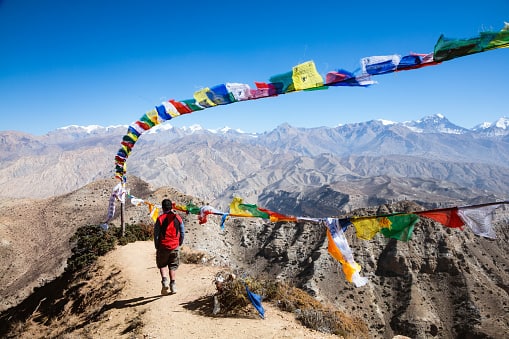
Nepal is home to eight of the world’s highest mountains, but it’s also recognised for its scenic rural hiking areas. Those who want to walk in distant areas must either hire a government-licensed guide or join a group.

While the trekking sector is one of the country’s most profitable, the expense of search and rescue efforts for missing solo hikers is enormous.

Speaking with CNN, Director of the Nepal Tourism Board Mani R. Lamichhane stated: “When you are traveling solo, in case of emergencies there is no one to help you. It is fine if they are traveling in the cities, but in the remote mountains, the infrastructure is not adequate.”

“When tourists go missing or they are found dead, even the government cannot track them because they have taken remote routes,” he added. 

In addition to the difficulties that arise when hikers go missing in remote regions, Lamichhane claims that unauthorised tour operators and organisations are a problem. These unregistered businesses do not pay taxes and, according to the tourist director, steal employment away from Nepalis.

“There have been some cases where the trekking association has been requesting us to stop these unauthorized trekking operations. This has been a demand from tourism associations for a long time,” he was quoted by CNN in its report.

Climbing and hiking enthusiasts have mixed feelings about the new rule.

According to Ian Taylor, head of a well-known guiding organisation with a long history in Nepal, the change makes sense as more people undertake tough climbs in Nepal.

“Things have drastically changed in the region over the years. You used to see only experienced hikers and climbers in the region, many of them traveling without guides, and they were completely self-sufficient. However, now, there are far greater numbers of people traveling in the region and more of them are tourists, not trekkers. They are not self-sufficient in the outdoors and therefore need the assistance of experienced guides,” he informed CNN.

Taylor adds that the Nepali government lacks the resources to verify each and every visa applicant individually, therefore the need to impose a blanket prohibition.

 

Five years after prohibiting solo climbers from Mount Everest, Nepal’s government has extended the ban to the whole nation, CNN reported.

Nepal is home to eight of the world’s highest mountains, but it’s also recognised for its scenic rural hiking areas. Those who want to walk in distant areas must either hire a government-licensed guide or join a group.

While the trekking sector is one of the country’s most profitable, the expense of search and rescue efforts for missing solo hikers is enormous.

Speaking with CNN, Director of the Nepal Tourism Board Mani R. Lamichhane stated: “When you are traveling solo, in case of emergencies there is no one to help you. It is fine if they are traveling in the cities, but in the remote mountains, the infrastructure is not adequate.”

“When tourists go missing or they are found dead, even the government cannot track them because they have taken remote routes,” he added. 

In addition to the difficulties that arise when hikers go missing in remote regions, Lamichhane claims that unauthorised tour operators and organisations are a problem. These unregistered businesses do not pay taxes and, according to the tourist director, steal employment away from Nepalis.

“There have been some cases where the trekking association has been requesting us to stop these unauthorized trekking operations. This has been a demand from tourism associations for a long time,” he was quoted by CNN in its report.

Climbing and hiking enthusiasts have mixed feelings about the new rule.

According to Ian Taylor, head of a well-known guiding organisation with a long history in Nepal, the change makes sense as more people undertake tough climbs in Nepal.

“Things have drastically changed in the region over the years. You used to see only experienced hikers and climbers in the region, many of them traveling without guides, and they were completely self-sufficient. However, now, there are far greater numbers of people traveling in the region and more of them are tourists, not trekkers. They are not self-sufficient in the outdoors and therefore need the assistance of experienced guides,” he informed CNN.

Taylor adds that the Nepali government lacks the resources to verify each and every visa applicant individually, therefore the need to impose a blanket prohibition.

 

Five years after prohibiting solo climbers from Mount Everest, Nepal’s government has extended the ban to the whole nation, CNN reported.

Nepal is home to eight of the world’s highest mountains, but it’s also recognised for its scenic rural hiking areas. Those who want to walk in distant areas must either hire a government-licensed guide or join a group.

While the trekking sector is one of the country’s most profitable, the expense of search and rescue efforts for missing solo hikers is enormous.

Speaking with CNN, Director of the Nepal Tourism Board Mani R. Lamichhane stated: “When you are traveling solo, in case of emergencies there is no one to help you. It is fine if they are traveling in the cities, but in the remote mountains, the infrastructure is not adequate.”

“When tourists go missing or they are found dead, even the government cannot track them because they have taken remote routes,” he added. 

In addition to the difficulties that arise when hikers go missing in remote regions, Lamichhane claims that unauthorised tour operators and organisations are a problem. These unregistered businesses do not pay taxes and, according to the tourist director, steal employment away from Nepalis.

“There have been some cases where the trekking association has been requesting us to stop these unauthorized trekking operations. This has been a demand from tourism associations for a long time,” he was quoted by CNN in its report.

Climbing and hiking enthusiasts have mixed feelings about the new rule.

According to Ian Taylor, head of a well-known guiding organisation with a long history in Nepal, the change makes sense as more people undertake tough climbs in Nepal.

“Things have drastically changed in the region over the years. You used to see only experienced hikers and climbers in the region, many of them traveling without guides, and they were completely self-sufficient. However, now, there are far greater numbers of people traveling in the region and more of them are tourists, not trekkers. They are not self-sufficient in the outdoors and therefore need the assistance of experienced guides,” he informed CNN.

Taylor adds that the Nepali government lacks the resources to verify each and every visa applicant individually, therefore the need to impose a blanket prohibition.

 

Five years after prohibiting solo climbers from Mount Everest, Nepal’s government has extended the ban to the whole nation, CNN reported.

Nepal is home to eight of the world’s highest mountains, but it’s also recognised for its scenic rural hiking areas. Those who want to walk in distant areas must either hire a government-licensed guide or join a group.

While the trekking sector is one of the country’s most profitable, the expense of search and rescue efforts for missing solo hikers is enormous.

Speaking with CNN, Director of the Nepal Tourism Board Mani R. Lamichhane stated: “When you are traveling solo, in case of emergencies there is no one to help you. It is fine if they are traveling in the cities, but in the remote mountains, the infrastructure is not adequate.”

“When tourists go missing or they are found dead, even the government cannot track them because they have taken remote routes,” he added. 

In addition to the difficulties that arise when hikers go missing in remote regions, Lamichhane claims that unauthorised tour operators and organisations are a problem. These unregistered businesses do not pay taxes and, according to the tourist director, steal employment away from Nepalis.

“There have been some cases where the trekking association has been requesting us to stop these unauthorized trekking operations. This has been a demand from tourism associations for a long time,” he was quoted by CNN in its report.

Climbing and hiking enthusiasts have mixed feelings about the new rule.

According to Ian Taylor, head of a well-known guiding organisation with a long history in Nepal, the change makes sense as more people undertake tough climbs in Nepal.

“Things have drastically changed in the region over the years. You used to see only experienced hikers and climbers in the region, many of them traveling without guides, and they were completely self-sufficient. However, now, there are far greater numbers of people traveling in the region and more of them are tourists, not trekkers. They are not self-sufficient in the outdoors and therefore need the assistance of experienced guides,” he informed CNN.

Taylor adds that the Nepali government lacks the resources to verify each and every visa applicant individually, therefore the need to impose a blanket prohibition.


 

Five years after prohibiting solo climbers from Mount Everest, Nepal’s government has extended the ban to the whole nation, CNN reported.

Nepal is home to eight of the world’s highest mountains, but it’s also recognised for its scenic rural hiking areas. Those who want to walk in distant areas must either hire a government-licensed guide or join a group.

While the trekking sector is one of the country’s most profitable, the expense of search and rescue efforts for missing solo hikers is enormous.

Speaking with CNN, Director of the Nepal Tourism Board Mani R. Lamichhane stated: “When you are traveling solo, in case of emergencies there is no one to help you. It is fine if they are traveling in the cities, but in the remote mountains, the infrastructure is not adequate.”

“When tourists go missing or they are found dead, even the government cannot track them because they have taken remote routes,” he added. 

In addition to the difficulties that arise when hikers go missing in remote regions, Lamichhane claims that unauthorised tour operators and organisations are a problem. These unregistered businesses do not pay taxes and, according to the tourist director, steal employment away from Nepalis.

“There have been some cases where the trekking association has been requesting us to stop these unauthorized trekking operations. This has been a demand from tourism associations for a long time,” he was quoted by CNN in its report.

Climbing and hiking enthusiasts have mixed feelings about the new rule.

According to Ian Taylor, head of a well-known guiding organisation with a long history in Nepal, the change makes sense as more people undertake tough climbs in Nepal.

“Things have drastically changed in the region over the years. You used to see only experienced hikers and climbers in the region, many of them traveling without guides, and they were completely self-sufficient. However, now, there are far greater numbers of people traveling in the region and more of them are tourists, not trekkers. They are not self-sufficient in the outdoors and therefore need the assistance of experienced guides,” he informed CNN.

Taylor adds that the Nepali government lacks the resources to verify each and every visa applicant individually, therefore the need to impose a blanket prohibition.


Five years after prohibiting solo climbers from Mount Everest, Nepal’s government has extended the ban to the whole nation, CNN reported.

Nepal is home to eight of the world’s highest mountains, but it’s also recognised for its scenic rural hiking areas. Those who want to walk in distant areas must either hire a government-licensed guide or join a group.

While the trekking sector is one of the country’s most profitable, the expense of search and rescue efforts for missing solo hikers is enormous.

Speaking with CNN, Director of the Nepal Tourism Board Mani R. Lamichhane stated: “When you are traveling solo, in case of emergencies there is no one to help you. It is fine if they are traveling in the cities, but in the remote mountains, the infrastructure is not adequate.”

“When tourists go missing or they are found dead, even the government cannot track them because they have taken remote routes,” he added. 

In addition to the difficulties that arise when hikers go missing in remote regions, Lamichhane claims that unauthorised tour operators and organisations are a problem. These unregistered businesses do not pay taxes and, according to the tourist director, steal employment away from Nepalis.

“There have been some cases where the trekking association has been requesting us to stop these unauthorized trekking operations. This has been a demand from tourism associations for a long time,” he was quoted by CNN in its report.

Climbing and hiking enthusiasts have mixed feelings about the new rule.

According to Ian Taylor, head of a well-known guiding organisation with a long history in Nepal, the change makes sense as more people undertake tough climbs in Nepal.

“Things have drastically changed in the region over the years. You used to see only experienced hikers and climbers in the region, many of them traveling without guides, and they were completely self-sufficient. However, now, there are far greater numbers of people traveling in the region and more of them are tourists, not trekkers. They are not self-sufficient in the outdoors and therefore need the assistance of experienced guides,” he informed CNN.

Taylor adds that the Nepali government lacks the resources to verify each and every visa applicant individually, therefore the need to impose a blanket prohibition.


Five years after prohibiting solo climbers from Mount Everest, Nepal’s government has extended the ban to the whole nation, CNN reported.

Nepal is home to eight of the world’s highest mountains, but it’s also recognised for its scenic rural hiking areas. Those who want to walk in distant areas must either hire a government-licensed guide or join a group.

While the trekking sector is one of the country’s most profitable, the expense of search and rescue efforts for missing solo hikers is enormous.

Speaking with CNN, Director of the Nepal Tourism Board Mani R. Lamichhane stated: “When you are traveling solo, in case of emergencies there is no one to help you. It is fine if they are traveling in the cities, but in the remote mountains, the infrastructure is not adequate.”

“When tourists go missing or they are found dead, even the government cannot track them because they have taken remote routes,” he added. 

In addition to the difficulties that arise when hikers go missing in remote regions, Lamichhane claims that unauthorised tour operators and organisations are a problem. These unregistered businesses do not pay taxes and, according to the tourist director, steal employment away from Nepalis.

“There have been some cases where the trekking association has been requesting us to stop these unauthorized trekking operations. This has been a demand from tourism associations for a long time,” he was quoted by CNN in its report.

Climbing and hiking enthusiasts have mixed feelings about the new rule.

According to Ian Taylor, head of a well-known guiding organisation with a long history in Nepal, the change makes sense as more people undertake tough climbs in Nepal.

“Things have drastically changed in the region over the years. You used to see only experienced hikers and climbers in the region, many of them traveling without guides, and they were completely self-sufficient. However, now, there are far greater numbers of people traveling in the region and more of them are tourists, not trekkers. They are not self-sufficient in the outdoors and therefore need the assistance of experienced guides,” he informed CNN.

Taylor adds that the Nepali government lacks the resources to verify each and every visa applicant individually, therefore the need to impose a blanket prohibition.


Five years after prohibiting solo climbers from Mount Everest, Nepal’s government has extended the ban to the whole nation, CNN reported.

Nepal is home to eight of the world’s highest mountains, but it’s also recognised for its scenic rural hiking areas. Those who want to walk in distant areas must either hire a government-licensed guide or join a group.

While the trekking sector is one of the country’s most profitable, the expense of search and rescue efforts for missing solo hikers is enormous.

Speaking with CNN, Director of the Nepal Tourism Board Mani R. Lamichhane stated: “When you are traveling solo, in case of emergencies there is no one to help you. It is fine if they are traveling in the cities, but in the remote mountains, the infrastructure is not adequate.”

“When tourists go missing or they are found dead, even the government cannot track them because they have taken remote routes,” he added. 

In addition to the difficulties that arise when hikers go missing in remote regions, Lamichhane claims that unauthorised tour operators and organisations are a problem. These unregistered businesses do not pay taxes and, according to the tourist director, steal employment away from Nepalis.

“There have been some cases where the trekking association has been requesting us to stop these unauthorized trekking operations. This has been a demand from tourism associations for a long time,” he was quoted by CNN in its report.

Climbing and hiking enthusiasts have mixed feelings about the new rule.

According to Ian Taylor, head of a well-known guiding organisation with a long history in Nepal, the change makes sense as more people undertake tough climbs in Nepal.

“Things have drastically changed in the region over the years. You used to see only experienced hikers and climbers in the region, many of them traveling without guides, and they were completely self-sufficient. However, now, there are far greater numbers of people traveling in the region and more of them are tourists, not trekkers. They are not self-sufficient in the outdoors and therefore need the assistance of experienced guides,” he informed CNN.

Taylor adds that the Nepali government lacks the resources to verify each and every visa applicant individually, therefore the need to impose a blanket prohibition.


Five years after prohibiting solo climbers from Mount Everest, Nepal’s government has extended the ban to the whole nation, CNN reported.

Nepal is home to eight of the world’s highest mountains, but it’s also recognised for its scenic rural hiking areas. Those who want to walk in distant areas must either hire a government-licensed guide or join a group.

While the trekking sector is one of the country’s most profitable, the expense of search and rescue efforts for missing solo hikers is enormous.

Speaking with CNN, Director of the Nepal Tourism Board Mani R. Lamichhane stated: “When you are traveling solo, in case of emergencies there is no one to help you. It is fine if they are traveling in the cities, but in the remote mountains, the infrastructure is not adequate.”

“When tourists go missing or they are found dead, even the government cannot track them because they have taken remote routes,” he added. 

In addition to the difficulties that arise when hikers go missing in remote regions, Lamichhane claims that unauthorised tour operators and organisations are a problem. These unregistered businesses do not pay taxes and, according to the tourist director, steal employment away from Nepalis.

“There have been some cases where the trekking association has been requesting us to stop these unauthorized trekking operations. This has been a demand from tourism associations for a long time,” he was quoted by CNN in its report.

Climbing and hiking enthusiasts have mixed feelings about the new rule.

According to Ian Taylor, head of a well-known guiding organisation with a long history in Nepal, the change makes sense as more people undertake tough climbs in Nepal.

“Things have drastically changed in the region over the years. You used to see only experienced hikers and climbers in the region, many of them traveling without guides, and they were completely self-sufficient. However, now, there are far greater numbers of people traveling in the region and more of them are tourists, not trekkers. They are not self-sufficient in the outdoors and therefore need the assistance of experienced guides,” he informed CNN.

Taylor adds that the Nepali government lacks the resources to verify each and every visa applicant individually, therefore the need to impose a blanket prohibition.


Five years after prohibiting solo climbers from Mount Everest, Nepal’s government has extended the ban to the whole nation, CNN reported.

Nepal is home to eight of the world’s highest mountains, but it’s also recognised for its scenic rural hiking areas. Those who want to walk in distant areas must either hire a government-licensed guide or join a group.

While the trekking sector is one of the country’s most profitable, the expense of search and rescue efforts for missing solo hikers is enormous.

Speaking with CNN, Director of the Nepal Tourism Board Mani R. Lamichhane stated: “When you are traveling solo, in case of emergencies there is no one to help you. It is fine if they are traveling in the cities, but in the remote mountains, the infrastructure is not adequate.”

“When tourists go missing or they are found dead, even the government cannot track them because they have taken remote routes,” he added. 

In addition to the difficulties that arise when hikers go missing in remote regions, Lamichhane claims that unauthorised tour operators and organisations are a problem. These unregistered businesses do not pay taxes and, according to the tourist director, steal employment away from Nepalis.

“There have been some cases where the trekking association has been requesting us to stop these unauthorized trekking operations. This has been a demand from tourism associations for a long time,” he was quoted by CNN in its report.

Climbing and hiking enthusiasts have mixed feelings about the new rule.

According to Ian Taylor, head of a well-known guiding organisation with a long history in Nepal, the change makes sense as more people undertake tough climbs in Nepal.

“Things have drastically changed in the region over the years. You used to see only experienced hikers and climbers in the region, many of them traveling without guides, and they were completely self-sufficient. However, now, there are far greater numbers of people traveling in the region and more of them are tourists, not trekkers. They are not self-sufficient in the outdoors and therefore need the assistance of experienced guides,” he informed CNN.

Taylor adds that the Nepali government lacks the resources to verify each and every visa applicant individually, therefore the need to impose a blanket prohibition.


Five years after prohibiting solo climbers from Mount Everest, Nepal’s government has extended the ban to the whole nation, CNN reported.

Nepal is home to eight of the world’s highest mountains, but it’s also recognised for its scenic rural hiking areas. Those who want to walk in distant areas must either hire a government-licensed guide or join a group.

While the trekking sector is one of the country’s most profitable, the expense of search and rescue efforts for missing solo hikers is enormous.

Speaking with CNN, Director of the Nepal Tourism Board Mani R. Lamichhane stated: “When you are traveling solo, in case of emergencies there is no one to help you. It is fine if they are traveling in the cities, but in the remote mountains, the infrastructure is not adequate.”

“When tourists go missing or they are found dead, even the government cannot track them because they have taken remote routes,” he added. 

In addition to the difficulties that arise when hikers go missing in remote regions, Lamichhane claims that unauthorised tour operators and organisations are a problem. These unregistered businesses do not pay taxes and, according to the tourist director, steal employment away from Nepalis.

“There have been some cases where the trekking association has been requesting us to stop these unauthorized trekking operations. This has been a demand from tourism associations for a long time,” he was quoted by CNN in its report.

Climbing and hiking enthusiasts have mixed feelings about the new rule.

According to Ian Taylor, head of a well-known guiding organisation with a long history in Nepal, the change makes sense as more people undertake tough climbs in Nepal.

“Things have drastically changed in the region over the years. You used to see only experienced hikers and climbers in the region, many of them traveling without guides, and they were completely self-sufficient. However, now, there are far greater numbers of people traveling in the region and more of them are tourists, not trekkers. They are not self-sufficient in the outdoors and therefore need the assistance of experienced guides,” he informed CNN.

Taylor adds that the Nepali government lacks the resources to verify each and every visa applicant individually, therefore the need to impose a blanket prohibition.


Five years after prohibiting solo climbers from Mount Everest, Nepal’s government has extended the ban to the whole nation, CNN reported.

Nepal is home to eight of the world’s highest mountains, but it’s also recognised for its scenic rural hiking areas. Those who want to walk in distant areas must either hire a government-licensed guide or join a group.

While the trekking sector is one of the country’s most profitable, the expense of search and rescue efforts for missing solo hikers is enormous.

Speaking with CNN, Director of the Nepal Tourism Board Mani R. Lamichhane stated: “When you are traveling solo, in case of emergencies there is no one to help you. It is fine if they are traveling in the cities, but in the remote mountains, the infrastructure is not adequate.”

“When tourists go missing or they are found dead, even the government cannot track them because they have taken remote routes,” he added. 

In addition to the difficulties that arise when hikers go missing in remote regions, Lamichhane claims that unauthorised tour operators and organisations are a problem. These unregistered businesses do not pay taxes and, according to the tourist director, steal employment away from Nepalis.

“There have been some cases where the trekking association has been requesting us to stop these unauthorized trekking operations. This has been a demand from tourism associations for a long time,” he was quoted by CNN in its report.

Climbing and hiking enthusiasts have mixed feelings about the new rule.

According to Ian Taylor, head of a well-known guiding organisation with a long history in Nepal, the change makes sense as more people undertake tough climbs in Nepal.

“Things have drastically changed in the region over the years. You used to see only experienced hikers and climbers in the region, many of them traveling without guides, and they were completely self-sufficient. However, now, there are far greater numbers of people traveling in the region and more of them are tourists, not trekkers. They are not self-sufficient in the outdoors and therefore need the assistance of experienced guides,” he informed CNN.

Taylor adds that the Nepali government lacks the resources to verify each and every visa applicant individually, therefore the need to impose a blanket prohibition.


Five years after prohibiting solo climbers from Mount Everest, Nepal’s government has extended the ban to the whole nation, CNN reported.

Nepal is home to eight of the world’s highest mountains, but it’s also recognised for its scenic rural hiking areas. Those who want to walk in distant areas must either hire a government-licensed guide or join a group.

While the trekking sector is one of the country’s most profitable, the expense of search and rescue efforts for missing solo hikers is enormous.

Speaking with CNN, Director of the Nepal Tourism Board Mani R. Lamichhane stated: “When you are traveling solo, in case of emergencies there is no one to help you. It is fine if they are traveling in the cities, but in the remote mountains, the infrastructure is not adequate.”

“When tourists go missing or they are found dead, even the government cannot track them because they have taken remote routes,” he added. 

In addition to the difficulties that arise when hikers go missing in remote regions, Lamichhane claims that unauthorised tour operators and organisations are a problem. These unregistered businesses do not pay taxes and, according to the tourist director, steal employment away from Nepalis.

“There have been some cases where the trekking association has been requesting us to stop these unauthorized trekking operations. This has been a demand from tourism associations for a long time,” he was quoted by CNN in its report.

Climbing and hiking enthusiasts have mixed feelings about the new rule.

According to Ian Taylor, head of a well-known guiding organisation with a long history in Nepal, the change makes sense as more people undertake tough climbs in Nepal.

“Things have drastically changed in the region over the years. You used to see only experienced hikers and climbers in the region, many of them traveling without guides, and they were completely self-sufficient. However, now, there are far greater numbers of people traveling in the region and more of them are tourists, not trekkers. They are not self-sufficient in the outdoors and therefore need the assistance of experienced guides,” he informed CNN.

Taylor adds that the Nepali government lacks the resources to verify each and every visa applicant individually, therefore the need to impose a blanket prohibition.


Five years after prohibiting solo climbers from Mount Everest, Nepal’s government has extended the ban to the whole nation, CNN reported.

Nepal is home to eight of the world’s highest mountains, but it’s also recognised for its scenic rural hiking areas. Those who want to walk in distant areas must either hire a government-licensed guide or join a group.

While the trekking sector is one of the country’s most profitable, the expense of search and rescue efforts for missing solo hikers is enormous.

Speaking with CNN, Director of the Nepal Tourism Board Mani R. Lamichhane stated: “When you are traveling solo, in case of emergencies there is no one to help you. It is fine if they are traveling in the cities, but in the remote mountains, the infrastructure is not adequate.”

“When tourists go missing or they are found dead, even the government cannot track them because they have taken remote routes,” he added. 

In addition to the difficulties that arise when hikers go missing in remote regions, Lamichhane claims that unauthorised tour operators and organisations are a problem. These unregistered businesses do not pay taxes and, according to the tourist director, steal employment away from Nepalis.

“There have been some cases where the trekking association has been requesting us to stop these unauthorized trekking operations. This has been a demand from tourism associations for a long time,” he was quoted by CNN in its report.

Climbing and hiking enthusiasts have mixed feelings about the new rule.

According to Ian Taylor, head of a well-known guiding organisation with a long history in Nepal, the change makes sense as more people undertake tough climbs in Nepal.

“Things have drastically changed in the region over the years. You used to see only experienced hikers and climbers in the region, many of them traveling without guides, and they were completely self-sufficient. However, now, there are far greater numbers of people traveling in the region and more of them are tourists, not trekkers. They are not self-sufficient in the outdoors and therefore need the assistance of experienced guides,” he informed CNN.

Taylor adds that the Nepali government lacks the resources to verify each and every visa applicant individually, therefore the need to impose a blanket prohibition.


Five years after prohibiting solo climbers from Mount Everest, Nepal’s government has extended the ban to the whole nation, CNN reported.

Nepal is home to eight of the world’s highest mountains, but it’s also recognised for its scenic rural hiking areas. Those who want to walk in distant areas must either hire a government-licensed guide or join a group.

While the trekking sector is one of the country’s most profitable, the expense of search and rescue efforts for missing solo hikers is enormous.

Speaking with CNN, Director of the Nepal Tourism Board Mani R. Lamichhane stated: “When you are traveling solo, in case of emergencies there is no one to help you. It is fine if they are traveling in the cities, but in the remote mountains, the infrastructure is not adequate.”

“When tourists go missing or they are found dead, even the government cannot track them because they have taken remote routes,” he added. 

In addition to the difficulties that arise when hikers go missing in remote regions, Lamichhane claims that unauthorised tour operators and organisations are a problem. These unregistered businesses do not pay taxes and, according to the tourist director, steal employment away from Nepalis.

“There have been some cases where the trekking association has been requesting us to stop these unauthorized trekking operations. This has been a demand from tourism associations for a long time,” he was quoted by CNN in its report.

Climbing and hiking enthusiasts have mixed feelings about the new rule.

According to Ian Taylor, head of a well-known guiding organisation with a long history in Nepal, the change makes sense as more people undertake tough climbs in Nepal.

“Things have drastically changed in the region over the years. You used to see only experienced hikers and climbers in the region, many of them traveling without guides, and they were completely self-sufficient. However, now, there are far greater numbers of people traveling in the region and more of them are tourists, not trekkers. They are not self-sufficient in the outdoors and therefore need the assistance of experienced guides,” he informed CNN.

Taylor adds that the Nepali government lacks the resources to verify each and every visa applicant individually, therefore the need to impose a blanket prohibition.


Five years after prohibiting solo climbers from Mount Everest, Nepal’s government has extended the ban to the whole nation, CNN reported.

Nepal is home to eight of the world’s highest mountains, but it’s also recognised for its scenic rural hiking areas. Those who want to walk in distant areas must either hire a government-licensed guide or join a group.

While the trekking sector is one of the country’s most profitable, the expense of search and rescue efforts for missing solo hikers is enormous.

Speaking with CNN, Director of the Nepal Tourism Board Mani R. Lamichhane stated: “When you are traveling solo, in case of emergencies there is no one to help you. It is fine if they are traveling in the cities, but in the remote mountains, the infrastructure is not adequate.”

“When tourists go missing or they are found dead, even the government cannot track them because they have taken remote routes,” he added. 

In addition to the difficulties that arise when hikers go missing in remote regions, Lamichhane claims that unauthorised tour operators and organisations are a problem. These unregistered businesses do not pay taxes and, according to the tourist director, steal employment away from Nepalis.

“There have been some cases where the trekking association has been requesting us to stop these unauthorized trekking operations. This has been a demand from tourism associations for a long time,” he was quoted by CNN in its report.

Climbing and hiking enthusiasts have mixed feelings about the new rule.

According to Ian Taylor, head of a well-known guiding organisation with a long history in Nepal, the change makes sense as more people undertake tough climbs in Nepal.

“Things have drastically changed in the region over the years. You used to see only experienced hikers and climbers in the region, many of them traveling without guides, and they were completely self-sufficient. However, now, there are far greater numbers of people traveling in the region and more of them are tourists, not trekkers. They are not self-sufficient in the outdoors and therefore need the assistance of experienced guides,” he informed CNN.

Taylor adds that the Nepali government lacks the resources to verify each and every visa applicant individually, therefore the need to impose a blanket prohibition.


Tags: Mount EverestNepalSolo Trekkers
Previous Post

Column: ‘Twilight’ once showed L.A. how to heal. Now it’s showing us we’re still broken

Next Post

ISRO Delegation Discusses Expanding India-Bhutan Space Cooperation, Ways To Deepen Tech Ties

Leave a Reply Cancel reply

Your email address will not be published. Required fields are marked *

BROWSE BY CATEGORIES

  • Business
  • Culture
  • Entertainment
  • Health
  • Politics
  • Technology
  • Trending
  • Uncategorized
  • World
Binghamton Herald

© 2024 Binghamton Herald or its affiliated companies.

Navigate Site

  • About
  • Advertise
  • Terms & Conditions
  • Privacy Policy
  • Disclaimer
  • Contact

Follow Us

No Result
View All Result
  • Home
  • World
  • Politics
  • Business
  • Technology
  • Culture
  • Health
  • Entertainment
  • Trending

© 2024 Binghamton Herald or its affiliated companies.

Welcome Back!

Login to your account below

Forgotten Password?

Retrieve your password

Please enter your username or email address to reset your password.

Log In