



Washington DC
New York
Toronto
Distribution: (800) 510 9863
Press ID
  • Login
Binghamton Herald
Advertisement
Saturday, April 18, 2026
  • Home
  • World
  • Politics
  • Business
  • Technology
  • Culture
  • Health
  • Entertainment
  • Trending
No Result
View All Result
Binghamton Herald
No Result
View All Result
Home Trending

Mark Carney Takes Oath As New Canada PM Amid Trump’s Tariff War, Threat To Sovereignty

by Binghamton Herald Report
March 14, 2025
in Trending
Share on FacebookShare on Twitter

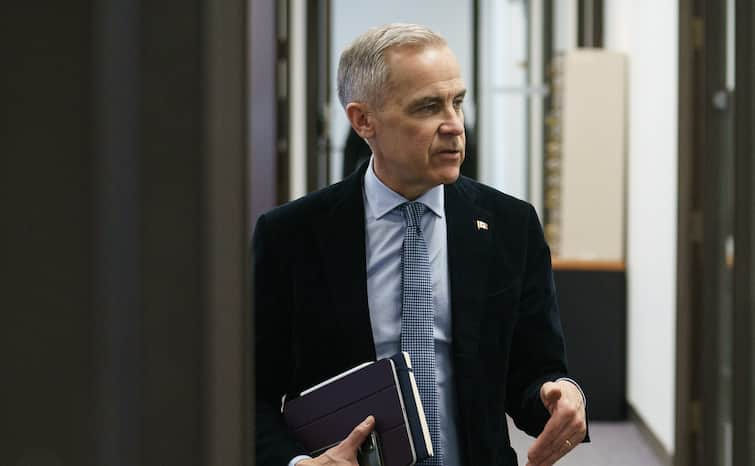
Former central banker Mark Carney was sworn in as the new prime minister of Canada on Friday. He replaced Justin Trudeau, whose resignation was announced in January but had to remain in power until a new leader was elected by the Liberal Party.

He is likely to attempt to navigate his country through a trade conflict initiated by U.S. President Donald Trump, the looming threat of annexation, and an anticipated federal election.

Carney, 59, is widely anticipated to call a general election in the coming days or weeks. The ruling Liberal Party had been bracing for a historic defeat this year—until Trump escalated economic tensions and floated the idea of annexing Canada as the 51st U.S. state. Now, with a surge in nationalism, the Liberals and their new leader could regain the upper hand.  

According to a report by Associated Press, Carney has expressed willingness to meet with Trump, provided the U.S. president shows “respect for Canadian sovereignty” and is open to “a more comprehensive approach to trade.”  

Trump’s Annexation Remarks Fueled Outrage Across Canada

On April 2, Trump imposed 25 per cent tariffs on Canadian steel and aluminum and threatened broader tariffs on all Canadian imports. His remarks about annexation, along with claims that the border is merely a “fictional line,” have fueled outrage across Canada.  

In response, Canadians have been expressing their frustration—booing the U.S. national anthem at NHL and NBA games, canceling trips to the U.S., and boycotting American products whenever possible. This wave of patriotic sentiment has strengthened the Liberal Party’s position ahead of an expected election, with their poll numbers improving.  

Carney, who previously led the Bank of Canada through the 2008 financial crisis and later became the first foreign governor of the Bank of England—helping mitigate Brexit’s economic fallout—now faces the challenge of navigating Canada through Trump’s trade war.  

Despite having no prior political experience, the former Goldman Sachs executive has now assumed office as Canada’s 24th prime minister. “He will do very well. He’s respected internationally,” former Prime Minister Jean Chrétien said on Friday, adding “There is no magic solution. This is not a normal situation. We’ve never seen someone who changes his mind every five minutes as president of the United States. It creates problems everywhere, not only in Canada.”

ALSO READ | What Happened When US Tried To Annex Canada In The Past? Know Why Some Canadians Wanted To Become American

Former central banker Mark Carney was sworn in as the new prime minister of Canada on Friday. He replaced Justin Trudeau, whose resignation was announced in January but had to remain in power until a new leader was elected by the Liberal Party.

He is likely to attempt to navigate his country through a trade conflict initiated by U.S. President Donald Trump, the looming threat of annexation, and an anticipated federal election.

Carney, 59, is widely anticipated to call a general election in the coming days or weeks. The ruling Liberal Party had been bracing for a historic defeat this year—until Trump escalated economic tensions and floated the idea of annexing Canada as the 51st U.S. state. Now, with a surge in nationalism, the Liberals and their new leader could regain the upper hand.  

According to a report by Associated Press, Carney has expressed willingness to meet with Trump, provided the U.S. president shows “respect for Canadian sovereignty” and is open to “a more comprehensive approach to trade.”  

Trump’s Annexation Remarks Fueled Outrage Across Canada

On April 2, Trump imposed 25 per cent tariffs on Canadian steel and aluminum and threatened broader tariffs on all Canadian imports. His remarks about annexation, along with claims that the border is merely a “fictional line,” have fueled outrage across Canada.  

In response, Canadians have been expressing their frustration—booing the U.S. national anthem at NHL and NBA games, canceling trips to the U.S., and boycotting American products whenever possible. This wave of patriotic sentiment has strengthened the Liberal Party’s position ahead of an expected election, with their poll numbers improving.  

Carney, who previously led the Bank of Canada through the 2008 financial crisis and later became the first foreign governor of the Bank of England—helping mitigate Brexit’s economic fallout—now faces the challenge of navigating Canada through Trump’s trade war.  

Despite having no prior political experience, the former Goldman Sachs executive has now assumed office as Canada’s 24th prime minister. “He will do very well. He’s respected internationally,” former Prime Minister Jean Chrétien said on Friday, adding “There is no magic solution. This is not a normal situation. We’ve never seen someone who changes his mind every five minutes as president of the United States. It creates problems everywhere, not only in Canada.”

ALSO READ | What Happened When US Tried To Annex Canada In The Past? Know Why Some Canadians Wanted To Become American

Former central banker Mark Carney was sworn in as the new prime minister of Canada on Friday. He replaced Justin Trudeau, whose resignation was announced in January but had to remain in power until a new leader was elected by the Liberal Party.

He is likely to attempt to navigate his country through a trade conflict initiated by U.S. President Donald Trump, the looming threat of annexation, and an anticipated federal election.

Carney, 59, is widely anticipated to call a general election in the coming days or weeks. The ruling Liberal Party had been bracing for a historic defeat this year—until Trump escalated economic tensions and floated the idea of annexing Canada as the 51st U.S. state. Now, with a surge in nationalism, the Liberals and their new leader could regain the upper hand.  

According to a report by Associated Press, Carney has expressed willingness to meet with Trump, provided the U.S. president shows “respect for Canadian sovereignty” and is open to “a more comprehensive approach to trade.”  

Trump’s Annexation Remarks Fueled Outrage Across Canada

On April 2, Trump imposed 25 per cent tariffs on Canadian steel and aluminum and threatened broader tariffs on all Canadian imports. His remarks about annexation, along with claims that the border is merely a “fictional line,” have fueled outrage across Canada.  

In response, Canadians have been expressing their frustration—booing the U.S. national anthem at NHL and NBA games, canceling trips to the U.S., and boycotting American products whenever possible. This wave of patriotic sentiment has strengthened the Liberal Party’s position ahead of an expected election, with their poll numbers improving.  

Carney, who previously led the Bank of Canada through the 2008 financial crisis and later became the first foreign governor of the Bank of England—helping mitigate Brexit’s economic fallout—now faces the challenge of navigating Canada through Trump’s trade war.  

Despite having no prior political experience, the former Goldman Sachs executive has now assumed office as Canada’s 24th prime minister. “He will do very well. He’s respected internationally,” former Prime Minister Jean Chrétien said on Friday, adding “There is no magic solution. This is not a normal situation. We’ve never seen someone who changes his mind every five minutes as president of the United States. It creates problems everywhere, not only in Canada.”

ALSO READ | What Happened When US Tried To Annex Canada In The Past? Know Why Some Canadians Wanted To Become American


Former central banker Mark Carney was sworn in as the new prime minister of Canada on Friday. He replaced Justin Trudeau, whose resignation was announced in January but had to remain in power until a new leader was elected by the Liberal Party.

He is likely to attempt to navigate his country through a trade conflict initiated by U.S. President Donald Trump, the looming threat of annexation, and an anticipated federal election.

Carney, 59, is widely anticipated to call a general election in the coming days or weeks. The ruling Liberal Party had been bracing for a historic defeat this year—until Trump escalated economic tensions and floated the idea of annexing Canada as the 51st U.S. state. Now, with a surge in nationalism, the Liberals and their new leader could regain the upper hand.  

According to a report by Associated Press, Carney has expressed willingness to meet with Trump, provided the U.S. president shows “respect for Canadian sovereignty” and is open to “a more comprehensive approach to trade.”  

Trump’s Annexation Remarks Fueled Outrage Across Canada

On April 2, Trump imposed 25 per cent tariffs on Canadian steel and aluminum and threatened broader tariffs on all Canadian imports. His remarks about annexation, along with claims that the border is merely a “fictional line,” have fueled outrage across Canada.  

In response, Canadians have been expressing their frustration—booing the U.S. national anthem at NHL and NBA games, canceling trips to the U.S., and boycotting American products whenever possible. This wave of patriotic sentiment has strengthened the Liberal Party’s position ahead of an expected election, with their poll numbers improving.  

Carney, who previously led the Bank of Canada through the 2008 financial crisis and later became the first foreign governor of the Bank of England—helping mitigate Brexit’s economic fallout—now faces the challenge of navigating Canada through Trump’s trade war.  

Despite having no prior political experience, the former Goldman Sachs executive has now assumed office as Canada’s 24th prime minister. “He will do very well. He’s respected internationally,” former Prime Minister Jean Chrétien said on Friday, adding “There is no magic solution. This is not a normal situation. We’ve never seen someone who changes his mind every five minutes as president of the United States. It creates problems everywhere, not only in Canada.”

ALSO READ | What Happened When US Tried To Annex Canada In The Past? Know Why Some Canadians Wanted To Become American

Former central banker Mark Carney was sworn in as the new prime minister of Canada on Friday. He replaced Justin Trudeau, whose resignation was announced in January but had to remain in power until a new leader was elected by the Liberal Party.

He is likely to attempt to navigate his country through a trade conflict initiated by U.S. President Donald Trump, the looming threat of annexation, and an anticipated federal election.

Carney, 59, is widely anticipated to call a general election in the coming days or weeks. The ruling Liberal Party had been bracing for a historic defeat this year—until Trump escalated economic tensions and floated the idea of annexing Canada as the 51st U.S. state. Now, with a surge in nationalism, the Liberals and their new leader could regain the upper hand.  

According to a report by Associated Press, Carney has expressed willingness to meet with Trump, provided the U.S. president shows “respect for Canadian sovereignty” and is open to “a more comprehensive approach to trade.”  

Trump’s Annexation Remarks Fueled Outrage Across Canada

On April 2, Trump imposed 25 per cent tariffs on Canadian steel and aluminum and threatened broader tariffs on all Canadian imports. His remarks about annexation, along with claims that the border is merely a “fictional line,” have fueled outrage across Canada.  

In response, Canadians have been expressing their frustration—booing the U.S. national anthem at NHL and NBA games, canceling trips to the U.S., and boycotting American products whenever possible. This wave of patriotic sentiment has strengthened the Liberal Party’s position ahead of an expected election, with their poll numbers improving.  

Carney, who previously led the Bank of Canada through the 2008 financial crisis and later became the first foreign governor of the Bank of England—helping mitigate Brexit’s economic fallout—now faces the challenge of navigating Canada through Trump’s trade war.  

Despite having no prior political experience, the former Goldman Sachs executive has now assumed office as Canada’s 24th prime minister. “He will do very well. He’s respected internationally,” former Prime Minister Jean Chrétien said on Friday, adding “There is no magic solution. This is not a normal situation. We’ve never seen someone who changes his mind every five minutes as president of the United States. It creates problems everywhere, not only in Canada.”

ALSO READ | What Happened When US Tried To Annex Canada In The Past? Know Why Some Canadians Wanted To Become American

Former central banker Mark Carney was sworn in as the new prime minister of Canada on Friday. He replaced Justin Trudeau, whose resignation was announced in January but had to remain in power until a new leader was elected by the Liberal Party.

He is likely to attempt to navigate his country through a trade conflict initiated by U.S. President Donald Trump, the looming threat of annexation, and an anticipated federal election.

Carney, 59, is widely anticipated to call a general election in the coming days or weeks. The ruling Liberal Party had been bracing for a historic defeat this year—until Trump escalated economic tensions and floated the idea of annexing Canada as the 51st U.S. state. Now, with a surge in nationalism, the Liberals and their new leader could regain the upper hand.  

According to a report by Associated Press, Carney has expressed willingness to meet with Trump, provided the U.S. president shows “respect for Canadian sovereignty” and is open to “a more comprehensive approach to trade.”  

Trump’s Annexation Remarks Fueled Outrage Across Canada

On April 2, Trump imposed 25 per cent tariffs on Canadian steel and aluminum and threatened broader tariffs on all Canadian imports. His remarks about annexation, along with claims that the border is merely a “fictional line,” have fueled outrage across Canada.  

In response, Canadians have been expressing their frustration—booing the U.S. national anthem at NHL and NBA games, canceling trips to the U.S., and boycotting American products whenever possible. This wave of patriotic sentiment has strengthened the Liberal Party’s position ahead of an expected election, with their poll numbers improving.  

Carney, who previously led the Bank of Canada through the 2008 financial crisis and later became the first foreign governor of the Bank of England—helping mitigate Brexit’s economic fallout—now faces the challenge of navigating Canada through Trump’s trade war.  

Despite having no prior political experience, the former Goldman Sachs executive has now assumed office as Canada’s 24th prime minister. “He will do very well. He’s respected internationally,” former Prime Minister Jean Chrétien said on Friday, adding “There is no magic solution. This is not a normal situation. We’ve never seen someone who changes his mind every five minutes as president of the United States. It creates problems everywhere, not only in Canada.”

ALSO READ | What Happened When US Tried To Annex Canada In The Past? Know Why Some Canadians Wanted To Become American

Former central banker Mark Carney was sworn in as the new prime minister of Canada on Friday. He replaced Justin Trudeau, whose resignation was announced in January but had to remain in power until a new leader was elected by the Liberal Party.

He is likely to attempt to navigate his country through a trade conflict initiated by U.S. President Donald Trump, the looming threat of annexation, and an anticipated federal election.

Carney, 59, is widely anticipated to call a general election in the coming days or weeks. The ruling Liberal Party had been bracing for a historic defeat this year—until Trump escalated economic tensions and floated the idea of annexing Canada as the 51st U.S. state. Now, with a surge in nationalism, the Liberals and their new leader could regain the upper hand.  

According to a report by Associated Press, Carney has expressed willingness to meet with Trump, provided the U.S. president shows “respect for Canadian sovereignty” and is open to “a more comprehensive approach to trade.”  

Trump’s Annexation Remarks Fueled Outrage Across Canada

On April 2, Trump imposed 25 per cent tariffs on Canadian steel and aluminum and threatened broader tariffs on all Canadian imports. His remarks about annexation, along with claims that the border is merely a “fictional line,” have fueled outrage across Canada.  

In response, Canadians have been expressing their frustration—booing the U.S. national anthem at NHL and NBA games, canceling trips to the U.S., and boycotting American products whenever possible. This wave of patriotic sentiment has strengthened the Liberal Party’s position ahead of an expected election, with their poll numbers improving.  

Carney, who previously led the Bank of Canada through the 2008 financial crisis and later became the first foreign governor of the Bank of England—helping mitigate Brexit’s economic fallout—now faces the challenge of navigating Canada through Trump’s trade war.  

Despite having no prior political experience, the former Goldman Sachs executive has now assumed office as Canada’s 24th prime minister. “He will do very well. He’s respected internationally,” former Prime Minister Jean Chrétien said on Friday, adding “There is no magic solution. This is not a normal situation. We’ve never seen someone who changes his mind every five minutes as president of the United States. It creates problems everywhere, not only in Canada.”

ALSO READ | What Happened When US Tried To Annex Canada In The Past? Know Why Some Canadians Wanted To Become American

Former central banker Mark Carney was sworn in as the new prime minister of Canada on Friday. He replaced Justin Trudeau, whose resignation was announced in January but had to remain in power until a new leader was elected by the Liberal Party.

He is likely to attempt to navigate his country through a trade conflict initiated by U.S. President Donald Trump, the looming threat of annexation, and an anticipated federal election.

Carney, 59, is widely anticipated to call a general election in the coming days or weeks. The ruling Liberal Party had been bracing for a historic defeat this year—until Trump escalated economic tensions and floated the idea of annexing Canada as the 51st U.S. state. Now, with a surge in nationalism, the Liberals and their new leader could regain the upper hand.  

According to a report by Associated Press, Carney has expressed willingness to meet with Trump, provided the U.S. president shows “respect for Canadian sovereignty” and is open to “a more comprehensive approach to trade.”  

Trump’s Annexation Remarks Fueled Outrage Across Canada

On April 2, Trump imposed 25 per cent tariffs on Canadian steel and aluminum and threatened broader tariffs on all Canadian imports. His remarks about annexation, along with claims that the border is merely a “fictional line,” have fueled outrage across Canada.  

In response, Canadians have been expressing their frustration—booing the U.S. national anthem at NHL and NBA games, canceling trips to the U.S., and boycotting American products whenever possible. This wave of patriotic sentiment has strengthened the Liberal Party’s position ahead of an expected election, with their poll numbers improving.  

Carney, who previously led the Bank of Canada through the 2008 financial crisis and later became the first foreign governor of the Bank of England—helping mitigate Brexit’s economic fallout—now faces the challenge of navigating Canada through Trump’s trade war.  

Despite having no prior political experience, the former Goldman Sachs executive has now assumed office as Canada’s 24th prime minister. “He will do very well. He’s respected internationally,” former Prime Minister Jean Chrétien said on Friday, adding “There is no magic solution. This is not a normal situation. We’ve never seen someone who changes his mind every five minutes as president of the United States. It creates problems everywhere, not only in Canada.”

ALSO READ | What Happened When US Tried To Annex Canada In The Past? Know Why Some Canadians Wanted To Become American

Former central banker Mark Carney was sworn in as the new prime minister of Canada on Friday. He replaced Justin Trudeau, whose resignation was announced in January but had to remain in power until a new leader was elected by the Liberal Party.

He is likely to attempt to navigate his country through a trade conflict initiated by U.S. President Donald Trump, the looming threat of annexation, and an anticipated federal election.

Carney, 59, is widely anticipated to call a general election in the coming days or weeks. The ruling Liberal Party had been bracing for a historic defeat this year—until Trump escalated economic tensions and floated the idea of annexing Canada as the 51st U.S. state. Now, with a surge in nationalism, the Liberals and their new leader could regain the upper hand.  

According to a report by Associated Press, Carney has expressed willingness to meet with Trump, provided the U.S. president shows “respect for Canadian sovereignty” and is open to “a more comprehensive approach to trade.”  

Trump’s Annexation Remarks Fueled Outrage Across Canada

On April 2, Trump imposed 25 per cent tariffs on Canadian steel and aluminum and threatened broader tariffs on all Canadian imports. His remarks about annexation, along with claims that the border is merely a “fictional line,” have fueled outrage across Canada.  

In response, Canadians have been expressing their frustration—booing the U.S. national anthem at NHL and NBA games, canceling trips to the U.S., and boycotting American products whenever possible. This wave of patriotic sentiment has strengthened the Liberal Party’s position ahead of an expected election, with their poll numbers improving.  

Carney, who previously led the Bank of Canada through the 2008 financial crisis and later became the first foreign governor of the Bank of England—helping mitigate Brexit’s economic fallout—now faces the challenge of navigating Canada through Trump’s trade war.  

Despite having no prior political experience, the former Goldman Sachs executive has now assumed office as Canada’s 24th prime minister. “He will do very well. He’s respected internationally,” former Prime Minister Jean Chrétien said on Friday, adding “There is no magic solution. This is not a normal situation. We’ve never seen someone who changes his mind every five minutes as president of the United States. It creates problems everywhere, not only in Canada.”

ALSO READ | What Happened When US Tried To Annex Canada In The Past? Know Why Some Canadians Wanted To Become American

Former central banker Mark Carney was sworn in as the new prime minister of Canada on Friday. He replaced Justin Trudeau, whose resignation was announced in January but had to remain in power until a new leader was elected by the Liberal Party.

He is likely to attempt to navigate his country through a trade conflict initiated by U.S. President Donald Trump, the looming threat of annexation, and an anticipated federal election.

Carney, 59, is widely anticipated to call a general election in the coming days or weeks. The ruling Liberal Party had been bracing for a historic defeat this year—until Trump escalated economic tensions and floated the idea of annexing Canada as the 51st U.S. state. Now, with a surge in nationalism, the Liberals and their new leader could regain the upper hand.  

According to a report by Associated Press, Carney has expressed willingness to meet with Trump, provided the U.S. president shows “respect for Canadian sovereignty” and is open to “a more comprehensive approach to trade.”  

Trump’s Annexation Remarks Fueled Outrage Across Canada

On April 2, Trump imposed 25 per cent tariffs on Canadian steel and aluminum and threatened broader tariffs on all Canadian imports. His remarks about annexation, along with claims that the border is merely a “fictional line,” have fueled outrage across Canada.  

In response, Canadians have been expressing their frustration—booing the U.S. national anthem at NHL and NBA games, canceling trips to the U.S., and boycotting American products whenever possible. This wave of patriotic sentiment has strengthened the Liberal Party’s position ahead of an expected election, with their poll numbers improving.  

Carney, who previously led the Bank of Canada through the 2008 financial crisis and later became the first foreign governor of the Bank of England—helping mitigate Brexit’s economic fallout—now faces the challenge of navigating Canada through Trump’s trade war.  

Despite having no prior political experience, the former Goldman Sachs executive has now assumed office as Canada’s 24th prime minister. “He will do very well. He’s respected internationally,” former Prime Minister Jean Chrétien said on Friday, adding “There is no magic solution. This is not a normal situation. We’ve never seen someone who changes his mind every five minutes as president of the United States. It creates problems everywhere, not only in Canada.”

ALSO READ | What Happened When US Tried To Annex Canada In The Past? Know Why Some Canadians Wanted To Become American

Former central banker Mark Carney was sworn in as the new prime minister of Canada on Friday. He replaced Justin Trudeau, whose resignation was announced in January but had to remain in power until a new leader was elected by the Liberal Party.

He is likely to attempt to navigate his country through a trade conflict initiated by U.S. President Donald Trump, the looming threat of annexation, and an anticipated federal election.

Carney, 59, is widely anticipated to call a general election in the coming days or weeks. The ruling Liberal Party had been bracing for a historic defeat this year—until Trump escalated economic tensions and floated the idea of annexing Canada as the 51st U.S. state. Now, with a surge in nationalism, the Liberals and their new leader could regain the upper hand.  

According to a report by Associated Press, Carney has expressed willingness to meet with Trump, provided the U.S. president shows “respect for Canadian sovereignty” and is open to “a more comprehensive approach to trade.”  

Trump’s Annexation Remarks Fueled Outrage Across Canada

On April 2, Trump imposed 25 per cent tariffs on Canadian steel and aluminum and threatened broader tariffs on all Canadian imports. His remarks about annexation, along with claims that the border is merely a “fictional line,” have fueled outrage across Canada.  

In response, Canadians have been expressing their frustration—booing the U.S. national anthem at NHL and NBA games, canceling trips to the U.S., and boycotting American products whenever possible. This wave of patriotic sentiment has strengthened the Liberal Party’s position ahead of an expected election, with their poll numbers improving.  

Carney, who previously led the Bank of Canada through the 2008 financial crisis and later became the first foreign governor of the Bank of England—helping mitigate Brexit’s economic fallout—now faces the challenge of navigating Canada through Trump’s trade war.  

Despite having no prior political experience, the former Goldman Sachs executive has now assumed office as Canada’s 24th prime minister. “He will do very well. He’s respected internationally,” former Prime Minister Jean Chrétien said on Friday, adding “There is no magic solution. This is not a normal situation. We’ve never seen someone who changes his mind every five minutes as president of the United States. It creates problems everywhere, not only in Canada.”

ALSO READ | What Happened When US Tried To Annex Canada In The Past? Know Why Some Canadians Wanted To Become American

Former central banker Mark Carney was sworn in as the new prime minister of Canada on Friday. He replaced Justin Trudeau, whose resignation was announced in January but had to remain in power until a new leader was elected by the Liberal Party.

He is likely to attempt to navigate his country through a trade conflict initiated by U.S. President Donald Trump, the looming threat of annexation, and an anticipated federal election.

Carney, 59, is widely anticipated to call a general election in the coming days or weeks. The ruling Liberal Party had been bracing for a historic defeat this year—until Trump escalated economic tensions and floated the idea of annexing Canada as the 51st U.S. state. Now, with a surge in nationalism, the Liberals and their new leader could regain the upper hand.  

According to a report by Associated Press, Carney has expressed willingness to meet with Trump, provided the U.S. president shows “respect for Canadian sovereignty” and is open to “a more comprehensive approach to trade.”  

Trump’s Annexation Remarks Fueled Outrage Across Canada

On April 2, Trump imposed 25 per cent tariffs on Canadian steel and aluminum and threatened broader tariffs on all Canadian imports. His remarks about annexation, along with claims that the border is merely a “fictional line,” have fueled outrage across Canada.  

In response, Canadians have been expressing their frustration—booing the U.S. national anthem at NHL and NBA games, canceling trips to the U.S., and boycotting American products whenever possible. This wave of patriotic sentiment has strengthened the Liberal Party’s position ahead of an expected election, with their poll numbers improving.  

Carney, who previously led the Bank of Canada through the 2008 financial crisis and later became the first foreign governor of the Bank of England—helping mitigate Brexit’s economic fallout—now faces the challenge of navigating Canada through Trump’s trade war.  

Despite having no prior political experience, the former Goldman Sachs executive has now assumed office as Canada’s 24th prime minister. “He will do very well. He’s respected internationally,” former Prime Minister Jean Chrétien said on Friday, adding “There is no magic solution. This is not a normal situation. We’ve never seen someone who changes his mind every five minutes as president of the United States. It creates problems everywhere, not only in Canada.”

ALSO READ | What Happened When US Tried To Annex Canada In The Past? Know Why Some Canadians Wanted To Become American

Former central banker Mark Carney was sworn in as the new prime minister of Canada on Friday. He replaced Justin Trudeau, whose resignation was announced in January but had to remain in power until a new leader was elected by the Liberal Party.

He is likely to attempt to navigate his country through a trade conflict initiated by U.S. President Donald Trump, the looming threat of annexation, and an anticipated federal election.

Carney, 59, is widely anticipated to call a general election in the coming days or weeks. The ruling Liberal Party had been bracing for a historic defeat this year—until Trump escalated economic tensions and floated the idea of annexing Canada as the 51st U.S. state. Now, with a surge in nationalism, the Liberals and their new leader could regain the upper hand.  

According to a report by Associated Press, Carney has expressed willingness to meet with Trump, provided the U.S. president shows “respect for Canadian sovereignty” and is open to “a more comprehensive approach to trade.”  

Trump’s Annexation Remarks Fueled Outrage Across Canada

On April 2, Trump imposed 25 per cent tariffs on Canadian steel and aluminum and threatened broader tariffs on all Canadian imports. His remarks about annexation, along with claims that the border is merely a “fictional line,” have fueled outrage across Canada.  

In response, Canadians have been expressing their frustration—booing the U.S. national anthem at NHL and NBA games, canceling trips to the U.S., and boycotting American products whenever possible. This wave of patriotic sentiment has strengthened the Liberal Party’s position ahead of an expected election, with their poll numbers improving.  

Carney, who previously led the Bank of Canada through the 2008 financial crisis and later became the first foreign governor of the Bank of England—helping mitigate Brexit’s economic fallout—now faces the challenge of navigating Canada through Trump’s trade war.  

Despite having no prior political experience, the former Goldman Sachs executive has now assumed office as Canada’s 24th prime minister. “He will do very well. He’s respected internationally,” former Prime Minister Jean Chrétien said on Friday, adding “There is no magic solution. This is not a normal situation. We’ve never seen someone who changes his mind every five minutes as president of the United States. It creates problems everywhere, not only in Canada.”

ALSO READ | What Happened When US Tried To Annex Canada In The Past? Know Why Some Canadians Wanted To Become American

Former central banker Mark Carney was sworn in as the new prime minister of Canada on Friday. He replaced Justin Trudeau, whose resignation was announced in January but had to remain in power until a new leader was elected by the Liberal Party.

He is likely to attempt to navigate his country through a trade conflict initiated by U.S. President Donald Trump, the looming threat of annexation, and an anticipated federal election.

Carney, 59, is widely anticipated to call a general election in the coming days or weeks. The ruling Liberal Party had been bracing for a historic defeat this year—until Trump escalated economic tensions and floated the idea of annexing Canada as the 51st U.S. state. Now, with a surge in nationalism, the Liberals and their new leader could regain the upper hand.  

According to a report by Associated Press, Carney has expressed willingness to meet with Trump, provided the U.S. president shows “respect for Canadian sovereignty” and is open to “a more comprehensive approach to trade.”  

Trump’s Annexation Remarks Fueled Outrage Across Canada

On April 2, Trump imposed 25 per cent tariffs on Canadian steel and aluminum and threatened broader tariffs on all Canadian imports. His remarks about annexation, along with claims that the border is merely a “fictional line,” have fueled outrage across Canada.  

In response, Canadians have been expressing their frustration—booing the U.S. national anthem at NHL and NBA games, canceling trips to the U.S., and boycotting American products whenever possible. This wave of patriotic sentiment has strengthened the Liberal Party’s position ahead of an expected election, with their poll numbers improving.  

Carney, who previously led the Bank of Canada through the 2008 financial crisis and later became the first foreign governor of the Bank of England—helping mitigate Brexit’s economic fallout—now faces the challenge of navigating Canada through Trump’s trade war.  

Despite having no prior political experience, the former Goldman Sachs executive has now assumed office as Canada’s 24th prime minister. “He will do very well. He’s respected internationally,” former Prime Minister Jean Chrétien said on Friday, adding “There is no magic solution. This is not a normal situation. We’ve never seen someone who changes his mind every five minutes as president of the United States. It creates problems everywhere, not only in Canada.”

ALSO READ | What Happened When US Tried To Annex Canada In The Past? Know Why Some Canadians Wanted To Become American

Former central banker Mark Carney was sworn in as the new prime minister of Canada on Friday. He replaced Justin Trudeau, whose resignation was announced in January but had to remain in power until a new leader was elected by the Liberal Party.

He is likely to attempt to navigate his country through a trade conflict initiated by U.S. President Donald Trump, the looming threat of annexation, and an anticipated federal election.

Carney, 59, is widely anticipated to call a general election in the coming days or weeks. The ruling Liberal Party had been bracing for a historic defeat this year—until Trump escalated economic tensions and floated the idea of annexing Canada as the 51st U.S. state. Now, with a surge in nationalism, the Liberals and their new leader could regain the upper hand.  

According to a report by Associated Press, Carney has expressed willingness to meet with Trump, provided the U.S. president shows “respect for Canadian sovereignty” and is open to “a more comprehensive approach to trade.”  

Trump’s Annexation Remarks Fueled Outrage Across Canada

On April 2, Trump imposed 25 per cent tariffs on Canadian steel and aluminum and threatened broader tariffs on all Canadian imports. His remarks about annexation, along with claims that the border is merely a “fictional line,” have fueled outrage across Canada.  

In response, Canadians have been expressing their frustration—booing the U.S. national anthem at NHL and NBA games, canceling trips to the U.S., and boycotting American products whenever possible. This wave of patriotic sentiment has strengthened the Liberal Party’s position ahead of an expected election, with their poll numbers improving.  

Carney, who previously led the Bank of Canada through the 2008 financial crisis and later became the first foreign governor of the Bank of England—helping mitigate Brexit’s economic fallout—now faces the challenge of navigating Canada through Trump’s trade war.  

Despite having no prior political experience, the former Goldman Sachs executive has now assumed office as Canada’s 24th prime minister. “He will do very well. He’s respected internationally,” former Prime Minister Jean Chrétien said on Friday, adding “There is no magic solution. This is not a normal situation. We’ve never seen someone who changes his mind every five minutes as president of the United States. It creates problems everywhere, not only in Canada.”

ALSO READ | What Happened When US Tried To Annex Canada In The Past? Know Why Some Canadians Wanted To Become American

Former central banker Mark Carney was sworn in as the new prime minister of Canada on Friday. He replaced Justin Trudeau, whose resignation was announced in January but had to remain in power until a new leader was elected by the Liberal Party.

He is likely to attempt to navigate his country through a trade conflict initiated by U.S. President Donald Trump, the looming threat of annexation, and an anticipated federal election.

Carney, 59, is widely anticipated to call a general election in the coming days or weeks. The ruling Liberal Party had been bracing for a historic defeat this year—until Trump escalated economic tensions and floated the idea of annexing Canada as the 51st U.S. state. Now, with a surge in nationalism, the Liberals and their new leader could regain the upper hand.  

According to a report by Associated Press, Carney has expressed willingness to meet with Trump, provided the U.S. president shows “respect for Canadian sovereignty” and is open to “a more comprehensive approach to trade.”  

Trump’s Annexation Remarks Fueled Outrage Across Canada

On April 2, Trump imposed 25 per cent tariffs on Canadian steel and aluminum and threatened broader tariffs on all Canadian imports. His remarks about annexation, along with claims that the border is merely a “fictional line,” have fueled outrage across Canada.  

In response, Canadians have been expressing their frustration—booing the U.S. national anthem at NHL and NBA games, canceling trips to the U.S., and boycotting American products whenever possible. This wave of patriotic sentiment has strengthened the Liberal Party’s position ahead of an expected election, with their poll numbers improving.  

Carney, who previously led the Bank of Canada through the 2008 financial crisis and later became the first foreign governor of the Bank of England—helping mitigate Brexit’s economic fallout—now faces the challenge of navigating Canada through Trump’s trade war.  

Despite having no prior political experience, the former Goldman Sachs executive has now assumed office as Canada’s 24th prime minister. “He will do very well. He’s respected internationally,” former Prime Minister Jean Chrétien said on Friday, adding “There is no magic solution. This is not a normal situation. We’ve never seen someone who changes his mind every five minutes as president of the United States. It creates problems everywhere, not only in Canada.”

ALSO READ | What Happened When US Tried To Annex Canada In The Past? Know Why Some Canadians Wanted To Become American

Tags: Canada newsDonald TrumpJustin TrudeauMark Carney
Previous Post

Normani is engaged to D.K. Metcalf and matchmakers Ciara and Russell Wilson are thrilled

Next Post

Fierce Protests In Bangladesh After 8-Year-Old Rape Victim Dies, Mob Sets Accused’s House On Fi

Leave a Reply Cancel reply

Your email address will not be published. Required fields are marked *

BROWSE BY CATEGORIES

  • Business
  • Culture
  • Entertainment
  • Health
  • Politics
  • Technology
  • Trending
  • Uncategorized
  • World
Binghamton Herald

© 2024 Binghamton Herald or its affiliated companies.

Navigate Site

  • About
  • Advertise
  • Terms & Conditions
  • Privacy Policy
  • Disclaimer
  • Contact

Follow Us

No Result
View All Result
  • Home
  • World
  • Politics
  • Business
  • Technology
  • Culture
  • Health
  • Entertainment
  • Trending

© 2024 Binghamton Herald or its affiliated companies.

Welcome Back!

Login to your account below

Forgotten Password?

Retrieve your password

Please enter your username or email address to reset your password.

Log In