

I adjusted my button-down collar in my hallway mirror, having agreed to meet Barry at Outback Steakhouse in La Habra. We’d briefly met a few years previously at my former partner’s workplace.
My partner had recently died, leaving me a 50-year-old widower with very little dating experience. His death had come as a shock after 30 years of happy, uncomplicated life.
Barry was tall and handsome, seeming “nice enough” in passing. Midlife’s dating desert made ‘‘nice enough” feel like an oasis. We drove separately, each from home. The neon kangaroo flickered, releasing a rhythmic, neon buzz. We did the awkward, parking lot, single-arm, half-hug of two guys in unfamiliar territory. The host led us to a booth, steeped in the aroma of grilled onions.
“Nice place,” Barry said, opening his menu with the gravity of a man about to sign a contract.
I slid into the red vinyl booth. He didn’t look at me; he was already scanning the prices.
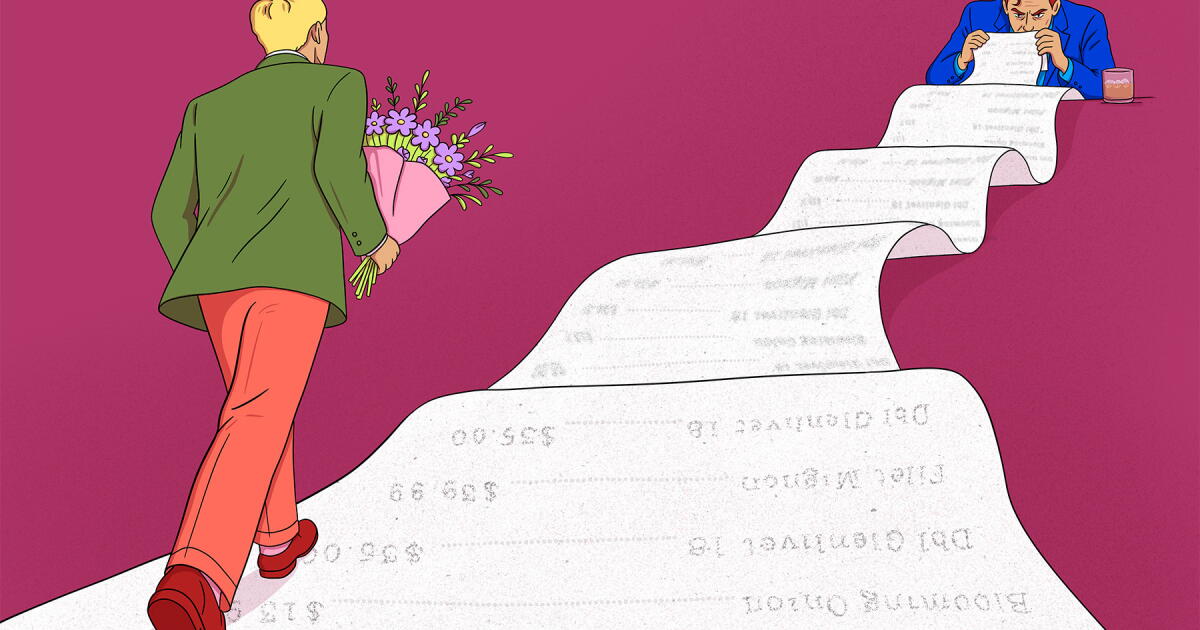
The waiter arrived, a young man named Tyler, who took our drink order. A glass of lemon-wedge water for me; my date, however, found the beverage menu deeply intriguing, ordering Glenlivet. After a moment of intense calculation, he added, “Make that a double.”
I noticed the way Barry watched Tyler walk away, monitoring his delivery of liquid-gold. I surveyed the room; three tables over, a family was dismantling a Bloomin’ Onion. It sat in the center of their table like a golden, deep-fried chrysanthemum. It looked magnificent, exactly what I wanted.
“I think I’ll have one of those,” I said, gesturing toward the other table.
Barry looked over; his eyes widened. He didn’t say, “That looks delicious.” He simply stared at the onion as if it were a high-interest loan.
“It’s large,” he said, his voice dropping an octave, registering concern.
“It’s an appetizer,” I said breezily. “I’m happy to share.”
When Tyler returned with drinks, I ordered my starter and a filet mignon. Barry watched the transaction, ordering a rib-eye steak. Gulping his Glenlivet, he ordered another double.
“You know,” he started, his voice suddenly louder than the ambient classic background rock playing. “I’ve been dating quite a bit as of late, and I’ve noticed a disturbing trend.”
I sipped my lemon water. “Oh?” I said.
“Men,” he said, gesturing vaguely at the air between us, “have adopted the concept of shared burden. I go out with someone who orders the most expensive thing; lobster tail, prime rib, extravagances, and they expect the bill to be split down the middle.”
I felt a slight prickle at the nape of my neck, having lived my life in a manner that allowed ordering without performing a cost-benefit analysis. It is a quiet sort of luxury, one I don’t flaunt, but one I don’t apologize for either. “I assumed it would be Dutch treat,” I said calmly.
“Exactly!” he barked, blasting the air between us. The next table over went silent. “But if we split, and you order premium items, I am effectively subsidizing your palate. I am paying for your indulgence. It’s a tax on my presence.”
At that moment, the blooming onion arrived along with another Glenlivet. It was beautiful. Tyler placed it between us with an elegant flourish; the steam carried the scent of glorious-secret spices. I pulled off a petal, perfect, crunchy, and dipped it in the sauce.
“Would you like some?” I asked.
He looked at the onion, then back at me. He picked up his second Glenlivet, drank it empty, searched the room for Tyler, called him over, and ordered another double.
“If I eat one petal,” he said, his voice trembling with the weight of a great moral crisis, “I am technically taking part in the appetizer. But if the bill is split 50-50, I pay three dollars for that petal.”
He went on and on, speaking to the ceiling, the floor, the saltshaker, to an invisible audience. He talked about the socialist implications of split-checks, appetizer dysphoria, and the financial theft of shared starters.
I listened politely, nibbling my onion petals in a state of Zen-like detachment. He seemed anxious about the price of onions. He was conveniently oblivious to the cost of three double pours of Glenlivet, priced at many times the cost of the vegetable he was crucifying.
“It’s about the principle,” he shouted over the sound of a nearby birthday song. “I’m tired of bankrolling people who don’t understand money management!”
I wiped my hands on my napkin, feeling a sense of clarity. “I’ll be right back,” I said, offering him a blank-forced smile. “I need the restroom.”
“Fine,” he muttered. “Fine.” Reaching for a petal with a look of immense self-loathing, as if committing a felony. “But we’re going to have a serious talk about the entree prices when you get back.”
I walked straight to the register. “Hi,” I said, pulling my card from my wallet. “I’m table 12. I’d like to pay the entire bill now. Please ask Tyler to box my filet mignon.”
She looked at me, then glanced back at the booth where Barry was gesturing wildly at a piece of fried onion.
“Are you sure, sir?” she asked me.
“I have never been surer of anything in my life,” adding a generous tip for Tyler, who deserved a combat medal. I got into my car without looking back. I haven’t seen Barry since. He’s probably off somewhere, arguing about a Bloomin’ Onion.
The author is a retired state of California administrator and a California veteran who lives in La Habra Heights. He writes fiction and personal essays. His email address is LPadgettL@cs.com.
L.A. Affairs chronicles the search for romantic love in all its glorious expressions in the L.A. area, and we want to hear your true story. We pay $400 for a published essay. Email LAAffairs@latimes.com. You can find submission guidelines here. You can find past columns here.

I adjusted my button-down collar in my hallway mirror, having agreed to meet Barry at Outback Steakhouse in La Habra. We’d briefly met a few years previously at my former partner’s workplace.
My partner had recently died, leaving me a 50-year-old widower with very little dating experience. His death had come as a shock after 30 years of happy, uncomplicated life.
Barry was tall and handsome, seeming “nice enough” in passing. Midlife’s dating desert made ‘‘nice enough” feel like an oasis. We drove separately, each from home. The neon kangaroo flickered, releasing a rhythmic, neon buzz. We did the awkward, parking lot, single-arm, half-hug of two guys in unfamiliar territory. The host led us to a booth, steeped in the aroma of grilled onions.
“Nice place,” Barry said, opening his menu with the gravity of a man about to sign a contract.
I slid into the red vinyl booth. He didn’t look at me; he was already scanning the prices.
The waiter arrived, a young man named Tyler, who took our drink order. A glass of lemon-wedge water for me; my date, however, found the beverage menu deeply intriguing, ordering Glenlivet. After a moment of intense calculation, he added, “Make that a double.”
I noticed the way Barry watched Tyler walk away, monitoring his delivery of liquid-gold. I surveyed the room; three tables over, a family was dismantling a Bloomin’ Onion. It sat in the center of their table like a golden, deep-fried chrysanthemum. It looked magnificent, exactly what I wanted.
“I think I’ll have one of those,” I said, gesturing toward the other table.
Barry looked over; his eyes widened. He didn’t say, “That looks delicious.” He simply stared at the onion as if it were a high-interest loan.
“It’s large,” he said, his voice dropping an octave, registering concern.
“It’s an appetizer,” I said breezily. “I’m happy to share.”
When Tyler returned with drinks, I ordered my starter and a filet mignon. Barry watched the transaction, ordering a rib-eye steak. Gulping his Glenlivet, he ordered another double.
“You know,” he started, his voice suddenly louder than the ambient classic background rock playing. “I’ve been dating quite a bit as of late, and I’ve noticed a disturbing trend.”
I sipped my lemon water. “Oh?” I said.
“Men,” he said, gesturing vaguely at the air between us, “have adopted the concept of shared burden. I go out with someone who orders the most expensive thing; lobster tail, prime rib, extravagances, and they expect the bill to be split down the middle.”
I felt a slight prickle at the nape of my neck, having lived my life in a manner that allowed ordering without performing a cost-benefit analysis. It is a quiet sort of luxury, one I don’t flaunt, but one I don’t apologize for either. “I assumed it would be Dutch treat,” I said calmly.
“Exactly!” he barked, blasting the air between us. The next table over went silent. “But if we split, and you order premium items, I am effectively subsidizing your palate. I am paying for your indulgence. It’s a tax on my presence.”
At that moment, the blooming onion arrived along with another Glenlivet. It was beautiful. Tyler placed it between us with an elegant flourish; the steam carried the scent of glorious-secret spices. I pulled off a petal, perfect, crunchy, and dipped it in the sauce.
“Would you like some?” I asked.
He looked at the onion, then back at me. He picked up his second Glenlivet, drank it empty, searched the room for Tyler, called him over, and ordered another double.
“If I eat one petal,” he said, his voice trembling with the weight of a great moral crisis, “I am technically taking part in the appetizer. But if the bill is split 50-50, I pay three dollars for that petal.”
He went on and on, speaking to the ceiling, the floor, the saltshaker, to an invisible audience. He talked about the socialist implications of split-checks, appetizer dysphoria, and the financial theft of shared starters.
I listened politely, nibbling my onion petals in a state of Zen-like detachment. He seemed anxious about the price of onions. He was conveniently oblivious to the cost of three double pours of Glenlivet, priced at many times the cost of the vegetable he was crucifying.
“It’s about the principle,” he shouted over the sound of a nearby birthday song. “I’m tired of bankrolling people who don’t understand money management!”
I wiped my hands on my napkin, feeling a sense of clarity. “I’ll be right back,” I said, offering him a blank-forced smile. “I need the restroom.”
“Fine,” he muttered. “Fine.” Reaching for a petal with a look of immense self-loathing, as if committing a felony. “But we’re going to have a serious talk about the entree prices when you get back.”
I walked straight to the register. “Hi,” I said, pulling my card from my wallet. “I’m table 12. I’d like to pay the entire bill now. Please ask Tyler to box my filet mignon.”
She looked at me, then glanced back at the booth where Barry was gesturing wildly at a piece of fried onion.
“Are you sure, sir?” she asked me.
“I have never been surer of anything in my life,” adding a generous tip for Tyler, who deserved a combat medal. I got into my car without looking back. I haven’t seen Barry since. He’s probably off somewhere, arguing about a Bloomin’ Onion.
The author is a retired state of California administrator and a California veteran who lives in La Habra Heights. He writes fiction and personal essays. His email address is LPadgettL@cs.com.
L.A. Affairs chronicles the search for romantic love in all its glorious expressions in the L.A. area, and we want to hear your true story. We pay $400 for a published essay. Email LAAffairs@latimes.com. You can find submission guidelines here. You can find past columns here.

I adjusted my button-down collar in my hallway mirror, having agreed to meet Barry at Outback Steakhouse in La Habra. We’d briefly met a few years previously at my former partner’s workplace.
My partner had recently died, leaving me a 50-year-old widower with very little dating experience. His death had come as a shock after 30 years of happy, uncomplicated life.
Barry was tall and handsome, seeming “nice enough” in passing. Midlife’s dating desert made ‘‘nice enough” feel like an oasis. We drove separately, each from home. The neon kangaroo flickered, releasing a rhythmic, neon buzz. We did the awkward, parking lot, single-arm, half-hug of two guys in unfamiliar territory. The host led us to a booth, steeped in the aroma of grilled onions.
“Nice place,” Barry said, opening his menu with the gravity of a man about to sign a contract.
I slid into the red vinyl booth. He didn’t look at me; he was already scanning the prices.
The waiter arrived, a young man named Tyler, who took our drink order. A glass of lemon-wedge water for me; my date, however, found the beverage menu deeply intriguing, ordering Glenlivet. After a moment of intense calculation, he added, “Make that a double.”
I noticed the way Barry watched Tyler walk away, monitoring his delivery of liquid-gold. I surveyed the room; three tables over, a family was dismantling a Bloomin’ Onion. It sat in the center of their table like a golden, deep-fried chrysanthemum. It looked magnificent, exactly what I wanted.
“I think I’ll have one of those,” I said, gesturing toward the other table.
Barry looked over; his eyes widened. He didn’t say, “That looks delicious.” He simply stared at the onion as if it were a high-interest loan.
“It’s large,” he said, his voice dropping an octave, registering concern.
“It’s an appetizer,” I said breezily. “I’m happy to share.”
When Tyler returned with drinks, I ordered my starter and a filet mignon. Barry watched the transaction, ordering a rib-eye steak. Gulping his Glenlivet, he ordered another double.
“You know,” he started, his voice suddenly louder than the ambient classic background rock playing. “I’ve been dating quite a bit as of late, and I’ve noticed a disturbing trend.”
I sipped my lemon water. “Oh?” I said.
“Men,” he said, gesturing vaguely at the air between us, “have adopted the concept of shared burden. I go out with someone who orders the most expensive thing; lobster tail, prime rib, extravagances, and they expect the bill to be split down the middle.”
I felt a slight prickle at the nape of my neck, having lived my life in a manner that allowed ordering without performing a cost-benefit analysis. It is a quiet sort of luxury, one I don’t flaunt, but one I don’t apologize for either. “I assumed it would be Dutch treat,” I said calmly.
“Exactly!” he barked, blasting the air between us. The next table over went silent. “But if we split, and you order premium items, I am effectively subsidizing your palate. I am paying for your indulgence. It’s a tax on my presence.”
At that moment, the blooming onion arrived along with another Glenlivet. It was beautiful. Tyler placed it between us with an elegant flourish; the steam carried the scent of glorious-secret spices. I pulled off a petal, perfect, crunchy, and dipped it in the sauce.
“Would you like some?” I asked.
He looked at the onion, then back at me. He picked up his second Glenlivet, drank it empty, searched the room for Tyler, called him over, and ordered another double.
“If I eat one petal,” he said, his voice trembling with the weight of a great moral crisis, “I am technically taking part in the appetizer. But if the bill is split 50-50, I pay three dollars for that petal.”
He went on and on, speaking to the ceiling, the floor, the saltshaker, to an invisible audience. He talked about the socialist implications of split-checks, appetizer dysphoria, and the financial theft of shared starters.
I listened politely, nibbling my onion petals in a state of Zen-like detachment. He seemed anxious about the price of onions. He was conveniently oblivious to the cost of three double pours of Glenlivet, priced at many times the cost of the vegetable he was crucifying.
“It’s about the principle,” he shouted over the sound of a nearby birthday song. “I’m tired of bankrolling people who don’t understand money management!”
I wiped my hands on my napkin, feeling a sense of clarity. “I’ll be right back,” I said, offering him a blank-forced smile. “I need the restroom.”
“Fine,” he muttered. “Fine.” Reaching for a petal with a look of immense self-loathing, as if committing a felony. “But we’re going to have a serious talk about the entree prices when you get back.”
I walked straight to the register. “Hi,” I said, pulling my card from my wallet. “I’m table 12. I’d like to pay the entire bill now. Please ask Tyler to box my filet mignon.”
She looked at me, then glanced back at the booth where Barry was gesturing wildly at a piece of fried onion.
“Are you sure, sir?” she asked me.
“I have never been surer of anything in my life,” adding a generous tip for Tyler, who deserved a combat medal. I got into my car without looking back. I haven’t seen Barry since. He’s probably off somewhere, arguing about a Bloomin’ Onion.
The author is a retired state of California administrator and a California veteran who lives in La Habra Heights. He writes fiction and personal essays. His email address is LPadgettL@cs.com.
L.A. Affairs chronicles the search for romantic love in all its glorious expressions in the L.A. area, and we want to hear your true story. We pay $400 for a published essay. Email LAAffairs@latimes.com. You can find submission guidelines here. You can find past columns here.
I adjusted my button-down collar in my hallway mirror, having agreed to meet Barry at Outback Steakhouse in La Habra. We’d briefly met a few years previously at my former partner’s workplace.
My partner had recently died, leaving me a 50-year-old widower with very little dating experience. His death had come as a shock after 30 years of happy, uncomplicated life.
Barry was tall and handsome, seeming “nice enough” in passing. Midlife’s dating desert made ‘‘nice enough” feel like an oasis. We drove separately, each from home. The neon kangaroo flickered, releasing a rhythmic, neon buzz. We did the awkward, parking lot, single-arm, half-hug of two guys in unfamiliar territory. The host led us to a booth, steeped in the aroma of grilled onions.
“Nice place,” Barry said, opening his menu with the gravity of a man about to sign a contract.
I slid into the red vinyl booth. He didn’t look at me; he was already scanning the prices.
The waiter arrived, a young man named Tyler, who took our drink order. A glass of lemon-wedge water for me; my date, however, found the beverage menu deeply intriguing, ordering Glenlivet. After a moment of intense calculation, he added, “Make that a double.”
I noticed the way Barry watched Tyler walk away, monitoring his delivery of liquid-gold. I surveyed the room; three tables over, a family was dismantling a Bloomin’ Onion. It sat in the center of their table like a golden, deep-fried chrysanthemum. It looked magnificent, exactly what I wanted.
“I think I’ll have one of those,” I said, gesturing toward the other table.
Barry looked over; his eyes widened. He didn’t say, “That looks delicious.” He simply stared at the onion as if it were a high-interest loan.
“It’s large,” he said, his voice dropping an octave, registering concern.
“It’s an appetizer,” I said breezily. “I’m happy to share.”
When Tyler returned with drinks, I ordered my starter and a filet mignon. Barry watched the transaction, ordering a rib-eye steak. Gulping his Glenlivet, he ordered another double.
“You know,” he started, his voice suddenly louder than the ambient classic background rock playing. “I’ve been dating quite a bit as of late, and I’ve noticed a disturbing trend.”
I sipped my lemon water. “Oh?” I said.
“Men,” he said, gesturing vaguely at the air between us, “have adopted the concept of shared burden. I go out with someone who orders the most expensive thing; lobster tail, prime rib, extravagances, and they expect the bill to be split down the middle.”
I felt a slight prickle at the nape of my neck, having lived my life in a manner that allowed ordering without performing a cost-benefit analysis. It is a quiet sort of luxury, one I don’t flaunt, but one I don’t apologize for either. “I assumed it would be Dutch treat,” I said calmly.
“Exactly!” he barked, blasting the air between us. The next table over went silent. “But if we split, and you order premium items, I am effectively subsidizing your palate. I am paying for your indulgence. It’s a tax on my presence.”
At that moment, the blooming onion arrived along with another Glenlivet. It was beautiful. Tyler placed it between us with an elegant flourish; the steam carried the scent of glorious-secret spices. I pulled off a petal, perfect, crunchy, and dipped it in the sauce.
“Would you like some?” I asked.
He looked at the onion, then back at me. He picked up his second Glenlivet, drank it empty, searched the room for Tyler, called him over, and ordered another double.
“If I eat one petal,” he said, his voice trembling with the weight of a great moral crisis, “I am technically taking part in the appetizer. But if the bill is split 50-50, I pay three dollars for that petal.”
He went on and on, speaking to the ceiling, the floor, the saltshaker, to an invisible audience. He talked about the socialist implications of split-checks, appetizer dysphoria, and the financial theft of shared starters.
I listened politely, nibbling my onion petals in a state of Zen-like detachment. He seemed anxious about the price of onions. He was conveniently oblivious to the cost of three double pours of Glenlivet, priced at many times the cost of the vegetable he was crucifying.
“It’s about the principle,” he shouted over the sound of a nearby birthday song. “I’m tired of bankrolling people who don’t understand money management!”
I wiped my hands on my napkin, feeling a sense of clarity. “I’ll be right back,” I said, offering him a blank-forced smile. “I need the restroom.”
“Fine,” he muttered. “Fine.” Reaching for a petal with a look of immense self-loathing, as if committing a felony. “But we’re going to have a serious talk about the entree prices when you get back.”
I walked straight to the register. “Hi,” I said, pulling my card from my wallet. “I’m table 12. I’d like to pay the entire bill now. Please ask Tyler to box my filet mignon.”
She looked at me, then glanced back at the booth where Barry was gesturing wildly at a piece of fried onion.
“Are you sure, sir?” she asked me.
“I have never been surer of anything in my life,” adding a generous tip for Tyler, who deserved a combat medal. I got into my car without looking back. I haven’t seen Barry since. He’s probably off somewhere, arguing about a Bloomin’ Onion.
The author is a retired state of California administrator and a California veteran who lives in La Habra Heights. He writes fiction and personal essays. His email address is LPadgettL@cs.com.
L.A. Affairs chronicles the search for romantic love in all its glorious expressions in the L.A. area, and we want to hear your true story. We pay $400 for a published essay. Email LAAffairs@latimes.com. You can find submission guidelines here. You can find past columns here.

I adjusted my button-down collar in my hallway mirror, having agreed to meet Barry at Outback Steakhouse in La Habra. We’d briefly met a few years previously at my former partner’s workplace.
My partner had recently died, leaving me a 50-year-old widower with very little dating experience. His death had come as a shock after 30 years of happy, uncomplicated life.
Barry was tall and handsome, seeming “nice enough” in passing. Midlife’s dating desert made ‘‘nice enough” feel like an oasis. We drove separately, each from home. The neon kangaroo flickered, releasing a rhythmic, neon buzz. We did the awkward, parking lot, single-arm, half-hug of two guys in unfamiliar territory. The host led us to a booth, steeped in the aroma of grilled onions.
“Nice place,” Barry said, opening his menu with the gravity of a man about to sign a contract.
I slid into the red vinyl booth. He didn’t look at me; he was already scanning the prices.
The waiter arrived, a young man named Tyler, who took our drink order. A glass of lemon-wedge water for me; my date, however, found the beverage menu deeply intriguing, ordering Glenlivet. After a moment of intense calculation, he added, “Make that a double.”
I noticed the way Barry watched Tyler walk away, monitoring his delivery of liquid-gold. I surveyed the room; three tables over, a family was dismantling a Bloomin’ Onion. It sat in the center of their table like a golden, deep-fried chrysanthemum. It looked magnificent, exactly what I wanted.
“I think I’ll have one of those,” I said, gesturing toward the other table.
Barry looked over; his eyes widened. He didn’t say, “That looks delicious.” He simply stared at the onion as if it were a high-interest loan.
“It’s large,” he said, his voice dropping an octave, registering concern.
“It’s an appetizer,” I said breezily. “I’m happy to share.”
When Tyler returned with drinks, I ordered my starter and a filet mignon. Barry watched the transaction, ordering a rib-eye steak. Gulping his Glenlivet, he ordered another double.
“You know,” he started, his voice suddenly louder than the ambient classic background rock playing. “I’ve been dating quite a bit as of late, and I’ve noticed a disturbing trend.”
I sipped my lemon water. “Oh?” I said.
“Men,” he said, gesturing vaguely at the air between us, “have adopted the concept of shared burden. I go out with someone who orders the most expensive thing; lobster tail, prime rib, extravagances, and they expect the bill to be split down the middle.”
I felt a slight prickle at the nape of my neck, having lived my life in a manner that allowed ordering without performing a cost-benefit analysis. It is a quiet sort of luxury, one I don’t flaunt, but one I don’t apologize for either. “I assumed it would be Dutch treat,” I said calmly.
“Exactly!” he barked, blasting the air between us. The next table over went silent. “But if we split, and you order premium items, I am effectively subsidizing your palate. I am paying for your indulgence. It’s a tax on my presence.”
At that moment, the blooming onion arrived along with another Glenlivet. It was beautiful. Tyler placed it between us with an elegant flourish; the steam carried the scent of glorious-secret spices. I pulled off a petal, perfect, crunchy, and dipped it in the sauce.
“Would you like some?” I asked.
He looked at the onion, then back at me. He picked up his second Glenlivet, drank it empty, searched the room for Tyler, called him over, and ordered another double.
“If I eat one petal,” he said, his voice trembling with the weight of a great moral crisis, “I am technically taking part in the appetizer. But if the bill is split 50-50, I pay three dollars for that petal.”
He went on and on, speaking to the ceiling, the floor, the saltshaker, to an invisible audience. He talked about the socialist implications of split-checks, appetizer dysphoria, and the financial theft of shared starters.
I listened politely, nibbling my onion petals in a state of Zen-like detachment. He seemed anxious about the price of onions. He was conveniently oblivious to the cost of three double pours of Glenlivet, priced at many times the cost of the vegetable he was crucifying.
“It’s about the principle,” he shouted over the sound of a nearby birthday song. “I’m tired of bankrolling people who don’t understand money management!”
I wiped my hands on my napkin, feeling a sense of clarity. “I’ll be right back,” I said, offering him a blank-forced smile. “I need the restroom.”
“Fine,” he muttered. “Fine.” Reaching for a petal with a look of immense self-loathing, as if committing a felony. “But we’re going to have a serious talk about the entree prices when you get back.”
I walked straight to the register. “Hi,” I said, pulling my card from my wallet. “I’m table 12. I’d like to pay the entire bill now. Please ask Tyler to box my filet mignon.”
She looked at me, then glanced back at the booth where Barry was gesturing wildly at a piece of fried onion.
“Are you sure, sir?” she asked me.
“I have never been surer of anything in my life,” adding a generous tip for Tyler, who deserved a combat medal. I got into my car without looking back. I haven’t seen Barry since. He’s probably off somewhere, arguing about a Bloomin’ Onion.
The author is a retired state of California administrator and a California veteran who lives in La Habra Heights. He writes fiction and personal essays. His email address is LPadgettL@cs.com.
L.A. Affairs chronicles the search for romantic love in all its glorious expressions in the L.A. area, and we want to hear your true story. We pay $400 for a published essay. Email LAAffairs@latimes.com. You can find submission guidelines here. You can find past columns here.
I adjusted my button-down collar in my hallway mirror, having agreed to meet Barry at Outback Steakhouse in La Habra. We’d briefly met a few years previously at my former partner’s workplace.
My partner had recently died, leaving me a 50-year-old widower with very little dating experience. His death had come as a shock after 30 years of happy, uncomplicated life.
Barry was tall and handsome, seeming “nice enough” in passing. Midlife’s dating desert made ‘‘nice enough” feel like an oasis. We drove separately, each from home. The neon kangaroo flickered, releasing a rhythmic, neon buzz. We did the awkward, parking lot, single-arm, half-hug of two guys in unfamiliar territory. The host led us to a booth, steeped in the aroma of grilled onions.
“Nice place,” Barry said, opening his menu with the gravity of a man about to sign a contract.
I slid into the red vinyl booth. He didn’t look at me; he was already scanning the prices.
The waiter arrived, a young man named Tyler, who took our drink order. A glass of lemon-wedge water for me; my date, however, found the beverage menu deeply intriguing, ordering Glenlivet. After a moment of intense calculation, he added, “Make that a double.”
I noticed the way Barry watched Tyler walk away, monitoring his delivery of liquid-gold. I surveyed the room; three tables over, a family was dismantling a Bloomin’ Onion. It sat in the center of their table like a golden, deep-fried chrysanthemum. It looked magnificent, exactly what I wanted.
“I think I’ll have one of those,” I said, gesturing toward the other table.
Barry looked over; his eyes widened. He didn’t say, “That looks delicious.” He simply stared at the onion as if it were a high-interest loan.
“It’s large,” he said, his voice dropping an octave, registering concern.
“It’s an appetizer,” I said breezily. “I’m happy to share.”
When Tyler returned with drinks, I ordered my starter and a filet mignon. Barry watched the transaction, ordering a rib-eye steak. Gulping his Glenlivet, he ordered another double.
“You know,” he started, his voice suddenly louder than the ambient classic background rock playing. “I’ve been dating quite a bit as of late, and I’ve noticed a disturbing trend.”
I sipped my lemon water. “Oh?” I said.
“Men,” he said, gesturing vaguely at the air between us, “have adopted the concept of shared burden. I go out with someone who orders the most expensive thing; lobster tail, prime rib, extravagances, and they expect the bill to be split down the middle.”
I felt a slight prickle at the nape of my neck, having lived my life in a manner that allowed ordering without performing a cost-benefit analysis. It is a quiet sort of luxury, one I don’t flaunt, but one I don’t apologize for either. “I assumed it would be Dutch treat,” I said calmly.
“Exactly!” he barked, blasting the air between us. The next table over went silent. “But if we split, and you order premium items, I am effectively subsidizing your palate. I am paying for your indulgence. It’s a tax on my presence.”
At that moment, the blooming onion arrived along with another Glenlivet. It was beautiful. Tyler placed it between us with an elegant flourish; the steam carried the scent of glorious-secret spices. I pulled off a petal, perfect, crunchy, and dipped it in the sauce.
“Would you like some?” I asked.
He looked at the onion, then back at me. He picked up his second Glenlivet, drank it empty, searched the room for Tyler, called him over, and ordered another double.
“If I eat one petal,” he said, his voice trembling with the weight of a great moral crisis, “I am technically taking part in the appetizer. But if the bill is split 50-50, I pay three dollars for that petal.”
He went on and on, speaking to the ceiling, the floor, the saltshaker, to an invisible audience. He talked about the socialist implications of split-checks, appetizer dysphoria, and the financial theft of shared starters.
I listened politely, nibbling my onion petals in a state of Zen-like detachment. He seemed anxious about the price of onions. He was conveniently oblivious to the cost of three double pours of Glenlivet, priced at many times the cost of the vegetable he was crucifying.
“It’s about the principle,” he shouted over the sound of a nearby birthday song. “I’m tired of bankrolling people who don’t understand money management!”
I wiped my hands on my napkin, feeling a sense of clarity. “I’ll be right back,” I said, offering him a blank-forced smile. “I need the restroom.”
“Fine,” he muttered. “Fine.” Reaching for a petal with a look of immense self-loathing, as if committing a felony. “But we’re going to have a serious talk about the entree prices when you get back.”
I walked straight to the register. “Hi,” I said, pulling my card from my wallet. “I’m table 12. I’d like to pay the entire bill now. Please ask Tyler to box my filet mignon.”
She looked at me, then glanced back at the booth where Barry was gesturing wildly at a piece of fried onion.
“Are you sure, sir?” she asked me.
“I have never been surer of anything in my life,” adding a generous tip for Tyler, who deserved a combat medal. I got into my car without looking back. I haven’t seen Barry since. He’s probably off somewhere, arguing about a Bloomin’ Onion.
The author is a retired state of California administrator and a California veteran who lives in La Habra Heights. He writes fiction and personal essays. His email address is LPadgettL@cs.com.
L.A. Affairs chronicles the search for romantic love in all its glorious expressions in the L.A. area, and we want to hear your true story. We pay $400 for a published essay. Email LAAffairs@latimes.com. You can find submission guidelines here. You can find past columns here.
I adjusted my button-down collar in my hallway mirror, having agreed to meet Barry at Outback Steakhouse in La Habra. We’d briefly met a few years previously at my former partner’s workplace.
My partner had recently died, leaving me a 50-year-old widower with very little dating experience. His death had come as a shock after 30 years of happy, uncomplicated life.
Barry was tall and handsome, seeming “nice enough” in passing. Midlife’s dating desert made ‘‘nice enough” feel like an oasis. We drove separately, each from home. The neon kangaroo flickered, releasing a rhythmic, neon buzz. We did the awkward, parking lot, single-arm, half-hug of two guys in unfamiliar territory. The host led us to a booth, steeped in the aroma of grilled onions.
“Nice place,” Barry said, opening his menu with the gravity of a man about to sign a contract.
I slid into the red vinyl booth. He didn’t look at me; he was already scanning the prices.
The waiter arrived, a young man named Tyler, who took our drink order. A glass of lemon-wedge water for me; my date, however, found the beverage menu deeply intriguing, ordering Glenlivet. After a moment of intense calculation, he added, “Make that a double.”
I noticed the way Barry watched Tyler walk away, monitoring his delivery of liquid-gold. I surveyed the room; three tables over, a family was dismantling a Bloomin’ Onion. It sat in the center of their table like a golden, deep-fried chrysanthemum. It looked magnificent, exactly what I wanted.
“I think I’ll have one of those,” I said, gesturing toward the other table.
Barry looked over; his eyes widened. He didn’t say, “That looks delicious.” He simply stared at the onion as if it were a high-interest loan.
“It’s large,” he said, his voice dropping an octave, registering concern.
“It’s an appetizer,” I said breezily. “I’m happy to share.”
When Tyler returned with drinks, I ordered my starter and a filet mignon. Barry watched the transaction, ordering a rib-eye steak. Gulping his Glenlivet, he ordered another double.
“You know,” he started, his voice suddenly louder than the ambient classic background rock playing. “I’ve been dating quite a bit as of late, and I’ve noticed a disturbing trend.”
I sipped my lemon water. “Oh?” I said.
“Men,” he said, gesturing vaguely at the air between us, “have adopted the concept of shared burden. I go out with someone who orders the most expensive thing; lobster tail, prime rib, extravagances, and they expect the bill to be split down the middle.”
I felt a slight prickle at the nape of my neck, having lived my life in a manner that allowed ordering without performing a cost-benefit analysis. It is a quiet sort of luxury, one I don’t flaunt, but one I don’t apologize for either. “I assumed it would be Dutch treat,” I said calmly.
“Exactly!” he barked, blasting the air between us. The next table over went silent. “But if we split, and you order premium items, I am effectively subsidizing your palate. I am paying for your indulgence. It’s a tax on my presence.”
At that moment, the blooming onion arrived along with another Glenlivet. It was beautiful. Tyler placed it between us with an elegant flourish; the steam carried the scent of glorious-secret spices. I pulled off a petal, perfect, crunchy, and dipped it in the sauce.
“Would you like some?” I asked.
He looked at the onion, then back at me. He picked up his second Glenlivet, drank it empty, searched the room for Tyler, called him over, and ordered another double.
“If I eat one petal,” he said, his voice trembling with the weight of a great moral crisis, “I am technically taking part in the appetizer. But if the bill is split 50-50, I pay three dollars for that petal.”
He went on and on, speaking to the ceiling, the floor, the saltshaker, to an invisible audience. He talked about the socialist implications of split-checks, appetizer dysphoria, and the financial theft of shared starters.
I listened politely, nibbling my onion petals in a state of Zen-like detachment. He seemed anxious about the price of onions. He was conveniently oblivious to the cost of three double pours of Glenlivet, priced at many times the cost of the vegetable he was crucifying.
“It’s about the principle,” he shouted over the sound of a nearby birthday song. “I’m tired of bankrolling people who don’t understand money management!”
I wiped my hands on my napkin, feeling a sense of clarity. “I’ll be right back,” I said, offering him a blank-forced smile. “I need the restroom.”
“Fine,” he muttered. “Fine.” Reaching for a petal with a look of immense self-loathing, as if committing a felony. “But we’re going to have a serious talk about the entree prices when you get back.”
I walked straight to the register. “Hi,” I said, pulling my card from my wallet. “I’m table 12. I’d like to pay the entire bill now. Please ask Tyler to box my filet mignon.”
She looked at me, then glanced back at the booth where Barry was gesturing wildly at a piece of fried onion.
“Are you sure, sir?” she asked me.
“I have never been surer of anything in my life,” adding a generous tip for Tyler, who deserved a combat medal. I got into my car without looking back. I haven’t seen Barry since. He’s probably off somewhere, arguing about a Bloomin’ Onion.
The author is a retired state of California administrator and a California veteran who lives in La Habra Heights. He writes fiction and personal essays. His email address is LPadgettL@cs.com.
L.A. Affairs chronicles the search for romantic love in all its glorious expressions in the L.A. area, and we want to hear your true story. We pay $400 for a published essay. Email LAAffairs@latimes.com. You can find submission guidelines here. You can find past columns here.
I adjusted my button-down collar in my hallway mirror, having agreed to meet Barry at Outback Steakhouse in La Habra. We’d briefly met a few years previously at my former partner’s workplace.
My partner had recently died, leaving me a 50-year-old widower with very little dating experience. His death had come as a shock after 30 years of happy, uncomplicated life.
Barry was tall and handsome, seeming “nice enough” in passing. Midlife’s dating desert made ‘‘nice enough” feel like an oasis. We drove separately, each from home. The neon kangaroo flickered, releasing a rhythmic, neon buzz. We did the awkward, parking lot, single-arm, half-hug of two guys in unfamiliar territory. The host led us to a booth, steeped in the aroma of grilled onions.
“Nice place,” Barry said, opening his menu with the gravity of a man about to sign a contract.
I slid into the red vinyl booth. He didn’t look at me; he was already scanning the prices.
The waiter arrived, a young man named Tyler, who took our drink order. A glass of lemon-wedge water for me; my date, however, found the beverage menu deeply intriguing, ordering Glenlivet. After a moment of intense calculation, he added, “Make that a double.”
I noticed the way Barry watched Tyler walk away, monitoring his delivery of liquid-gold. I surveyed the room; three tables over, a family was dismantling a Bloomin’ Onion. It sat in the center of their table like a golden, deep-fried chrysanthemum. It looked magnificent, exactly what I wanted.
“I think I’ll have one of those,” I said, gesturing toward the other table.
Barry looked over; his eyes widened. He didn’t say, “That looks delicious.” He simply stared at the onion as if it were a high-interest loan.
“It’s large,” he said, his voice dropping an octave, registering concern.
“It’s an appetizer,” I said breezily. “I’m happy to share.”
When Tyler returned with drinks, I ordered my starter and a filet mignon. Barry watched the transaction, ordering a rib-eye steak. Gulping his Glenlivet, he ordered another double.
“You know,” he started, his voice suddenly louder than the ambient classic background rock playing. “I’ve been dating quite a bit as of late, and I’ve noticed a disturbing trend.”
I sipped my lemon water. “Oh?” I said.
“Men,” he said, gesturing vaguely at the air between us, “have adopted the concept of shared burden. I go out with someone who orders the most expensive thing; lobster tail, prime rib, extravagances, and they expect the bill to be split down the middle.”
I felt a slight prickle at the nape of my neck, having lived my life in a manner that allowed ordering without performing a cost-benefit analysis. It is a quiet sort of luxury, one I don’t flaunt, but one I don’t apologize for either. “I assumed it would be Dutch treat,” I said calmly.
“Exactly!” he barked, blasting the air between us. The next table over went silent. “But if we split, and you order premium items, I am effectively subsidizing your palate. I am paying for your indulgence. It’s a tax on my presence.”
At that moment, the blooming onion arrived along with another Glenlivet. It was beautiful. Tyler placed it between us with an elegant flourish; the steam carried the scent of glorious-secret spices. I pulled off a petal, perfect, crunchy, and dipped it in the sauce.
“Would you like some?” I asked.
He looked at the onion, then back at me. He picked up his second Glenlivet, drank it empty, searched the room for Tyler, called him over, and ordered another double.
“If I eat one petal,” he said, his voice trembling with the weight of a great moral crisis, “I am technically taking part in the appetizer. But if the bill is split 50-50, I pay three dollars for that petal.”
He went on and on, speaking to the ceiling, the floor, the saltshaker, to an invisible audience. He talked about the socialist implications of split-checks, appetizer dysphoria, and the financial theft of shared starters.
I listened politely, nibbling my onion petals in a state of Zen-like detachment. He seemed anxious about the price of onions. He was conveniently oblivious to the cost of three double pours of Glenlivet, priced at many times the cost of the vegetable he was crucifying.
“It’s about the principle,” he shouted over the sound of a nearby birthday song. “I’m tired of bankrolling people who don’t understand money management!”
I wiped my hands on my napkin, feeling a sense of clarity. “I’ll be right back,” I said, offering him a blank-forced smile. “I need the restroom.”
“Fine,” he muttered. “Fine.” Reaching for a petal with a look of immense self-loathing, as if committing a felony. “But we’re going to have a serious talk about the entree prices when you get back.”
I walked straight to the register. “Hi,” I said, pulling my card from my wallet. “I’m table 12. I’d like to pay the entire bill now. Please ask Tyler to box my filet mignon.”
She looked at me, then glanced back at the booth where Barry was gesturing wildly at a piece of fried onion.
“Are you sure, sir?” she asked me.
“I have never been surer of anything in my life,” adding a generous tip for Tyler, who deserved a combat medal. I got into my car without looking back. I haven’t seen Barry since. He’s probably off somewhere, arguing about a Bloomin’ Onion.
The author is a retired state of California administrator and a California veteran who lives in La Habra Heights. He writes fiction and personal essays. His email address is LPadgettL@cs.com.
L.A. Affairs chronicles the search for romantic love in all its glorious expressions in the L.A. area, and we want to hear your true story. We pay $400 for a published essay. Email LAAffairs@latimes.com. You can find submission guidelines here. You can find past columns here.

I adjusted my button-down collar in my hallway mirror, having agreed to meet Barry at Outback Steakhouse in La Habra. We’d briefly met a few years previously at my former partner’s workplace.
My partner had recently died, leaving me a 50-year-old widower with very little dating experience. His death had come as a shock after 30 years of happy, uncomplicated life.
Barry was tall and handsome, seeming “nice enough” in passing. Midlife’s dating desert made ‘‘nice enough” feel like an oasis. We drove separately, each from home. The neon kangaroo flickered, releasing a rhythmic, neon buzz. We did the awkward, parking lot, single-arm, half-hug of two guys in unfamiliar territory. The host led us to a booth, steeped in the aroma of grilled onions.
“Nice place,” Barry said, opening his menu with the gravity of a man about to sign a contract.
I slid into the red vinyl booth. He didn’t look at me; he was already scanning the prices.
The waiter arrived, a young man named Tyler, who took our drink order. A glass of lemon-wedge water for me; my date, however, found the beverage menu deeply intriguing, ordering Glenlivet. After a moment of intense calculation, he added, “Make that a double.”
I noticed the way Barry watched Tyler walk away, monitoring his delivery of liquid-gold. I surveyed the room; three tables over, a family was dismantling a Bloomin’ Onion. It sat in the center of their table like a golden, deep-fried chrysanthemum. It looked magnificent, exactly what I wanted.
“I think I’ll have one of those,” I said, gesturing toward the other table.
Barry looked over; his eyes widened. He didn’t say, “That looks delicious.” He simply stared at the onion as if it were a high-interest loan.
“It’s large,” he said, his voice dropping an octave, registering concern.
“It’s an appetizer,” I said breezily. “I’m happy to share.”
When Tyler returned with drinks, I ordered my starter and a filet mignon. Barry watched the transaction, ordering a rib-eye steak. Gulping his Glenlivet, he ordered another double.
“You know,” he started, his voice suddenly louder than the ambient classic background rock playing. “I’ve been dating quite a bit as of late, and I’ve noticed a disturbing trend.”
I sipped my lemon water. “Oh?” I said.
“Men,” he said, gesturing vaguely at the air between us, “have adopted the concept of shared burden. I go out with someone who orders the most expensive thing; lobster tail, prime rib, extravagances, and they expect the bill to be split down the middle.”
I felt a slight prickle at the nape of my neck, having lived my life in a manner that allowed ordering without performing a cost-benefit analysis. It is a quiet sort of luxury, one I don’t flaunt, but one I don’t apologize for either. “I assumed it would be Dutch treat,” I said calmly.
“Exactly!” he barked, blasting the air between us. The next table over went silent. “But if we split, and you order premium items, I am effectively subsidizing your palate. I am paying for your indulgence. It’s a tax on my presence.”
At that moment, the blooming onion arrived along with another Glenlivet. It was beautiful. Tyler placed it between us with an elegant flourish; the steam carried the scent of glorious-secret spices. I pulled off a petal, perfect, crunchy, and dipped it in the sauce.
“Would you like some?” I asked.
He looked at the onion, then back at me. He picked up his second Glenlivet, drank it empty, searched the room for Tyler, called him over, and ordered another double.
“If I eat one petal,” he said, his voice trembling with the weight of a great moral crisis, “I am technically taking part in the appetizer. But if the bill is split 50-50, I pay three dollars for that petal.”
He went on and on, speaking to the ceiling, the floor, the saltshaker, to an invisible audience. He talked about the socialist implications of split-checks, appetizer dysphoria, and the financial theft of shared starters.
I listened politely, nibbling my onion petals in a state of Zen-like detachment. He seemed anxious about the price of onions. He was conveniently oblivious to the cost of three double pours of Glenlivet, priced at many times the cost of the vegetable he was crucifying.
“It’s about the principle,” he shouted over the sound of a nearby birthday song. “I’m tired of bankrolling people who don’t understand money management!”
I wiped my hands on my napkin, feeling a sense of clarity. “I’ll be right back,” I said, offering him a blank-forced smile. “I need the restroom.”
“Fine,” he muttered. “Fine.” Reaching for a petal with a look of immense self-loathing, as if committing a felony. “But we’re going to have a serious talk about the entree prices when you get back.”
I walked straight to the register. “Hi,” I said, pulling my card from my wallet. “I’m table 12. I’d like to pay the entire bill now. Please ask Tyler to box my filet mignon.”
She looked at me, then glanced back at the booth where Barry was gesturing wildly at a piece of fried onion.
“Are you sure, sir?” she asked me.
“I have never been surer of anything in my life,” adding a generous tip for Tyler, who deserved a combat medal. I got into my car without looking back. I haven’t seen Barry since. He’s probably off somewhere, arguing about a Bloomin’ Onion.
The author is a retired state of California administrator and a California veteran who lives in La Habra Heights. He writes fiction and personal essays. His email address is LPadgettL@cs.com.
L.A. Affairs chronicles the search for romantic love in all its glorious expressions in the L.A. area, and we want to hear your true story. We pay $400 for a published essay. Email LAAffairs@latimes.com. You can find submission guidelines here. You can find past columns here.
I adjusted my button-down collar in my hallway mirror, having agreed to meet Barry at Outback Steakhouse in La Habra. We’d briefly met a few years previously at my former partner’s workplace.
My partner had recently died, leaving me a 50-year-old widower with very little dating experience. His death had come as a shock after 30 years of happy, uncomplicated life.
Barry was tall and handsome, seeming “nice enough” in passing. Midlife’s dating desert made ‘‘nice enough” feel like an oasis. We drove separately, each from home. The neon kangaroo flickered, releasing a rhythmic, neon buzz. We did the awkward, parking lot, single-arm, half-hug of two guys in unfamiliar territory. The host led us to a booth, steeped in the aroma of grilled onions.
“Nice place,” Barry said, opening his menu with the gravity of a man about to sign a contract.
I slid into the red vinyl booth. He didn’t look at me; he was already scanning the prices.
The waiter arrived, a young man named Tyler, who took our drink order. A glass of lemon-wedge water for me; my date, however, found the beverage menu deeply intriguing, ordering Glenlivet. After a moment of intense calculation, he added, “Make that a double.”
I noticed the way Barry watched Tyler walk away, monitoring his delivery of liquid-gold. I surveyed the room; three tables over, a family was dismantling a Bloomin’ Onion. It sat in the center of their table like a golden, deep-fried chrysanthemum. It looked magnificent, exactly what I wanted.
“I think I’ll have one of those,” I said, gesturing toward the other table.
Barry looked over; his eyes widened. He didn’t say, “That looks delicious.” He simply stared at the onion as if it were a high-interest loan.
“It’s large,” he said, his voice dropping an octave, registering concern.
“It’s an appetizer,” I said breezily. “I’m happy to share.”
When Tyler returned with drinks, I ordered my starter and a filet mignon. Barry watched the transaction, ordering a rib-eye steak. Gulping his Glenlivet, he ordered another double.
“You know,” he started, his voice suddenly louder than the ambient classic background rock playing. “I’ve been dating quite a bit as of late, and I’ve noticed a disturbing trend.”
I sipped my lemon water. “Oh?” I said.
“Men,” he said, gesturing vaguely at the air between us, “have adopted the concept of shared burden. I go out with someone who orders the most expensive thing; lobster tail, prime rib, extravagances, and they expect the bill to be split down the middle.”
I felt a slight prickle at the nape of my neck, having lived my life in a manner that allowed ordering without performing a cost-benefit analysis. It is a quiet sort of luxury, one I don’t flaunt, but one I don’t apologize for either. “I assumed it would be Dutch treat,” I said calmly.
“Exactly!” he barked, blasting the air between us. The next table over went silent. “But if we split, and you order premium items, I am effectively subsidizing your palate. I am paying for your indulgence. It’s a tax on my presence.”
At that moment, the blooming onion arrived along with another Glenlivet. It was beautiful. Tyler placed it between us with an elegant flourish; the steam carried the scent of glorious-secret spices. I pulled off a petal, perfect, crunchy, and dipped it in the sauce.
“Would you like some?” I asked.
He looked at the onion, then back at me. He picked up his second Glenlivet, drank it empty, searched the room for Tyler, called him over, and ordered another double.
“If I eat one petal,” he said, his voice trembling with the weight of a great moral crisis, “I am technically taking part in the appetizer. But if the bill is split 50-50, I pay three dollars for that petal.”
He went on and on, speaking to the ceiling, the floor, the saltshaker, to an invisible audience. He talked about the socialist implications of split-checks, appetizer dysphoria, and the financial theft of shared starters.
I listened politely, nibbling my onion petals in a state of Zen-like detachment. He seemed anxious about the price of onions. He was conveniently oblivious to the cost of three double pours of Glenlivet, priced at many times the cost of the vegetable he was crucifying.
“It’s about the principle,” he shouted over the sound of a nearby birthday song. “I’m tired of bankrolling people who don’t understand money management!”
I wiped my hands on my napkin, feeling a sense of clarity. “I’ll be right back,” I said, offering him a blank-forced smile. “I need the restroom.”
“Fine,” he muttered. “Fine.” Reaching for a petal with a look of immense self-loathing, as if committing a felony. “But we’re going to have a serious talk about the entree prices when you get back.”
I walked straight to the register. “Hi,” I said, pulling my card from my wallet. “I’m table 12. I’d like to pay the entire bill now. Please ask Tyler to box my filet mignon.”
She looked at me, then glanced back at the booth where Barry was gesturing wildly at a piece of fried onion.
“Are you sure, sir?” she asked me.
“I have never been surer of anything in my life,” adding a generous tip for Tyler, who deserved a combat medal. I got into my car without looking back. I haven’t seen Barry since. He’s probably off somewhere, arguing about a Bloomin’ Onion.
The author is a retired state of California administrator and a California veteran who lives in La Habra Heights. He writes fiction and personal essays. His email address is LPadgettL@cs.com.
L.A. Affairs chronicles the search for romantic love in all its glorious expressions in the L.A. area, and we want to hear your true story. We pay $400 for a published essay. Email LAAffairs@latimes.com. You can find submission guidelines here. You can find past columns here.
I adjusted my button-down collar in my hallway mirror, having agreed to meet Barry at Outback Steakhouse in La Habra. We’d briefly met a few years previously at my former partner’s workplace.
My partner had recently died, leaving me a 50-year-old widower with very little dating experience. His death had come as a shock after 30 years of happy, uncomplicated life.
Barry was tall and handsome, seeming “nice enough” in passing. Midlife’s dating desert made ‘‘nice enough” feel like an oasis. We drove separately, each from home. The neon kangaroo flickered, releasing a rhythmic, neon buzz. We did the awkward, parking lot, single-arm, half-hug of two guys in unfamiliar territory. The host led us to a booth, steeped in the aroma of grilled onions.
“Nice place,” Barry said, opening his menu with the gravity of a man about to sign a contract.
I slid into the red vinyl booth. He didn’t look at me; he was already scanning the prices.
The waiter arrived, a young man named Tyler, who took our drink order. A glass of lemon-wedge water for me; my date, however, found the beverage menu deeply intriguing, ordering Glenlivet. After a moment of intense calculation, he added, “Make that a double.”
I noticed the way Barry watched Tyler walk away, monitoring his delivery of liquid-gold. I surveyed the room; three tables over, a family was dismantling a Bloomin’ Onion. It sat in the center of their table like a golden, deep-fried chrysanthemum. It looked magnificent, exactly what I wanted.
“I think I’ll have one of those,” I said, gesturing toward the other table.
Barry looked over; his eyes widened. He didn’t say, “That looks delicious.” He simply stared at the onion as if it were a high-interest loan.
“It’s large,” he said, his voice dropping an octave, registering concern.
“It’s an appetizer,” I said breezily. “I’m happy to share.”
When Tyler returned with drinks, I ordered my starter and a filet mignon. Barry watched the transaction, ordering a rib-eye steak. Gulping his Glenlivet, he ordered another double.
“You know,” he started, his voice suddenly louder than the ambient classic background rock playing. “I’ve been dating quite a bit as of late, and I’ve noticed a disturbing trend.”
I sipped my lemon water. “Oh?” I said.
“Men,” he said, gesturing vaguely at the air between us, “have adopted the concept of shared burden. I go out with someone who orders the most expensive thing; lobster tail, prime rib, extravagances, and they expect the bill to be split down the middle.”
I felt a slight prickle at the nape of my neck, having lived my life in a manner that allowed ordering without performing a cost-benefit analysis. It is a quiet sort of luxury, one I don’t flaunt, but one I don’t apologize for either. “I assumed it would be Dutch treat,” I said calmly.
“Exactly!” he barked, blasting the air between us. The next table over went silent. “But if we split, and you order premium items, I am effectively subsidizing your palate. I am paying for your indulgence. It’s a tax on my presence.”
At that moment, the blooming onion arrived along with another Glenlivet. It was beautiful. Tyler placed it between us with an elegant flourish; the steam carried the scent of glorious-secret spices. I pulled off a petal, perfect, crunchy, and dipped it in the sauce.
“Would you like some?” I asked.
He looked at the onion, then back at me. He picked up his second Glenlivet, drank it empty, searched the room for Tyler, called him over, and ordered another double.
“If I eat one petal,” he said, his voice trembling with the weight of a great moral crisis, “I am technically taking part in the appetizer. But if the bill is split 50-50, I pay three dollars for that petal.”
He went on and on, speaking to the ceiling, the floor, the saltshaker, to an invisible audience. He talked about the socialist implications of split-checks, appetizer dysphoria, and the financial theft of shared starters.
I listened politely, nibbling my onion petals in a state of Zen-like detachment. He seemed anxious about the price of onions. He was conveniently oblivious to the cost of three double pours of Glenlivet, priced at many times the cost of the vegetable he was crucifying.
“It’s about the principle,” he shouted over the sound of a nearby birthday song. “I’m tired of bankrolling people who don’t understand money management!”
I wiped my hands on my napkin, feeling a sense of clarity. “I’ll be right back,” I said, offering him a blank-forced smile. “I need the restroom.”
“Fine,” he muttered. “Fine.” Reaching for a petal with a look of immense self-loathing, as if committing a felony. “But we’re going to have a serious talk about the entree prices when you get back.”
I walked straight to the register. “Hi,” I said, pulling my card from my wallet. “I’m table 12. I’d like to pay the entire bill now. Please ask Tyler to box my filet mignon.”
She looked at me, then glanced back at the booth where Barry was gesturing wildly at a piece of fried onion.
“Are you sure, sir?” she asked me.
“I have never been surer of anything in my life,” adding a generous tip for Tyler, who deserved a combat medal. I got into my car without looking back. I haven’t seen Barry since. He’s probably off somewhere, arguing about a Bloomin’ Onion.
The author is a retired state of California administrator and a California veteran who lives in La Habra Heights. He writes fiction and personal essays. His email address is LPadgettL@cs.com.
L.A. Affairs chronicles the search for romantic love in all its glorious expressions in the L.A. area, and we want to hear your true story. We pay $400 for a published essay. Email LAAffairs@latimes.com. You can find submission guidelines here. You can find past columns here.
I adjusted my button-down collar in my hallway mirror, having agreed to meet Barry at Outback Steakhouse in La Habra. We’d briefly met a few years previously at my former partner’s workplace.
My partner had recently died, leaving me a 50-year-old widower with very little dating experience. His death had come as a shock after 30 years of happy, uncomplicated life.
Barry was tall and handsome, seeming “nice enough” in passing. Midlife’s dating desert made ‘‘nice enough” feel like an oasis. We drove separately, each from home. The neon kangaroo flickered, releasing a rhythmic, neon buzz. We did the awkward, parking lot, single-arm, half-hug of two guys in unfamiliar territory. The host led us to a booth, steeped in the aroma of grilled onions.
“Nice place,” Barry said, opening his menu with the gravity of a man about to sign a contract.
I slid into the red vinyl booth. He didn’t look at me; he was already scanning the prices.
The waiter arrived, a young man named Tyler, who took our drink order. A glass of lemon-wedge water for me; my date, however, found the beverage menu deeply intriguing, ordering Glenlivet. After a moment of intense calculation, he added, “Make that a double.”
I noticed the way Barry watched Tyler walk away, monitoring his delivery of liquid-gold. I surveyed the room; three tables over, a family was dismantling a Bloomin’ Onion. It sat in the center of their table like a golden, deep-fried chrysanthemum. It looked magnificent, exactly what I wanted.
“I think I’ll have one of those,” I said, gesturing toward the other table.
Barry looked over; his eyes widened. He didn’t say, “That looks delicious.” He simply stared at the onion as if it were a high-interest loan.
“It’s large,” he said, his voice dropping an octave, registering concern.
“It’s an appetizer,” I said breezily. “I’m happy to share.”
When Tyler returned with drinks, I ordered my starter and a filet mignon. Barry watched the transaction, ordering a rib-eye steak. Gulping his Glenlivet, he ordered another double.
“You know,” he started, his voice suddenly louder than the ambient classic background rock playing. “I’ve been dating quite a bit as of late, and I’ve noticed a disturbing trend.”
I sipped my lemon water. “Oh?” I said.
“Men,” he said, gesturing vaguely at the air between us, “have adopted the concept of shared burden. I go out with someone who orders the most expensive thing; lobster tail, prime rib, extravagances, and they expect the bill to be split down the middle.”
I felt a slight prickle at the nape of my neck, having lived my life in a manner that allowed ordering without performing a cost-benefit analysis. It is a quiet sort of luxury, one I don’t flaunt, but one I don’t apologize for either. “I assumed it would be Dutch treat,” I said calmly.
“Exactly!” he barked, blasting the air between us. The next table over went silent. “But if we split, and you order premium items, I am effectively subsidizing your palate. I am paying for your indulgence. It’s a tax on my presence.”
At that moment, the blooming onion arrived along with another Glenlivet. It was beautiful. Tyler placed it between us with an elegant flourish; the steam carried the scent of glorious-secret spices. I pulled off a petal, perfect, crunchy, and dipped it in the sauce.
“Would you like some?” I asked.
He looked at the onion, then back at me. He picked up his second Glenlivet, drank it empty, searched the room for Tyler, called him over, and ordered another double.
“If I eat one petal,” he said, his voice trembling with the weight of a great moral crisis, “I am technically taking part in the appetizer. But if the bill is split 50-50, I pay three dollars for that petal.”
He went on and on, speaking to the ceiling, the floor, the saltshaker, to an invisible audience. He talked about the socialist implications of split-checks, appetizer dysphoria, and the financial theft of shared starters.
I listened politely, nibbling my onion petals in a state of Zen-like detachment. He seemed anxious about the price of onions. He was conveniently oblivious to the cost of three double pours of Glenlivet, priced at many times the cost of the vegetable he was crucifying.
“It’s about the principle,” he shouted over the sound of a nearby birthday song. “I’m tired of bankrolling people who don’t understand money management!”
I wiped my hands on my napkin, feeling a sense of clarity. “I’ll be right back,” I said, offering him a blank-forced smile. “I need the restroom.”
“Fine,” he muttered. “Fine.” Reaching for a petal with a look of immense self-loathing, as if committing a felony. “But we’re going to have a serious talk about the entree prices when you get back.”
I walked straight to the register. “Hi,” I said, pulling my card from my wallet. “I’m table 12. I’d like to pay the entire bill now. Please ask Tyler to box my filet mignon.”
She looked at me, then glanced back at the booth where Barry was gesturing wildly at a piece of fried onion.
“Are you sure, sir?” she asked me.
“I have never been surer of anything in my life,” adding a generous tip for Tyler, who deserved a combat medal. I got into my car without looking back. I haven’t seen Barry since. He’s probably off somewhere, arguing about a Bloomin’ Onion.
The author is a retired state of California administrator and a California veteran who lives in La Habra Heights. He writes fiction and personal essays. His email address is LPadgettL@cs.com.
L.A. Affairs chronicles the search for romantic love in all its glorious expressions in the L.A. area, and we want to hear your true story. We pay $400 for a published essay. Email LAAffairs@latimes.com. You can find submission guidelines here. You can find past columns here.
I adjusted my button-down collar in my hallway mirror, having agreed to meet Barry at Outback Steakhouse in La Habra. We’d briefly met a few years previously at my former partner’s workplace.
My partner had recently died, leaving me a 50-year-old widower with very little dating experience. His death had come as a shock after 30 years of happy, uncomplicated life.
Barry was tall and handsome, seeming “nice enough” in passing. Midlife’s dating desert made ‘‘nice enough” feel like an oasis. We drove separately, each from home. The neon kangaroo flickered, releasing a rhythmic, neon buzz. We did the awkward, parking lot, single-arm, half-hug of two guys in unfamiliar territory. The host led us to a booth, steeped in the aroma of grilled onions.
“Nice place,” Barry said, opening his menu with the gravity of a man about to sign a contract.
I slid into the red vinyl booth. He didn’t look at me; he was already scanning the prices.
The waiter arrived, a young man named Tyler, who took our drink order. A glass of lemon-wedge water for me; my date, however, found the beverage menu deeply intriguing, ordering Glenlivet. After a moment of intense calculation, he added, “Make that a double.”
I noticed the way Barry watched Tyler walk away, monitoring his delivery of liquid-gold. I surveyed the room; three tables over, a family was dismantling a Bloomin’ Onion. It sat in the center of their table like a golden, deep-fried chrysanthemum. It looked magnificent, exactly what I wanted.
“I think I’ll have one of those,” I said, gesturing toward the other table.
Barry looked over; his eyes widened. He didn’t say, “That looks delicious.” He simply stared at the onion as if it were a high-interest loan.
“It’s large,” he said, his voice dropping an octave, registering concern.
“It’s an appetizer,” I said breezily. “I’m happy to share.”
When Tyler returned with drinks, I ordered my starter and a filet mignon. Barry watched the transaction, ordering a rib-eye steak. Gulping his Glenlivet, he ordered another double.
“You know,” he started, his voice suddenly louder than the ambient classic background rock playing. “I’ve been dating quite a bit as of late, and I’ve noticed a disturbing trend.”
I sipped my lemon water. “Oh?” I said.
“Men,” he said, gesturing vaguely at the air between us, “have adopted the concept of shared burden. I go out with someone who orders the most expensive thing; lobster tail, prime rib, extravagances, and they expect the bill to be split down the middle.”
I felt a slight prickle at the nape of my neck, having lived my life in a manner that allowed ordering without performing a cost-benefit analysis. It is a quiet sort of luxury, one I don’t flaunt, but one I don’t apologize for either. “I assumed it would be Dutch treat,” I said calmly.
“Exactly!” he barked, blasting the air between us. The next table over went silent. “But if we split, and you order premium items, I am effectively subsidizing your palate. I am paying for your indulgence. It’s a tax on my presence.”
At that moment, the blooming onion arrived along with another Glenlivet. It was beautiful. Tyler placed it between us with an elegant flourish; the steam carried the scent of glorious-secret spices. I pulled off a petal, perfect, crunchy, and dipped it in the sauce.
“Would you like some?” I asked.
He looked at the onion, then back at me. He picked up his second Glenlivet, drank it empty, searched the room for Tyler, called him over, and ordered another double.
“If I eat one petal,” he said, his voice trembling with the weight of a great moral crisis, “I am technically taking part in the appetizer. But if the bill is split 50-50, I pay three dollars for that petal.”
He went on and on, speaking to the ceiling, the floor, the saltshaker, to an invisible audience. He talked about the socialist implications of split-checks, appetizer dysphoria, and the financial theft of shared starters.
I listened politely, nibbling my onion petals in a state of Zen-like detachment. He seemed anxious about the price of onions. He was conveniently oblivious to the cost of three double pours of Glenlivet, priced at many times the cost of the vegetable he was crucifying.
“It’s about the principle,” he shouted over the sound of a nearby birthday song. “I’m tired of bankrolling people who don’t understand money management!”
I wiped my hands on my napkin, feeling a sense of clarity. “I’ll be right back,” I said, offering him a blank-forced smile. “I need the restroom.”
“Fine,” he muttered. “Fine.” Reaching for a petal with a look of immense self-loathing, as if committing a felony. “But we’re going to have a serious talk about the entree prices when you get back.”
I walked straight to the register. “Hi,” I said, pulling my card from my wallet. “I’m table 12. I’d like to pay the entire bill now. Please ask Tyler to box my filet mignon.”
She looked at me, then glanced back at the booth where Barry was gesturing wildly at a piece of fried onion.
“Are you sure, sir?” she asked me.
“I have never been surer of anything in my life,” adding a generous tip for Tyler, who deserved a combat medal. I got into my car without looking back. I haven’t seen Barry since. He’s probably off somewhere, arguing about a Bloomin’ Onion.
The author is a retired state of California administrator and a California veteran who lives in La Habra Heights. He writes fiction and personal essays. His email address is LPadgettL@cs.com.
L.A. Affairs chronicles the search for romantic love in all its glorious expressions in the L.A. area, and we want to hear your true story. We pay $400 for a published essay. Email LAAffairs@latimes.com. You can find submission guidelines here. You can find past columns here.
I adjusted my button-down collar in my hallway mirror, having agreed to meet Barry at Outback Steakhouse in La Habra. We’d briefly met a few years previously at my former partner’s workplace.
My partner had recently died, leaving me a 50-year-old widower with very little dating experience. His death had come as a shock after 30 years of happy, uncomplicated life.
Barry was tall and handsome, seeming “nice enough” in passing. Midlife’s dating desert made ‘‘nice enough” feel like an oasis. We drove separately, each from home. The neon kangaroo flickered, releasing a rhythmic, neon buzz. We did the awkward, parking lot, single-arm, half-hug of two guys in unfamiliar territory. The host led us to a booth, steeped in the aroma of grilled onions.
“Nice place,” Barry said, opening his menu with the gravity of a man about to sign a contract.
I slid into the red vinyl booth. He didn’t look at me; he was already scanning the prices.
The waiter arrived, a young man named Tyler, who took our drink order. A glass of lemon-wedge water for me; my date, however, found the beverage menu deeply intriguing, ordering Glenlivet. After a moment of intense calculation, he added, “Make that a double.”
I noticed the way Barry watched Tyler walk away, monitoring his delivery of liquid-gold. I surveyed the room; three tables over, a family was dismantling a Bloomin’ Onion. It sat in the center of their table like a golden, deep-fried chrysanthemum. It looked magnificent, exactly what I wanted.
“I think I’ll have one of those,” I said, gesturing toward the other table.
Barry looked over; his eyes widened. He didn’t say, “That looks delicious.” He simply stared at the onion as if it were a high-interest loan.
“It’s large,” he said, his voice dropping an octave, registering concern.
“It’s an appetizer,” I said breezily. “I’m happy to share.”
When Tyler returned with drinks, I ordered my starter and a filet mignon. Barry watched the transaction, ordering a rib-eye steak. Gulping his Glenlivet, he ordered another double.
“You know,” he started, his voice suddenly louder than the ambient classic background rock playing. “I’ve been dating quite a bit as of late, and I’ve noticed a disturbing trend.”
I sipped my lemon water. “Oh?” I said.
“Men,” he said, gesturing vaguely at the air between us, “have adopted the concept of shared burden. I go out with someone who orders the most expensive thing; lobster tail, prime rib, extravagances, and they expect the bill to be split down the middle.”
I felt a slight prickle at the nape of my neck, having lived my life in a manner that allowed ordering without performing a cost-benefit analysis. It is a quiet sort of luxury, one I don’t flaunt, but one I don’t apologize for either. “I assumed it would be Dutch treat,” I said calmly.
“Exactly!” he barked, blasting the air between us. The next table over went silent. “But if we split, and you order premium items, I am effectively subsidizing your palate. I am paying for your indulgence. It’s a tax on my presence.”
At that moment, the blooming onion arrived along with another Glenlivet. It was beautiful. Tyler placed it between us with an elegant flourish; the steam carried the scent of glorious-secret spices. I pulled off a petal, perfect, crunchy, and dipped it in the sauce.
“Would you like some?” I asked.
He looked at the onion, then back at me. He picked up his second Glenlivet, drank it empty, searched the room for Tyler, called him over, and ordered another double.
“If I eat one petal,” he said, his voice trembling with the weight of a great moral crisis, “I am technically taking part in the appetizer. But if the bill is split 50-50, I pay three dollars for that petal.”
He went on and on, speaking to the ceiling, the floor, the saltshaker, to an invisible audience. He talked about the socialist implications of split-checks, appetizer dysphoria, and the financial theft of shared starters.
I listened politely, nibbling my onion petals in a state of Zen-like detachment. He seemed anxious about the price of onions. He was conveniently oblivious to the cost of three double pours of Glenlivet, priced at many times the cost of the vegetable he was crucifying.
“It’s about the principle,” he shouted over the sound of a nearby birthday song. “I’m tired of bankrolling people who don’t understand money management!”
I wiped my hands on my napkin, feeling a sense of clarity. “I’ll be right back,” I said, offering him a blank-forced smile. “I need the restroom.”
“Fine,” he muttered. “Fine.” Reaching for a petal with a look of immense self-loathing, as if committing a felony. “But we’re going to have a serious talk about the entree prices when you get back.”
I walked straight to the register. “Hi,” I said, pulling my card from my wallet. “I’m table 12. I’d like to pay the entire bill now. Please ask Tyler to box my filet mignon.”
She looked at me, then glanced back at the booth where Barry was gesturing wildly at a piece of fried onion.
“Are you sure, sir?” she asked me.
“I have never been surer of anything in my life,” adding a generous tip for Tyler, who deserved a combat medal. I got into my car without looking back. I haven’t seen Barry since. He’s probably off somewhere, arguing about a Bloomin’ Onion.
The author is a retired state of California administrator and a California veteran who lives in La Habra Heights. He writes fiction and personal essays. His email address is LPadgettL@cs.com.
L.A. Affairs chronicles the search for romantic love in all its glorious expressions in the L.A. area, and we want to hear your true story. We pay $400 for a published essay. Email LAAffairs@latimes.com. You can find submission guidelines here. You can find past columns here.
I adjusted my button-down collar in my hallway mirror, having agreed to meet Barry at Outback Steakhouse in La Habra. We’d briefly met a few years previously at my former partner’s workplace.
My partner had recently died, leaving me a 50-year-old widower with very little dating experience. His death had come as a shock after 30 years of happy, uncomplicated life.
Barry was tall and handsome, seeming “nice enough” in passing. Midlife’s dating desert made ‘‘nice enough” feel like an oasis. We drove separately, each from home. The neon kangaroo flickered, releasing a rhythmic, neon buzz. We did the awkward, parking lot, single-arm, half-hug of two guys in unfamiliar territory. The host led us to a booth, steeped in the aroma of grilled onions.
“Nice place,” Barry said, opening his menu with the gravity of a man about to sign a contract.
I slid into the red vinyl booth. He didn’t look at me; he was already scanning the prices.
The waiter arrived, a young man named Tyler, who took our drink order. A glass of lemon-wedge water for me; my date, however, found the beverage menu deeply intriguing, ordering Glenlivet. After a moment of intense calculation, he added, “Make that a double.”
I noticed the way Barry watched Tyler walk away, monitoring his delivery of liquid-gold. I surveyed the room; three tables over, a family was dismantling a Bloomin’ Onion. It sat in the center of their table like a golden, deep-fried chrysanthemum. It looked magnificent, exactly what I wanted.
“I think I’ll have one of those,” I said, gesturing toward the other table.
Barry looked over; his eyes widened. He didn’t say, “That looks delicious.” He simply stared at the onion as if it were a high-interest loan.
“It’s large,” he said, his voice dropping an octave, registering concern.
“It’s an appetizer,” I said breezily. “I’m happy to share.”
When Tyler returned with drinks, I ordered my starter and a filet mignon. Barry watched the transaction, ordering a rib-eye steak. Gulping his Glenlivet, he ordered another double.
“You know,” he started, his voice suddenly louder than the ambient classic background rock playing. “I’ve been dating quite a bit as of late, and I’ve noticed a disturbing trend.”
I sipped my lemon water. “Oh?” I said.
“Men,” he said, gesturing vaguely at the air between us, “have adopted the concept of shared burden. I go out with someone who orders the most expensive thing; lobster tail, prime rib, extravagances, and they expect the bill to be split down the middle.”
I felt a slight prickle at the nape of my neck, having lived my life in a manner that allowed ordering without performing a cost-benefit analysis. It is a quiet sort of luxury, one I don’t flaunt, but one I don’t apologize for either. “I assumed it would be Dutch treat,” I said calmly.
“Exactly!” he barked, blasting the air between us. The next table over went silent. “But if we split, and you order premium items, I am effectively subsidizing your palate. I am paying for your indulgence. It’s a tax on my presence.”
At that moment, the blooming onion arrived along with another Glenlivet. It was beautiful. Tyler placed it between us with an elegant flourish; the steam carried the scent of glorious-secret spices. I pulled off a petal, perfect, crunchy, and dipped it in the sauce.
“Would you like some?” I asked.
He looked at the onion, then back at me. He picked up his second Glenlivet, drank it empty, searched the room for Tyler, called him over, and ordered another double.
“If I eat one petal,” he said, his voice trembling with the weight of a great moral crisis, “I am technically taking part in the appetizer. But if the bill is split 50-50, I pay three dollars for that petal.”
He went on and on, speaking to the ceiling, the floor, the saltshaker, to an invisible audience. He talked about the socialist implications of split-checks, appetizer dysphoria, and the financial theft of shared starters.
I listened politely, nibbling my onion petals in a state of Zen-like detachment. He seemed anxious about the price of onions. He was conveniently oblivious to the cost of three double pours of Glenlivet, priced at many times the cost of the vegetable he was crucifying.
“It’s about the principle,” he shouted over the sound of a nearby birthday song. “I’m tired of bankrolling people who don’t understand money management!”
I wiped my hands on my napkin, feeling a sense of clarity. “I’ll be right back,” I said, offering him a blank-forced smile. “I need the restroom.”
“Fine,” he muttered. “Fine.” Reaching for a petal with a look of immense self-loathing, as if committing a felony. “But we’re going to have a serious talk about the entree prices when you get back.”
I walked straight to the register. “Hi,” I said, pulling my card from my wallet. “I’m table 12. I’d like to pay the entire bill now. Please ask Tyler to box my filet mignon.”
She looked at me, then glanced back at the booth where Barry was gesturing wildly at a piece of fried onion.
“Are you sure, sir?” she asked me.
“I have never been surer of anything in my life,” adding a generous tip for Tyler, who deserved a combat medal. I got into my car without looking back. I haven’t seen Barry since. He’s probably off somewhere, arguing about a Bloomin’ Onion.
The author is a retired state of California administrator and a California veteran who lives in La Habra Heights. He writes fiction and personal essays. His email address is LPadgettL@cs.com.
L.A. Affairs chronicles the search for romantic love in all its glorious expressions in the L.A. area, and we want to hear your true story. We pay $400 for a published essay. Email LAAffairs@latimes.com. You can find submission guidelines here. You can find past columns here.
I adjusted my button-down collar in my hallway mirror, having agreed to meet Barry at Outback Steakhouse in La Habra. We’d briefly met a few years previously at my former partner’s workplace.
My partner had recently died, leaving me a 50-year-old widower with very little dating experience. His death had come as a shock after 30 years of happy, uncomplicated life.
Barry was tall and handsome, seeming “nice enough” in passing. Midlife’s dating desert made ‘‘nice enough” feel like an oasis. We drove separately, each from home. The neon kangaroo flickered, releasing a rhythmic, neon buzz. We did the awkward, parking lot, single-arm, half-hug of two guys in unfamiliar territory. The host led us to a booth, steeped in the aroma of grilled onions.
“Nice place,” Barry said, opening his menu with the gravity of a man about to sign a contract.
I slid into the red vinyl booth. He didn’t look at me; he was already scanning the prices.
The waiter arrived, a young man named Tyler, who took our drink order. A glass of lemon-wedge water for me; my date, however, found the beverage menu deeply intriguing, ordering Glenlivet. After a moment of intense calculation, he added, “Make that a double.”
I noticed the way Barry watched Tyler walk away, monitoring his delivery of liquid-gold. I surveyed the room; three tables over, a family was dismantling a Bloomin’ Onion. It sat in the center of their table like a golden, deep-fried chrysanthemum. It looked magnificent, exactly what I wanted.
“I think I’ll have one of those,” I said, gesturing toward the other table.
Barry looked over; his eyes widened. He didn’t say, “That looks delicious.” He simply stared at the onion as if it were a high-interest loan.
“It’s large,” he said, his voice dropping an octave, registering concern.
“It’s an appetizer,” I said breezily. “I’m happy to share.”
When Tyler returned with drinks, I ordered my starter and a filet mignon. Barry watched the transaction, ordering a rib-eye steak. Gulping his Glenlivet, he ordered another double.
“You know,” he started, his voice suddenly louder than the ambient classic background rock playing. “I’ve been dating quite a bit as of late, and I’ve noticed a disturbing trend.”
I sipped my lemon water. “Oh?” I said.
“Men,” he said, gesturing vaguely at the air between us, “have adopted the concept of shared burden. I go out with someone who orders the most expensive thing; lobster tail, prime rib, extravagances, and they expect the bill to be split down the middle.”
I felt a slight prickle at the nape of my neck, having lived my life in a manner that allowed ordering without performing a cost-benefit analysis. It is a quiet sort of luxury, one I don’t flaunt, but one I don’t apologize for either. “I assumed it would be Dutch treat,” I said calmly.
“Exactly!” he barked, blasting the air between us. The next table over went silent. “But if we split, and you order premium items, I am effectively subsidizing your palate. I am paying for your indulgence. It’s a tax on my presence.”
At that moment, the blooming onion arrived along with another Glenlivet. It was beautiful. Tyler placed it between us with an elegant flourish; the steam carried the scent of glorious-secret spices. I pulled off a petal, perfect, crunchy, and dipped it in the sauce.
“Would you like some?” I asked.
He looked at the onion, then back at me. He picked up his second Glenlivet, drank it empty, searched the room for Tyler, called him over, and ordered another double.
“If I eat one petal,” he said, his voice trembling with the weight of a great moral crisis, “I am technically taking part in the appetizer. But if the bill is split 50-50, I pay three dollars for that petal.”
He went on and on, speaking to the ceiling, the floor, the saltshaker, to an invisible audience. He talked about the socialist implications of split-checks, appetizer dysphoria, and the financial theft of shared starters.
I listened politely, nibbling my onion petals in a state of Zen-like detachment. He seemed anxious about the price of onions. He was conveniently oblivious to the cost of three double pours of Glenlivet, priced at many times the cost of the vegetable he was crucifying.
“It’s about the principle,” he shouted over the sound of a nearby birthday song. “I’m tired of bankrolling people who don’t understand money management!”
I wiped my hands on my napkin, feeling a sense of clarity. “I’ll be right back,” I said, offering him a blank-forced smile. “I need the restroom.”
“Fine,” he muttered. “Fine.” Reaching for a petal with a look of immense self-loathing, as if committing a felony. “But we’re going to have a serious talk about the entree prices when you get back.”
I walked straight to the register. “Hi,” I said, pulling my card from my wallet. “I’m table 12. I’d like to pay the entire bill now. Please ask Tyler to box my filet mignon.”
She looked at me, then glanced back at the booth where Barry was gesturing wildly at a piece of fried onion.
“Are you sure, sir?” she asked me.
“I have never been surer of anything in my life,” adding a generous tip for Tyler, who deserved a combat medal. I got into my car without looking back. I haven’t seen Barry since. He’s probably off somewhere, arguing about a Bloomin’ Onion.
The author is a retired state of California administrator and a California veteran who lives in La Habra Heights. He writes fiction and personal essays. His email address is LPadgettL@cs.com.
L.A. Affairs chronicles the search for romantic love in all its glorious expressions in the L.A. area, and we want to hear your true story. We pay $400 for a published essay. Email LAAffairs@latimes.com. You can find submission guidelines here. You can find past columns here.