

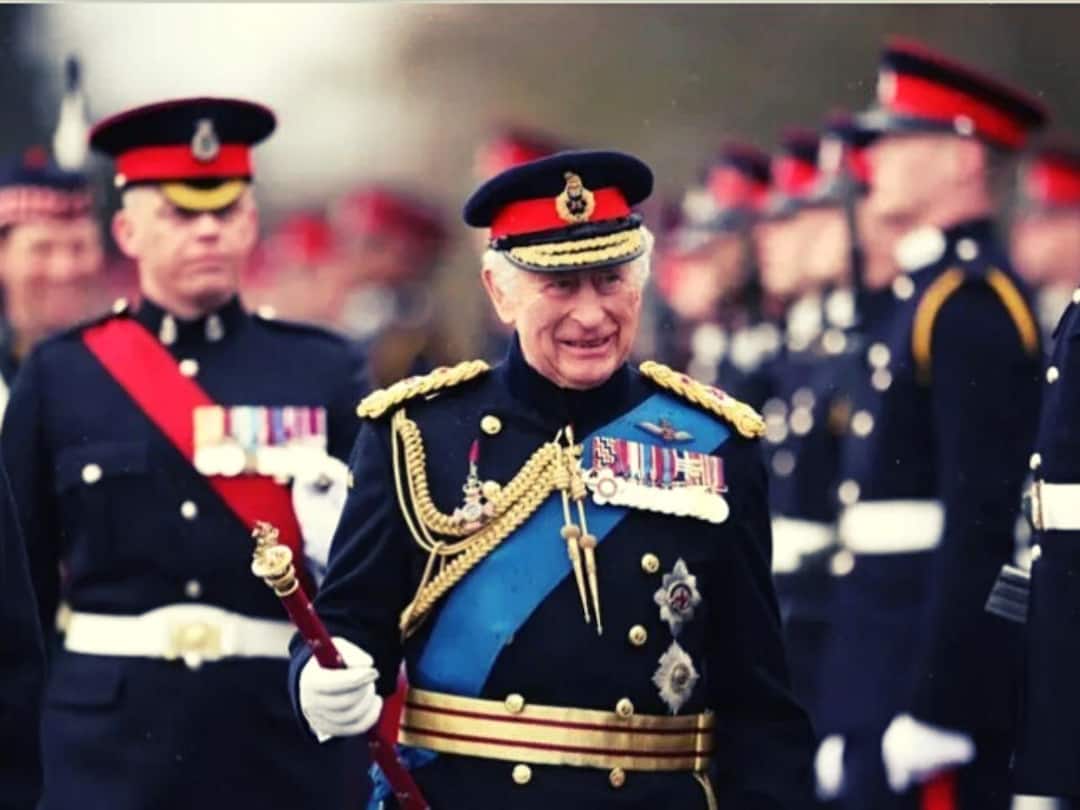
According to recent reports, Greater London’s Metropolitan Police is planning to use live facial recognition technology (LFR) during the coronation of King Charles III at Westminster Abbey, which will reportedly be the biggest operation of its kind in British history. The technology will scan the faces of the hundreds of thousands of people expected to attend and match them against a list of people who are wanted for alleged crimes or who are under relevant offender management programmes in order to keep the public safe.
The announcement comes after new powers to crack down on protests were enacted into law by the government just days before the event. Campaigners fear that the technology could be used against protesters and that police have used it in the past.
The Met has stated that the technology will not be used to quell lawful protest or target activists, but campaigners remain unconvinced. The use of facial recognition technology is a controversial issue, with many arguing that it is a dystopian tool that dilutes our rights and liberties.
The largest previous deployment of LFR was the 2017 Notting Hill carnival when 100,000 faces were scanned. However, the number of people whose faces will be scanned during the coronation is expected to be much higher, making it the largest deployment yet of LFR in the UK and probably the largest ever seen in Europe.
The use of LFR is seen by police as a potentially game-changing crime-fighting tool, though its use by the state in the UK has so far been limited. Security services are also said to be hugely interested in the technology.
The Met has come under pressure from the government and certain Tory MPs to crack down on protests. The force has stated that it will not tolerate criminal acts in the name of protest and will deal robustly with anyone who attempts to undermine the celebration.
Privacy groups, such as Big Brother Watch, have criticized the use of LFR, arguing that it is an authoritarian mass surveillance tool that turns the public into walking ID cards. They have called for the technology not to be used during the coronation, as innocent people attending the event should not be subjected to biometric police identity checks as part of their celebrations.
The use of facial recognition technology, linked to databases of people police are interested in, is potentially the next big leap for law enforcement – as big as the introduction of fingerprinting – and police have been working on it for years.

According to recent reports, Greater London’s Metropolitan Police is planning to use live facial recognition technology (LFR) during the coronation of King Charles III at Westminster Abbey, which will reportedly be the biggest operation of its kind in British history. The technology will scan the faces of the hundreds of thousands of people expected to attend and match them against a list of people who are wanted for alleged crimes or who are under relevant offender management programmes in order to keep the public safe.
The announcement comes after new powers to crack down on protests were enacted into law by the government just days before the event. Campaigners fear that the technology could be used against protesters and that police have used it in the past.
The Met has stated that the technology will not be used to quell lawful protest or target activists, but campaigners remain unconvinced. The use of facial recognition technology is a controversial issue, with many arguing that it is a dystopian tool that dilutes our rights and liberties.
The largest previous deployment of LFR was the 2017 Notting Hill carnival when 100,000 faces were scanned. However, the number of people whose faces will be scanned during the coronation is expected to be much higher, making it the largest deployment yet of LFR in the UK and probably the largest ever seen in Europe.
The use of LFR is seen by police as a potentially game-changing crime-fighting tool, though its use by the state in the UK has so far been limited. Security services are also said to be hugely interested in the technology.
The Met has come under pressure from the government and certain Tory MPs to crack down on protests. The force has stated that it will not tolerate criminal acts in the name of protest and will deal robustly with anyone who attempts to undermine the celebration.
Privacy groups, such as Big Brother Watch, have criticized the use of LFR, arguing that it is an authoritarian mass surveillance tool that turns the public into walking ID cards. They have called for the technology not to be used during the coronation, as innocent people attending the event should not be subjected to biometric police identity checks as part of their celebrations.
The use of facial recognition technology, linked to databases of people police are interested in, is potentially the next big leap for law enforcement – as big as the introduction of fingerprinting – and police have been working on it for years.

According to recent reports, Greater London’s Metropolitan Police is planning to use live facial recognition technology (LFR) during the coronation of King Charles III at Westminster Abbey, which will reportedly be the biggest operation of its kind in British history. The technology will scan the faces of the hundreds of thousands of people expected to attend and match them against a list of people who are wanted for alleged crimes or who are under relevant offender management programmes in order to keep the public safe.
The announcement comes after new powers to crack down on protests were enacted into law by the government just days before the event. Campaigners fear that the technology could be used against protesters and that police have used it in the past.
The Met has stated that the technology will not be used to quell lawful protest or target activists, but campaigners remain unconvinced. The use of facial recognition technology is a controversial issue, with many arguing that it is a dystopian tool that dilutes our rights and liberties.
The largest previous deployment of LFR was the 2017 Notting Hill carnival when 100,000 faces were scanned. However, the number of people whose faces will be scanned during the coronation is expected to be much higher, making it the largest deployment yet of LFR in the UK and probably the largest ever seen in Europe.
The use of LFR is seen by police as a potentially game-changing crime-fighting tool, though its use by the state in the UK has so far been limited. Security services are also said to be hugely interested in the technology.
The Met has come under pressure from the government and certain Tory MPs to crack down on protests. The force has stated that it will not tolerate criminal acts in the name of protest and will deal robustly with anyone who attempts to undermine the celebration.
Privacy groups, such as Big Brother Watch, have criticized the use of LFR, arguing that it is an authoritarian mass surveillance tool that turns the public into walking ID cards. They have called for the technology not to be used during the coronation, as innocent people attending the event should not be subjected to biometric police identity checks as part of their celebrations.
The use of facial recognition technology, linked to databases of people police are interested in, is potentially the next big leap for law enforcement – as big as the introduction of fingerprinting – and police have been working on it for years.
According to recent reports, Greater London’s Metropolitan Police is planning to use live facial recognition technology (LFR) during the coronation of King Charles III at Westminster Abbey, which will reportedly be the biggest operation of its kind in British history. The technology will scan the faces of the hundreds of thousands of people expected to attend and match them against a list of people who are wanted for alleged crimes or who are under relevant offender management programmes in order to keep the public safe.
The announcement comes after new powers to crack down on protests were enacted into law by the government just days before the event. Campaigners fear that the technology could be used against protesters and that police have used it in the past.
The Met has stated that the technology will not be used to quell lawful protest or target activists, but campaigners remain unconvinced. The use of facial recognition technology is a controversial issue, with many arguing that it is a dystopian tool that dilutes our rights and liberties.
The largest previous deployment of LFR was the 2017 Notting Hill carnival when 100,000 faces were scanned. However, the number of people whose faces will be scanned during the coronation is expected to be much higher, making it the largest deployment yet of LFR in the UK and probably the largest ever seen in Europe.
The use of LFR is seen by police as a potentially game-changing crime-fighting tool, though its use by the state in the UK has so far been limited. Security services are also said to be hugely interested in the technology.
The Met has come under pressure from the government and certain Tory MPs to crack down on protests. The force has stated that it will not tolerate criminal acts in the name of protest and will deal robustly with anyone who attempts to undermine the celebration.
Privacy groups, such as Big Brother Watch, have criticized the use of LFR, arguing that it is an authoritarian mass surveillance tool that turns the public into walking ID cards. They have called for the technology not to be used during the coronation, as innocent people attending the event should not be subjected to biometric police identity checks as part of their celebrations.
The use of facial recognition technology, linked to databases of people police are interested in, is potentially the next big leap for law enforcement – as big as the introduction of fingerprinting – and police have been working on it for years.

According to recent reports, Greater London’s Metropolitan Police is planning to use live facial recognition technology (LFR) during the coronation of King Charles III at Westminster Abbey, which will reportedly be the biggest operation of its kind in British history. The technology will scan the faces of the hundreds of thousands of people expected to attend and match them against a list of people who are wanted for alleged crimes or who are under relevant offender management programmes in order to keep the public safe.
The announcement comes after new powers to crack down on protests were enacted into law by the government just days before the event. Campaigners fear that the technology could be used against protesters and that police have used it in the past.
The Met has stated that the technology will not be used to quell lawful protest or target activists, but campaigners remain unconvinced. The use of facial recognition technology is a controversial issue, with many arguing that it is a dystopian tool that dilutes our rights and liberties.
The largest previous deployment of LFR was the 2017 Notting Hill carnival when 100,000 faces were scanned. However, the number of people whose faces will be scanned during the coronation is expected to be much higher, making it the largest deployment yet of LFR in the UK and probably the largest ever seen in Europe.
The use of LFR is seen by police as a potentially game-changing crime-fighting tool, though its use by the state in the UK has so far been limited. Security services are also said to be hugely interested in the technology.
The Met has come under pressure from the government and certain Tory MPs to crack down on protests. The force has stated that it will not tolerate criminal acts in the name of protest and will deal robustly with anyone who attempts to undermine the celebration.
Privacy groups, such as Big Brother Watch, have criticized the use of LFR, arguing that it is an authoritarian mass surveillance tool that turns the public into walking ID cards. They have called for the technology not to be used during the coronation, as innocent people attending the event should not be subjected to biometric police identity checks as part of their celebrations.
The use of facial recognition technology, linked to databases of people police are interested in, is potentially the next big leap for law enforcement – as big as the introduction of fingerprinting – and police have been working on it for years.
According to recent reports, Greater London’s Metropolitan Police is planning to use live facial recognition technology (LFR) during the coronation of King Charles III at Westminster Abbey, which will reportedly be the biggest operation of its kind in British history. The technology will scan the faces of the hundreds of thousands of people expected to attend and match them against a list of people who are wanted for alleged crimes or who are under relevant offender management programmes in order to keep the public safe.
The announcement comes after new powers to crack down on protests were enacted into law by the government just days before the event. Campaigners fear that the technology could be used against protesters and that police have used it in the past.
The Met has stated that the technology will not be used to quell lawful protest or target activists, but campaigners remain unconvinced. The use of facial recognition technology is a controversial issue, with many arguing that it is a dystopian tool that dilutes our rights and liberties.
The largest previous deployment of LFR was the 2017 Notting Hill carnival when 100,000 faces were scanned. However, the number of people whose faces will be scanned during the coronation is expected to be much higher, making it the largest deployment yet of LFR in the UK and probably the largest ever seen in Europe.
The use of LFR is seen by police as a potentially game-changing crime-fighting tool, though its use by the state in the UK has so far been limited. Security services are also said to be hugely interested in the technology.
The Met has come under pressure from the government and certain Tory MPs to crack down on protests. The force has stated that it will not tolerate criminal acts in the name of protest and will deal robustly with anyone who attempts to undermine the celebration.
Privacy groups, such as Big Brother Watch, have criticized the use of LFR, arguing that it is an authoritarian mass surveillance tool that turns the public into walking ID cards. They have called for the technology not to be used during the coronation, as innocent people attending the event should not be subjected to biometric police identity checks as part of their celebrations.
The use of facial recognition technology, linked to databases of people police are interested in, is potentially the next big leap for law enforcement – as big as the introduction of fingerprinting – and police have been working on it for years.
According to recent reports, Greater London’s Metropolitan Police is planning to use live facial recognition technology (LFR) during the coronation of King Charles III at Westminster Abbey, which will reportedly be the biggest operation of its kind in British history. The technology will scan the faces of the hundreds of thousands of people expected to attend and match them against a list of people who are wanted for alleged crimes or who are under relevant offender management programmes in order to keep the public safe.
The announcement comes after new powers to crack down on protests were enacted into law by the government just days before the event. Campaigners fear that the technology could be used against protesters and that police have used it in the past.
The Met has stated that the technology will not be used to quell lawful protest or target activists, but campaigners remain unconvinced. The use of facial recognition technology is a controversial issue, with many arguing that it is a dystopian tool that dilutes our rights and liberties.
The largest previous deployment of LFR was the 2017 Notting Hill carnival when 100,000 faces were scanned. However, the number of people whose faces will be scanned during the coronation is expected to be much higher, making it the largest deployment yet of LFR in the UK and probably the largest ever seen in Europe.
The use of LFR is seen by police as a potentially game-changing crime-fighting tool, though its use by the state in the UK has so far been limited. Security services are also said to be hugely interested in the technology.
The Met has come under pressure from the government and certain Tory MPs to crack down on protests. The force has stated that it will not tolerate criminal acts in the name of protest and will deal robustly with anyone who attempts to undermine the celebration.
Privacy groups, such as Big Brother Watch, have criticized the use of LFR, arguing that it is an authoritarian mass surveillance tool that turns the public into walking ID cards. They have called for the technology not to be used during the coronation, as innocent people attending the event should not be subjected to biometric police identity checks as part of their celebrations.
The use of facial recognition technology, linked to databases of people police are interested in, is potentially the next big leap for law enforcement – as big as the introduction of fingerprinting – and police have been working on it for years.
According to recent reports, Greater London’s Metropolitan Police is planning to use live facial recognition technology (LFR) during the coronation of King Charles III at Westminster Abbey, which will reportedly be the biggest operation of its kind in British history. The technology will scan the faces of the hundreds of thousands of people expected to attend and match them against a list of people who are wanted for alleged crimes or who are under relevant offender management programmes in order to keep the public safe.
The announcement comes after new powers to crack down on protests were enacted into law by the government just days before the event. Campaigners fear that the technology could be used against protesters and that police have used it in the past.
The Met has stated that the technology will not be used to quell lawful protest or target activists, but campaigners remain unconvinced. The use of facial recognition technology is a controversial issue, with many arguing that it is a dystopian tool that dilutes our rights and liberties.
The largest previous deployment of LFR was the 2017 Notting Hill carnival when 100,000 faces were scanned. However, the number of people whose faces will be scanned during the coronation is expected to be much higher, making it the largest deployment yet of LFR in the UK and probably the largest ever seen in Europe.
The use of LFR is seen by police as a potentially game-changing crime-fighting tool, though its use by the state in the UK has so far been limited. Security services are also said to be hugely interested in the technology.
The Met has come under pressure from the government and certain Tory MPs to crack down on protests. The force has stated that it will not tolerate criminal acts in the name of protest and will deal robustly with anyone who attempts to undermine the celebration.
Privacy groups, such as Big Brother Watch, have criticized the use of LFR, arguing that it is an authoritarian mass surveillance tool that turns the public into walking ID cards. They have called for the technology not to be used during the coronation, as innocent people attending the event should not be subjected to biometric police identity checks as part of their celebrations.
The use of facial recognition technology, linked to databases of people police are interested in, is potentially the next big leap for law enforcement – as big as the introduction of fingerprinting – and police have been working on it for years.

According to recent reports, Greater London’s Metropolitan Police is planning to use live facial recognition technology (LFR) during the coronation of King Charles III at Westminster Abbey, which will reportedly be the biggest operation of its kind in British history. The technology will scan the faces of the hundreds of thousands of people expected to attend and match them against a list of people who are wanted for alleged crimes or who are under relevant offender management programmes in order to keep the public safe.
The announcement comes after new powers to crack down on protests were enacted into law by the government just days before the event. Campaigners fear that the technology could be used against protesters and that police have used it in the past.
The Met has stated that the technology will not be used to quell lawful protest or target activists, but campaigners remain unconvinced. The use of facial recognition technology is a controversial issue, with many arguing that it is a dystopian tool that dilutes our rights and liberties.
The largest previous deployment of LFR was the 2017 Notting Hill carnival when 100,000 faces were scanned. However, the number of people whose faces will be scanned during the coronation is expected to be much higher, making it the largest deployment yet of LFR in the UK and probably the largest ever seen in Europe.
The use of LFR is seen by police as a potentially game-changing crime-fighting tool, though its use by the state in the UK has so far been limited. Security services are also said to be hugely interested in the technology.
The Met has come under pressure from the government and certain Tory MPs to crack down on protests. The force has stated that it will not tolerate criminal acts in the name of protest and will deal robustly with anyone who attempts to undermine the celebration.
Privacy groups, such as Big Brother Watch, have criticized the use of LFR, arguing that it is an authoritarian mass surveillance tool that turns the public into walking ID cards. They have called for the technology not to be used during the coronation, as innocent people attending the event should not be subjected to biometric police identity checks as part of their celebrations.
The use of facial recognition technology, linked to databases of people police are interested in, is potentially the next big leap for law enforcement – as big as the introduction of fingerprinting – and police have been working on it for years.
According to recent reports, Greater London’s Metropolitan Police is planning to use live facial recognition technology (LFR) during the coronation of King Charles III at Westminster Abbey, which will reportedly be the biggest operation of its kind in British history. The technology will scan the faces of the hundreds of thousands of people expected to attend and match them against a list of people who are wanted for alleged crimes or who are under relevant offender management programmes in order to keep the public safe.
The announcement comes after new powers to crack down on protests were enacted into law by the government just days before the event. Campaigners fear that the technology could be used against protesters and that police have used it in the past.
The Met has stated that the technology will not be used to quell lawful protest or target activists, but campaigners remain unconvinced. The use of facial recognition technology is a controversial issue, with many arguing that it is a dystopian tool that dilutes our rights and liberties.
The largest previous deployment of LFR was the 2017 Notting Hill carnival when 100,000 faces were scanned. However, the number of people whose faces will be scanned during the coronation is expected to be much higher, making it the largest deployment yet of LFR in the UK and probably the largest ever seen in Europe.
The use of LFR is seen by police as a potentially game-changing crime-fighting tool, though its use by the state in the UK has so far been limited. Security services are also said to be hugely interested in the technology.
The Met has come under pressure from the government and certain Tory MPs to crack down on protests. The force has stated that it will not tolerate criminal acts in the name of protest and will deal robustly with anyone who attempts to undermine the celebration.
Privacy groups, such as Big Brother Watch, have criticized the use of LFR, arguing that it is an authoritarian mass surveillance tool that turns the public into walking ID cards. They have called for the technology not to be used during the coronation, as innocent people attending the event should not be subjected to biometric police identity checks as part of their celebrations.
The use of facial recognition technology, linked to databases of people police are interested in, is potentially the next big leap for law enforcement – as big as the introduction of fingerprinting – and police have been working on it for years.
According to recent reports, Greater London’s Metropolitan Police is planning to use live facial recognition technology (LFR) during the coronation of King Charles III at Westminster Abbey, which will reportedly be the biggest operation of its kind in British history. The technology will scan the faces of the hundreds of thousands of people expected to attend and match them against a list of people who are wanted for alleged crimes or who are under relevant offender management programmes in order to keep the public safe.
The announcement comes after new powers to crack down on protests were enacted into law by the government just days before the event. Campaigners fear that the technology could be used against protesters and that police have used it in the past.
The Met has stated that the technology will not be used to quell lawful protest or target activists, but campaigners remain unconvinced. The use of facial recognition technology is a controversial issue, with many arguing that it is a dystopian tool that dilutes our rights and liberties.
The largest previous deployment of LFR was the 2017 Notting Hill carnival when 100,000 faces were scanned. However, the number of people whose faces will be scanned during the coronation is expected to be much higher, making it the largest deployment yet of LFR in the UK and probably the largest ever seen in Europe.
The use of LFR is seen by police as a potentially game-changing crime-fighting tool, though its use by the state in the UK has so far been limited. Security services are also said to be hugely interested in the technology.
The Met has come under pressure from the government and certain Tory MPs to crack down on protests. The force has stated that it will not tolerate criminal acts in the name of protest and will deal robustly with anyone who attempts to undermine the celebration.
Privacy groups, such as Big Brother Watch, have criticized the use of LFR, arguing that it is an authoritarian mass surveillance tool that turns the public into walking ID cards. They have called for the technology not to be used during the coronation, as innocent people attending the event should not be subjected to biometric police identity checks as part of their celebrations.
The use of facial recognition technology, linked to databases of people police are interested in, is potentially the next big leap for law enforcement – as big as the introduction of fingerprinting – and police have been working on it for years.
According to recent reports, Greater London’s Metropolitan Police is planning to use live facial recognition technology (LFR) during the coronation of King Charles III at Westminster Abbey, which will reportedly be the biggest operation of its kind in British history. The technology will scan the faces of the hundreds of thousands of people expected to attend and match them against a list of people who are wanted for alleged crimes or who are under relevant offender management programmes in order to keep the public safe.
The announcement comes after new powers to crack down on protests were enacted into law by the government just days before the event. Campaigners fear that the technology could be used against protesters and that police have used it in the past.
The Met has stated that the technology will not be used to quell lawful protest or target activists, but campaigners remain unconvinced. The use of facial recognition technology is a controversial issue, with many arguing that it is a dystopian tool that dilutes our rights and liberties.
The largest previous deployment of LFR was the 2017 Notting Hill carnival when 100,000 faces were scanned. However, the number of people whose faces will be scanned during the coronation is expected to be much higher, making it the largest deployment yet of LFR in the UK and probably the largest ever seen in Europe.
The use of LFR is seen by police as a potentially game-changing crime-fighting tool, though its use by the state in the UK has so far been limited. Security services are also said to be hugely interested in the technology.
The Met has come under pressure from the government and certain Tory MPs to crack down on protests. The force has stated that it will not tolerate criminal acts in the name of protest and will deal robustly with anyone who attempts to undermine the celebration.
Privacy groups, such as Big Brother Watch, have criticized the use of LFR, arguing that it is an authoritarian mass surveillance tool that turns the public into walking ID cards. They have called for the technology not to be used during the coronation, as innocent people attending the event should not be subjected to biometric police identity checks as part of their celebrations.
The use of facial recognition technology, linked to databases of people police are interested in, is potentially the next big leap for law enforcement – as big as the introduction of fingerprinting – and police have been working on it for years.
According to recent reports, Greater London’s Metropolitan Police is planning to use live facial recognition technology (LFR) during the coronation of King Charles III at Westminster Abbey, which will reportedly be the biggest operation of its kind in British history. The technology will scan the faces of the hundreds of thousands of people expected to attend and match them against a list of people who are wanted for alleged crimes or who are under relevant offender management programmes in order to keep the public safe.
The announcement comes after new powers to crack down on protests were enacted into law by the government just days before the event. Campaigners fear that the technology could be used against protesters and that police have used it in the past.
The Met has stated that the technology will not be used to quell lawful protest or target activists, but campaigners remain unconvinced. The use of facial recognition technology is a controversial issue, with many arguing that it is a dystopian tool that dilutes our rights and liberties.
The largest previous deployment of LFR was the 2017 Notting Hill carnival when 100,000 faces were scanned. However, the number of people whose faces will be scanned during the coronation is expected to be much higher, making it the largest deployment yet of LFR in the UK and probably the largest ever seen in Europe.
The use of LFR is seen by police as a potentially game-changing crime-fighting tool, though its use by the state in the UK has so far been limited. Security services are also said to be hugely interested in the technology.
The Met has come under pressure from the government and certain Tory MPs to crack down on protests. The force has stated that it will not tolerate criminal acts in the name of protest and will deal robustly with anyone who attempts to undermine the celebration.
Privacy groups, such as Big Brother Watch, have criticized the use of LFR, arguing that it is an authoritarian mass surveillance tool that turns the public into walking ID cards. They have called for the technology not to be used during the coronation, as innocent people attending the event should not be subjected to biometric police identity checks as part of their celebrations.
The use of facial recognition technology, linked to databases of people police are interested in, is potentially the next big leap for law enforcement – as big as the introduction of fingerprinting – and police have been working on it for years.
According to recent reports, Greater London’s Metropolitan Police is planning to use live facial recognition technology (LFR) during the coronation of King Charles III at Westminster Abbey, which will reportedly be the biggest operation of its kind in British history. The technology will scan the faces of the hundreds of thousands of people expected to attend and match them against a list of people who are wanted for alleged crimes or who are under relevant offender management programmes in order to keep the public safe.
The announcement comes after new powers to crack down on protests were enacted into law by the government just days before the event. Campaigners fear that the technology could be used against protesters and that police have used it in the past.
The Met has stated that the technology will not be used to quell lawful protest or target activists, but campaigners remain unconvinced. The use of facial recognition technology is a controversial issue, with many arguing that it is a dystopian tool that dilutes our rights and liberties.
The largest previous deployment of LFR was the 2017 Notting Hill carnival when 100,000 faces were scanned. However, the number of people whose faces will be scanned during the coronation is expected to be much higher, making it the largest deployment yet of LFR in the UK and probably the largest ever seen in Europe.
The use of LFR is seen by police as a potentially game-changing crime-fighting tool, though its use by the state in the UK has so far been limited. Security services are also said to be hugely interested in the technology.
The Met has come under pressure from the government and certain Tory MPs to crack down on protests. The force has stated that it will not tolerate criminal acts in the name of protest and will deal robustly with anyone who attempts to undermine the celebration.
Privacy groups, such as Big Brother Watch, have criticized the use of LFR, arguing that it is an authoritarian mass surveillance tool that turns the public into walking ID cards. They have called for the technology not to be used during the coronation, as innocent people attending the event should not be subjected to biometric police identity checks as part of their celebrations.
The use of facial recognition technology, linked to databases of people police are interested in, is potentially the next big leap for law enforcement – as big as the introduction of fingerprinting – and police have been working on it for years.
According to recent reports, Greater London’s Metropolitan Police is planning to use live facial recognition technology (LFR) during the coronation of King Charles III at Westminster Abbey, which will reportedly be the biggest operation of its kind in British history. The technology will scan the faces of the hundreds of thousands of people expected to attend and match them against a list of people who are wanted for alleged crimes or who are under relevant offender management programmes in order to keep the public safe.
The announcement comes after new powers to crack down on protests were enacted into law by the government just days before the event. Campaigners fear that the technology could be used against protesters and that police have used it in the past.
The Met has stated that the technology will not be used to quell lawful protest or target activists, but campaigners remain unconvinced. The use of facial recognition technology is a controversial issue, with many arguing that it is a dystopian tool that dilutes our rights and liberties.
The largest previous deployment of LFR was the 2017 Notting Hill carnival when 100,000 faces were scanned. However, the number of people whose faces will be scanned during the coronation is expected to be much higher, making it the largest deployment yet of LFR in the UK and probably the largest ever seen in Europe.
The use of LFR is seen by police as a potentially game-changing crime-fighting tool, though its use by the state in the UK has so far been limited. Security services are also said to be hugely interested in the technology.
The Met has come under pressure from the government and certain Tory MPs to crack down on protests. The force has stated that it will not tolerate criminal acts in the name of protest and will deal robustly with anyone who attempts to undermine the celebration.
Privacy groups, such as Big Brother Watch, have criticized the use of LFR, arguing that it is an authoritarian mass surveillance tool that turns the public into walking ID cards. They have called for the technology not to be used during the coronation, as innocent people attending the event should not be subjected to biometric police identity checks as part of their celebrations.
The use of facial recognition technology, linked to databases of people police are interested in, is potentially the next big leap for law enforcement – as big as the introduction of fingerprinting – and police have been working on it for years.
According to recent reports, Greater London’s Metropolitan Police is planning to use live facial recognition technology (LFR) during the coronation of King Charles III at Westminster Abbey, which will reportedly be the biggest operation of its kind in British history. The technology will scan the faces of the hundreds of thousands of people expected to attend and match them against a list of people who are wanted for alleged crimes or who are under relevant offender management programmes in order to keep the public safe.
The announcement comes after new powers to crack down on protests were enacted into law by the government just days before the event. Campaigners fear that the technology could be used against protesters and that police have used it in the past.
The Met has stated that the technology will not be used to quell lawful protest or target activists, but campaigners remain unconvinced. The use of facial recognition technology is a controversial issue, with many arguing that it is a dystopian tool that dilutes our rights and liberties.
The largest previous deployment of LFR was the 2017 Notting Hill carnival when 100,000 faces were scanned. However, the number of people whose faces will be scanned during the coronation is expected to be much higher, making it the largest deployment yet of LFR in the UK and probably the largest ever seen in Europe.
The use of LFR is seen by police as a potentially game-changing crime-fighting tool, though its use by the state in the UK has so far been limited. Security services are also said to be hugely interested in the technology.
The Met has come under pressure from the government and certain Tory MPs to crack down on protests. The force has stated that it will not tolerate criminal acts in the name of protest and will deal robustly with anyone who attempts to undermine the celebration.
Privacy groups, such as Big Brother Watch, have criticized the use of LFR, arguing that it is an authoritarian mass surveillance tool that turns the public into walking ID cards. They have called for the technology not to be used during the coronation, as innocent people attending the event should not be subjected to biometric police identity checks as part of their celebrations.
The use of facial recognition technology, linked to databases of people police are interested in, is potentially the next big leap for law enforcement – as big as the introduction of fingerprinting – and police have been working on it for years.

