

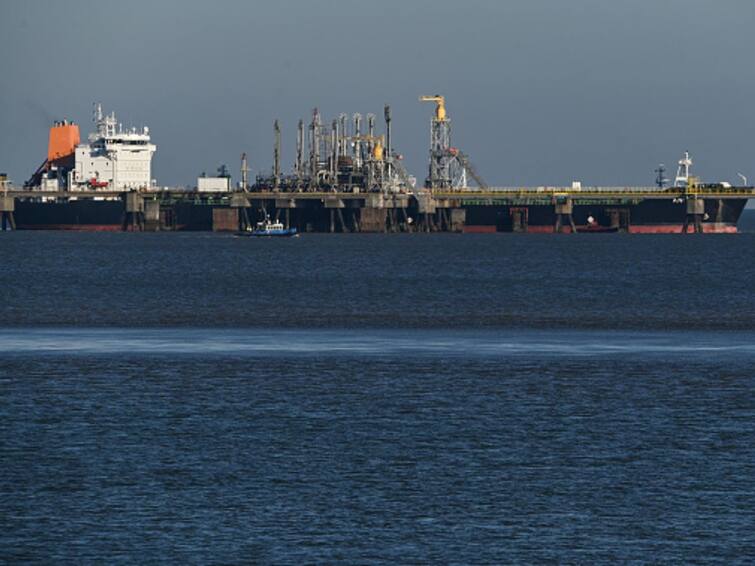
One of US’ closest allies in Asia, Japan, has begun purchasing Russian oil at prices above the cap of $60-a-barrel, as reported by the Wall Street Journal. According to the report, Japan got the US to agree to the exception, saying it needed it to ensure access to Russian energy.
The concession shows Japan’s reliance on Russia for fossil fuels, which analysts said contributed to a hesitancy in Tokyo to back Ukraine more fully in its war with Russia.
After western sanctions, many European countries weaned themselves off Russian oil in response to the invasion of Ukraine. However, Japan has stepped up its purchases of Russian natural gas over the past year. The report said that Japan is the only Group of Seven nation not to supply lethal weapons to Ukraine, and Prime Minister Fumio Kishida was the last G-7 leader to visit Ukraine after Russia’s invasion.
The oil purchases, though tiny and authorised by the US, represent a break in the unity of US-led efforts to impose a global $60-a-barrel cap on purchases of Russian crude oil.
The cap works because oil-buying nations, even if they aren’t aligned with the US, generally need to use insurance and other services from companies based in the US or one of its allies. The G-7, the European Union and Australia have agreed to rules forbidding those companies from furnishing services if a buyer of Russian oil is paying more than $60-a-barrel.
The prime minister has said the G-7 summit he is hosting this May in his hometown of Hiroshima will demonstrate solidarity with Ukraine. Tokyo has said it is committed to supporting Kyiv and can’t send weapons because of longstanding export restrictions the cabinet has imposed on itself. “We absolutely will not allow Russia’s outrageous act, and we are imposing strict sanctions on Russia in order to stop Russia’s invasion as soon as possible,” said chief government spokesman Hirokazu Matsuno.
The nations last year granted an exception to the cap through September 30 for oil purchased by Japan from the Sakhalin-2 project in Russia’s Far East.
An official of Japan’s Ministry of Economy, Trade and Industry said Tokyo wanted to ensure access to Sakhalin-2’s main product, natural gas, which is liquefied and shipped to Japan. “We have done this with an eye toward having a stable supply of energy for Japan,” the official said.

One of US’ closest allies in Asia, Japan, has begun purchasing Russian oil at prices above the cap of $60-a-barrel, as reported by the Wall Street Journal. According to the report, Japan got the US to agree to the exception, saying it needed it to ensure access to Russian energy.
The concession shows Japan’s reliance on Russia for fossil fuels, which analysts said contributed to a hesitancy in Tokyo to back Ukraine more fully in its war with Russia.
After western sanctions, many European countries weaned themselves off Russian oil in response to the invasion of Ukraine. However, Japan has stepped up its purchases of Russian natural gas over the past year. The report said that Japan is the only Group of Seven nation not to supply lethal weapons to Ukraine, and Prime Minister Fumio Kishida was the last G-7 leader to visit Ukraine after Russia’s invasion.
The oil purchases, though tiny and authorised by the US, represent a break in the unity of US-led efforts to impose a global $60-a-barrel cap on purchases of Russian crude oil.
The cap works because oil-buying nations, even if they aren’t aligned with the US, generally need to use insurance and other services from companies based in the US or one of its allies. The G-7, the European Union and Australia have agreed to rules forbidding those companies from furnishing services if a buyer of Russian oil is paying more than $60-a-barrel.
The prime minister has said the G-7 summit he is hosting this May in his hometown of Hiroshima will demonstrate solidarity with Ukraine. Tokyo has said it is committed to supporting Kyiv and can’t send weapons because of longstanding export restrictions the cabinet has imposed on itself. “We absolutely will not allow Russia’s outrageous act, and we are imposing strict sanctions on Russia in order to stop Russia’s invasion as soon as possible,” said chief government spokesman Hirokazu Matsuno.
The nations last year granted an exception to the cap through September 30 for oil purchased by Japan from the Sakhalin-2 project in Russia’s Far East.
An official of Japan’s Ministry of Economy, Trade and Industry said Tokyo wanted to ensure access to Sakhalin-2’s main product, natural gas, which is liquefied and shipped to Japan. “We have done this with an eye toward having a stable supply of energy for Japan,” the official said.

One of US’ closest allies in Asia, Japan, has begun purchasing Russian oil at prices above the cap of $60-a-barrel, as reported by the Wall Street Journal. According to the report, Japan got the US to agree to the exception, saying it needed it to ensure access to Russian energy.
The concession shows Japan’s reliance on Russia for fossil fuels, which analysts said contributed to a hesitancy in Tokyo to back Ukraine more fully in its war with Russia.
After western sanctions, many European countries weaned themselves off Russian oil in response to the invasion of Ukraine. However, Japan has stepped up its purchases of Russian natural gas over the past year. The report said that Japan is the only Group of Seven nation not to supply lethal weapons to Ukraine, and Prime Minister Fumio Kishida was the last G-7 leader to visit Ukraine after Russia’s invasion.
The oil purchases, though tiny and authorised by the US, represent a break in the unity of US-led efforts to impose a global $60-a-barrel cap on purchases of Russian crude oil.
The cap works because oil-buying nations, even if they aren’t aligned with the US, generally need to use insurance and other services from companies based in the US or one of its allies. The G-7, the European Union and Australia have agreed to rules forbidding those companies from furnishing services if a buyer of Russian oil is paying more than $60-a-barrel.
The prime minister has said the G-7 summit he is hosting this May in his hometown of Hiroshima will demonstrate solidarity with Ukraine. Tokyo has said it is committed to supporting Kyiv and can’t send weapons because of longstanding export restrictions the cabinet has imposed on itself. “We absolutely will not allow Russia’s outrageous act, and we are imposing strict sanctions on Russia in order to stop Russia’s invasion as soon as possible,” said chief government spokesman Hirokazu Matsuno.
The nations last year granted an exception to the cap through September 30 for oil purchased by Japan from the Sakhalin-2 project in Russia’s Far East.
An official of Japan’s Ministry of Economy, Trade and Industry said Tokyo wanted to ensure access to Sakhalin-2’s main product, natural gas, which is liquefied and shipped to Japan. “We have done this with an eye toward having a stable supply of energy for Japan,” the official said.
One of US’ closest allies in Asia, Japan, has begun purchasing Russian oil at prices above the cap of $60-a-barrel, as reported by the Wall Street Journal. According to the report, Japan got the US to agree to the exception, saying it needed it to ensure access to Russian energy.
The concession shows Japan’s reliance on Russia for fossil fuels, which analysts said contributed to a hesitancy in Tokyo to back Ukraine more fully in its war with Russia.
After western sanctions, many European countries weaned themselves off Russian oil in response to the invasion of Ukraine. However, Japan has stepped up its purchases of Russian natural gas over the past year. The report said that Japan is the only Group of Seven nation not to supply lethal weapons to Ukraine, and Prime Minister Fumio Kishida was the last G-7 leader to visit Ukraine after Russia’s invasion.
The oil purchases, though tiny and authorised by the US, represent a break in the unity of US-led efforts to impose a global $60-a-barrel cap on purchases of Russian crude oil.
The cap works because oil-buying nations, even if they aren’t aligned with the US, generally need to use insurance and other services from companies based in the US or one of its allies. The G-7, the European Union and Australia have agreed to rules forbidding those companies from furnishing services if a buyer of Russian oil is paying more than $60-a-barrel.
The prime minister has said the G-7 summit he is hosting this May in his hometown of Hiroshima will demonstrate solidarity with Ukraine. Tokyo has said it is committed to supporting Kyiv and can’t send weapons because of longstanding export restrictions the cabinet has imposed on itself. “We absolutely will not allow Russia’s outrageous act, and we are imposing strict sanctions on Russia in order to stop Russia’s invasion as soon as possible,” said chief government spokesman Hirokazu Matsuno.
The nations last year granted an exception to the cap through September 30 for oil purchased by Japan from the Sakhalin-2 project in Russia’s Far East.
An official of Japan’s Ministry of Economy, Trade and Industry said Tokyo wanted to ensure access to Sakhalin-2’s main product, natural gas, which is liquefied and shipped to Japan. “We have done this with an eye toward having a stable supply of energy for Japan,” the official said.

One of US’ closest allies in Asia, Japan, has begun purchasing Russian oil at prices above the cap of $60-a-barrel, as reported by the Wall Street Journal. According to the report, Japan got the US to agree to the exception, saying it needed it to ensure access to Russian energy.
The concession shows Japan’s reliance on Russia for fossil fuels, which analysts said contributed to a hesitancy in Tokyo to back Ukraine more fully in its war with Russia.
After western sanctions, many European countries weaned themselves off Russian oil in response to the invasion of Ukraine. However, Japan has stepped up its purchases of Russian natural gas over the past year. The report said that Japan is the only Group of Seven nation not to supply lethal weapons to Ukraine, and Prime Minister Fumio Kishida was the last G-7 leader to visit Ukraine after Russia’s invasion.
The oil purchases, though tiny and authorised by the US, represent a break in the unity of US-led efforts to impose a global $60-a-barrel cap on purchases of Russian crude oil.
The cap works because oil-buying nations, even if they aren’t aligned with the US, generally need to use insurance and other services from companies based in the US or one of its allies. The G-7, the European Union and Australia have agreed to rules forbidding those companies from furnishing services if a buyer of Russian oil is paying more than $60-a-barrel.
The prime minister has said the G-7 summit he is hosting this May in his hometown of Hiroshima will demonstrate solidarity with Ukraine. Tokyo has said it is committed to supporting Kyiv and can’t send weapons because of longstanding export restrictions the cabinet has imposed on itself. “We absolutely will not allow Russia’s outrageous act, and we are imposing strict sanctions on Russia in order to stop Russia’s invasion as soon as possible,” said chief government spokesman Hirokazu Matsuno.
The nations last year granted an exception to the cap through September 30 for oil purchased by Japan from the Sakhalin-2 project in Russia’s Far East.
An official of Japan’s Ministry of Economy, Trade and Industry said Tokyo wanted to ensure access to Sakhalin-2’s main product, natural gas, which is liquefied and shipped to Japan. “We have done this with an eye toward having a stable supply of energy for Japan,” the official said.
One of US’ closest allies in Asia, Japan, has begun purchasing Russian oil at prices above the cap of $60-a-barrel, as reported by the Wall Street Journal. According to the report, Japan got the US to agree to the exception, saying it needed it to ensure access to Russian energy.
The concession shows Japan’s reliance on Russia for fossil fuels, which analysts said contributed to a hesitancy in Tokyo to back Ukraine more fully in its war with Russia.
After western sanctions, many European countries weaned themselves off Russian oil in response to the invasion of Ukraine. However, Japan has stepped up its purchases of Russian natural gas over the past year. The report said that Japan is the only Group of Seven nation not to supply lethal weapons to Ukraine, and Prime Minister Fumio Kishida was the last G-7 leader to visit Ukraine after Russia’s invasion.
The oil purchases, though tiny and authorised by the US, represent a break in the unity of US-led efforts to impose a global $60-a-barrel cap on purchases of Russian crude oil.
The cap works because oil-buying nations, even if they aren’t aligned with the US, generally need to use insurance and other services from companies based in the US or one of its allies. The G-7, the European Union and Australia have agreed to rules forbidding those companies from furnishing services if a buyer of Russian oil is paying more than $60-a-barrel.
The prime minister has said the G-7 summit he is hosting this May in his hometown of Hiroshima will demonstrate solidarity with Ukraine. Tokyo has said it is committed to supporting Kyiv and can’t send weapons because of longstanding export restrictions the cabinet has imposed on itself. “We absolutely will not allow Russia’s outrageous act, and we are imposing strict sanctions on Russia in order to stop Russia’s invasion as soon as possible,” said chief government spokesman Hirokazu Matsuno.
The nations last year granted an exception to the cap through September 30 for oil purchased by Japan from the Sakhalin-2 project in Russia’s Far East.
An official of Japan’s Ministry of Economy, Trade and Industry said Tokyo wanted to ensure access to Sakhalin-2’s main product, natural gas, which is liquefied and shipped to Japan. “We have done this with an eye toward having a stable supply of energy for Japan,” the official said.
One of US’ closest allies in Asia, Japan, has begun purchasing Russian oil at prices above the cap of $60-a-barrel, as reported by the Wall Street Journal. According to the report, Japan got the US to agree to the exception, saying it needed it to ensure access to Russian energy.
The concession shows Japan’s reliance on Russia for fossil fuels, which analysts said contributed to a hesitancy in Tokyo to back Ukraine more fully in its war with Russia.
After western sanctions, many European countries weaned themselves off Russian oil in response to the invasion of Ukraine. However, Japan has stepped up its purchases of Russian natural gas over the past year. The report said that Japan is the only Group of Seven nation not to supply lethal weapons to Ukraine, and Prime Minister Fumio Kishida was the last G-7 leader to visit Ukraine after Russia’s invasion.
The oil purchases, though tiny and authorised by the US, represent a break in the unity of US-led efforts to impose a global $60-a-barrel cap on purchases of Russian crude oil.
The cap works because oil-buying nations, even if they aren’t aligned with the US, generally need to use insurance and other services from companies based in the US or one of its allies. The G-7, the European Union and Australia have agreed to rules forbidding those companies from furnishing services if a buyer of Russian oil is paying more than $60-a-barrel.
The prime minister has said the G-7 summit he is hosting this May in his hometown of Hiroshima will demonstrate solidarity with Ukraine. Tokyo has said it is committed to supporting Kyiv and can’t send weapons because of longstanding export restrictions the cabinet has imposed on itself. “We absolutely will not allow Russia’s outrageous act, and we are imposing strict sanctions on Russia in order to stop Russia’s invasion as soon as possible,” said chief government spokesman Hirokazu Matsuno.
The nations last year granted an exception to the cap through September 30 for oil purchased by Japan from the Sakhalin-2 project in Russia’s Far East.
An official of Japan’s Ministry of Economy, Trade and Industry said Tokyo wanted to ensure access to Sakhalin-2’s main product, natural gas, which is liquefied and shipped to Japan. “We have done this with an eye toward having a stable supply of energy for Japan,” the official said.
One of US’ closest allies in Asia, Japan, has begun purchasing Russian oil at prices above the cap of $60-a-barrel, as reported by the Wall Street Journal. According to the report, Japan got the US to agree to the exception, saying it needed it to ensure access to Russian energy.
The concession shows Japan’s reliance on Russia for fossil fuels, which analysts said contributed to a hesitancy in Tokyo to back Ukraine more fully in its war with Russia.
After western sanctions, many European countries weaned themselves off Russian oil in response to the invasion of Ukraine. However, Japan has stepped up its purchases of Russian natural gas over the past year. The report said that Japan is the only Group of Seven nation not to supply lethal weapons to Ukraine, and Prime Minister Fumio Kishida was the last G-7 leader to visit Ukraine after Russia’s invasion.
The oil purchases, though tiny and authorised by the US, represent a break in the unity of US-led efforts to impose a global $60-a-barrel cap on purchases of Russian crude oil.
The cap works because oil-buying nations, even if they aren’t aligned with the US, generally need to use insurance and other services from companies based in the US or one of its allies. The G-7, the European Union and Australia have agreed to rules forbidding those companies from furnishing services if a buyer of Russian oil is paying more than $60-a-barrel.
The prime minister has said the G-7 summit he is hosting this May in his hometown of Hiroshima will demonstrate solidarity with Ukraine. Tokyo has said it is committed to supporting Kyiv and can’t send weapons because of longstanding export restrictions the cabinet has imposed on itself. “We absolutely will not allow Russia’s outrageous act, and we are imposing strict sanctions on Russia in order to stop Russia’s invasion as soon as possible,” said chief government spokesman Hirokazu Matsuno.
The nations last year granted an exception to the cap through September 30 for oil purchased by Japan from the Sakhalin-2 project in Russia’s Far East.
An official of Japan’s Ministry of Economy, Trade and Industry said Tokyo wanted to ensure access to Sakhalin-2’s main product, natural gas, which is liquefied and shipped to Japan. “We have done this with an eye toward having a stable supply of energy for Japan,” the official said.

One of US’ closest allies in Asia, Japan, has begun purchasing Russian oil at prices above the cap of $60-a-barrel, as reported by the Wall Street Journal. According to the report, Japan got the US to agree to the exception, saying it needed it to ensure access to Russian energy.
The concession shows Japan’s reliance on Russia for fossil fuels, which analysts said contributed to a hesitancy in Tokyo to back Ukraine more fully in its war with Russia.
After western sanctions, many European countries weaned themselves off Russian oil in response to the invasion of Ukraine. However, Japan has stepped up its purchases of Russian natural gas over the past year. The report said that Japan is the only Group of Seven nation not to supply lethal weapons to Ukraine, and Prime Minister Fumio Kishida was the last G-7 leader to visit Ukraine after Russia’s invasion.
The oil purchases, though tiny and authorised by the US, represent a break in the unity of US-led efforts to impose a global $60-a-barrel cap on purchases of Russian crude oil.
The cap works because oil-buying nations, even if they aren’t aligned with the US, generally need to use insurance and other services from companies based in the US or one of its allies. The G-7, the European Union and Australia have agreed to rules forbidding those companies from furnishing services if a buyer of Russian oil is paying more than $60-a-barrel.
The prime minister has said the G-7 summit he is hosting this May in his hometown of Hiroshima will demonstrate solidarity with Ukraine. Tokyo has said it is committed to supporting Kyiv and can’t send weapons because of longstanding export restrictions the cabinet has imposed on itself. “We absolutely will not allow Russia’s outrageous act, and we are imposing strict sanctions on Russia in order to stop Russia’s invasion as soon as possible,” said chief government spokesman Hirokazu Matsuno.
The nations last year granted an exception to the cap through September 30 for oil purchased by Japan from the Sakhalin-2 project in Russia’s Far East.
An official of Japan’s Ministry of Economy, Trade and Industry said Tokyo wanted to ensure access to Sakhalin-2’s main product, natural gas, which is liquefied and shipped to Japan. “We have done this with an eye toward having a stable supply of energy for Japan,” the official said.
One of US’ closest allies in Asia, Japan, has begun purchasing Russian oil at prices above the cap of $60-a-barrel, as reported by the Wall Street Journal. According to the report, Japan got the US to agree to the exception, saying it needed it to ensure access to Russian energy.
The concession shows Japan’s reliance on Russia for fossil fuels, which analysts said contributed to a hesitancy in Tokyo to back Ukraine more fully in its war with Russia.
After western sanctions, many European countries weaned themselves off Russian oil in response to the invasion of Ukraine. However, Japan has stepped up its purchases of Russian natural gas over the past year. The report said that Japan is the only Group of Seven nation not to supply lethal weapons to Ukraine, and Prime Minister Fumio Kishida was the last G-7 leader to visit Ukraine after Russia’s invasion.
The oil purchases, though tiny and authorised by the US, represent a break in the unity of US-led efforts to impose a global $60-a-barrel cap on purchases of Russian crude oil.
The cap works because oil-buying nations, even if they aren’t aligned with the US, generally need to use insurance and other services from companies based in the US or one of its allies. The G-7, the European Union and Australia have agreed to rules forbidding those companies from furnishing services if a buyer of Russian oil is paying more than $60-a-barrel.
The prime minister has said the G-7 summit he is hosting this May in his hometown of Hiroshima will demonstrate solidarity with Ukraine. Tokyo has said it is committed to supporting Kyiv and can’t send weapons because of longstanding export restrictions the cabinet has imposed on itself. “We absolutely will not allow Russia’s outrageous act, and we are imposing strict sanctions on Russia in order to stop Russia’s invasion as soon as possible,” said chief government spokesman Hirokazu Matsuno.
The nations last year granted an exception to the cap through September 30 for oil purchased by Japan from the Sakhalin-2 project in Russia’s Far East.
An official of Japan’s Ministry of Economy, Trade and Industry said Tokyo wanted to ensure access to Sakhalin-2’s main product, natural gas, which is liquefied and shipped to Japan. “We have done this with an eye toward having a stable supply of energy for Japan,” the official said.
One of US’ closest allies in Asia, Japan, has begun purchasing Russian oil at prices above the cap of $60-a-barrel, as reported by the Wall Street Journal. According to the report, Japan got the US to agree to the exception, saying it needed it to ensure access to Russian energy.
The concession shows Japan’s reliance on Russia for fossil fuels, which analysts said contributed to a hesitancy in Tokyo to back Ukraine more fully in its war with Russia.
After western sanctions, many European countries weaned themselves off Russian oil in response to the invasion of Ukraine. However, Japan has stepped up its purchases of Russian natural gas over the past year. The report said that Japan is the only Group of Seven nation not to supply lethal weapons to Ukraine, and Prime Minister Fumio Kishida was the last G-7 leader to visit Ukraine after Russia’s invasion.
The oil purchases, though tiny and authorised by the US, represent a break in the unity of US-led efforts to impose a global $60-a-barrel cap on purchases of Russian crude oil.
The cap works because oil-buying nations, even if they aren’t aligned with the US, generally need to use insurance and other services from companies based in the US or one of its allies. The G-7, the European Union and Australia have agreed to rules forbidding those companies from furnishing services if a buyer of Russian oil is paying more than $60-a-barrel.
The prime minister has said the G-7 summit he is hosting this May in his hometown of Hiroshima will demonstrate solidarity with Ukraine. Tokyo has said it is committed to supporting Kyiv and can’t send weapons because of longstanding export restrictions the cabinet has imposed on itself. “We absolutely will not allow Russia’s outrageous act, and we are imposing strict sanctions on Russia in order to stop Russia’s invasion as soon as possible,” said chief government spokesman Hirokazu Matsuno.
The nations last year granted an exception to the cap through September 30 for oil purchased by Japan from the Sakhalin-2 project in Russia’s Far East.
An official of Japan’s Ministry of Economy, Trade and Industry said Tokyo wanted to ensure access to Sakhalin-2’s main product, natural gas, which is liquefied and shipped to Japan. “We have done this with an eye toward having a stable supply of energy for Japan,” the official said.
One of US’ closest allies in Asia, Japan, has begun purchasing Russian oil at prices above the cap of $60-a-barrel, as reported by the Wall Street Journal. According to the report, Japan got the US to agree to the exception, saying it needed it to ensure access to Russian energy.
The concession shows Japan’s reliance on Russia for fossil fuels, which analysts said contributed to a hesitancy in Tokyo to back Ukraine more fully in its war with Russia.
After western sanctions, many European countries weaned themselves off Russian oil in response to the invasion of Ukraine. However, Japan has stepped up its purchases of Russian natural gas over the past year. The report said that Japan is the only Group of Seven nation not to supply lethal weapons to Ukraine, and Prime Minister Fumio Kishida was the last G-7 leader to visit Ukraine after Russia’s invasion.
The oil purchases, though tiny and authorised by the US, represent a break in the unity of US-led efforts to impose a global $60-a-barrel cap on purchases of Russian crude oil.
The cap works because oil-buying nations, even if they aren’t aligned with the US, generally need to use insurance and other services from companies based in the US or one of its allies. The G-7, the European Union and Australia have agreed to rules forbidding those companies from furnishing services if a buyer of Russian oil is paying more than $60-a-barrel.
The prime minister has said the G-7 summit he is hosting this May in his hometown of Hiroshima will demonstrate solidarity with Ukraine. Tokyo has said it is committed to supporting Kyiv and can’t send weapons because of longstanding export restrictions the cabinet has imposed on itself. “We absolutely will not allow Russia’s outrageous act, and we are imposing strict sanctions on Russia in order to stop Russia’s invasion as soon as possible,” said chief government spokesman Hirokazu Matsuno.
The nations last year granted an exception to the cap through September 30 for oil purchased by Japan from the Sakhalin-2 project in Russia’s Far East.
An official of Japan’s Ministry of Economy, Trade and Industry said Tokyo wanted to ensure access to Sakhalin-2’s main product, natural gas, which is liquefied and shipped to Japan. “We have done this with an eye toward having a stable supply of energy for Japan,” the official said.
One of US’ closest allies in Asia, Japan, has begun purchasing Russian oil at prices above the cap of $60-a-barrel, as reported by the Wall Street Journal. According to the report, Japan got the US to agree to the exception, saying it needed it to ensure access to Russian energy.
The concession shows Japan’s reliance on Russia for fossil fuels, which analysts said contributed to a hesitancy in Tokyo to back Ukraine more fully in its war with Russia.
After western sanctions, many European countries weaned themselves off Russian oil in response to the invasion of Ukraine. However, Japan has stepped up its purchases of Russian natural gas over the past year. The report said that Japan is the only Group of Seven nation not to supply lethal weapons to Ukraine, and Prime Minister Fumio Kishida was the last G-7 leader to visit Ukraine after Russia’s invasion.
The oil purchases, though tiny and authorised by the US, represent a break in the unity of US-led efforts to impose a global $60-a-barrel cap on purchases of Russian crude oil.
The cap works because oil-buying nations, even if they aren’t aligned with the US, generally need to use insurance and other services from companies based in the US or one of its allies. The G-7, the European Union and Australia have agreed to rules forbidding those companies from furnishing services if a buyer of Russian oil is paying more than $60-a-barrel.
The prime minister has said the G-7 summit he is hosting this May in his hometown of Hiroshima will demonstrate solidarity with Ukraine. Tokyo has said it is committed to supporting Kyiv and can’t send weapons because of longstanding export restrictions the cabinet has imposed on itself. “We absolutely will not allow Russia’s outrageous act, and we are imposing strict sanctions on Russia in order to stop Russia’s invasion as soon as possible,” said chief government spokesman Hirokazu Matsuno.
The nations last year granted an exception to the cap through September 30 for oil purchased by Japan from the Sakhalin-2 project in Russia’s Far East.
An official of Japan’s Ministry of Economy, Trade and Industry said Tokyo wanted to ensure access to Sakhalin-2’s main product, natural gas, which is liquefied and shipped to Japan. “We have done this with an eye toward having a stable supply of energy for Japan,” the official said.
One of US’ closest allies in Asia, Japan, has begun purchasing Russian oil at prices above the cap of $60-a-barrel, as reported by the Wall Street Journal. According to the report, Japan got the US to agree to the exception, saying it needed it to ensure access to Russian energy.
The concession shows Japan’s reliance on Russia for fossil fuels, which analysts said contributed to a hesitancy in Tokyo to back Ukraine more fully in its war with Russia.
After western sanctions, many European countries weaned themselves off Russian oil in response to the invasion of Ukraine. However, Japan has stepped up its purchases of Russian natural gas over the past year. The report said that Japan is the only Group of Seven nation not to supply lethal weapons to Ukraine, and Prime Minister Fumio Kishida was the last G-7 leader to visit Ukraine after Russia’s invasion.
The oil purchases, though tiny and authorised by the US, represent a break in the unity of US-led efforts to impose a global $60-a-barrel cap on purchases of Russian crude oil.
The cap works because oil-buying nations, even if they aren’t aligned with the US, generally need to use insurance and other services from companies based in the US or one of its allies. The G-7, the European Union and Australia have agreed to rules forbidding those companies from furnishing services if a buyer of Russian oil is paying more than $60-a-barrel.
The prime minister has said the G-7 summit he is hosting this May in his hometown of Hiroshima will demonstrate solidarity with Ukraine. Tokyo has said it is committed to supporting Kyiv and can’t send weapons because of longstanding export restrictions the cabinet has imposed on itself. “We absolutely will not allow Russia’s outrageous act, and we are imposing strict sanctions on Russia in order to stop Russia’s invasion as soon as possible,” said chief government spokesman Hirokazu Matsuno.
The nations last year granted an exception to the cap through September 30 for oil purchased by Japan from the Sakhalin-2 project in Russia’s Far East.
An official of Japan’s Ministry of Economy, Trade and Industry said Tokyo wanted to ensure access to Sakhalin-2’s main product, natural gas, which is liquefied and shipped to Japan. “We have done this with an eye toward having a stable supply of energy for Japan,” the official said.
One of US’ closest allies in Asia, Japan, has begun purchasing Russian oil at prices above the cap of $60-a-barrel, as reported by the Wall Street Journal. According to the report, Japan got the US to agree to the exception, saying it needed it to ensure access to Russian energy.
The concession shows Japan’s reliance on Russia for fossil fuels, which analysts said contributed to a hesitancy in Tokyo to back Ukraine more fully in its war with Russia.
After western sanctions, many European countries weaned themselves off Russian oil in response to the invasion of Ukraine. However, Japan has stepped up its purchases of Russian natural gas over the past year. The report said that Japan is the only Group of Seven nation not to supply lethal weapons to Ukraine, and Prime Minister Fumio Kishida was the last G-7 leader to visit Ukraine after Russia’s invasion.
The oil purchases, though tiny and authorised by the US, represent a break in the unity of US-led efforts to impose a global $60-a-barrel cap on purchases of Russian crude oil.
The cap works because oil-buying nations, even if they aren’t aligned with the US, generally need to use insurance and other services from companies based in the US or one of its allies. The G-7, the European Union and Australia have agreed to rules forbidding those companies from furnishing services if a buyer of Russian oil is paying more than $60-a-barrel.
The prime minister has said the G-7 summit he is hosting this May in his hometown of Hiroshima will demonstrate solidarity with Ukraine. Tokyo has said it is committed to supporting Kyiv and can’t send weapons because of longstanding export restrictions the cabinet has imposed on itself. “We absolutely will not allow Russia’s outrageous act, and we are imposing strict sanctions on Russia in order to stop Russia’s invasion as soon as possible,” said chief government spokesman Hirokazu Matsuno.
The nations last year granted an exception to the cap through September 30 for oil purchased by Japan from the Sakhalin-2 project in Russia’s Far East.
An official of Japan’s Ministry of Economy, Trade and Industry said Tokyo wanted to ensure access to Sakhalin-2’s main product, natural gas, which is liquefied and shipped to Japan. “We have done this with an eye toward having a stable supply of energy for Japan,” the official said.
One of US’ closest allies in Asia, Japan, has begun purchasing Russian oil at prices above the cap of $60-a-barrel, as reported by the Wall Street Journal. According to the report, Japan got the US to agree to the exception, saying it needed it to ensure access to Russian energy.
The concession shows Japan’s reliance on Russia for fossil fuels, which analysts said contributed to a hesitancy in Tokyo to back Ukraine more fully in its war with Russia.
After western sanctions, many European countries weaned themselves off Russian oil in response to the invasion of Ukraine. However, Japan has stepped up its purchases of Russian natural gas over the past year. The report said that Japan is the only Group of Seven nation not to supply lethal weapons to Ukraine, and Prime Minister Fumio Kishida was the last G-7 leader to visit Ukraine after Russia’s invasion.
The oil purchases, though tiny and authorised by the US, represent a break in the unity of US-led efforts to impose a global $60-a-barrel cap on purchases of Russian crude oil.
The cap works because oil-buying nations, even if they aren’t aligned with the US, generally need to use insurance and other services from companies based in the US or one of its allies. The G-7, the European Union and Australia have agreed to rules forbidding those companies from furnishing services if a buyer of Russian oil is paying more than $60-a-barrel.
The prime minister has said the G-7 summit he is hosting this May in his hometown of Hiroshima will demonstrate solidarity with Ukraine. Tokyo has said it is committed to supporting Kyiv and can’t send weapons because of longstanding export restrictions the cabinet has imposed on itself. “We absolutely will not allow Russia’s outrageous act, and we are imposing strict sanctions on Russia in order to stop Russia’s invasion as soon as possible,” said chief government spokesman Hirokazu Matsuno.
The nations last year granted an exception to the cap through September 30 for oil purchased by Japan from the Sakhalin-2 project in Russia’s Far East.
An official of Japan’s Ministry of Economy, Trade and Industry said Tokyo wanted to ensure access to Sakhalin-2’s main product, natural gas, which is liquefied and shipped to Japan. “We have done this with an eye toward having a stable supply of energy for Japan,” the official said.

