

Israeli Prime Minister Benjamin Netanyahu successfully underwent surgery at Jerusalem’s Hadassah Medical Center to have his prostate removed, hospital officials said on December 29, as quoted by media reports. The 75-year-old leader, who has had a series of health issues in recent years, was diagnosed with a urinary tract infection resulting from a benign prostate enlargement, his office said. Netanyahu, also called Bibi, is likely to remain hospitalised for recovery for a few days.
What Is The Prostate Gland?
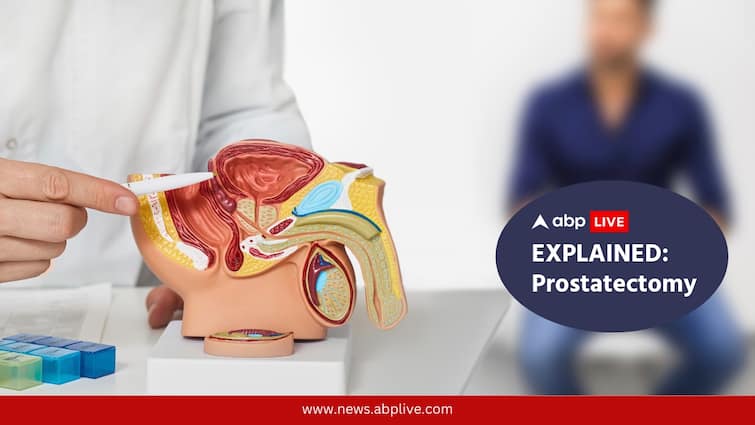
The prostate gland is part of the male reproductive system. It’s located in the pelvis, below the bladder. It surrounds the hollow tube called the urethra that carries urine from the bladder to the penis.
What Is Prostatectomy Or Prostate Removal Surgery?
Prostate removal surgery, also known as a prostatectomy, is a surgical procedure that removes the prostate gland or a part of it. It is performed to treat prostate cancer or benign prostatic hyperplasia (BPH). Prostatectomies are typically performed on healthy patients under 75 years old with localised cancer. According to Mayo Clinic (US), most often, prostatectomy is done to treat cancer that likely hasn’t spread beyond the prostate gland.
Types Of Prostatectomy
Radical prostatectomy: A surgery where the entire prostate, seminal vesicles, and some surrounding tissue are removed. Nearby lymph nodes that appear abnormal may also be removed and tested for cancer. This procedure can be done on its own or combined with radiation or hormone therapy.
Simple prostatectomy: This treats non-cancerous conditions by removing part of the prostate. It’s an option for severe urinary symptoms caused by a significantly enlarged prostate, known as benign prostatic hyperplasia (BPH). Simple prostatectomy for benign prostatic hyperplasia (BPH) removes the part of the prostate blocking urine flow. This relieves symptoms like frequent, urgent urination, difficulty starting, slow or interrupted flow, night-time urination, incomplete bladder emptying, and urinary tract infections.
Transurethral Resection of the Prostate (TURP): This procedure treats urinary symptoms caused by BPH.
Open Surgery: Removes the prostate through a single large incision; used for complex cases.
Laparoscopic Prostatectomy: Uses small incisions and thin tools to remove the prostate.
Robot-Assisted Prostatectomy: A surgeon controls robotic arms to perform the procedure.
Are there risks involved in Radical Prostatectomy?
Like any surgery, radical prostatectomy has risks, including:
- Bleeding
- Urinary tract infection
- Temporary loss of bladder control (urinary incontinence)
- Erectile dysfunction (difficulty maintaining an erection)
- Narrowing of the urethra or bladder neck
- Fluid buildup (lymph)
- Rarely, damage to the intestine or rectum
Can One Live Without The Prostate Gland?
Yes, says Cleveland Clinic website. One can also still have normal sexual intercourse after one has healed. However, the website says, “it may be harder to achieve an erection, and you may have little or no semen when you orgasm”.
The author is a senior independent journalist.
Check out below Health Tools-
Calculate Your Body Mass Index ( BMI )

Israeli Prime Minister Benjamin Netanyahu successfully underwent surgery at Jerusalem’s Hadassah Medical Center to have his prostate removed, hospital officials said on December 29, as quoted by media reports. The 75-year-old leader, who has had a series of health issues in recent years, was diagnosed with a urinary tract infection resulting from a benign prostate enlargement, his office said. Netanyahu, also called Bibi, is likely to remain hospitalised for recovery for a few days.
What Is The Prostate Gland?
The prostate gland is part of the male reproductive system. It’s located in the pelvis, below the bladder. It surrounds the hollow tube called the urethra that carries urine from the bladder to the penis.
What Is Prostatectomy Or Prostate Removal Surgery?
Prostate removal surgery, also known as a prostatectomy, is a surgical procedure that removes the prostate gland or a part of it. It is performed to treat prostate cancer or benign prostatic hyperplasia (BPH). Prostatectomies are typically performed on healthy patients under 75 years old with localised cancer. According to Mayo Clinic (US), most often, prostatectomy is done to treat cancer that likely hasn’t spread beyond the prostate gland.
Types Of Prostatectomy
Radical prostatectomy: A surgery where the entire prostate, seminal vesicles, and some surrounding tissue are removed. Nearby lymph nodes that appear abnormal may also be removed and tested for cancer. This procedure can be done on its own or combined with radiation or hormone therapy.
Simple prostatectomy: This treats non-cancerous conditions by removing part of the prostate. It’s an option for severe urinary symptoms caused by a significantly enlarged prostate, known as benign prostatic hyperplasia (BPH). Simple prostatectomy for benign prostatic hyperplasia (BPH) removes the part of the prostate blocking urine flow. This relieves symptoms like frequent, urgent urination, difficulty starting, slow or interrupted flow, night-time urination, incomplete bladder emptying, and urinary tract infections.
Transurethral Resection of the Prostate (TURP): This procedure treats urinary symptoms caused by BPH.
Open Surgery: Removes the prostate through a single large incision; used for complex cases.
Laparoscopic Prostatectomy: Uses small incisions and thin tools to remove the prostate.
Robot-Assisted Prostatectomy: A surgeon controls robotic arms to perform the procedure.
Are there risks involved in Radical Prostatectomy?
Like any surgery, radical prostatectomy has risks, including:
- Bleeding
- Urinary tract infection
- Temporary loss of bladder control (urinary incontinence)
- Erectile dysfunction (difficulty maintaining an erection)
- Narrowing of the urethra or bladder neck
- Fluid buildup (lymph)
- Rarely, damage to the intestine or rectum
Can One Live Without The Prostate Gland?
Yes, says Cleveland Clinic website. One can also still have normal sexual intercourse after one has healed. However, the website says, “it may be harder to achieve an erection, and you may have little or no semen when you orgasm”.
The author is a senior independent journalist.
Check out below Health Tools-
Calculate Your Body Mass Index ( BMI )

Israeli Prime Minister Benjamin Netanyahu successfully underwent surgery at Jerusalem’s Hadassah Medical Center to have his prostate removed, hospital officials said on December 29, as quoted by media reports. The 75-year-old leader, who has had a series of health issues in recent years, was diagnosed with a urinary tract infection resulting from a benign prostate enlargement, his office said. Netanyahu, also called Bibi, is likely to remain hospitalised for recovery for a few days.
What Is The Prostate Gland?
The prostate gland is part of the male reproductive system. It’s located in the pelvis, below the bladder. It surrounds the hollow tube called the urethra that carries urine from the bladder to the penis.
What Is Prostatectomy Or Prostate Removal Surgery?
Prostate removal surgery, also known as a prostatectomy, is a surgical procedure that removes the prostate gland or a part of it. It is performed to treat prostate cancer or benign prostatic hyperplasia (BPH). Prostatectomies are typically performed on healthy patients under 75 years old with localised cancer. According to Mayo Clinic (US), most often, prostatectomy is done to treat cancer that likely hasn’t spread beyond the prostate gland.
Types Of Prostatectomy
Radical prostatectomy: A surgery where the entire prostate, seminal vesicles, and some surrounding tissue are removed. Nearby lymph nodes that appear abnormal may also be removed and tested for cancer. This procedure can be done on its own or combined with radiation or hormone therapy.
Simple prostatectomy: This treats non-cancerous conditions by removing part of the prostate. It’s an option for severe urinary symptoms caused by a significantly enlarged prostate, known as benign prostatic hyperplasia (BPH). Simple prostatectomy for benign prostatic hyperplasia (BPH) removes the part of the prostate blocking urine flow. This relieves symptoms like frequent, urgent urination, difficulty starting, slow or interrupted flow, night-time urination, incomplete bladder emptying, and urinary tract infections.
Transurethral Resection of the Prostate (TURP): This procedure treats urinary symptoms caused by BPH.
Open Surgery: Removes the prostate through a single large incision; used for complex cases.
Laparoscopic Prostatectomy: Uses small incisions and thin tools to remove the prostate.
Robot-Assisted Prostatectomy: A surgeon controls robotic arms to perform the procedure.
Are there risks involved in Radical Prostatectomy?
Like any surgery, radical prostatectomy has risks, including:
- Bleeding
- Urinary tract infection
- Temporary loss of bladder control (urinary incontinence)
- Erectile dysfunction (difficulty maintaining an erection)
- Narrowing of the urethra or bladder neck
- Fluid buildup (lymph)
- Rarely, damage to the intestine or rectum
Can One Live Without The Prostate Gland?
Yes, says Cleveland Clinic website. One can also still have normal sexual intercourse after one has healed. However, the website says, “it may be harder to achieve an erection, and you may have little or no semen when you orgasm”.
The author is a senior independent journalist.
Check out below Health Tools-
Calculate Your Body Mass Index ( BMI )
Israeli Prime Minister Benjamin Netanyahu successfully underwent surgery at Jerusalem’s Hadassah Medical Center to have his prostate removed, hospital officials said on December 29, as quoted by media reports. The 75-year-old leader, who has had a series of health issues in recent years, was diagnosed with a urinary tract infection resulting from a benign prostate enlargement, his office said. Netanyahu, also called Bibi, is likely to remain hospitalised for recovery for a few days.
What Is The Prostate Gland?
The prostate gland is part of the male reproductive system. It’s located in the pelvis, below the bladder. It surrounds the hollow tube called the urethra that carries urine from the bladder to the penis.
What Is Prostatectomy Or Prostate Removal Surgery?
Prostate removal surgery, also known as a prostatectomy, is a surgical procedure that removes the prostate gland or a part of it. It is performed to treat prostate cancer or benign prostatic hyperplasia (BPH). Prostatectomies are typically performed on healthy patients under 75 years old with localised cancer. According to Mayo Clinic (US), most often, prostatectomy is done to treat cancer that likely hasn’t spread beyond the prostate gland.
Types Of Prostatectomy
Radical prostatectomy: A surgery where the entire prostate, seminal vesicles, and some surrounding tissue are removed. Nearby lymph nodes that appear abnormal may also be removed and tested for cancer. This procedure can be done on its own or combined with radiation or hormone therapy.
Simple prostatectomy: This treats non-cancerous conditions by removing part of the prostate. It’s an option for severe urinary symptoms caused by a significantly enlarged prostate, known as benign prostatic hyperplasia (BPH). Simple prostatectomy for benign prostatic hyperplasia (BPH) removes the part of the prostate blocking urine flow. This relieves symptoms like frequent, urgent urination, difficulty starting, slow or interrupted flow, night-time urination, incomplete bladder emptying, and urinary tract infections.
Transurethral Resection of the Prostate (TURP): This procedure treats urinary symptoms caused by BPH.
Open Surgery: Removes the prostate through a single large incision; used for complex cases.
Laparoscopic Prostatectomy: Uses small incisions and thin tools to remove the prostate.
Robot-Assisted Prostatectomy: A surgeon controls robotic arms to perform the procedure.
Are there risks involved in Radical Prostatectomy?
Like any surgery, radical prostatectomy has risks, including:
- Bleeding
- Urinary tract infection
- Temporary loss of bladder control (urinary incontinence)
- Erectile dysfunction (difficulty maintaining an erection)
- Narrowing of the urethra or bladder neck
- Fluid buildup (lymph)
- Rarely, damage to the intestine or rectum
Can One Live Without The Prostate Gland?
Yes, says Cleveland Clinic website. One can also still have normal sexual intercourse after one has healed. However, the website says, “it may be harder to achieve an erection, and you may have little or no semen when you orgasm”.
The author is a senior independent journalist.
Check out below Health Tools-
Calculate Your Body Mass Index ( BMI )

Israeli Prime Minister Benjamin Netanyahu successfully underwent surgery at Jerusalem’s Hadassah Medical Center to have his prostate removed, hospital officials said on December 29, as quoted by media reports. The 75-year-old leader, who has had a series of health issues in recent years, was diagnosed with a urinary tract infection resulting from a benign prostate enlargement, his office said. Netanyahu, also called Bibi, is likely to remain hospitalised for recovery for a few days.
What Is The Prostate Gland?
The prostate gland is part of the male reproductive system. It’s located in the pelvis, below the bladder. It surrounds the hollow tube called the urethra that carries urine from the bladder to the penis.
What Is Prostatectomy Or Prostate Removal Surgery?
Prostate removal surgery, also known as a prostatectomy, is a surgical procedure that removes the prostate gland or a part of it. It is performed to treat prostate cancer or benign prostatic hyperplasia (BPH). Prostatectomies are typically performed on healthy patients under 75 years old with localised cancer. According to Mayo Clinic (US), most often, prostatectomy is done to treat cancer that likely hasn’t spread beyond the prostate gland.
Types Of Prostatectomy
Radical prostatectomy: A surgery where the entire prostate, seminal vesicles, and some surrounding tissue are removed. Nearby lymph nodes that appear abnormal may also be removed and tested for cancer. This procedure can be done on its own or combined with radiation or hormone therapy.
Simple prostatectomy: This treats non-cancerous conditions by removing part of the prostate. It’s an option for severe urinary symptoms caused by a significantly enlarged prostate, known as benign prostatic hyperplasia (BPH). Simple prostatectomy for benign prostatic hyperplasia (BPH) removes the part of the prostate blocking urine flow. This relieves symptoms like frequent, urgent urination, difficulty starting, slow or interrupted flow, night-time urination, incomplete bladder emptying, and urinary tract infections.
Transurethral Resection of the Prostate (TURP): This procedure treats urinary symptoms caused by BPH.
Open Surgery: Removes the prostate through a single large incision; used for complex cases.
Laparoscopic Prostatectomy: Uses small incisions and thin tools to remove the prostate.
Robot-Assisted Prostatectomy: A surgeon controls robotic arms to perform the procedure.
Are there risks involved in Radical Prostatectomy?
Like any surgery, radical prostatectomy has risks, including:
- Bleeding
- Urinary tract infection
- Temporary loss of bladder control (urinary incontinence)
- Erectile dysfunction (difficulty maintaining an erection)
- Narrowing of the urethra or bladder neck
- Fluid buildup (lymph)
- Rarely, damage to the intestine or rectum
Can One Live Without The Prostate Gland?
Yes, says Cleveland Clinic website. One can also still have normal sexual intercourse after one has healed. However, the website says, “it may be harder to achieve an erection, and you may have little or no semen when you orgasm”.
The author is a senior independent journalist.
Check out below Health Tools-
Calculate Your Body Mass Index ( BMI )
Israeli Prime Minister Benjamin Netanyahu successfully underwent surgery at Jerusalem’s Hadassah Medical Center to have his prostate removed, hospital officials said on December 29, as quoted by media reports. The 75-year-old leader, who has had a series of health issues in recent years, was diagnosed with a urinary tract infection resulting from a benign prostate enlargement, his office said. Netanyahu, also called Bibi, is likely to remain hospitalised for recovery for a few days.
What Is The Prostate Gland?
The prostate gland is part of the male reproductive system. It’s located in the pelvis, below the bladder. It surrounds the hollow tube called the urethra that carries urine from the bladder to the penis.
What Is Prostatectomy Or Prostate Removal Surgery?
Prostate removal surgery, also known as a prostatectomy, is a surgical procedure that removes the prostate gland or a part of it. It is performed to treat prostate cancer or benign prostatic hyperplasia (BPH). Prostatectomies are typically performed on healthy patients under 75 years old with localised cancer. According to Mayo Clinic (US), most often, prostatectomy is done to treat cancer that likely hasn’t spread beyond the prostate gland.
Types Of Prostatectomy
Radical prostatectomy: A surgery where the entire prostate, seminal vesicles, and some surrounding tissue are removed. Nearby lymph nodes that appear abnormal may also be removed and tested for cancer. This procedure can be done on its own or combined with radiation or hormone therapy.
Simple prostatectomy: This treats non-cancerous conditions by removing part of the prostate. It’s an option for severe urinary symptoms caused by a significantly enlarged prostate, known as benign prostatic hyperplasia (BPH). Simple prostatectomy for benign prostatic hyperplasia (BPH) removes the part of the prostate blocking urine flow. This relieves symptoms like frequent, urgent urination, difficulty starting, slow or interrupted flow, night-time urination, incomplete bladder emptying, and urinary tract infections.
Transurethral Resection of the Prostate (TURP): This procedure treats urinary symptoms caused by BPH.
Open Surgery: Removes the prostate through a single large incision; used for complex cases.
Laparoscopic Prostatectomy: Uses small incisions and thin tools to remove the prostate.
Robot-Assisted Prostatectomy: A surgeon controls robotic arms to perform the procedure.
Are there risks involved in Radical Prostatectomy?
Like any surgery, radical prostatectomy has risks, including:
- Bleeding
- Urinary tract infection
- Temporary loss of bladder control (urinary incontinence)
- Erectile dysfunction (difficulty maintaining an erection)
- Narrowing of the urethra or bladder neck
- Fluid buildup (lymph)
- Rarely, damage to the intestine or rectum
Can One Live Without The Prostate Gland?
Yes, says Cleveland Clinic website. One can also still have normal sexual intercourse after one has healed. However, the website says, “it may be harder to achieve an erection, and you may have little or no semen when you orgasm”.
The author is a senior independent journalist.
Check out below Health Tools-
Calculate Your Body Mass Index ( BMI )
Israeli Prime Minister Benjamin Netanyahu successfully underwent surgery at Jerusalem’s Hadassah Medical Center to have his prostate removed, hospital officials said on December 29, as quoted by media reports. The 75-year-old leader, who has had a series of health issues in recent years, was diagnosed with a urinary tract infection resulting from a benign prostate enlargement, his office said. Netanyahu, also called Bibi, is likely to remain hospitalised for recovery for a few days.
What Is The Prostate Gland?
The prostate gland is part of the male reproductive system. It’s located in the pelvis, below the bladder. It surrounds the hollow tube called the urethra that carries urine from the bladder to the penis.
What Is Prostatectomy Or Prostate Removal Surgery?
Prostate removal surgery, also known as a prostatectomy, is a surgical procedure that removes the prostate gland or a part of it. It is performed to treat prostate cancer or benign prostatic hyperplasia (BPH). Prostatectomies are typically performed on healthy patients under 75 years old with localised cancer. According to Mayo Clinic (US), most often, prostatectomy is done to treat cancer that likely hasn’t spread beyond the prostate gland.
Types Of Prostatectomy
Radical prostatectomy: A surgery where the entire prostate, seminal vesicles, and some surrounding tissue are removed. Nearby lymph nodes that appear abnormal may also be removed and tested for cancer. This procedure can be done on its own or combined with radiation or hormone therapy.
Simple prostatectomy: This treats non-cancerous conditions by removing part of the prostate. It’s an option for severe urinary symptoms caused by a significantly enlarged prostate, known as benign prostatic hyperplasia (BPH). Simple prostatectomy for benign prostatic hyperplasia (BPH) removes the part of the prostate blocking urine flow. This relieves symptoms like frequent, urgent urination, difficulty starting, slow or interrupted flow, night-time urination, incomplete bladder emptying, and urinary tract infections.
Transurethral Resection of the Prostate (TURP): This procedure treats urinary symptoms caused by BPH.
Open Surgery: Removes the prostate through a single large incision; used for complex cases.
Laparoscopic Prostatectomy: Uses small incisions and thin tools to remove the prostate.
Robot-Assisted Prostatectomy: A surgeon controls robotic arms to perform the procedure.
Are there risks involved in Radical Prostatectomy?
Like any surgery, radical prostatectomy has risks, including:
- Bleeding
- Urinary tract infection
- Temporary loss of bladder control (urinary incontinence)
- Erectile dysfunction (difficulty maintaining an erection)
- Narrowing of the urethra or bladder neck
- Fluid buildup (lymph)
- Rarely, damage to the intestine or rectum
Can One Live Without The Prostate Gland?
Yes, says Cleveland Clinic website. One can also still have normal sexual intercourse after one has healed. However, the website says, “it may be harder to achieve an erection, and you may have little or no semen when you orgasm”.
The author is a senior independent journalist.
Check out below Health Tools-
Calculate Your Body Mass Index ( BMI )
Israeli Prime Minister Benjamin Netanyahu successfully underwent surgery at Jerusalem’s Hadassah Medical Center to have his prostate removed, hospital officials said on December 29, as quoted by media reports. The 75-year-old leader, who has had a series of health issues in recent years, was diagnosed with a urinary tract infection resulting from a benign prostate enlargement, his office said. Netanyahu, also called Bibi, is likely to remain hospitalised for recovery for a few days.
What Is The Prostate Gland?
The prostate gland is part of the male reproductive system. It’s located in the pelvis, below the bladder. It surrounds the hollow tube called the urethra that carries urine from the bladder to the penis.
What Is Prostatectomy Or Prostate Removal Surgery?
Prostate removal surgery, also known as a prostatectomy, is a surgical procedure that removes the prostate gland or a part of it. It is performed to treat prostate cancer or benign prostatic hyperplasia (BPH). Prostatectomies are typically performed on healthy patients under 75 years old with localised cancer. According to Mayo Clinic (US), most often, prostatectomy is done to treat cancer that likely hasn’t spread beyond the prostate gland.
Types Of Prostatectomy
Radical prostatectomy: A surgery where the entire prostate, seminal vesicles, and some surrounding tissue are removed. Nearby lymph nodes that appear abnormal may also be removed and tested for cancer. This procedure can be done on its own or combined with radiation or hormone therapy.
Simple prostatectomy: This treats non-cancerous conditions by removing part of the prostate. It’s an option for severe urinary symptoms caused by a significantly enlarged prostate, known as benign prostatic hyperplasia (BPH). Simple prostatectomy for benign prostatic hyperplasia (BPH) removes the part of the prostate blocking urine flow. This relieves symptoms like frequent, urgent urination, difficulty starting, slow or interrupted flow, night-time urination, incomplete bladder emptying, and urinary tract infections.
Transurethral Resection of the Prostate (TURP): This procedure treats urinary symptoms caused by BPH.
Open Surgery: Removes the prostate through a single large incision; used for complex cases.
Laparoscopic Prostatectomy: Uses small incisions and thin tools to remove the prostate.
Robot-Assisted Prostatectomy: A surgeon controls robotic arms to perform the procedure.
Are there risks involved in Radical Prostatectomy?
Like any surgery, radical prostatectomy has risks, including:
- Bleeding
- Urinary tract infection
- Temporary loss of bladder control (urinary incontinence)
- Erectile dysfunction (difficulty maintaining an erection)
- Narrowing of the urethra or bladder neck
- Fluid buildup (lymph)
- Rarely, damage to the intestine or rectum
Can One Live Without The Prostate Gland?
Yes, says Cleveland Clinic website. One can also still have normal sexual intercourse after one has healed. However, the website says, “it may be harder to achieve an erection, and you may have little or no semen when you orgasm”.
The author is a senior independent journalist.
Check out below Health Tools-
Calculate Your Body Mass Index ( BMI )

Israeli Prime Minister Benjamin Netanyahu successfully underwent surgery at Jerusalem’s Hadassah Medical Center to have his prostate removed, hospital officials said on December 29, as quoted by media reports. The 75-year-old leader, who has had a series of health issues in recent years, was diagnosed with a urinary tract infection resulting from a benign prostate enlargement, his office said. Netanyahu, also called Bibi, is likely to remain hospitalised for recovery for a few days.
What Is The Prostate Gland?
The prostate gland is part of the male reproductive system. It’s located in the pelvis, below the bladder. It surrounds the hollow tube called the urethra that carries urine from the bladder to the penis.
What Is Prostatectomy Or Prostate Removal Surgery?
Prostate removal surgery, also known as a prostatectomy, is a surgical procedure that removes the prostate gland or a part of it. It is performed to treat prostate cancer or benign prostatic hyperplasia (BPH). Prostatectomies are typically performed on healthy patients under 75 years old with localised cancer. According to Mayo Clinic (US), most often, prostatectomy is done to treat cancer that likely hasn’t spread beyond the prostate gland.
Types Of Prostatectomy
Radical prostatectomy: A surgery where the entire prostate, seminal vesicles, and some surrounding tissue are removed. Nearby lymph nodes that appear abnormal may also be removed and tested for cancer. This procedure can be done on its own or combined with radiation or hormone therapy.
Simple prostatectomy: This treats non-cancerous conditions by removing part of the prostate. It’s an option for severe urinary symptoms caused by a significantly enlarged prostate, known as benign prostatic hyperplasia (BPH). Simple prostatectomy for benign prostatic hyperplasia (BPH) removes the part of the prostate blocking urine flow. This relieves symptoms like frequent, urgent urination, difficulty starting, slow or interrupted flow, night-time urination, incomplete bladder emptying, and urinary tract infections.
Transurethral Resection of the Prostate (TURP): This procedure treats urinary symptoms caused by BPH.
Open Surgery: Removes the prostate through a single large incision; used for complex cases.
Laparoscopic Prostatectomy: Uses small incisions and thin tools to remove the prostate.
Robot-Assisted Prostatectomy: A surgeon controls robotic arms to perform the procedure.
Are there risks involved in Radical Prostatectomy?
Like any surgery, radical prostatectomy has risks, including:
- Bleeding
- Urinary tract infection
- Temporary loss of bladder control (urinary incontinence)
- Erectile dysfunction (difficulty maintaining an erection)
- Narrowing of the urethra or bladder neck
- Fluid buildup (lymph)
- Rarely, damage to the intestine or rectum
Can One Live Without The Prostate Gland?
Yes, says Cleveland Clinic website. One can also still have normal sexual intercourse after one has healed. However, the website says, “it may be harder to achieve an erection, and you may have little or no semen when you orgasm”.
The author is a senior independent journalist.
Check out below Health Tools-
Calculate Your Body Mass Index ( BMI )
Israeli Prime Minister Benjamin Netanyahu successfully underwent surgery at Jerusalem’s Hadassah Medical Center to have his prostate removed, hospital officials said on December 29, as quoted by media reports. The 75-year-old leader, who has had a series of health issues in recent years, was diagnosed with a urinary tract infection resulting from a benign prostate enlargement, his office said. Netanyahu, also called Bibi, is likely to remain hospitalised for recovery for a few days.
What Is The Prostate Gland?
The prostate gland is part of the male reproductive system. It’s located in the pelvis, below the bladder. It surrounds the hollow tube called the urethra that carries urine from the bladder to the penis.
What Is Prostatectomy Or Prostate Removal Surgery?
Prostate removal surgery, also known as a prostatectomy, is a surgical procedure that removes the prostate gland or a part of it. It is performed to treat prostate cancer or benign prostatic hyperplasia (BPH). Prostatectomies are typically performed on healthy patients under 75 years old with localised cancer. According to Mayo Clinic (US), most often, prostatectomy is done to treat cancer that likely hasn’t spread beyond the prostate gland.
Types Of Prostatectomy
Radical prostatectomy: A surgery where the entire prostate, seminal vesicles, and some surrounding tissue are removed. Nearby lymph nodes that appear abnormal may also be removed and tested for cancer. This procedure can be done on its own or combined with radiation or hormone therapy.
Simple prostatectomy: This treats non-cancerous conditions by removing part of the prostate. It’s an option for severe urinary symptoms caused by a significantly enlarged prostate, known as benign prostatic hyperplasia (BPH). Simple prostatectomy for benign prostatic hyperplasia (BPH) removes the part of the prostate blocking urine flow. This relieves symptoms like frequent, urgent urination, difficulty starting, slow or interrupted flow, night-time urination, incomplete bladder emptying, and urinary tract infections.
Transurethral Resection of the Prostate (TURP): This procedure treats urinary symptoms caused by BPH.
Open Surgery: Removes the prostate through a single large incision; used for complex cases.
Laparoscopic Prostatectomy: Uses small incisions and thin tools to remove the prostate.
Robot-Assisted Prostatectomy: A surgeon controls robotic arms to perform the procedure.
Are there risks involved in Radical Prostatectomy?
Like any surgery, radical prostatectomy has risks, including:
- Bleeding
- Urinary tract infection
- Temporary loss of bladder control (urinary incontinence)
- Erectile dysfunction (difficulty maintaining an erection)
- Narrowing of the urethra or bladder neck
- Fluid buildup (lymph)
- Rarely, damage to the intestine or rectum
Can One Live Without The Prostate Gland?
Yes, says Cleveland Clinic website. One can also still have normal sexual intercourse after one has healed. However, the website says, “it may be harder to achieve an erection, and you may have little or no semen when you orgasm”.
The author is a senior independent journalist.
Check out below Health Tools-
Calculate Your Body Mass Index ( BMI )
Israeli Prime Minister Benjamin Netanyahu successfully underwent surgery at Jerusalem’s Hadassah Medical Center to have his prostate removed, hospital officials said on December 29, as quoted by media reports. The 75-year-old leader, who has had a series of health issues in recent years, was diagnosed with a urinary tract infection resulting from a benign prostate enlargement, his office said. Netanyahu, also called Bibi, is likely to remain hospitalised for recovery for a few days.
What Is The Prostate Gland?
The prostate gland is part of the male reproductive system. It’s located in the pelvis, below the bladder. It surrounds the hollow tube called the urethra that carries urine from the bladder to the penis.
What Is Prostatectomy Or Prostate Removal Surgery?
Prostate removal surgery, also known as a prostatectomy, is a surgical procedure that removes the prostate gland or a part of it. It is performed to treat prostate cancer or benign prostatic hyperplasia (BPH). Prostatectomies are typically performed on healthy patients under 75 years old with localised cancer. According to Mayo Clinic (US), most often, prostatectomy is done to treat cancer that likely hasn’t spread beyond the prostate gland.
Types Of Prostatectomy
Radical prostatectomy: A surgery where the entire prostate, seminal vesicles, and some surrounding tissue are removed. Nearby lymph nodes that appear abnormal may also be removed and tested for cancer. This procedure can be done on its own or combined with radiation or hormone therapy.
Simple prostatectomy: This treats non-cancerous conditions by removing part of the prostate. It’s an option for severe urinary symptoms caused by a significantly enlarged prostate, known as benign prostatic hyperplasia (BPH). Simple prostatectomy for benign prostatic hyperplasia (BPH) removes the part of the prostate blocking urine flow. This relieves symptoms like frequent, urgent urination, difficulty starting, slow or interrupted flow, night-time urination, incomplete bladder emptying, and urinary tract infections.
Transurethral Resection of the Prostate (TURP): This procedure treats urinary symptoms caused by BPH.
Open Surgery: Removes the prostate through a single large incision; used for complex cases.
Laparoscopic Prostatectomy: Uses small incisions and thin tools to remove the prostate.
Robot-Assisted Prostatectomy: A surgeon controls robotic arms to perform the procedure.
Are there risks involved in Radical Prostatectomy?
Like any surgery, radical prostatectomy has risks, including:
- Bleeding
- Urinary tract infection
- Temporary loss of bladder control (urinary incontinence)
- Erectile dysfunction (difficulty maintaining an erection)
- Narrowing of the urethra or bladder neck
- Fluid buildup (lymph)
- Rarely, damage to the intestine or rectum
Can One Live Without The Prostate Gland?
Yes, says Cleveland Clinic website. One can also still have normal sexual intercourse after one has healed. However, the website says, “it may be harder to achieve an erection, and you may have little or no semen when you orgasm”.
The author is a senior independent journalist.
Check out below Health Tools-
Calculate Your Body Mass Index ( BMI )
Israeli Prime Minister Benjamin Netanyahu successfully underwent surgery at Jerusalem’s Hadassah Medical Center to have his prostate removed, hospital officials said on December 29, as quoted by media reports. The 75-year-old leader, who has had a series of health issues in recent years, was diagnosed with a urinary tract infection resulting from a benign prostate enlargement, his office said. Netanyahu, also called Bibi, is likely to remain hospitalised for recovery for a few days.
What Is The Prostate Gland?
The prostate gland is part of the male reproductive system. It’s located in the pelvis, below the bladder. It surrounds the hollow tube called the urethra that carries urine from the bladder to the penis.
What Is Prostatectomy Or Prostate Removal Surgery?
Prostate removal surgery, also known as a prostatectomy, is a surgical procedure that removes the prostate gland or a part of it. It is performed to treat prostate cancer or benign prostatic hyperplasia (BPH). Prostatectomies are typically performed on healthy patients under 75 years old with localised cancer. According to Mayo Clinic (US), most often, prostatectomy is done to treat cancer that likely hasn’t spread beyond the prostate gland.
Types Of Prostatectomy
Radical prostatectomy: A surgery where the entire prostate, seminal vesicles, and some surrounding tissue are removed. Nearby lymph nodes that appear abnormal may also be removed and tested for cancer. This procedure can be done on its own or combined with radiation or hormone therapy.
Simple prostatectomy: This treats non-cancerous conditions by removing part of the prostate. It’s an option for severe urinary symptoms caused by a significantly enlarged prostate, known as benign prostatic hyperplasia (BPH). Simple prostatectomy for benign prostatic hyperplasia (BPH) removes the part of the prostate blocking urine flow. This relieves symptoms like frequent, urgent urination, difficulty starting, slow or interrupted flow, night-time urination, incomplete bladder emptying, and urinary tract infections.
Transurethral Resection of the Prostate (TURP): This procedure treats urinary symptoms caused by BPH.
Open Surgery: Removes the prostate through a single large incision; used for complex cases.
Laparoscopic Prostatectomy: Uses small incisions and thin tools to remove the prostate.
Robot-Assisted Prostatectomy: A surgeon controls robotic arms to perform the procedure.
Are there risks involved in Radical Prostatectomy?
Like any surgery, radical prostatectomy has risks, including:
- Bleeding
- Urinary tract infection
- Temporary loss of bladder control (urinary incontinence)
- Erectile dysfunction (difficulty maintaining an erection)
- Narrowing of the urethra or bladder neck
- Fluid buildup (lymph)
- Rarely, damage to the intestine or rectum
Can One Live Without The Prostate Gland?
Yes, says Cleveland Clinic website. One can also still have normal sexual intercourse after one has healed. However, the website says, “it may be harder to achieve an erection, and you may have little or no semen when you orgasm”.
The author is a senior independent journalist.
Check out below Health Tools-
Calculate Your Body Mass Index ( BMI )
Israeli Prime Minister Benjamin Netanyahu successfully underwent surgery at Jerusalem’s Hadassah Medical Center to have his prostate removed, hospital officials said on December 29, as quoted by media reports. The 75-year-old leader, who has had a series of health issues in recent years, was diagnosed with a urinary tract infection resulting from a benign prostate enlargement, his office said. Netanyahu, also called Bibi, is likely to remain hospitalised for recovery for a few days.
What Is The Prostate Gland?
The prostate gland is part of the male reproductive system. It’s located in the pelvis, below the bladder. It surrounds the hollow tube called the urethra that carries urine from the bladder to the penis.
What Is Prostatectomy Or Prostate Removal Surgery?
Prostate removal surgery, also known as a prostatectomy, is a surgical procedure that removes the prostate gland or a part of it. It is performed to treat prostate cancer or benign prostatic hyperplasia (BPH). Prostatectomies are typically performed on healthy patients under 75 years old with localised cancer. According to Mayo Clinic (US), most often, prostatectomy is done to treat cancer that likely hasn’t spread beyond the prostate gland.
Types Of Prostatectomy
Radical prostatectomy: A surgery where the entire prostate, seminal vesicles, and some surrounding tissue are removed. Nearby lymph nodes that appear abnormal may also be removed and tested for cancer. This procedure can be done on its own or combined with radiation or hormone therapy.
Simple prostatectomy: This treats non-cancerous conditions by removing part of the prostate. It’s an option for severe urinary symptoms caused by a significantly enlarged prostate, known as benign prostatic hyperplasia (BPH). Simple prostatectomy for benign prostatic hyperplasia (BPH) removes the part of the prostate blocking urine flow. This relieves symptoms like frequent, urgent urination, difficulty starting, slow or interrupted flow, night-time urination, incomplete bladder emptying, and urinary tract infections.
Transurethral Resection of the Prostate (TURP): This procedure treats urinary symptoms caused by BPH.
Open Surgery: Removes the prostate through a single large incision; used for complex cases.
Laparoscopic Prostatectomy: Uses small incisions and thin tools to remove the prostate.
Robot-Assisted Prostatectomy: A surgeon controls robotic arms to perform the procedure.
Are there risks involved in Radical Prostatectomy?
Like any surgery, radical prostatectomy has risks, including:
- Bleeding
- Urinary tract infection
- Temporary loss of bladder control (urinary incontinence)
- Erectile dysfunction (difficulty maintaining an erection)
- Narrowing of the urethra or bladder neck
- Fluid buildup (lymph)
- Rarely, damage to the intestine or rectum
Can One Live Without The Prostate Gland?
Yes, says Cleveland Clinic website. One can also still have normal sexual intercourse after one has healed. However, the website says, “it may be harder to achieve an erection, and you may have little or no semen when you orgasm”.
The author is a senior independent journalist.
Check out below Health Tools-
Calculate Your Body Mass Index ( BMI )
Israeli Prime Minister Benjamin Netanyahu successfully underwent surgery at Jerusalem’s Hadassah Medical Center to have his prostate removed, hospital officials said on December 29, as quoted by media reports. The 75-year-old leader, who has had a series of health issues in recent years, was diagnosed with a urinary tract infection resulting from a benign prostate enlargement, his office said. Netanyahu, also called Bibi, is likely to remain hospitalised for recovery for a few days.
What Is The Prostate Gland?
The prostate gland is part of the male reproductive system. It’s located in the pelvis, below the bladder. It surrounds the hollow tube called the urethra that carries urine from the bladder to the penis.
What Is Prostatectomy Or Prostate Removal Surgery?
Prostate removal surgery, also known as a prostatectomy, is a surgical procedure that removes the prostate gland or a part of it. It is performed to treat prostate cancer or benign prostatic hyperplasia (BPH). Prostatectomies are typically performed on healthy patients under 75 years old with localised cancer. According to Mayo Clinic (US), most often, prostatectomy is done to treat cancer that likely hasn’t spread beyond the prostate gland.
Types Of Prostatectomy
Radical prostatectomy: A surgery where the entire prostate, seminal vesicles, and some surrounding tissue are removed. Nearby lymph nodes that appear abnormal may also be removed and tested for cancer. This procedure can be done on its own or combined with radiation or hormone therapy.
Simple prostatectomy: This treats non-cancerous conditions by removing part of the prostate. It’s an option for severe urinary symptoms caused by a significantly enlarged prostate, known as benign prostatic hyperplasia (BPH). Simple prostatectomy for benign prostatic hyperplasia (BPH) removes the part of the prostate blocking urine flow. This relieves symptoms like frequent, urgent urination, difficulty starting, slow or interrupted flow, night-time urination, incomplete bladder emptying, and urinary tract infections.
Transurethral Resection of the Prostate (TURP): This procedure treats urinary symptoms caused by BPH.
Open Surgery: Removes the prostate through a single large incision; used for complex cases.
Laparoscopic Prostatectomy: Uses small incisions and thin tools to remove the prostate.
Robot-Assisted Prostatectomy: A surgeon controls robotic arms to perform the procedure.
Are there risks involved in Radical Prostatectomy?
Like any surgery, radical prostatectomy has risks, including:
- Bleeding
- Urinary tract infection
- Temporary loss of bladder control (urinary incontinence)
- Erectile dysfunction (difficulty maintaining an erection)
- Narrowing of the urethra or bladder neck
- Fluid buildup (lymph)
- Rarely, damage to the intestine or rectum
Can One Live Without The Prostate Gland?
Yes, says Cleveland Clinic website. One can also still have normal sexual intercourse after one has healed. However, the website says, “it may be harder to achieve an erection, and you may have little or no semen when you orgasm”.
The author is a senior independent journalist.
Check out below Health Tools-
Calculate Your Body Mass Index ( BMI )
Israeli Prime Minister Benjamin Netanyahu successfully underwent surgery at Jerusalem’s Hadassah Medical Center to have his prostate removed, hospital officials said on December 29, as quoted by media reports. The 75-year-old leader, who has had a series of health issues in recent years, was diagnosed with a urinary tract infection resulting from a benign prostate enlargement, his office said. Netanyahu, also called Bibi, is likely to remain hospitalised for recovery for a few days.
What Is The Prostate Gland?
The prostate gland is part of the male reproductive system. It’s located in the pelvis, below the bladder. It surrounds the hollow tube called the urethra that carries urine from the bladder to the penis.
What Is Prostatectomy Or Prostate Removal Surgery?
Prostate removal surgery, also known as a prostatectomy, is a surgical procedure that removes the prostate gland or a part of it. It is performed to treat prostate cancer or benign prostatic hyperplasia (BPH). Prostatectomies are typically performed on healthy patients under 75 years old with localised cancer. According to Mayo Clinic (US), most often, prostatectomy is done to treat cancer that likely hasn’t spread beyond the prostate gland.
Types Of Prostatectomy
Radical prostatectomy: A surgery where the entire prostate, seminal vesicles, and some surrounding tissue are removed. Nearby lymph nodes that appear abnormal may also be removed and tested for cancer. This procedure can be done on its own or combined with radiation or hormone therapy.
Simple prostatectomy: This treats non-cancerous conditions by removing part of the prostate. It’s an option for severe urinary symptoms caused by a significantly enlarged prostate, known as benign prostatic hyperplasia (BPH). Simple prostatectomy for benign prostatic hyperplasia (BPH) removes the part of the prostate blocking urine flow. This relieves symptoms like frequent, urgent urination, difficulty starting, slow or interrupted flow, night-time urination, incomplete bladder emptying, and urinary tract infections.
Transurethral Resection of the Prostate (TURP): This procedure treats urinary symptoms caused by BPH.
Open Surgery: Removes the prostate through a single large incision; used for complex cases.
Laparoscopic Prostatectomy: Uses small incisions and thin tools to remove the prostate.
Robot-Assisted Prostatectomy: A surgeon controls robotic arms to perform the procedure.
Are there risks involved in Radical Prostatectomy?
Like any surgery, radical prostatectomy has risks, including:
- Bleeding
- Urinary tract infection
- Temporary loss of bladder control (urinary incontinence)
- Erectile dysfunction (difficulty maintaining an erection)
- Narrowing of the urethra or bladder neck
- Fluid buildup (lymph)
- Rarely, damage to the intestine or rectum
Can One Live Without The Prostate Gland?
Yes, says Cleveland Clinic website. One can also still have normal sexual intercourse after one has healed. However, the website says, “it may be harder to achieve an erection, and you may have little or no semen when you orgasm”.
The author is a senior independent journalist.
Check out below Health Tools-
Calculate Your Body Mass Index ( BMI )
Israeli Prime Minister Benjamin Netanyahu successfully underwent surgery at Jerusalem’s Hadassah Medical Center to have his prostate removed, hospital officials said on December 29, as quoted by media reports. The 75-year-old leader, who has had a series of health issues in recent years, was diagnosed with a urinary tract infection resulting from a benign prostate enlargement, his office said. Netanyahu, also called Bibi, is likely to remain hospitalised for recovery for a few days.
What Is The Prostate Gland?
The prostate gland is part of the male reproductive system. It’s located in the pelvis, below the bladder. It surrounds the hollow tube called the urethra that carries urine from the bladder to the penis.
What Is Prostatectomy Or Prostate Removal Surgery?
Prostate removal surgery, also known as a prostatectomy, is a surgical procedure that removes the prostate gland or a part of it. It is performed to treat prostate cancer or benign prostatic hyperplasia (BPH). Prostatectomies are typically performed on healthy patients under 75 years old with localised cancer. According to Mayo Clinic (US), most often, prostatectomy is done to treat cancer that likely hasn’t spread beyond the prostate gland.
Types Of Prostatectomy
Radical prostatectomy: A surgery where the entire prostate, seminal vesicles, and some surrounding tissue are removed. Nearby lymph nodes that appear abnormal may also be removed and tested for cancer. This procedure can be done on its own or combined with radiation or hormone therapy.
Simple prostatectomy: This treats non-cancerous conditions by removing part of the prostate. It’s an option for severe urinary symptoms caused by a significantly enlarged prostate, known as benign prostatic hyperplasia (BPH). Simple prostatectomy for benign prostatic hyperplasia (BPH) removes the part of the prostate blocking urine flow. This relieves symptoms like frequent, urgent urination, difficulty starting, slow or interrupted flow, night-time urination, incomplete bladder emptying, and urinary tract infections.
Transurethral Resection of the Prostate (TURP): This procedure treats urinary symptoms caused by BPH.
Open Surgery: Removes the prostate through a single large incision; used for complex cases.
Laparoscopic Prostatectomy: Uses small incisions and thin tools to remove the prostate.
Robot-Assisted Prostatectomy: A surgeon controls robotic arms to perform the procedure.
Are there risks involved in Radical Prostatectomy?
Like any surgery, radical prostatectomy has risks, including:
- Bleeding
- Urinary tract infection
- Temporary loss of bladder control (urinary incontinence)
- Erectile dysfunction (difficulty maintaining an erection)
- Narrowing of the urethra or bladder neck
- Fluid buildup (lymph)
- Rarely, damage to the intestine or rectum
Can One Live Without The Prostate Gland?
Yes, says Cleveland Clinic website. One can also still have normal sexual intercourse after one has healed. However, the website says, “it may be harder to achieve an erection, and you may have little or no semen when you orgasm”.
The author is a senior independent journalist.
Check out below Health Tools-
Calculate Your Body Mass Index ( BMI )

