

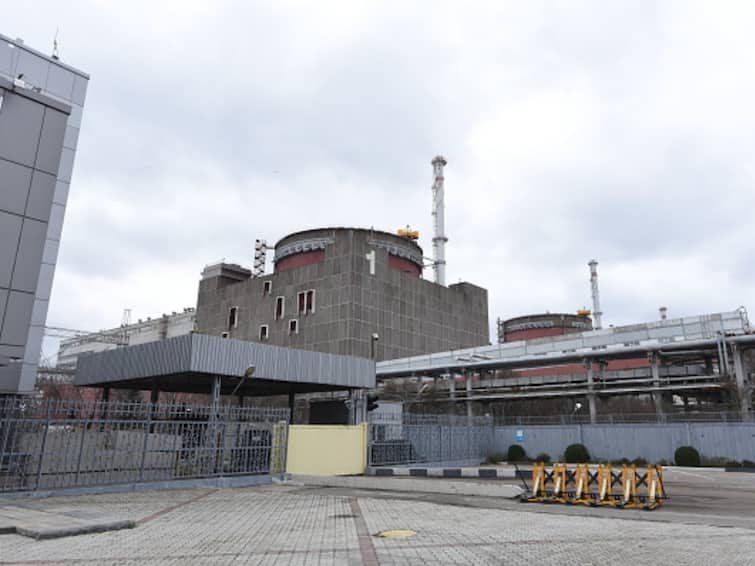
The United Nations International Atomic Energy Agency (IAEA) has expressed concern over the state of the Zaporizhzhia nuclear power plant in Ukraine which still remains extremely fragile and dangerous. IAEA Director General Rafael Grossi on Tuesday asked Ukraine and Russia to respect “concrete principles to safeguard Ukraine’s Zaporizhzhia nuclear power plant, suggesting he had not secured their agreement on protecting the facility. For months, Grossi has been trying to establish an agreement to reduce the risk of a catastrophic nuclear accident from military activity like shelling at Europe’s biggest nuclear power plant, which has been occupied by Russia for more than a year.
“We are fortunate that a nuclear accident has not yet happened… we are rolling a dice and if this continues then one day our luck will run out,” he warned, adding that, “We must all do everything in our power to minimise the chance that it does,” said Grossi.
“Military activities continue in the region and may well increase very considerably in the near future,” IAEA chief Rafael Grossi said at a UN Security Council briefing, IANS reported.
The plant has been working with a reduced staff, which despite being in temporary shut-down is not sustainable. There have been seven occasions when the site lost all off-site power and had to rely on emergency diesel generators, the last line of defence against a nuclear accident, to provide essential cooling of the reactor and spent fuel. The last one, the seventh, occurred just one week ago, Grossi said.
The concrete principals Grossi laid out included that no attack on or from the plant and that it should not be used as a base for heavy weapons such as multiple rocket launchers, artillery systems and munitions, and tanks or for military personnel that could be used for an attack from the plant.
He also stated that off-site power to the plant should not be put at risk, all structures, systems and components essential to the safe and secure operation of the Zaporizhzhia plant should be protected from attacks or acts of sabotage.

The United Nations International Atomic Energy Agency (IAEA) has expressed concern over the state of the Zaporizhzhia nuclear power plant in Ukraine which still remains extremely fragile and dangerous. IAEA Director General Rafael Grossi on Tuesday asked Ukraine and Russia to respect “concrete principles to safeguard Ukraine’s Zaporizhzhia nuclear power plant, suggesting he had not secured their agreement on protecting the facility. For months, Grossi has been trying to establish an agreement to reduce the risk of a catastrophic nuclear accident from military activity like shelling at Europe’s biggest nuclear power plant, which has been occupied by Russia for more than a year.
“We are fortunate that a nuclear accident has not yet happened… we are rolling a dice and if this continues then one day our luck will run out,” he warned, adding that, “We must all do everything in our power to minimise the chance that it does,” said Grossi.
“Military activities continue in the region and may well increase very considerably in the near future,” IAEA chief Rafael Grossi said at a UN Security Council briefing, IANS reported.
The plant has been working with a reduced staff, which despite being in temporary shut-down is not sustainable. There have been seven occasions when the site lost all off-site power and had to rely on emergency diesel generators, the last line of defence against a nuclear accident, to provide essential cooling of the reactor and spent fuel. The last one, the seventh, occurred just one week ago, Grossi said.
The concrete principals Grossi laid out included that no attack on or from the plant and that it should not be used as a base for heavy weapons such as multiple rocket launchers, artillery systems and munitions, and tanks or for military personnel that could be used for an attack from the plant.
He also stated that off-site power to the plant should not be put at risk, all structures, systems and components essential to the safe and secure operation of the Zaporizhzhia plant should be protected from attacks or acts of sabotage.

The United Nations International Atomic Energy Agency (IAEA) has expressed concern over the state of the Zaporizhzhia nuclear power plant in Ukraine which still remains extremely fragile and dangerous. IAEA Director General Rafael Grossi on Tuesday asked Ukraine and Russia to respect “concrete principles to safeguard Ukraine’s Zaporizhzhia nuclear power plant, suggesting he had not secured their agreement on protecting the facility. For months, Grossi has been trying to establish an agreement to reduce the risk of a catastrophic nuclear accident from military activity like shelling at Europe’s biggest nuclear power plant, which has been occupied by Russia for more than a year.
“We are fortunate that a nuclear accident has not yet happened… we are rolling a dice and if this continues then one day our luck will run out,” he warned, adding that, “We must all do everything in our power to minimise the chance that it does,” said Grossi.
“Military activities continue in the region and may well increase very considerably in the near future,” IAEA chief Rafael Grossi said at a UN Security Council briefing, IANS reported.
The plant has been working with a reduced staff, which despite being in temporary shut-down is not sustainable. There have been seven occasions when the site lost all off-site power and had to rely on emergency diesel generators, the last line of defence against a nuclear accident, to provide essential cooling of the reactor and spent fuel. The last one, the seventh, occurred just one week ago, Grossi said.
The concrete principals Grossi laid out included that no attack on or from the plant and that it should not be used as a base for heavy weapons such as multiple rocket launchers, artillery systems and munitions, and tanks or for military personnel that could be used for an attack from the plant.
He also stated that off-site power to the plant should not be put at risk, all structures, systems and components essential to the safe and secure operation of the Zaporizhzhia plant should be protected from attacks or acts of sabotage.
The United Nations International Atomic Energy Agency (IAEA) has expressed concern over the state of the Zaporizhzhia nuclear power plant in Ukraine which still remains extremely fragile and dangerous. IAEA Director General Rafael Grossi on Tuesday asked Ukraine and Russia to respect “concrete principles to safeguard Ukraine’s Zaporizhzhia nuclear power plant, suggesting he had not secured their agreement on protecting the facility. For months, Grossi has been trying to establish an agreement to reduce the risk of a catastrophic nuclear accident from military activity like shelling at Europe’s biggest nuclear power plant, which has been occupied by Russia for more than a year.
“We are fortunate that a nuclear accident has not yet happened… we are rolling a dice and if this continues then one day our luck will run out,” he warned, adding that, “We must all do everything in our power to minimise the chance that it does,” said Grossi.
“Military activities continue in the region and may well increase very considerably in the near future,” IAEA chief Rafael Grossi said at a UN Security Council briefing, IANS reported.
The plant has been working with a reduced staff, which despite being in temporary shut-down is not sustainable. There have been seven occasions when the site lost all off-site power and had to rely on emergency diesel generators, the last line of defence against a nuclear accident, to provide essential cooling of the reactor and spent fuel. The last one, the seventh, occurred just one week ago, Grossi said.
The concrete principals Grossi laid out included that no attack on or from the plant and that it should not be used as a base for heavy weapons such as multiple rocket launchers, artillery systems and munitions, and tanks or for military personnel that could be used for an attack from the plant.
He also stated that off-site power to the plant should not be put at risk, all structures, systems and components essential to the safe and secure operation of the Zaporizhzhia plant should be protected from attacks or acts of sabotage.

The United Nations International Atomic Energy Agency (IAEA) has expressed concern over the state of the Zaporizhzhia nuclear power plant in Ukraine which still remains extremely fragile and dangerous. IAEA Director General Rafael Grossi on Tuesday asked Ukraine and Russia to respect “concrete principles to safeguard Ukraine’s Zaporizhzhia nuclear power plant, suggesting he had not secured their agreement on protecting the facility. For months, Grossi has been trying to establish an agreement to reduce the risk of a catastrophic nuclear accident from military activity like shelling at Europe’s biggest nuclear power plant, which has been occupied by Russia for more than a year.
“We are fortunate that a nuclear accident has not yet happened… we are rolling a dice and if this continues then one day our luck will run out,” he warned, adding that, “We must all do everything in our power to minimise the chance that it does,” said Grossi.
“Military activities continue in the region and may well increase very considerably in the near future,” IAEA chief Rafael Grossi said at a UN Security Council briefing, IANS reported.
The plant has been working with a reduced staff, which despite being in temporary shut-down is not sustainable. There have been seven occasions when the site lost all off-site power and had to rely on emergency diesel generators, the last line of defence against a nuclear accident, to provide essential cooling of the reactor and spent fuel. The last one, the seventh, occurred just one week ago, Grossi said.
The concrete principals Grossi laid out included that no attack on or from the plant and that it should not be used as a base for heavy weapons such as multiple rocket launchers, artillery systems and munitions, and tanks or for military personnel that could be used for an attack from the plant.
He also stated that off-site power to the plant should not be put at risk, all structures, systems and components essential to the safe and secure operation of the Zaporizhzhia plant should be protected from attacks or acts of sabotage.
The United Nations International Atomic Energy Agency (IAEA) has expressed concern over the state of the Zaporizhzhia nuclear power plant in Ukraine which still remains extremely fragile and dangerous. IAEA Director General Rafael Grossi on Tuesday asked Ukraine and Russia to respect “concrete principles to safeguard Ukraine’s Zaporizhzhia nuclear power plant, suggesting he had not secured their agreement on protecting the facility. For months, Grossi has been trying to establish an agreement to reduce the risk of a catastrophic nuclear accident from military activity like shelling at Europe’s biggest nuclear power plant, which has been occupied by Russia for more than a year.
“We are fortunate that a nuclear accident has not yet happened… we are rolling a dice and if this continues then one day our luck will run out,” he warned, adding that, “We must all do everything in our power to minimise the chance that it does,” said Grossi.
“Military activities continue in the region and may well increase very considerably in the near future,” IAEA chief Rafael Grossi said at a UN Security Council briefing, IANS reported.
The plant has been working with a reduced staff, which despite being in temporary shut-down is not sustainable. There have been seven occasions when the site lost all off-site power and had to rely on emergency diesel generators, the last line of defence against a nuclear accident, to provide essential cooling of the reactor and spent fuel. The last one, the seventh, occurred just one week ago, Grossi said.
The concrete principals Grossi laid out included that no attack on or from the plant and that it should not be used as a base for heavy weapons such as multiple rocket launchers, artillery systems and munitions, and tanks or for military personnel that could be used for an attack from the plant.
He also stated that off-site power to the plant should not be put at risk, all structures, systems and components essential to the safe and secure operation of the Zaporizhzhia plant should be protected from attacks or acts of sabotage.
The United Nations International Atomic Energy Agency (IAEA) has expressed concern over the state of the Zaporizhzhia nuclear power plant in Ukraine which still remains extremely fragile and dangerous. IAEA Director General Rafael Grossi on Tuesday asked Ukraine and Russia to respect “concrete principles to safeguard Ukraine’s Zaporizhzhia nuclear power plant, suggesting he had not secured their agreement on protecting the facility. For months, Grossi has been trying to establish an agreement to reduce the risk of a catastrophic nuclear accident from military activity like shelling at Europe’s biggest nuclear power plant, which has been occupied by Russia for more than a year.
“We are fortunate that a nuclear accident has not yet happened… we are rolling a dice and if this continues then one day our luck will run out,” he warned, adding that, “We must all do everything in our power to minimise the chance that it does,” said Grossi.
“Military activities continue in the region and may well increase very considerably in the near future,” IAEA chief Rafael Grossi said at a UN Security Council briefing, IANS reported.
The plant has been working with a reduced staff, which despite being in temporary shut-down is not sustainable. There have been seven occasions when the site lost all off-site power and had to rely on emergency diesel generators, the last line of defence against a nuclear accident, to provide essential cooling of the reactor and spent fuel. The last one, the seventh, occurred just one week ago, Grossi said.
The concrete principals Grossi laid out included that no attack on or from the plant and that it should not be used as a base for heavy weapons such as multiple rocket launchers, artillery systems and munitions, and tanks or for military personnel that could be used for an attack from the plant.
He also stated that off-site power to the plant should not be put at risk, all structures, systems and components essential to the safe and secure operation of the Zaporizhzhia plant should be protected from attacks or acts of sabotage.
The United Nations International Atomic Energy Agency (IAEA) has expressed concern over the state of the Zaporizhzhia nuclear power plant in Ukraine which still remains extremely fragile and dangerous. IAEA Director General Rafael Grossi on Tuesday asked Ukraine and Russia to respect “concrete principles to safeguard Ukraine’s Zaporizhzhia nuclear power plant, suggesting he had not secured their agreement on protecting the facility. For months, Grossi has been trying to establish an agreement to reduce the risk of a catastrophic nuclear accident from military activity like shelling at Europe’s biggest nuclear power plant, which has been occupied by Russia for more than a year.
“We are fortunate that a nuclear accident has not yet happened… we are rolling a dice and if this continues then one day our luck will run out,” he warned, adding that, “We must all do everything in our power to minimise the chance that it does,” said Grossi.
“Military activities continue in the region and may well increase very considerably in the near future,” IAEA chief Rafael Grossi said at a UN Security Council briefing, IANS reported.
The plant has been working with a reduced staff, which despite being in temporary shut-down is not sustainable. There have been seven occasions when the site lost all off-site power and had to rely on emergency diesel generators, the last line of defence against a nuclear accident, to provide essential cooling of the reactor and spent fuel. The last one, the seventh, occurred just one week ago, Grossi said.
The concrete principals Grossi laid out included that no attack on or from the plant and that it should not be used as a base for heavy weapons such as multiple rocket launchers, artillery systems and munitions, and tanks or for military personnel that could be used for an attack from the plant.
He also stated that off-site power to the plant should not be put at risk, all structures, systems and components essential to the safe and secure operation of the Zaporizhzhia plant should be protected from attacks or acts of sabotage.

The United Nations International Atomic Energy Agency (IAEA) has expressed concern over the state of the Zaporizhzhia nuclear power plant in Ukraine which still remains extremely fragile and dangerous. IAEA Director General Rafael Grossi on Tuesday asked Ukraine and Russia to respect “concrete principles to safeguard Ukraine’s Zaporizhzhia nuclear power plant, suggesting he had not secured their agreement on protecting the facility. For months, Grossi has been trying to establish an agreement to reduce the risk of a catastrophic nuclear accident from military activity like shelling at Europe’s biggest nuclear power plant, which has been occupied by Russia for more than a year.
“We are fortunate that a nuclear accident has not yet happened… we are rolling a dice and if this continues then one day our luck will run out,” he warned, adding that, “We must all do everything in our power to minimise the chance that it does,” said Grossi.
“Military activities continue in the region and may well increase very considerably in the near future,” IAEA chief Rafael Grossi said at a UN Security Council briefing, IANS reported.
The plant has been working with a reduced staff, which despite being in temporary shut-down is not sustainable. There have been seven occasions when the site lost all off-site power and had to rely on emergency diesel generators, the last line of defence against a nuclear accident, to provide essential cooling of the reactor and spent fuel. The last one, the seventh, occurred just one week ago, Grossi said.
The concrete principals Grossi laid out included that no attack on or from the plant and that it should not be used as a base for heavy weapons such as multiple rocket launchers, artillery systems and munitions, and tanks or for military personnel that could be used for an attack from the plant.
He also stated that off-site power to the plant should not be put at risk, all structures, systems and components essential to the safe and secure operation of the Zaporizhzhia plant should be protected from attacks or acts of sabotage.
The United Nations International Atomic Energy Agency (IAEA) has expressed concern over the state of the Zaporizhzhia nuclear power plant in Ukraine which still remains extremely fragile and dangerous. IAEA Director General Rafael Grossi on Tuesday asked Ukraine and Russia to respect “concrete principles to safeguard Ukraine’s Zaporizhzhia nuclear power plant, suggesting he had not secured their agreement on protecting the facility. For months, Grossi has been trying to establish an agreement to reduce the risk of a catastrophic nuclear accident from military activity like shelling at Europe’s biggest nuclear power plant, which has been occupied by Russia for more than a year.
“We are fortunate that a nuclear accident has not yet happened… we are rolling a dice and if this continues then one day our luck will run out,” he warned, adding that, “We must all do everything in our power to minimise the chance that it does,” said Grossi.
“Military activities continue in the region and may well increase very considerably in the near future,” IAEA chief Rafael Grossi said at a UN Security Council briefing, IANS reported.
The plant has been working with a reduced staff, which despite being in temporary shut-down is not sustainable. There have been seven occasions when the site lost all off-site power and had to rely on emergency diesel generators, the last line of defence against a nuclear accident, to provide essential cooling of the reactor and spent fuel. The last one, the seventh, occurred just one week ago, Grossi said.
The concrete principals Grossi laid out included that no attack on or from the plant and that it should not be used as a base for heavy weapons such as multiple rocket launchers, artillery systems and munitions, and tanks or for military personnel that could be used for an attack from the plant.
He also stated that off-site power to the plant should not be put at risk, all structures, systems and components essential to the safe and secure operation of the Zaporizhzhia plant should be protected from attacks or acts of sabotage.
The United Nations International Atomic Energy Agency (IAEA) has expressed concern over the state of the Zaporizhzhia nuclear power plant in Ukraine which still remains extremely fragile and dangerous. IAEA Director General Rafael Grossi on Tuesday asked Ukraine and Russia to respect “concrete principles to safeguard Ukraine’s Zaporizhzhia nuclear power plant, suggesting he had not secured their agreement on protecting the facility. For months, Grossi has been trying to establish an agreement to reduce the risk of a catastrophic nuclear accident from military activity like shelling at Europe’s biggest nuclear power plant, which has been occupied by Russia for more than a year.
“We are fortunate that a nuclear accident has not yet happened… we are rolling a dice and if this continues then one day our luck will run out,” he warned, adding that, “We must all do everything in our power to minimise the chance that it does,” said Grossi.
“Military activities continue in the region and may well increase very considerably in the near future,” IAEA chief Rafael Grossi said at a UN Security Council briefing, IANS reported.
The plant has been working with a reduced staff, which despite being in temporary shut-down is not sustainable. There have been seven occasions when the site lost all off-site power and had to rely on emergency diesel generators, the last line of defence against a nuclear accident, to provide essential cooling of the reactor and spent fuel. The last one, the seventh, occurred just one week ago, Grossi said.
The concrete principals Grossi laid out included that no attack on or from the plant and that it should not be used as a base for heavy weapons such as multiple rocket launchers, artillery systems and munitions, and tanks or for military personnel that could be used for an attack from the plant.
He also stated that off-site power to the plant should not be put at risk, all structures, systems and components essential to the safe and secure operation of the Zaporizhzhia plant should be protected from attacks or acts of sabotage.
The United Nations International Atomic Energy Agency (IAEA) has expressed concern over the state of the Zaporizhzhia nuclear power plant in Ukraine which still remains extremely fragile and dangerous. IAEA Director General Rafael Grossi on Tuesday asked Ukraine and Russia to respect “concrete principles to safeguard Ukraine’s Zaporizhzhia nuclear power plant, suggesting he had not secured their agreement on protecting the facility. For months, Grossi has been trying to establish an agreement to reduce the risk of a catastrophic nuclear accident from military activity like shelling at Europe’s biggest nuclear power plant, which has been occupied by Russia for more than a year.
“We are fortunate that a nuclear accident has not yet happened… we are rolling a dice and if this continues then one day our luck will run out,” he warned, adding that, “We must all do everything in our power to minimise the chance that it does,” said Grossi.
“Military activities continue in the region and may well increase very considerably in the near future,” IAEA chief Rafael Grossi said at a UN Security Council briefing, IANS reported.
The plant has been working with a reduced staff, which despite being in temporary shut-down is not sustainable. There have been seven occasions when the site lost all off-site power and had to rely on emergency diesel generators, the last line of defence against a nuclear accident, to provide essential cooling of the reactor and spent fuel. The last one, the seventh, occurred just one week ago, Grossi said.
The concrete principals Grossi laid out included that no attack on or from the plant and that it should not be used as a base for heavy weapons such as multiple rocket launchers, artillery systems and munitions, and tanks or for military personnel that could be used for an attack from the plant.
He also stated that off-site power to the plant should not be put at risk, all structures, systems and components essential to the safe and secure operation of the Zaporizhzhia plant should be protected from attacks or acts of sabotage.
The United Nations International Atomic Energy Agency (IAEA) has expressed concern over the state of the Zaporizhzhia nuclear power plant in Ukraine which still remains extremely fragile and dangerous. IAEA Director General Rafael Grossi on Tuesday asked Ukraine and Russia to respect “concrete principles to safeguard Ukraine’s Zaporizhzhia nuclear power plant, suggesting he had not secured their agreement on protecting the facility. For months, Grossi has been trying to establish an agreement to reduce the risk of a catastrophic nuclear accident from military activity like shelling at Europe’s biggest nuclear power plant, which has been occupied by Russia for more than a year.
“We are fortunate that a nuclear accident has not yet happened… we are rolling a dice and if this continues then one day our luck will run out,” he warned, adding that, “We must all do everything in our power to minimise the chance that it does,” said Grossi.
“Military activities continue in the region and may well increase very considerably in the near future,” IAEA chief Rafael Grossi said at a UN Security Council briefing, IANS reported.
The plant has been working with a reduced staff, which despite being in temporary shut-down is not sustainable. There have been seven occasions when the site lost all off-site power and had to rely on emergency diesel generators, the last line of defence against a nuclear accident, to provide essential cooling of the reactor and spent fuel. The last one, the seventh, occurred just one week ago, Grossi said.
The concrete principals Grossi laid out included that no attack on or from the plant and that it should not be used as a base for heavy weapons such as multiple rocket launchers, artillery systems and munitions, and tanks or for military personnel that could be used for an attack from the plant.
He also stated that off-site power to the plant should not be put at risk, all structures, systems and components essential to the safe and secure operation of the Zaporizhzhia plant should be protected from attacks or acts of sabotage.
The United Nations International Atomic Energy Agency (IAEA) has expressed concern over the state of the Zaporizhzhia nuclear power plant in Ukraine which still remains extremely fragile and dangerous. IAEA Director General Rafael Grossi on Tuesday asked Ukraine and Russia to respect “concrete principles to safeguard Ukraine’s Zaporizhzhia nuclear power plant, suggesting he had not secured their agreement on protecting the facility. For months, Grossi has been trying to establish an agreement to reduce the risk of a catastrophic nuclear accident from military activity like shelling at Europe’s biggest nuclear power plant, which has been occupied by Russia for more than a year.
“We are fortunate that a nuclear accident has not yet happened… we are rolling a dice and if this continues then one day our luck will run out,” he warned, adding that, “We must all do everything in our power to minimise the chance that it does,” said Grossi.
“Military activities continue in the region and may well increase very considerably in the near future,” IAEA chief Rafael Grossi said at a UN Security Council briefing, IANS reported.
The plant has been working with a reduced staff, which despite being in temporary shut-down is not sustainable. There have been seven occasions when the site lost all off-site power and had to rely on emergency diesel generators, the last line of defence against a nuclear accident, to provide essential cooling of the reactor and spent fuel. The last one, the seventh, occurred just one week ago, Grossi said.
The concrete principals Grossi laid out included that no attack on or from the plant and that it should not be used as a base for heavy weapons such as multiple rocket launchers, artillery systems and munitions, and tanks or for military personnel that could be used for an attack from the plant.
He also stated that off-site power to the plant should not be put at risk, all structures, systems and components essential to the safe and secure operation of the Zaporizhzhia plant should be protected from attacks or acts of sabotage.
The United Nations International Atomic Energy Agency (IAEA) has expressed concern over the state of the Zaporizhzhia nuclear power plant in Ukraine which still remains extremely fragile and dangerous. IAEA Director General Rafael Grossi on Tuesday asked Ukraine and Russia to respect “concrete principles to safeguard Ukraine’s Zaporizhzhia nuclear power plant, suggesting he had not secured their agreement on protecting the facility. For months, Grossi has been trying to establish an agreement to reduce the risk of a catastrophic nuclear accident from military activity like shelling at Europe’s biggest nuclear power plant, which has been occupied by Russia for more than a year.
“We are fortunate that a nuclear accident has not yet happened… we are rolling a dice and if this continues then one day our luck will run out,” he warned, adding that, “We must all do everything in our power to minimise the chance that it does,” said Grossi.
“Military activities continue in the region and may well increase very considerably in the near future,” IAEA chief Rafael Grossi said at a UN Security Council briefing, IANS reported.
The plant has been working with a reduced staff, which despite being in temporary shut-down is not sustainable. There have been seven occasions when the site lost all off-site power and had to rely on emergency diesel generators, the last line of defence against a nuclear accident, to provide essential cooling of the reactor and spent fuel. The last one, the seventh, occurred just one week ago, Grossi said.
The concrete principals Grossi laid out included that no attack on or from the plant and that it should not be used as a base for heavy weapons such as multiple rocket launchers, artillery systems and munitions, and tanks or for military personnel that could be used for an attack from the plant.
He also stated that off-site power to the plant should not be put at risk, all structures, systems and components essential to the safe and secure operation of the Zaporizhzhia plant should be protected from attacks or acts of sabotage.
The United Nations International Atomic Energy Agency (IAEA) has expressed concern over the state of the Zaporizhzhia nuclear power plant in Ukraine which still remains extremely fragile and dangerous. IAEA Director General Rafael Grossi on Tuesday asked Ukraine and Russia to respect “concrete principles to safeguard Ukraine’s Zaporizhzhia nuclear power plant, suggesting he had not secured their agreement on protecting the facility. For months, Grossi has been trying to establish an agreement to reduce the risk of a catastrophic nuclear accident from military activity like shelling at Europe’s biggest nuclear power plant, which has been occupied by Russia for more than a year.
“We are fortunate that a nuclear accident has not yet happened… we are rolling a dice and if this continues then one day our luck will run out,” he warned, adding that, “We must all do everything in our power to minimise the chance that it does,” said Grossi.
“Military activities continue in the region and may well increase very considerably in the near future,” IAEA chief Rafael Grossi said at a UN Security Council briefing, IANS reported.
The plant has been working with a reduced staff, which despite being in temporary shut-down is not sustainable. There have been seven occasions when the site lost all off-site power and had to rely on emergency diesel generators, the last line of defence against a nuclear accident, to provide essential cooling of the reactor and spent fuel. The last one, the seventh, occurred just one week ago, Grossi said.
The concrete principals Grossi laid out included that no attack on or from the plant and that it should not be used as a base for heavy weapons such as multiple rocket launchers, artillery systems and munitions, and tanks or for military personnel that could be used for an attack from the plant.
He also stated that off-site power to the plant should not be put at risk, all structures, systems and components essential to the safe and secure operation of the Zaporizhzhia plant should be protected from attacks or acts of sabotage.

