


Washington DC
New York
Toronto
Distribution: (800) 510 9863
Press ID
  • Login
Binghamton Herald
Advertisement
Thursday, May 7, 2026
  • Home
  • World
  • Politics
  • Business
  • Technology
  • Culture
  • Health
  • Entertainment
  • Trending
No Result
View All Result
Binghamton Herald
No Result
View All Result
Home Trending

How Do Glass Frogs Become Transparent? New Research Uncovers Their Secret

by Binghamton Herald Report
December 28, 2022
in Trending
Share on FacebookShare on Twitter

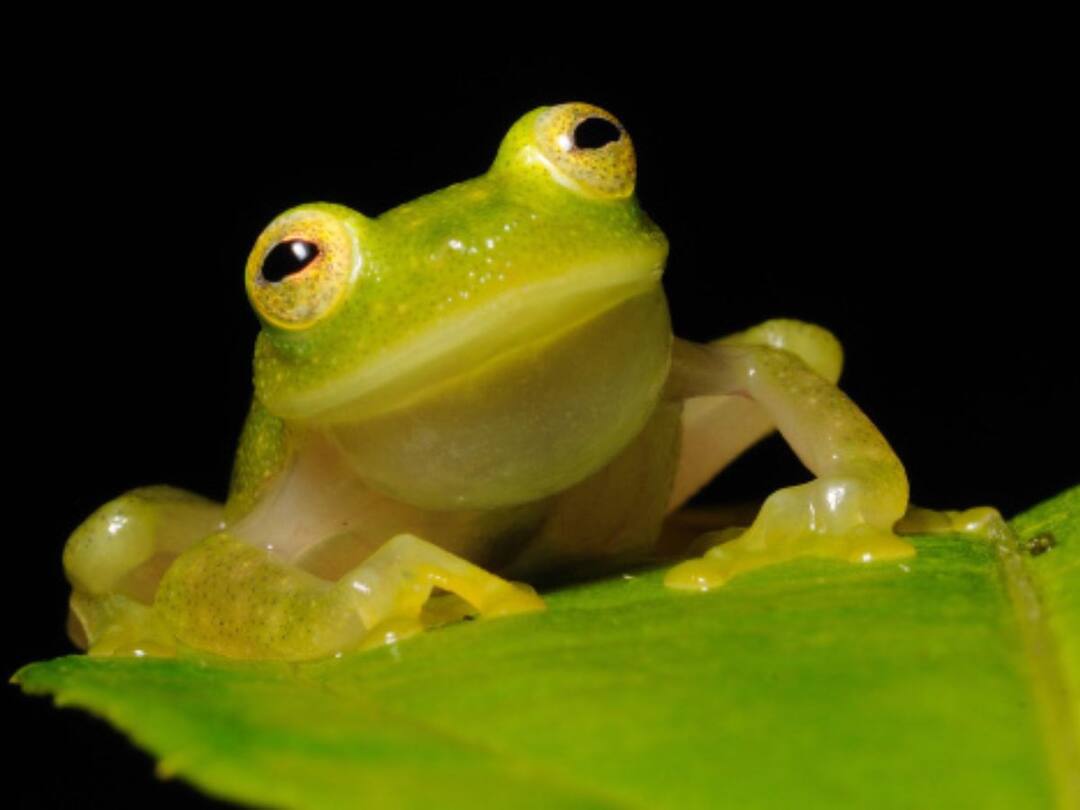
The secret of how an amphibian called the glass frog makes itself transparent has been discovered. It does so by concealing its red blood cells in its livers, a new study published in Science has found.

Red blood cells can be a hindrance to transparency. While there are many sea animals that can become transparent, this is less common among land animals, which have red blood cells in their circulatory system. Red blood cells absorb green light and reflect red light, which makes their blood (and circulatory system) visible. 

Glass frogs, however, have found a way out of this. When they are resting, their muscles and skin become transparent, although their bones, eyes and internal organs remain visible.

Glass frogs are some of the only land-based vertebrates that can achieve transparency, which has made them a target for study. Taboada first began studying glass frogs as a post-doctoral fellow in the lab of Sönke Johnsen, a professor of biology at Duke who specialises in studying transparency. Working with Jesse Delia, who travelled around the world collecting different glass frogs for the study,

Scientists studying the frogs observed that when they became transparent, their red blood cells seemed to disappear from the circulating blood. Imaging tests showed that the frogs were becoming transparent by pushing red blood cells out of their vessels. When they were asleep, they removed nearly 90 per cent of their circulating red blood cells and stored them in their liver.

“The primary result is that whenever glassfrogs want to be transparent, which is typically when they’re at rest and vulnerable to predation, they filter nearly all the red blood cells out of their blood and hide them in a mirror-coated liver — somehow avoiding creating a huge blood clot in the process. Whenever the frogs need to become active again, they bring the cells back into the bloodstream, which gives them the metabolic capacity to move around,” a press release from Duke University quoted researcher Sönke Johnsen as saying.

This work also introduces glass frogs as a useful model for research, the release said. The researchers noted that the discovery raises new questions. They hope to find out how the frogs can safely store 90 per cent of their red blood cells in their livers without clotting or damaging the tissues? They also hope to study how this mechanism could one day apply to humans. 

The secret of how an amphibian called the glass frog makes itself transparent has been discovered. It does so by concealing its red blood cells in its livers, a new study published in Science has found.

Red blood cells can be a hindrance to transparency. While there are many sea animals that can become transparent, this is less common among land animals, which have red blood cells in their circulatory system. Red blood cells absorb green light and reflect red light, which makes their blood (and circulatory system) visible. 

Glass frogs, however, have found a way out of this. When they are resting, their muscles and skin become transparent, although their bones, eyes and internal organs remain visible.

Glass frogs are some of the only land-based vertebrates that can achieve transparency, which has made them a target for study. Taboada first began studying glass frogs as a post-doctoral fellow in the lab of Sönke Johnsen, a professor of biology at Duke who specialises in studying transparency. Working with Jesse Delia, who travelled around the world collecting different glass frogs for the study,

Scientists studying the frogs observed that when they became transparent, their red blood cells seemed to disappear from the circulating blood. Imaging tests showed that the frogs were becoming transparent by pushing red blood cells out of their vessels. When they were asleep, they removed nearly 90 per cent of their circulating red blood cells and stored them in their liver.

“The primary result is that whenever glassfrogs want to be transparent, which is typically when they’re at rest and vulnerable to predation, they filter nearly all the red blood cells out of their blood and hide them in a mirror-coated liver — somehow avoiding creating a huge blood clot in the process. Whenever the frogs need to become active again, they bring the cells back into the bloodstream, which gives them the metabolic capacity to move around,” a press release from Duke University quoted researcher Sönke Johnsen as saying.

This work also introduces glass frogs as a useful model for research, the release said. The researchers noted that the discovery raises new questions. They hope to find out how the frogs can safely store 90 per cent of their red blood cells in their livers without clotting or damaging the tissues? They also hope to study how this mechanism could one day apply to humans. 

The secret of how an amphibian called the glass frog makes itself transparent has been discovered. It does so by concealing its red blood cells in its livers, a new study published in Science has found.

Red blood cells can be a hindrance to transparency. While there are many sea animals that can become transparent, this is less common among land animals, which have red blood cells in their circulatory system. Red blood cells absorb green light and reflect red light, which makes their blood (and circulatory system) visible. 

Glass frogs, however, have found a way out of this. When they are resting, their muscles and skin become transparent, although their bones, eyes and internal organs remain visible.

Glass frogs are some of the only land-based vertebrates that can achieve transparency, which has made them a target for study. Taboada first began studying glass frogs as a post-doctoral fellow in the lab of Sönke Johnsen, a professor of biology at Duke who specialises in studying transparency. Working with Jesse Delia, who travelled around the world collecting different glass frogs for the study,

Scientists studying the frogs observed that when they became transparent, their red blood cells seemed to disappear from the circulating blood. Imaging tests showed that the frogs were becoming transparent by pushing red blood cells out of their vessels. When they were asleep, they removed nearly 90 per cent of their circulating red blood cells and stored them in their liver.

“The primary result is that whenever glassfrogs want to be transparent, which is typically when they’re at rest and vulnerable to predation, they filter nearly all the red blood cells out of their blood and hide them in a mirror-coated liver — somehow avoiding creating a huge blood clot in the process. Whenever the frogs need to become active again, they bring the cells back into the bloodstream, which gives them the metabolic capacity to move around,” a press release from Duke University quoted researcher Sönke Johnsen as saying.

This work also introduces glass frogs as a useful model for research, the release said. The researchers noted that the discovery raises new questions. They hope to find out how the frogs can safely store 90 per cent of their red blood cells in their livers without clotting or damaging the tissues? They also hope to study how this mechanism could one day apply to humans. 

The secret of how an amphibian called the glass frog makes itself transparent has been discovered. It does so by concealing its red blood cells in its livers, a new study published in Science has found.

Red blood cells can be a hindrance to transparency. While there are many sea animals that can become transparent, this is less common among land animals, which have red blood cells in their circulatory system. Red blood cells absorb green light and reflect red light, which makes their blood (and circulatory system) visible. 

Glass frogs, however, have found a way out of this. When they are resting, their muscles and skin become transparent, although their bones, eyes and internal organs remain visible.

Glass frogs are some of the only land-based vertebrates that can achieve transparency, which has made them a target for study. Taboada first began studying glass frogs as a post-doctoral fellow in the lab of Sönke Johnsen, a professor of biology at Duke who specialises in studying transparency. Working with Jesse Delia, who travelled around the world collecting different glass frogs for the study,

Scientists studying the frogs observed that when they became transparent, their red blood cells seemed to disappear from the circulating blood. Imaging tests showed that the frogs were becoming transparent by pushing red blood cells out of their vessels. When they were asleep, they removed nearly 90 per cent of their circulating red blood cells and stored them in their liver.

“The primary result is that whenever glassfrogs want to be transparent, which is typically when they’re at rest and vulnerable to predation, they filter nearly all the red blood cells out of their blood and hide them in a mirror-coated liver — somehow avoiding creating a huge blood clot in the process. Whenever the frogs need to become active again, they bring the cells back into the bloodstream, which gives them the metabolic capacity to move around,” a press release from Duke University quoted researcher Sönke Johnsen as saying.

This work also introduces glass frogs as a useful model for research, the release said. The researchers noted that the discovery raises new questions. They hope to find out how the frogs can safely store 90 per cent of their red blood cells in their livers without clotting or damaging the tissues? They also hope to study how this mechanism could one day apply to humans. 

The secret of how an amphibian called the glass frog makes itself transparent has been discovered. It does so by concealing its red blood cells in its livers, a new study published in Science has found.

Red blood cells can be a hindrance to transparency. While there are many sea animals that can become transparent, this is less common among land animals, which have red blood cells in their circulatory system. Red blood cells absorb green light and reflect red light, which makes their blood (and circulatory system) visible. 

Glass frogs, however, have found a way out of this. When they are resting, their muscles and skin become transparent, although their bones, eyes and internal organs remain visible.

Glass frogs are some of the only land-based vertebrates that can achieve transparency, which has made them a target for study. Taboada first began studying glass frogs as a post-doctoral fellow in the lab of Sönke Johnsen, a professor of biology at Duke who specialises in studying transparency. Working with Jesse Delia, who travelled around the world collecting different glass frogs for the study,

Scientists studying the frogs observed that when they became transparent, their red blood cells seemed to disappear from the circulating blood. Imaging tests showed that the frogs were becoming transparent by pushing red blood cells out of their vessels. When they were asleep, they removed nearly 90 per cent of their circulating red blood cells and stored them in their liver.

“The primary result is that whenever glassfrogs want to be transparent, which is typically when they’re at rest and vulnerable to predation, they filter nearly all the red blood cells out of their blood and hide them in a mirror-coated liver — somehow avoiding creating a huge blood clot in the process. Whenever the frogs need to become active again, they bring the cells back into the bloodstream, which gives them the metabolic capacity to move around,” a press release from Duke University quoted researcher Sönke Johnsen as saying.

This work also introduces glass frogs as a useful model for research, the release said. The researchers noted that the discovery raises new questions. They hope to find out how the frogs can safely store 90 per cent of their red blood cells in their livers without clotting or damaging the tissues? They also hope to study how this mechanism could one day apply to humans. 

The secret of how an amphibian called the glass frog makes itself transparent has been discovered. It does so by concealing its red blood cells in its livers, a new study published in Science has found.

Red blood cells can be a hindrance to transparency. While there are many sea animals that can become transparent, this is less common among land animals, which have red blood cells in their circulatory system. Red blood cells absorb green light and reflect red light, which makes their blood (and circulatory system) visible. 

Glass frogs, however, have found a way out of this. When they are resting, their muscles and skin become transparent, although their bones, eyes and internal organs remain visible.

Glass frogs are some of the only land-based vertebrates that can achieve transparency, which has made them a target for study. Taboada first began studying glass frogs as a post-doctoral fellow in the lab of Sönke Johnsen, a professor of biology at Duke who specialises in studying transparency. Working with Jesse Delia, who travelled around the world collecting different glass frogs for the study,

Scientists studying the frogs observed that when they became transparent, their red blood cells seemed to disappear from the circulating blood. Imaging tests showed that the frogs were becoming transparent by pushing red blood cells out of their vessels. When they were asleep, they removed nearly 90 per cent of their circulating red blood cells and stored them in their liver.

“The primary result is that whenever glassfrogs want to be transparent, which is typically when they’re at rest and vulnerable to predation, they filter nearly all the red blood cells out of their blood and hide them in a mirror-coated liver — somehow avoiding creating a huge blood clot in the process. Whenever the frogs need to become active again, they bring the cells back into the bloodstream, which gives them the metabolic capacity to move around,” a press release from Duke University quoted researcher Sönke Johnsen as saying.

This work also introduces glass frogs as a useful model for research, the release said. The researchers noted that the discovery raises new questions. They hope to find out how the frogs can safely store 90 per cent of their red blood cells in their livers without clotting or damaging the tissues? They also hope to study how this mechanism could one day apply to humans. 

The secret of how an amphibian called the glass frog makes itself transparent has been discovered. It does so by concealing its red blood cells in its livers, a new study published in Science has found.

Red blood cells can be a hindrance to transparency. While there are many sea animals that can become transparent, this is less common among land animals, which have red blood cells in their circulatory system. Red blood cells absorb green light and reflect red light, which makes their blood (and circulatory system) visible. 

Glass frogs, however, have found a way out of this. When they are resting, their muscles and skin become transparent, although their bones, eyes and internal organs remain visible.

Glass frogs are some of the only land-based vertebrates that can achieve transparency, which has made them a target for study. Taboada first began studying glass frogs as a post-doctoral fellow in the lab of Sönke Johnsen, a professor of biology at Duke who specialises in studying transparency. Working with Jesse Delia, who travelled around the world collecting different glass frogs for the study,

Scientists studying the frogs observed that when they became transparent, their red blood cells seemed to disappear from the circulating blood. Imaging tests showed that the frogs were becoming transparent by pushing red blood cells out of their vessels. When they were asleep, they removed nearly 90 per cent of their circulating red blood cells and stored them in their liver.

“The primary result is that whenever glassfrogs want to be transparent, which is typically when they’re at rest and vulnerable to predation, they filter nearly all the red blood cells out of their blood and hide them in a mirror-coated liver — somehow avoiding creating a huge blood clot in the process. Whenever the frogs need to become active again, they bring the cells back into the bloodstream, which gives them the metabolic capacity to move around,” a press release from Duke University quoted researcher Sönke Johnsen as saying.

This work also introduces glass frogs as a useful model for research, the release said. The researchers noted that the discovery raises new questions. They hope to find out how the frogs can safely store 90 per cent of their red blood cells in their livers without clotting or damaging the tissues? They also hope to study how this mechanism could one day apply to humans. 

The secret of how an amphibian called the glass frog makes itself transparent has been discovered. It does so by concealing its red blood cells in its livers, a new study published in Science has found.

Red blood cells can be a hindrance to transparency. While there are many sea animals that can become transparent, this is less common among land animals, which have red blood cells in their circulatory system. Red blood cells absorb green light and reflect red light, which makes their blood (and circulatory system) visible. 

Glass frogs, however, have found a way out of this. When they are resting, their muscles and skin become transparent, although their bones, eyes and internal organs remain visible.

Glass frogs are some of the only land-based vertebrates that can achieve transparency, which has made them a target for study. Taboada first began studying glass frogs as a post-doctoral fellow in the lab of Sönke Johnsen, a professor of biology at Duke who specialises in studying transparency. Working with Jesse Delia, who travelled around the world collecting different glass frogs for the study,

Scientists studying the frogs observed that when they became transparent, their red blood cells seemed to disappear from the circulating blood. Imaging tests showed that the frogs were becoming transparent by pushing red blood cells out of their vessels. When they were asleep, they removed nearly 90 per cent of their circulating red blood cells and stored them in their liver.

“The primary result is that whenever glassfrogs want to be transparent, which is typically when they’re at rest and vulnerable to predation, they filter nearly all the red blood cells out of their blood and hide them in a mirror-coated liver — somehow avoiding creating a huge blood clot in the process. Whenever the frogs need to become active again, they bring the cells back into the bloodstream, which gives them the metabolic capacity to move around,” a press release from Duke University quoted researcher Sönke Johnsen as saying.

This work also introduces glass frogs as a useful model for research, the release said. The researchers noted that the discovery raises new questions. They hope to find out how the frogs can safely store 90 per cent of their red blood cells in their livers without clotting or damaging the tissues? They also hope to study how this mechanism could one day apply to humans. 

The secret of how an amphibian called the glass frog makes itself transparent has been discovered. It does so by concealing its red blood cells in its livers, a new study published in Science has found.

Red blood cells can be a hindrance to transparency. While there are many sea animals that can become transparent, this is less common among land animals, which have red blood cells in their circulatory system. Red blood cells absorb green light and reflect red light, which makes their blood (and circulatory system) visible. 

Glass frogs, however, have found a way out of this. When they are resting, their muscles and skin become transparent, although their bones, eyes and internal organs remain visible.

Glass frogs are some of the only land-based vertebrates that can achieve transparency, which has made them a target for study. Taboada first began studying glass frogs as a post-doctoral fellow in the lab of Sönke Johnsen, a professor of biology at Duke who specialises in studying transparency. Working with Jesse Delia, who travelled around the world collecting different glass frogs for the study,

Scientists studying the frogs observed that when they became transparent, their red blood cells seemed to disappear from the circulating blood. Imaging tests showed that the frogs were becoming transparent by pushing red blood cells out of their vessels. When they were asleep, they removed nearly 90 per cent of their circulating red blood cells and stored them in their liver.

“The primary result is that whenever glassfrogs want to be transparent, which is typically when they’re at rest and vulnerable to predation, they filter nearly all the red blood cells out of their blood and hide them in a mirror-coated liver — somehow avoiding creating a huge blood clot in the process. Whenever the frogs need to become active again, they bring the cells back into the bloodstream, which gives them the metabolic capacity to move around,” a press release from Duke University quoted researcher Sönke Johnsen as saying.

This work also introduces glass frogs as a useful model for research, the release said. The researchers noted that the discovery raises new questions. They hope to find out how the frogs can safely store 90 per cent of their red blood cells in their livers without clotting or damaging the tissues? They also hope to study how this mechanism could one day apply to humans. 

The secret of how an amphibian called the glass frog makes itself transparent has been discovered. It does so by concealing its red blood cells in its livers, a new study published in Science has found.

Red blood cells can be a hindrance to transparency. While there are many sea animals that can become transparent, this is less common among land animals, which have red blood cells in their circulatory system. Red blood cells absorb green light and reflect red light, which makes their blood (and circulatory system) visible. 

Glass frogs, however, have found a way out of this. When they are resting, their muscles and skin become transparent, although their bones, eyes and internal organs remain visible.

Glass frogs are some of the only land-based vertebrates that can achieve transparency, which has made them a target for study. Taboada first began studying glass frogs as a post-doctoral fellow in the lab of Sönke Johnsen, a professor of biology at Duke who specialises in studying transparency. Working with Jesse Delia, who travelled around the world collecting different glass frogs for the study,

Scientists studying the frogs observed that when they became transparent, their red blood cells seemed to disappear from the circulating blood. Imaging tests showed that the frogs were becoming transparent by pushing red blood cells out of their vessels. When they were asleep, they removed nearly 90 per cent of their circulating red blood cells and stored them in their liver.

“The primary result is that whenever glassfrogs want to be transparent, which is typically when they’re at rest and vulnerable to predation, they filter nearly all the red blood cells out of their blood and hide them in a mirror-coated liver — somehow avoiding creating a huge blood clot in the process. Whenever the frogs need to become active again, they bring the cells back into the bloodstream, which gives them the metabolic capacity to move around,” a press release from Duke University quoted researcher Sönke Johnsen as saying.

This work also introduces glass frogs as a useful model for research, the release said. The researchers noted that the discovery raises new questions. They hope to find out how the frogs can safely store 90 per cent of their red blood cells in their livers without clotting or damaging the tissues? They also hope to study how this mechanism could one day apply to humans. 

The secret of how an amphibian called the glass frog makes itself transparent has been discovered. It does so by concealing its red blood cells in its livers, a new study published in Science has found.

Red blood cells can be a hindrance to transparency. While there are many sea animals that can become transparent, this is less common among land animals, which have red blood cells in their circulatory system. Red blood cells absorb green light and reflect red light, which makes their blood (and circulatory system) visible. 

Glass frogs, however, have found a way out of this. When they are resting, their muscles and skin become transparent, although their bones, eyes and internal organs remain visible.

Glass frogs are some of the only land-based vertebrates that can achieve transparency, which has made them a target for study. Taboada first began studying glass frogs as a post-doctoral fellow in the lab of Sönke Johnsen, a professor of biology at Duke who specialises in studying transparency. Working with Jesse Delia, who travelled around the world collecting different glass frogs for the study,

Scientists studying the frogs observed that when they became transparent, their red blood cells seemed to disappear from the circulating blood. Imaging tests showed that the frogs were becoming transparent by pushing red blood cells out of their vessels. When they were asleep, they removed nearly 90 per cent of their circulating red blood cells and stored them in their liver.

“The primary result is that whenever glassfrogs want to be transparent, which is typically when they’re at rest and vulnerable to predation, they filter nearly all the red blood cells out of their blood and hide them in a mirror-coated liver — somehow avoiding creating a huge blood clot in the process. Whenever the frogs need to become active again, they bring the cells back into the bloodstream, which gives them the metabolic capacity to move around,” a press release from Duke University quoted researcher Sönke Johnsen as saying.

This work also introduces glass frogs as a useful model for research, the release said. The researchers noted that the discovery raises new questions. They hope to find out how the frogs can safely store 90 per cent of their red blood cells in their livers without clotting or damaging the tissues? They also hope to study how this mechanism could one day apply to humans. 

The secret of how an amphibian called the glass frog makes itself transparent has been discovered. It does so by concealing its red blood cells in its livers, a new study published in Science has found.

Red blood cells can be a hindrance to transparency. While there are many sea animals that can become transparent, this is less common among land animals, which have red blood cells in their circulatory system. Red blood cells absorb green light and reflect red light, which makes their blood (and circulatory system) visible. 

Glass frogs, however, have found a way out of this. When they are resting, their muscles and skin become transparent, although their bones, eyes and internal organs remain visible.

Glass frogs are some of the only land-based vertebrates that can achieve transparency, which has made them a target for study. Taboada first began studying glass frogs as a post-doctoral fellow in the lab of Sönke Johnsen, a professor of biology at Duke who specialises in studying transparency. Working with Jesse Delia, who travelled around the world collecting different glass frogs for the study,

Scientists studying the frogs observed that when they became transparent, their red blood cells seemed to disappear from the circulating blood. Imaging tests showed that the frogs were becoming transparent by pushing red blood cells out of their vessels. When they were asleep, they removed nearly 90 per cent of their circulating red blood cells and stored them in their liver.

“The primary result is that whenever glassfrogs want to be transparent, which is typically when they’re at rest and vulnerable to predation, they filter nearly all the red blood cells out of their blood and hide them in a mirror-coated liver — somehow avoiding creating a huge blood clot in the process. Whenever the frogs need to become active again, they bring the cells back into the bloodstream, which gives them the metabolic capacity to move around,” a press release from Duke University quoted researcher Sönke Johnsen as saying.

This work also introduces glass frogs as a useful model for research, the release said. The researchers noted that the discovery raises new questions. They hope to find out how the frogs can safely store 90 per cent of their red blood cells in their livers without clotting or damaging the tissues? They also hope to study how this mechanism could one day apply to humans. 

The secret of how an amphibian called the glass frog makes itself transparent has been discovered. It does so by concealing its red blood cells in its livers, a new study published in Science has found.

Red blood cells can be a hindrance to transparency. While there are many sea animals that can become transparent, this is less common among land animals, which have red blood cells in their circulatory system. Red blood cells absorb green light and reflect red light, which makes their blood (and circulatory system) visible. 

Glass frogs, however, have found a way out of this. When they are resting, their muscles and skin become transparent, although their bones, eyes and internal organs remain visible.

Glass frogs are some of the only land-based vertebrates that can achieve transparency, which has made them a target for study. Taboada first began studying glass frogs as a post-doctoral fellow in the lab of Sönke Johnsen, a professor of biology at Duke who specialises in studying transparency. Working with Jesse Delia, who travelled around the world collecting different glass frogs for the study,

Scientists studying the frogs observed that when they became transparent, their red blood cells seemed to disappear from the circulating blood. Imaging tests showed that the frogs were becoming transparent by pushing red blood cells out of their vessels. When they were asleep, they removed nearly 90 per cent of their circulating red blood cells and stored them in their liver.

“The primary result is that whenever glassfrogs want to be transparent, which is typically when they’re at rest and vulnerable to predation, they filter nearly all the red blood cells out of their blood and hide them in a mirror-coated liver — somehow avoiding creating a huge blood clot in the process. Whenever the frogs need to become active again, they bring the cells back into the bloodstream, which gives them the metabolic capacity to move around,” a press release from Duke University quoted researcher Sönke Johnsen as saying.

This work also introduces glass frogs as a useful model for research, the release said. The researchers noted that the discovery raises new questions. They hope to find out how the frogs can safely store 90 per cent of their red blood cells in their livers without clotting or damaging the tissues? They also hope to study how this mechanism could one day apply to humans. 

The secret of how an amphibian called the glass frog makes itself transparent has been discovered. It does so by concealing its red blood cells in its livers, a new study published in Science has found.

Red blood cells can be a hindrance to transparency. While there are many sea animals that can become transparent, this is less common among land animals, which have red blood cells in their circulatory system. Red blood cells absorb green light and reflect red light, which makes their blood (and circulatory system) visible. 

Glass frogs, however, have found a way out of this. When they are resting, their muscles and skin become transparent, although their bones, eyes and internal organs remain visible.

Glass frogs are some of the only land-based vertebrates that can achieve transparency, which has made them a target for study. Taboada first began studying glass frogs as a post-doctoral fellow in the lab of Sönke Johnsen, a professor of biology at Duke who specialises in studying transparency. Working with Jesse Delia, who travelled around the world collecting different glass frogs for the study,

Scientists studying the frogs observed that when they became transparent, their red blood cells seemed to disappear from the circulating blood. Imaging tests showed that the frogs were becoming transparent by pushing red blood cells out of their vessels. When they were asleep, they removed nearly 90 per cent of their circulating red blood cells and stored them in their liver.

“The primary result is that whenever glassfrogs want to be transparent, which is typically when they’re at rest and vulnerable to predation, they filter nearly all the red blood cells out of their blood and hide them in a mirror-coated liver — somehow avoiding creating a huge blood clot in the process. Whenever the frogs need to become active again, they bring the cells back into the bloodstream, which gives them the metabolic capacity to move around,” a press release from Duke University quoted researcher Sönke Johnsen as saying.

This work also introduces glass frogs as a useful model for research, the release said. The researchers noted that the discovery raises new questions. They hope to find out how the frogs can safely store 90 per cent of their red blood cells in their livers without clotting or damaging the tissues? They also hope to study how this mechanism could one day apply to humans. 

The secret of how an amphibian called the glass frog makes itself transparent has been discovered. It does so by concealing its red blood cells in its livers, a new study published in Science has found.

Red blood cells can be a hindrance to transparency. While there are many sea animals that can become transparent, this is less common among land animals, which have red blood cells in their circulatory system. Red blood cells absorb green light and reflect red light, which makes their blood (and circulatory system) visible. 

Glass frogs, however, have found a way out of this. When they are resting, their muscles and skin become transparent, although their bones, eyes and internal organs remain visible.

Glass frogs are some of the only land-based vertebrates that can achieve transparency, which has made them a target for study. Taboada first began studying glass frogs as a post-doctoral fellow in the lab of Sönke Johnsen, a professor of biology at Duke who specialises in studying transparency. Working with Jesse Delia, who travelled around the world collecting different glass frogs for the study,

Scientists studying the frogs observed that when they became transparent, their red blood cells seemed to disappear from the circulating blood. Imaging tests showed that the frogs were becoming transparent by pushing red blood cells out of their vessels. When they were asleep, they removed nearly 90 per cent of their circulating red blood cells and stored them in their liver.

“The primary result is that whenever glassfrogs want to be transparent, which is typically when they’re at rest and vulnerable to predation, they filter nearly all the red blood cells out of their blood and hide them in a mirror-coated liver — somehow avoiding creating a huge blood clot in the process. Whenever the frogs need to become active again, they bring the cells back into the bloodstream, which gives them the metabolic capacity to move around,” a press release from Duke University quoted researcher Sönke Johnsen as saying.

This work also introduces glass frogs as a useful model for research, the release said. The researchers noted that the discovery raises new questions. They hope to find out how the frogs can safely store 90 per cent of their red blood cells in their livers without clotting or damaging the tissues? They also hope to study how this mechanism could one day apply to humans. 

The secret of how an amphibian called the glass frog makes itself transparent has been discovered. It does so by concealing its red blood cells in its livers, a new study published in Science has found.

Red blood cells can be a hindrance to transparency. While there are many sea animals that can become transparent, this is less common among land animals, which have red blood cells in their circulatory system. Red blood cells absorb green light and reflect red light, which makes their blood (and circulatory system) visible. 

Glass frogs, however, have found a way out of this. When they are resting, their muscles and skin become transparent, although their bones, eyes and internal organs remain visible.

Glass frogs are some of the only land-based vertebrates that can achieve transparency, which has made them a target for study. Taboada first began studying glass frogs as a post-doctoral fellow in the lab of Sönke Johnsen, a professor of biology at Duke who specialises in studying transparency. Working with Jesse Delia, who travelled around the world collecting different glass frogs for the study,

Scientists studying the frogs observed that when they became transparent, their red blood cells seemed to disappear from the circulating blood. Imaging tests showed that the frogs were becoming transparent by pushing red blood cells out of their vessels. When they were asleep, they removed nearly 90 per cent of their circulating red blood cells and stored them in their liver.

“The primary result is that whenever glassfrogs want to be transparent, which is typically when they’re at rest and vulnerable to predation, they filter nearly all the red blood cells out of their blood and hide them in a mirror-coated liver — somehow avoiding creating a huge blood clot in the process. Whenever the frogs need to become active again, they bring the cells back into the bloodstream, which gives them the metabolic capacity to move around,” a press release from Duke University quoted researcher Sönke Johnsen as saying.

This work also introduces glass frogs as a useful model for research, the release said. The researchers noted that the discovery raises new questions. They hope to find out how the frogs can safely store 90 per cent of their red blood cells in their livers without clotting or damaging the tissues? They also hope to study how this mechanism could one day apply to humans. 

Tags: bloodFrogsGlass frogGlass frog transparentGlassfrogsRed Blood CellsScience newsTransparent
Previous Post

Coolio reportedly died without a will. Adult children will likely split his estate

Next Post

Indie game gems you may have missed in 2022

Leave a Reply Cancel reply

Your email address will not be published. Required fields are marked *

BROWSE BY CATEGORIES

  • Business
  • Culture
  • Entertainment
  • Health
  • Politics
  • Technology
  • Trending
  • Uncategorized
  • World
Binghamton Herald

© 2024 Binghamton Herald or its affiliated companies.

Navigate Site

  • About
  • Advertise
  • Terms & Conditions
  • Privacy Policy
  • Disclaimer
  • Contact

Follow Us

No Result
View All Result
  • Home
  • World
  • Politics
  • Business
  • Technology
  • Culture
  • Health
  • Entertainment
  • Trending

© 2024 Binghamton Herald or its affiliated companies.

Welcome Back!

Login to your account below

Forgotten Password?

Retrieve your password

Please enter your username or email address to reset your password.

Log In