

Adam Bowen and James Monsees — the focus of the Netflix docuseries “Big Vape: The Rise and Fall of Juul” — originally set out to make the world a better place. I had to remind myself of that, given the role their company played in getting young people hooked on nicotine.
They were just a couple of college kids wanting to get people to quit cigarettes. Then the money came in. Decisions were made. And that’s when idealism gave way to capitalism and the heroes of “Big Vape” began to fall as the villains of their own stories, like characters in a Greek tragedy.
In the early days of tech, because the public faces of so many startups were young and idealistic, there was this sense that people would actually matter to this industry. We are constantly reminded how wrong we were, from the promise of social media to the promise to rid the world of tobacco. When corporate leaders come to a fork in the road in the Valley of Silicon, they take the path that makes the most money.
Just like everywhere else.
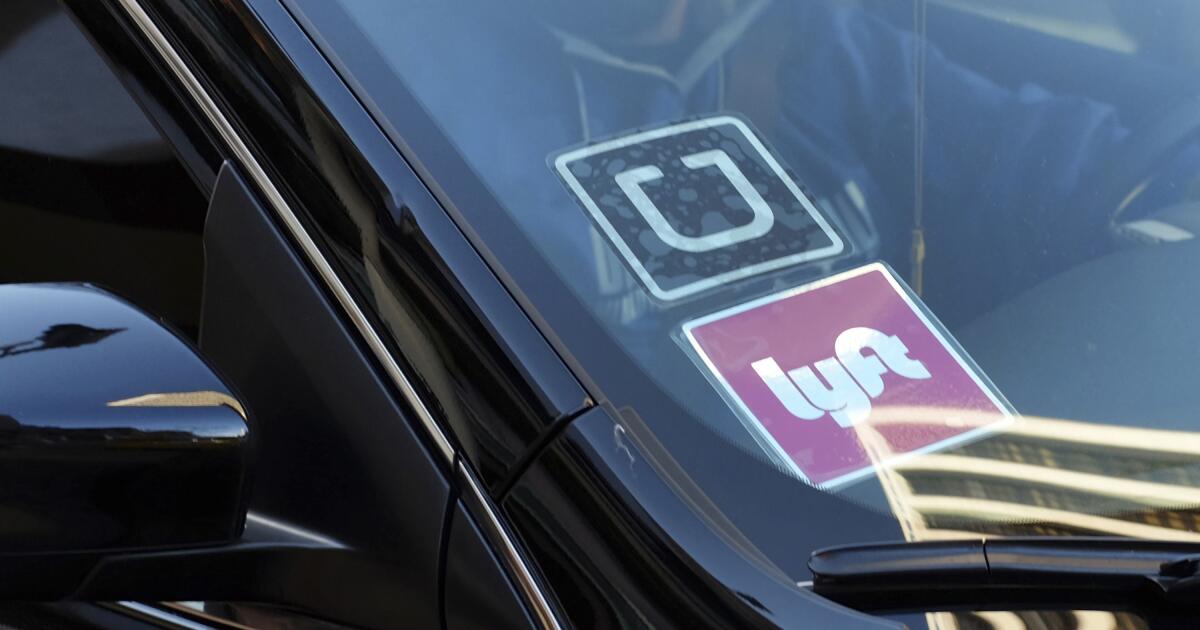
Uber started because a couple of tech-savvy friends wanted to make it easier for people to catch a cab in San Francisco. This week, it agreed to pay $290 million to settle a wage theft case in New York. Lyft owes $38 million.

Letitia James, the state’s attorney general, said that for years the two ride-hailing companies “systematically cheated their drivers … who overwhelmingly come from immigrant communities and rely on these jobs to provide for their families.”

It’s not exactly “wage theft,” but another bit of news this week is a reminder of the extent to which Silicon Valley is not looking out for the people who keep the cash flowing in. DoorDash announced a new feature for its app: a pop-up message letting customers know that orders that don’t include a tip may take longer to be delivered.
“Dashers have full freedom to accept or reject offers based on what they view as valuable and rewarding,” a company statement read.
Keep in mind the founders of the tech company started off doing deliveries themselves. They know what drivers go through. However, instead of just paying a livable wage, the company is passing that responsibility on to customers. And sure, the message might encourage customers to tip, but drivers can’t count on that. The statement issued characterizes the arrangement as reflecting the values of the people ordering, not the billionaires arranging delivery.
It’s a variation of the old parlor trick President Reagan used to convince the public that capital is more important to the economy than labor is. Before greed was deemed good in the 1980s, the bottom 90% of Americans divided approximately 65% of the nation’s income. Today that 90% is fighting over much less — around half of the nation’s income.

The promise of tech was supposed to spark a market correction. Instead, it’s escalating the problem. It seems just as plausible these days that Congress would hold a hearing over financial corruption in the tech sector as in any legacy industry. No matter how aspirational the beginning, when a startup succeeds, it eventually reaches a crossroads and inevitably errs on the side of profits.
Profits, not people.
Even when tech companies are not the employer, they indirectly benefit from exploitative practices. Take the details surrounding the 2016 fraud convictions of Atul Nanda and his brother Jiten. The two used the H-1B visa program to attract skilled tech workers to the U.S. but misrepresented the nature of their prospective employment. On the visa application forms they said hires would be full-time employees. However, it was discovered the workers were actually paid on an as-needed basis. And because their visas’ terms did not allow the foreign employees to work elsewhere, they were stuck. The government found that the “two brothers created a highly profitable and highly illegal business model at the extreme expense of the alien workforce that they recruited.”

It’s a scenario not much different from the conditions reported last month out of Saudi Arabia. Migrants paid recruiting firms large fees for employment. They thought they would be working for Amazon. Turns out it was a third party who forced them to work in Amazon warehouses under poor conditions and at poverty wages. In some cases, passports were confiscated.
Tech was supposed to change the world, and in countless ways it has. But it has consistently passed up opportunities to make the world a better place. That just doesn’t pay as well as exploitation.

