

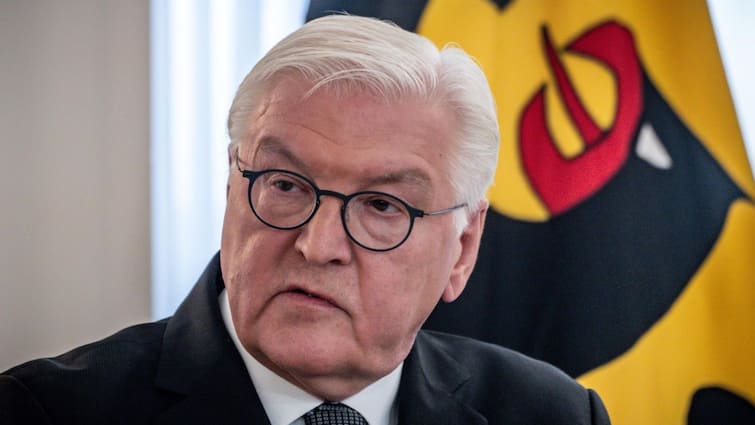
German President Frank-Walter Steinmeier on Friday dissolved parliament and announced new elections for 23 February following the collapse of Chancellor Olaf Scholz’s three-party governing coalition. Scholz lost a confidence vote on 16 December and currently leads a minority government.
The coalition disbanded on 6 November after Scholz dismissed his finance minister over a disagreement on revitalising Germany’s struggling economy. Leaders of major political parties agreed to hold parliamentary elections seven months earlier than scheduled.
As per Germany’s post-World War II constitution, the Bundestag cannot dissolve itself. The decision rested with Steinmeier, who had a 21-day window to act. Once dissolved, elections must be conducted within 60 days.

German President Frank-Walter Steinmeier on Friday dissolved parliament and announced new elections for 23 February following the collapse of Chancellor Olaf Scholz’s three-party governing coalition. Scholz lost a confidence vote on 16 December and currently leads a minority government.
The coalition disbanded on 6 November after Scholz dismissed his finance minister over a disagreement on revitalising Germany’s struggling economy. Leaders of major political parties agreed to hold parliamentary elections seven months earlier than scheduled.
As per Germany’s post-World War II constitution, the Bundestag cannot dissolve itself. The decision rested with Steinmeier, who had a 21-day window to act. Once dissolved, elections must be conducted within 60 days.

German President Frank-Walter Steinmeier on Friday dissolved parliament and announced new elections for 23 February following the collapse of Chancellor Olaf Scholz’s three-party governing coalition. Scholz lost a confidence vote on 16 December and currently leads a minority government.
The coalition disbanded on 6 November after Scholz dismissed his finance minister over a disagreement on revitalising Germany’s struggling economy. Leaders of major political parties agreed to hold parliamentary elections seven months earlier than scheduled.
As per Germany’s post-World War II constitution, the Bundestag cannot dissolve itself. The decision rested with Steinmeier, who had a 21-day window to act. Once dissolved, elections must be conducted within 60 days.
German President Frank-Walter Steinmeier on Friday dissolved parliament and announced new elections for 23 February following the collapse of Chancellor Olaf Scholz’s three-party governing coalition. Scholz lost a confidence vote on 16 December and currently leads a minority government.
The coalition disbanded on 6 November after Scholz dismissed his finance minister over a disagreement on revitalising Germany’s struggling economy. Leaders of major political parties agreed to hold parliamentary elections seven months earlier than scheduled.
As per Germany’s post-World War II constitution, the Bundestag cannot dissolve itself. The decision rested with Steinmeier, who had a 21-day window to act. Once dissolved, elections must be conducted within 60 days.

German President Frank-Walter Steinmeier on Friday dissolved parliament and announced new elections for 23 February following the collapse of Chancellor Olaf Scholz’s three-party governing coalition. Scholz lost a confidence vote on 16 December and currently leads a minority government.
The coalition disbanded on 6 November after Scholz dismissed his finance minister over a disagreement on revitalising Germany’s struggling economy. Leaders of major political parties agreed to hold parliamentary elections seven months earlier than scheduled.
As per Germany’s post-World War II constitution, the Bundestag cannot dissolve itself. The decision rested with Steinmeier, who had a 21-day window to act. Once dissolved, elections must be conducted within 60 days.
German President Frank-Walter Steinmeier on Friday dissolved parliament and announced new elections for 23 February following the collapse of Chancellor Olaf Scholz’s three-party governing coalition. Scholz lost a confidence vote on 16 December and currently leads a minority government.
The coalition disbanded on 6 November after Scholz dismissed his finance minister over a disagreement on revitalising Germany’s struggling economy. Leaders of major political parties agreed to hold parliamentary elections seven months earlier than scheduled.
As per Germany’s post-World War II constitution, the Bundestag cannot dissolve itself. The decision rested with Steinmeier, who had a 21-day window to act. Once dissolved, elections must be conducted within 60 days.
German President Frank-Walter Steinmeier on Friday dissolved parliament and announced new elections for 23 February following the collapse of Chancellor Olaf Scholz’s three-party governing coalition. Scholz lost a confidence vote on 16 December and currently leads a minority government.
The coalition disbanded on 6 November after Scholz dismissed his finance minister over a disagreement on revitalising Germany’s struggling economy. Leaders of major political parties agreed to hold parliamentary elections seven months earlier than scheduled.
As per Germany’s post-World War II constitution, the Bundestag cannot dissolve itself. The decision rested with Steinmeier, who had a 21-day window to act. Once dissolved, elections must be conducted within 60 days.
German President Frank-Walter Steinmeier on Friday dissolved parliament and announced new elections for 23 February following the collapse of Chancellor Olaf Scholz’s three-party governing coalition. Scholz lost a confidence vote on 16 December and currently leads a minority government.
The coalition disbanded on 6 November after Scholz dismissed his finance minister over a disagreement on revitalising Germany’s struggling economy. Leaders of major political parties agreed to hold parliamentary elections seven months earlier than scheduled.
As per Germany’s post-World War II constitution, the Bundestag cannot dissolve itself. The decision rested with Steinmeier, who had a 21-day window to act. Once dissolved, elections must be conducted within 60 days.

German President Frank-Walter Steinmeier on Friday dissolved parliament and announced new elections for 23 February following the collapse of Chancellor Olaf Scholz’s three-party governing coalition. Scholz lost a confidence vote on 16 December and currently leads a minority government.
The coalition disbanded on 6 November after Scholz dismissed his finance minister over a disagreement on revitalising Germany’s struggling economy. Leaders of major political parties agreed to hold parliamentary elections seven months earlier than scheduled.
As per Germany’s post-World War II constitution, the Bundestag cannot dissolve itself. The decision rested with Steinmeier, who had a 21-day window to act. Once dissolved, elections must be conducted within 60 days.
German President Frank-Walter Steinmeier on Friday dissolved parliament and announced new elections for 23 February following the collapse of Chancellor Olaf Scholz’s three-party governing coalition. Scholz lost a confidence vote on 16 December and currently leads a minority government.
The coalition disbanded on 6 November after Scholz dismissed his finance minister over a disagreement on revitalising Germany’s struggling economy. Leaders of major political parties agreed to hold parliamentary elections seven months earlier than scheduled.
As per Germany’s post-World War II constitution, the Bundestag cannot dissolve itself. The decision rested with Steinmeier, who had a 21-day window to act. Once dissolved, elections must be conducted within 60 days.
German President Frank-Walter Steinmeier on Friday dissolved parliament and announced new elections for 23 February following the collapse of Chancellor Olaf Scholz’s three-party governing coalition. Scholz lost a confidence vote on 16 December and currently leads a minority government.
The coalition disbanded on 6 November after Scholz dismissed his finance minister over a disagreement on revitalising Germany’s struggling economy. Leaders of major political parties agreed to hold parliamentary elections seven months earlier than scheduled.
As per Germany’s post-World War II constitution, the Bundestag cannot dissolve itself. The decision rested with Steinmeier, who had a 21-day window to act. Once dissolved, elections must be conducted within 60 days.
German President Frank-Walter Steinmeier on Friday dissolved parliament and announced new elections for 23 February following the collapse of Chancellor Olaf Scholz’s three-party governing coalition. Scholz lost a confidence vote on 16 December and currently leads a minority government.
The coalition disbanded on 6 November after Scholz dismissed his finance minister over a disagreement on revitalising Germany’s struggling economy. Leaders of major political parties agreed to hold parliamentary elections seven months earlier than scheduled.
As per Germany’s post-World War II constitution, the Bundestag cannot dissolve itself. The decision rested with Steinmeier, who had a 21-day window to act. Once dissolved, elections must be conducted within 60 days.
German President Frank-Walter Steinmeier on Friday dissolved parliament and announced new elections for 23 February following the collapse of Chancellor Olaf Scholz’s three-party governing coalition. Scholz lost a confidence vote on 16 December and currently leads a minority government.
The coalition disbanded on 6 November after Scholz dismissed his finance minister over a disagreement on revitalising Germany’s struggling economy. Leaders of major political parties agreed to hold parliamentary elections seven months earlier than scheduled.
As per Germany’s post-World War II constitution, the Bundestag cannot dissolve itself. The decision rested with Steinmeier, who had a 21-day window to act. Once dissolved, elections must be conducted within 60 days.
German President Frank-Walter Steinmeier on Friday dissolved parliament and announced new elections for 23 February following the collapse of Chancellor Olaf Scholz’s three-party governing coalition. Scholz lost a confidence vote on 16 December and currently leads a minority government.
The coalition disbanded on 6 November after Scholz dismissed his finance minister over a disagreement on revitalising Germany’s struggling economy. Leaders of major political parties agreed to hold parliamentary elections seven months earlier than scheduled.
As per Germany’s post-World War II constitution, the Bundestag cannot dissolve itself. The decision rested with Steinmeier, who had a 21-day window to act. Once dissolved, elections must be conducted within 60 days.
German President Frank-Walter Steinmeier on Friday dissolved parliament and announced new elections for 23 February following the collapse of Chancellor Olaf Scholz’s three-party governing coalition. Scholz lost a confidence vote on 16 December and currently leads a minority government.
The coalition disbanded on 6 November after Scholz dismissed his finance minister over a disagreement on revitalising Germany’s struggling economy. Leaders of major political parties agreed to hold parliamentary elections seven months earlier than scheduled.
As per Germany’s post-World War II constitution, the Bundestag cannot dissolve itself. The decision rested with Steinmeier, who had a 21-day window to act. Once dissolved, elections must be conducted within 60 days.
German President Frank-Walter Steinmeier on Friday dissolved parliament and announced new elections for 23 February following the collapse of Chancellor Olaf Scholz’s three-party governing coalition. Scholz lost a confidence vote on 16 December and currently leads a minority government.
The coalition disbanded on 6 November after Scholz dismissed his finance minister over a disagreement on revitalising Germany’s struggling economy. Leaders of major political parties agreed to hold parliamentary elections seven months earlier than scheduled.
As per Germany’s post-World War II constitution, the Bundestag cannot dissolve itself. The decision rested with Steinmeier, who had a 21-day window to act. Once dissolved, elections must be conducted within 60 days.

