

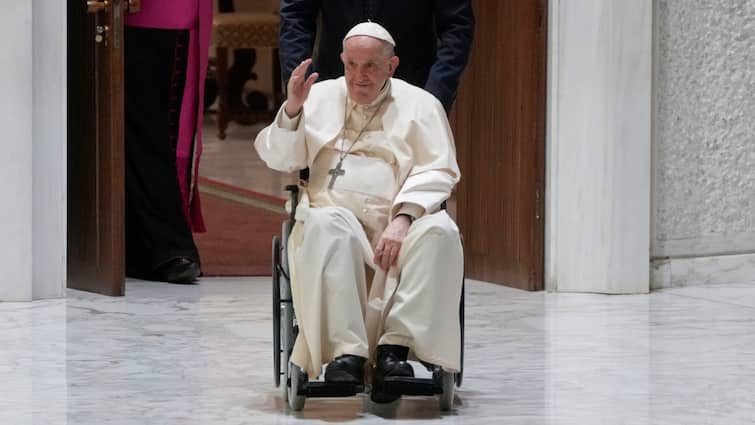
Pope Francis, who has been hospitalised for more than a week, remains critical and has developed an asthmatic respiratory crisis, as per the Vatican. The Vatican had earlier said that he would remain in hospital due to his pneumonia diagnosis and would not deliver the weekly Angelus prayer.
Amid 88-year-old Pope Francis’ poor health, let’s understand the selection process for the role. The method the Catholic Church uses to select its leader has remained unchanged for the last 800 years. Leaders of the Roman Catholic Church have been chosen at the Vatican in private gatherings known as conclaves or precisely ‘Papal Conclave’.
The conclave and its historic vote which generally happens after a pope dies, are kept private. Cardinals can be excommunicated if they leak information and the chapel is swept for listening devices before and after the conclave, according to the Archdiocese of Toronto.
Who Is eligible?
Candidates must be male and a baptized Catholic. Nearly every pontiff has been a cardinal before they were elected. However, it is not an explicit requirement. The pope is chosen by 120 cardinals who must be under the age of 80 at the time of the previous pope’s death or resignation.
The world has 252 cardinals, of which 138 fit the age requirement, as of January 22.
The Election Process
The first day of the conclave begins with a special morning mass, after which the cardinals gather at the Sistine Chapel, home of all the Papal Conclaves since 1858.
Each cardinal places his hand on a book of the Gospels and pledges “with the greatest fidelity” never to reveal the details of the conclave. Later, the cardinals are locked inside the conclave until they choose a successor. The cardinals filter candidates through successive rounds of voting.
A Pope is elected when a single candidate receives a two-thirds majority. Sometimes Pope’s are chosen quickly when a strong candidate emerges. However from the 34th ballot onwards, the Conclave only votes between the two front runners who gained the most votes in the previous round.
The longest Papal Conclave, in the late thirteenth century, lasted three years. Three voting Cardinals died during the process.
During each ballot, Cardinals write the name of their choice in distorted handwriting to disguise their identity. The ballot papers are then burned in a small fire inside the Sistine Chapel.
What Happens After The Vote?
A new Pope is elected when one candidate has finally won two-thirds of the vote. The Cardinal Dean then calls the candidate to the front of the chapel and asks whether they are willing to accept. If the answer is yes, the new Pope is then asked to choose his new Papal name.
Later, Vatican tailors create three Papal robes in small, medium and large. The new Pope is led into the Room of Tears adjacent to the Sistine Chapel where he dons his new white robes and red slippers.
The Pope is then presented to the crowds from the main balcony of St Peter’s Basilica.

Pope Francis, who has been hospitalised for more than a week, remains critical and has developed an asthmatic respiratory crisis, as per the Vatican. The Vatican had earlier said that he would remain in hospital due to his pneumonia diagnosis and would not deliver the weekly Angelus prayer.
Amid 88-year-old Pope Francis’ poor health, let’s understand the selection process for the role. The method the Catholic Church uses to select its leader has remained unchanged for the last 800 years. Leaders of the Roman Catholic Church have been chosen at the Vatican in private gatherings known as conclaves or precisely ‘Papal Conclave’.
The conclave and its historic vote which generally happens after a pope dies, are kept private. Cardinals can be excommunicated if they leak information and the chapel is swept for listening devices before and after the conclave, according to the Archdiocese of Toronto.
Who Is eligible?
Candidates must be male and a baptized Catholic. Nearly every pontiff has been a cardinal before they were elected. However, it is not an explicit requirement. The pope is chosen by 120 cardinals who must be under the age of 80 at the time of the previous pope’s death or resignation.
The world has 252 cardinals, of which 138 fit the age requirement, as of January 22.
The Election Process
The first day of the conclave begins with a special morning mass, after which the cardinals gather at the Sistine Chapel, home of all the Papal Conclaves since 1858.
Each cardinal places his hand on a book of the Gospels and pledges “with the greatest fidelity” never to reveal the details of the conclave. Later, the cardinals are locked inside the conclave until they choose a successor. The cardinals filter candidates through successive rounds of voting.
A Pope is elected when a single candidate receives a two-thirds majority. Sometimes Pope’s are chosen quickly when a strong candidate emerges. However from the 34th ballot onwards, the Conclave only votes between the two front runners who gained the most votes in the previous round.
The longest Papal Conclave, in the late thirteenth century, lasted three years. Three voting Cardinals died during the process.
During each ballot, Cardinals write the name of their choice in distorted handwriting to disguise their identity. The ballot papers are then burned in a small fire inside the Sistine Chapel.
What Happens After The Vote?
A new Pope is elected when one candidate has finally won two-thirds of the vote. The Cardinal Dean then calls the candidate to the front of the chapel and asks whether they are willing to accept. If the answer is yes, the new Pope is then asked to choose his new Papal name.
Later, Vatican tailors create three Papal robes in small, medium and large. The new Pope is led into the Room of Tears adjacent to the Sistine Chapel where he dons his new white robes and red slippers.
The Pope is then presented to the crowds from the main balcony of St Peter’s Basilica.

Pope Francis, who has been hospitalised for more than a week, remains critical and has developed an asthmatic respiratory crisis, as per the Vatican. The Vatican had earlier said that he would remain in hospital due to his pneumonia diagnosis and would not deliver the weekly Angelus prayer.
Amid 88-year-old Pope Francis’ poor health, let’s understand the selection process for the role. The method the Catholic Church uses to select its leader has remained unchanged for the last 800 years. Leaders of the Roman Catholic Church have been chosen at the Vatican in private gatherings known as conclaves or precisely ‘Papal Conclave’.
The conclave and its historic vote which generally happens after a pope dies, are kept private. Cardinals can be excommunicated if they leak information and the chapel is swept for listening devices before and after the conclave, according to the Archdiocese of Toronto.
Who Is eligible?
Candidates must be male and a baptized Catholic. Nearly every pontiff has been a cardinal before they were elected. However, it is not an explicit requirement. The pope is chosen by 120 cardinals who must be under the age of 80 at the time of the previous pope’s death or resignation.
The world has 252 cardinals, of which 138 fit the age requirement, as of January 22.
The Election Process
The first day of the conclave begins with a special morning mass, after which the cardinals gather at the Sistine Chapel, home of all the Papal Conclaves since 1858.
Each cardinal places his hand on a book of the Gospels and pledges “with the greatest fidelity” never to reveal the details of the conclave. Later, the cardinals are locked inside the conclave until they choose a successor. The cardinals filter candidates through successive rounds of voting.
A Pope is elected when a single candidate receives a two-thirds majority. Sometimes Pope’s are chosen quickly when a strong candidate emerges. However from the 34th ballot onwards, the Conclave only votes between the two front runners who gained the most votes in the previous round.
The longest Papal Conclave, in the late thirteenth century, lasted three years. Three voting Cardinals died during the process.
During each ballot, Cardinals write the name of their choice in distorted handwriting to disguise their identity. The ballot papers are then burned in a small fire inside the Sistine Chapel.
What Happens After The Vote?
A new Pope is elected when one candidate has finally won two-thirds of the vote. The Cardinal Dean then calls the candidate to the front of the chapel and asks whether they are willing to accept. If the answer is yes, the new Pope is then asked to choose his new Papal name.
Later, Vatican tailors create three Papal robes in small, medium and large. The new Pope is led into the Room of Tears adjacent to the Sistine Chapel where he dons his new white robes and red slippers.
The Pope is then presented to the crowds from the main balcony of St Peter’s Basilica.
Pope Francis, who has been hospitalised for more than a week, remains critical and has developed an asthmatic respiratory crisis, as per the Vatican. The Vatican had earlier said that he would remain in hospital due to his pneumonia diagnosis and would not deliver the weekly Angelus prayer.
Amid 88-year-old Pope Francis’ poor health, let’s understand the selection process for the role. The method the Catholic Church uses to select its leader has remained unchanged for the last 800 years. Leaders of the Roman Catholic Church have been chosen at the Vatican in private gatherings known as conclaves or precisely ‘Papal Conclave’.
The conclave and its historic vote which generally happens after a pope dies, are kept private. Cardinals can be excommunicated if they leak information and the chapel is swept for listening devices before and after the conclave, according to the Archdiocese of Toronto.
Who Is eligible?
Candidates must be male and a baptized Catholic. Nearly every pontiff has been a cardinal before they were elected. However, it is not an explicit requirement. The pope is chosen by 120 cardinals who must be under the age of 80 at the time of the previous pope’s death or resignation.
The world has 252 cardinals, of which 138 fit the age requirement, as of January 22.
The Election Process
The first day of the conclave begins with a special morning mass, after which the cardinals gather at the Sistine Chapel, home of all the Papal Conclaves since 1858.
Each cardinal places his hand on a book of the Gospels and pledges “with the greatest fidelity” never to reveal the details of the conclave. Later, the cardinals are locked inside the conclave until they choose a successor. The cardinals filter candidates through successive rounds of voting.
A Pope is elected when a single candidate receives a two-thirds majority. Sometimes Pope’s are chosen quickly when a strong candidate emerges. However from the 34th ballot onwards, the Conclave only votes between the two front runners who gained the most votes in the previous round.
The longest Papal Conclave, in the late thirteenth century, lasted three years. Three voting Cardinals died during the process.
During each ballot, Cardinals write the name of their choice in distorted handwriting to disguise their identity. The ballot papers are then burned in a small fire inside the Sistine Chapel.
What Happens After The Vote?
A new Pope is elected when one candidate has finally won two-thirds of the vote. The Cardinal Dean then calls the candidate to the front of the chapel and asks whether they are willing to accept. If the answer is yes, the new Pope is then asked to choose his new Papal name.
Later, Vatican tailors create three Papal robes in small, medium and large. The new Pope is led into the Room of Tears adjacent to the Sistine Chapel where he dons his new white robes and red slippers.
The Pope is then presented to the crowds from the main balcony of St Peter’s Basilica.

Pope Francis, who has been hospitalised for more than a week, remains critical and has developed an asthmatic respiratory crisis, as per the Vatican. The Vatican had earlier said that he would remain in hospital due to his pneumonia diagnosis and would not deliver the weekly Angelus prayer.
Amid 88-year-old Pope Francis’ poor health, let’s understand the selection process for the role. The method the Catholic Church uses to select its leader has remained unchanged for the last 800 years. Leaders of the Roman Catholic Church have been chosen at the Vatican in private gatherings known as conclaves or precisely ‘Papal Conclave’.
The conclave and its historic vote which generally happens after a pope dies, are kept private. Cardinals can be excommunicated if they leak information and the chapel is swept for listening devices before and after the conclave, according to the Archdiocese of Toronto.
Who Is eligible?
Candidates must be male and a baptized Catholic. Nearly every pontiff has been a cardinal before they were elected. However, it is not an explicit requirement. The pope is chosen by 120 cardinals who must be under the age of 80 at the time of the previous pope’s death or resignation.
The world has 252 cardinals, of which 138 fit the age requirement, as of January 22.
The Election Process
The first day of the conclave begins with a special morning mass, after which the cardinals gather at the Sistine Chapel, home of all the Papal Conclaves since 1858.
Each cardinal places his hand on a book of the Gospels and pledges “with the greatest fidelity” never to reveal the details of the conclave. Later, the cardinals are locked inside the conclave until they choose a successor. The cardinals filter candidates through successive rounds of voting.
A Pope is elected when a single candidate receives a two-thirds majority. Sometimes Pope’s are chosen quickly when a strong candidate emerges. However from the 34th ballot onwards, the Conclave only votes between the two front runners who gained the most votes in the previous round.
The longest Papal Conclave, in the late thirteenth century, lasted three years. Three voting Cardinals died during the process.
During each ballot, Cardinals write the name of their choice in distorted handwriting to disguise their identity. The ballot papers are then burned in a small fire inside the Sistine Chapel.
What Happens After The Vote?
A new Pope is elected when one candidate has finally won two-thirds of the vote. The Cardinal Dean then calls the candidate to the front of the chapel and asks whether they are willing to accept. If the answer is yes, the new Pope is then asked to choose his new Papal name.
Later, Vatican tailors create three Papal robes in small, medium and large. The new Pope is led into the Room of Tears adjacent to the Sistine Chapel where he dons his new white robes and red slippers.
The Pope is then presented to the crowds from the main balcony of St Peter’s Basilica.
Pope Francis, who has been hospitalised for more than a week, remains critical and has developed an asthmatic respiratory crisis, as per the Vatican. The Vatican had earlier said that he would remain in hospital due to his pneumonia diagnosis and would not deliver the weekly Angelus prayer.
Amid 88-year-old Pope Francis’ poor health, let’s understand the selection process for the role. The method the Catholic Church uses to select its leader has remained unchanged for the last 800 years. Leaders of the Roman Catholic Church have been chosen at the Vatican in private gatherings known as conclaves or precisely ‘Papal Conclave’.
The conclave and its historic vote which generally happens after a pope dies, are kept private. Cardinals can be excommunicated if they leak information and the chapel is swept for listening devices before and after the conclave, according to the Archdiocese of Toronto.
Who Is eligible?
Candidates must be male and a baptized Catholic. Nearly every pontiff has been a cardinal before they were elected. However, it is not an explicit requirement. The pope is chosen by 120 cardinals who must be under the age of 80 at the time of the previous pope’s death or resignation.
The world has 252 cardinals, of which 138 fit the age requirement, as of January 22.
The Election Process
The first day of the conclave begins with a special morning mass, after which the cardinals gather at the Sistine Chapel, home of all the Papal Conclaves since 1858.
Each cardinal places his hand on a book of the Gospels and pledges “with the greatest fidelity” never to reveal the details of the conclave. Later, the cardinals are locked inside the conclave until they choose a successor. The cardinals filter candidates through successive rounds of voting.
A Pope is elected when a single candidate receives a two-thirds majority. Sometimes Pope’s are chosen quickly when a strong candidate emerges. However from the 34th ballot onwards, the Conclave only votes between the two front runners who gained the most votes in the previous round.
The longest Papal Conclave, in the late thirteenth century, lasted three years. Three voting Cardinals died during the process.
During each ballot, Cardinals write the name of their choice in distorted handwriting to disguise their identity. The ballot papers are then burned in a small fire inside the Sistine Chapel.
What Happens After The Vote?
A new Pope is elected when one candidate has finally won two-thirds of the vote. The Cardinal Dean then calls the candidate to the front of the chapel and asks whether they are willing to accept. If the answer is yes, the new Pope is then asked to choose his new Papal name.
Later, Vatican tailors create three Papal robes in small, medium and large. The new Pope is led into the Room of Tears adjacent to the Sistine Chapel where he dons his new white robes and red slippers.
The Pope is then presented to the crowds from the main balcony of St Peter’s Basilica.
Pope Francis, who has been hospitalised for more than a week, remains critical and has developed an asthmatic respiratory crisis, as per the Vatican. The Vatican had earlier said that he would remain in hospital due to his pneumonia diagnosis and would not deliver the weekly Angelus prayer.
Amid 88-year-old Pope Francis’ poor health, let’s understand the selection process for the role. The method the Catholic Church uses to select its leader has remained unchanged for the last 800 years. Leaders of the Roman Catholic Church have been chosen at the Vatican in private gatherings known as conclaves or precisely ‘Papal Conclave’.
The conclave and its historic vote which generally happens after a pope dies, are kept private. Cardinals can be excommunicated if they leak information and the chapel is swept for listening devices before and after the conclave, according to the Archdiocese of Toronto.
Who Is eligible?
Candidates must be male and a baptized Catholic. Nearly every pontiff has been a cardinal before they were elected. However, it is not an explicit requirement. The pope is chosen by 120 cardinals who must be under the age of 80 at the time of the previous pope’s death or resignation.
The world has 252 cardinals, of which 138 fit the age requirement, as of January 22.
The Election Process
The first day of the conclave begins with a special morning mass, after which the cardinals gather at the Sistine Chapel, home of all the Papal Conclaves since 1858.
Each cardinal places his hand on a book of the Gospels and pledges “with the greatest fidelity” never to reveal the details of the conclave. Later, the cardinals are locked inside the conclave until they choose a successor. The cardinals filter candidates through successive rounds of voting.
A Pope is elected when a single candidate receives a two-thirds majority. Sometimes Pope’s are chosen quickly when a strong candidate emerges. However from the 34th ballot onwards, the Conclave only votes between the two front runners who gained the most votes in the previous round.
The longest Papal Conclave, in the late thirteenth century, lasted three years. Three voting Cardinals died during the process.
During each ballot, Cardinals write the name of their choice in distorted handwriting to disguise their identity. The ballot papers are then burned in a small fire inside the Sistine Chapel.
What Happens After The Vote?
A new Pope is elected when one candidate has finally won two-thirds of the vote. The Cardinal Dean then calls the candidate to the front of the chapel and asks whether they are willing to accept. If the answer is yes, the new Pope is then asked to choose his new Papal name.
Later, Vatican tailors create three Papal robes in small, medium and large. The new Pope is led into the Room of Tears adjacent to the Sistine Chapel where he dons his new white robes and red slippers.
The Pope is then presented to the crowds from the main balcony of St Peter’s Basilica.
Pope Francis, who has been hospitalised for more than a week, remains critical and has developed an asthmatic respiratory crisis, as per the Vatican. The Vatican had earlier said that he would remain in hospital due to his pneumonia diagnosis and would not deliver the weekly Angelus prayer.
Amid 88-year-old Pope Francis’ poor health, let’s understand the selection process for the role. The method the Catholic Church uses to select its leader has remained unchanged for the last 800 years. Leaders of the Roman Catholic Church have been chosen at the Vatican in private gatherings known as conclaves or precisely ‘Papal Conclave’.
The conclave and its historic vote which generally happens after a pope dies, are kept private. Cardinals can be excommunicated if they leak information and the chapel is swept for listening devices before and after the conclave, according to the Archdiocese of Toronto.
Who Is eligible?
Candidates must be male and a baptized Catholic. Nearly every pontiff has been a cardinal before they were elected. However, it is not an explicit requirement. The pope is chosen by 120 cardinals who must be under the age of 80 at the time of the previous pope’s death or resignation.
The world has 252 cardinals, of which 138 fit the age requirement, as of January 22.
The Election Process
The first day of the conclave begins with a special morning mass, after which the cardinals gather at the Sistine Chapel, home of all the Papal Conclaves since 1858.
Each cardinal places his hand on a book of the Gospels and pledges “with the greatest fidelity” never to reveal the details of the conclave. Later, the cardinals are locked inside the conclave until they choose a successor. The cardinals filter candidates through successive rounds of voting.
A Pope is elected when a single candidate receives a two-thirds majority. Sometimes Pope’s are chosen quickly when a strong candidate emerges. However from the 34th ballot onwards, the Conclave only votes between the two front runners who gained the most votes in the previous round.
The longest Papal Conclave, in the late thirteenth century, lasted three years. Three voting Cardinals died during the process.
During each ballot, Cardinals write the name of their choice in distorted handwriting to disguise their identity. The ballot papers are then burned in a small fire inside the Sistine Chapel.
What Happens After The Vote?
A new Pope is elected when one candidate has finally won two-thirds of the vote. The Cardinal Dean then calls the candidate to the front of the chapel and asks whether they are willing to accept. If the answer is yes, the new Pope is then asked to choose his new Papal name.
Later, Vatican tailors create three Papal robes in small, medium and large. The new Pope is led into the Room of Tears adjacent to the Sistine Chapel where he dons his new white robes and red slippers.
The Pope is then presented to the crowds from the main balcony of St Peter’s Basilica.

Pope Francis, who has been hospitalised for more than a week, remains critical and has developed an asthmatic respiratory crisis, as per the Vatican. The Vatican had earlier said that he would remain in hospital due to his pneumonia diagnosis and would not deliver the weekly Angelus prayer.
Amid 88-year-old Pope Francis’ poor health, let’s understand the selection process for the role. The method the Catholic Church uses to select its leader has remained unchanged for the last 800 years. Leaders of the Roman Catholic Church have been chosen at the Vatican in private gatherings known as conclaves or precisely ‘Papal Conclave’.
The conclave and its historic vote which generally happens after a pope dies, are kept private. Cardinals can be excommunicated if they leak information and the chapel is swept for listening devices before and after the conclave, according to the Archdiocese of Toronto.
Who Is eligible?
Candidates must be male and a baptized Catholic. Nearly every pontiff has been a cardinal before they were elected. However, it is not an explicit requirement. The pope is chosen by 120 cardinals who must be under the age of 80 at the time of the previous pope’s death or resignation.
The world has 252 cardinals, of which 138 fit the age requirement, as of January 22.
The Election Process
The first day of the conclave begins with a special morning mass, after which the cardinals gather at the Sistine Chapel, home of all the Papal Conclaves since 1858.
Each cardinal places his hand on a book of the Gospels and pledges “with the greatest fidelity” never to reveal the details of the conclave. Later, the cardinals are locked inside the conclave until they choose a successor. The cardinals filter candidates through successive rounds of voting.
A Pope is elected when a single candidate receives a two-thirds majority. Sometimes Pope’s are chosen quickly when a strong candidate emerges. However from the 34th ballot onwards, the Conclave only votes between the two front runners who gained the most votes in the previous round.
The longest Papal Conclave, in the late thirteenth century, lasted three years. Three voting Cardinals died during the process.
During each ballot, Cardinals write the name of their choice in distorted handwriting to disguise their identity. The ballot papers are then burned in a small fire inside the Sistine Chapel.
What Happens After The Vote?
A new Pope is elected when one candidate has finally won two-thirds of the vote. The Cardinal Dean then calls the candidate to the front of the chapel and asks whether they are willing to accept. If the answer is yes, the new Pope is then asked to choose his new Papal name.
Later, Vatican tailors create three Papal robes in small, medium and large. The new Pope is led into the Room of Tears adjacent to the Sistine Chapel where he dons his new white robes and red slippers.
The Pope is then presented to the crowds from the main balcony of St Peter’s Basilica.
Pope Francis, who has been hospitalised for more than a week, remains critical and has developed an asthmatic respiratory crisis, as per the Vatican. The Vatican had earlier said that he would remain in hospital due to his pneumonia diagnosis and would not deliver the weekly Angelus prayer.
Amid 88-year-old Pope Francis’ poor health, let’s understand the selection process for the role. The method the Catholic Church uses to select its leader has remained unchanged for the last 800 years. Leaders of the Roman Catholic Church have been chosen at the Vatican in private gatherings known as conclaves or precisely ‘Papal Conclave’.
The conclave and its historic vote which generally happens after a pope dies, are kept private. Cardinals can be excommunicated if they leak information and the chapel is swept for listening devices before and after the conclave, according to the Archdiocese of Toronto.
Who Is eligible?
Candidates must be male and a baptized Catholic. Nearly every pontiff has been a cardinal before they were elected. However, it is not an explicit requirement. The pope is chosen by 120 cardinals who must be under the age of 80 at the time of the previous pope’s death or resignation.
The world has 252 cardinals, of which 138 fit the age requirement, as of January 22.
The Election Process
The first day of the conclave begins with a special morning mass, after which the cardinals gather at the Sistine Chapel, home of all the Papal Conclaves since 1858.
Each cardinal places his hand on a book of the Gospels and pledges “with the greatest fidelity” never to reveal the details of the conclave. Later, the cardinals are locked inside the conclave until they choose a successor. The cardinals filter candidates through successive rounds of voting.
A Pope is elected when a single candidate receives a two-thirds majority. Sometimes Pope’s are chosen quickly when a strong candidate emerges. However from the 34th ballot onwards, the Conclave only votes between the two front runners who gained the most votes in the previous round.
The longest Papal Conclave, in the late thirteenth century, lasted three years. Three voting Cardinals died during the process.
During each ballot, Cardinals write the name of their choice in distorted handwriting to disguise their identity. The ballot papers are then burned in a small fire inside the Sistine Chapel.
What Happens After The Vote?
A new Pope is elected when one candidate has finally won two-thirds of the vote. The Cardinal Dean then calls the candidate to the front of the chapel and asks whether they are willing to accept. If the answer is yes, the new Pope is then asked to choose his new Papal name.
Later, Vatican tailors create three Papal robes in small, medium and large. The new Pope is led into the Room of Tears adjacent to the Sistine Chapel where he dons his new white robes and red slippers.
The Pope is then presented to the crowds from the main balcony of St Peter’s Basilica.
Pope Francis, who has been hospitalised for more than a week, remains critical and has developed an asthmatic respiratory crisis, as per the Vatican. The Vatican had earlier said that he would remain in hospital due to his pneumonia diagnosis and would not deliver the weekly Angelus prayer.
Amid 88-year-old Pope Francis’ poor health, let’s understand the selection process for the role. The method the Catholic Church uses to select its leader has remained unchanged for the last 800 years. Leaders of the Roman Catholic Church have been chosen at the Vatican in private gatherings known as conclaves or precisely ‘Papal Conclave’.
The conclave and its historic vote which generally happens after a pope dies, are kept private. Cardinals can be excommunicated if they leak information and the chapel is swept for listening devices before and after the conclave, according to the Archdiocese of Toronto.
Who Is eligible?
Candidates must be male and a baptized Catholic. Nearly every pontiff has been a cardinal before they were elected. However, it is not an explicit requirement. The pope is chosen by 120 cardinals who must be under the age of 80 at the time of the previous pope’s death or resignation.
The world has 252 cardinals, of which 138 fit the age requirement, as of January 22.
The Election Process
The first day of the conclave begins with a special morning mass, after which the cardinals gather at the Sistine Chapel, home of all the Papal Conclaves since 1858.
Each cardinal places his hand on a book of the Gospels and pledges “with the greatest fidelity” never to reveal the details of the conclave. Later, the cardinals are locked inside the conclave until they choose a successor. The cardinals filter candidates through successive rounds of voting.
A Pope is elected when a single candidate receives a two-thirds majority. Sometimes Pope’s are chosen quickly when a strong candidate emerges. However from the 34th ballot onwards, the Conclave only votes between the two front runners who gained the most votes in the previous round.
The longest Papal Conclave, in the late thirteenth century, lasted three years. Three voting Cardinals died during the process.
During each ballot, Cardinals write the name of their choice in distorted handwriting to disguise their identity. The ballot papers are then burned in a small fire inside the Sistine Chapel.
What Happens After The Vote?
A new Pope is elected when one candidate has finally won two-thirds of the vote. The Cardinal Dean then calls the candidate to the front of the chapel and asks whether they are willing to accept. If the answer is yes, the new Pope is then asked to choose his new Papal name.
Later, Vatican tailors create three Papal robes in small, medium and large. The new Pope is led into the Room of Tears adjacent to the Sistine Chapel where he dons his new white robes and red slippers.
The Pope is then presented to the crowds from the main balcony of St Peter’s Basilica.
Pope Francis, who has been hospitalised for more than a week, remains critical and has developed an asthmatic respiratory crisis, as per the Vatican. The Vatican had earlier said that he would remain in hospital due to his pneumonia diagnosis and would not deliver the weekly Angelus prayer.
Amid 88-year-old Pope Francis’ poor health, let’s understand the selection process for the role. The method the Catholic Church uses to select its leader has remained unchanged for the last 800 years. Leaders of the Roman Catholic Church have been chosen at the Vatican in private gatherings known as conclaves or precisely ‘Papal Conclave’.
The conclave and its historic vote which generally happens after a pope dies, are kept private. Cardinals can be excommunicated if they leak information and the chapel is swept for listening devices before and after the conclave, according to the Archdiocese of Toronto.
Who Is eligible?
Candidates must be male and a baptized Catholic. Nearly every pontiff has been a cardinal before they were elected. However, it is not an explicit requirement. The pope is chosen by 120 cardinals who must be under the age of 80 at the time of the previous pope’s death or resignation.
The world has 252 cardinals, of which 138 fit the age requirement, as of January 22.
The Election Process
The first day of the conclave begins with a special morning mass, after which the cardinals gather at the Sistine Chapel, home of all the Papal Conclaves since 1858.
Each cardinal places his hand on a book of the Gospels and pledges “with the greatest fidelity” never to reveal the details of the conclave. Later, the cardinals are locked inside the conclave until they choose a successor. The cardinals filter candidates through successive rounds of voting.
A Pope is elected when a single candidate receives a two-thirds majority. Sometimes Pope’s are chosen quickly when a strong candidate emerges. However from the 34th ballot onwards, the Conclave only votes between the two front runners who gained the most votes in the previous round.
The longest Papal Conclave, in the late thirteenth century, lasted three years. Three voting Cardinals died during the process.
During each ballot, Cardinals write the name of their choice in distorted handwriting to disguise their identity. The ballot papers are then burned in a small fire inside the Sistine Chapel.
What Happens After The Vote?
A new Pope is elected when one candidate has finally won two-thirds of the vote. The Cardinal Dean then calls the candidate to the front of the chapel and asks whether they are willing to accept. If the answer is yes, the new Pope is then asked to choose his new Papal name.
Later, Vatican tailors create three Papal robes in small, medium and large. The new Pope is led into the Room of Tears adjacent to the Sistine Chapel where he dons his new white robes and red slippers.
The Pope is then presented to the crowds from the main balcony of St Peter’s Basilica.
Pope Francis, who has been hospitalised for more than a week, remains critical and has developed an asthmatic respiratory crisis, as per the Vatican. The Vatican had earlier said that he would remain in hospital due to his pneumonia diagnosis and would not deliver the weekly Angelus prayer.
Amid 88-year-old Pope Francis’ poor health, let’s understand the selection process for the role. The method the Catholic Church uses to select its leader has remained unchanged for the last 800 years. Leaders of the Roman Catholic Church have been chosen at the Vatican in private gatherings known as conclaves or precisely ‘Papal Conclave’.
The conclave and its historic vote which generally happens after a pope dies, are kept private. Cardinals can be excommunicated if they leak information and the chapel is swept for listening devices before and after the conclave, according to the Archdiocese of Toronto.
Who Is eligible?
Candidates must be male and a baptized Catholic. Nearly every pontiff has been a cardinal before they were elected. However, it is not an explicit requirement. The pope is chosen by 120 cardinals who must be under the age of 80 at the time of the previous pope’s death or resignation.
The world has 252 cardinals, of which 138 fit the age requirement, as of January 22.
The Election Process
The first day of the conclave begins with a special morning mass, after which the cardinals gather at the Sistine Chapel, home of all the Papal Conclaves since 1858.
Each cardinal places his hand on a book of the Gospels and pledges “with the greatest fidelity” never to reveal the details of the conclave. Later, the cardinals are locked inside the conclave until they choose a successor. The cardinals filter candidates through successive rounds of voting.
A Pope is elected when a single candidate receives a two-thirds majority. Sometimes Pope’s are chosen quickly when a strong candidate emerges. However from the 34th ballot onwards, the Conclave only votes between the two front runners who gained the most votes in the previous round.
The longest Papal Conclave, in the late thirteenth century, lasted three years. Three voting Cardinals died during the process.
During each ballot, Cardinals write the name of their choice in distorted handwriting to disguise their identity. The ballot papers are then burned in a small fire inside the Sistine Chapel.
What Happens After The Vote?
A new Pope is elected when one candidate has finally won two-thirds of the vote. The Cardinal Dean then calls the candidate to the front of the chapel and asks whether they are willing to accept. If the answer is yes, the new Pope is then asked to choose his new Papal name.
Later, Vatican tailors create three Papal robes in small, medium and large. The new Pope is led into the Room of Tears adjacent to the Sistine Chapel where he dons his new white robes and red slippers.
The Pope is then presented to the crowds from the main balcony of St Peter’s Basilica.
Pope Francis, who has been hospitalised for more than a week, remains critical and has developed an asthmatic respiratory crisis, as per the Vatican. The Vatican had earlier said that he would remain in hospital due to his pneumonia diagnosis and would not deliver the weekly Angelus prayer.
Amid 88-year-old Pope Francis’ poor health, let’s understand the selection process for the role. The method the Catholic Church uses to select its leader has remained unchanged for the last 800 years. Leaders of the Roman Catholic Church have been chosen at the Vatican in private gatherings known as conclaves or precisely ‘Papal Conclave’.
The conclave and its historic vote which generally happens after a pope dies, are kept private. Cardinals can be excommunicated if they leak information and the chapel is swept for listening devices before and after the conclave, according to the Archdiocese of Toronto.
Who Is eligible?
Candidates must be male and a baptized Catholic. Nearly every pontiff has been a cardinal before they were elected. However, it is not an explicit requirement. The pope is chosen by 120 cardinals who must be under the age of 80 at the time of the previous pope’s death or resignation.
The world has 252 cardinals, of which 138 fit the age requirement, as of January 22.
The Election Process
The first day of the conclave begins with a special morning mass, after which the cardinals gather at the Sistine Chapel, home of all the Papal Conclaves since 1858.
Each cardinal places his hand on a book of the Gospels and pledges “with the greatest fidelity” never to reveal the details of the conclave. Later, the cardinals are locked inside the conclave until they choose a successor. The cardinals filter candidates through successive rounds of voting.
A Pope is elected when a single candidate receives a two-thirds majority. Sometimes Pope’s are chosen quickly when a strong candidate emerges. However from the 34th ballot onwards, the Conclave only votes between the two front runners who gained the most votes in the previous round.
The longest Papal Conclave, in the late thirteenth century, lasted three years. Three voting Cardinals died during the process.
During each ballot, Cardinals write the name of their choice in distorted handwriting to disguise their identity. The ballot papers are then burned in a small fire inside the Sistine Chapel.
What Happens After The Vote?
A new Pope is elected when one candidate has finally won two-thirds of the vote. The Cardinal Dean then calls the candidate to the front of the chapel and asks whether they are willing to accept. If the answer is yes, the new Pope is then asked to choose his new Papal name.
Later, Vatican tailors create three Papal robes in small, medium and large. The new Pope is led into the Room of Tears adjacent to the Sistine Chapel where he dons his new white robes and red slippers.
The Pope is then presented to the crowds from the main balcony of St Peter’s Basilica.
Pope Francis, who has been hospitalised for more than a week, remains critical and has developed an asthmatic respiratory crisis, as per the Vatican. The Vatican had earlier said that he would remain in hospital due to his pneumonia diagnosis and would not deliver the weekly Angelus prayer.
Amid 88-year-old Pope Francis’ poor health, let’s understand the selection process for the role. The method the Catholic Church uses to select its leader has remained unchanged for the last 800 years. Leaders of the Roman Catholic Church have been chosen at the Vatican in private gatherings known as conclaves or precisely ‘Papal Conclave’.
The conclave and its historic vote which generally happens after a pope dies, are kept private. Cardinals can be excommunicated if they leak information and the chapel is swept for listening devices before and after the conclave, according to the Archdiocese of Toronto.
Who Is eligible?
Candidates must be male and a baptized Catholic. Nearly every pontiff has been a cardinal before they were elected. However, it is not an explicit requirement. The pope is chosen by 120 cardinals who must be under the age of 80 at the time of the previous pope’s death or resignation.
The world has 252 cardinals, of which 138 fit the age requirement, as of January 22.
The Election Process
The first day of the conclave begins with a special morning mass, after which the cardinals gather at the Sistine Chapel, home of all the Papal Conclaves since 1858.
Each cardinal places his hand on a book of the Gospels and pledges “with the greatest fidelity” never to reveal the details of the conclave. Later, the cardinals are locked inside the conclave until they choose a successor. The cardinals filter candidates through successive rounds of voting.
A Pope is elected when a single candidate receives a two-thirds majority. Sometimes Pope’s are chosen quickly when a strong candidate emerges. However from the 34th ballot onwards, the Conclave only votes between the two front runners who gained the most votes in the previous round.
The longest Papal Conclave, in the late thirteenth century, lasted three years. Three voting Cardinals died during the process.
During each ballot, Cardinals write the name of their choice in distorted handwriting to disguise their identity. The ballot papers are then burned in a small fire inside the Sistine Chapel.
What Happens After The Vote?
A new Pope is elected when one candidate has finally won two-thirds of the vote. The Cardinal Dean then calls the candidate to the front of the chapel and asks whether they are willing to accept. If the answer is yes, the new Pope is then asked to choose his new Papal name.
Later, Vatican tailors create three Papal robes in small, medium and large. The new Pope is led into the Room of Tears adjacent to the Sistine Chapel where he dons his new white robes and red slippers.
The Pope is then presented to the crowds from the main balcony of St Peter’s Basilica.
Pope Francis, who has been hospitalised for more than a week, remains critical and has developed an asthmatic respiratory crisis, as per the Vatican. The Vatican had earlier said that he would remain in hospital due to his pneumonia diagnosis and would not deliver the weekly Angelus prayer.
Amid 88-year-old Pope Francis’ poor health, let’s understand the selection process for the role. The method the Catholic Church uses to select its leader has remained unchanged for the last 800 years. Leaders of the Roman Catholic Church have been chosen at the Vatican in private gatherings known as conclaves or precisely ‘Papal Conclave’.
The conclave and its historic vote which generally happens after a pope dies, are kept private. Cardinals can be excommunicated if they leak information and the chapel is swept for listening devices before and after the conclave, according to the Archdiocese of Toronto.
Who Is eligible?
Candidates must be male and a baptized Catholic. Nearly every pontiff has been a cardinal before they were elected. However, it is not an explicit requirement. The pope is chosen by 120 cardinals who must be under the age of 80 at the time of the previous pope’s death or resignation.
The world has 252 cardinals, of which 138 fit the age requirement, as of January 22.
The Election Process
The first day of the conclave begins with a special morning mass, after which the cardinals gather at the Sistine Chapel, home of all the Papal Conclaves since 1858.
Each cardinal places his hand on a book of the Gospels and pledges “with the greatest fidelity” never to reveal the details of the conclave. Later, the cardinals are locked inside the conclave until they choose a successor. The cardinals filter candidates through successive rounds of voting.
A Pope is elected when a single candidate receives a two-thirds majority. Sometimes Pope’s are chosen quickly when a strong candidate emerges. However from the 34th ballot onwards, the Conclave only votes between the two front runners who gained the most votes in the previous round.
The longest Papal Conclave, in the late thirteenth century, lasted three years. Three voting Cardinals died during the process.
During each ballot, Cardinals write the name of their choice in distorted handwriting to disguise their identity. The ballot papers are then burned in a small fire inside the Sistine Chapel.
What Happens After The Vote?
A new Pope is elected when one candidate has finally won two-thirds of the vote. The Cardinal Dean then calls the candidate to the front of the chapel and asks whether they are willing to accept. If the answer is yes, the new Pope is then asked to choose his new Papal name.
Later, Vatican tailors create three Papal robes in small, medium and large. The new Pope is led into the Room of Tears adjacent to the Sistine Chapel where he dons his new white robes and red slippers.
The Pope is then presented to the crowds from the main balcony of St Peter’s Basilica.

