



Washington DC
New York
Toronto
Distribution: (800) 510 9863
Press ID
  • Login
Binghamton Herald
Advertisement
Wednesday, August 5, 2026
  • Home
  • World
  • Politics
  • Business
  • Technology
  • Culture
  • Health
  • Entertainment
  • Trending
No Result
View All Result
Binghamton Herald
No Result
View All Result
Home World

Five U.S. citizens ‘wrongfully detained’ in Iran now out of prison, under house arrest

by Binghamton Herald Report
August 10, 2023
in World
Share on FacebookShare on Twitter
WASHINGTON — 

Following intense, secret negotiations, Iran on Thursday moved four U.S. citizens from prison and placed them under house arrest, in what U.S. officials hope will lead to their eventual release from Iran, people familiar with the negotiations and a lawyer for one of the prisoners said.

A fifth American had already been transferred to house arrest and will become part of the group as negotiations continue, people familiar with the negotiations said. They are being kept at a hotel under guard, the lawyer, Jared Genser, said.

The deal was described as a first step in what could be a multiweek process, the people familiar said.

National Security Council spokeswoman Adrienne Watson confirmed Thursday that the Americans had left prison.

“We have received confirmation that Iran has released from prison five Americans who were unjustly detained and has placed them on house arrest,” Watson said in a statement. “While this is an encouraging step, these U.S. citizens — Siamak Namazi, Morad Tahbaz, Emad Shargi, and two Americans who at this time wish to remain private — should have never been detained in the first place.”

“We will continue to monitor their condition as closely as possible,” she added. “Of course, we will not rest until they are all back home in the United States. Until that time, negotiations for their eventual release remain ongoing and are delicate.”

Iran will eventually get access to the equivalent of up to $6 billion in frozen assets but with restrictions that the money be spent only on humanitarian-related materials, the sources said. Iran remains under numerous U.S. and European sanctions. Though the money is Iran’s, earned through oil sales, gaining access to it now will likely irk Republicans and other hard-liners on Iran. The Biden administration is also considering releasing Iranian prisoners once the U.S. citizens are home.

U.S. negotiators worked through Swiss, Omani and Qatar officials to reach the agreement. Full freedom for the Americans may yet be a long way off, the people familiar cautioned.

Namazi, who has been held by Iran for eight years, and Shargi are businessmen and Tahbaz is an environmentalist. At least one of the other two who were not immediately identified by U.S. officials is a woman. Genser represents Namazi, considered the longest-held American in Iran.

Babak Namazi, Siamak’s brother, said the family was grateful for the release.

“While this is a positive change, we will not rest until Siamak and others are back home; we continue to count the days until this can happen,” the brother said in a statement released by Genser’s office. “We have suffered tremendously and indescribably for eight horrific years and wish only to be reunited again as a family.”

The three identified men are dual U.S. and Iranian citizens and were imprisoned on what Iran called security-related charges. Namazi’s father, Baquer, was also arrested by Iran in 2016 when he went to visit his son but was released in October on “humanitarian grounds,” Tehran said. He is 86 years old and in poor health.

Tahbaz and Shargi were arrested in 2018.

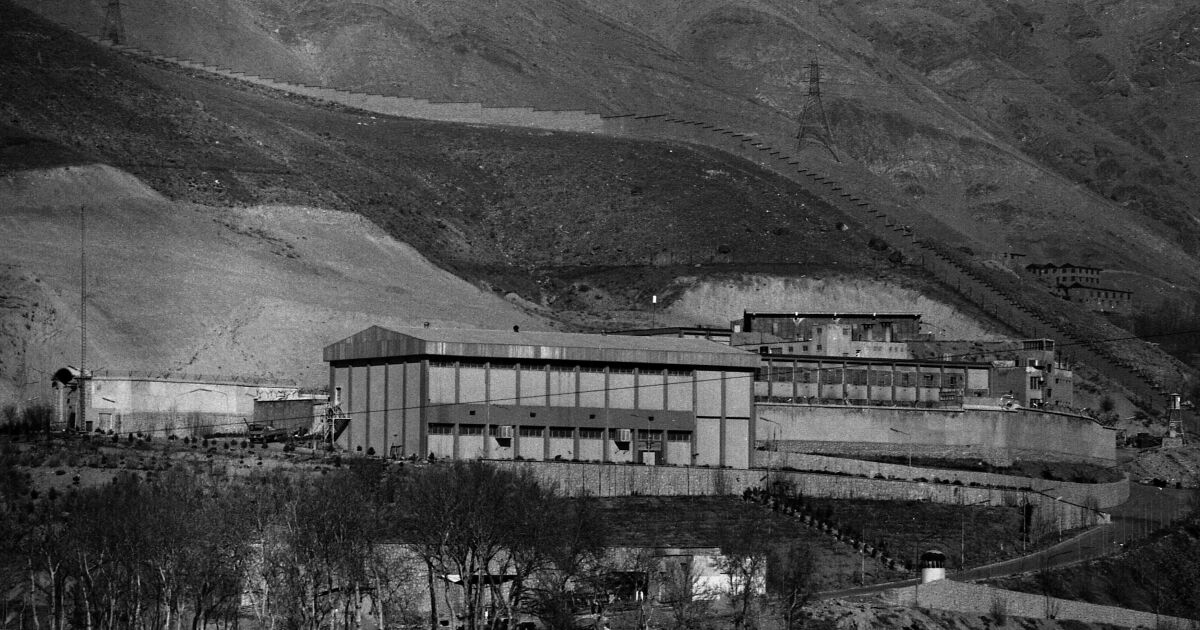
The U.S. citizens were being held in Iran’s notorious Evin Prison, where reports of torture, brutal interrogations and poor conditions are rampant.

Earlier this year, Siamak Nazari gave a dramatic telephone interview to CNN from the prison. He said he had become desperate, felt abandoned and complained bitterly about his plight. Addressing President Biden, he said: “I implore you, sir, to put the lives and liberty of innocent Americans above all the politics involved and to just do what’s necessary to end this nightmare and bring us home.”

His family said at the time that his decision to risk an appearance on CNN was a sign of his desperation.

Washington has long accused Iran, like Russia and a handful of other countries, for seizing U.S. citizens as a way to blackmail or gain concessions. Successive U.S. governments have labeled such prisoners “wrongfully detained” and works for their release through an office created expressly to handle hostage affairs.

The U.S. has imposed harsh sanctions on Tehran tied to its military activities in the region, human rights abuse and other “malign” behavior.

The Biden administration has insisted that negotiations over the prisoners have been conducted independent of talks with Iran over curtailing its nuclear program. The nuclear talks have stalled.

The negotiations over the U.S. citizens held in Iran are the latest in a string of clandestine prisoner swaps the Biden administration has secured over the last two years.

The president secured the release of human rights activist Paul Rusesabagina, who was held in Rwanda, in March. In one of the more high-profile cases, the administration struck a deal with Russia in December for the release of Brittney Griner, an American basketball player who was arrested in 2022 for possession of vape cartridges containing hash oil.

Griner was released in exchange for Viktor Bout, a Russian convicted arms dealer.

Like presidents before him, Biden has made bringing Americans who have been taken hostage or wrongfully detained a priority since he took office. Last July, he issued an executive order directing his administration to use financial sanctions and visa bans on both states and individuals as a means to help secure the release of Americans being held. The order also directed agencies to share intelligence with family members of people who have been detained.

But several Americans are still being held abroad, including Wall Street Journal reporter Evan Gershkovich, who was arrested in Russia in late March on espionage charges. Gershkovich has denied the charges and the U.S. has determined him to be wrongfully detained.

WASHINGTON — 

Following intense, secret negotiations, Iran on Thursday moved four U.S. citizens from prison and placed them under house arrest, in what U.S. officials hope will lead to their eventual release from Iran, people familiar with the negotiations and a lawyer for one of the prisoners said.

A fifth American had already been transferred to house arrest and will become part of the group as negotiations continue, people familiar with the negotiations said. They are being kept at a hotel under guard, the lawyer, Jared Genser, said.

The deal was described as a first step in what could be a multiweek process, the people familiar said.

National Security Council spokeswoman Adrienne Watson confirmed Thursday that the Americans had left prison.

“We have received confirmation that Iran has released from prison five Americans who were unjustly detained and has placed them on house arrest,” Watson said in a statement. “While this is an encouraging step, these U.S. citizens — Siamak Namazi, Morad Tahbaz, Emad Shargi, and two Americans who at this time wish to remain private — should have never been detained in the first place.”

“We will continue to monitor their condition as closely as possible,” she added. “Of course, we will not rest until they are all back home in the United States. Until that time, negotiations for their eventual release remain ongoing and are delicate.”

Iran will eventually get access to the equivalent of up to $6 billion in frozen assets but with restrictions that the money be spent only on humanitarian-related materials, the sources said. Iran remains under numerous U.S. and European sanctions. Though the money is Iran’s, earned through oil sales, gaining access to it now will likely irk Republicans and other hard-liners on Iran. The Biden administration is also considering releasing Iranian prisoners once the U.S. citizens are home.

U.S. negotiators worked through Swiss, Omani and Qatar officials to reach the agreement. Full freedom for the Americans may yet be a long way off, the people familiar cautioned.

Namazi, who has been held by Iran for eight years, and Shargi are businessmen and Tahbaz is an environmentalist. At least one of the other two who were not immediately identified by U.S. officials is a woman. Genser represents Namazi, considered the longest-held American in Iran.

Babak Namazi, Siamak’s brother, said the family was grateful for the release.

“While this is a positive change, we will not rest until Siamak and others are back home; we continue to count the days until this can happen,” the brother said in a statement released by Genser’s office. “We have suffered tremendously and indescribably for eight horrific years and wish only to be reunited again as a family.”

The three identified men are dual U.S. and Iranian citizens and were imprisoned on what Iran called security-related charges. Namazi’s father, Baquer, was also arrested by Iran in 2016 when he went to visit his son but was released in October on “humanitarian grounds,” Tehran said. He is 86 years old and in poor health.

Tahbaz and Shargi were arrested in 2018.

The U.S. citizens were being held in Iran’s notorious Evin Prison, where reports of torture, brutal interrogations and poor conditions are rampant.

Earlier this year, Siamak Nazari gave a dramatic telephone interview to CNN from the prison. He said he had become desperate, felt abandoned and complained bitterly about his plight. Addressing President Biden, he said: “I implore you, sir, to put the lives and liberty of innocent Americans above all the politics involved and to just do what’s necessary to end this nightmare and bring us home.”

His family said at the time that his decision to risk an appearance on CNN was a sign of his desperation.

Washington has long accused Iran, like Russia and a handful of other countries, for seizing U.S. citizens as a way to blackmail or gain concessions. Successive U.S. governments have labeled such prisoners “wrongfully detained” and works for their release through an office created expressly to handle hostage affairs.

The U.S. has imposed harsh sanctions on Tehran tied to its military activities in the region, human rights abuse and other “malign” behavior.

The Biden administration has insisted that negotiations over the prisoners have been conducted independent of talks with Iran over curtailing its nuclear program. The nuclear talks have stalled.

The negotiations over the U.S. citizens held in Iran are the latest in a string of clandestine prisoner swaps the Biden administration has secured over the last two years.

The president secured the release of human rights activist Paul Rusesabagina, who was held in Rwanda, in March. In one of the more high-profile cases, the administration struck a deal with Russia in December for the release of Brittney Griner, an American basketball player who was arrested in 2022 for possession of vape cartridges containing hash oil.

Griner was released in exchange for Viktor Bout, a Russian convicted arms dealer.

Like presidents before him, Biden has made bringing Americans who have been taken hostage or wrongfully detained a priority since he took office. Last July, he issued an executive order directing his administration to use financial sanctions and visa bans on both states and individuals as a means to help secure the release of Americans being held. The order also directed agencies to share intelligence with family members of people who have been detained.

But several Americans are still being held abroad, including Wall Street Journal reporter Evan Gershkovich, who was arrested in Russia in late March on espionage charges. Gershkovich has denied the charges and the U.S. has determined him to be wrongfully detained.

WASHINGTON — 

Following intense, secret negotiations, Iran on Thursday moved four U.S. citizens from prison and placed them under house arrest, in what U.S. officials hope will lead to their eventual release from Iran, people familiar with the negotiations and a lawyer for one of the prisoners said.

A fifth American had already been transferred to house arrest and will become part of the group as negotiations continue, people familiar with the negotiations said. They are being kept at a hotel under guard, the lawyer, Jared Genser, said.

The deal was described as a first step in what could be a multiweek process, the people familiar said.

National Security Council spokeswoman Adrienne Watson confirmed Thursday that the Americans had left prison.

“We have received confirmation that Iran has released from prison five Americans who were unjustly detained and has placed them on house arrest,” Watson said in a statement. “While this is an encouraging step, these U.S. citizens — Siamak Namazi, Morad Tahbaz, Emad Shargi, and two Americans who at this time wish to remain private — should have never been detained in the first place.”

“We will continue to monitor their condition as closely as possible,” she added. “Of course, we will not rest until they are all back home in the United States. Until that time, negotiations for their eventual release remain ongoing and are delicate.”

Iran will eventually get access to the equivalent of up to $6 billion in frozen assets but with restrictions that the money be spent only on humanitarian-related materials, the sources said. Iran remains under numerous U.S. and European sanctions. Though the money is Iran’s, earned through oil sales, gaining access to it now will likely irk Republicans and other hard-liners on Iran. The Biden administration is also considering releasing Iranian prisoners once the U.S. citizens are home.

U.S. negotiators worked through Swiss, Omani and Qatar officials to reach the agreement. Full freedom for the Americans may yet be a long way off, the people familiar cautioned.

Namazi, who has been held by Iran for eight years, and Shargi are businessmen and Tahbaz is an environmentalist. At least one of the other two who were not immediately identified by U.S. officials is a woman. Genser represents Namazi, considered the longest-held American in Iran.

Babak Namazi, Siamak’s brother, said the family was grateful for the release.

“While this is a positive change, we will not rest until Siamak and others are back home; we continue to count the days until this can happen,” the brother said in a statement released by Genser’s office. “We have suffered tremendously and indescribably for eight horrific years and wish only to be reunited again as a family.”

The three identified men are dual U.S. and Iranian citizens and were imprisoned on what Iran called security-related charges. Namazi’s father, Baquer, was also arrested by Iran in 2016 when he went to visit his son but was released in October on “humanitarian grounds,” Tehran said. He is 86 years old and in poor health.

Tahbaz and Shargi were arrested in 2018.

The U.S. citizens were being held in Iran’s notorious Evin Prison, where reports of torture, brutal interrogations and poor conditions are rampant.

Earlier this year, Siamak Nazari gave a dramatic telephone interview to CNN from the prison. He said he had become desperate, felt abandoned and complained bitterly about his plight. Addressing President Biden, he said: “I implore you, sir, to put the lives and liberty of innocent Americans above all the politics involved and to just do what’s necessary to end this nightmare and bring us home.”

His family said at the time that his decision to risk an appearance on CNN was a sign of his desperation.

Washington has long accused Iran, like Russia and a handful of other countries, for seizing U.S. citizens as a way to blackmail or gain concessions. Successive U.S. governments have labeled such prisoners “wrongfully detained” and works for their release through an office created expressly to handle hostage affairs.

The U.S. has imposed harsh sanctions on Tehran tied to its military activities in the region, human rights abuse and other “malign” behavior.

The Biden administration has insisted that negotiations over the prisoners have been conducted independent of talks with Iran over curtailing its nuclear program. The nuclear talks have stalled.

The negotiations over the U.S. citizens held in Iran are the latest in a string of clandestine prisoner swaps the Biden administration has secured over the last two years.

The president secured the release of human rights activist Paul Rusesabagina, who was held in Rwanda, in March. In one of the more high-profile cases, the administration struck a deal with Russia in December for the release of Brittney Griner, an American basketball player who was arrested in 2022 for possession of vape cartridges containing hash oil.

Griner was released in exchange for Viktor Bout, a Russian convicted arms dealer.

Like presidents before him, Biden has made bringing Americans who have been taken hostage or wrongfully detained a priority since he took office. Last July, he issued an executive order directing his administration to use financial sanctions and visa bans on both states and individuals as a means to help secure the release of Americans being held. The order also directed agencies to share intelligence with family members of people who have been detained.

But several Americans are still being held abroad, including Wall Street Journal reporter Evan Gershkovich, who was arrested in Russia in late March on espionage charges. Gershkovich has denied the charges and the U.S. has determined him to be wrongfully detained.


WASHINGTON — 

Following intense, secret negotiations, Iran on Thursday moved four U.S. citizens from prison and placed them under house arrest, in what U.S. officials hope will lead to their eventual release from Iran, people familiar with the negotiations and a lawyer for one of the prisoners said.

A fifth American had already been transferred to house arrest and will become part of the group as negotiations continue, people familiar with the negotiations said. They are being kept at a hotel under guard, the lawyer, Jared Genser, said.

The deal was described as a first step in what could be a multiweek process, the people familiar said.

National Security Council spokeswoman Adrienne Watson confirmed Thursday that the Americans had left prison.

“We have received confirmation that Iran has released from prison five Americans who were unjustly detained and has placed them on house arrest,” Watson said in a statement. “While this is an encouraging step, these U.S. citizens — Siamak Namazi, Morad Tahbaz, Emad Shargi, and two Americans who at this time wish to remain private — should have never been detained in the first place.”

“We will continue to monitor their condition as closely as possible,” she added. “Of course, we will not rest until they are all back home in the United States. Until that time, negotiations for their eventual release remain ongoing and are delicate.”

Iran will eventually get access to the equivalent of up to $6 billion in frozen assets but with restrictions that the money be spent only on humanitarian-related materials, the sources said. Iran remains under numerous U.S. and European sanctions. Though the money is Iran’s, earned through oil sales, gaining access to it now will likely irk Republicans and other hard-liners on Iran. The Biden administration is also considering releasing Iranian prisoners once the U.S. citizens are home.

U.S. negotiators worked through Swiss, Omani and Qatar officials to reach the agreement. Full freedom for the Americans may yet be a long way off, the people familiar cautioned.

Namazi, who has been held by Iran for eight years, and Shargi are businessmen and Tahbaz is an environmentalist. At least one of the other two who were not immediately identified by U.S. officials is a woman. Genser represents Namazi, considered the longest-held American in Iran.

Babak Namazi, Siamak’s brother, said the family was grateful for the release.

“While this is a positive change, we will not rest until Siamak and others are back home; we continue to count the days until this can happen,” the brother said in a statement released by Genser’s office. “We have suffered tremendously and indescribably for eight horrific years and wish only to be reunited again as a family.”

The three identified men are dual U.S. and Iranian citizens and were imprisoned on what Iran called security-related charges. Namazi’s father, Baquer, was also arrested by Iran in 2016 when he went to visit his son but was released in October on “humanitarian grounds,” Tehran said. He is 86 years old and in poor health.

Tahbaz and Shargi were arrested in 2018.

The U.S. citizens were being held in Iran’s notorious Evin Prison, where reports of torture, brutal interrogations and poor conditions are rampant.

Earlier this year, Siamak Nazari gave a dramatic telephone interview to CNN from the prison. He said he had become desperate, felt abandoned and complained bitterly about his plight. Addressing President Biden, he said: “I implore you, sir, to put the lives and liberty of innocent Americans above all the politics involved and to just do what’s necessary to end this nightmare and bring us home.”

His family said at the time that his decision to risk an appearance on CNN was a sign of his desperation.

Washington has long accused Iran, like Russia and a handful of other countries, for seizing U.S. citizens as a way to blackmail or gain concessions. Successive U.S. governments have labeled such prisoners “wrongfully detained” and works for their release through an office created expressly to handle hostage affairs.

The U.S. has imposed harsh sanctions on Tehran tied to its military activities in the region, human rights abuse and other “malign” behavior.

The Biden administration has insisted that negotiations over the prisoners have been conducted independent of talks with Iran over curtailing its nuclear program. The nuclear talks have stalled.

The negotiations over the U.S. citizens held in Iran are the latest in a string of clandestine prisoner swaps the Biden administration has secured over the last two years.

The president secured the release of human rights activist Paul Rusesabagina, who was held in Rwanda, in March. In one of the more high-profile cases, the administration struck a deal with Russia in December for the release of Brittney Griner, an American basketball player who was arrested in 2022 for possession of vape cartridges containing hash oil.

Griner was released in exchange for Viktor Bout, a Russian convicted arms dealer.

Like presidents before him, Biden has made bringing Americans who have been taken hostage or wrongfully detained a priority since he took office. Last July, he issued an executive order directing his administration to use financial sanctions and visa bans on both states and individuals as a means to help secure the release of Americans being held. The order also directed agencies to share intelligence with family members of people who have been detained.

But several Americans are still being held abroad, including Wall Street Journal reporter Evan Gershkovich, who was arrested in Russia in late March on espionage charges. Gershkovich has denied the charges and the U.S. has determined him to be wrongfully detained.

WASHINGTON — 

Following intense, secret negotiations, Iran on Thursday moved four U.S. citizens from prison and placed them under house arrest, in what U.S. officials hope will lead to their eventual release from Iran, people familiar with the negotiations and a lawyer for one of the prisoners said.

A fifth American had already been transferred to house arrest and will become part of the group as negotiations continue, people familiar with the negotiations said. They are being kept at a hotel under guard, the lawyer, Jared Genser, said.

The deal was described as a first step in what could be a multiweek process, the people familiar said.

National Security Council spokeswoman Adrienne Watson confirmed Thursday that the Americans had left prison.

“We have received confirmation that Iran has released from prison five Americans who were unjustly detained and has placed them on house arrest,” Watson said in a statement. “While this is an encouraging step, these U.S. citizens — Siamak Namazi, Morad Tahbaz, Emad Shargi, and two Americans who at this time wish to remain private — should have never been detained in the first place.”

“We will continue to monitor their condition as closely as possible,” she added. “Of course, we will not rest until they are all back home in the United States. Until that time, negotiations for their eventual release remain ongoing and are delicate.”

Iran will eventually get access to the equivalent of up to $6 billion in frozen assets but with restrictions that the money be spent only on humanitarian-related materials, the sources said. Iran remains under numerous U.S. and European sanctions. Though the money is Iran’s, earned through oil sales, gaining access to it now will likely irk Republicans and other hard-liners on Iran. The Biden administration is also considering releasing Iranian prisoners once the U.S. citizens are home.

U.S. negotiators worked through Swiss, Omani and Qatar officials to reach the agreement. Full freedom for the Americans may yet be a long way off, the people familiar cautioned.

Namazi, who has been held by Iran for eight years, and Shargi are businessmen and Tahbaz is an environmentalist. At least one of the other two who were not immediately identified by U.S. officials is a woman. Genser represents Namazi, considered the longest-held American in Iran.

Babak Namazi, Siamak’s brother, said the family was grateful for the release.

“While this is a positive change, we will not rest until Siamak and others are back home; we continue to count the days until this can happen,” the brother said in a statement released by Genser’s office. “We have suffered tremendously and indescribably for eight horrific years and wish only to be reunited again as a family.”

The three identified men are dual U.S. and Iranian citizens and were imprisoned on what Iran called security-related charges. Namazi’s father, Baquer, was also arrested by Iran in 2016 when he went to visit his son but was released in October on “humanitarian grounds,” Tehran said. He is 86 years old and in poor health.

Tahbaz and Shargi were arrested in 2018.

The U.S. citizens were being held in Iran’s notorious Evin Prison, where reports of torture, brutal interrogations and poor conditions are rampant.

Earlier this year, Siamak Nazari gave a dramatic telephone interview to CNN from the prison. He said he had become desperate, felt abandoned and complained bitterly about his plight. Addressing President Biden, he said: “I implore you, sir, to put the lives and liberty of innocent Americans above all the politics involved and to just do what’s necessary to end this nightmare and bring us home.”

His family said at the time that his decision to risk an appearance on CNN was a sign of his desperation.

Washington has long accused Iran, like Russia and a handful of other countries, for seizing U.S. citizens as a way to blackmail or gain concessions. Successive U.S. governments have labeled such prisoners “wrongfully detained” and works for their release through an office created expressly to handle hostage affairs.

The U.S. has imposed harsh sanctions on Tehran tied to its military activities in the region, human rights abuse and other “malign” behavior.

The Biden administration has insisted that negotiations over the prisoners have been conducted independent of talks with Iran over curtailing its nuclear program. The nuclear talks have stalled.

The negotiations over the U.S. citizens held in Iran are the latest in a string of clandestine prisoner swaps the Biden administration has secured over the last two years.

The president secured the release of human rights activist Paul Rusesabagina, who was held in Rwanda, in March. In one of the more high-profile cases, the administration struck a deal with Russia in December for the release of Brittney Griner, an American basketball player who was arrested in 2022 for possession of vape cartridges containing hash oil.

Griner was released in exchange for Viktor Bout, a Russian convicted arms dealer.

Like presidents before him, Biden has made bringing Americans who have been taken hostage or wrongfully detained a priority since he took office. Last July, he issued an executive order directing his administration to use financial sanctions and visa bans on both states and individuals as a means to help secure the release of Americans being held. The order also directed agencies to share intelligence with family members of people who have been detained.

But several Americans are still being held abroad, including Wall Street Journal reporter Evan Gershkovich, who was arrested in Russia in late March on espionage charges. Gershkovich has denied the charges and the U.S. has determined him to be wrongfully detained.

WASHINGTON — 

Following intense, secret negotiations, Iran on Thursday moved four U.S. citizens from prison and placed them under house arrest, in what U.S. officials hope will lead to their eventual release from Iran, people familiar with the negotiations and a lawyer for one of the prisoners said.

A fifth American had already been transferred to house arrest and will become part of the group as negotiations continue, people familiar with the negotiations said. They are being kept at a hotel under guard, the lawyer, Jared Genser, said.

The deal was described as a first step in what could be a multiweek process, the people familiar said.

National Security Council spokeswoman Adrienne Watson confirmed Thursday that the Americans had left prison.

“We have received confirmation that Iran has released from prison five Americans who were unjustly detained and has placed them on house arrest,” Watson said in a statement. “While this is an encouraging step, these U.S. citizens — Siamak Namazi, Morad Tahbaz, Emad Shargi, and two Americans who at this time wish to remain private — should have never been detained in the first place.”

“We will continue to monitor their condition as closely as possible,” she added. “Of course, we will not rest until they are all back home in the United States. Until that time, negotiations for their eventual release remain ongoing and are delicate.”

Iran will eventually get access to the equivalent of up to $6 billion in frozen assets but with restrictions that the money be spent only on humanitarian-related materials, the sources said. Iran remains under numerous U.S. and European sanctions. Though the money is Iran’s, earned through oil sales, gaining access to it now will likely irk Republicans and other hard-liners on Iran. The Biden administration is also considering releasing Iranian prisoners once the U.S. citizens are home.

U.S. negotiators worked through Swiss, Omani and Qatar officials to reach the agreement. Full freedom for the Americans may yet be a long way off, the people familiar cautioned.

Namazi, who has been held by Iran for eight years, and Shargi are businessmen and Tahbaz is an environmentalist. At least one of the other two who were not immediately identified by U.S. officials is a woman. Genser represents Namazi, considered the longest-held American in Iran.

Babak Namazi, Siamak’s brother, said the family was grateful for the release.

“While this is a positive change, we will not rest until Siamak and others are back home; we continue to count the days until this can happen,” the brother said in a statement released by Genser’s office. “We have suffered tremendously and indescribably for eight horrific years and wish only to be reunited again as a family.”

The three identified men are dual U.S. and Iranian citizens and were imprisoned on what Iran called security-related charges. Namazi’s father, Baquer, was also arrested by Iran in 2016 when he went to visit his son but was released in October on “humanitarian grounds,” Tehran said. He is 86 years old and in poor health.

Tahbaz and Shargi were arrested in 2018.

The U.S. citizens were being held in Iran’s notorious Evin Prison, where reports of torture, brutal interrogations and poor conditions are rampant.

Earlier this year, Siamak Nazari gave a dramatic telephone interview to CNN from the prison. He said he had become desperate, felt abandoned and complained bitterly about his plight. Addressing President Biden, he said: “I implore you, sir, to put the lives and liberty of innocent Americans above all the politics involved and to just do what’s necessary to end this nightmare and bring us home.”

His family said at the time that his decision to risk an appearance on CNN was a sign of his desperation.

Washington has long accused Iran, like Russia and a handful of other countries, for seizing U.S. citizens as a way to blackmail or gain concessions. Successive U.S. governments have labeled such prisoners “wrongfully detained” and works for their release through an office created expressly to handle hostage affairs.

The U.S. has imposed harsh sanctions on Tehran tied to its military activities in the region, human rights abuse and other “malign” behavior.

The Biden administration has insisted that negotiations over the prisoners have been conducted independent of talks with Iran over curtailing its nuclear program. The nuclear talks have stalled.

The negotiations over the U.S. citizens held in Iran are the latest in a string of clandestine prisoner swaps the Biden administration has secured over the last two years.

The president secured the release of human rights activist Paul Rusesabagina, who was held in Rwanda, in March. In one of the more high-profile cases, the administration struck a deal with Russia in December for the release of Brittney Griner, an American basketball player who was arrested in 2022 for possession of vape cartridges containing hash oil.

Griner was released in exchange for Viktor Bout, a Russian convicted arms dealer.

Like presidents before him, Biden has made bringing Americans who have been taken hostage or wrongfully detained a priority since he took office. Last July, he issued an executive order directing his administration to use financial sanctions and visa bans on both states and individuals as a means to help secure the release of Americans being held. The order also directed agencies to share intelligence with family members of people who have been detained.

But several Americans are still being held abroad, including Wall Street Journal reporter Evan Gershkovich, who was arrested in Russia in late March on espionage charges. Gershkovich has denied the charges and the U.S. has determined him to be wrongfully detained.

WASHINGTON — 

Following intense, secret negotiations, Iran on Thursday moved four U.S. citizens from prison and placed them under house arrest, in what U.S. officials hope will lead to their eventual release from Iran, people familiar with the negotiations and a lawyer for one of the prisoners said.

A fifth American had already been transferred to house arrest and will become part of the group as negotiations continue, people familiar with the negotiations said. They are being kept at a hotel under guard, the lawyer, Jared Genser, said.

The deal was described as a first step in what could be a multiweek process, the people familiar said.

National Security Council spokeswoman Adrienne Watson confirmed Thursday that the Americans had left prison.

“We have received confirmation that Iran has released from prison five Americans who were unjustly detained and has placed them on house arrest,” Watson said in a statement. “While this is an encouraging step, these U.S. citizens — Siamak Namazi, Morad Tahbaz, Emad Shargi, and two Americans who at this time wish to remain private — should have never been detained in the first place.”

“We will continue to monitor their condition as closely as possible,” she added. “Of course, we will not rest until they are all back home in the United States. Until that time, negotiations for their eventual release remain ongoing and are delicate.”

Iran will eventually get access to the equivalent of up to $6 billion in frozen assets but with restrictions that the money be spent only on humanitarian-related materials, the sources said. Iran remains under numerous U.S. and European sanctions. Though the money is Iran’s, earned through oil sales, gaining access to it now will likely irk Republicans and other hard-liners on Iran. The Biden administration is also considering releasing Iranian prisoners once the U.S. citizens are home.

U.S. negotiators worked through Swiss, Omani and Qatar officials to reach the agreement. Full freedom for the Americans may yet be a long way off, the people familiar cautioned.

Namazi, who has been held by Iran for eight years, and Shargi are businessmen and Tahbaz is an environmentalist. At least one of the other two who were not immediately identified by U.S. officials is a woman. Genser represents Namazi, considered the longest-held American in Iran.

Babak Namazi, Siamak’s brother, said the family was grateful for the release.

“While this is a positive change, we will not rest until Siamak and others are back home; we continue to count the days until this can happen,” the brother said in a statement released by Genser’s office. “We have suffered tremendously and indescribably for eight horrific years and wish only to be reunited again as a family.”

The three identified men are dual U.S. and Iranian citizens and were imprisoned on what Iran called security-related charges. Namazi’s father, Baquer, was also arrested by Iran in 2016 when he went to visit his son but was released in October on “humanitarian grounds,” Tehran said. He is 86 years old and in poor health.

Tahbaz and Shargi were arrested in 2018.

The U.S. citizens were being held in Iran’s notorious Evin Prison, where reports of torture, brutal interrogations and poor conditions are rampant.

Earlier this year, Siamak Nazari gave a dramatic telephone interview to CNN from the prison. He said he had become desperate, felt abandoned and complained bitterly about his plight. Addressing President Biden, he said: “I implore you, sir, to put the lives and liberty of innocent Americans above all the politics involved and to just do what’s necessary to end this nightmare and bring us home.”

His family said at the time that his decision to risk an appearance on CNN was a sign of his desperation.

Washington has long accused Iran, like Russia and a handful of other countries, for seizing U.S. citizens as a way to blackmail or gain concessions. Successive U.S. governments have labeled such prisoners “wrongfully detained” and works for their release through an office created expressly to handle hostage affairs.

The U.S. has imposed harsh sanctions on Tehran tied to its military activities in the region, human rights abuse and other “malign” behavior.

The Biden administration has insisted that negotiations over the prisoners have been conducted independent of talks with Iran over curtailing its nuclear program. The nuclear talks have stalled.

The negotiations over the U.S. citizens held in Iran are the latest in a string of clandestine prisoner swaps the Biden administration has secured over the last two years.

The president secured the release of human rights activist Paul Rusesabagina, who was held in Rwanda, in March. In one of the more high-profile cases, the administration struck a deal with Russia in December for the release of Brittney Griner, an American basketball player who was arrested in 2022 for possession of vape cartridges containing hash oil.

Griner was released in exchange for Viktor Bout, a Russian convicted arms dealer.

Like presidents before him, Biden has made bringing Americans who have been taken hostage or wrongfully detained a priority since he took office. Last July, he issued an executive order directing his administration to use financial sanctions and visa bans on both states and individuals as a means to help secure the release of Americans being held. The order also directed agencies to share intelligence with family members of people who have been detained.

But several Americans are still being held abroad, including Wall Street Journal reporter Evan Gershkovich, who was arrested in Russia in late March on espionage charges. Gershkovich has denied the charges and the U.S. has determined him to be wrongfully detained.

WASHINGTON — 

Following intense, secret negotiations, Iran on Thursday moved four U.S. citizens from prison and placed them under house arrest, in what U.S. officials hope will lead to their eventual release from Iran, people familiar with the negotiations and a lawyer for one of the prisoners said.

A fifth American had already been transferred to house arrest and will become part of the group as negotiations continue, people familiar with the negotiations said. They are being kept at a hotel under guard, the lawyer, Jared Genser, said.

The deal was described as a first step in what could be a multiweek process, the people familiar said.

National Security Council spokeswoman Adrienne Watson confirmed Thursday that the Americans had left prison.

“We have received confirmation that Iran has released from prison five Americans who were unjustly detained and has placed them on house arrest,” Watson said in a statement. “While this is an encouraging step, these U.S. citizens — Siamak Namazi, Morad Tahbaz, Emad Shargi, and two Americans who at this time wish to remain private — should have never been detained in the first place.”

“We will continue to monitor their condition as closely as possible,” she added. “Of course, we will not rest until they are all back home in the United States. Until that time, negotiations for their eventual release remain ongoing and are delicate.”

Iran will eventually get access to the equivalent of up to $6 billion in frozen assets but with restrictions that the money be spent only on humanitarian-related materials, the sources said. Iran remains under numerous U.S. and European sanctions. Though the money is Iran’s, earned through oil sales, gaining access to it now will likely irk Republicans and other hard-liners on Iran. The Biden administration is also considering releasing Iranian prisoners once the U.S. citizens are home.

U.S. negotiators worked through Swiss, Omani and Qatar officials to reach the agreement. Full freedom for the Americans may yet be a long way off, the people familiar cautioned.

Namazi, who has been held by Iran for eight years, and Shargi are businessmen and Tahbaz is an environmentalist. At least one of the other two who were not immediately identified by U.S. officials is a woman. Genser represents Namazi, considered the longest-held American in Iran.

Babak Namazi, Siamak’s brother, said the family was grateful for the release.

“While this is a positive change, we will not rest until Siamak and others are back home; we continue to count the days until this can happen,” the brother said in a statement released by Genser’s office. “We have suffered tremendously and indescribably for eight horrific years and wish only to be reunited again as a family.”

The three identified men are dual U.S. and Iranian citizens and were imprisoned on what Iran called security-related charges. Namazi’s father, Baquer, was also arrested by Iran in 2016 when he went to visit his son but was released in October on “humanitarian grounds,” Tehran said. He is 86 years old and in poor health.

Tahbaz and Shargi were arrested in 2018.

The U.S. citizens were being held in Iran’s notorious Evin Prison, where reports of torture, brutal interrogations and poor conditions are rampant.

Earlier this year, Siamak Nazari gave a dramatic telephone interview to CNN from the prison. He said he had become desperate, felt abandoned and complained bitterly about his plight. Addressing President Biden, he said: “I implore you, sir, to put the lives and liberty of innocent Americans above all the politics involved and to just do what’s necessary to end this nightmare and bring us home.”

His family said at the time that his decision to risk an appearance on CNN was a sign of his desperation.

Washington has long accused Iran, like Russia and a handful of other countries, for seizing U.S. citizens as a way to blackmail or gain concessions. Successive U.S. governments have labeled such prisoners “wrongfully detained” and works for their release through an office created expressly to handle hostage affairs.

The U.S. has imposed harsh sanctions on Tehran tied to its military activities in the region, human rights abuse and other “malign” behavior.

The Biden administration has insisted that negotiations over the prisoners have been conducted independent of talks with Iran over curtailing its nuclear program. The nuclear talks have stalled.

The negotiations over the U.S. citizens held in Iran are the latest in a string of clandestine prisoner swaps the Biden administration has secured over the last two years.

The president secured the release of human rights activist Paul Rusesabagina, who was held in Rwanda, in March. In one of the more high-profile cases, the administration struck a deal with Russia in December for the release of Brittney Griner, an American basketball player who was arrested in 2022 for possession of vape cartridges containing hash oil.

Griner was released in exchange for Viktor Bout, a Russian convicted arms dealer.

Like presidents before him, Biden has made bringing Americans who have been taken hostage or wrongfully detained a priority since he took office. Last July, he issued an executive order directing his administration to use financial sanctions and visa bans on both states and individuals as a means to help secure the release of Americans being held. The order also directed agencies to share intelligence with family members of people who have been detained.

But several Americans are still being held abroad, including Wall Street Journal reporter Evan Gershkovich, who was arrested in Russia in late March on espionage charges. Gershkovich has denied the charges and the U.S. has determined him to be wrongfully detained.

Previous Post

Robbie Robertson was on the verge of his greatest success with Martin Scorsese

Next Post

Hawaii Wildfire Kills At Least 36. US Prez Biden Declares ‘Major Disaster’, Unlocks Federal Aid

Leave a Reply Cancel reply

Your email address will not be published. Required fields are marked *

BROWSE BY CATEGORIES

  • Business
  • Culture
  • Entertainment
  • Health
  • Politics
  • Technology
  • Trending
  • Uncategorized
  • World
Binghamton Herald

© 2024 Binghamton Herald or its affiliated companies.

Navigate Site

  • About
  • Advertise
  • Terms & Conditions
  • Privacy Policy
  • Disclaimer
  • Contact

Follow Us

No Result
View All Result
  • Home
  • World
  • Politics
  • Business
  • Technology
  • Culture
  • Health
  • Entertainment
  • Trending

© 2024 Binghamton Herald or its affiliated companies.

Welcome Back!

Login to your account below

Forgotten Password?

Retrieve your password

Please enter your username or email address to reset your password.

Log In