


Washington DC
New York
Toronto
Distribution: (800) 510 9863
Press ID
  • Login
Binghamton Herald
Advertisement
Saturday, May 30, 2026
  • Home
  • World
  • Politics
  • Business
  • Technology
  • Culture
  • Health
  • Entertainment
  • Trending
No Result
View All Result
Binghamton Herald
No Result
View All Result
Home Politics

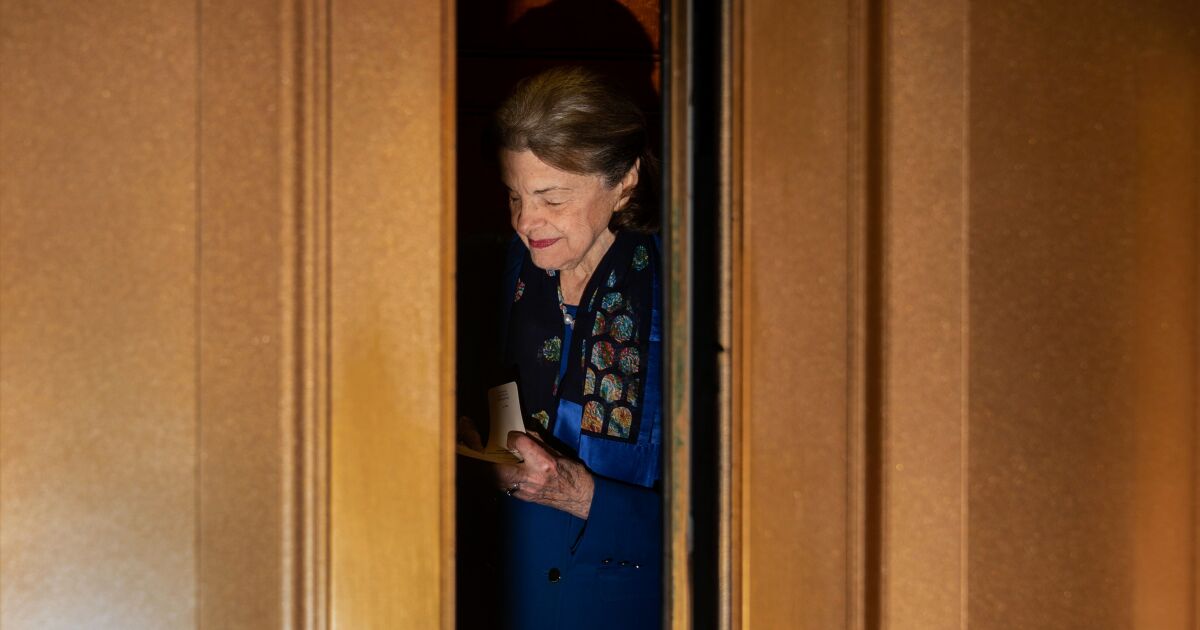
Feinstein has vowed to return to Washington, but what happens if she doesn’t?

by Binghamton Herald Report
April 30, 2023
in Politics
Share on FacebookShare on Twitter

No.

There is no guarantee the replacement will fill their predecessor’s committee seats.

“Once there is a new senator sworn into the vacant seat, he or she only gets committee assignments after the Senate adopts a simple resolution,” Reynolds said.

Opponents can in theory hold up that process with a filibuster — continuous, often unnecessary debate on the floor to cause a prolonged delay to a vote. It would take 60 votes to end a filibuster.

For Feinstein, who serves on the Judiciary Committee, that question is particularly important.

Even if she left office, Republicans could prevent her successor — or any Democratic replacement — from filling her seat on the Judiciary Committee, under current Senate rules. That said, taking such a step would be unprecedented and highly provocative.

Democrats could pass a rule change to ensure that Republicans cannot block new senators from committees by requiring a simple majority instead of 60 votes, said Jim Manley, who spent 21 years in the Senate working for Democrats including the late Harry Reid, the former Senate Majority Leader from Nevada.

But Manley noted that Sen. Lindsey Graham (R-S.C.), the leading GOP senator on the Judiciary Committee, said in a recent CNN interview that Republicans would follow precedent if Feinstein resigns.

No.

There is no guarantee the replacement will fill their predecessor’s committee seats.

“Once there is a new senator sworn into the vacant seat, he or she only gets committee assignments after the Senate adopts a simple resolution,” Reynolds said.

Opponents can in theory hold up that process with a filibuster — continuous, often unnecessary debate on the floor to cause a prolonged delay to a vote. It would take 60 votes to end a filibuster.

For Feinstein, who serves on the Judiciary Committee, that question is particularly important.

Even if she left office, Republicans could prevent her successor — or any Democratic replacement — from filling her seat on the Judiciary Committee, under current Senate rules. That said, taking such a step would be unprecedented and highly provocative.

Democrats could pass a rule change to ensure that Republicans cannot block new senators from committees by requiring a simple majority instead of 60 votes, said Jim Manley, who spent 21 years in the Senate working for Democrats including the late Harry Reid, the former Senate Majority Leader from Nevada.

But Manley noted that Sen. Lindsey Graham (R-S.C.), the leading GOP senator on the Judiciary Committee, said in a recent CNN interview that Republicans would follow precedent if Feinstein resigns.

No.

There is no guarantee the replacement will fill their predecessor’s committee seats.

“Once there is a new senator sworn into the vacant seat, he or she only gets committee assignments after the Senate adopts a simple resolution,” Reynolds said.

Opponents can in theory hold up that process with a filibuster — continuous, often unnecessary debate on the floor to cause a prolonged delay to a vote. It would take 60 votes to end a filibuster.

For Feinstein, who serves on the Judiciary Committee, that question is particularly important.

Even if she left office, Republicans could prevent her successor — or any Democratic replacement — from filling her seat on the Judiciary Committee, under current Senate rules. That said, taking such a step would be unprecedented and highly provocative.

Democrats could pass a rule change to ensure that Republicans cannot block new senators from committees by requiring a simple majority instead of 60 votes, said Jim Manley, who spent 21 years in the Senate working for Democrats including the late Harry Reid, the former Senate Majority Leader from Nevada.

But Manley noted that Sen. Lindsey Graham (R-S.C.), the leading GOP senator on the Judiciary Committee, said in a recent CNN interview that Republicans would follow precedent if Feinstein resigns.

No.

There is no guarantee the replacement will fill their predecessor’s committee seats.

“Once there is a new senator sworn into the vacant seat, he or she only gets committee assignments after the Senate adopts a simple resolution,” Reynolds said.

Opponents can in theory hold up that process with a filibuster — continuous, often unnecessary debate on the floor to cause a prolonged delay to a vote. It would take 60 votes to end a filibuster.

For Feinstein, who serves on the Judiciary Committee, that question is particularly important.

Even if she left office, Republicans could prevent her successor — or any Democratic replacement — from filling her seat on the Judiciary Committee, under current Senate rules. That said, taking such a step would be unprecedented and highly provocative.

Democrats could pass a rule change to ensure that Republicans cannot block new senators from committees by requiring a simple majority instead of 60 votes, said Jim Manley, who spent 21 years in the Senate working for Democrats including the late Harry Reid, the former Senate Majority Leader from Nevada.

But Manley noted that Sen. Lindsey Graham (R-S.C.), the leading GOP senator on the Judiciary Committee, said in a recent CNN interview that Republicans would follow precedent if Feinstein resigns.


No.

There is no guarantee the replacement will fill their predecessor’s committee seats.

“Once there is a new senator sworn into the vacant seat, he or she only gets committee assignments after the Senate adopts a simple resolution,” Reynolds said.

Opponents can in theory hold up that process with a filibuster — continuous, often unnecessary debate on the floor to cause a prolonged delay to a vote. It would take 60 votes to end a filibuster.

For Feinstein, who serves on the Judiciary Committee, that question is particularly important.

Even if she left office, Republicans could prevent her successor — or any Democratic replacement — from filling her seat on the Judiciary Committee, under current Senate rules. That said, taking such a step would be unprecedented and highly provocative.

Democrats could pass a rule change to ensure that Republicans cannot block new senators from committees by requiring a simple majority instead of 60 votes, said Jim Manley, who spent 21 years in the Senate working for Democrats including the late Harry Reid, the former Senate Majority Leader from Nevada.

But Manley noted that Sen. Lindsey Graham (R-S.C.), the leading GOP senator on the Judiciary Committee, said in a recent CNN interview that Republicans would follow precedent if Feinstein resigns.

No.

There is no guarantee the replacement will fill their predecessor’s committee seats.

“Once there is a new senator sworn into the vacant seat, he or she only gets committee assignments after the Senate adopts a simple resolution,” Reynolds said.

Opponents can in theory hold up that process with a filibuster — continuous, often unnecessary debate on the floor to cause a prolonged delay to a vote. It would take 60 votes to end a filibuster.

For Feinstein, who serves on the Judiciary Committee, that question is particularly important.

Even if she left office, Republicans could prevent her successor — or any Democratic replacement — from filling her seat on the Judiciary Committee, under current Senate rules. That said, taking such a step would be unprecedented and highly provocative.

Democrats could pass a rule change to ensure that Republicans cannot block new senators from committees by requiring a simple majority instead of 60 votes, said Jim Manley, who spent 21 years in the Senate working for Democrats including the late Harry Reid, the former Senate Majority Leader from Nevada.

But Manley noted that Sen. Lindsey Graham (R-S.C.), the leading GOP senator on the Judiciary Committee, said in a recent CNN interview that Republicans would follow precedent if Feinstein resigns.

No.

There is no guarantee the replacement will fill their predecessor’s committee seats.

“Once there is a new senator sworn into the vacant seat, he or she only gets committee assignments after the Senate adopts a simple resolution,” Reynolds said.

Opponents can in theory hold up that process with a filibuster — continuous, often unnecessary debate on the floor to cause a prolonged delay to a vote. It would take 60 votes to end a filibuster.

For Feinstein, who serves on the Judiciary Committee, that question is particularly important.

Even if she left office, Republicans could prevent her successor — or any Democratic replacement — from filling her seat on the Judiciary Committee, under current Senate rules. That said, taking such a step would be unprecedented and highly provocative.

Democrats could pass a rule change to ensure that Republicans cannot block new senators from committees by requiring a simple majority instead of 60 votes, said Jim Manley, who spent 21 years in the Senate working for Democrats including the late Harry Reid, the former Senate Majority Leader from Nevada.

But Manley noted that Sen. Lindsey Graham (R-S.C.), the leading GOP senator on the Judiciary Committee, said in a recent CNN interview that Republicans would follow precedent if Feinstein resigns.

No.

There is no guarantee the replacement will fill their predecessor’s committee seats.

“Once there is a new senator sworn into the vacant seat, he or she only gets committee assignments after the Senate adopts a simple resolution,” Reynolds said.

Opponents can in theory hold up that process with a filibuster — continuous, often unnecessary debate on the floor to cause a prolonged delay to a vote. It would take 60 votes to end a filibuster.

For Feinstein, who serves on the Judiciary Committee, that question is particularly important.

Even if she left office, Republicans could prevent her successor — or any Democratic replacement — from filling her seat on the Judiciary Committee, under current Senate rules. That said, taking such a step would be unprecedented and highly provocative.

Democrats could pass a rule change to ensure that Republicans cannot block new senators from committees by requiring a simple majority instead of 60 votes, said Jim Manley, who spent 21 years in the Senate working for Democrats including the late Harry Reid, the former Senate Majority Leader from Nevada.

But Manley noted that Sen. Lindsey Graham (R-S.C.), the leading GOP senator on the Judiciary Committee, said in a recent CNN interview that Republicans would follow precedent if Feinstein resigns.

No.

There is no guarantee the replacement will fill their predecessor’s committee seats.

“Once there is a new senator sworn into the vacant seat, he or she only gets committee assignments after the Senate adopts a simple resolution,” Reynolds said.

Opponents can in theory hold up that process with a filibuster — continuous, often unnecessary debate on the floor to cause a prolonged delay to a vote. It would take 60 votes to end a filibuster.

For Feinstein, who serves on the Judiciary Committee, that question is particularly important.

Even if she left office, Republicans could prevent her successor — or any Democratic replacement — from filling her seat on the Judiciary Committee, under current Senate rules. That said, taking such a step would be unprecedented and highly provocative.

Democrats could pass a rule change to ensure that Republicans cannot block new senators from committees by requiring a simple majority instead of 60 votes, said Jim Manley, who spent 21 years in the Senate working for Democrats including the late Harry Reid, the former Senate Majority Leader from Nevada.

But Manley noted that Sen. Lindsey Graham (R-S.C.), the leading GOP senator on the Judiciary Committee, said in a recent CNN interview that Republicans would follow precedent if Feinstein resigns.

No.

There is no guarantee the replacement will fill their predecessor’s committee seats.

“Once there is a new senator sworn into the vacant seat, he or she only gets committee assignments after the Senate adopts a simple resolution,” Reynolds said.

Opponents can in theory hold up that process with a filibuster — continuous, often unnecessary debate on the floor to cause a prolonged delay to a vote. It would take 60 votes to end a filibuster.

For Feinstein, who serves on the Judiciary Committee, that question is particularly important.

Even if she left office, Republicans could prevent her successor — or any Democratic replacement — from filling her seat on the Judiciary Committee, under current Senate rules. That said, taking such a step would be unprecedented and highly provocative.

Democrats could pass a rule change to ensure that Republicans cannot block new senators from committees by requiring a simple majority instead of 60 votes, said Jim Manley, who spent 21 years in the Senate working for Democrats including the late Harry Reid, the former Senate Majority Leader from Nevada.

But Manley noted that Sen. Lindsey Graham (R-S.C.), the leading GOP senator on the Judiciary Committee, said in a recent CNN interview that Republicans would follow precedent if Feinstein resigns.

No.

There is no guarantee the replacement will fill their predecessor’s committee seats.

“Once there is a new senator sworn into the vacant seat, he or she only gets committee assignments after the Senate adopts a simple resolution,” Reynolds said.

Opponents can in theory hold up that process with a filibuster — continuous, often unnecessary debate on the floor to cause a prolonged delay to a vote. It would take 60 votes to end a filibuster.

For Feinstein, who serves on the Judiciary Committee, that question is particularly important.

Even if she left office, Republicans could prevent her successor — or any Democratic replacement — from filling her seat on the Judiciary Committee, under current Senate rules. That said, taking such a step would be unprecedented and highly provocative.

Democrats could pass a rule change to ensure that Republicans cannot block new senators from committees by requiring a simple majority instead of 60 votes, said Jim Manley, who spent 21 years in the Senate working for Democrats including the late Harry Reid, the former Senate Majority Leader from Nevada.

But Manley noted that Sen. Lindsey Graham (R-S.C.), the leading GOP senator on the Judiciary Committee, said in a recent CNN interview that Republicans would follow precedent if Feinstein resigns.

No.

There is no guarantee the replacement will fill their predecessor’s committee seats.

“Once there is a new senator sworn into the vacant seat, he or she only gets committee assignments after the Senate adopts a simple resolution,” Reynolds said.

Opponents can in theory hold up that process with a filibuster — continuous, often unnecessary debate on the floor to cause a prolonged delay to a vote. It would take 60 votes to end a filibuster.

For Feinstein, who serves on the Judiciary Committee, that question is particularly important.

Even if she left office, Republicans could prevent her successor — or any Democratic replacement — from filling her seat on the Judiciary Committee, under current Senate rules. That said, taking such a step would be unprecedented and highly provocative.

Democrats could pass a rule change to ensure that Republicans cannot block new senators from committees by requiring a simple majority instead of 60 votes, said Jim Manley, who spent 21 years in the Senate working for Democrats including the late Harry Reid, the former Senate Majority Leader from Nevada.

But Manley noted that Sen. Lindsey Graham (R-S.C.), the leading GOP senator on the Judiciary Committee, said in a recent CNN interview that Republicans would follow precedent if Feinstein resigns.

No.

There is no guarantee the replacement will fill their predecessor’s committee seats.

“Once there is a new senator sworn into the vacant seat, he or she only gets committee assignments after the Senate adopts a simple resolution,” Reynolds said.

Opponents can in theory hold up that process with a filibuster — continuous, often unnecessary debate on the floor to cause a prolonged delay to a vote. It would take 60 votes to end a filibuster.

For Feinstein, who serves on the Judiciary Committee, that question is particularly important.

Even if she left office, Republicans could prevent her successor — or any Democratic replacement — from filling her seat on the Judiciary Committee, under current Senate rules. That said, taking such a step would be unprecedented and highly provocative.

Democrats could pass a rule change to ensure that Republicans cannot block new senators from committees by requiring a simple majority instead of 60 votes, said Jim Manley, who spent 21 years in the Senate working for Democrats including the late Harry Reid, the former Senate Majority Leader from Nevada.

But Manley noted that Sen. Lindsey Graham (R-S.C.), the leading GOP senator on the Judiciary Committee, said in a recent CNN interview that Republicans would follow precedent if Feinstein resigns.

No.

There is no guarantee the replacement will fill their predecessor’s committee seats.

“Once there is a new senator sworn into the vacant seat, he or she only gets committee assignments after the Senate adopts a simple resolution,” Reynolds said.

Opponents can in theory hold up that process with a filibuster — continuous, often unnecessary debate on the floor to cause a prolonged delay to a vote. It would take 60 votes to end a filibuster.

For Feinstein, who serves on the Judiciary Committee, that question is particularly important.

Even if she left office, Republicans could prevent her successor — or any Democratic replacement — from filling her seat on the Judiciary Committee, under current Senate rules. That said, taking such a step would be unprecedented and highly provocative.

Democrats could pass a rule change to ensure that Republicans cannot block new senators from committees by requiring a simple majority instead of 60 votes, said Jim Manley, who spent 21 years in the Senate working for Democrats including the late Harry Reid, the former Senate Majority Leader from Nevada.

But Manley noted that Sen. Lindsey Graham (R-S.C.), the leading GOP senator on the Judiciary Committee, said in a recent CNN interview that Republicans would follow precedent if Feinstein resigns.

No.

There is no guarantee the replacement will fill their predecessor’s committee seats.

“Once there is a new senator sworn into the vacant seat, he or she only gets committee assignments after the Senate adopts a simple resolution,” Reynolds said.

Opponents can in theory hold up that process with a filibuster — continuous, often unnecessary debate on the floor to cause a prolonged delay to a vote. It would take 60 votes to end a filibuster.

For Feinstein, who serves on the Judiciary Committee, that question is particularly important.

Even if she left office, Republicans could prevent her successor — or any Democratic replacement — from filling her seat on the Judiciary Committee, under current Senate rules. That said, taking such a step would be unprecedented and highly provocative.

Democrats could pass a rule change to ensure that Republicans cannot block new senators from committees by requiring a simple majority instead of 60 votes, said Jim Manley, who spent 21 years in the Senate working for Democrats including the late Harry Reid, the former Senate Majority Leader from Nevada.

But Manley noted that Sen. Lindsey Graham (R-S.C.), the leading GOP senator on the Judiciary Committee, said in a recent CNN interview that Republicans would follow precedent if Feinstein resigns.

No.

There is no guarantee the replacement will fill their predecessor’s committee seats.

“Once there is a new senator sworn into the vacant seat, he or she only gets committee assignments after the Senate adopts a simple resolution,” Reynolds said.

Opponents can in theory hold up that process with a filibuster — continuous, often unnecessary debate on the floor to cause a prolonged delay to a vote. It would take 60 votes to end a filibuster.

For Feinstein, who serves on the Judiciary Committee, that question is particularly important.

Even if she left office, Republicans could prevent her successor — or any Democratic replacement — from filling her seat on the Judiciary Committee, under current Senate rules. That said, taking such a step would be unprecedented and highly provocative.

Democrats could pass a rule change to ensure that Republicans cannot block new senators from committees by requiring a simple majority instead of 60 votes, said Jim Manley, who spent 21 years in the Senate working for Democrats including the late Harry Reid, the former Senate Majority Leader from Nevada.

But Manley noted that Sen. Lindsey Graham (R-S.C.), the leading GOP senator on the Judiciary Committee, said in a recent CNN interview that Republicans would follow precedent if Feinstein resigns.

Previous Post

Column: Can California cops be fired for racism? The answer is surprising even to police

Next Post

A $300-million (minimum) gondola to Dodger Stadium? Why is Frank McCourt really pushing it?

Leave a Reply Cancel reply

Your email address will not be published. Required fields are marked *

BROWSE BY CATEGORIES

  • Business
  • Culture
  • Entertainment
  • Health
  • Politics
  • Technology
  • Trending
  • Uncategorized
  • World
Binghamton Herald

© 2024 Binghamton Herald or its affiliated companies.

Navigate Site

  • About
  • Advertise
  • Terms & Conditions
  • Privacy Policy
  • Disclaimer
  • Contact

Follow Us

No Result
View All Result
  • Home
  • World
  • Politics
  • Business
  • Technology
  • Culture
  • Health
  • Entertainment
  • Trending

© 2024 Binghamton Herald or its affiliated companies.

Welcome Back!

Login to your account below

Forgotten Password?

Retrieve your password

Please enter your username or email address to reset your password.

Log In