


Washington DC
New York
Toronto
Distribution: (800) 510 9863
Press ID
  • Login
Binghamton Herald
Advertisement
Sunday, June 7, 2026
  • Home
  • World
  • Politics
  • Business
  • Technology
  • Culture
  • Health
  • Entertainment
  • Trending
No Result
View All Result
Binghamton Herald
No Result
View All Result
Home Entertainment

Drake’s defamation lawsuit over ‘Not Like Us’ is dismissed

by Binghamton Herald Report
October 10, 2025
in Entertainment
Share on FacebookShare on Twitter

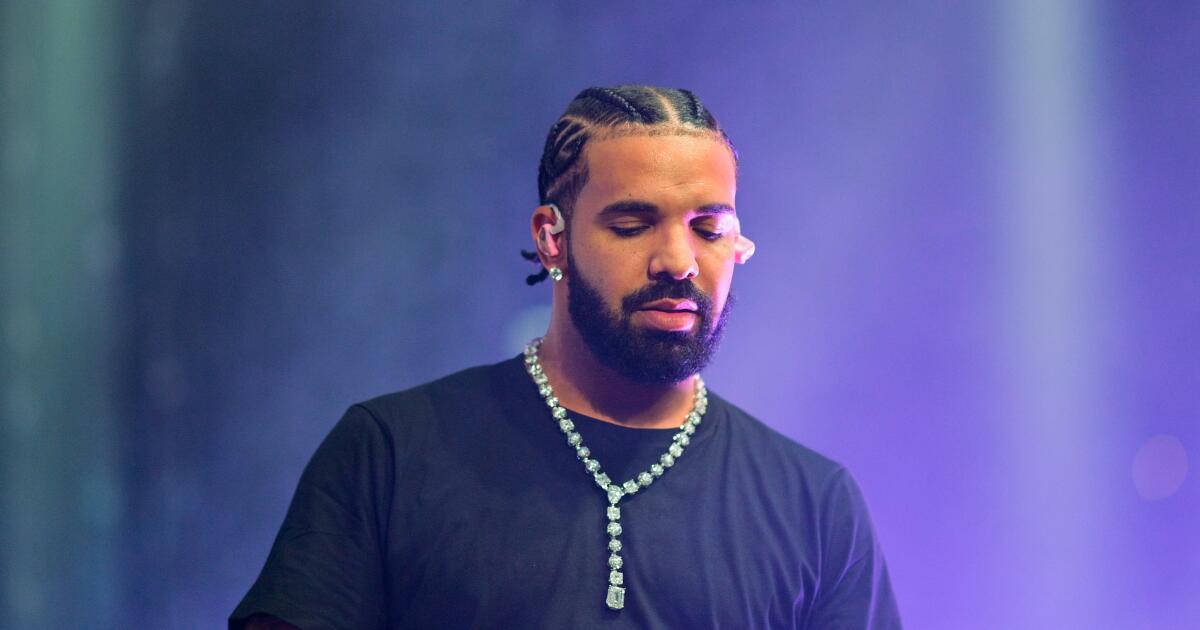
A federal judge on Thursday dismissed a lawsuit in which Drake had accused the world’s biggest record company of defaming him with the release and promotion of Kendrick Lamar’s Grammy-winning diss track “Not Like Us.”

In her dismissal of the case, U.S. District Judge Jeannette Vargas ruled that Lamar’s criticisms of Drake in “Not Like Us” — including his claim that “I hear you like ’em young” — did not amount to defamation because a “reasonable listener could not have concluded that ‘Not Like Us’ was conveying objective facts about Drake.”

The lawsuit put Drake at odds with Universal Music Group, the sprawling record company that releases music by both him and Lamar. Drake alleged that UMG had endangered his life by putting out a song that depicted him as a pedophile and “call[ed] for violent retribution against him.”

He also framed UMG’s promotion of “Not Like Us,” which he claimed involved bots on streaming services and payola-like practices, as a means of devaluing Drake’s music as he and the company prepared to renegotiate a deal.

In a statement Thursday, a UMG spokesperson said, “From the outset, this suit was an affront to all artists and their creative expression and never should have seen the light of day. We’re pleased with the court’s dismissal and look forward to continuing our work successfully promoting Drake’s music and investing in his career.”

A spokesperson for Drake said the rapper planned to appeal the decision.

“Not Like Us” came out last year at the climax of a highly publicized beef between Drake and Lamar; the song, which was widely regarded as the feud’s knockout blow, topped Billboard’s Hot 100 and went on to win Grammys for record of the year and song of the year. In February, Lamar performed the song during his halftime performance at Super Bowl LIX.

Vargas wrote in her dismissal that the song’s creation “in the midst of a rap battle is essential to assessing its impact on a reasonable listener” and that such a listener “is not under the impression that a diss track is the product of a thoughtful or disinterested investigation.”

A federal judge on Thursday dismissed a lawsuit in which Drake had accused the world’s biggest record company of defaming him with the release and promotion of Kendrick Lamar’s Grammy-winning diss track “Not Like Us.”

In her dismissal of the case, U.S. District Judge Jeannette Vargas ruled that Lamar’s criticisms of Drake in “Not Like Us” — including his claim that “I hear you like ’em young” — did not amount to defamation because a “reasonable listener could not have concluded that ‘Not Like Us’ was conveying objective facts about Drake.”

The lawsuit put Drake at odds with Universal Music Group, the sprawling record company that releases music by both him and Lamar. Drake alleged that UMG had endangered his life by putting out a song that depicted him as a pedophile and “call[ed] for violent retribution against him.”

He also framed UMG’s promotion of “Not Like Us,” which he claimed involved bots on streaming services and payola-like practices, as a means of devaluing Drake’s music as he and the company prepared to renegotiate a deal.

In a statement Thursday, a UMG spokesperson said, “From the outset, this suit was an affront to all artists and their creative expression and never should have seen the light of day. We’re pleased with the court’s dismissal and look forward to continuing our work successfully promoting Drake’s music and investing in his career.”

A spokesperson for Drake said the rapper planned to appeal the decision.

“Not Like Us” came out last year at the climax of a highly publicized beef between Drake and Lamar; the song, which was widely regarded as the feud’s knockout blow, topped Billboard’s Hot 100 and went on to win Grammys for record of the year and song of the year. In February, Lamar performed the song during his halftime performance at Super Bowl LIX.

Vargas wrote in her dismissal that the song’s creation “in the midst of a rap battle is essential to assessing its impact on a reasonable listener” and that such a listener “is not under the impression that a diss track is the product of a thoughtful or disinterested investigation.”

A federal judge on Thursday dismissed a lawsuit in which Drake had accused the world’s biggest record company of defaming him with the release and promotion of Kendrick Lamar’s Grammy-winning diss track “Not Like Us.”

In her dismissal of the case, U.S. District Judge Jeannette Vargas ruled that Lamar’s criticisms of Drake in “Not Like Us” — including his claim that “I hear you like ’em young” — did not amount to defamation because a “reasonable listener could not have concluded that ‘Not Like Us’ was conveying objective facts about Drake.”

The lawsuit put Drake at odds with Universal Music Group, the sprawling record company that releases music by both him and Lamar. Drake alleged that UMG had endangered his life by putting out a song that depicted him as a pedophile and “call[ed] for violent retribution against him.”

He also framed UMG’s promotion of “Not Like Us,” which he claimed involved bots on streaming services and payola-like practices, as a means of devaluing Drake’s music as he and the company prepared to renegotiate a deal.

In a statement Thursday, a UMG spokesperson said, “From the outset, this suit was an affront to all artists and their creative expression and never should have seen the light of day. We’re pleased with the court’s dismissal and look forward to continuing our work successfully promoting Drake’s music and investing in his career.”

A spokesperson for Drake said the rapper planned to appeal the decision.

“Not Like Us” came out last year at the climax of a highly publicized beef between Drake and Lamar; the song, which was widely regarded as the feud’s knockout blow, topped Billboard’s Hot 100 and went on to win Grammys for record of the year and song of the year. In February, Lamar performed the song during his halftime performance at Super Bowl LIX.

Vargas wrote in her dismissal that the song’s creation “in the midst of a rap battle is essential to assessing its impact on a reasonable listener” and that such a listener “is not under the impression that a diss track is the product of a thoughtful or disinterested investigation.”

A federal judge on Thursday dismissed a lawsuit in which Drake had accused the world’s biggest record company of defaming him with the release and promotion of Kendrick Lamar’s Grammy-winning diss track “Not Like Us.”

In her dismissal of the case, U.S. District Judge Jeannette Vargas ruled that Lamar’s criticisms of Drake in “Not Like Us” — including his claim that “I hear you like ’em young” — did not amount to defamation because a “reasonable listener could not have concluded that ‘Not Like Us’ was conveying objective facts about Drake.”

The lawsuit put Drake at odds with Universal Music Group, the sprawling record company that releases music by both him and Lamar. Drake alleged that UMG had endangered his life by putting out a song that depicted him as a pedophile and “call[ed] for violent retribution against him.”

He also framed UMG’s promotion of “Not Like Us,” which he claimed involved bots on streaming services and payola-like practices, as a means of devaluing Drake’s music as he and the company prepared to renegotiate a deal.

In a statement Thursday, a UMG spokesperson said, “From the outset, this suit was an affront to all artists and their creative expression and never should have seen the light of day. We’re pleased with the court’s dismissal and look forward to continuing our work successfully promoting Drake’s music and investing in his career.”

A spokesperson for Drake said the rapper planned to appeal the decision.

“Not Like Us” came out last year at the climax of a highly publicized beef between Drake and Lamar; the song, which was widely regarded as the feud’s knockout blow, topped Billboard’s Hot 100 and went on to win Grammys for record of the year and song of the year. In February, Lamar performed the song during his halftime performance at Super Bowl LIX.

Vargas wrote in her dismissal that the song’s creation “in the midst of a rap battle is essential to assessing its impact on a reasonable listener” and that such a listener “is not under the impression that a diss track is the product of a thoughtful or disinterested investigation.”


A federal judge on Thursday dismissed a lawsuit in which Drake had accused the world’s biggest record company of defaming him with the release and promotion of Kendrick Lamar’s Grammy-winning diss track “Not Like Us.”

In her dismissal of the case, U.S. District Judge Jeannette Vargas ruled that Lamar’s criticisms of Drake in “Not Like Us” — including his claim that “I hear you like ’em young” — did not amount to defamation because a “reasonable listener could not have concluded that ‘Not Like Us’ was conveying objective facts about Drake.”

The lawsuit put Drake at odds with Universal Music Group, the sprawling record company that releases music by both him and Lamar. Drake alleged that UMG had endangered his life by putting out a song that depicted him as a pedophile and “call[ed] for violent retribution against him.”

He also framed UMG’s promotion of “Not Like Us,” which he claimed involved bots on streaming services and payola-like practices, as a means of devaluing Drake’s music as he and the company prepared to renegotiate a deal.

In a statement Thursday, a UMG spokesperson said, “From the outset, this suit was an affront to all artists and their creative expression and never should have seen the light of day. We’re pleased with the court’s dismissal and look forward to continuing our work successfully promoting Drake’s music and investing in his career.”

A spokesperson for Drake said the rapper planned to appeal the decision.

“Not Like Us” came out last year at the climax of a highly publicized beef between Drake and Lamar; the song, which was widely regarded as the feud’s knockout blow, topped Billboard’s Hot 100 and went on to win Grammys for record of the year and song of the year. In February, Lamar performed the song during his halftime performance at Super Bowl LIX.

Vargas wrote in her dismissal that the song’s creation “in the midst of a rap battle is essential to assessing its impact on a reasonable listener” and that such a listener “is not under the impression that a diss track is the product of a thoughtful or disinterested investigation.”

A federal judge on Thursday dismissed a lawsuit in which Drake had accused the world’s biggest record company of defaming him with the release and promotion of Kendrick Lamar’s Grammy-winning diss track “Not Like Us.”

In her dismissal of the case, U.S. District Judge Jeannette Vargas ruled that Lamar’s criticisms of Drake in “Not Like Us” — including his claim that “I hear you like ’em young” — did not amount to defamation because a “reasonable listener could not have concluded that ‘Not Like Us’ was conveying objective facts about Drake.”

The lawsuit put Drake at odds with Universal Music Group, the sprawling record company that releases music by both him and Lamar. Drake alleged that UMG had endangered his life by putting out a song that depicted him as a pedophile and “call[ed] for violent retribution against him.”

He also framed UMG’s promotion of “Not Like Us,” which he claimed involved bots on streaming services and payola-like practices, as a means of devaluing Drake’s music as he and the company prepared to renegotiate a deal.

In a statement Thursday, a UMG spokesperson said, “From the outset, this suit was an affront to all artists and their creative expression and never should have seen the light of day. We’re pleased with the court’s dismissal and look forward to continuing our work successfully promoting Drake’s music and investing in his career.”

A spokesperson for Drake said the rapper planned to appeal the decision.

“Not Like Us” came out last year at the climax of a highly publicized beef between Drake and Lamar; the song, which was widely regarded as the feud’s knockout blow, topped Billboard’s Hot 100 and went on to win Grammys for record of the year and song of the year. In February, Lamar performed the song during his halftime performance at Super Bowl LIX.

Vargas wrote in her dismissal that the song’s creation “in the midst of a rap battle is essential to assessing its impact on a reasonable listener” and that such a listener “is not under the impression that a diss track is the product of a thoughtful or disinterested investigation.”

A federal judge on Thursday dismissed a lawsuit in which Drake had accused the world’s biggest record company of defaming him with the release and promotion of Kendrick Lamar’s Grammy-winning diss track “Not Like Us.”

In her dismissal of the case, U.S. District Judge Jeannette Vargas ruled that Lamar’s criticisms of Drake in “Not Like Us” — including his claim that “I hear you like ’em young” — did not amount to defamation because a “reasonable listener could not have concluded that ‘Not Like Us’ was conveying objective facts about Drake.”

The lawsuit put Drake at odds with Universal Music Group, the sprawling record company that releases music by both him and Lamar. Drake alleged that UMG had endangered his life by putting out a song that depicted him as a pedophile and “call[ed] for violent retribution against him.”

He also framed UMG’s promotion of “Not Like Us,” which he claimed involved bots on streaming services and payola-like practices, as a means of devaluing Drake’s music as he and the company prepared to renegotiate a deal.

In a statement Thursday, a UMG spokesperson said, “From the outset, this suit was an affront to all artists and their creative expression and never should have seen the light of day. We’re pleased with the court’s dismissal and look forward to continuing our work successfully promoting Drake’s music and investing in his career.”

A spokesperson for Drake said the rapper planned to appeal the decision.

“Not Like Us” came out last year at the climax of a highly publicized beef between Drake and Lamar; the song, which was widely regarded as the feud’s knockout blow, topped Billboard’s Hot 100 and went on to win Grammys for record of the year and song of the year. In February, Lamar performed the song during his halftime performance at Super Bowl LIX.

Vargas wrote in her dismissal that the song’s creation “in the midst of a rap battle is essential to assessing its impact on a reasonable listener” and that such a listener “is not under the impression that a diss track is the product of a thoughtful or disinterested investigation.”

A federal judge on Thursday dismissed a lawsuit in which Drake had accused the world’s biggest record company of defaming him with the release and promotion of Kendrick Lamar’s Grammy-winning diss track “Not Like Us.”

In her dismissal of the case, U.S. District Judge Jeannette Vargas ruled that Lamar’s criticisms of Drake in “Not Like Us” — including his claim that “I hear you like ’em young” — did not amount to defamation because a “reasonable listener could not have concluded that ‘Not Like Us’ was conveying objective facts about Drake.”

The lawsuit put Drake at odds with Universal Music Group, the sprawling record company that releases music by both him and Lamar. Drake alleged that UMG had endangered his life by putting out a song that depicted him as a pedophile and “call[ed] for violent retribution against him.”

He also framed UMG’s promotion of “Not Like Us,” which he claimed involved bots on streaming services and payola-like practices, as a means of devaluing Drake’s music as he and the company prepared to renegotiate a deal.

In a statement Thursday, a UMG spokesperson said, “From the outset, this suit was an affront to all artists and their creative expression and never should have seen the light of day. We’re pleased with the court’s dismissal and look forward to continuing our work successfully promoting Drake’s music and investing in his career.”

A spokesperson for Drake said the rapper planned to appeal the decision.

“Not Like Us” came out last year at the climax of a highly publicized beef between Drake and Lamar; the song, which was widely regarded as the feud’s knockout blow, topped Billboard’s Hot 100 and went on to win Grammys for record of the year and song of the year. In February, Lamar performed the song during his halftime performance at Super Bowl LIX.

Vargas wrote in her dismissal that the song’s creation “in the midst of a rap battle is essential to assessing its impact on a reasonable listener” and that such a listener “is not under the impression that a diss track is the product of a thoughtful or disinterested investigation.”

A federal judge on Thursday dismissed a lawsuit in which Drake had accused the world’s biggest record company of defaming him with the release and promotion of Kendrick Lamar’s Grammy-winning diss track “Not Like Us.”

In her dismissal of the case, U.S. District Judge Jeannette Vargas ruled that Lamar’s criticisms of Drake in “Not Like Us” — including his claim that “I hear you like ’em young” — did not amount to defamation because a “reasonable listener could not have concluded that ‘Not Like Us’ was conveying objective facts about Drake.”

The lawsuit put Drake at odds with Universal Music Group, the sprawling record company that releases music by both him and Lamar. Drake alleged that UMG had endangered his life by putting out a song that depicted him as a pedophile and “call[ed] for violent retribution against him.”

He also framed UMG’s promotion of “Not Like Us,” which he claimed involved bots on streaming services and payola-like practices, as a means of devaluing Drake’s music as he and the company prepared to renegotiate a deal.

In a statement Thursday, a UMG spokesperson said, “From the outset, this suit was an affront to all artists and their creative expression and never should have seen the light of day. We’re pleased with the court’s dismissal and look forward to continuing our work successfully promoting Drake’s music and investing in his career.”

A spokesperson for Drake said the rapper planned to appeal the decision.

“Not Like Us” came out last year at the climax of a highly publicized beef between Drake and Lamar; the song, which was widely regarded as the feud’s knockout blow, topped Billboard’s Hot 100 and went on to win Grammys for record of the year and song of the year. In February, Lamar performed the song during his halftime performance at Super Bowl LIX.

Vargas wrote in her dismissal that the song’s creation “in the midst of a rap battle is essential to assessing its impact on a reasonable listener” and that such a listener “is not under the impression that a diss track is the product of a thoughtful or disinterested investigation.”

A federal judge on Thursday dismissed a lawsuit in which Drake had accused the world’s biggest record company of defaming him with the release and promotion of Kendrick Lamar’s Grammy-winning diss track “Not Like Us.”

In her dismissal of the case, U.S. District Judge Jeannette Vargas ruled that Lamar’s criticisms of Drake in “Not Like Us” — including his claim that “I hear you like ’em young” — did not amount to defamation because a “reasonable listener could not have concluded that ‘Not Like Us’ was conveying objective facts about Drake.”

The lawsuit put Drake at odds with Universal Music Group, the sprawling record company that releases music by both him and Lamar. Drake alleged that UMG had endangered his life by putting out a song that depicted him as a pedophile and “call[ed] for violent retribution against him.”

He also framed UMG’s promotion of “Not Like Us,” which he claimed involved bots on streaming services and payola-like practices, as a means of devaluing Drake’s music as he and the company prepared to renegotiate a deal.

In a statement Thursday, a UMG spokesperson said, “From the outset, this suit was an affront to all artists and their creative expression and never should have seen the light of day. We’re pleased with the court’s dismissal and look forward to continuing our work successfully promoting Drake’s music and investing in his career.”

A spokesperson for Drake said the rapper planned to appeal the decision.

“Not Like Us” came out last year at the climax of a highly publicized beef between Drake and Lamar; the song, which was widely regarded as the feud’s knockout blow, topped Billboard’s Hot 100 and went on to win Grammys for record of the year and song of the year. In February, Lamar performed the song during his halftime performance at Super Bowl LIX.

Vargas wrote in her dismissal that the song’s creation “in the midst of a rap battle is essential to assessing its impact on a reasonable listener” and that such a listener “is not under the impression that a diss track is the product of a thoughtful or disinterested investigation.”

A federal judge on Thursday dismissed a lawsuit in which Drake had accused the world’s biggest record company of defaming him with the release and promotion of Kendrick Lamar’s Grammy-winning diss track “Not Like Us.”

In her dismissal of the case, U.S. District Judge Jeannette Vargas ruled that Lamar’s criticisms of Drake in “Not Like Us” — including his claim that “I hear you like ’em young” — did not amount to defamation because a “reasonable listener could not have concluded that ‘Not Like Us’ was conveying objective facts about Drake.”

The lawsuit put Drake at odds with Universal Music Group, the sprawling record company that releases music by both him and Lamar. Drake alleged that UMG had endangered his life by putting out a song that depicted him as a pedophile and “call[ed] for violent retribution against him.”

He also framed UMG’s promotion of “Not Like Us,” which he claimed involved bots on streaming services and payola-like practices, as a means of devaluing Drake’s music as he and the company prepared to renegotiate a deal.

In a statement Thursday, a UMG spokesperson said, “From the outset, this suit was an affront to all artists and their creative expression and never should have seen the light of day. We’re pleased with the court’s dismissal and look forward to continuing our work successfully promoting Drake’s music and investing in his career.”

A spokesperson for Drake said the rapper planned to appeal the decision.

“Not Like Us” came out last year at the climax of a highly publicized beef between Drake and Lamar; the song, which was widely regarded as the feud’s knockout blow, topped Billboard’s Hot 100 and went on to win Grammys for record of the year and song of the year. In February, Lamar performed the song during his halftime performance at Super Bowl LIX.

Vargas wrote in her dismissal that the song’s creation “in the midst of a rap battle is essential to assessing its impact on a reasonable listener” and that such a listener “is not under the impression that a diss track is the product of a thoughtful or disinterested investigation.”

A federal judge on Thursday dismissed a lawsuit in which Drake had accused the world’s biggest record company of defaming him with the release and promotion of Kendrick Lamar’s Grammy-winning diss track “Not Like Us.”

In her dismissal of the case, U.S. District Judge Jeannette Vargas ruled that Lamar’s criticisms of Drake in “Not Like Us” — including his claim that “I hear you like ’em young” — did not amount to defamation because a “reasonable listener could not have concluded that ‘Not Like Us’ was conveying objective facts about Drake.”

The lawsuit put Drake at odds with Universal Music Group, the sprawling record company that releases music by both him and Lamar. Drake alleged that UMG had endangered his life by putting out a song that depicted him as a pedophile and “call[ed] for violent retribution against him.”

He also framed UMG’s promotion of “Not Like Us,” which he claimed involved bots on streaming services and payola-like practices, as a means of devaluing Drake’s music as he and the company prepared to renegotiate a deal.

In a statement Thursday, a UMG spokesperson said, “From the outset, this suit was an affront to all artists and their creative expression and never should have seen the light of day. We’re pleased with the court’s dismissal and look forward to continuing our work successfully promoting Drake’s music and investing in his career.”

A spokesperson for Drake said the rapper planned to appeal the decision.

“Not Like Us” came out last year at the climax of a highly publicized beef between Drake and Lamar; the song, which was widely regarded as the feud’s knockout blow, topped Billboard’s Hot 100 and went on to win Grammys for record of the year and song of the year. In February, Lamar performed the song during his halftime performance at Super Bowl LIX.

Vargas wrote in her dismissal that the song’s creation “in the midst of a rap battle is essential to assessing its impact on a reasonable listener” and that such a listener “is not under the impression that a diss track is the product of a thoughtful or disinterested investigation.”

A federal judge on Thursday dismissed a lawsuit in which Drake had accused the world’s biggest record company of defaming him with the release and promotion of Kendrick Lamar’s Grammy-winning diss track “Not Like Us.”

In her dismissal of the case, U.S. District Judge Jeannette Vargas ruled that Lamar’s criticisms of Drake in “Not Like Us” — including his claim that “I hear you like ’em young” — did not amount to defamation because a “reasonable listener could not have concluded that ‘Not Like Us’ was conveying objective facts about Drake.”

The lawsuit put Drake at odds with Universal Music Group, the sprawling record company that releases music by both him and Lamar. Drake alleged that UMG had endangered his life by putting out a song that depicted him as a pedophile and “call[ed] for violent retribution against him.”

He also framed UMG’s promotion of “Not Like Us,” which he claimed involved bots on streaming services and payola-like practices, as a means of devaluing Drake’s music as he and the company prepared to renegotiate a deal.

In a statement Thursday, a UMG spokesperson said, “From the outset, this suit was an affront to all artists and their creative expression and never should have seen the light of day. We’re pleased with the court’s dismissal and look forward to continuing our work successfully promoting Drake’s music and investing in his career.”

A spokesperson for Drake said the rapper planned to appeal the decision.

“Not Like Us” came out last year at the climax of a highly publicized beef between Drake and Lamar; the song, which was widely regarded as the feud’s knockout blow, topped Billboard’s Hot 100 and went on to win Grammys for record of the year and song of the year. In February, Lamar performed the song during his halftime performance at Super Bowl LIX.

Vargas wrote in her dismissal that the song’s creation “in the midst of a rap battle is essential to assessing its impact on a reasonable listener” and that such a listener “is not under the impression that a diss track is the product of a thoughtful or disinterested investigation.”

A federal judge on Thursday dismissed a lawsuit in which Drake had accused the world’s biggest record company of defaming him with the release and promotion of Kendrick Lamar’s Grammy-winning diss track “Not Like Us.”

In her dismissal of the case, U.S. District Judge Jeannette Vargas ruled that Lamar’s criticisms of Drake in “Not Like Us” — including his claim that “I hear you like ’em young” — did not amount to defamation because a “reasonable listener could not have concluded that ‘Not Like Us’ was conveying objective facts about Drake.”

The lawsuit put Drake at odds with Universal Music Group, the sprawling record company that releases music by both him and Lamar. Drake alleged that UMG had endangered his life by putting out a song that depicted him as a pedophile and “call[ed] for violent retribution against him.”

He also framed UMG’s promotion of “Not Like Us,” which he claimed involved bots on streaming services and payola-like practices, as a means of devaluing Drake’s music as he and the company prepared to renegotiate a deal.

In a statement Thursday, a UMG spokesperson said, “From the outset, this suit was an affront to all artists and their creative expression and never should have seen the light of day. We’re pleased with the court’s dismissal and look forward to continuing our work successfully promoting Drake’s music and investing in his career.”

A spokesperson for Drake said the rapper planned to appeal the decision.

“Not Like Us” came out last year at the climax of a highly publicized beef between Drake and Lamar; the song, which was widely regarded as the feud’s knockout blow, topped Billboard’s Hot 100 and went on to win Grammys for record of the year and song of the year. In February, Lamar performed the song during his halftime performance at Super Bowl LIX.

Vargas wrote in her dismissal that the song’s creation “in the midst of a rap battle is essential to assessing its impact on a reasonable listener” and that such a listener “is not under the impression that a diss track is the product of a thoughtful or disinterested investigation.”

A federal judge on Thursday dismissed a lawsuit in which Drake had accused the world’s biggest record company of defaming him with the release and promotion of Kendrick Lamar’s Grammy-winning diss track “Not Like Us.”

In her dismissal of the case, U.S. District Judge Jeannette Vargas ruled that Lamar’s criticisms of Drake in “Not Like Us” — including his claim that “I hear you like ’em young” — did not amount to defamation because a “reasonable listener could not have concluded that ‘Not Like Us’ was conveying objective facts about Drake.”

The lawsuit put Drake at odds with Universal Music Group, the sprawling record company that releases music by both him and Lamar. Drake alleged that UMG had endangered his life by putting out a song that depicted him as a pedophile and “call[ed] for violent retribution against him.”

He also framed UMG’s promotion of “Not Like Us,” which he claimed involved bots on streaming services and payola-like practices, as a means of devaluing Drake’s music as he and the company prepared to renegotiate a deal.

In a statement Thursday, a UMG spokesperson said, “From the outset, this suit was an affront to all artists and their creative expression and never should have seen the light of day. We’re pleased with the court’s dismissal and look forward to continuing our work successfully promoting Drake’s music and investing in his career.”

A spokesperson for Drake said the rapper planned to appeal the decision.

“Not Like Us” came out last year at the climax of a highly publicized beef between Drake and Lamar; the song, which was widely regarded as the feud’s knockout blow, topped Billboard’s Hot 100 and went on to win Grammys for record of the year and song of the year. In February, Lamar performed the song during his halftime performance at Super Bowl LIX.

Vargas wrote in her dismissal that the song’s creation “in the midst of a rap battle is essential to assessing its impact on a reasonable listener” and that such a listener “is not under the impression that a diss track is the product of a thoughtful or disinterested investigation.”

A federal judge on Thursday dismissed a lawsuit in which Drake had accused the world’s biggest record company of defaming him with the release and promotion of Kendrick Lamar’s Grammy-winning diss track “Not Like Us.”

In her dismissal of the case, U.S. District Judge Jeannette Vargas ruled that Lamar’s criticisms of Drake in “Not Like Us” — including his claim that “I hear you like ’em young” — did not amount to defamation because a “reasonable listener could not have concluded that ‘Not Like Us’ was conveying objective facts about Drake.”

The lawsuit put Drake at odds with Universal Music Group, the sprawling record company that releases music by both him and Lamar. Drake alleged that UMG had endangered his life by putting out a song that depicted him as a pedophile and “call[ed] for violent retribution against him.”

He also framed UMG’s promotion of “Not Like Us,” which he claimed involved bots on streaming services and payola-like practices, as a means of devaluing Drake’s music as he and the company prepared to renegotiate a deal.

In a statement Thursday, a UMG spokesperson said, “From the outset, this suit was an affront to all artists and their creative expression and never should have seen the light of day. We’re pleased with the court’s dismissal and look forward to continuing our work successfully promoting Drake’s music and investing in his career.”

A spokesperson for Drake said the rapper planned to appeal the decision.

“Not Like Us” came out last year at the climax of a highly publicized beef between Drake and Lamar; the song, which was widely regarded as the feud’s knockout blow, topped Billboard’s Hot 100 and went on to win Grammys for record of the year and song of the year. In February, Lamar performed the song during his halftime performance at Super Bowl LIX.

Vargas wrote in her dismissal that the song’s creation “in the midst of a rap battle is essential to assessing its impact on a reasonable listener” and that such a listener “is not under the impression that a diss track is the product of a thoughtful or disinterested investigation.”

Previous Post

California tightens leash on puppy sales with new laws signed by Newsom

Next Post

California bans declawing cats under new law

Leave a Reply Cancel reply

Your email address will not be published. Required fields are marked *

BROWSE BY CATEGORIES

  • Business
  • Culture
  • Entertainment
  • Health
  • Politics
  • Technology
  • Trending
  • Uncategorized
  • World
Binghamton Herald

© 2024 Binghamton Herald or its affiliated companies.

Navigate Site

  • About
  • Advertise
  • Terms & Conditions
  • Privacy Policy
  • Disclaimer
  • Contact

Follow Us

No Result
View All Result
  • Home
  • World
  • Politics
  • Business
  • Technology
  • Culture
  • Health
  • Entertainment
  • Trending

© 2024 Binghamton Herald or its affiliated companies.

Welcome Back!

Login to your account below

Forgotten Password?

Retrieve your password

Please enter your username or email address to reset your password.

Log In