


Washington DC
New York
Toronto
Distribution: (800) 510 9863
Press ID
  • Login
Binghamton Herald
Advertisement
Tuesday, April 14, 2026
  • Home
  • World
  • Politics
  • Business
  • Technology
  • Culture
  • Health
  • Entertainment
  • Trending
No Result
View All Result
Binghamton Herald
No Result
View All Result
Home Business

Diablo Canyon nuclear power plant gets final go-ahead to run through 2030

by Binghamton Herald Report
April 2, 2026
in Business
Share on FacebookShare on Twitter

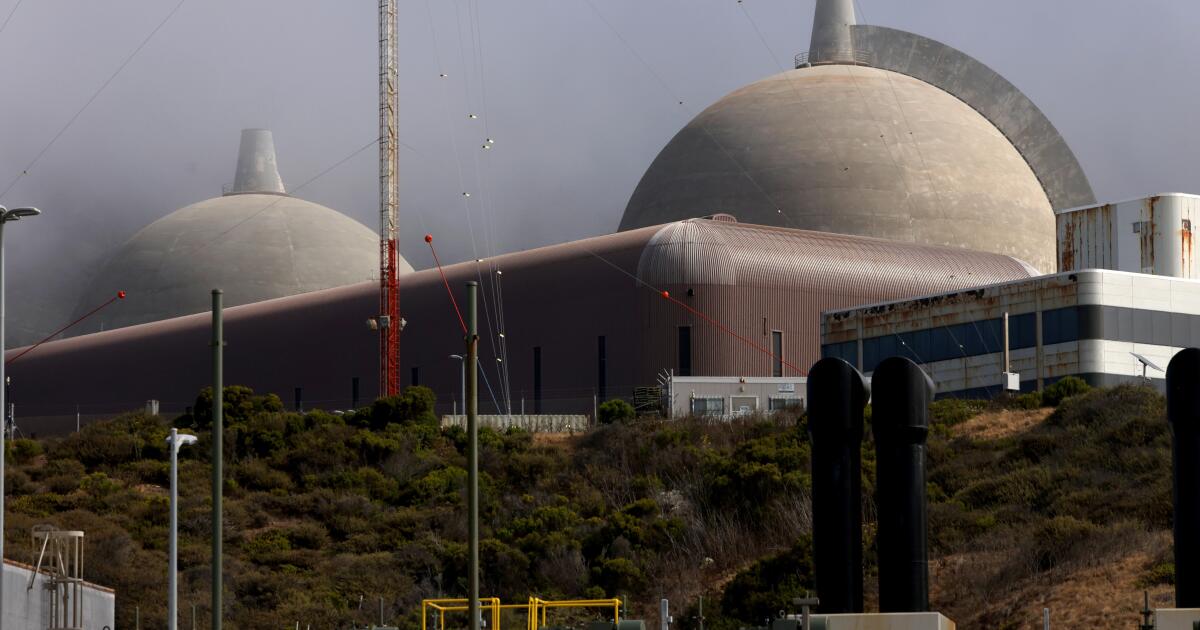
The federal Nuclear Regulatory Commission on Thursday renewed Diablo Canyon’s license to operate, ensuring that California’s last remaining nuclear facility will continue to run through at least 2030.

The plant was originally slated to close in 2025, but lawmakers extended the deadline by five years in 2022, citing ongoing need for power from a plant that provides more than 8% of the state’s electricity.

The approval from the body that regulates nuclear reactors and waste marks the final hurdle in Pacific Gas & Electric’s multiyear journey to gather the necessary state and federal permits to keep its facility online.

In December, PG&E received a key permit from the California Coastal Commission by agreeing to give up 12,000 acres of nearby land for conservation in exchange for the loss of marine life caused by the plant’s operations.

Another key step took place in February when the Central Coast Regional Water Board approved waste discharge permits for the plant and granted a certification under the Clean Water Act, the last step required before the Nuclear Regulatory Commission could issue its final approval.

The license renewal from the commission allows the plant to remain running for 20 years, although extending it past 2030 would require additional action from the California Legislature.

“Today’s milestone reminds us that when discipline, science, responsibility and vision all come together, we can build an energy future that is both sustainable and secure,” said NRC Office of Nuclear Reactor Regulation acting Director Jeremy Groom at a signing ceremony.

Already this year some lawmakers and regulators have expressed interest in extending the plant’s life through 2045, citing growing electricity demand and the plant’s central role in helping the state meet its climate goals by providing carbon-free power to the grid.

Groups that oppose the plant want to make sure that doesn’t happen. Last week, the California Coastkeeper Alliance filed a petition asking the State Water Resources Control Board to throw out the facility’s water discharge permit. The group alleged that the Central Coast Regional Water Board illegally allowed the facility to continue operating without technology required under the federal Clean Water Act to protect marine life.

Other groups have petitioned the board to limit Diablo Canyon’s Clean Water Act certificate to 2030, rather than 2045.

The federal Nuclear Regulatory Commission on Thursday renewed Diablo Canyon’s license to operate, ensuring that California’s last remaining nuclear facility will continue to run through at least 2030.

The plant was originally slated to close in 2025, but lawmakers extended the deadline by five years in 2022, citing ongoing need for power from a plant that provides more than 8% of the state’s electricity.

The approval from the body that regulates nuclear reactors and waste marks the final hurdle in Pacific Gas & Electric’s multiyear journey to gather the necessary state and federal permits to keep its facility online.

In December, PG&E received a key permit from the California Coastal Commission by agreeing to give up 12,000 acres of nearby land for conservation in exchange for the loss of marine life caused by the plant’s operations.

Another key step took place in February when the Central Coast Regional Water Board approved waste discharge permits for the plant and granted a certification under the Clean Water Act, the last step required before the Nuclear Regulatory Commission could issue its final approval.

The license renewal from the commission allows the plant to remain running for 20 years, although extending it past 2030 would require additional action from the California Legislature.

“Today’s milestone reminds us that when discipline, science, responsibility and vision all come together, we can build an energy future that is both sustainable and secure,” said NRC Office of Nuclear Reactor Regulation acting Director Jeremy Groom at a signing ceremony.

Already this year some lawmakers and regulators have expressed interest in extending the plant’s life through 2045, citing growing electricity demand and the plant’s central role in helping the state meet its climate goals by providing carbon-free power to the grid.

Groups that oppose the plant want to make sure that doesn’t happen. Last week, the California Coastkeeper Alliance filed a petition asking the State Water Resources Control Board to throw out the facility’s water discharge permit. The group alleged that the Central Coast Regional Water Board illegally allowed the facility to continue operating without technology required under the federal Clean Water Act to protect marine life.

Other groups have petitioned the board to limit Diablo Canyon’s Clean Water Act certificate to 2030, rather than 2045.

The federal Nuclear Regulatory Commission on Thursday renewed Diablo Canyon’s license to operate, ensuring that California’s last remaining nuclear facility will continue to run through at least 2030.

The plant was originally slated to close in 2025, but lawmakers extended the deadline by five years in 2022, citing ongoing need for power from a plant that provides more than 8% of the state’s electricity.

The approval from the body that regulates nuclear reactors and waste marks the final hurdle in Pacific Gas & Electric’s multiyear journey to gather the necessary state and federal permits to keep its facility online.

In December, PG&E received a key permit from the California Coastal Commission by agreeing to give up 12,000 acres of nearby land for conservation in exchange for the loss of marine life caused by the plant’s operations.

Another key step took place in February when the Central Coast Regional Water Board approved waste discharge permits for the plant and granted a certification under the Clean Water Act, the last step required before the Nuclear Regulatory Commission could issue its final approval.

The license renewal from the commission allows the plant to remain running for 20 years, although extending it past 2030 would require additional action from the California Legislature.

“Today’s milestone reminds us that when discipline, science, responsibility and vision all come together, we can build an energy future that is both sustainable and secure,” said NRC Office of Nuclear Reactor Regulation acting Director Jeremy Groom at a signing ceremony.

Already this year some lawmakers and regulators have expressed interest in extending the plant’s life through 2045, citing growing electricity demand and the plant’s central role in helping the state meet its climate goals by providing carbon-free power to the grid.

Groups that oppose the plant want to make sure that doesn’t happen. Last week, the California Coastkeeper Alliance filed a petition asking the State Water Resources Control Board to throw out the facility’s water discharge permit. The group alleged that the Central Coast Regional Water Board illegally allowed the facility to continue operating without technology required under the federal Clean Water Act to protect marine life.

Other groups have petitioned the board to limit Diablo Canyon’s Clean Water Act certificate to 2030, rather than 2045.

The federal Nuclear Regulatory Commission on Thursday renewed Diablo Canyon’s license to operate, ensuring that California’s last remaining nuclear facility will continue to run through at least 2030.

The plant was originally slated to close in 2025, but lawmakers extended the deadline by five years in 2022, citing ongoing need for power from a plant that provides more than 8% of the state’s electricity.

The approval from the body that regulates nuclear reactors and waste marks the final hurdle in Pacific Gas & Electric’s multiyear journey to gather the necessary state and federal permits to keep its facility online.

In December, PG&E received a key permit from the California Coastal Commission by agreeing to give up 12,000 acres of nearby land for conservation in exchange for the loss of marine life caused by the plant’s operations.

Another key step took place in February when the Central Coast Regional Water Board approved waste discharge permits for the plant and granted a certification under the Clean Water Act, the last step required before the Nuclear Regulatory Commission could issue its final approval.

The license renewal from the commission allows the plant to remain running for 20 years, although extending it past 2030 would require additional action from the California Legislature.

“Today’s milestone reminds us that when discipline, science, responsibility and vision all come together, we can build an energy future that is both sustainable and secure,” said NRC Office of Nuclear Reactor Regulation acting Director Jeremy Groom at a signing ceremony.

Already this year some lawmakers and regulators have expressed interest in extending the plant’s life through 2045, citing growing electricity demand and the plant’s central role in helping the state meet its climate goals by providing carbon-free power to the grid.

Groups that oppose the plant want to make sure that doesn’t happen. Last week, the California Coastkeeper Alliance filed a petition asking the State Water Resources Control Board to throw out the facility’s water discharge permit. The group alleged that the Central Coast Regional Water Board illegally allowed the facility to continue operating without technology required under the federal Clean Water Act to protect marine life.

Other groups have petitioned the board to limit Diablo Canyon’s Clean Water Act certificate to 2030, rather than 2045.


The federal Nuclear Regulatory Commission on Thursday renewed Diablo Canyon’s license to operate, ensuring that California’s last remaining nuclear facility will continue to run through at least 2030.

The plant was originally slated to close in 2025, but lawmakers extended the deadline by five years in 2022, citing ongoing need for power from a plant that provides more than 8% of the state’s electricity.

The approval from the body that regulates nuclear reactors and waste marks the final hurdle in Pacific Gas & Electric’s multiyear journey to gather the necessary state and federal permits to keep its facility online.

In December, PG&E received a key permit from the California Coastal Commission by agreeing to give up 12,000 acres of nearby land for conservation in exchange for the loss of marine life caused by the plant’s operations.

Another key step took place in February when the Central Coast Regional Water Board approved waste discharge permits for the plant and granted a certification under the Clean Water Act, the last step required before the Nuclear Regulatory Commission could issue its final approval.

The license renewal from the commission allows the plant to remain running for 20 years, although extending it past 2030 would require additional action from the California Legislature.

“Today’s milestone reminds us that when discipline, science, responsibility and vision all come together, we can build an energy future that is both sustainable and secure,” said NRC Office of Nuclear Reactor Regulation acting Director Jeremy Groom at a signing ceremony.

Already this year some lawmakers and regulators have expressed interest in extending the plant’s life through 2045, citing growing electricity demand and the plant’s central role in helping the state meet its climate goals by providing carbon-free power to the grid.

Groups that oppose the plant want to make sure that doesn’t happen. Last week, the California Coastkeeper Alliance filed a petition asking the State Water Resources Control Board to throw out the facility’s water discharge permit. The group alleged that the Central Coast Regional Water Board illegally allowed the facility to continue operating without technology required under the federal Clean Water Act to protect marine life.

Other groups have petitioned the board to limit Diablo Canyon’s Clean Water Act certificate to 2030, rather than 2045.

The federal Nuclear Regulatory Commission on Thursday renewed Diablo Canyon’s license to operate, ensuring that California’s last remaining nuclear facility will continue to run through at least 2030.

The plant was originally slated to close in 2025, but lawmakers extended the deadline by five years in 2022, citing ongoing need for power from a plant that provides more than 8% of the state’s electricity.

The approval from the body that regulates nuclear reactors and waste marks the final hurdle in Pacific Gas & Electric’s multiyear journey to gather the necessary state and federal permits to keep its facility online.

In December, PG&E received a key permit from the California Coastal Commission by agreeing to give up 12,000 acres of nearby land for conservation in exchange for the loss of marine life caused by the plant’s operations.

Another key step took place in February when the Central Coast Regional Water Board approved waste discharge permits for the plant and granted a certification under the Clean Water Act, the last step required before the Nuclear Regulatory Commission could issue its final approval.

The license renewal from the commission allows the plant to remain running for 20 years, although extending it past 2030 would require additional action from the California Legislature.

“Today’s milestone reminds us that when discipline, science, responsibility and vision all come together, we can build an energy future that is both sustainable and secure,” said NRC Office of Nuclear Reactor Regulation acting Director Jeremy Groom at a signing ceremony.

Already this year some lawmakers and regulators have expressed interest in extending the plant’s life through 2045, citing growing electricity demand and the plant’s central role in helping the state meet its climate goals by providing carbon-free power to the grid.

Groups that oppose the plant want to make sure that doesn’t happen. Last week, the California Coastkeeper Alliance filed a petition asking the State Water Resources Control Board to throw out the facility’s water discharge permit. The group alleged that the Central Coast Regional Water Board illegally allowed the facility to continue operating without technology required under the federal Clean Water Act to protect marine life.

Other groups have petitioned the board to limit Diablo Canyon’s Clean Water Act certificate to 2030, rather than 2045.

The federal Nuclear Regulatory Commission on Thursday renewed Diablo Canyon’s license to operate, ensuring that California’s last remaining nuclear facility will continue to run through at least 2030.

The plant was originally slated to close in 2025, but lawmakers extended the deadline by five years in 2022, citing ongoing need for power from a plant that provides more than 8% of the state’s electricity.

The approval from the body that regulates nuclear reactors and waste marks the final hurdle in Pacific Gas & Electric’s multiyear journey to gather the necessary state and federal permits to keep its facility online.

In December, PG&E received a key permit from the California Coastal Commission by agreeing to give up 12,000 acres of nearby land for conservation in exchange for the loss of marine life caused by the plant’s operations.

Another key step took place in February when the Central Coast Regional Water Board approved waste discharge permits for the plant and granted a certification under the Clean Water Act, the last step required before the Nuclear Regulatory Commission could issue its final approval.

The license renewal from the commission allows the plant to remain running for 20 years, although extending it past 2030 would require additional action from the California Legislature.

“Today’s milestone reminds us that when discipline, science, responsibility and vision all come together, we can build an energy future that is both sustainable and secure,” said NRC Office of Nuclear Reactor Regulation acting Director Jeremy Groom at a signing ceremony.

Already this year some lawmakers and regulators have expressed interest in extending the plant’s life through 2045, citing growing electricity demand and the plant’s central role in helping the state meet its climate goals by providing carbon-free power to the grid.

Groups that oppose the plant want to make sure that doesn’t happen. Last week, the California Coastkeeper Alliance filed a petition asking the State Water Resources Control Board to throw out the facility’s water discharge permit. The group alleged that the Central Coast Regional Water Board illegally allowed the facility to continue operating without technology required under the federal Clean Water Act to protect marine life.

Other groups have petitioned the board to limit Diablo Canyon’s Clean Water Act certificate to 2030, rather than 2045.

The federal Nuclear Regulatory Commission on Thursday renewed Diablo Canyon’s license to operate, ensuring that California’s last remaining nuclear facility will continue to run through at least 2030.

The plant was originally slated to close in 2025, but lawmakers extended the deadline by five years in 2022, citing ongoing need for power from a plant that provides more than 8% of the state’s electricity.

The approval from the body that regulates nuclear reactors and waste marks the final hurdle in Pacific Gas & Electric’s multiyear journey to gather the necessary state and federal permits to keep its facility online.

In December, PG&E received a key permit from the California Coastal Commission by agreeing to give up 12,000 acres of nearby land for conservation in exchange for the loss of marine life caused by the plant’s operations.

Another key step took place in February when the Central Coast Regional Water Board approved waste discharge permits for the plant and granted a certification under the Clean Water Act, the last step required before the Nuclear Regulatory Commission could issue its final approval.

The license renewal from the commission allows the plant to remain running for 20 years, although extending it past 2030 would require additional action from the California Legislature.

“Today’s milestone reminds us that when discipline, science, responsibility and vision all come together, we can build an energy future that is both sustainable and secure,” said NRC Office of Nuclear Reactor Regulation acting Director Jeremy Groom at a signing ceremony.

Already this year some lawmakers and regulators have expressed interest in extending the plant’s life through 2045, citing growing electricity demand and the plant’s central role in helping the state meet its climate goals by providing carbon-free power to the grid.

Groups that oppose the plant want to make sure that doesn’t happen. Last week, the California Coastkeeper Alliance filed a petition asking the State Water Resources Control Board to throw out the facility’s water discharge permit. The group alleged that the Central Coast Regional Water Board illegally allowed the facility to continue operating without technology required under the federal Clean Water Act to protect marine life.

Other groups have petitioned the board to limit Diablo Canyon’s Clean Water Act certificate to 2030, rather than 2045.

The federal Nuclear Regulatory Commission on Thursday renewed Diablo Canyon’s license to operate, ensuring that California’s last remaining nuclear facility will continue to run through at least 2030.

The plant was originally slated to close in 2025, but lawmakers extended the deadline by five years in 2022, citing ongoing need for power from a plant that provides more than 8% of the state’s electricity.

The approval from the body that regulates nuclear reactors and waste marks the final hurdle in Pacific Gas & Electric’s multiyear journey to gather the necessary state and federal permits to keep its facility online.

In December, PG&E received a key permit from the California Coastal Commission by agreeing to give up 12,000 acres of nearby land for conservation in exchange for the loss of marine life caused by the plant’s operations.

Another key step took place in February when the Central Coast Regional Water Board approved waste discharge permits for the plant and granted a certification under the Clean Water Act, the last step required before the Nuclear Regulatory Commission could issue its final approval.

The license renewal from the commission allows the plant to remain running for 20 years, although extending it past 2030 would require additional action from the California Legislature.

“Today’s milestone reminds us that when discipline, science, responsibility and vision all come together, we can build an energy future that is both sustainable and secure,” said NRC Office of Nuclear Reactor Regulation acting Director Jeremy Groom at a signing ceremony.

Already this year some lawmakers and regulators have expressed interest in extending the plant’s life through 2045, citing growing electricity demand and the plant’s central role in helping the state meet its climate goals by providing carbon-free power to the grid.

Groups that oppose the plant want to make sure that doesn’t happen. Last week, the California Coastkeeper Alliance filed a petition asking the State Water Resources Control Board to throw out the facility’s water discharge permit. The group alleged that the Central Coast Regional Water Board illegally allowed the facility to continue operating without technology required under the federal Clean Water Act to protect marine life.

Other groups have petitioned the board to limit Diablo Canyon’s Clean Water Act certificate to 2030, rather than 2045.

The federal Nuclear Regulatory Commission on Thursday renewed Diablo Canyon’s license to operate, ensuring that California’s last remaining nuclear facility will continue to run through at least 2030.

The plant was originally slated to close in 2025, but lawmakers extended the deadline by five years in 2022, citing ongoing need for power from a plant that provides more than 8% of the state’s electricity.

The approval from the body that regulates nuclear reactors and waste marks the final hurdle in Pacific Gas & Electric’s multiyear journey to gather the necessary state and federal permits to keep its facility online.

In December, PG&E received a key permit from the California Coastal Commission by agreeing to give up 12,000 acres of nearby land for conservation in exchange for the loss of marine life caused by the plant’s operations.

Another key step took place in February when the Central Coast Regional Water Board approved waste discharge permits for the plant and granted a certification under the Clean Water Act, the last step required before the Nuclear Regulatory Commission could issue its final approval.

The license renewal from the commission allows the plant to remain running for 20 years, although extending it past 2030 would require additional action from the California Legislature.

“Today’s milestone reminds us that when discipline, science, responsibility and vision all come together, we can build an energy future that is both sustainable and secure,” said NRC Office of Nuclear Reactor Regulation acting Director Jeremy Groom at a signing ceremony.

Already this year some lawmakers and regulators have expressed interest in extending the plant’s life through 2045, citing growing electricity demand and the plant’s central role in helping the state meet its climate goals by providing carbon-free power to the grid.

Groups that oppose the plant want to make sure that doesn’t happen. Last week, the California Coastkeeper Alliance filed a petition asking the State Water Resources Control Board to throw out the facility’s water discharge permit. The group alleged that the Central Coast Regional Water Board illegally allowed the facility to continue operating without technology required under the federal Clean Water Act to protect marine life.

Other groups have petitioned the board to limit Diablo Canyon’s Clean Water Act certificate to 2030, rather than 2045.

The federal Nuclear Regulatory Commission on Thursday renewed Diablo Canyon’s license to operate, ensuring that California’s last remaining nuclear facility will continue to run through at least 2030.

The plant was originally slated to close in 2025, but lawmakers extended the deadline by five years in 2022, citing ongoing need for power from a plant that provides more than 8% of the state’s electricity.

The approval from the body that regulates nuclear reactors and waste marks the final hurdle in Pacific Gas & Electric’s multiyear journey to gather the necessary state and federal permits to keep its facility online.

In December, PG&E received a key permit from the California Coastal Commission by agreeing to give up 12,000 acres of nearby land for conservation in exchange for the loss of marine life caused by the plant’s operations.

Another key step took place in February when the Central Coast Regional Water Board approved waste discharge permits for the plant and granted a certification under the Clean Water Act, the last step required before the Nuclear Regulatory Commission could issue its final approval.

The license renewal from the commission allows the plant to remain running for 20 years, although extending it past 2030 would require additional action from the California Legislature.

“Today’s milestone reminds us that when discipline, science, responsibility and vision all come together, we can build an energy future that is both sustainable and secure,” said NRC Office of Nuclear Reactor Regulation acting Director Jeremy Groom at a signing ceremony.

Already this year some lawmakers and regulators have expressed interest in extending the plant’s life through 2045, citing growing electricity demand and the plant’s central role in helping the state meet its climate goals by providing carbon-free power to the grid.

Groups that oppose the plant want to make sure that doesn’t happen. Last week, the California Coastkeeper Alliance filed a petition asking the State Water Resources Control Board to throw out the facility’s water discharge permit. The group alleged that the Central Coast Regional Water Board illegally allowed the facility to continue operating without technology required under the federal Clean Water Act to protect marine life.

Other groups have petitioned the board to limit Diablo Canyon’s Clean Water Act certificate to 2030, rather than 2045.

The federal Nuclear Regulatory Commission on Thursday renewed Diablo Canyon’s license to operate, ensuring that California’s last remaining nuclear facility will continue to run through at least 2030.

The plant was originally slated to close in 2025, but lawmakers extended the deadline by five years in 2022, citing ongoing need for power from a plant that provides more than 8% of the state’s electricity.

The approval from the body that regulates nuclear reactors and waste marks the final hurdle in Pacific Gas & Electric’s multiyear journey to gather the necessary state and federal permits to keep its facility online.

In December, PG&E received a key permit from the California Coastal Commission by agreeing to give up 12,000 acres of nearby land for conservation in exchange for the loss of marine life caused by the plant’s operations.

Another key step took place in February when the Central Coast Regional Water Board approved waste discharge permits for the plant and granted a certification under the Clean Water Act, the last step required before the Nuclear Regulatory Commission could issue its final approval.

The license renewal from the commission allows the plant to remain running for 20 years, although extending it past 2030 would require additional action from the California Legislature.

“Today’s milestone reminds us that when discipline, science, responsibility and vision all come together, we can build an energy future that is both sustainable and secure,” said NRC Office of Nuclear Reactor Regulation acting Director Jeremy Groom at a signing ceremony.

Already this year some lawmakers and regulators have expressed interest in extending the plant’s life through 2045, citing growing electricity demand and the plant’s central role in helping the state meet its climate goals by providing carbon-free power to the grid.

Groups that oppose the plant want to make sure that doesn’t happen. Last week, the California Coastkeeper Alliance filed a petition asking the State Water Resources Control Board to throw out the facility’s water discharge permit. The group alleged that the Central Coast Regional Water Board illegally allowed the facility to continue operating without technology required under the federal Clean Water Act to protect marine life.

Other groups have petitioned the board to limit Diablo Canyon’s Clean Water Act certificate to 2030, rather than 2045.

The federal Nuclear Regulatory Commission on Thursday renewed Diablo Canyon’s license to operate, ensuring that California’s last remaining nuclear facility will continue to run through at least 2030.

The plant was originally slated to close in 2025, but lawmakers extended the deadline by five years in 2022, citing ongoing need for power from a plant that provides more than 8% of the state’s electricity.

The approval from the body that regulates nuclear reactors and waste marks the final hurdle in Pacific Gas & Electric’s multiyear journey to gather the necessary state and federal permits to keep its facility online.

In December, PG&E received a key permit from the California Coastal Commission by agreeing to give up 12,000 acres of nearby land for conservation in exchange for the loss of marine life caused by the plant’s operations.

Another key step took place in February when the Central Coast Regional Water Board approved waste discharge permits for the plant and granted a certification under the Clean Water Act, the last step required before the Nuclear Regulatory Commission could issue its final approval.

The license renewal from the commission allows the plant to remain running for 20 years, although extending it past 2030 would require additional action from the California Legislature.

“Today’s milestone reminds us that when discipline, science, responsibility and vision all come together, we can build an energy future that is both sustainable and secure,” said NRC Office of Nuclear Reactor Regulation acting Director Jeremy Groom at a signing ceremony.

Already this year some lawmakers and regulators have expressed interest in extending the plant’s life through 2045, citing growing electricity demand and the plant’s central role in helping the state meet its climate goals by providing carbon-free power to the grid.

Groups that oppose the plant want to make sure that doesn’t happen. Last week, the California Coastkeeper Alliance filed a petition asking the State Water Resources Control Board to throw out the facility’s water discharge permit. The group alleged that the Central Coast Regional Water Board illegally allowed the facility to continue operating without technology required under the federal Clean Water Act to protect marine life.

Other groups have petitioned the board to limit Diablo Canyon’s Clean Water Act certificate to 2030, rather than 2045.

The federal Nuclear Regulatory Commission on Thursday renewed Diablo Canyon’s license to operate, ensuring that California’s last remaining nuclear facility will continue to run through at least 2030.

The plant was originally slated to close in 2025, but lawmakers extended the deadline by five years in 2022, citing ongoing need for power from a plant that provides more than 8% of the state’s electricity.

The approval from the body that regulates nuclear reactors and waste marks the final hurdle in Pacific Gas & Electric’s multiyear journey to gather the necessary state and federal permits to keep its facility online.

In December, PG&E received a key permit from the California Coastal Commission by agreeing to give up 12,000 acres of nearby land for conservation in exchange for the loss of marine life caused by the plant’s operations.

Another key step took place in February when the Central Coast Regional Water Board approved waste discharge permits for the plant and granted a certification under the Clean Water Act, the last step required before the Nuclear Regulatory Commission could issue its final approval.

The license renewal from the commission allows the plant to remain running for 20 years, although extending it past 2030 would require additional action from the California Legislature.

“Today’s milestone reminds us that when discipline, science, responsibility and vision all come together, we can build an energy future that is both sustainable and secure,” said NRC Office of Nuclear Reactor Regulation acting Director Jeremy Groom at a signing ceremony.

Already this year some lawmakers and regulators have expressed interest in extending the plant’s life through 2045, citing growing electricity demand and the plant’s central role in helping the state meet its climate goals by providing carbon-free power to the grid.

Groups that oppose the plant want to make sure that doesn’t happen. Last week, the California Coastkeeper Alliance filed a petition asking the State Water Resources Control Board to throw out the facility’s water discharge permit. The group alleged that the Central Coast Regional Water Board illegally allowed the facility to continue operating without technology required under the federal Clean Water Act to protect marine life.

Other groups have petitioned the board to limit Diablo Canyon’s Clean Water Act certificate to 2030, rather than 2045.

The federal Nuclear Regulatory Commission on Thursday renewed Diablo Canyon’s license to operate, ensuring that California’s last remaining nuclear facility will continue to run through at least 2030.

The plant was originally slated to close in 2025, but lawmakers extended the deadline by five years in 2022, citing ongoing need for power from a plant that provides more than 8% of the state’s electricity.

The approval from the body that regulates nuclear reactors and waste marks the final hurdle in Pacific Gas & Electric’s multiyear journey to gather the necessary state and federal permits to keep its facility online.

In December, PG&E received a key permit from the California Coastal Commission by agreeing to give up 12,000 acres of nearby land for conservation in exchange for the loss of marine life caused by the plant’s operations.

Another key step took place in February when the Central Coast Regional Water Board approved waste discharge permits for the plant and granted a certification under the Clean Water Act, the last step required before the Nuclear Regulatory Commission could issue its final approval.

The license renewal from the commission allows the plant to remain running for 20 years, although extending it past 2030 would require additional action from the California Legislature.

“Today’s milestone reminds us that when discipline, science, responsibility and vision all come together, we can build an energy future that is both sustainable and secure,” said NRC Office of Nuclear Reactor Regulation acting Director Jeremy Groom at a signing ceremony.

Already this year some lawmakers and regulators have expressed interest in extending the plant’s life through 2045, citing growing electricity demand and the plant’s central role in helping the state meet its climate goals by providing carbon-free power to the grid.

Groups that oppose the plant want to make sure that doesn’t happen. Last week, the California Coastkeeper Alliance filed a petition asking the State Water Resources Control Board to throw out the facility’s water discharge permit. The group alleged that the Central Coast Regional Water Board illegally allowed the facility to continue operating without technology required under the federal Clean Water Act to protect marine life.

Other groups have petitioned the board to limit Diablo Canyon’s Clean Water Act certificate to 2030, rather than 2045.

The federal Nuclear Regulatory Commission on Thursday renewed Diablo Canyon’s license to operate, ensuring that California’s last remaining nuclear facility will continue to run through at least 2030.

The plant was originally slated to close in 2025, but lawmakers extended the deadline by five years in 2022, citing ongoing need for power from a plant that provides more than 8% of the state’s electricity.

The approval from the body that regulates nuclear reactors and waste marks the final hurdle in Pacific Gas & Electric’s multiyear journey to gather the necessary state and federal permits to keep its facility online.

In December, PG&E received a key permit from the California Coastal Commission by agreeing to give up 12,000 acres of nearby land for conservation in exchange for the loss of marine life caused by the plant’s operations.

Another key step took place in February when the Central Coast Regional Water Board approved waste discharge permits for the plant and granted a certification under the Clean Water Act, the last step required before the Nuclear Regulatory Commission could issue its final approval.

The license renewal from the commission allows the plant to remain running for 20 years, although extending it past 2030 would require additional action from the California Legislature.

“Today’s milestone reminds us that when discipline, science, responsibility and vision all come together, we can build an energy future that is both sustainable and secure,” said NRC Office of Nuclear Reactor Regulation acting Director Jeremy Groom at a signing ceremony.

Already this year some lawmakers and regulators have expressed interest in extending the plant’s life through 2045, citing growing electricity demand and the plant’s central role in helping the state meet its climate goals by providing carbon-free power to the grid.

Groups that oppose the plant want to make sure that doesn’t happen. Last week, the California Coastkeeper Alliance filed a petition asking the State Water Resources Control Board to throw out the facility’s water discharge permit. The group alleged that the Central Coast Regional Water Board illegally allowed the facility to continue operating without technology required under the federal Clean Water Act to protect marine life.

Other groups have petitioned the board to limit Diablo Canyon’s Clean Water Act certificate to 2030, rather than 2045.

Previous Post

Turnstile’s ex-guitarist arrested for attempted murder of the lead singer’s father

Next Post

Gucci Mane was kidnapped, robbed by rappers Pooh Shiesty and Big30, prosecutors say

Leave a Reply Cancel reply

Your email address will not be published. Required fields are marked *

BROWSE BY CATEGORIES

  • Business
  • Culture
  • Entertainment
  • Health
  • Politics
  • Technology
  • Trending
  • Uncategorized
  • World
Binghamton Herald

© 2024 Binghamton Herald or its affiliated companies.

Navigate Site

  • About
  • Advertise
  • Terms & Conditions
  • Privacy Policy
  • Disclaimer
  • Contact

Follow Us

No Result
View All Result
  • Home
  • World
  • Politics
  • Business
  • Technology
  • Culture
  • Health
  • Entertainment
  • Trending

© 2024 Binghamton Herald or its affiliated companies.

Welcome Back!

Login to your account below

Forgotten Password?

Retrieve your password

Please enter your username or email address to reset your password.

Log In