

Pope Francis, who passed away on April 21, 2025, leaves behind a rich legacy of Catholic practices. However, in a deviation from tradition, he requested a simple burial outside the Vatican in the Basilica di Santa Maria Maggiore.
When we think of the papacy, images of solemn ceremonies, ancient traditions, and moral authority often come to mind. But beneath the surface of Vatican grandeur lies a trove of strange, often unbelievable stories that history seems to have tucked away in dusty corners. The history of the papacy isn’t just sacred — it’s downright bizarre in places. These lesser-known facts reveal a side of the Catholic Church’s leadership that’s equal parts curious, fascinating, and even shocking.
Deceased Pope Who Was Dug Up And Put On Trial
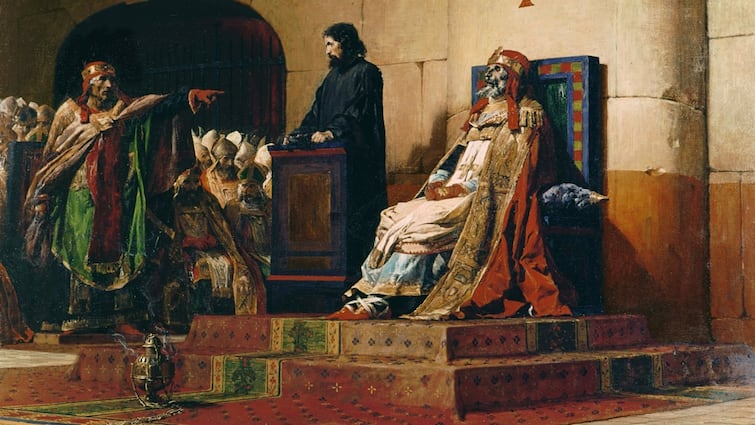
Yes, you read that right. In 897 AD, Pope Stephen VI ordered the corpse of his predecessor, Pope Formosus, to be exhumed and placed on trial in what is now famously known as the Cadaver Synod. Dressed in papal vestments and propped up on a throne, the decaying body of Formosus faced charges ranging from perjury to violating church law.
Unsurprisingly, the dead pope lost. His papal fingers were chopped off, and his body was tossed into the Tiber River.
A few months later, however, Pope Theodore II honourably reburied Formosus’s corpse at St. Peter’s in Rome after vindicating his pontificate.
A Teenage Pope? Almost
In the 11th century, Pope Benedict IX made headlines — well, chronicles at least — as one of the youngest popes ever. Installed as pope in his early teens, Benedict IX’s reign was marked by scandal, corruption, and a striking lack of maturity. He reportedly sold the papacy not once, but twice, and is the only Pope in history to have done so.
He was known more for his decadent lifestyle than any spiritual leadership. His chaotic tenure saw him resigning, returning, and being driven out multiple times. Eventually, he was excommunicated.
A Woman Pope?
One of the most persistent legends in papal lore is that of Pope Joan — a woman who, disguised as a man, supposedly rose through the church ranks as John VIII and was elected pope in the 9th century (855). Her secret was allegedly discovered only when she gave birth during a public procession, as per Britannica.
While historians widely regard the tale as myth, the story of Pope Joan has endured for centuries, even prompting the Vatican to allegedly avoid certain routes during ceremonies to prevent passing the spot of her supposed exposure.
Papal Resignations: Rare But Real
While the resignation of Pope Benedict XVI in 2013 shocked the modern world, papal resignations are not entirely unheard of. The most famous case before him occurred in 1294, when Pope Celestine V — an elderly hermit who never wanted the role — resigned after just five months.
His brief papacy was so tumultuous that Dante Alighieri, author of The Divine Comedy, possibly referenced him as the soul “who made the great refusal”, placing him in Hell for his decision to abandon his duties.
After him, Gregory XII was forced to resign in 1415 after a split in the Catholic Church.
When The Pope Became A Prisoner
In 1809, Napoleon Bonaparte ordered the arrest of Pope Pius VII, dragging him from Rome to France after a clash over the emperor’s attempts to control the Church. Pius was a prisoner from 1809 to 1814, refusing to grant Napoleon religious legitimacy. His steadfastness earned him respect, and when he finally returned to Rome, crowds hailed him as a hero.

Pope Francis, who passed away on April 21, 2025, leaves behind a rich legacy of Catholic practices. However, in a deviation from tradition, he requested a simple burial outside the Vatican in the Basilica di Santa Maria Maggiore.
When we think of the papacy, images of solemn ceremonies, ancient traditions, and moral authority often come to mind. But beneath the surface of Vatican grandeur lies a trove of strange, often unbelievable stories that history seems to have tucked away in dusty corners. The history of the papacy isn’t just sacred — it’s downright bizarre in places. These lesser-known facts reveal a side of the Catholic Church’s leadership that’s equal parts curious, fascinating, and even shocking.
Deceased Pope Who Was Dug Up And Put On Trial
Yes, you read that right. In 897 AD, Pope Stephen VI ordered the corpse of his predecessor, Pope Formosus, to be exhumed and placed on trial in what is now famously known as the Cadaver Synod. Dressed in papal vestments and propped up on a throne, the decaying body of Formosus faced charges ranging from perjury to violating church law.
Unsurprisingly, the dead pope lost. His papal fingers were chopped off, and his body was tossed into the Tiber River.
A few months later, however, Pope Theodore II honourably reburied Formosus’s corpse at St. Peter’s in Rome after vindicating his pontificate.
A Teenage Pope? Almost
In the 11th century, Pope Benedict IX made headlines — well, chronicles at least — as one of the youngest popes ever. Installed as pope in his early teens, Benedict IX’s reign was marked by scandal, corruption, and a striking lack of maturity. He reportedly sold the papacy not once, but twice, and is the only Pope in history to have done so.
He was known more for his decadent lifestyle than any spiritual leadership. His chaotic tenure saw him resigning, returning, and being driven out multiple times. Eventually, he was excommunicated.
A Woman Pope?
One of the most persistent legends in papal lore is that of Pope Joan — a woman who, disguised as a man, supposedly rose through the church ranks as John VIII and was elected pope in the 9th century (855). Her secret was allegedly discovered only when she gave birth during a public procession, as per Britannica.
While historians widely regard the tale as myth, the story of Pope Joan has endured for centuries, even prompting the Vatican to allegedly avoid certain routes during ceremonies to prevent passing the spot of her supposed exposure.
Papal Resignations: Rare But Real
While the resignation of Pope Benedict XVI in 2013 shocked the modern world, papal resignations are not entirely unheard of. The most famous case before him occurred in 1294, when Pope Celestine V — an elderly hermit who never wanted the role — resigned after just five months.
His brief papacy was so tumultuous that Dante Alighieri, author of The Divine Comedy, possibly referenced him as the soul “who made the great refusal”, placing him in Hell for his decision to abandon his duties.
After him, Gregory XII was forced to resign in 1415 after a split in the Catholic Church.
When The Pope Became A Prisoner
In 1809, Napoleon Bonaparte ordered the arrest of Pope Pius VII, dragging him from Rome to France after a clash over the emperor’s attempts to control the Church. Pius was a prisoner from 1809 to 1814, refusing to grant Napoleon religious legitimacy. His steadfastness earned him respect, and when he finally returned to Rome, crowds hailed him as a hero.

Pope Francis, who passed away on April 21, 2025, leaves behind a rich legacy of Catholic practices. However, in a deviation from tradition, he requested a simple burial outside the Vatican in the Basilica di Santa Maria Maggiore.
When we think of the papacy, images of solemn ceremonies, ancient traditions, and moral authority often come to mind. But beneath the surface of Vatican grandeur lies a trove of strange, often unbelievable stories that history seems to have tucked away in dusty corners. The history of the papacy isn’t just sacred — it’s downright bizarre in places. These lesser-known facts reveal a side of the Catholic Church’s leadership that’s equal parts curious, fascinating, and even shocking.
Deceased Pope Who Was Dug Up And Put On Trial
Yes, you read that right. In 897 AD, Pope Stephen VI ordered the corpse of his predecessor, Pope Formosus, to be exhumed and placed on trial in what is now famously known as the Cadaver Synod. Dressed in papal vestments and propped up on a throne, the decaying body of Formosus faced charges ranging from perjury to violating church law.
Unsurprisingly, the dead pope lost. His papal fingers were chopped off, and his body was tossed into the Tiber River.
A few months later, however, Pope Theodore II honourably reburied Formosus’s corpse at St. Peter’s in Rome after vindicating his pontificate.
A Teenage Pope? Almost
In the 11th century, Pope Benedict IX made headlines — well, chronicles at least — as one of the youngest popes ever. Installed as pope in his early teens, Benedict IX’s reign was marked by scandal, corruption, and a striking lack of maturity. He reportedly sold the papacy not once, but twice, and is the only Pope in history to have done so.
He was known more for his decadent lifestyle than any spiritual leadership. His chaotic tenure saw him resigning, returning, and being driven out multiple times. Eventually, he was excommunicated.
A Woman Pope?
One of the most persistent legends in papal lore is that of Pope Joan — a woman who, disguised as a man, supposedly rose through the church ranks as John VIII and was elected pope in the 9th century (855). Her secret was allegedly discovered only when she gave birth during a public procession, as per Britannica.
While historians widely regard the tale as myth, the story of Pope Joan has endured for centuries, even prompting the Vatican to allegedly avoid certain routes during ceremonies to prevent passing the spot of her supposed exposure.
Papal Resignations: Rare But Real
While the resignation of Pope Benedict XVI in 2013 shocked the modern world, papal resignations are not entirely unheard of. The most famous case before him occurred in 1294, when Pope Celestine V — an elderly hermit who never wanted the role — resigned after just five months.
His brief papacy was so tumultuous that Dante Alighieri, author of The Divine Comedy, possibly referenced him as the soul “who made the great refusal”, placing him in Hell for his decision to abandon his duties.
After him, Gregory XII was forced to resign in 1415 after a split in the Catholic Church.
When The Pope Became A Prisoner
In 1809, Napoleon Bonaparte ordered the arrest of Pope Pius VII, dragging him from Rome to France after a clash over the emperor’s attempts to control the Church. Pius was a prisoner from 1809 to 1814, refusing to grant Napoleon religious legitimacy. His steadfastness earned him respect, and when he finally returned to Rome, crowds hailed him as a hero.

Pope Francis, who passed away on April 21, 2025, leaves behind a rich legacy of Catholic practices. However, in a deviation from tradition, he requested a simple burial outside the Vatican in the Basilica di Santa Maria Maggiore.
When we think of the papacy, images of solemn ceremonies, ancient traditions, and moral authority often come to mind. But beneath the surface of Vatican grandeur lies a trove of strange, often unbelievable stories that history seems to have tucked away in dusty corners. The history of the papacy isn’t just sacred — it’s downright bizarre in places. These lesser-known facts reveal a side of the Catholic Church’s leadership that’s equal parts curious, fascinating, and even shocking.
Deceased Pope Who Was Dug Up And Put On Trial
Yes, you read that right. In 897 AD, Pope Stephen VI ordered the corpse of his predecessor, Pope Formosus, to be exhumed and placed on trial in what is now famously known as the Cadaver Synod. Dressed in papal vestments and propped up on a throne, the decaying body of Formosus faced charges ranging from perjury to violating church law.
Unsurprisingly, the dead pope lost. His papal fingers were chopped off, and his body was tossed into the Tiber River.
A few months later, however, Pope Theodore II honourably reburied Formosus’s corpse at St. Peter’s in Rome after vindicating his pontificate.
A Teenage Pope? Almost
In the 11th century, Pope Benedict IX made headlines — well, chronicles at least — as one of the youngest popes ever. Installed as pope in his early teens, Benedict IX’s reign was marked by scandal, corruption, and a striking lack of maturity. He reportedly sold the papacy not once, but twice, and is the only Pope in history to have done so.
He was known more for his decadent lifestyle than any spiritual leadership. His chaotic tenure saw him resigning, returning, and being driven out multiple times. Eventually, he was excommunicated.
A Woman Pope?
One of the most persistent legends in papal lore is that of Pope Joan — a woman who, disguised as a man, supposedly rose through the church ranks as John VIII and was elected pope in the 9th century (855). Her secret was allegedly discovered only when she gave birth during a public procession, as per Britannica.
While historians widely regard the tale as myth, the story of Pope Joan has endured for centuries, even prompting the Vatican to allegedly avoid certain routes during ceremonies to prevent passing the spot of her supposed exposure.
Papal Resignations: Rare But Real
While the resignation of Pope Benedict XVI in 2013 shocked the modern world, papal resignations are not entirely unheard of. The most famous case before him occurred in 1294, when Pope Celestine V — an elderly hermit who never wanted the role — resigned after just five months.
His brief papacy was so tumultuous that Dante Alighieri, author of The Divine Comedy, possibly referenced him as the soul “who made the great refusal”, placing him in Hell for his decision to abandon his duties.
After him, Gregory XII was forced to resign in 1415 after a split in the Catholic Church.
When The Pope Became A Prisoner
In 1809, Napoleon Bonaparte ordered the arrest of Pope Pius VII, dragging him from Rome to France after a clash over the emperor’s attempts to control the Church. Pius was a prisoner from 1809 to 1814, refusing to grant Napoleon religious legitimacy. His steadfastness earned him respect, and when he finally returned to Rome, crowds hailed him as a hero.

Pope Francis, who passed away on April 21, 2025, leaves behind a rich legacy of Catholic practices. However, in a deviation from tradition, he requested a simple burial outside the Vatican in the Basilica di Santa Maria Maggiore.
When we think of the papacy, images of solemn ceremonies, ancient traditions, and moral authority often come to mind. But beneath the surface of Vatican grandeur lies a trove of strange, often unbelievable stories that history seems to have tucked away in dusty corners. The history of the papacy isn’t just sacred — it’s downright bizarre in places. These lesser-known facts reveal a side of the Catholic Church’s leadership that’s equal parts curious, fascinating, and even shocking.
Deceased Pope Who Was Dug Up And Put On Trial
Yes, you read that right. In 897 AD, Pope Stephen VI ordered the corpse of his predecessor, Pope Formosus, to be exhumed and placed on trial in what is now famously known as the Cadaver Synod. Dressed in papal vestments and propped up on a throne, the decaying body of Formosus faced charges ranging from perjury to violating church law.
Unsurprisingly, the dead pope lost. His papal fingers were chopped off, and his body was tossed into the Tiber River.
A few months later, however, Pope Theodore II honourably reburied Formosus’s corpse at St. Peter’s in Rome after vindicating his pontificate.
A Teenage Pope? Almost
In the 11th century, Pope Benedict IX made headlines — well, chronicles at least — as one of the youngest popes ever. Installed as pope in his early teens, Benedict IX’s reign was marked by scandal, corruption, and a striking lack of maturity. He reportedly sold the papacy not once, but twice, and is the only Pope in history to have done so.
He was known more for his decadent lifestyle than any spiritual leadership. His chaotic tenure saw him resigning, returning, and being driven out multiple times. Eventually, he was excommunicated.
A Woman Pope?
One of the most persistent legends in papal lore is that of Pope Joan — a woman who, disguised as a man, supposedly rose through the church ranks as John VIII and was elected pope in the 9th century (855). Her secret was allegedly discovered only when she gave birth during a public procession, as per Britannica.
While historians widely regard the tale as myth, the story of Pope Joan has endured for centuries, even prompting the Vatican to allegedly avoid certain routes during ceremonies to prevent passing the spot of her supposed exposure.
Papal Resignations: Rare But Real
While the resignation of Pope Benedict XVI in 2013 shocked the modern world, papal resignations are not entirely unheard of. The most famous case before him occurred in 1294, when Pope Celestine V — an elderly hermit who never wanted the role — resigned after just five months.
His brief papacy was so tumultuous that Dante Alighieri, author of The Divine Comedy, possibly referenced him as the soul “who made the great refusal”, placing him in Hell for his decision to abandon his duties.
After him, Gregory XII was forced to resign in 1415 after a split in the Catholic Church.
When The Pope Became A Prisoner
In 1809, Napoleon Bonaparte ordered the arrest of Pope Pius VII, dragging him from Rome to France after a clash over the emperor’s attempts to control the Church. Pius was a prisoner from 1809 to 1814, refusing to grant Napoleon religious legitimacy. His steadfastness earned him respect, and when he finally returned to Rome, crowds hailed him as a hero.