



Washington DC
New York
Toronto
Distribution: (800) 510 9863
Press ID
  • Login
Binghamton Herald
Advertisement
Tuesday, September 8, 2026
  • Home
  • World
  • Politics
  • Business
  • Technology
  • Culture
  • Health
  • Entertainment
  • Trending
No Result
View All Result
Binghamton Herald
No Result
View All Result
Home Business

Council backs L.A. fast-food worker scheduling protections as businesses complain of tight margins

by Binghamton Herald Report
September 8, 2026
in Business
Share on FacebookShare on Twitter

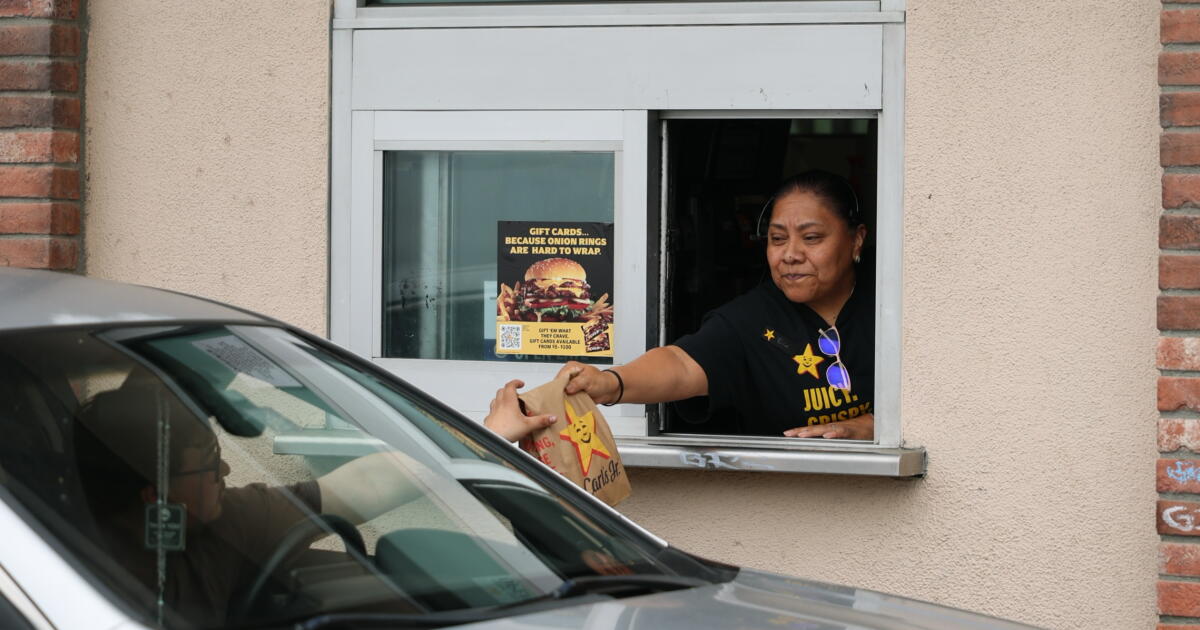
The Los Angeles City Council on Tuesday approved scheduling protections and in-person labor rights training for fast-food workers, despite business owners’ objections that the new rules would burden local franchisees who already operate on thin profit margins.

Existing city law, known as the Fair Work Week ordinance, requires certain retail businesses to give workers their schedule at least two weeks in advance. Businesses also must provide workers at least 10 hours’ rest between shifts, or provide extra pay for that work.

The council’s vote Tuesday, which directs the city attorney to draft language extending such protections to workers in the fast-food industry, was approved 10 to 2, with Councilmembers John Lee and Traci Park opposed.

Labor groups sponsoring the new protections — Starbucks Workers United and the California Fast Food Workers Union, which is affiliated with Service Employees International Union — have contended that the fast-food workforce faces unstable schedules that make it difficult for workers, many of them women and immigrants, to plan their finances, child care, medical appointments and other obligations.

In their vote, City Council members also ordered a report with a framework on how to implement a mandatory six-hour paid training to educate workers on minimum wage laws and other labor protections.

“We can pass strong labor laws, but if the workers don’t know what those laws mean, then we’re not really doing our job as a city,” Councilmember Hugo Soto-Martínez, who first proposed the ordinance, said after the vote.

City Council members considered including a virtual option for the paid training, but ultimately decided workers should have at least their initial training in person to effectively communicate their rights.

“Workers need to be able to ask questions, share their experiences and practice how to respond to situations like wage theft, health and safety violations, harassment and retaliation,” Victor Tobar, communications director for Worker Empowerment Community Network–Los Angeles, said during Tuesday’s public comment period.

Trust is key for immigrant workers to allow them to feel comfortable asking for help, he added.

Blanca Romero, a McDonald’s worker in Los Angeles for nine years, said during public comment that the Fair Work Week ordinance would help longtime employees like herself who often have their hours cut, even as the business hires additional people.

The law requires that an employer offer work to qualified current employees before hiring a new employee or using a contractor.

“We deserve respect,” she said.

Some local business owners urged the council to reject the ordinance, saying the resulting added costs would be onerous and unnecessary.

Juancarlos Chacon, who owns several Jersey Mike’s Subs stores in the L.A. area and in Las Vegas, said 2023 state legislation that increased the minimum wage for fast-food workers has already stretched his businesses, forcing him to cut hours and eliminate positions.

“This ordinance adds more weight onto businesses that are already struggling to survive,” Chacon said.

Chacon said that his businesses, which employ more than 200 people, already educate workers on their rights in new team member orientations, and that information on labor laws is clearly displayed on posters inside the stores.

Jason Hendifar of Waldorf Restaurant Group said only half of his 10 restaurants in Los Angeles are profitable. The others either break even or are in the red.

“California is already the hardest state to operate a small business in,” he said. “We do not need more regulation and more costs.”

Waldorf Restaurant Group operates franchise locations of Burger King and El Pollo Loco, according to public records.

In a letter to the council ahead of Tuesday’s meeting, the California Restaurant Assn. contended that the ordinance will hinder an industry that has long served as a successful pathway to business ownership for minority entrepreneurs.

The business group also took issue with third parties administering worker training, saying that labor groups could use them to prime the workforce for union campaigns.

As part of its vote, the council also approved an amendment introduced by Councilmember Adrin Nazarian recommending the city attorney assess potential legal liabilities for mandating in-person training requirements.

City officials are seeking to implement the law for businesses operating more than one franchise location starting next April. Employers that operate only one location will have until October 2027 to comply, according to an amendment approved by the council.

The Los Angeles City Council on Tuesday approved scheduling protections and in-person labor rights training for fast-food workers, despite business owners’ objections that the new rules would burden local franchisees who already operate on thin profit margins.

Existing city law, known as the Fair Work Week ordinance, requires certain retail businesses to give workers their schedule at least two weeks in advance. Businesses also must provide workers at least 10 hours’ rest between shifts, or provide extra pay for that work.

The council’s vote Tuesday, which directs the city attorney to draft language extending such protections to workers in the fast-food industry, was approved 10 to 2, with Councilmembers John Lee and Traci Park opposed.

Labor groups sponsoring the new protections — Starbucks Workers United and the California Fast Food Workers Union, which is affiliated with Service Employees International Union — have contended that the fast-food workforce faces unstable schedules that make it difficult for workers, many of them women and immigrants, to plan their finances, child care, medical appointments and other obligations.

In their vote, City Council members also ordered a report with a framework on how to implement a mandatory six-hour paid training to educate workers on minimum wage laws and other labor protections.

“We can pass strong labor laws, but if the workers don’t know what those laws mean, then we’re not really doing our job as a city,” Councilmember Hugo Soto-Martínez, who first proposed the ordinance, said after the vote.

City Council members considered including a virtual option for the paid training, but ultimately decided workers should have at least their initial training in person to effectively communicate their rights.

“Workers need to be able to ask questions, share their experiences and practice how to respond to situations like wage theft, health and safety violations, harassment and retaliation,” Victor Tobar, communications director for Worker Empowerment Community Network–Los Angeles, said during Tuesday’s public comment period.

Trust is key for immigrant workers to allow them to feel comfortable asking for help, he added.

Blanca Romero, a McDonald’s worker in Los Angeles for nine years, said during public comment that the Fair Work Week ordinance would help longtime employees like herself who often have their hours cut, even as the business hires additional people.

The law requires that an employer offer work to qualified current employees before hiring a new employee or using a contractor.

“We deserve respect,” she said.

Some local business owners urged the council to reject the ordinance, saying the resulting added costs would be onerous and unnecessary.

Juancarlos Chacon, who owns several Jersey Mike’s Subs stores in the L.A. area and in Las Vegas, said 2023 state legislation that increased the minimum wage for fast-food workers has already stretched his businesses, forcing him to cut hours and eliminate positions.

“This ordinance adds more weight onto businesses that are already struggling to survive,” Chacon said.

Chacon said that his businesses, which employ more than 200 people, already educate workers on their rights in new team member orientations, and that information on labor laws is clearly displayed on posters inside the stores.

Jason Hendifar of Waldorf Restaurant Group said only half of his 10 restaurants in Los Angeles are profitable. The others either break even or are in the red.

“California is already the hardest state to operate a small business in,” he said. “We do not need more regulation and more costs.”

Waldorf Restaurant Group operates franchise locations of Burger King and El Pollo Loco, according to public records.

In a letter to the council ahead of Tuesday’s meeting, the California Restaurant Assn. contended that the ordinance will hinder an industry that has long served as a successful pathway to business ownership for minority entrepreneurs.

The business group also took issue with third parties administering worker training, saying that labor groups could use them to prime the workforce for union campaigns.

As part of its vote, the council also approved an amendment introduced by Councilmember Adrin Nazarian recommending the city attorney assess potential legal liabilities for mandating in-person training requirements.

City officials are seeking to implement the law for businesses operating more than one franchise location starting next April. Employers that operate only one location will have until October 2027 to comply, according to an amendment approved by the council.

The Los Angeles City Council on Tuesday approved scheduling protections and in-person labor rights training for fast-food workers, despite business owners’ objections that the new rules would burden local franchisees who already operate on thin profit margins.

Existing city law, known as the Fair Work Week ordinance, requires certain retail businesses to give workers their schedule at least two weeks in advance. Businesses also must provide workers at least 10 hours’ rest between shifts, or provide extra pay for that work.

The council’s vote Tuesday, which directs the city attorney to draft language extending such protections to workers in the fast-food industry, was approved 10 to 2, with Councilmembers John Lee and Traci Park opposed.

Labor groups sponsoring the new protections — Starbucks Workers United and the California Fast Food Workers Union, which is affiliated with Service Employees International Union — have contended that the fast-food workforce faces unstable schedules that make it difficult for workers, many of them women and immigrants, to plan their finances, child care, medical appointments and other obligations.

In their vote, City Council members also ordered a report with a framework on how to implement a mandatory six-hour paid training to educate workers on minimum wage laws and other labor protections.

“We can pass strong labor laws, but if the workers don’t know what those laws mean, then we’re not really doing our job as a city,” Councilmember Hugo Soto-Martínez, who first proposed the ordinance, said after the vote.

City Council members considered including a virtual option for the paid training, but ultimately decided workers should have at least their initial training in person to effectively communicate their rights.

“Workers need to be able to ask questions, share their experiences and practice how to respond to situations like wage theft, health and safety violations, harassment and retaliation,” Victor Tobar, communications director for Worker Empowerment Community Network–Los Angeles, said during Tuesday’s public comment period.

Trust is key for immigrant workers to allow them to feel comfortable asking for help, he added.

Blanca Romero, a McDonald’s worker in Los Angeles for nine years, said during public comment that the Fair Work Week ordinance would help longtime employees like herself who often have their hours cut, even as the business hires additional people.

The law requires that an employer offer work to qualified current employees before hiring a new employee or using a contractor.

“We deserve respect,” she said.

Some local business owners urged the council to reject the ordinance, saying the resulting added costs would be onerous and unnecessary.

Juancarlos Chacon, who owns several Jersey Mike’s Subs stores in the L.A. area and in Las Vegas, said 2023 state legislation that increased the minimum wage for fast-food workers has already stretched his businesses, forcing him to cut hours and eliminate positions.

“This ordinance adds more weight onto businesses that are already struggling to survive,” Chacon said.

Chacon said that his businesses, which employ more than 200 people, already educate workers on their rights in new team member orientations, and that information on labor laws is clearly displayed on posters inside the stores.

Jason Hendifar of Waldorf Restaurant Group said only half of his 10 restaurants in Los Angeles are profitable. The others either break even or are in the red.

“California is already the hardest state to operate a small business in,” he said. “We do not need more regulation and more costs.”

Waldorf Restaurant Group operates franchise locations of Burger King and El Pollo Loco, according to public records.

In a letter to the council ahead of Tuesday’s meeting, the California Restaurant Assn. contended that the ordinance will hinder an industry that has long served as a successful pathway to business ownership for minority entrepreneurs.

The business group also took issue with third parties administering worker training, saying that labor groups could use them to prime the workforce for union campaigns.

As part of its vote, the council also approved an amendment introduced by Councilmember Adrin Nazarian recommending the city attorney assess potential legal liabilities for mandating in-person training requirements.

City officials are seeking to implement the law for businesses operating more than one franchise location starting next April. Employers that operate only one location will have until October 2027 to comply, according to an amendment approved by the council.


The Los Angeles City Council on Tuesday approved scheduling protections and in-person labor rights training for fast-food workers, despite business owners’ objections that the new rules would burden local franchisees who already operate on thin profit margins.

Existing city law, known as the Fair Work Week ordinance, requires certain retail businesses to give workers their schedule at least two weeks in advance. Businesses also must provide workers at least 10 hours’ rest between shifts, or provide extra pay for that work.

The council’s vote Tuesday, which directs the city attorney to draft language extending such protections to workers in the fast-food industry, was approved 10 to 2, with Councilmembers John Lee and Traci Park opposed.

Labor groups sponsoring the new protections — Starbucks Workers United and the California Fast Food Workers Union, which is affiliated with Service Employees International Union — have contended that the fast-food workforce faces unstable schedules that make it difficult for workers, many of them women and immigrants, to plan their finances, child care, medical appointments and other obligations.

In their vote, City Council members also ordered a report with a framework on how to implement a mandatory six-hour paid training to educate workers on minimum wage laws and other labor protections.

“We can pass strong labor laws, but if the workers don’t know what those laws mean, then we’re not really doing our job as a city,” Councilmember Hugo Soto-Martínez, who first proposed the ordinance, said after the vote.

City Council members considered including a virtual option for the paid training, but ultimately decided workers should have at least their initial training in person to effectively communicate their rights.

“Workers need to be able to ask questions, share their experiences and practice how to respond to situations like wage theft, health and safety violations, harassment and retaliation,” Victor Tobar, communications director for Worker Empowerment Community Network–Los Angeles, said during Tuesday’s public comment period.

Trust is key for immigrant workers to allow them to feel comfortable asking for help, he added.

Blanca Romero, a McDonald’s worker in Los Angeles for nine years, said during public comment that the Fair Work Week ordinance would help longtime employees like herself who often have their hours cut, even as the business hires additional people.

The law requires that an employer offer work to qualified current employees before hiring a new employee or using a contractor.

“We deserve respect,” she said.

Some local business owners urged the council to reject the ordinance, saying the resulting added costs would be onerous and unnecessary.

Juancarlos Chacon, who owns several Jersey Mike’s Subs stores in the L.A. area and in Las Vegas, said 2023 state legislation that increased the minimum wage for fast-food workers has already stretched his businesses, forcing him to cut hours and eliminate positions.

“This ordinance adds more weight onto businesses that are already struggling to survive,” Chacon said.

Chacon said that his businesses, which employ more than 200 people, already educate workers on their rights in new team member orientations, and that information on labor laws is clearly displayed on posters inside the stores.

Jason Hendifar of Waldorf Restaurant Group said only half of his 10 restaurants in Los Angeles are profitable. The others either break even or are in the red.

“California is already the hardest state to operate a small business in,” he said. “We do not need more regulation and more costs.”

Waldorf Restaurant Group operates franchise locations of Burger King and El Pollo Loco, according to public records.

In a letter to the council ahead of Tuesday’s meeting, the California Restaurant Assn. contended that the ordinance will hinder an industry that has long served as a successful pathway to business ownership for minority entrepreneurs.

The business group also took issue with third parties administering worker training, saying that labor groups could use them to prime the workforce for union campaigns.

As part of its vote, the council also approved an amendment introduced by Councilmember Adrin Nazarian recommending the city attorney assess potential legal liabilities for mandating in-person training requirements.

City officials are seeking to implement the law for businesses operating more than one franchise location starting next April. Employers that operate only one location will have until October 2027 to comply, according to an amendment approved by the council.

The Los Angeles City Council on Tuesday approved scheduling protections and in-person labor rights training for fast-food workers, despite business owners’ objections that the new rules would burden local franchisees who already operate on thin profit margins.

Existing city law, known as the Fair Work Week ordinance, requires certain retail businesses to give workers their schedule at least two weeks in advance. Businesses also must provide workers at least 10 hours’ rest between shifts, or provide extra pay for that work.

The council’s vote Tuesday, which directs the city attorney to draft language extending such protections to workers in the fast-food industry, was approved 10 to 2, with Councilmembers John Lee and Traci Park opposed.

Labor groups sponsoring the new protections — Starbucks Workers United and the California Fast Food Workers Union, which is affiliated with Service Employees International Union — have contended that the fast-food workforce faces unstable schedules that make it difficult for workers, many of them women and immigrants, to plan their finances, child care, medical appointments and other obligations.

In their vote, City Council members also ordered a report with a framework on how to implement a mandatory six-hour paid training to educate workers on minimum wage laws and other labor protections.

“We can pass strong labor laws, but if the workers don’t know what those laws mean, then we’re not really doing our job as a city,” Councilmember Hugo Soto-Martínez, who first proposed the ordinance, said after the vote.

City Council members considered including a virtual option for the paid training, but ultimately decided workers should have at least their initial training in person to effectively communicate their rights.

“Workers need to be able to ask questions, share their experiences and practice how to respond to situations like wage theft, health and safety violations, harassment and retaliation,” Victor Tobar, communications director for Worker Empowerment Community Network–Los Angeles, said during Tuesday’s public comment period.

Trust is key for immigrant workers to allow them to feel comfortable asking for help, he added.

Blanca Romero, a McDonald’s worker in Los Angeles for nine years, said during public comment that the Fair Work Week ordinance would help longtime employees like herself who often have their hours cut, even as the business hires additional people.

The law requires that an employer offer work to qualified current employees before hiring a new employee or using a contractor.

“We deserve respect,” she said.

Some local business owners urged the council to reject the ordinance, saying the resulting added costs would be onerous and unnecessary.

Juancarlos Chacon, who owns several Jersey Mike’s Subs stores in the L.A. area and in Las Vegas, said 2023 state legislation that increased the minimum wage for fast-food workers has already stretched his businesses, forcing him to cut hours and eliminate positions.

“This ordinance adds more weight onto businesses that are already struggling to survive,” Chacon said.

Chacon said that his businesses, which employ more than 200 people, already educate workers on their rights in new team member orientations, and that information on labor laws is clearly displayed on posters inside the stores.

Jason Hendifar of Waldorf Restaurant Group said only half of his 10 restaurants in Los Angeles are profitable. The others either break even or are in the red.

“California is already the hardest state to operate a small business in,” he said. “We do not need more regulation and more costs.”

Waldorf Restaurant Group operates franchise locations of Burger King and El Pollo Loco, according to public records.

In a letter to the council ahead of Tuesday’s meeting, the California Restaurant Assn. contended that the ordinance will hinder an industry that has long served as a successful pathway to business ownership for minority entrepreneurs.

The business group also took issue with third parties administering worker training, saying that labor groups could use them to prime the workforce for union campaigns.

As part of its vote, the council also approved an amendment introduced by Councilmember Adrin Nazarian recommending the city attorney assess potential legal liabilities for mandating in-person training requirements.

City officials are seeking to implement the law for businesses operating more than one franchise location starting next April. Employers that operate only one location will have until October 2027 to comply, according to an amendment approved by the council.

The Los Angeles City Council on Tuesday approved scheduling protections and in-person labor rights training for fast-food workers, despite business owners’ objections that the new rules would burden local franchisees who already operate on thin profit margins.

Existing city law, known as the Fair Work Week ordinance, requires certain retail businesses to give workers their schedule at least two weeks in advance. Businesses also must provide workers at least 10 hours’ rest between shifts, or provide extra pay for that work.

The council’s vote Tuesday, which directs the city attorney to draft language extending such protections to workers in the fast-food industry, was approved 10 to 2, with Councilmembers John Lee and Traci Park opposed.

Labor groups sponsoring the new protections — Starbucks Workers United and the California Fast Food Workers Union, which is affiliated with Service Employees International Union — have contended that the fast-food workforce faces unstable schedules that make it difficult for workers, many of them women and immigrants, to plan their finances, child care, medical appointments and other obligations.

In their vote, City Council members also ordered a report with a framework on how to implement a mandatory six-hour paid training to educate workers on minimum wage laws and other labor protections.

“We can pass strong labor laws, but if the workers don’t know what those laws mean, then we’re not really doing our job as a city,” Councilmember Hugo Soto-Martínez, who first proposed the ordinance, said after the vote.

City Council members considered including a virtual option for the paid training, but ultimately decided workers should have at least their initial training in person to effectively communicate their rights.

“Workers need to be able to ask questions, share their experiences and practice how to respond to situations like wage theft, health and safety violations, harassment and retaliation,” Victor Tobar, communications director for Worker Empowerment Community Network–Los Angeles, said during Tuesday’s public comment period.

Trust is key for immigrant workers to allow them to feel comfortable asking for help, he added.

Blanca Romero, a McDonald’s worker in Los Angeles for nine years, said during public comment that the Fair Work Week ordinance would help longtime employees like herself who often have their hours cut, even as the business hires additional people.

The law requires that an employer offer work to qualified current employees before hiring a new employee or using a contractor.

“We deserve respect,” she said.

Some local business owners urged the council to reject the ordinance, saying the resulting added costs would be onerous and unnecessary.

Juancarlos Chacon, who owns several Jersey Mike’s Subs stores in the L.A. area and in Las Vegas, said 2023 state legislation that increased the minimum wage for fast-food workers has already stretched his businesses, forcing him to cut hours and eliminate positions.

“This ordinance adds more weight onto businesses that are already struggling to survive,” Chacon said.

Chacon said that his businesses, which employ more than 200 people, already educate workers on their rights in new team member orientations, and that information on labor laws is clearly displayed on posters inside the stores.

Jason Hendifar of Waldorf Restaurant Group said only half of his 10 restaurants in Los Angeles are profitable. The others either break even or are in the red.

“California is already the hardest state to operate a small business in,” he said. “We do not need more regulation and more costs.”

Waldorf Restaurant Group operates franchise locations of Burger King and El Pollo Loco, according to public records.

In a letter to the council ahead of Tuesday’s meeting, the California Restaurant Assn. contended that the ordinance will hinder an industry that has long served as a successful pathway to business ownership for minority entrepreneurs.

The business group also took issue with third parties administering worker training, saying that labor groups could use them to prime the workforce for union campaigns.

As part of its vote, the council also approved an amendment introduced by Councilmember Adrin Nazarian recommending the city attorney assess potential legal liabilities for mandating in-person training requirements.

City officials are seeking to implement the law for businesses operating more than one franchise location starting next April. Employers that operate only one location will have until October 2027 to comply, according to an amendment approved by the council.

The Los Angeles City Council on Tuesday approved scheduling protections and in-person labor rights training for fast-food workers, despite business owners’ objections that the new rules would burden local franchisees who already operate on thin profit margins.

Existing city law, known as the Fair Work Week ordinance, requires certain retail businesses to give workers their schedule at least two weeks in advance. Businesses also must provide workers at least 10 hours’ rest between shifts, or provide extra pay for that work.

The council’s vote Tuesday, which directs the city attorney to draft language extending such protections to workers in the fast-food industry, was approved 10 to 2, with Councilmembers John Lee and Traci Park opposed.

Labor groups sponsoring the new protections — Starbucks Workers United and the California Fast Food Workers Union, which is affiliated with Service Employees International Union — have contended that the fast-food workforce faces unstable schedules that make it difficult for workers, many of them women and immigrants, to plan their finances, child care, medical appointments and other obligations.

In their vote, City Council members also ordered a report with a framework on how to implement a mandatory six-hour paid training to educate workers on minimum wage laws and other labor protections.

“We can pass strong labor laws, but if the workers don’t know what those laws mean, then we’re not really doing our job as a city,” Councilmember Hugo Soto-Martínez, who first proposed the ordinance, said after the vote.

City Council members considered including a virtual option for the paid training, but ultimately decided workers should have at least their initial training in person to effectively communicate their rights.

“Workers need to be able to ask questions, share their experiences and practice how to respond to situations like wage theft, health and safety violations, harassment and retaliation,” Victor Tobar, communications director for Worker Empowerment Community Network–Los Angeles, said during Tuesday’s public comment period.

Trust is key for immigrant workers to allow them to feel comfortable asking for help, he added.

Blanca Romero, a McDonald’s worker in Los Angeles for nine years, said during public comment that the Fair Work Week ordinance would help longtime employees like herself who often have their hours cut, even as the business hires additional people.

The law requires that an employer offer work to qualified current employees before hiring a new employee or using a contractor.

“We deserve respect,” she said.

Some local business owners urged the council to reject the ordinance, saying the resulting added costs would be onerous and unnecessary.

Juancarlos Chacon, who owns several Jersey Mike’s Subs stores in the L.A. area and in Las Vegas, said 2023 state legislation that increased the minimum wage for fast-food workers has already stretched his businesses, forcing him to cut hours and eliminate positions.

“This ordinance adds more weight onto businesses that are already struggling to survive,” Chacon said.

Chacon said that his businesses, which employ more than 200 people, already educate workers on their rights in new team member orientations, and that information on labor laws is clearly displayed on posters inside the stores.

Jason Hendifar of Waldorf Restaurant Group said only half of his 10 restaurants in Los Angeles are profitable. The others either break even or are in the red.

“California is already the hardest state to operate a small business in,” he said. “We do not need more regulation and more costs.”

Waldorf Restaurant Group operates franchise locations of Burger King and El Pollo Loco, according to public records.

In a letter to the council ahead of Tuesday’s meeting, the California Restaurant Assn. contended that the ordinance will hinder an industry that has long served as a successful pathway to business ownership for minority entrepreneurs.

The business group also took issue with third parties administering worker training, saying that labor groups could use them to prime the workforce for union campaigns.

As part of its vote, the council also approved an amendment introduced by Councilmember Adrin Nazarian recommending the city attorney assess potential legal liabilities for mandating in-person training requirements.

City officials are seeking to implement the law for businesses operating more than one franchise location starting next April. Employers that operate only one location will have until October 2027 to comply, according to an amendment approved by the council.

The Los Angeles City Council on Tuesday approved scheduling protections and in-person labor rights training for fast-food workers, despite business owners’ objections that the new rules would burden local franchisees who already operate on thin profit margins.

Existing city law, known as the Fair Work Week ordinance, requires certain retail businesses to give workers their schedule at least two weeks in advance. Businesses also must provide workers at least 10 hours’ rest between shifts, or provide extra pay for that work.

The council’s vote Tuesday, which directs the city attorney to draft language extending such protections to workers in the fast-food industry, was approved 10 to 2, with Councilmembers John Lee and Traci Park opposed.

Labor groups sponsoring the new protections — Starbucks Workers United and the California Fast Food Workers Union, which is affiliated with Service Employees International Union — have contended that the fast-food workforce faces unstable schedules that make it difficult for workers, many of them women and immigrants, to plan their finances, child care, medical appointments and other obligations.

In their vote, City Council members also ordered a report with a framework on how to implement a mandatory six-hour paid training to educate workers on minimum wage laws and other labor protections.

“We can pass strong labor laws, but if the workers don’t know what those laws mean, then we’re not really doing our job as a city,” Councilmember Hugo Soto-Martínez, who first proposed the ordinance, said after the vote.

City Council members considered including a virtual option for the paid training, but ultimately decided workers should have at least their initial training in person to effectively communicate their rights.

“Workers need to be able to ask questions, share their experiences and practice how to respond to situations like wage theft, health and safety violations, harassment and retaliation,” Victor Tobar, communications director for Worker Empowerment Community Network–Los Angeles, said during Tuesday’s public comment period.

Trust is key for immigrant workers to allow them to feel comfortable asking for help, he added.

Blanca Romero, a McDonald’s worker in Los Angeles for nine years, said during public comment that the Fair Work Week ordinance would help longtime employees like herself who often have their hours cut, even as the business hires additional people.

The law requires that an employer offer work to qualified current employees before hiring a new employee or using a contractor.

“We deserve respect,” she said.

Some local business owners urged the council to reject the ordinance, saying the resulting added costs would be onerous and unnecessary.

Juancarlos Chacon, who owns several Jersey Mike’s Subs stores in the L.A. area and in Las Vegas, said 2023 state legislation that increased the minimum wage for fast-food workers has already stretched his businesses, forcing him to cut hours and eliminate positions.

“This ordinance adds more weight onto businesses that are already struggling to survive,” Chacon said.

Chacon said that his businesses, which employ more than 200 people, already educate workers on their rights in new team member orientations, and that information on labor laws is clearly displayed on posters inside the stores.

Jason Hendifar of Waldorf Restaurant Group said only half of his 10 restaurants in Los Angeles are profitable. The others either break even or are in the red.

“California is already the hardest state to operate a small business in,” he said. “We do not need more regulation and more costs.”

Waldorf Restaurant Group operates franchise locations of Burger King and El Pollo Loco, according to public records.

In a letter to the council ahead of Tuesday’s meeting, the California Restaurant Assn. contended that the ordinance will hinder an industry that has long served as a successful pathway to business ownership for minority entrepreneurs.

The business group also took issue with third parties administering worker training, saying that labor groups could use them to prime the workforce for union campaigns.

As part of its vote, the council also approved an amendment introduced by Councilmember Adrin Nazarian recommending the city attorney assess potential legal liabilities for mandating in-person training requirements.

City officials are seeking to implement the law for businesses operating more than one franchise location starting next April. Employers that operate only one location will have until October 2027 to comply, according to an amendment approved by the council.

Previous Post

AMC will pay $120 million to settle ‘Walking Dead’ profits lawsuit

Leave a Reply Cancel reply

Your email address will not be published. Required fields are marked *

BROWSE BY CATEGORIES

  • Business
  • Culture
  • Entertainment
  • Health
  • Politics
  • Technology
  • Trending
  • Uncategorized
  • World
Binghamton Herald

© 2024 Binghamton Herald or its affiliated companies.

Navigate Site

  • About
  • Advertise
  • Terms & Conditions
  • Privacy Policy
  • Disclaimer
  • Contact

Follow Us

No Result
View All Result
  • Home
  • World
  • Politics
  • Business
  • Technology
  • Culture
  • Health
  • Entertainment
  • Trending

© 2024 Binghamton Herald or its affiliated companies.

Welcome Back!

Login to your account below

Forgotten Password?

Retrieve your password

Please enter your username or email address to reset your password.

Log In