



Washington DC
New York
Toronto
Distribution: (800) 510 9863
Press ID
  • Login
Binghamton Herald
Advertisement
Monday, June 15, 2026
  • Home
  • World
  • Politics
  • Business
  • Technology
  • Culture
  • Health
  • Entertainment
  • Trending
No Result
View All Result
Binghamton Herald
No Result
View All Result
Home Trending

Communications In Various Areas Cut Off As Cyclone Mocha Rips Through Myanmar, Bangladesh

by Binghamton Herald Report
May 14, 2023
in Trending
Share on FacebookShare on Twitter

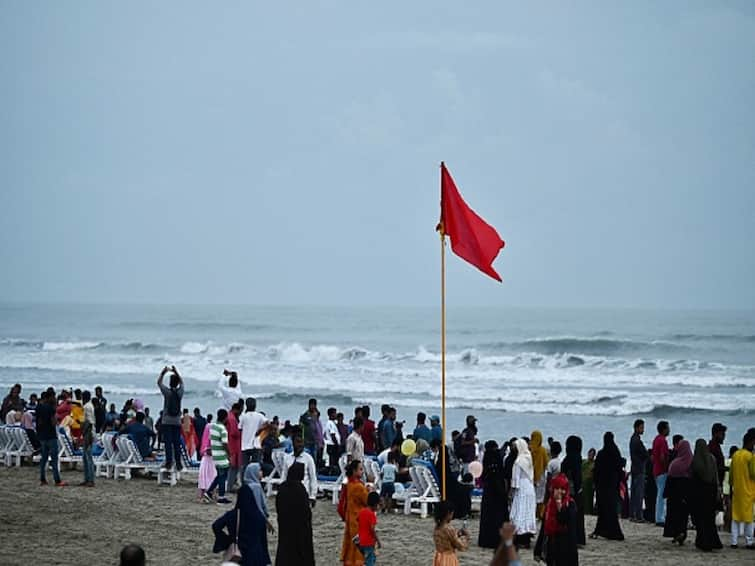
Cyclone Mocha slammed into Myanmar and southeastern Bangladesh on Sunday, sparing sprawling refugee camps but bringing a storm surge to swaths of western Myanmar where communications were largely cut off, news agency AFP reported. Mocha made landfall between Cox’s Bazar in Bangladesh and Sittwe in Myanmar, packing winds of up to 195 kilometres (120 miles) per hour in the largest storm to hit the Bay of Bengal in over a decade. 

The storm had mostly passed by late Sunday, and India’s weather service predicted that it would weaken as it approached Myanmar’s rugged interior. According to Mizanur Rahman, refugee commissioner, 400-500 makeshift shelters in camps housing nearly one million Rohingya refugees in Bangladesh’s Cox’s Bazar were damaged, but there were no immediate reports of casualties.

Volunteers gathered in Teknaf, Bangladesh, to clear fallen trees and other obstacles from the roads, according to AFP. The cyclone caused “no major damage” in Bangladesh, according to disaster official Kamrul Hasan, and authorities evacuated 750,000 people ahead of the storm.

Following the storm, communications with the port town of Sittwe in Myanmar were largely cut off, according to AFP correspondents.

As the storm surged ashore, streets in the town of around 150,000 people turned into rivers, tearing roofs from buildings and downing power lines.

The wind ripped apart tarpaulin and bamboo homes at one camp for displaced Rohingya in Myanmar’s Rakhine state, Kyaukphyu.

According to Khin Shwe, the camp’s leader, residents were watching the rising sea tide with bated breath. 

“We are now going to see if the seawater is rising to our location… if the seawater rises, our camp may be flooded,” he was quoted as saying by AFP.

Residents in Kyauktaw town, about two hours inland, emerged from the storm into debris-strewn streets and began patching up the damage to their properties. A power pylon had collided with one house, and several buildings had suffered damage to their corrugated iron roofs. 

Cyclone Mocha slammed into Myanmar and southeastern Bangladesh on Sunday, sparing sprawling refugee camps but bringing a storm surge to swaths of western Myanmar where communications were largely cut off, news agency AFP reported. Mocha made landfall between Cox’s Bazar in Bangladesh and Sittwe in Myanmar, packing winds of up to 195 kilometres (120 miles) per hour in the largest storm to hit the Bay of Bengal in over a decade. 

The storm had mostly passed by late Sunday, and India’s weather service predicted that it would weaken as it approached Myanmar’s rugged interior. According to Mizanur Rahman, refugee commissioner, 400-500 makeshift shelters in camps housing nearly one million Rohingya refugees in Bangladesh’s Cox’s Bazar were damaged, but there were no immediate reports of casualties.

Volunteers gathered in Teknaf, Bangladesh, to clear fallen trees and other obstacles from the roads, according to AFP. The cyclone caused “no major damage” in Bangladesh, according to disaster official Kamrul Hasan, and authorities evacuated 750,000 people ahead of the storm.

Following the storm, communications with the port town of Sittwe in Myanmar were largely cut off, according to AFP correspondents.

As the storm surged ashore, streets in the town of around 150,000 people turned into rivers, tearing roofs from buildings and downing power lines.

The wind ripped apart tarpaulin and bamboo homes at one camp for displaced Rohingya in Myanmar’s Rakhine state, Kyaukphyu.

According to Khin Shwe, the camp’s leader, residents were watching the rising sea tide with bated breath. 

“We are now going to see if the seawater is rising to our location… if the seawater rises, our camp may be flooded,” he was quoted as saying by AFP.

Residents in Kyauktaw town, about two hours inland, emerged from the storm into debris-strewn streets and began patching up the damage to their properties. A power pylon had collided with one house, and several buildings had suffered damage to their corrugated iron roofs. 

Cyclone Mocha slammed into Myanmar and southeastern Bangladesh on Sunday, sparing sprawling refugee camps but bringing a storm surge to swaths of western Myanmar where communications were largely cut off, news agency AFP reported. Mocha made landfall between Cox’s Bazar in Bangladesh and Sittwe in Myanmar, packing winds of up to 195 kilometres (120 miles) per hour in the largest storm to hit the Bay of Bengal in over a decade. 

The storm had mostly passed by late Sunday, and India’s weather service predicted that it would weaken as it approached Myanmar’s rugged interior. According to Mizanur Rahman, refugee commissioner, 400-500 makeshift shelters in camps housing nearly one million Rohingya refugees in Bangladesh’s Cox’s Bazar were damaged, but there were no immediate reports of casualties.

Volunteers gathered in Teknaf, Bangladesh, to clear fallen trees and other obstacles from the roads, according to AFP. The cyclone caused “no major damage” in Bangladesh, according to disaster official Kamrul Hasan, and authorities evacuated 750,000 people ahead of the storm.

Following the storm, communications with the port town of Sittwe in Myanmar were largely cut off, according to AFP correspondents.

As the storm surged ashore, streets in the town of around 150,000 people turned into rivers, tearing roofs from buildings and downing power lines.

The wind ripped apart tarpaulin and bamboo homes at one camp for displaced Rohingya in Myanmar’s Rakhine state, Kyaukphyu.

According to Khin Shwe, the camp’s leader, residents were watching the rising sea tide with bated breath. 

“We are now going to see if the seawater is rising to our location… if the seawater rises, our camp may be flooded,” he was quoted as saying by AFP.

Residents in Kyauktaw town, about two hours inland, emerged from the storm into debris-strewn streets and began patching up the damage to their properties. A power pylon had collided with one house, and several buildings had suffered damage to their corrugated iron roofs. 

Cyclone Mocha slammed into Myanmar and southeastern Bangladesh on Sunday, sparing sprawling refugee camps but bringing a storm surge to swaths of western Myanmar where communications were largely cut off, news agency AFP reported. Mocha made landfall between Cox’s Bazar in Bangladesh and Sittwe in Myanmar, packing winds of up to 195 kilometres (120 miles) per hour in the largest storm to hit the Bay of Bengal in over a decade. 

The storm had mostly passed by late Sunday, and India’s weather service predicted that it would weaken as it approached Myanmar’s rugged interior. According to Mizanur Rahman, refugee commissioner, 400-500 makeshift shelters in camps housing nearly one million Rohingya refugees in Bangladesh’s Cox’s Bazar were damaged, but there were no immediate reports of casualties.

Volunteers gathered in Teknaf, Bangladesh, to clear fallen trees and other obstacles from the roads, according to AFP. The cyclone caused “no major damage” in Bangladesh, according to disaster official Kamrul Hasan, and authorities evacuated 750,000 people ahead of the storm.

Following the storm, communications with the port town of Sittwe in Myanmar were largely cut off, according to AFP correspondents.

As the storm surged ashore, streets in the town of around 150,000 people turned into rivers, tearing roofs from buildings and downing power lines.

The wind ripped apart tarpaulin and bamboo homes at one camp for displaced Rohingya in Myanmar’s Rakhine state, Kyaukphyu.

According to Khin Shwe, the camp’s leader, residents were watching the rising sea tide with bated breath. 

“We are now going to see if the seawater is rising to our location… if the seawater rises, our camp may be flooded,” he was quoted as saying by AFP.

Residents in Kyauktaw town, about two hours inland, emerged from the storm into debris-strewn streets and began patching up the damage to their properties. A power pylon had collided with one house, and several buildings had suffered damage to their corrugated iron roofs. 

Cyclone Mocha slammed into Myanmar and southeastern Bangladesh on Sunday, sparing sprawling refugee camps but bringing a storm surge to swaths of western Myanmar where communications were largely cut off, news agency AFP reported. Mocha made landfall between Cox’s Bazar in Bangladesh and Sittwe in Myanmar, packing winds of up to 195 kilometres (120 miles) per hour in the largest storm to hit the Bay of Bengal in over a decade. 

The storm had mostly passed by late Sunday, and India’s weather service predicted that it would weaken as it approached Myanmar’s rugged interior. According to Mizanur Rahman, refugee commissioner, 400-500 makeshift shelters in camps housing nearly one million Rohingya refugees in Bangladesh’s Cox’s Bazar were damaged, but there were no immediate reports of casualties.

Volunteers gathered in Teknaf, Bangladesh, to clear fallen trees and other obstacles from the roads, according to AFP. The cyclone caused “no major damage” in Bangladesh, according to disaster official Kamrul Hasan, and authorities evacuated 750,000 people ahead of the storm.

Following the storm, communications with the port town of Sittwe in Myanmar were largely cut off, according to AFP correspondents.

As the storm surged ashore, streets in the town of around 150,000 people turned into rivers, tearing roofs from buildings and downing power lines.

The wind ripped apart tarpaulin and bamboo homes at one camp for displaced Rohingya in Myanmar’s Rakhine state, Kyaukphyu.

According to Khin Shwe, the camp’s leader, residents were watching the rising sea tide with bated breath. 

“We are now going to see if the seawater is rising to our location… if the seawater rises, our camp may be flooded,” he was quoted as saying by AFP.

Residents in Kyauktaw town, about two hours inland, emerged from the storm into debris-strewn streets and began patching up the damage to their properties. A power pylon had collided with one house, and several buildings had suffered damage to their corrugated iron roofs. 

Cyclone Mocha slammed into Myanmar and southeastern Bangladesh on Sunday, sparing sprawling refugee camps but bringing a storm surge to swaths of western Myanmar where communications were largely cut off, news agency AFP reported. Mocha made landfall between Cox’s Bazar in Bangladesh and Sittwe in Myanmar, packing winds of up to 195 kilometres (120 miles) per hour in the largest storm to hit the Bay of Bengal in over a decade. 

The storm had mostly passed by late Sunday, and India’s weather service predicted that it would weaken as it approached Myanmar’s rugged interior. According to Mizanur Rahman, refugee commissioner, 400-500 makeshift shelters in camps housing nearly one million Rohingya refugees in Bangladesh’s Cox’s Bazar were damaged, but there were no immediate reports of casualties.

Volunteers gathered in Teknaf, Bangladesh, to clear fallen trees and other obstacles from the roads, according to AFP. The cyclone caused “no major damage” in Bangladesh, according to disaster official Kamrul Hasan, and authorities evacuated 750,000 people ahead of the storm.

Following the storm, communications with the port town of Sittwe in Myanmar were largely cut off, according to AFP correspondents.

As the storm surged ashore, streets in the town of around 150,000 people turned into rivers, tearing roofs from buildings and downing power lines.

The wind ripped apart tarpaulin and bamboo homes at one camp for displaced Rohingya in Myanmar’s Rakhine state, Kyaukphyu.

According to Khin Shwe, the camp’s leader, residents were watching the rising sea tide with bated breath. 

“We are now going to see if the seawater is rising to our location… if the seawater rises, our camp may be flooded,” he was quoted as saying by AFP.

Residents in Kyauktaw town, about two hours inland, emerged from the storm into debris-strewn streets and began patching up the damage to their properties. A power pylon had collided with one house, and several buildings had suffered damage to their corrugated iron roofs. 

Cyclone Mocha slammed into Myanmar and southeastern Bangladesh on Sunday, sparing sprawling refugee camps but bringing a storm surge to swaths of western Myanmar where communications were largely cut off, news agency AFP reported. Mocha made landfall between Cox’s Bazar in Bangladesh and Sittwe in Myanmar, packing winds of up to 195 kilometres (120 miles) per hour in the largest storm to hit the Bay of Bengal in over a decade. 

The storm had mostly passed by late Sunday, and India’s weather service predicted that it would weaken as it approached Myanmar’s rugged interior. According to Mizanur Rahman, refugee commissioner, 400-500 makeshift shelters in camps housing nearly one million Rohingya refugees in Bangladesh’s Cox’s Bazar were damaged, but there were no immediate reports of casualties.

Volunteers gathered in Teknaf, Bangladesh, to clear fallen trees and other obstacles from the roads, according to AFP. The cyclone caused “no major damage” in Bangladesh, according to disaster official Kamrul Hasan, and authorities evacuated 750,000 people ahead of the storm.

Following the storm, communications with the port town of Sittwe in Myanmar were largely cut off, according to AFP correspondents.

As the storm surged ashore, streets in the town of around 150,000 people turned into rivers, tearing roofs from buildings and downing power lines.

The wind ripped apart tarpaulin and bamboo homes at one camp for displaced Rohingya in Myanmar’s Rakhine state, Kyaukphyu.

According to Khin Shwe, the camp’s leader, residents were watching the rising sea tide with bated breath. 

“We are now going to see if the seawater is rising to our location… if the seawater rises, our camp may be flooded,” he was quoted as saying by AFP.

Residents in Kyauktaw town, about two hours inland, emerged from the storm into debris-strewn streets and began patching up the damage to their properties. A power pylon had collided with one house, and several buildings had suffered damage to their corrugated iron roofs. 

Cyclone Mocha slammed into Myanmar and southeastern Bangladesh on Sunday, sparing sprawling refugee camps but bringing a storm surge to swaths of western Myanmar where communications were largely cut off, news agency AFP reported. Mocha made landfall between Cox’s Bazar in Bangladesh and Sittwe in Myanmar, packing winds of up to 195 kilometres (120 miles) per hour in the largest storm to hit the Bay of Bengal in over a decade. 

The storm had mostly passed by late Sunday, and India’s weather service predicted that it would weaken as it approached Myanmar’s rugged interior. According to Mizanur Rahman, refugee commissioner, 400-500 makeshift shelters in camps housing nearly one million Rohingya refugees in Bangladesh’s Cox’s Bazar were damaged, but there were no immediate reports of casualties.

Volunteers gathered in Teknaf, Bangladesh, to clear fallen trees and other obstacles from the roads, according to AFP. The cyclone caused “no major damage” in Bangladesh, according to disaster official Kamrul Hasan, and authorities evacuated 750,000 people ahead of the storm.

Following the storm, communications with the port town of Sittwe in Myanmar were largely cut off, according to AFP correspondents.

As the storm surged ashore, streets in the town of around 150,000 people turned into rivers, tearing roofs from buildings and downing power lines.

The wind ripped apart tarpaulin and bamboo homes at one camp for displaced Rohingya in Myanmar’s Rakhine state, Kyaukphyu.

According to Khin Shwe, the camp’s leader, residents were watching the rising sea tide with bated breath. 

“We are now going to see if the seawater is rising to our location… if the seawater rises, our camp may be flooded,” he was quoted as saying by AFP.

Residents in Kyauktaw town, about two hours inland, emerged from the storm into debris-strewn streets and began patching up the damage to their properties. A power pylon had collided with one house, and several buildings had suffered damage to their corrugated iron roofs. 

Cyclone Mocha slammed into Myanmar and southeastern Bangladesh on Sunday, sparing sprawling refugee camps but bringing a storm surge to swaths of western Myanmar where communications were largely cut off, news agency AFP reported. Mocha made landfall between Cox’s Bazar in Bangladesh and Sittwe in Myanmar, packing winds of up to 195 kilometres (120 miles) per hour in the largest storm to hit the Bay of Bengal in over a decade. 

The storm had mostly passed by late Sunday, and India’s weather service predicted that it would weaken as it approached Myanmar’s rugged interior. According to Mizanur Rahman, refugee commissioner, 400-500 makeshift shelters in camps housing nearly one million Rohingya refugees in Bangladesh’s Cox’s Bazar were damaged, but there were no immediate reports of casualties.

Volunteers gathered in Teknaf, Bangladesh, to clear fallen trees and other obstacles from the roads, according to AFP. The cyclone caused “no major damage” in Bangladesh, according to disaster official Kamrul Hasan, and authorities evacuated 750,000 people ahead of the storm.

Following the storm, communications with the port town of Sittwe in Myanmar were largely cut off, according to AFP correspondents.

As the storm surged ashore, streets in the town of around 150,000 people turned into rivers, tearing roofs from buildings and downing power lines.

The wind ripped apart tarpaulin and bamboo homes at one camp for displaced Rohingya in Myanmar’s Rakhine state, Kyaukphyu.

According to Khin Shwe, the camp’s leader, residents were watching the rising sea tide with bated breath. 

“We are now going to see if the seawater is rising to our location… if the seawater rises, our camp may be flooded,” he was quoted as saying by AFP.

Residents in Kyauktaw town, about two hours inland, emerged from the storm into debris-strewn streets and began patching up the damage to their properties. A power pylon had collided with one house, and several buildings had suffered damage to their corrugated iron roofs. 

Cyclone Mocha slammed into Myanmar and southeastern Bangladesh on Sunday, sparing sprawling refugee camps but bringing a storm surge to swaths of western Myanmar where communications were largely cut off, news agency AFP reported. Mocha made landfall between Cox’s Bazar in Bangladesh and Sittwe in Myanmar, packing winds of up to 195 kilometres (120 miles) per hour in the largest storm to hit the Bay of Bengal in over a decade. 

The storm had mostly passed by late Sunday, and India’s weather service predicted that it would weaken as it approached Myanmar’s rugged interior. According to Mizanur Rahman, refugee commissioner, 400-500 makeshift shelters in camps housing nearly one million Rohingya refugees in Bangladesh’s Cox’s Bazar were damaged, but there were no immediate reports of casualties.

Volunteers gathered in Teknaf, Bangladesh, to clear fallen trees and other obstacles from the roads, according to AFP. The cyclone caused “no major damage” in Bangladesh, according to disaster official Kamrul Hasan, and authorities evacuated 750,000 people ahead of the storm.

Following the storm, communications with the port town of Sittwe in Myanmar were largely cut off, according to AFP correspondents.

As the storm surged ashore, streets in the town of around 150,000 people turned into rivers, tearing roofs from buildings and downing power lines.

The wind ripped apart tarpaulin and bamboo homes at one camp for displaced Rohingya in Myanmar’s Rakhine state, Kyaukphyu.

According to Khin Shwe, the camp’s leader, residents were watching the rising sea tide with bated breath. 

“We are now going to see if the seawater is rising to our location… if the seawater rises, our camp may be flooded,” he was quoted as saying by AFP.

Residents in Kyauktaw town, about two hours inland, emerged from the storm into debris-strewn streets and began patching up the damage to their properties. A power pylon had collided with one house, and several buildings had suffered damage to their corrugated iron roofs. 

Cyclone Mocha slammed into Myanmar and southeastern Bangladesh on Sunday, sparing sprawling refugee camps but bringing a storm surge to swaths of western Myanmar where communications were largely cut off, news agency AFP reported. Mocha made landfall between Cox’s Bazar in Bangladesh and Sittwe in Myanmar, packing winds of up to 195 kilometres (120 miles) per hour in the largest storm to hit the Bay of Bengal in over a decade. 

The storm had mostly passed by late Sunday, and India’s weather service predicted that it would weaken as it approached Myanmar’s rugged interior. According to Mizanur Rahman, refugee commissioner, 400-500 makeshift shelters in camps housing nearly one million Rohingya refugees in Bangladesh’s Cox’s Bazar were damaged, but there were no immediate reports of casualties.

Volunteers gathered in Teknaf, Bangladesh, to clear fallen trees and other obstacles from the roads, according to AFP. The cyclone caused “no major damage” in Bangladesh, according to disaster official Kamrul Hasan, and authorities evacuated 750,000 people ahead of the storm.

Following the storm, communications with the port town of Sittwe in Myanmar were largely cut off, according to AFP correspondents.

As the storm surged ashore, streets in the town of around 150,000 people turned into rivers, tearing roofs from buildings and downing power lines.

The wind ripped apart tarpaulin and bamboo homes at one camp for displaced Rohingya in Myanmar’s Rakhine state, Kyaukphyu.

According to Khin Shwe, the camp’s leader, residents were watching the rising sea tide with bated breath. 

“We are now going to see if the seawater is rising to our location… if the seawater rises, our camp may be flooded,” he was quoted as saying by AFP.

Residents in Kyauktaw town, about two hours inland, emerged from the storm into debris-strewn streets and began patching up the damage to their properties. A power pylon had collided with one house, and several buildings had suffered damage to their corrugated iron roofs. 

Cyclone Mocha slammed into Myanmar and southeastern Bangladesh on Sunday, sparing sprawling refugee camps but bringing a storm surge to swaths of western Myanmar where communications were largely cut off, news agency AFP reported. Mocha made landfall between Cox’s Bazar in Bangladesh and Sittwe in Myanmar, packing winds of up to 195 kilometres (120 miles) per hour in the largest storm to hit the Bay of Bengal in over a decade. 

The storm had mostly passed by late Sunday, and India’s weather service predicted that it would weaken as it approached Myanmar’s rugged interior. According to Mizanur Rahman, refugee commissioner, 400-500 makeshift shelters in camps housing nearly one million Rohingya refugees in Bangladesh’s Cox’s Bazar were damaged, but there were no immediate reports of casualties.

Volunteers gathered in Teknaf, Bangladesh, to clear fallen trees and other obstacles from the roads, according to AFP. The cyclone caused “no major damage” in Bangladesh, according to disaster official Kamrul Hasan, and authorities evacuated 750,000 people ahead of the storm.

Following the storm, communications with the port town of Sittwe in Myanmar were largely cut off, according to AFP correspondents.

As the storm surged ashore, streets in the town of around 150,000 people turned into rivers, tearing roofs from buildings and downing power lines.

The wind ripped apart tarpaulin and bamboo homes at one camp for displaced Rohingya in Myanmar’s Rakhine state, Kyaukphyu.

According to Khin Shwe, the camp’s leader, residents were watching the rising sea tide with bated breath. 

“We are now going to see if the seawater is rising to our location… if the seawater rises, our camp may be flooded,” he was quoted as saying by AFP.

Residents in Kyauktaw town, about two hours inland, emerged from the storm into debris-strewn streets and began patching up the damage to their properties. A power pylon had collided with one house, and several buildings had suffered damage to their corrugated iron roofs. 

Cyclone Mocha slammed into Myanmar and southeastern Bangladesh on Sunday, sparing sprawling refugee camps but bringing a storm surge to swaths of western Myanmar where communications were largely cut off, news agency AFP reported. Mocha made landfall between Cox’s Bazar in Bangladesh and Sittwe in Myanmar, packing winds of up to 195 kilometres (120 miles) per hour in the largest storm to hit the Bay of Bengal in over a decade. 

The storm had mostly passed by late Sunday, and India’s weather service predicted that it would weaken as it approached Myanmar’s rugged interior. According to Mizanur Rahman, refugee commissioner, 400-500 makeshift shelters in camps housing nearly one million Rohingya refugees in Bangladesh’s Cox’s Bazar were damaged, but there were no immediate reports of casualties.

Volunteers gathered in Teknaf, Bangladesh, to clear fallen trees and other obstacles from the roads, according to AFP. The cyclone caused “no major damage” in Bangladesh, according to disaster official Kamrul Hasan, and authorities evacuated 750,000 people ahead of the storm.

Following the storm, communications with the port town of Sittwe in Myanmar were largely cut off, according to AFP correspondents.

As the storm surged ashore, streets in the town of around 150,000 people turned into rivers, tearing roofs from buildings and downing power lines.

The wind ripped apart tarpaulin and bamboo homes at one camp for displaced Rohingya in Myanmar’s Rakhine state, Kyaukphyu.

According to Khin Shwe, the camp’s leader, residents were watching the rising sea tide with bated breath. 

“We are now going to see if the seawater is rising to our location… if the seawater rises, our camp may be flooded,” he was quoted as saying by AFP.

Residents in Kyauktaw town, about two hours inland, emerged from the storm into debris-strewn streets and began patching up the damage to their properties. A power pylon had collided with one house, and several buildings had suffered damage to their corrugated iron roofs. 

Cyclone Mocha slammed into Myanmar and southeastern Bangladesh on Sunday, sparing sprawling refugee camps but bringing a storm surge to swaths of western Myanmar where communications were largely cut off, news agency AFP reported. Mocha made landfall between Cox’s Bazar in Bangladesh and Sittwe in Myanmar, packing winds of up to 195 kilometres (120 miles) per hour in the largest storm to hit the Bay of Bengal in over a decade. 

The storm had mostly passed by late Sunday, and India’s weather service predicted that it would weaken as it approached Myanmar’s rugged interior. According to Mizanur Rahman, refugee commissioner, 400-500 makeshift shelters in camps housing nearly one million Rohingya refugees in Bangladesh’s Cox’s Bazar were damaged, but there were no immediate reports of casualties.

Volunteers gathered in Teknaf, Bangladesh, to clear fallen trees and other obstacles from the roads, according to AFP. The cyclone caused “no major damage” in Bangladesh, according to disaster official Kamrul Hasan, and authorities evacuated 750,000 people ahead of the storm.

Following the storm, communications with the port town of Sittwe in Myanmar were largely cut off, according to AFP correspondents.

As the storm surged ashore, streets in the town of around 150,000 people turned into rivers, tearing roofs from buildings and downing power lines.

The wind ripped apart tarpaulin and bamboo homes at one camp for displaced Rohingya in Myanmar’s Rakhine state, Kyaukphyu.

According to Khin Shwe, the camp’s leader, residents were watching the rising sea tide with bated breath. 

“We are now going to see if the seawater is rising to our location… if the seawater rises, our camp may be flooded,” he was quoted as saying by AFP.

Residents in Kyauktaw town, about two hours inland, emerged from the storm into debris-strewn streets and began patching up the damage to their properties. A power pylon had collided with one house, and several buildings had suffered damage to their corrugated iron roofs. 

Cyclone Mocha slammed into Myanmar and southeastern Bangladesh on Sunday, sparing sprawling refugee camps but bringing a storm surge to swaths of western Myanmar where communications were largely cut off, news agency AFP reported. Mocha made landfall between Cox’s Bazar in Bangladesh and Sittwe in Myanmar, packing winds of up to 195 kilometres (120 miles) per hour in the largest storm to hit the Bay of Bengal in over a decade. 

The storm had mostly passed by late Sunday, and India’s weather service predicted that it would weaken as it approached Myanmar’s rugged interior. According to Mizanur Rahman, refugee commissioner, 400-500 makeshift shelters in camps housing nearly one million Rohingya refugees in Bangladesh’s Cox’s Bazar were damaged, but there were no immediate reports of casualties.

Volunteers gathered in Teknaf, Bangladesh, to clear fallen trees and other obstacles from the roads, according to AFP. The cyclone caused “no major damage” in Bangladesh, according to disaster official Kamrul Hasan, and authorities evacuated 750,000 people ahead of the storm.

Following the storm, communications with the port town of Sittwe in Myanmar were largely cut off, according to AFP correspondents.

As the storm surged ashore, streets in the town of around 150,000 people turned into rivers, tearing roofs from buildings and downing power lines.

The wind ripped apart tarpaulin and bamboo homes at one camp for displaced Rohingya in Myanmar’s Rakhine state, Kyaukphyu.

According to Khin Shwe, the camp’s leader, residents were watching the rising sea tide with bated breath. 

“We are now going to see if the seawater is rising to our location… if the seawater rises, our camp may be flooded,” he was quoted as saying by AFP.

Residents in Kyauktaw town, about two hours inland, emerged from the storm into debris-strewn streets and began patching up the damage to their properties. A power pylon had collided with one house, and several buildings had suffered damage to their corrugated iron roofs. 

Cyclone Mocha slammed into Myanmar and southeastern Bangladesh on Sunday, sparing sprawling refugee camps but bringing a storm surge to swaths of western Myanmar where communications were largely cut off, news agency AFP reported. Mocha made landfall between Cox’s Bazar in Bangladesh and Sittwe in Myanmar, packing winds of up to 195 kilometres (120 miles) per hour in the largest storm to hit the Bay of Bengal in over a decade. 

The storm had mostly passed by late Sunday, and India’s weather service predicted that it would weaken as it approached Myanmar’s rugged interior. According to Mizanur Rahman, refugee commissioner, 400-500 makeshift shelters in camps housing nearly one million Rohingya refugees in Bangladesh’s Cox’s Bazar were damaged, but there were no immediate reports of casualties.

Volunteers gathered in Teknaf, Bangladesh, to clear fallen trees and other obstacles from the roads, according to AFP. The cyclone caused “no major damage” in Bangladesh, according to disaster official Kamrul Hasan, and authorities evacuated 750,000 people ahead of the storm.

Following the storm, communications with the port town of Sittwe in Myanmar were largely cut off, according to AFP correspondents.

As the storm surged ashore, streets in the town of around 150,000 people turned into rivers, tearing roofs from buildings and downing power lines.

The wind ripped apart tarpaulin and bamboo homes at one camp for displaced Rohingya in Myanmar’s Rakhine state, Kyaukphyu.

According to Khin Shwe, the camp’s leader, residents were watching the rising sea tide with bated breath. 

“We are now going to see if the seawater is rising to our location… if the seawater rises, our camp may be flooded,” he was quoted as saying by AFP.

Residents in Kyauktaw town, about two hours inland, emerged from the storm into debris-strewn streets and began patching up the damage to their properties. A power pylon had collided with one house, and several buildings had suffered damage to their corrugated iron roofs. 

Tags: BangladeshCyclone MochaCyclone Mocha Hits BangladeshCyclone Mocha Hits MyanmarmyanmarSittwe
Previous Post

How The New Reference Genome Will Help Understand Link Between Human Genes And Health

Next Post

Raw videos of violent incidents in Texas rekindle debate about graphic images

Leave a Reply Cancel reply

Your email address will not be published. Required fields are marked *

BROWSE BY CATEGORIES

  • Business
  • Culture
  • Entertainment
  • Health
  • Politics
  • Technology
  • Trending
  • Uncategorized
  • World
Binghamton Herald

© 2024 Binghamton Herald or its affiliated companies.

Navigate Site

  • About
  • Advertise
  • Terms & Conditions
  • Privacy Policy
  • Disclaimer
  • Contact

Follow Us

No Result
View All Result
  • Home
  • World
  • Politics
  • Business
  • Technology
  • Culture
  • Health
  • Entertainment
  • Trending

© 2024 Binghamton Herald or its affiliated companies.

Welcome Back!

Login to your account below

Forgotten Password?

Retrieve your password

Please enter your username or email address to reset your password.

Log In