


As self-driving vehicles spread across the country, a major California labor union is taking a stand against state regulators who say autonomous trucks are ready for the road.
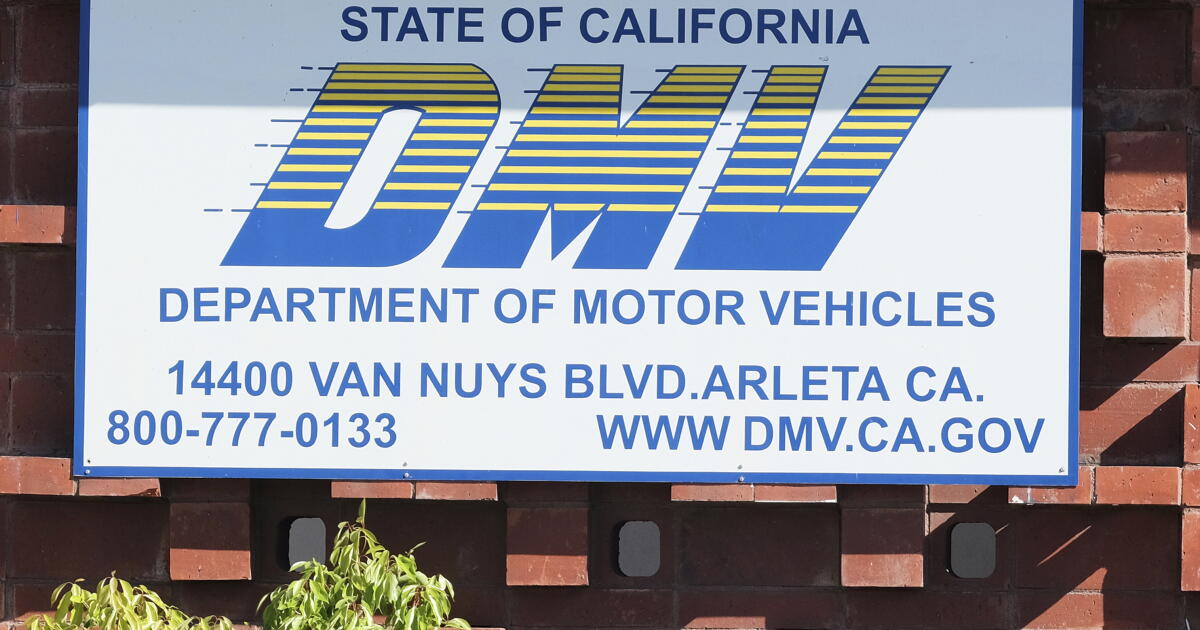
Teamsters California sued the California Department of Motor Vehicles earlier this month over the DMV’s decision to lift a ban on autonomous vehicles weighing more than 10,001 pounds.
The DMV announced the new regulations in April, along with certification requirements that mandate testing with a safety driver and 500,000 miles driven at each stage of certification.
The Teamsters, which represent 250,000 workers across dozens of industries in California, said they have concerns about how this will affect drivers’ work and safety. The union said the DMV approved heavy-duty driverless vehicles without considering impact or public input.
“We’re not going to sit by idly while they put jobs and the safety of our streets and roads at risk,” Teamsters California co-chair Peter Finn said in an interview. “It’s clear from experience with Waymo that these autonomous vehicles can’t deal with unanticipated circumstances, so we are certainly cautioning about the dangers of 26,000 pounds barreling down the highways at 65 miles per hour.”
A Waymo Ojai autonomous ride-hailing vehicle travels near Fourth and Harrison streets in San Francisco on Aug. 20.
(Getty Images)
Finn pointed to instances of autonomous vehicles blocking first responders and a blackout in San Francisco last year that caused Waymo taxis to stall and get stuck in the road.
“Any time anything goes wrong at all, the system completely fails,” Finn said.
The California DMV said it could not comment on ongoing litigation. In a statement in April, DMV director Steve Gordon said the updated regulations “further demonstrate the state’s commitment to public safety” and “support the growth of the AV industry by enhancing public safety and transparency while adding additional accountability for AV manufacturers.”
William Riggs, director of the Autonomous Vehicles and the City Initiative at the University of San Francisco, said the DMV went through more than a year of proposals, public hearings and revisions before the new regulations were adopted.
“To say that the decision was too fast is a bit of a revisionist history,” he said. “It’s a long, protracted process. We’re not going to see companies flood the road with thousands of autonomous trucks tomorrow.”
The core of the Teamsters’ petition against the DMV is the claim that regulators violated the California Administrative Procedure Act by failing to complete an extensive study of the economic and practical impact of the policy change.
Under the act, agencies have to conduct what’s called a standardized regulatory impact assessment for any policy changes estimated to have an economic cost or benefit to the state that exceeds $50 million in one year, said Julie Dickinson, a partner at the law firm Bush Gottlieb, which is representing the Teamsters.
Dickinson said the true cost of the DMV’s new regulations is predicted to exceed $280 million in the first year.
“Californians had a right to know the economic impact,” Dickinson said in an interview. “The DMV acted irresponsibly, carelessly and unlawfully by keeping the public in the dark.”
California is among the largest markets for freight trucking, employing more than 130,000 drivers.
A handful of companies in California and other states are working to deploy autonomous trucks to haul freight, including Mountain View-based Kodiak AI and San Francisco-based Humble Robotics.
Humble Robotics founder and Chief Executive Eyal Cohen said he doesn’t believe self-driving trucks will replace human drivers anytime soon.
The Teamsters disagree.
“Autonomous vehicles and particularly autonomous heavy trucks are an existential threat to driving jobs,” Finn said. “It’s very important to not just our membership, but also to the economy here in California and our local communities.”
Dickinson said the Teamsters’ legal petition aims to have the court rescind the DMV’s revised regulations until after an economic study is completed and the public is consulted.
“The loss of jobs is tremendous, but the safety of millions of Californians is at stake,” she said.
Riggs said the Teamsters’ safety argument is weakened by the inconsistent safety record of human truck drivers, who have fallen asleep at the wheel or driven while distracted or otherwise impaired. He added that autonomous freight has the potential to create new jobs.
“There’s plenty of research out there that shows there are ample pathways as more trucks and vehicles become automated to conduct fleet operations, to look at maintenance and logistics,” he said.

As self-driving vehicles spread across the country, a major California labor union is taking a stand against state regulators who say autonomous trucks are ready for the road.
Teamsters California sued the California Department of Motor Vehicles earlier this month over the DMV’s decision to lift a ban on autonomous vehicles weighing more than 10,001 pounds.
The DMV announced the new regulations in April, along with certification requirements that mandate testing with a safety driver and 500,000 miles driven at each stage of certification.
The Teamsters, which represent 250,000 workers across dozens of industries in California, said they have concerns about how this will affect drivers’ work and safety. The union said the DMV approved heavy-duty driverless vehicles without considering impact or public input.
“We’re not going to sit by idly while they put jobs and the safety of our streets and roads at risk,” Teamsters California co-chair Peter Finn said in an interview. “It’s clear from experience with Waymo that these autonomous vehicles can’t deal with unanticipated circumstances, so we are certainly cautioning about the dangers of 26,000 pounds barreling down the highways at 65 miles per hour.”
A Waymo Ojai autonomous ride-hailing vehicle travels near Fourth and Harrison streets in San Francisco on Aug. 20.
(Getty Images)
Finn pointed to instances of autonomous vehicles blocking first responders and a blackout in San Francisco last year that caused Waymo taxis to stall and get stuck in the road.
“Any time anything goes wrong at all, the system completely fails,” Finn said.
The California DMV said it could not comment on ongoing litigation. In a statement in April, DMV director Steve Gordon said the updated regulations “further demonstrate the state’s commitment to public safety” and “support the growth of the AV industry by enhancing public safety and transparency while adding additional accountability for AV manufacturers.”
William Riggs, director of the Autonomous Vehicles and the City Initiative at the University of San Francisco, said the DMV went through more than a year of proposals, public hearings and revisions before the new regulations were adopted.
“To say that the decision was too fast is a bit of a revisionist history,” he said. “It’s a long, protracted process. We’re not going to see companies flood the road with thousands of autonomous trucks tomorrow.”
The core of the Teamsters’ petition against the DMV is the claim that regulators violated the California Administrative Procedure Act by failing to complete an extensive study of the economic and practical impact of the policy change.
Under the act, agencies have to conduct what’s called a standardized regulatory impact assessment for any policy changes estimated to have an economic cost or benefit to the state that exceeds $50 million in one year, said Julie Dickinson, a partner at the law firm Bush Gottlieb, which is representing the Teamsters.
Dickinson said the true cost of the DMV’s new regulations is predicted to exceed $280 million in the first year.
“Californians had a right to know the economic impact,” Dickinson said in an interview. “The DMV acted irresponsibly, carelessly and unlawfully by keeping the public in the dark.”
California is among the largest markets for freight trucking, employing more than 130,000 drivers.
A handful of companies in California and other states are working to deploy autonomous trucks to haul freight, including Mountain View-based Kodiak AI and San Francisco-based Humble Robotics.
Humble Robotics founder and Chief Executive Eyal Cohen said he doesn’t believe self-driving trucks will replace human drivers anytime soon.
The Teamsters disagree.
“Autonomous vehicles and particularly autonomous heavy trucks are an existential threat to driving jobs,” Finn said. “It’s very important to not just our membership, but also to the economy here in California and our local communities.”
Dickinson said the Teamsters’ legal petition aims to have the court rescind the DMV’s revised regulations until after an economic study is completed and the public is consulted.
“The loss of jobs is tremendous, but the safety of millions of Californians is at stake,” she said.
Riggs said the Teamsters’ safety argument is weakened by the inconsistent safety record of human truck drivers, who have fallen asleep at the wheel or driven while distracted or otherwise impaired. He added that autonomous freight has the potential to create new jobs.
“There’s plenty of research out there that shows there are ample pathways as more trucks and vehicles become automated to conduct fleet operations, to look at maintenance and logistics,” he said.

As self-driving vehicles spread across the country, a major California labor union is taking a stand against state regulators who say autonomous trucks are ready for the road.
Teamsters California sued the California Department of Motor Vehicles earlier this month over the DMV’s decision to lift a ban on autonomous vehicles weighing more than 10,001 pounds.
The DMV announced the new regulations in April, along with certification requirements that mandate testing with a safety driver and 500,000 miles driven at each stage of certification.
The Teamsters, which represent 250,000 workers across dozens of industries in California, said they have concerns about how this will affect drivers’ work and safety. The union said the DMV approved heavy-duty driverless vehicles without considering impact or public input.
“We’re not going to sit by idly while they put jobs and the safety of our streets and roads at risk,” Teamsters California co-chair Peter Finn said in an interview. “It’s clear from experience with Waymo that these autonomous vehicles can’t deal with unanticipated circumstances, so we are certainly cautioning about the dangers of 26,000 pounds barreling down the highways at 65 miles per hour.”
A Waymo Ojai autonomous ride-hailing vehicle travels near Fourth and Harrison streets in San Francisco on Aug. 20.
(Getty Images)
Finn pointed to instances of autonomous vehicles blocking first responders and a blackout in San Francisco last year that caused Waymo taxis to stall and get stuck in the road.
“Any time anything goes wrong at all, the system completely fails,” Finn said.
The California DMV said it could not comment on ongoing litigation. In a statement in April, DMV director Steve Gordon said the updated regulations “further demonstrate the state’s commitment to public safety” and “support the growth of the AV industry by enhancing public safety and transparency while adding additional accountability for AV manufacturers.”
William Riggs, director of the Autonomous Vehicles and the City Initiative at the University of San Francisco, said the DMV went through more than a year of proposals, public hearings and revisions before the new regulations were adopted.
“To say that the decision was too fast is a bit of a revisionist history,” he said. “It’s a long, protracted process. We’re not going to see companies flood the road with thousands of autonomous trucks tomorrow.”
The core of the Teamsters’ petition against the DMV is the claim that regulators violated the California Administrative Procedure Act by failing to complete an extensive study of the economic and practical impact of the policy change.
Under the act, agencies have to conduct what’s called a standardized regulatory impact assessment for any policy changes estimated to have an economic cost or benefit to the state that exceeds $50 million in one year, said Julie Dickinson, a partner at the law firm Bush Gottlieb, which is representing the Teamsters.
Dickinson said the true cost of the DMV’s new regulations is predicted to exceed $280 million in the first year.
“Californians had a right to know the economic impact,” Dickinson said in an interview. “The DMV acted irresponsibly, carelessly and unlawfully by keeping the public in the dark.”
California is among the largest markets for freight trucking, employing more than 130,000 drivers.
A handful of companies in California and other states are working to deploy autonomous trucks to haul freight, including Mountain View-based Kodiak AI and San Francisco-based Humble Robotics.
Humble Robotics founder and Chief Executive Eyal Cohen said he doesn’t believe self-driving trucks will replace human drivers anytime soon.
The Teamsters disagree.
“Autonomous vehicles and particularly autonomous heavy trucks are an existential threat to driving jobs,” Finn said. “It’s very important to not just our membership, but also to the economy here in California and our local communities.”
Dickinson said the Teamsters’ legal petition aims to have the court rescind the DMV’s revised regulations until after an economic study is completed and the public is consulted.
“The loss of jobs is tremendous, but the safety of millions of Californians is at stake,” she said.
Riggs said the Teamsters’ safety argument is weakened by the inconsistent safety record of human truck drivers, who have fallen asleep at the wheel or driven while distracted or otherwise impaired. He added that autonomous freight has the potential to create new jobs.
“There’s plenty of research out there that shows there are ample pathways as more trucks and vehicles become automated to conduct fleet operations, to look at maintenance and logistics,” he said.
As self-driving vehicles spread across the country, a major California labor union is taking a stand against state regulators who say autonomous trucks are ready for the road.
Teamsters California sued the California Department of Motor Vehicles earlier this month over the DMV’s decision to lift a ban on autonomous vehicles weighing more than 10,001 pounds.
The DMV announced the new regulations in April, along with certification requirements that mandate testing with a safety driver and 500,000 miles driven at each stage of certification.
The Teamsters, which represent 250,000 workers across dozens of industries in California, said they have concerns about how this will affect drivers’ work and safety. The union said the DMV approved heavy-duty driverless vehicles without considering impact or public input.
“We’re not going to sit by idly while they put jobs and the safety of our streets and roads at risk,” Teamsters California co-chair Peter Finn said in an interview. “It’s clear from experience with Waymo that these autonomous vehicles can’t deal with unanticipated circumstances, so we are certainly cautioning about the dangers of 26,000 pounds barreling down the highways at 65 miles per hour.”
A Waymo Ojai autonomous ride-hailing vehicle travels near Fourth and Harrison streets in San Francisco on Aug. 20.
(Getty Images)
Finn pointed to instances of autonomous vehicles blocking first responders and a blackout in San Francisco last year that caused Waymo taxis to stall and get stuck in the road.
“Any time anything goes wrong at all, the system completely fails,” Finn said.
The California DMV said it could not comment on ongoing litigation. In a statement in April, DMV director Steve Gordon said the updated regulations “further demonstrate the state’s commitment to public safety” and “support the growth of the AV industry by enhancing public safety and transparency while adding additional accountability for AV manufacturers.”
William Riggs, director of the Autonomous Vehicles and the City Initiative at the University of San Francisco, said the DMV went through more than a year of proposals, public hearings and revisions before the new regulations were adopted.
“To say that the decision was too fast is a bit of a revisionist history,” he said. “It’s a long, protracted process. We’re not going to see companies flood the road with thousands of autonomous trucks tomorrow.”
The core of the Teamsters’ petition against the DMV is the claim that regulators violated the California Administrative Procedure Act by failing to complete an extensive study of the economic and practical impact of the policy change.
Under the act, agencies have to conduct what’s called a standardized regulatory impact assessment for any policy changes estimated to have an economic cost or benefit to the state that exceeds $50 million in one year, said Julie Dickinson, a partner at the law firm Bush Gottlieb, which is representing the Teamsters.
Dickinson said the true cost of the DMV’s new regulations is predicted to exceed $280 million in the first year.
“Californians had a right to know the economic impact,” Dickinson said in an interview. “The DMV acted irresponsibly, carelessly and unlawfully by keeping the public in the dark.”
California is among the largest markets for freight trucking, employing more than 130,000 drivers.
A handful of companies in California and other states are working to deploy autonomous trucks to haul freight, including Mountain View-based Kodiak AI and San Francisco-based Humble Robotics.
Humble Robotics founder and Chief Executive Eyal Cohen said he doesn’t believe self-driving trucks will replace human drivers anytime soon.
The Teamsters disagree.
“Autonomous vehicles and particularly autonomous heavy trucks are an existential threat to driving jobs,” Finn said. “It’s very important to not just our membership, but also to the economy here in California and our local communities.”
Dickinson said the Teamsters’ legal petition aims to have the court rescind the DMV’s revised regulations until after an economic study is completed and the public is consulted.
“The loss of jobs is tremendous, but the safety of millions of Californians is at stake,” she said.
Riggs said the Teamsters’ safety argument is weakened by the inconsistent safety record of human truck drivers, who have fallen asleep at the wheel or driven while distracted or otherwise impaired. He added that autonomous freight has the potential to create new jobs.
“There’s plenty of research out there that shows there are ample pathways as more trucks and vehicles become automated to conduct fleet operations, to look at maintenance and logistics,” he said.

As self-driving vehicles spread across the country, a major California labor union is taking a stand against state regulators who say autonomous trucks are ready for the road.
Teamsters California sued the California Department of Motor Vehicles earlier this month over the DMV’s decision to lift a ban on autonomous vehicles weighing more than 10,001 pounds.
The DMV announced the new regulations in April, along with certification requirements that mandate testing with a safety driver and 500,000 miles driven at each stage of certification.
The Teamsters, which represent 250,000 workers across dozens of industries in California, said they have concerns about how this will affect drivers’ work and safety. The union said the DMV approved heavy-duty driverless vehicles without considering impact or public input.
“We’re not going to sit by idly while they put jobs and the safety of our streets and roads at risk,” Teamsters California co-chair Peter Finn said in an interview. “It’s clear from experience with Waymo that these autonomous vehicles can’t deal with unanticipated circumstances, so we are certainly cautioning about the dangers of 26,000 pounds barreling down the highways at 65 miles per hour.”
A Waymo Ojai autonomous ride-hailing vehicle travels near Fourth and Harrison streets in San Francisco on Aug. 20.
(Getty Images)
Finn pointed to instances of autonomous vehicles blocking first responders and a blackout in San Francisco last year that caused Waymo taxis to stall and get stuck in the road.
“Any time anything goes wrong at all, the system completely fails,” Finn said.
The California DMV said it could not comment on ongoing litigation. In a statement in April, DMV director Steve Gordon said the updated regulations “further demonstrate the state’s commitment to public safety” and “support the growth of the AV industry by enhancing public safety and transparency while adding additional accountability for AV manufacturers.”
William Riggs, director of the Autonomous Vehicles and the City Initiative at the University of San Francisco, said the DMV went through more than a year of proposals, public hearings and revisions before the new regulations were adopted.
“To say that the decision was too fast is a bit of a revisionist history,” he said. “It’s a long, protracted process. We’re not going to see companies flood the road with thousands of autonomous trucks tomorrow.”
The core of the Teamsters’ petition against the DMV is the claim that regulators violated the California Administrative Procedure Act by failing to complete an extensive study of the economic and practical impact of the policy change.
Under the act, agencies have to conduct what’s called a standardized regulatory impact assessment for any policy changes estimated to have an economic cost or benefit to the state that exceeds $50 million in one year, said Julie Dickinson, a partner at the law firm Bush Gottlieb, which is representing the Teamsters.
Dickinson said the true cost of the DMV’s new regulations is predicted to exceed $280 million in the first year.
“Californians had a right to know the economic impact,” Dickinson said in an interview. “The DMV acted irresponsibly, carelessly and unlawfully by keeping the public in the dark.”
California is among the largest markets for freight trucking, employing more than 130,000 drivers.
A handful of companies in California and other states are working to deploy autonomous trucks to haul freight, including Mountain View-based Kodiak AI and San Francisco-based Humble Robotics.
Humble Robotics founder and Chief Executive Eyal Cohen said he doesn’t believe self-driving trucks will replace human drivers anytime soon.
The Teamsters disagree.
“Autonomous vehicles and particularly autonomous heavy trucks are an existential threat to driving jobs,” Finn said. “It’s very important to not just our membership, but also to the economy here in California and our local communities.”
Dickinson said the Teamsters’ legal petition aims to have the court rescind the DMV’s revised regulations until after an economic study is completed and the public is consulted.
“The loss of jobs is tremendous, but the safety of millions of Californians is at stake,” she said.
Riggs said the Teamsters’ safety argument is weakened by the inconsistent safety record of human truck drivers, who have fallen asleep at the wheel or driven while distracted or otherwise impaired. He added that autonomous freight has the potential to create new jobs.
“There’s plenty of research out there that shows there are ample pathways as more trucks and vehicles become automated to conduct fleet operations, to look at maintenance and logistics,” he said.
As self-driving vehicles spread across the country, a major California labor union is taking a stand against state regulators who say autonomous trucks are ready for the road.
Teamsters California sued the California Department of Motor Vehicles earlier this month over the DMV’s decision to lift a ban on autonomous vehicles weighing more than 10,001 pounds.
The DMV announced the new regulations in April, along with certification requirements that mandate testing with a safety driver and 500,000 miles driven at each stage of certification.
The Teamsters, which represent 250,000 workers across dozens of industries in California, said they have concerns about how this will affect drivers’ work and safety. The union said the DMV approved heavy-duty driverless vehicles without considering impact or public input.
“We’re not going to sit by idly while they put jobs and the safety of our streets and roads at risk,” Teamsters California co-chair Peter Finn said in an interview. “It’s clear from experience with Waymo that these autonomous vehicles can’t deal with unanticipated circumstances, so we are certainly cautioning about the dangers of 26,000 pounds barreling down the highways at 65 miles per hour.”
A Waymo Ojai autonomous ride-hailing vehicle travels near Fourth and Harrison streets in San Francisco on Aug. 20.
(Getty Images)
Finn pointed to instances of autonomous vehicles blocking first responders and a blackout in San Francisco last year that caused Waymo taxis to stall and get stuck in the road.
“Any time anything goes wrong at all, the system completely fails,” Finn said.
The California DMV said it could not comment on ongoing litigation. In a statement in April, DMV director Steve Gordon said the updated regulations “further demonstrate the state’s commitment to public safety” and “support the growth of the AV industry by enhancing public safety and transparency while adding additional accountability for AV manufacturers.”
William Riggs, director of the Autonomous Vehicles and the City Initiative at the University of San Francisco, said the DMV went through more than a year of proposals, public hearings and revisions before the new regulations were adopted.
“To say that the decision was too fast is a bit of a revisionist history,” he said. “It’s a long, protracted process. We’re not going to see companies flood the road with thousands of autonomous trucks tomorrow.”
The core of the Teamsters’ petition against the DMV is the claim that regulators violated the California Administrative Procedure Act by failing to complete an extensive study of the economic and practical impact of the policy change.
Under the act, agencies have to conduct what’s called a standardized regulatory impact assessment for any policy changes estimated to have an economic cost or benefit to the state that exceeds $50 million in one year, said Julie Dickinson, a partner at the law firm Bush Gottlieb, which is representing the Teamsters.
Dickinson said the true cost of the DMV’s new regulations is predicted to exceed $280 million in the first year.
“Californians had a right to know the economic impact,” Dickinson said in an interview. “The DMV acted irresponsibly, carelessly and unlawfully by keeping the public in the dark.”
California is among the largest markets for freight trucking, employing more than 130,000 drivers.
A handful of companies in California and other states are working to deploy autonomous trucks to haul freight, including Mountain View-based Kodiak AI and San Francisco-based Humble Robotics.
Humble Robotics founder and Chief Executive Eyal Cohen said he doesn’t believe self-driving trucks will replace human drivers anytime soon.
The Teamsters disagree.
“Autonomous vehicles and particularly autonomous heavy trucks are an existential threat to driving jobs,” Finn said. “It’s very important to not just our membership, but also to the economy here in California and our local communities.”
Dickinson said the Teamsters’ legal petition aims to have the court rescind the DMV’s revised regulations until after an economic study is completed and the public is consulted.
“The loss of jobs is tremendous, but the safety of millions of Californians is at stake,” she said.
Riggs said the Teamsters’ safety argument is weakened by the inconsistent safety record of human truck drivers, who have fallen asleep at the wheel or driven while distracted or otherwise impaired. He added that autonomous freight has the potential to create new jobs.
“There’s plenty of research out there that shows there are ample pathways as more trucks and vehicles become automated to conduct fleet operations, to look at maintenance and logistics,” he said.
As self-driving vehicles spread across the country, a major California labor union is taking a stand against state regulators who say autonomous trucks are ready for the road.
Teamsters California sued the California Department of Motor Vehicles earlier this month over the DMV’s decision to lift a ban on autonomous vehicles weighing more than 10,001 pounds.
The DMV announced the new regulations in April, along with certification requirements that mandate testing with a safety driver and 500,000 miles driven at each stage of certification.
The Teamsters, which represent 250,000 workers across dozens of industries in California, said they have concerns about how this will affect drivers’ work and safety. The union said the DMV approved heavy-duty driverless vehicles without considering impact or public input.
“We’re not going to sit by idly while they put jobs and the safety of our streets and roads at risk,” Teamsters California co-chair Peter Finn said in an interview. “It’s clear from experience with Waymo that these autonomous vehicles can’t deal with unanticipated circumstances, so we are certainly cautioning about the dangers of 26,000 pounds barreling down the highways at 65 miles per hour.”
A Waymo Ojai autonomous ride-hailing vehicle travels near Fourth and Harrison streets in San Francisco on Aug. 20.
(Getty Images)
Finn pointed to instances of autonomous vehicles blocking first responders and a blackout in San Francisco last year that caused Waymo taxis to stall and get stuck in the road.
“Any time anything goes wrong at all, the system completely fails,” Finn said.
The California DMV said it could not comment on ongoing litigation. In a statement in April, DMV director Steve Gordon said the updated regulations “further demonstrate the state’s commitment to public safety” and “support the growth of the AV industry by enhancing public safety and transparency while adding additional accountability for AV manufacturers.”
William Riggs, director of the Autonomous Vehicles and the City Initiative at the University of San Francisco, said the DMV went through more than a year of proposals, public hearings and revisions before the new regulations were adopted.
“To say that the decision was too fast is a bit of a revisionist history,” he said. “It’s a long, protracted process. We’re not going to see companies flood the road with thousands of autonomous trucks tomorrow.”
The core of the Teamsters’ petition against the DMV is the claim that regulators violated the California Administrative Procedure Act by failing to complete an extensive study of the economic and practical impact of the policy change.
Under the act, agencies have to conduct what’s called a standardized regulatory impact assessment for any policy changes estimated to have an economic cost or benefit to the state that exceeds $50 million in one year, said Julie Dickinson, a partner at the law firm Bush Gottlieb, which is representing the Teamsters.
Dickinson said the true cost of the DMV’s new regulations is predicted to exceed $280 million in the first year.
“Californians had a right to know the economic impact,” Dickinson said in an interview. “The DMV acted irresponsibly, carelessly and unlawfully by keeping the public in the dark.”
California is among the largest markets for freight trucking, employing more than 130,000 drivers.
A handful of companies in California and other states are working to deploy autonomous trucks to haul freight, including Mountain View-based Kodiak AI and San Francisco-based Humble Robotics.
Humble Robotics founder and Chief Executive Eyal Cohen said he doesn’t believe self-driving trucks will replace human drivers anytime soon.
The Teamsters disagree.
“Autonomous vehicles and particularly autonomous heavy trucks are an existential threat to driving jobs,” Finn said. “It’s very important to not just our membership, but also to the economy here in California and our local communities.”
Dickinson said the Teamsters’ legal petition aims to have the court rescind the DMV’s revised regulations until after an economic study is completed and the public is consulted.
“The loss of jobs is tremendous, but the safety of millions of Californians is at stake,” she said.
Riggs said the Teamsters’ safety argument is weakened by the inconsistent safety record of human truck drivers, who have fallen asleep at the wheel or driven while distracted or otherwise impaired. He added that autonomous freight has the potential to create new jobs.
“There’s plenty of research out there that shows there are ample pathways as more trucks and vehicles become automated to conduct fleet operations, to look at maintenance and logistics,” he said.
As self-driving vehicles spread across the country, a major California labor union is taking a stand against state regulators who say autonomous trucks are ready for the road.
Teamsters California sued the California Department of Motor Vehicles earlier this month over the DMV’s decision to lift a ban on autonomous vehicles weighing more than 10,001 pounds.
The DMV announced the new regulations in April, along with certification requirements that mandate testing with a safety driver and 500,000 miles driven at each stage of certification.
The Teamsters, which represent 250,000 workers across dozens of industries in California, said they have concerns about how this will affect drivers’ work and safety. The union said the DMV approved heavy-duty driverless vehicles without considering impact or public input.
“We’re not going to sit by idly while they put jobs and the safety of our streets and roads at risk,” Teamsters California co-chair Peter Finn said in an interview. “It’s clear from experience with Waymo that these autonomous vehicles can’t deal with unanticipated circumstances, so we are certainly cautioning about the dangers of 26,000 pounds barreling down the highways at 65 miles per hour.”
A Waymo Ojai autonomous ride-hailing vehicle travels near Fourth and Harrison streets in San Francisco on Aug. 20.
(Getty Images)
Finn pointed to instances of autonomous vehicles blocking first responders and a blackout in San Francisco last year that caused Waymo taxis to stall and get stuck in the road.
“Any time anything goes wrong at all, the system completely fails,” Finn said.
The California DMV said it could not comment on ongoing litigation. In a statement in April, DMV director Steve Gordon said the updated regulations “further demonstrate the state’s commitment to public safety” and “support the growth of the AV industry by enhancing public safety and transparency while adding additional accountability for AV manufacturers.”
William Riggs, director of the Autonomous Vehicles and the City Initiative at the University of San Francisco, said the DMV went through more than a year of proposals, public hearings and revisions before the new regulations were adopted.
“To say that the decision was too fast is a bit of a revisionist history,” he said. “It’s a long, protracted process. We’re not going to see companies flood the road with thousands of autonomous trucks tomorrow.”
The core of the Teamsters’ petition against the DMV is the claim that regulators violated the California Administrative Procedure Act by failing to complete an extensive study of the economic and practical impact of the policy change.
Under the act, agencies have to conduct what’s called a standardized regulatory impact assessment for any policy changes estimated to have an economic cost or benefit to the state that exceeds $50 million in one year, said Julie Dickinson, a partner at the law firm Bush Gottlieb, which is representing the Teamsters.
Dickinson said the true cost of the DMV’s new regulations is predicted to exceed $280 million in the first year.
“Californians had a right to know the economic impact,” Dickinson said in an interview. “The DMV acted irresponsibly, carelessly and unlawfully by keeping the public in the dark.”
California is among the largest markets for freight trucking, employing more than 130,000 drivers.
A handful of companies in California and other states are working to deploy autonomous trucks to haul freight, including Mountain View-based Kodiak AI and San Francisco-based Humble Robotics.
Humble Robotics founder and Chief Executive Eyal Cohen said he doesn’t believe self-driving trucks will replace human drivers anytime soon.
The Teamsters disagree.
“Autonomous vehicles and particularly autonomous heavy trucks are an existential threat to driving jobs,” Finn said. “It’s very important to not just our membership, but also to the economy here in California and our local communities.”
Dickinson said the Teamsters’ legal petition aims to have the court rescind the DMV’s revised regulations until after an economic study is completed and the public is consulted.
“The loss of jobs is tremendous, but the safety of millions of Californians is at stake,” she said.
Riggs said the Teamsters’ safety argument is weakened by the inconsistent safety record of human truck drivers, who have fallen asleep at the wheel or driven while distracted or otherwise impaired. He added that autonomous freight has the potential to create new jobs.
“There’s plenty of research out there that shows there are ample pathways as more trucks and vehicles become automated to conduct fleet operations, to look at maintenance and logistics,” he said.

