

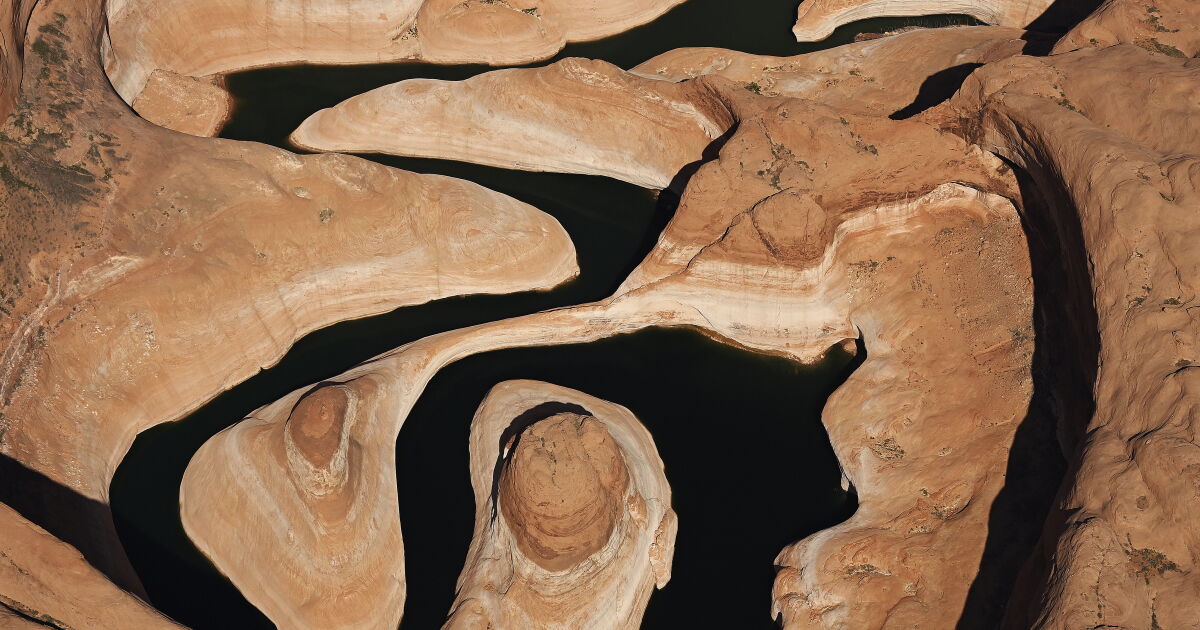

The seven states that depend on the Colorado River announced on Monday that they have reached an agreement on cutting water use from the river over the next three years to prevent reservoirs from falling to critically low levels.
Representatives of the states reached the consensus after months of negotiations, with California, Arizona and Nevada together committing to reduce water use by about 3 million acre-feet between now and the end of 2026.
The Biden administration announced that the federal Interior Department, which had laid out options for larger reductions, will analyze the proposal from the states.
“This is an important step forward towards our shared goal of forging a sustainable path for the basin that millions of people call home,” Bureau of Reclamation Commissioner Camille Calimlim Touton said.
Interior Secretary Deb Haaland called the agreement a testament to the Biden administration’s commitment to working with states, tribes and communities in the West “to find consensus solutions in the face of climate change and sustained drought.”
The federal government last month had laid out two options for preventing the Colorado River’s depleted reservoirs from reaching dangerously low levels, saying the water cuts could be imposed by following the water-rights priority system or by using an across-the-board percentage. Under those alternatives, federal officials said the cuts would reach more than 2 million acre-feet — a major reduction from the three states’ total apportionment of 7.5 million acre-feet.
This article will be updated.

The seven states that depend on the Colorado River announced on Monday that they have reached an agreement on cutting water use from the river over the next three years to prevent reservoirs from falling to critically low levels.
Representatives of the states reached the consensus after months of negotiations, with California, Arizona and Nevada together committing to reduce water use by about 3 million acre-feet between now and the end of 2026.
The Biden administration announced that the federal Interior Department, which had laid out options for larger reductions, will analyze the proposal from the states.
“This is an important step forward towards our shared goal of forging a sustainable path for the basin that millions of people call home,” Bureau of Reclamation Commissioner Camille Calimlim Touton said.
Interior Secretary Deb Haaland called the agreement a testament to the Biden administration’s commitment to working with states, tribes and communities in the West “to find consensus solutions in the face of climate change and sustained drought.”
The federal government last month had laid out two options for preventing the Colorado River’s depleted reservoirs from reaching dangerously low levels, saying the water cuts could be imposed by following the water-rights priority system or by using an across-the-board percentage. Under those alternatives, federal officials said the cuts would reach more than 2 million acre-feet — a major reduction from the three states’ total apportionment of 7.5 million acre-feet.
This article will be updated.

The seven states that depend on the Colorado River announced on Monday that they have reached an agreement on cutting water use from the river over the next three years to prevent reservoirs from falling to critically low levels.
Representatives of the states reached the consensus after months of negotiations, with California, Arizona and Nevada together committing to reduce water use by about 3 million acre-feet between now and the end of 2026.
The Biden administration announced that the federal Interior Department, which had laid out options for larger reductions, will analyze the proposal from the states.
“This is an important step forward towards our shared goal of forging a sustainable path for the basin that millions of people call home,” Bureau of Reclamation Commissioner Camille Calimlim Touton said.
Interior Secretary Deb Haaland called the agreement a testament to the Biden administration’s commitment to working with states, tribes and communities in the West “to find consensus solutions in the face of climate change and sustained drought.”
The federal government last month had laid out two options for preventing the Colorado River’s depleted reservoirs from reaching dangerously low levels, saying the water cuts could be imposed by following the water-rights priority system or by using an across-the-board percentage. Under those alternatives, federal officials said the cuts would reach more than 2 million acre-feet — a major reduction from the three states’ total apportionment of 7.5 million acre-feet.
This article will be updated.
The seven states that depend on the Colorado River announced on Monday that they have reached an agreement on cutting water use from the river over the next three years to prevent reservoirs from falling to critically low levels.
Representatives of the states reached the consensus after months of negotiations, with California, Arizona and Nevada together committing to reduce water use by about 3 million acre-feet between now and the end of 2026.
The Biden administration announced that the federal Interior Department, which had laid out options for larger reductions, will analyze the proposal from the states.
“This is an important step forward towards our shared goal of forging a sustainable path for the basin that millions of people call home,” Bureau of Reclamation Commissioner Camille Calimlim Touton said.
Interior Secretary Deb Haaland called the agreement a testament to the Biden administration’s commitment to working with states, tribes and communities in the West “to find consensus solutions in the face of climate change and sustained drought.”
The federal government last month had laid out two options for preventing the Colorado River’s depleted reservoirs from reaching dangerously low levels, saying the water cuts could be imposed by following the water-rights priority system or by using an across-the-board percentage. Under those alternatives, federal officials said the cuts would reach more than 2 million acre-feet — a major reduction from the three states’ total apportionment of 7.5 million acre-feet.
This article will be updated.

The seven states that depend on the Colorado River announced on Monday that they have reached an agreement on cutting water use from the river over the next three years to prevent reservoirs from falling to critically low levels.
Representatives of the states reached the consensus after months of negotiations, with California, Arizona and Nevada together committing to reduce water use by about 3 million acre-feet between now and the end of 2026.
The Biden administration announced that the federal Interior Department, which had laid out options for larger reductions, will analyze the proposal from the states.
“This is an important step forward towards our shared goal of forging a sustainable path for the basin that millions of people call home,” Bureau of Reclamation Commissioner Camille Calimlim Touton said.
Interior Secretary Deb Haaland called the agreement a testament to the Biden administration’s commitment to working with states, tribes and communities in the West “to find consensus solutions in the face of climate change and sustained drought.”
The federal government last month had laid out two options for preventing the Colorado River’s depleted reservoirs from reaching dangerously low levels, saying the water cuts could be imposed by following the water-rights priority system or by using an across-the-board percentage. Under those alternatives, federal officials said the cuts would reach more than 2 million acre-feet — a major reduction from the three states’ total apportionment of 7.5 million acre-feet.
This article will be updated.
The seven states that depend on the Colorado River announced on Monday that they have reached an agreement on cutting water use from the river over the next three years to prevent reservoirs from falling to critically low levels.
Representatives of the states reached the consensus after months of negotiations, with California, Arizona and Nevada together committing to reduce water use by about 3 million acre-feet between now and the end of 2026.
The Biden administration announced that the federal Interior Department, which had laid out options for larger reductions, will analyze the proposal from the states.
“This is an important step forward towards our shared goal of forging a sustainable path for the basin that millions of people call home,” Bureau of Reclamation Commissioner Camille Calimlim Touton said.
Interior Secretary Deb Haaland called the agreement a testament to the Biden administration’s commitment to working with states, tribes and communities in the West “to find consensus solutions in the face of climate change and sustained drought.”
The federal government last month had laid out two options for preventing the Colorado River’s depleted reservoirs from reaching dangerously low levels, saying the water cuts could be imposed by following the water-rights priority system or by using an across-the-board percentage. Under those alternatives, federal officials said the cuts would reach more than 2 million acre-feet — a major reduction from the three states’ total apportionment of 7.5 million acre-feet.
This article will be updated.
The seven states that depend on the Colorado River announced on Monday that they have reached an agreement on cutting water use from the river over the next three years to prevent reservoirs from falling to critically low levels.
Representatives of the states reached the consensus after months of negotiations, with California, Arizona and Nevada together committing to reduce water use by about 3 million acre-feet between now and the end of 2026.
The Biden administration announced that the federal Interior Department, which had laid out options for larger reductions, will analyze the proposal from the states.
“This is an important step forward towards our shared goal of forging a sustainable path for the basin that millions of people call home,” Bureau of Reclamation Commissioner Camille Calimlim Touton said.
Interior Secretary Deb Haaland called the agreement a testament to the Biden administration’s commitment to working with states, tribes and communities in the West “to find consensus solutions in the face of climate change and sustained drought.”
The federal government last month had laid out two options for preventing the Colorado River’s depleted reservoirs from reaching dangerously low levels, saying the water cuts could be imposed by following the water-rights priority system or by using an across-the-board percentage. Under those alternatives, federal officials said the cuts would reach more than 2 million acre-feet — a major reduction from the three states’ total apportionment of 7.5 million acre-feet.
This article will be updated.
The seven states that depend on the Colorado River announced on Monday that they have reached an agreement on cutting water use from the river over the next three years to prevent reservoirs from falling to critically low levels.
Representatives of the states reached the consensus after months of negotiations, with California, Arizona and Nevada together committing to reduce water use by about 3 million acre-feet between now and the end of 2026.
The Biden administration announced that the federal Interior Department, which had laid out options for larger reductions, will analyze the proposal from the states.
“This is an important step forward towards our shared goal of forging a sustainable path for the basin that millions of people call home,” Bureau of Reclamation Commissioner Camille Calimlim Touton said.
Interior Secretary Deb Haaland called the agreement a testament to the Biden administration’s commitment to working with states, tribes and communities in the West “to find consensus solutions in the face of climate change and sustained drought.”
The federal government last month had laid out two options for preventing the Colorado River’s depleted reservoirs from reaching dangerously low levels, saying the water cuts could be imposed by following the water-rights priority system or by using an across-the-board percentage. Under those alternatives, federal officials said the cuts would reach more than 2 million acre-feet — a major reduction from the three states’ total apportionment of 7.5 million acre-feet.
This article will be updated.

