



Washington DC
New York
Toronto
Distribution: (800) 510 9863
Press ID
  • Login
Binghamton Herald
Advertisement
Friday, May 8, 2026
  • Home
  • World
  • Politics
  • Business
  • Technology
  • Culture
  • Health
  • Entertainment
  • Trending
No Result
View All Result
Binghamton Herald
No Result
View All Result
Home Politics

Bill to allow Amsterdam-style cannabis cafes in California goes up in smoke with Newsom veto

by Binghamton Herald Report
October 10, 2023
in Politics
Share on FacebookShare on Twitter

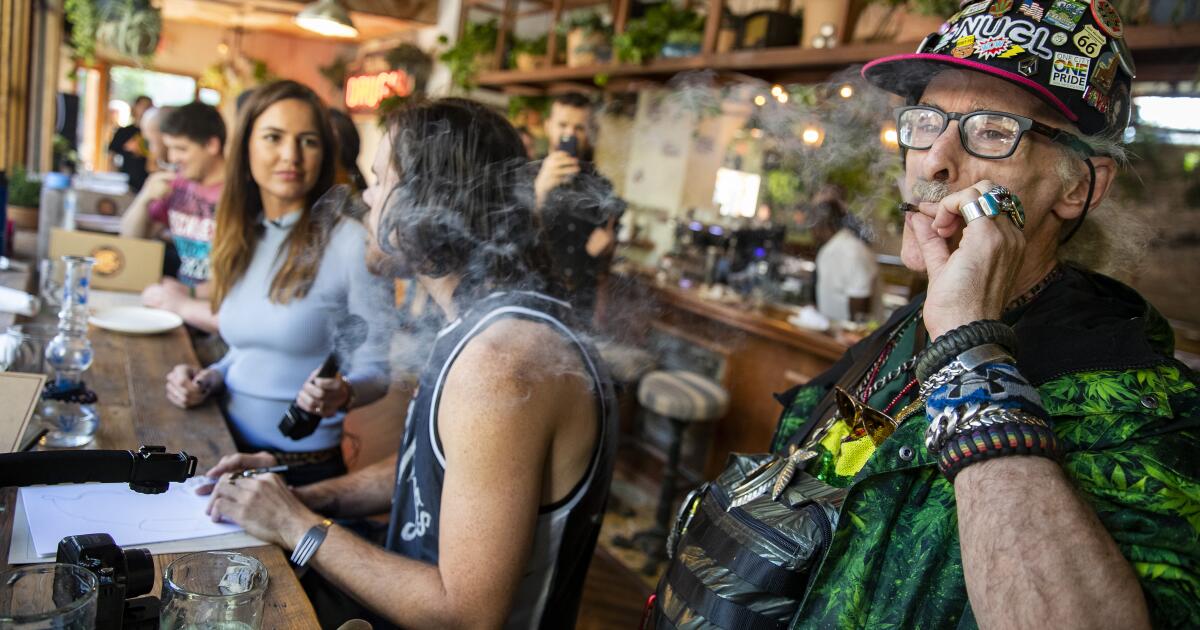
Cannabis dispensaries in California won’t be able to convert their businesses into cafes where they can sell food and host live concerts anytime soon.

Gov. Gavin Newsom vetoed a bill Sunday that would have legalized Amsterdam-style cafes in the state and provided the cannabis industry an opportunity to host customers in a more inviting lounge setting.

Although it’s technically not illegal for customers to consume cannabis at a dispensary, it is illegal for a dispensary to sell non-cannabis products such as coffee or food. Assembly Bill 374, referred to as the Cannabis Cafe Bill, wouldn’t have cleared the way for dispensaries to serve alcohol, but it would have allowed them to move away from a pharmacy-like business model.

In vetoing the bill, Newsom cited California’s long-standing smoke-free workplace protections.

“Protecting the health and safety of workers is paramount,” Newsom wrote in his veto message. “I encourage the author to address this concern in subsequent legislation.”

The American Cancer Society’s nonpartisan advocacy group applauded Newsom’s decision.

“We commend Governor Newsom for prioritizing public health and protecting Californians’ right to breathe clean, smoke-free air,” Jim Knox, managing director of the society‘s Cancer Action Network in California, said in a statement. “The cancer-causing substances found in marijuana smoke pose numerous health hazards to the individual using and others in their presence. Additionally, secondhand marijuana smoke can pass THC, exposing non-users to its psychoactive effects.”

The bill’s author, Assemblymember Matt Haney (D-San Francisco), said voters have already approved smoking inside dispensaries and the bill would have allowed those businesses to serve food and drinks to their customers.

“I appreciate and respect the governor’s concerns about workers’ health,” Haney said in a statement. “And I’m looking forward to working closely with his office and with labor leaders to make sure we get this right when I introduce the bill next year.”

The bill was meant to give the legal cannabis industry a chance to compete with the black market, Haney said, because legal businesses have higher costs to produce and sell their products while illegal growers sidestep safety regulations, product testing and do not pay taxes.

“It’s really about fairness and supporting businesses that follow the rules,” Haney said in a statement. “If we keep allowing unnecessary regulations to strangle California’s legal cannabis businesses, we’re just encouraging illegal drug sales and all of the problems that come with that.”

Prior to Newsom’s veto, Haney explained that the cannabis industry was missing a key social component. While it is legal to smoke cannabis in a dispensary, it is still technically illegal to smoke in public in California.

“There’s just a huge opportunity to bring people into these establishments to consume cannabis safely and legally, and to create community and culture at the same time,” Haney told The Times last month when the bill passed the state Assembly with a 66-to-9 vote and the Senate in a final vote of 33 to 3.

Cannabis dispensaries in California won’t be able to convert their businesses into cafes where they can sell food and host live concerts anytime soon.

Gov. Gavin Newsom vetoed a bill Sunday that would have legalized Amsterdam-style cafes in the state and provided the cannabis industry an opportunity to host customers in a more inviting lounge setting.

Although it’s technically not illegal for customers to consume cannabis at a dispensary, it is illegal for a dispensary to sell non-cannabis products such as coffee or food. Assembly Bill 374, referred to as the Cannabis Cafe Bill, wouldn’t have cleared the way for dispensaries to serve alcohol, but it would have allowed them to move away from a pharmacy-like business model.

In vetoing the bill, Newsom cited California’s long-standing smoke-free workplace protections.

“Protecting the health and safety of workers is paramount,” Newsom wrote in his veto message. “I encourage the author to address this concern in subsequent legislation.”

The American Cancer Society’s nonpartisan advocacy group applauded Newsom’s decision.

“We commend Governor Newsom for prioritizing public health and protecting Californians’ right to breathe clean, smoke-free air,” Jim Knox, managing director of the society‘s Cancer Action Network in California, said in a statement. “The cancer-causing substances found in marijuana smoke pose numerous health hazards to the individual using and others in their presence. Additionally, secondhand marijuana smoke can pass THC, exposing non-users to its psychoactive effects.”

The bill’s author, Assemblymember Matt Haney (D-San Francisco), said voters have already approved smoking inside dispensaries and the bill would have allowed those businesses to serve food and drinks to their customers.

“I appreciate and respect the governor’s concerns about workers’ health,” Haney said in a statement. “And I’m looking forward to working closely with his office and with labor leaders to make sure we get this right when I introduce the bill next year.”

The bill was meant to give the legal cannabis industry a chance to compete with the black market, Haney said, because legal businesses have higher costs to produce and sell their products while illegal growers sidestep safety regulations, product testing and do not pay taxes.

“It’s really about fairness and supporting businesses that follow the rules,” Haney said in a statement. “If we keep allowing unnecessary regulations to strangle California’s legal cannabis businesses, we’re just encouraging illegal drug sales and all of the problems that come with that.”

Prior to Newsom’s veto, Haney explained that the cannabis industry was missing a key social component. While it is legal to smoke cannabis in a dispensary, it is still technically illegal to smoke in public in California.

“There’s just a huge opportunity to bring people into these establishments to consume cannabis safely and legally, and to create community and culture at the same time,” Haney told The Times last month when the bill passed the state Assembly with a 66-to-9 vote and the Senate in a final vote of 33 to 3.

Cannabis dispensaries in California won’t be able to convert their businesses into cafes where they can sell food and host live concerts anytime soon.

Gov. Gavin Newsom vetoed a bill Sunday that would have legalized Amsterdam-style cafes in the state and provided the cannabis industry an opportunity to host customers in a more inviting lounge setting.

Although it’s technically not illegal for customers to consume cannabis at a dispensary, it is illegal for a dispensary to sell non-cannabis products such as coffee or food. Assembly Bill 374, referred to as the Cannabis Cafe Bill, wouldn’t have cleared the way for dispensaries to serve alcohol, but it would have allowed them to move away from a pharmacy-like business model.

In vetoing the bill, Newsom cited California’s long-standing smoke-free workplace protections.

“Protecting the health and safety of workers is paramount,” Newsom wrote in his veto message. “I encourage the author to address this concern in subsequent legislation.”

The American Cancer Society’s nonpartisan advocacy group applauded Newsom’s decision.

“We commend Governor Newsom for prioritizing public health and protecting Californians’ right to breathe clean, smoke-free air,” Jim Knox, managing director of the society‘s Cancer Action Network in California, said in a statement. “The cancer-causing substances found in marijuana smoke pose numerous health hazards to the individual using and others in their presence. Additionally, secondhand marijuana smoke can pass THC, exposing non-users to its psychoactive effects.”

The bill’s author, Assemblymember Matt Haney (D-San Francisco), said voters have already approved smoking inside dispensaries and the bill would have allowed those businesses to serve food and drinks to their customers.

“I appreciate and respect the governor’s concerns about workers’ health,” Haney said in a statement. “And I’m looking forward to working closely with his office and with labor leaders to make sure we get this right when I introduce the bill next year.”

The bill was meant to give the legal cannabis industry a chance to compete with the black market, Haney said, because legal businesses have higher costs to produce and sell their products while illegal growers sidestep safety regulations, product testing and do not pay taxes.

“It’s really about fairness and supporting businesses that follow the rules,” Haney said in a statement. “If we keep allowing unnecessary regulations to strangle California’s legal cannabis businesses, we’re just encouraging illegal drug sales and all of the problems that come with that.”

Prior to Newsom’s veto, Haney explained that the cannabis industry was missing a key social component. While it is legal to smoke cannabis in a dispensary, it is still technically illegal to smoke in public in California.

“There’s just a huge opportunity to bring people into these establishments to consume cannabis safely and legally, and to create community and culture at the same time,” Haney told The Times last month when the bill passed the state Assembly with a 66-to-9 vote and the Senate in a final vote of 33 to 3.


Cannabis dispensaries in California won’t be able to convert their businesses into cafes where they can sell food and host live concerts anytime soon.

Gov. Gavin Newsom vetoed a bill Sunday that would have legalized Amsterdam-style cafes in the state and provided the cannabis industry an opportunity to host customers in a more inviting lounge setting.

Although it’s technically not illegal for customers to consume cannabis at a dispensary, it is illegal for a dispensary to sell non-cannabis products such as coffee or food. Assembly Bill 374, referred to as the Cannabis Cafe Bill, wouldn’t have cleared the way for dispensaries to serve alcohol, but it would have allowed them to move away from a pharmacy-like business model.

In vetoing the bill, Newsom cited California’s long-standing smoke-free workplace protections.

“Protecting the health and safety of workers is paramount,” Newsom wrote in his veto message. “I encourage the author to address this concern in subsequent legislation.”

The American Cancer Society’s nonpartisan advocacy group applauded Newsom’s decision.

“We commend Governor Newsom for prioritizing public health and protecting Californians’ right to breathe clean, smoke-free air,” Jim Knox, managing director of the society‘s Cancer Action Network in California, said in a statement. “The cancer-causing substances found in marijuana smoke pose numerous health hazards to the individual using and others in their presence. Additionally, secondhand marijuana smoke can pass THC, exposing non-users to its psychoactive effects.”

The bill’s author, Assemblymember Matt Haney (D-San Francisco), said voters have already approved smoking inside dispensaries and the bill would have allowed those businesses to serve food and drinks to their customers.

“I appreciate and respect the governor’s concerns about workers’ health,” Haney said in a statement. “And I’m looking forward to working closely with his office and with labor leaders to make sure we get this right when I introduce the bill next year.”

The bill was meant to give the legal cannabis industry a chance to compete with the black market, Haney said, because legal businesses have higher costs to produce and sell their products while illegal growers sidestep safety regulations, product testing and do not pay taxes.

“It’s really about fairness and supporting businesses that follow the rules,” Haney said in a statement. “If we keep allowing unnecessary regulations to strangle California’s legal cannabis businesses, we’re just encouraging illegal drug sales and all of the problems that come with that.”

Prior to Newsom’s veto, Haney explained that the cannabis industry was missing a key social component. While it is legal to smoke cannabis in a dispensary, it is still technically illegal to smoke in public in California.

“There’s just a huge opportunity to bring people into these establishments to consume cannabis safely and legally, and to create community and culture at the same time,” Haney told The Times last month when the bill passed the state Assembly with a 66-to-9 vote and the Senate in a final vote of 33 to 3.

Cannabis dispensaries in California won’t be able to convert their businesses into cafes where they can sell food and host live concerts anytime soon.

Gov. Gavin Newsom vetoed a bill Sunday that would have legalized Amsterdam-style cafes in the state and provided the cannabis industry an opportunity to host customers in a more inviting lounge setting.

Although it’s technically not illegal for customers to consume cannabis at a dispensary, it is illegal for a dispensary to sell non-cannabis products such as coffee or food. Assembly Bill 374, referred to as the Cannabis Cafe Bill, wouldn’t have cleared the way for dispensaries to serve alcohol, but it would have allowed them to move away from a pharmacy-like business model.

In vetoing the bill, Newsom cited California’s long-standing smoke-free workplace protections.

“Protecting the health and safety of workers is paramount,” Newsom wrote in his veto message. “I encourage the author to address this concern in subsequent legislation.”

The American Cancer Society’s nonpartisan advocacy group applauded Newsom’s decision.

“We commend Governor Newsom for prioritizing public health and protecting Californians’ right to breathe clean, smoke-free air,” Jim Knox, managing director of the society‘s Cancer Action Network in California, said in a statement. “The cancer-causing substances found in marijuana smoke pose numerous health hazards to the individual using and others in their presence. Additionally, secondhand marijuana smoke can pass THC, exposing non-users to its psychoactive effects.”

The bill’s author, Assemblymember Matt Haney (D-San Francisco), said voters have already approved smoking inside dispensaries and the bill would have allowed those businesses to serve food and drinks to their customers.

“I appreciate and respect the governor’s concerns about workers’ health,” Haney said in a statement. “And I’m looking forward to working closely with his office and with labor leaders to make sure we get this right when I introduce the bill next year.”

The bill was meant to give the legal cannabis industry a chance to compete with the black market, Haney said, because legal businesses have higher costs to produce and sell their products while illegal growers sidestep safety regulations, product testing and do not pay taxes.

“It’s really about fairness and supporting businesses that follow the rules,” Haney said in a statement. “If we keep allowing unnecessary regulations to strangle California’s legal cannabis businesses, we’re just encouraging illegal drug sales and all of the problems that come with that.”

Prior to Newsom’s veto, Haney explained that the cannabis industry was missing a key social component. While it is legal to smoke cannabis in a dispensary, it is still technically illegal to smoke in public in California.

“There’s just a huge opportunity to bring people into these establishments to consume cannabis safely and legally, and to create community and culture at the same time,” Haney told The Times last month when the bill passed the state Assembly with a 66-to-9 vote and the Senate in a final vote of 33 to 3.

Cannabis dispensaries in California won’t be able to convert their businesses into cafes where they can sell food and host live concerts anytime soon.

Gov. Gavin Newsom vetoed a bill Sunday that would have legalized Amsterdam-style cafes in the state and provided the cannabis industry an opportunity to host customers in a more inviting lounge setting.

Although it’s technically not illegal for customers to consume cannabis at a dispensary, it is illegal for a dispensary to sell non-cannabis products such as coffee or food. Assembly Bill 374, referred to as the Cannabis Cafe Bill, wouldn’t have cleared the way for dispensaries to serve alcohol, but it would have allowed them to move away from a pharmacy-like business model.

In vetoing the bill, Newsom cited California’s long-standing smoke-free workplace protections.

“Protecting the health and safety of workers is paramount,” Newsom wrote in his veto message. “I encourage the author to address this concern in subsequent legislation.”

The American Cancer Society’s nonpartisan advocacy group applauded Newsom’s decision.

“We commend Governor Newsom for prioritizing public health and protecting Californians’ right to breathe clean, smoke-free air,” Jim Knox, managing director of the society‘s Cancer Action Network in California, said in a statement. “The cancer-causing substances found in marijuana smoke pose numerous health hazards to the individual using and others in their presence. Additionally, secondhand marijuana smoke can pass THC, exposing non-users to its psychoactive effects.”

The bill’s author, Assemblymember Matt Haney (D-San Francisco), said voters have already approved smoking inside dispensaries and the bill would have allowed those businesses to serve food and drinks to their customers.

“I appreciate and respect the governor’s concerns about workers’ health,” Haney said in a statement. “And I’m looking forward to working closely with his office and with labor leaders to make sure we get this right when I introduce the bill next year.”

The bill was meant to give the legal cannabis industry a chance to compete with the black market, Haney said, because legal businesses have higher costs to produce and sell their products while illegal growers sidestep safety regulations, product testing and do not pay taxes.

“It’s really about fairness and supporting businesses that follow the rules,” Haney said in a statement. “If we keep allowing unnecessary regulations to strangle California’s legal cannabis businesses, we’re just encouraging illegal drug sales and all of the problems that come with that.”

Prior to Newsom’s veto, Haney explained that the cannabis industry was missing a key social component. While it is legal to smoke cannabis in a dispensary, it is still technically illegal to smoke in public in California.

“There’s just a huge opportunity to bring people into these establishments to consume cannabis safely and legally, and to create community and culture at the same time,” Haney told The Times last month when the bill passed the state Assembly with a 66-to-9 vote and the Senate in a final vote of 33 to 3.

Cannabis dispensaries in California won’t be able to convert their businesses into cafes where they can sell food and host live concerts anytime soon.

Gov. Gavin Newsom vetoed a bill Sunday that would have legalized Amsterdam-style cafes in the state and provided the cannabis industry an opportunity to host customers in a more inviting lounge setting.

Although it’s technically not illegal for customers to consume cannabis at a dispensary, it is illegal for a dispensary to sell non-cannabis products such as coffee or food. Assembly Bill 374, referred to as the Cannabis Cafe Bill, wouldn’t have cleared the way for dispensaries to serve alcohol, but it would have allowed them to move away from a pharmacy-like business model.

In vetoing the bill, Newsom cited California’s long-standing smoke-free workplace protections.

“Protecting the health and safety of workers is paramount,” Newsom wrote in his veto message. “I encourage the author to address this concern in subsequent legislation.”

The American Cancer Society’s nonpartisan advocacy group applauded Newsom’s decision.

“We commend Governor Newsom for prioritizing public health and protecting Californians’ right to breathe clean, smoke-free air,” Jim Knox, managing director of the society‘s Cancer Action Network in California, said in a statement. “The cancer-causing substances found in marijuana smoke pose numerous health hazards to the individual using and others in their presence. Additionally, secondhand marijuana smoke can pass THC, exposing non-users to its psychoactive effects.”

The bill’s author, Assemblymember Matt Haney (D-San Francisco), said voters have already approved smoking inside dispensaries and the bill would have allowed those businesses to serve food and drinks to their customers.

“I appreciate and respect the governor’s concerns about workers’ health,” Haney said in a statement. “And I’m looking forward to working closely with his office and with labor leaders to make sure we get this right when I introduce the bill next year.”

The bill was meant to give the legal cannabis industry a chance to compete with the black market, Haney said, because legal businesses have higher costs to produce and sell their products while illegal growers sidestep safety regulations, product testing and do not pay taxes.

“It’s really about fairness and supporting businesses that follow the rules,” Haney said in a statement. “If we keep allowing unnecessary regulations to strangle California’s legal cannabis businesses, we’re just encouraging illegal drug sales and all of the problems that come with that.”

Prior to Newsom’s veto, Haney explained that the cannabis industry was missing a key social component. While it is legal to smoke cannabis in a dispensary, it is still technically illegal to smoke in public in California.

“There’s just a huge opportunity to bring people into these establishments to consume cannabis safely and legally, and to create community and culture at the same time,” Haney told The Times last month when the bill passed the state Assembly with a 66-to-9 vote and the Senate in a final vote of 33 to 3.

Cannabis dispensaries in California won’t be able to convert their businesses into cafes where they can sell food and host live concerts anytime soon.

Gov. Gavin Newsom vetoed a bill Sunday that would have legalized Amsterdam-style cafes in the state and provided the cannabis industry an opportunity to host customers in a more inviting lounge setting.

Although it’s technically not illegal for customers to consume cannabis at a dispensary, it is illegal for a dispensary to sell non-cannabis products such as coffee or food. Assembly Bill 374, referred to as the Cannabis Cafe Bill, wouldn’t have cleared the way for dispensaries to serve alcohol, but it would have allowed them to move away from a pharmacy-like business model.

In vetoing the bill, Newsom cited California’s long-standing smoke-free workplace protections.

“Protecting the health and safety of workers is paramount,” Newsom wrote in his veto message. “I encourage the author to address this concern in subsequent legislation.”

The American Cancer Society’s nonpartisan advocacy group applauded Newsom’s decision.

“We commend Governor Newsom for prioritizing public health and protecting Californians’ right to breathe clean, smoke-free air,” Jim Knox, managing director of the society‘s Cancer Action Network in California, said in a statement. “The cancer-causing substances found in marijuana smoke pose numerous health hazards to the individual using and others in their presence. Additionally, secondhand marijuana smoke can pass THC, exposing non-users to its psychoactive effects.”

The bill’s author, Assemblymember Matt Haney (D-San Francisco), said voters have already approved smoking inside dispensaries and the bill would have allowed those businesses to serve food and drinks to their customers.

“I appreciate and respect the governor’s concerns about workers’ health,” Haney said in a statement. “And I’m looking forward to working closely with his office and with labor leaders to make sure we get this right when I introduce the bill next year.”

The bill was meant to give the legal cannabis industry a chance to compete with the black market, Haney said, because legal businesses have higher costs to produce and sell their products while illegal growers sidestep safety regulations, product testing and do not pay taxes.

“It’s really about fairness and supporting businesses that follow the rules,” Haney said in a statement. “If we keep allowing unnecessary regulations to strangle California’s legal cannabis businesses, we’re just encouraging illegal drug sales and all of the problems that come with that.”

Prior to Newsom’s veto, Haney explained that the cannabis industry was missing a key social component. While it is legal to smoke cannabis in a dispensary, it is still technically illegal to smoke in public in California.

“There’s just a huge opportunity to bring people into these establishments to consume cannabis safely and legally, and to create community and culture at the same time,” Haney told The Times last month when the bill passed the state Assembly with a 66-to-9 vote and the Senate in a final vote of 33 to 3.

Previous Post

Hamas Hits Israel’s Ashkelon With Rocket Barrage, Putin Decries ‘Failed’ US Foreign Policy — Up

Next Post

Walking into the James Veloria dressing room is like walking into a party at any time

Leave a Reply Cancel reply

Your email address will not be published. Required fields are marked *

BROWSE BY CATEGORIES

  • Business
  • Culture
  • Entertainment
  • Health
  • Politics
  • Technology
  • Trending
  • Uncategorized
  • World
Binghamton Herald

© 2024 Binghamton Herald or its affiliated companies.

Navigate Site

  • About
  • Advertise
  • Terms & Conditions
  • Privacy Policy
  • Disclaimer
  • Contact

Follow Us

No Result
View All Result
  • Home
  • World
  • Politics
  • Business
  • Technology
  • Culture
  • Health
  • Entertainment
  • Trending

© 2024 Binghamton Herald or its affiliated companies.

Welcome Back!

Login to your account below

Forgotten Password?

Retrieve your password

Please enter your username or email address to reset your password.

Log In